

.svg)
In this video, we will analyze how Russia’s fuel crisis puts pressure on Kremlin.
Here, the fuel shortages became so acute that Putin was forced to admit the truth and try to calm down the infuriated population who had to deal with the fallout of the war he started. However, as even the capital, Moscow, runs dry, the situation threatens to turn into complete chaos.
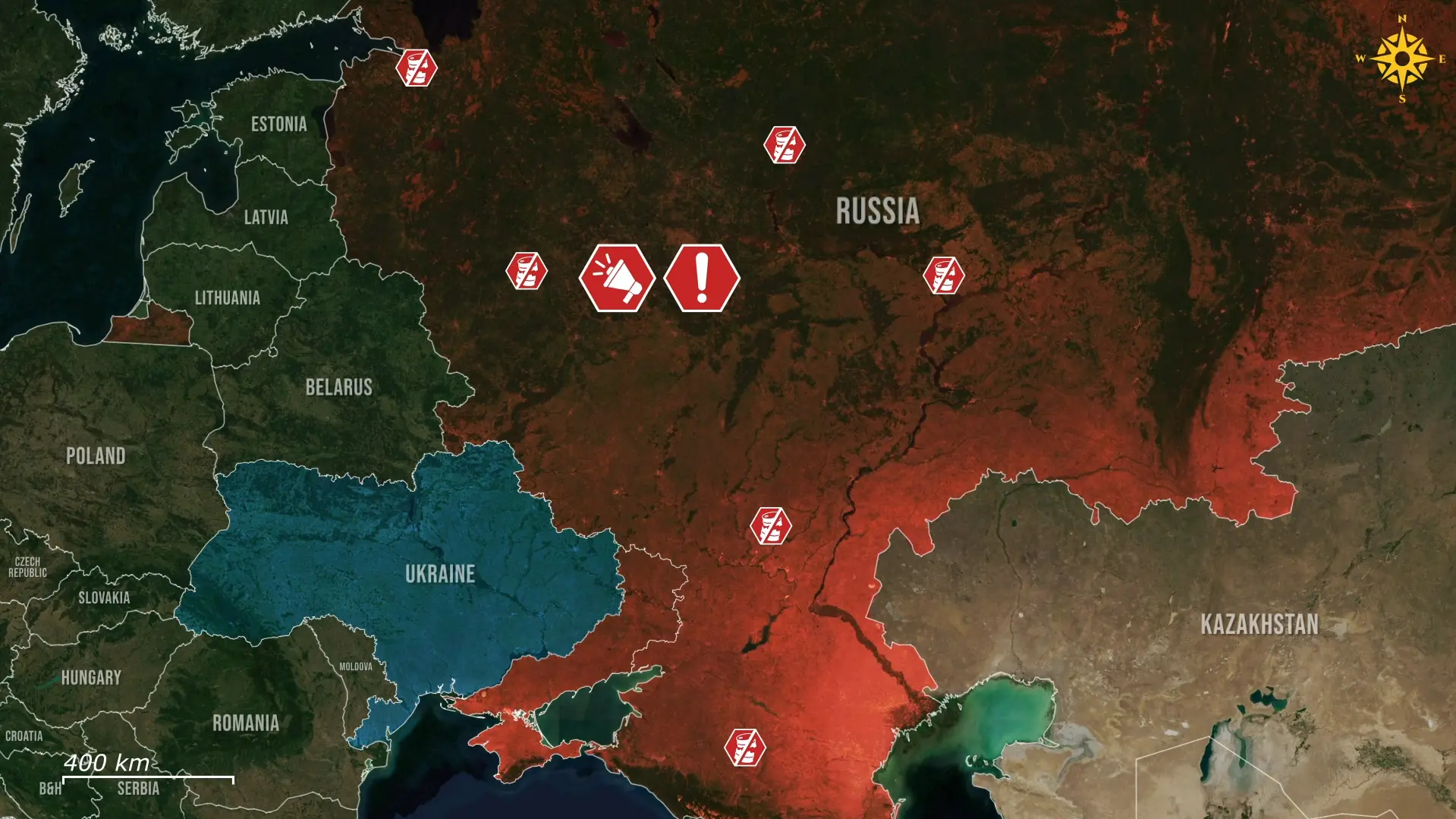
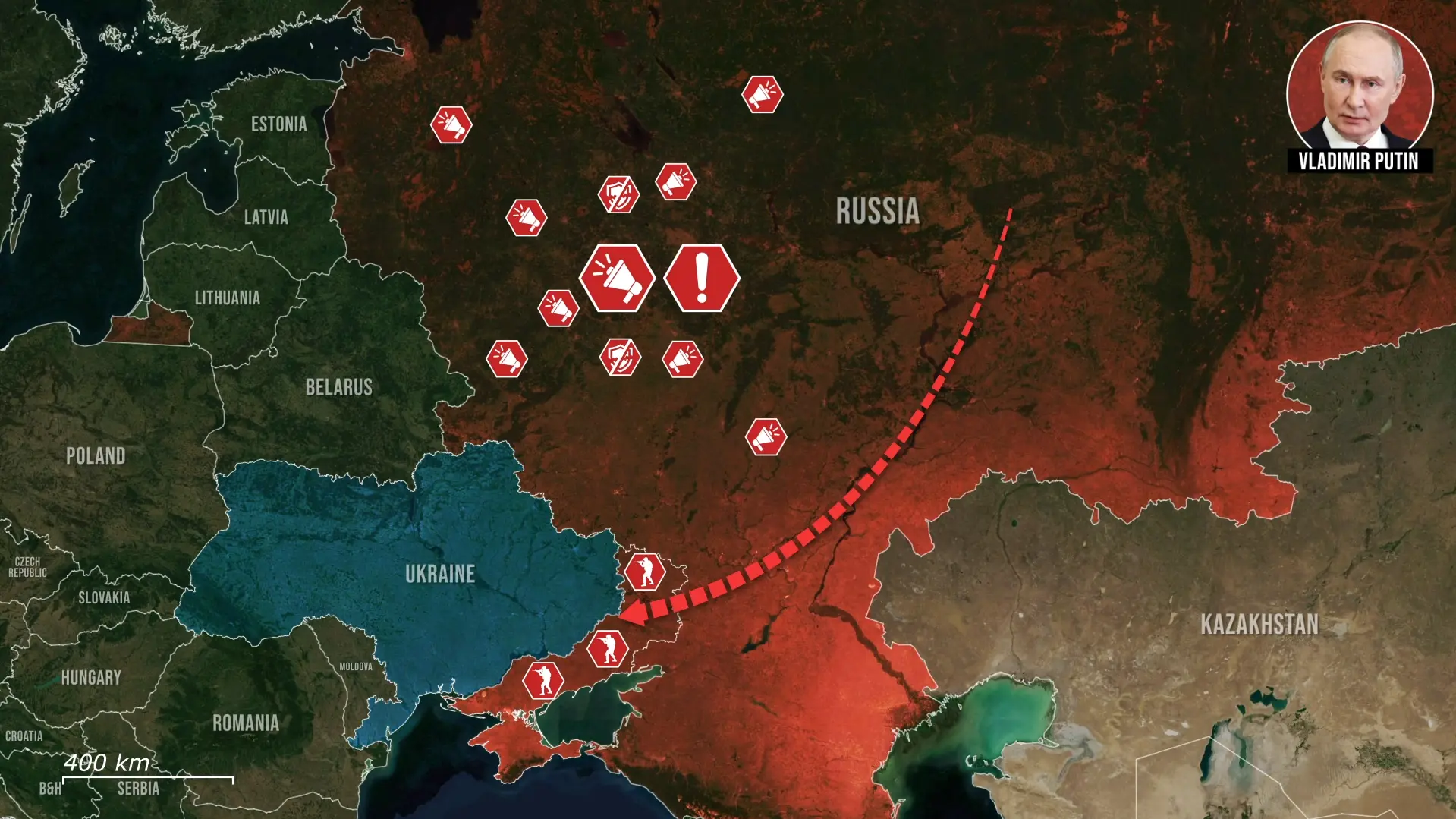
Recently, Putin announced publicly that Russia is facing a fuel shortage due to an increase in Ukraine’s long-range drone strikes. However, he described the situation as non-critical and assured that the government is working to restore supplies. Even though Putin stated that Russia is going through a difficult period, he insists on continuing the war, stating that Russian soldiers would continue their offensive operations despite the crisis on the home front. However, this admission is significant because it marks the first acknowledgment of Ukraine’s successes by him. The Russian leadership usually outright denies everything that makes it look weak, and this shows that the situation is so critical that the Kremlin can no longer dismiss it, even as it tries to downplay the effects.
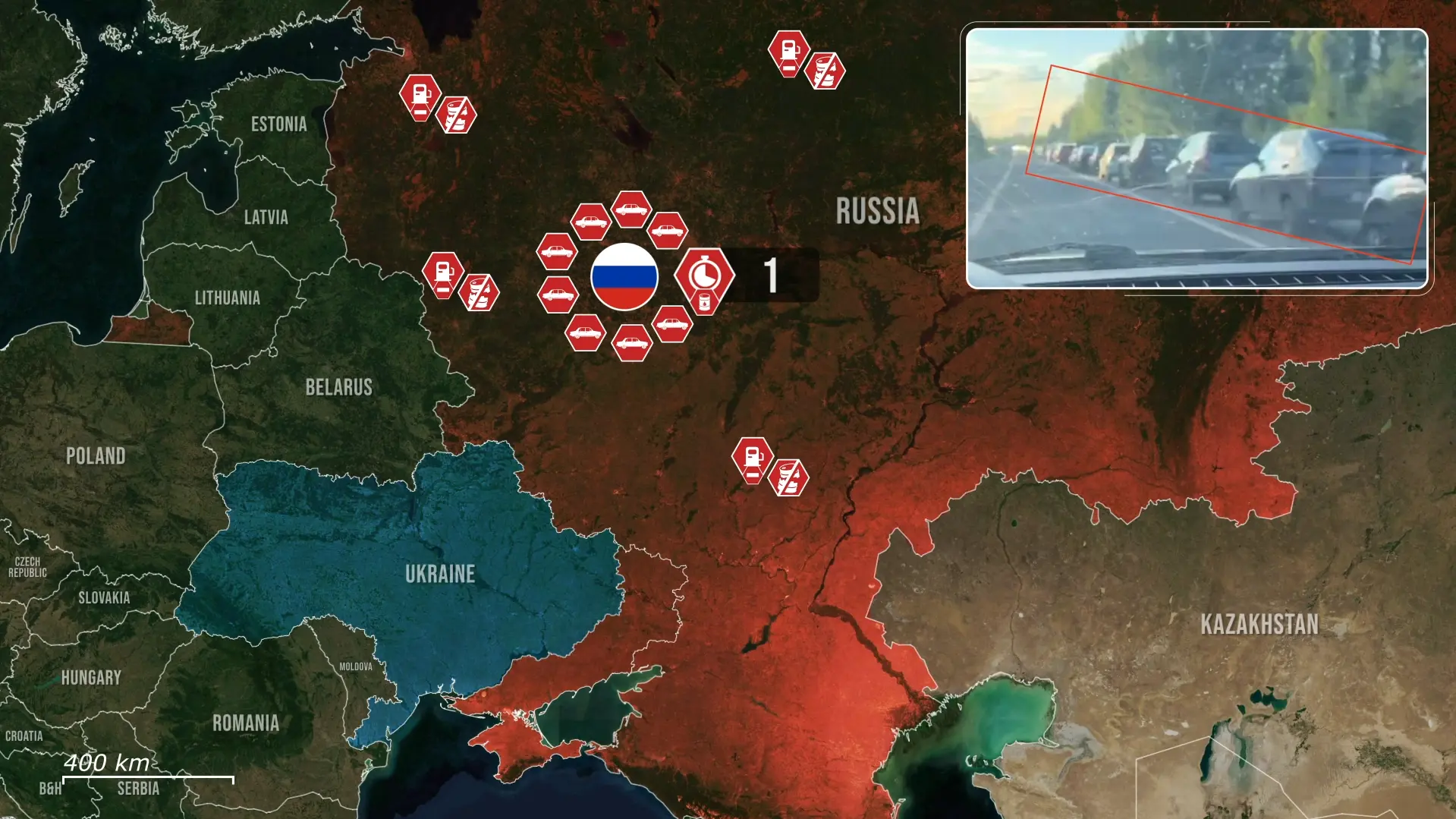
In reality, Putin tried to calm a situation that is even worse than he stated, because the Russian capital’s reserves are dangerously thin, enough to last just over a day at the current tempo even with restricted consumption and purchase limits. Now, Moscow city is forced to start transferring fuel from other regions to the capital, which will only further exacerbate the crisis in other major cities, where people were allowed to buy up to twenty liters per car. However, these measures are not enough, as proven by videos in Moscow, showing hundreds of cars waiting for fuel. This indicates that Moscow is running dry despite being prioritized and supplied more than other regions, proving that the situation is even worse elsewhere in Russia.
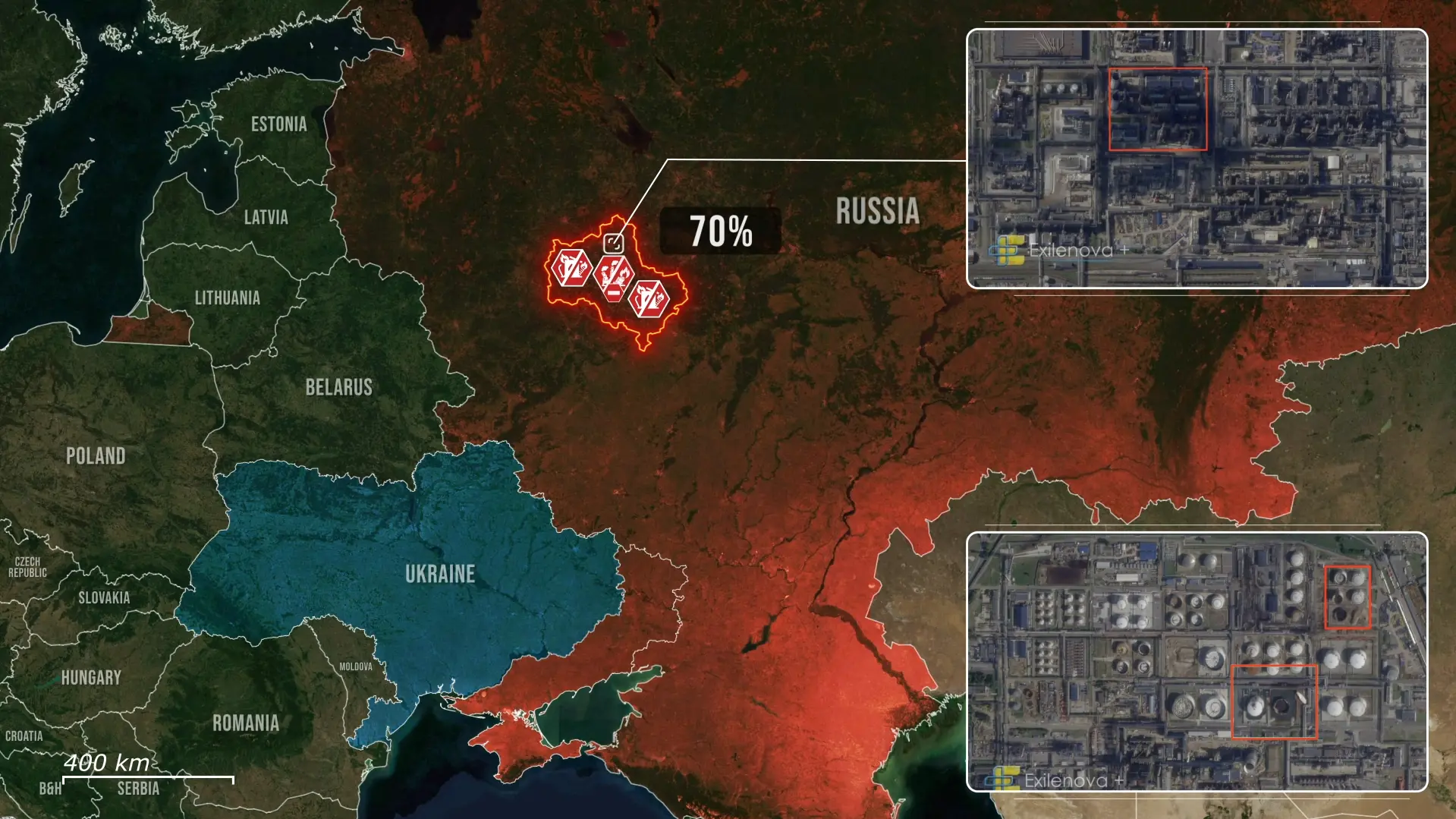
The main reason for the crisis in Moscow is the Ukrainian strikes, which halted the Moscow refinery from working until at least the end of the year. This is particularly critical because it met fifty percent of the capital’s needs and seventy percent of the region’s needs, leaving twenty-one million Russians without local oil refining capacity. Satellite imagery shows fresh damage at the refinery and at least two tanks burned out completely, another was heavily damaged, and two more show visible signs of fire, which continued spreading and destroyed additional tanks after the initial strike, reducing the output and storage capabilities to zero.
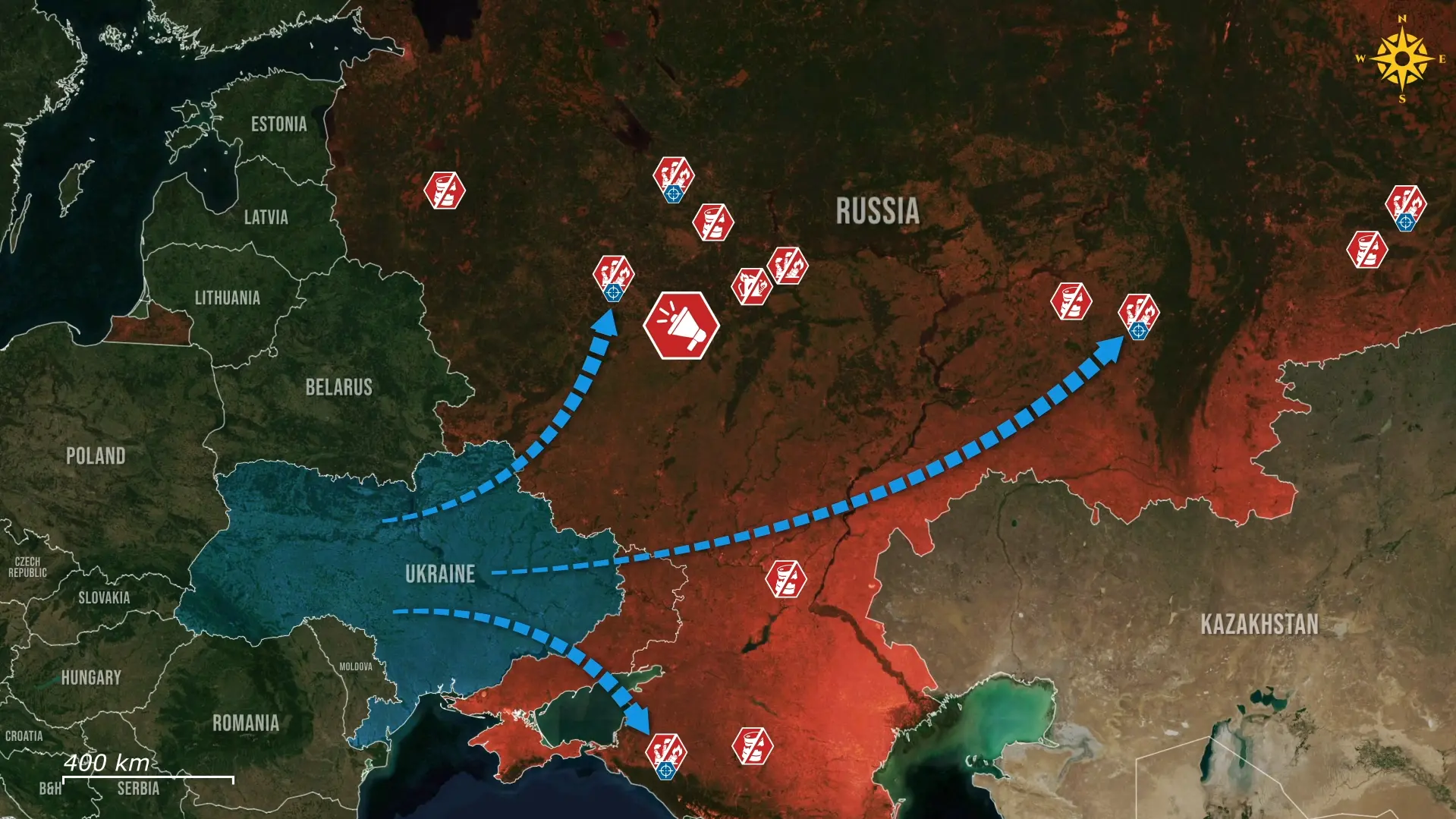
Ukraine continued its campaign against Russia’s major oil refineries to disrupt the whole system and not allow damage to be absorbed by targeting one of the most important in the south, namely the Slavyansk refinery. Heavy smoke spread across the sky, covering the sun over the city after the attack on a plant that processes up to five point two million tons of crude per year and supplies Russia’s army and Crimea. Subsequently, the refinery in Yaroslavl, one of Russia's largest oil refineries with an annual processing capacity of fifteen million tons, was also targeted in the latest wave of Ukrainian drone strikes, damaging the processing units of the facility.
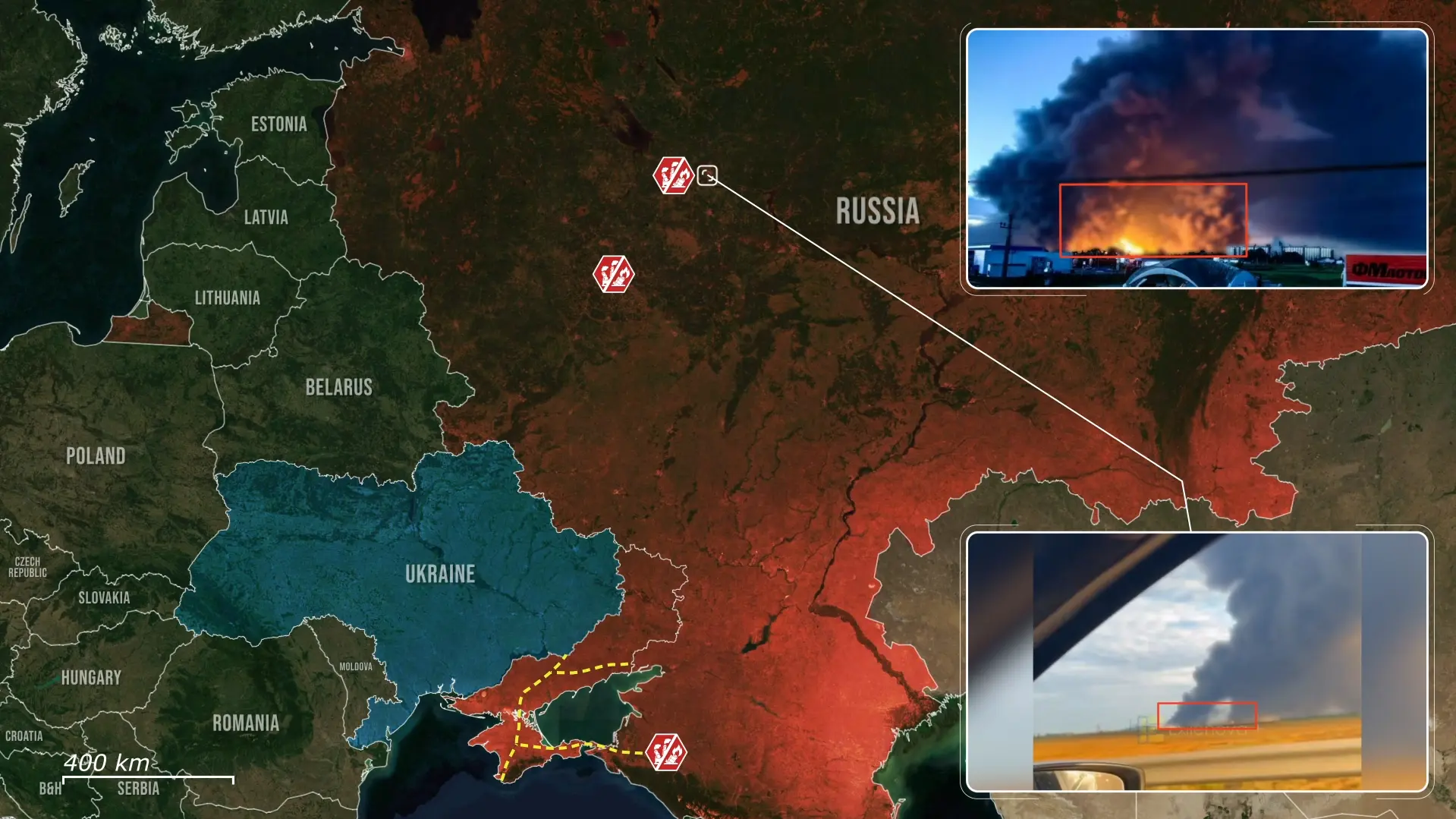
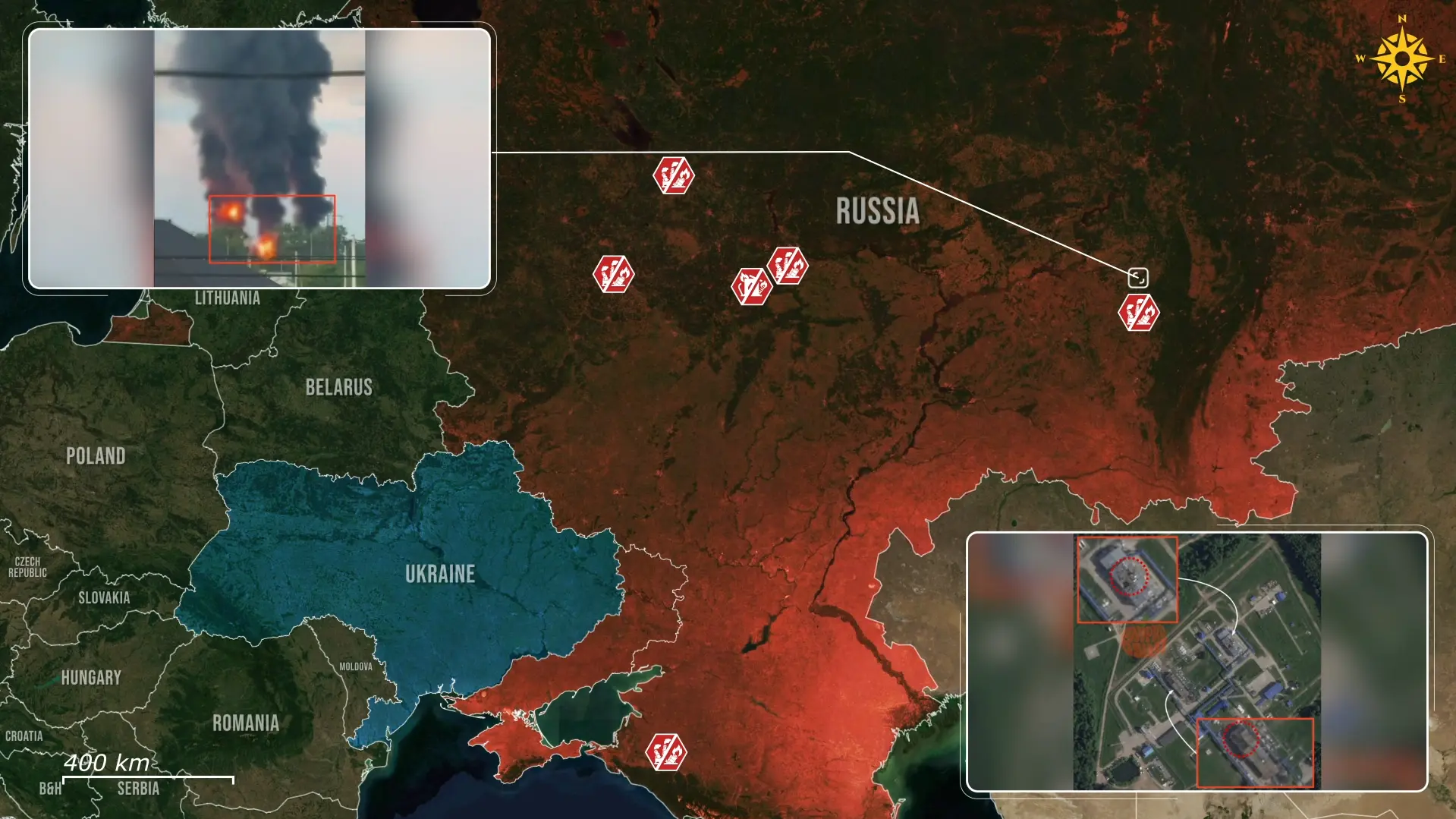
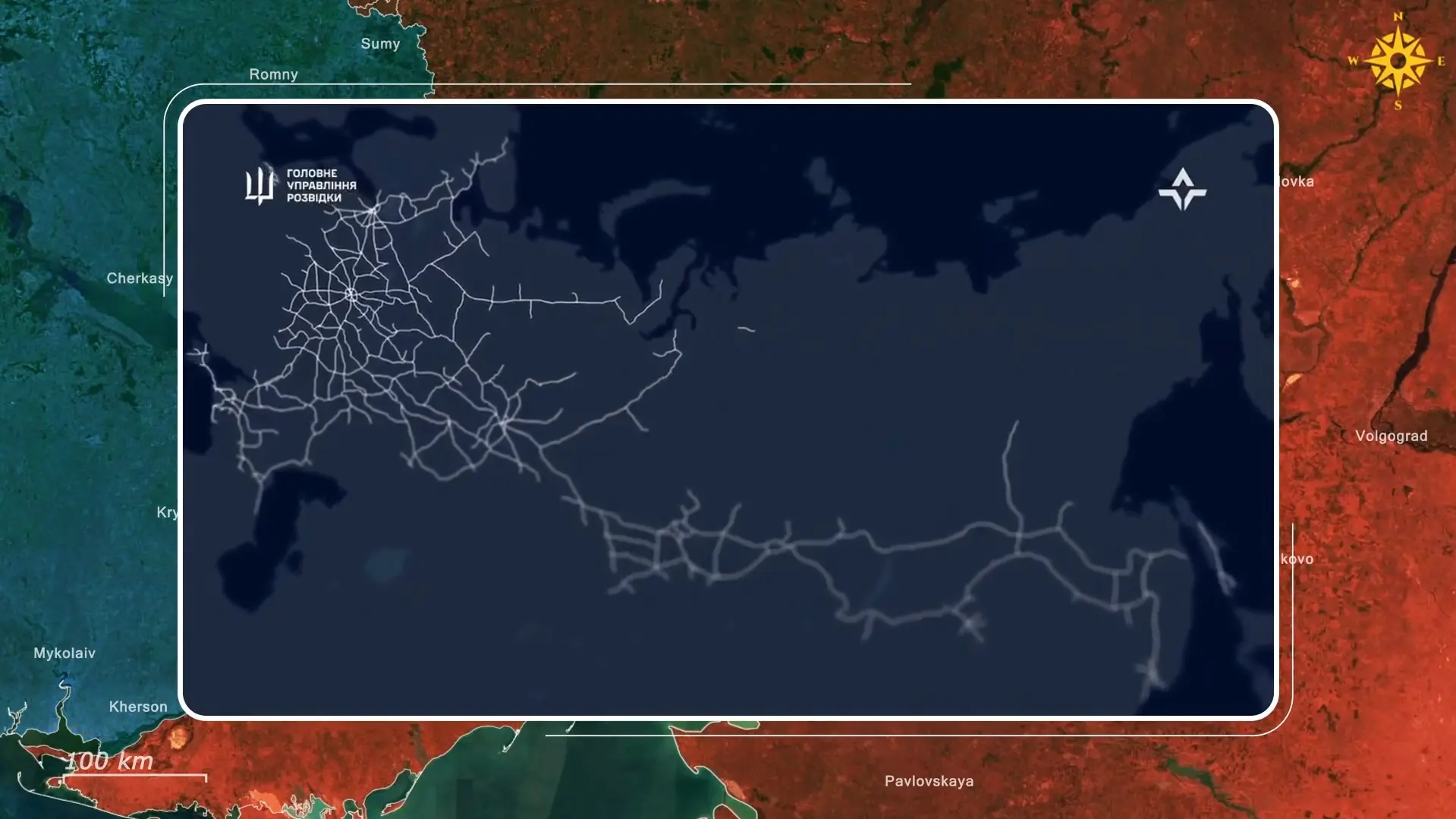
To further destroy Russia’s refining capacity, Ukraine struck the Nizhny Novgorod refinery, which is the second-biggest gasoline producer, damaging its primary processing unit. To halt Russia from transporting oil and compound refinery damage, Ukraine targeted the oil pumping stations, damaging two stations, which support the operation of major oil pipelines, transporting crude along domestic routes. Ukraine also hit two oil refineries in Ufa, which have a combined primary refining capacity of ten and a half million tons of oil per year and are among Russia’s largest producers of lubricants. The primary targets were crude oil processing units, which turn crude oil into usable fuel. Additionally, Ukraine struck the Tyumen Oil Refinery twice, which is located about two thousand kilometers from Ukraine's border, showing Ukraine’s deep-strike reach. This is one of Russia's largest independent oil-processing facilities, with a projected processing capacity of up to nine million tons of crude oil per year.
Overall, Ukraine’s sustained campaign against Russia’s oil infrastructure is creating mounting pressure that is now plunging even Moscow into chaos, which is politically dangerous for Putin. As refinery damage accumulates faster than repairs can be completed, Russia is increasingly forced to redistribute supplies to Moscow to try to calm the population in the capital. Putin’s public acknowledgment of the truth underscores the severity of the problem, suggesting that Russia now faces a combined problem of refinery losses, shrinking reserves, and damage to Kremlin credibility.

.jpg)

Comments