

.svg)
In this video, we will analyze how Russia is now begging India for fuel.
For years, the global energy market operated on familiar patterns, with major producers shaping trade routes and using fuel as a source of influence and leverage. That image collides with an unexpected reversal as Russia is now buying fuel from India, the same country it once supplied on a massive scale.
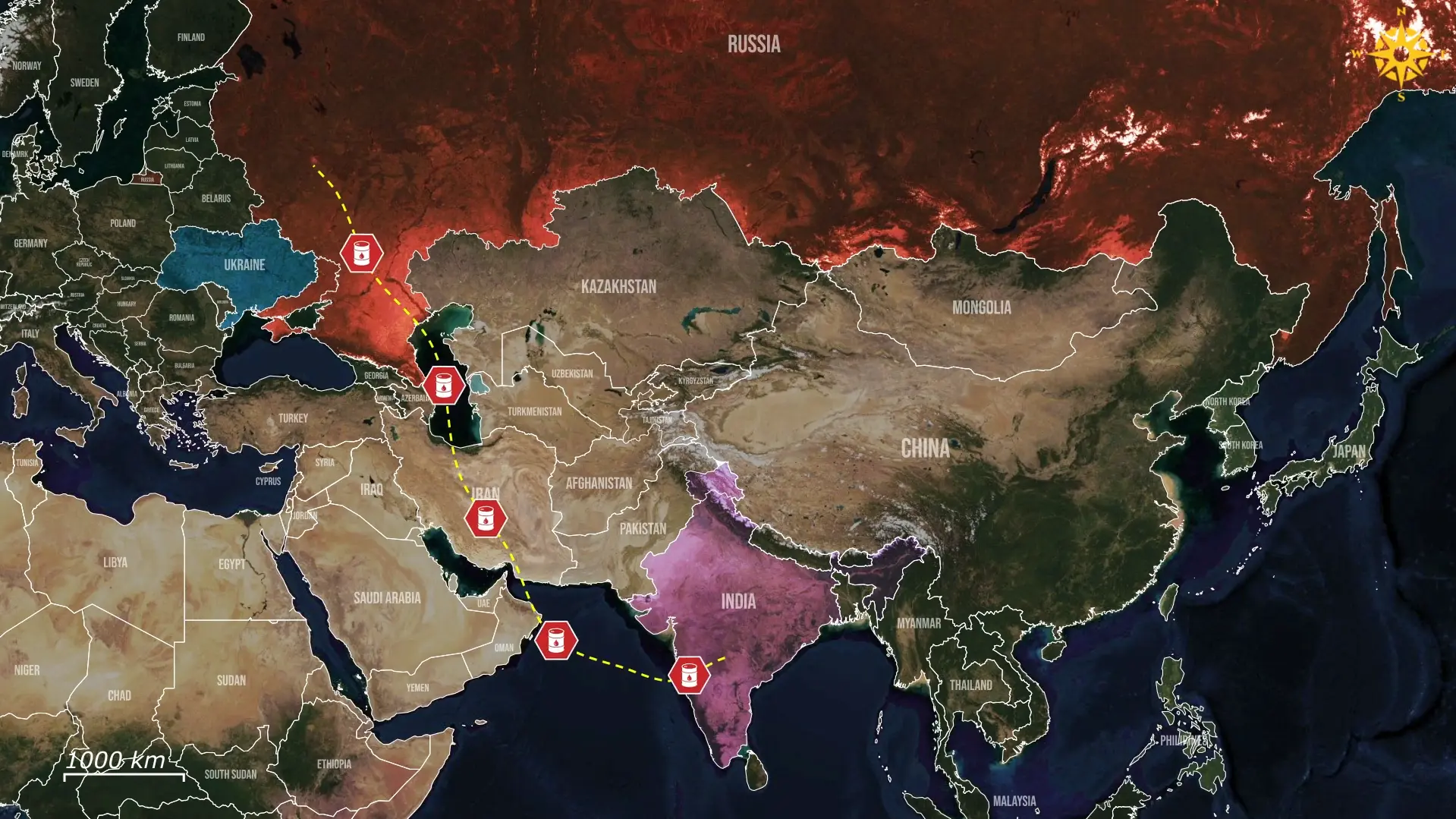
Recently, Russia has begun purchasing gasoline supplies from India, creating a development that would have seemed highly unusual only a short time ago. Russia has long been viewed as one of the world’s major energy exporters and one of the largest petroleum suppliers on the international market. Its fuel industry has traditionally been associated with large scale exports rather than dependence on outside deliveries. India, by contrast, has generally been seen as one of the large consumers and processors of imported energy resources. The appearance of Russian demand moving in the opposite direction immediately draws attention because it reverses a familiar pattern in global energy trade. A shift like this does not automatically explain the full story, but it signals that something important inside Russia’s energy system is changing.
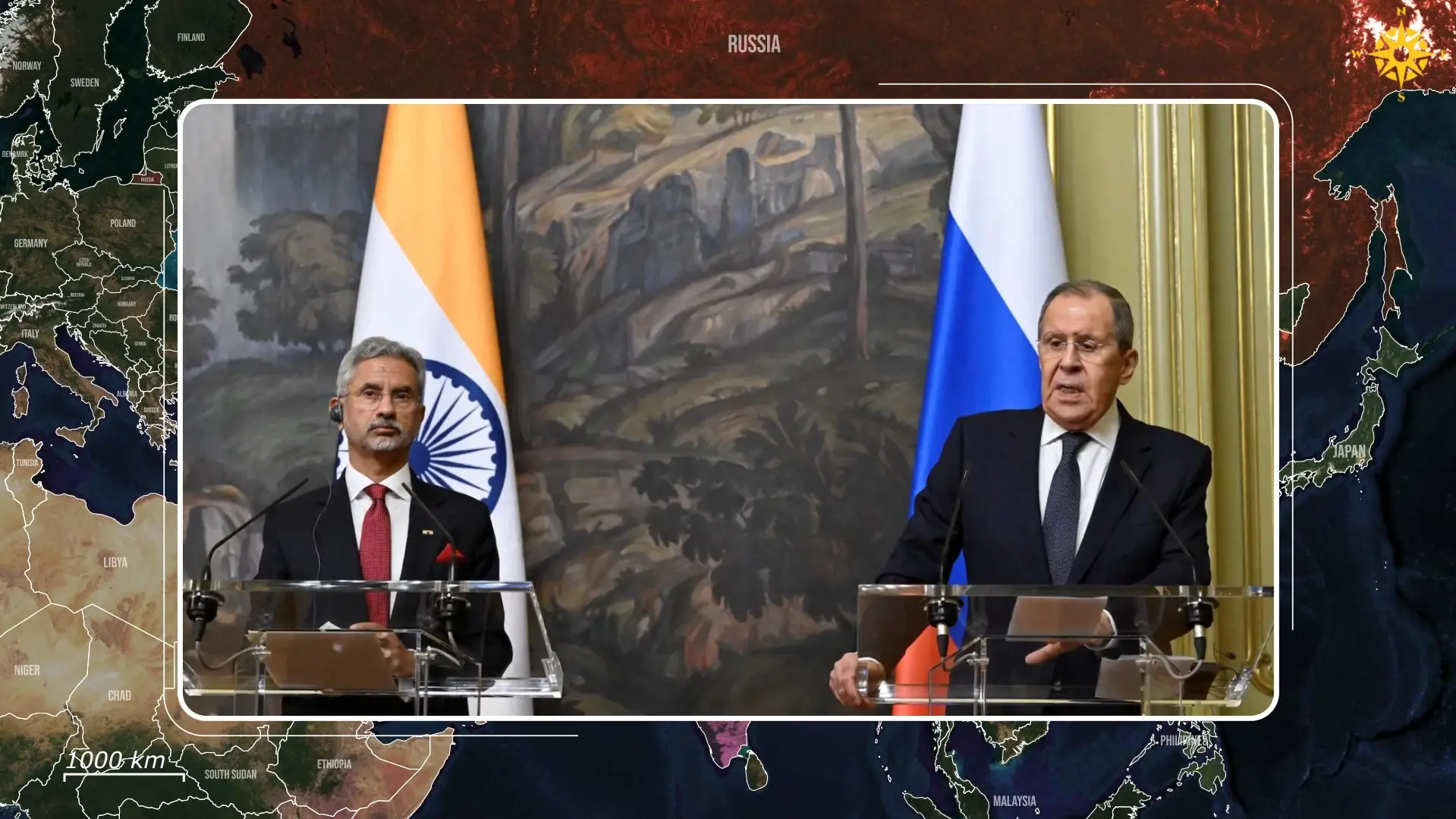
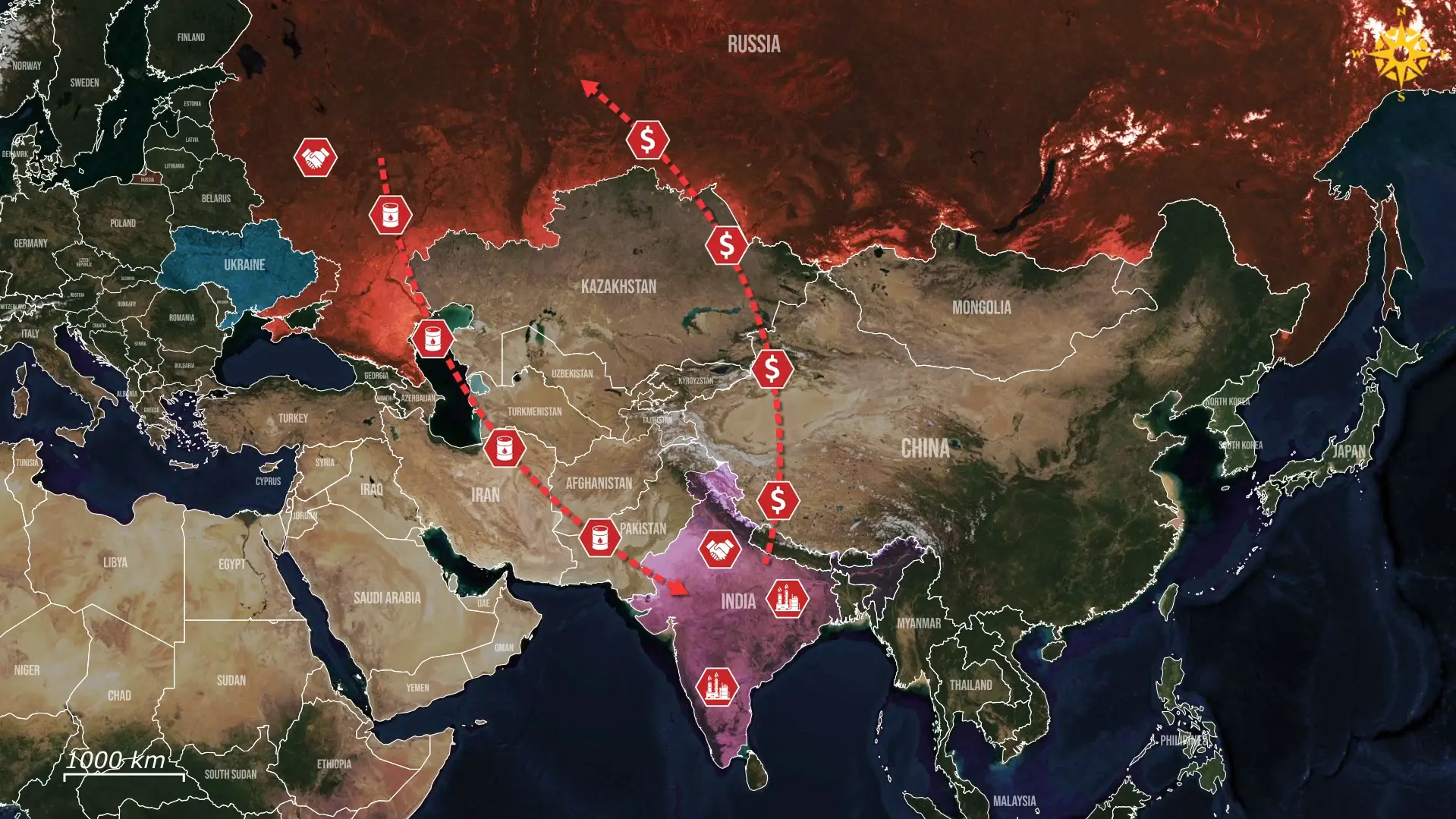
In order to understand why this development shows a significant shift, it is important to remember how large the energy relationship between Russia and India became in recent years. Russia was not sending occasional cargoes or limited emergency supplies to India, but it turned into one of India’s biggest crude oil providers after trade flows shifted following Western sanctions. Millions of barrels of Russian oil were moving toward Indian refineries every day during peak periods, making India one of Moscow’s most important energy customers. Large discounts helped make Russian crude attractive and created a system that benefited both sides, as Russia secured a massive buyer for its exports, while India gained access to cheaper energy supplies. The relationship became large enough that many observers started treating it as one of the major pillars of Russia’s redirected energy strategy.
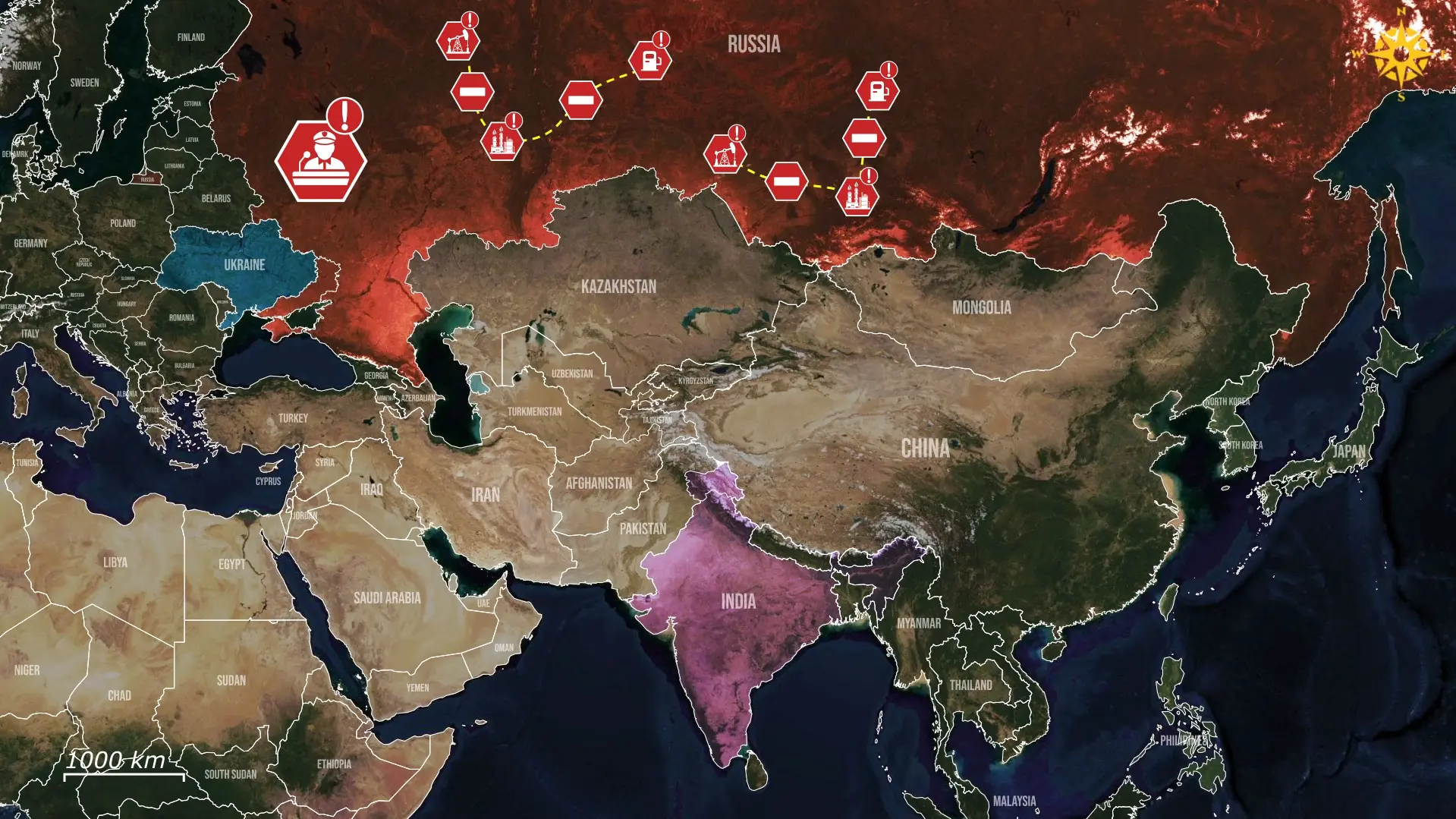
A reversal like this, matters because fuel systems do not operate as a single unified machine, as a country can continue producing large amounts of crude oil while facing pressure in specific areas such as refining capacity or regional fuel distribution. Russia still remains a major energy producer, but disruptions inside one part of the chain can create shortages or imbalances somewhere else. This means the issue may not be about oil existing underground but about turning that oil into the right products and moving them where they are needed. The change therefore points attention toward the condition of the system itself rather than toward Russia’s raw resource base. That distinction becomes important for understanding the next stage of the story.
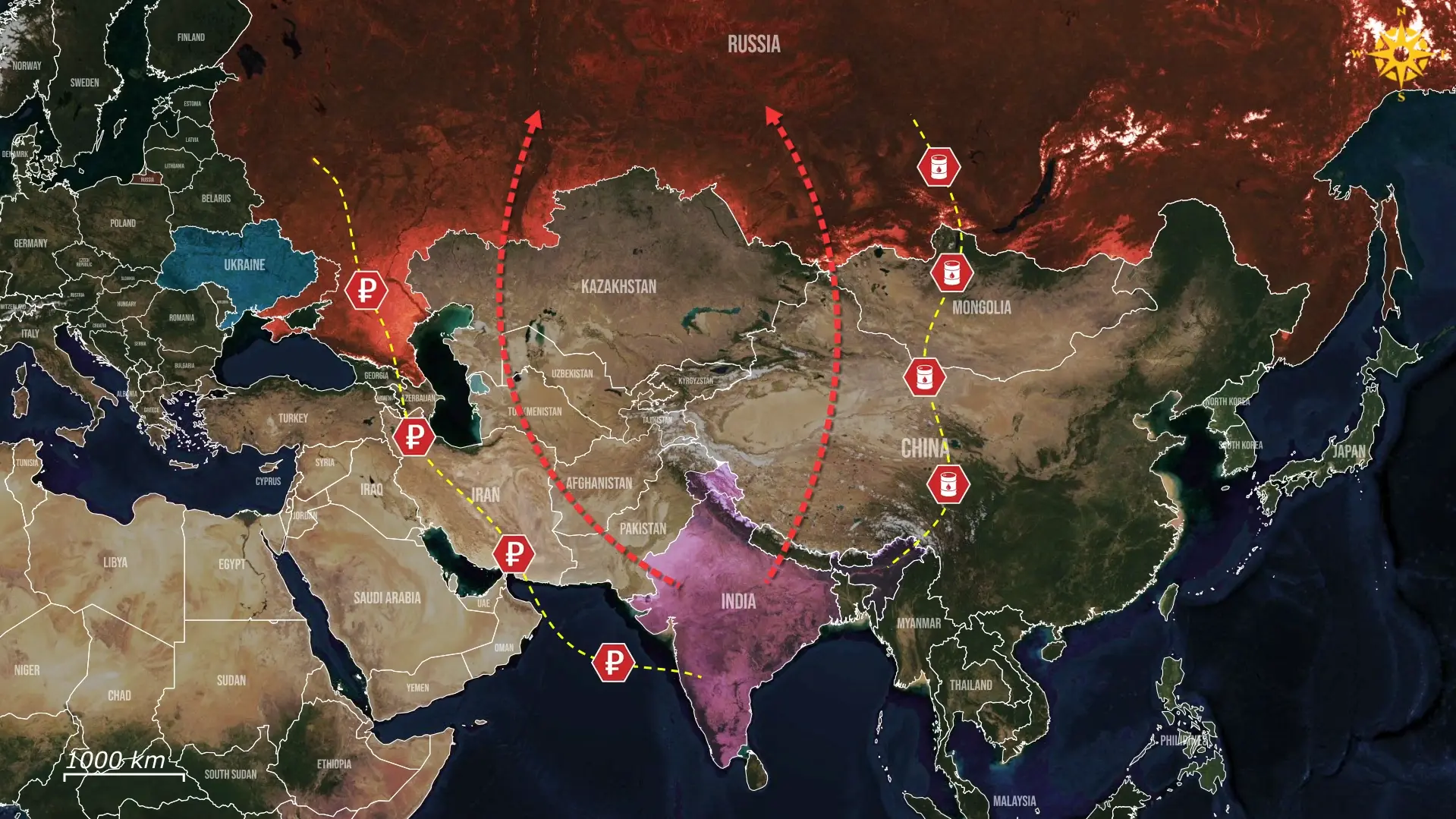
Russia is not dealing with this problem by simply replacing lost fuel with a new supplier. Russia has been sending enormous volumes of crude oil to India, where refineries process it into petroleum products, before those products enter global markets. Reports indicate that at least sixty thousand metric tons of gasoline have already been dispatched from India to Russia, while Moscow is reportedly seeking imports of up to four hundred thousand tons per month from several countries. In some cases, the route also runs through traders and intermediaries instead of direct state-to-state sales. That means Russia is exporting raw energy resources and paying additional costs for transportation and trading margins before fuel returns through commercial channels. The result is a system that becomes more expensive and less efficient with every added step.
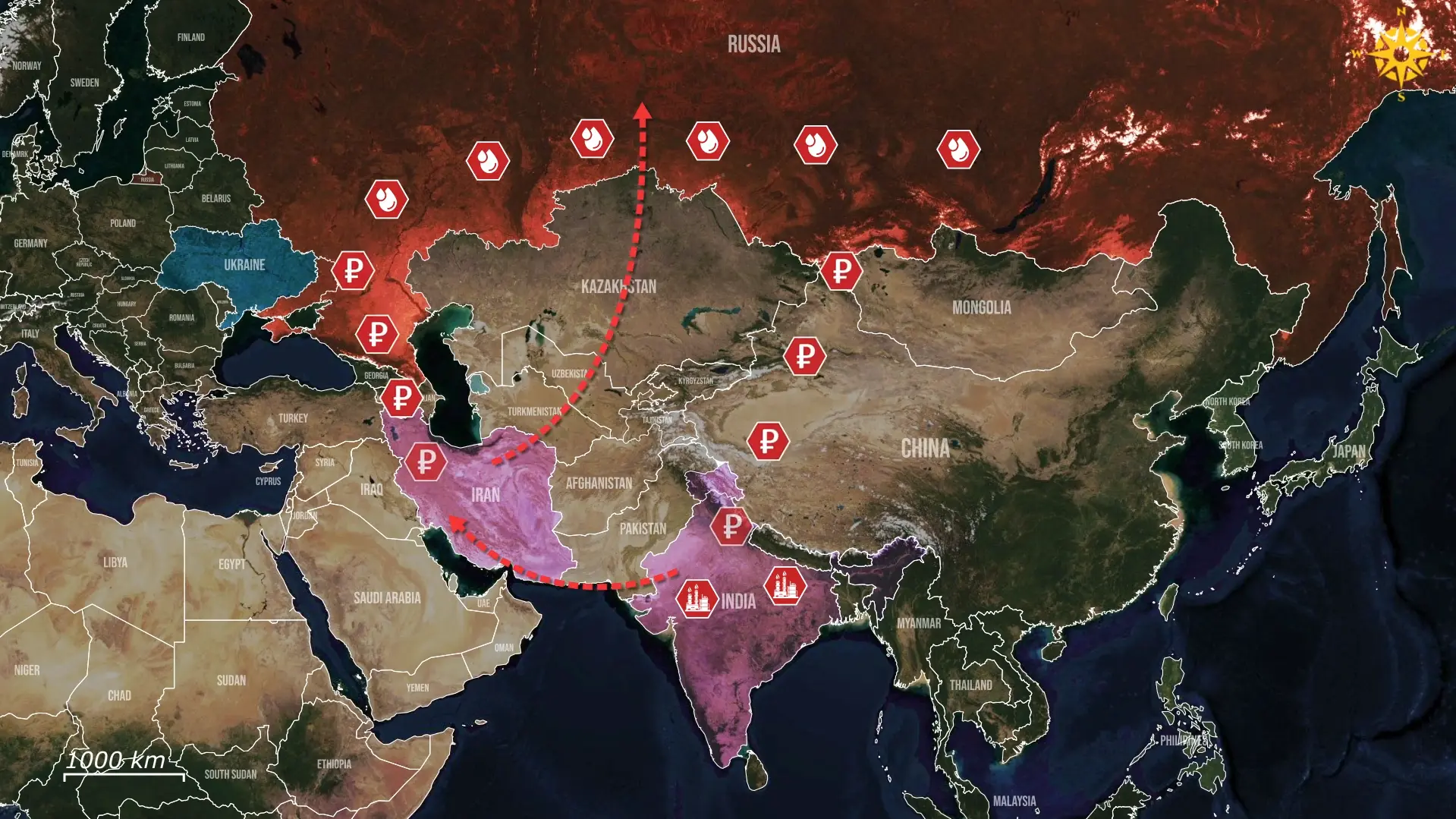
Overall, the importance of this development lies less in the shipment itself and more in what it reveals about changing dependencies inside Russia’s energy network. India became one of Russia’s most important economic lifelines after sanctions reshaped global trade flows and redirected Russian oil exports toward new buyers. The relationship was built around Russia supplying energy and India purchasing it at enormous scale. Russia now buying fuel back from the same customer creates a striking reversal that points toward pressure inside parts of Russia’s own refining and fuel system.
.jpg)

Comments