

.svg)
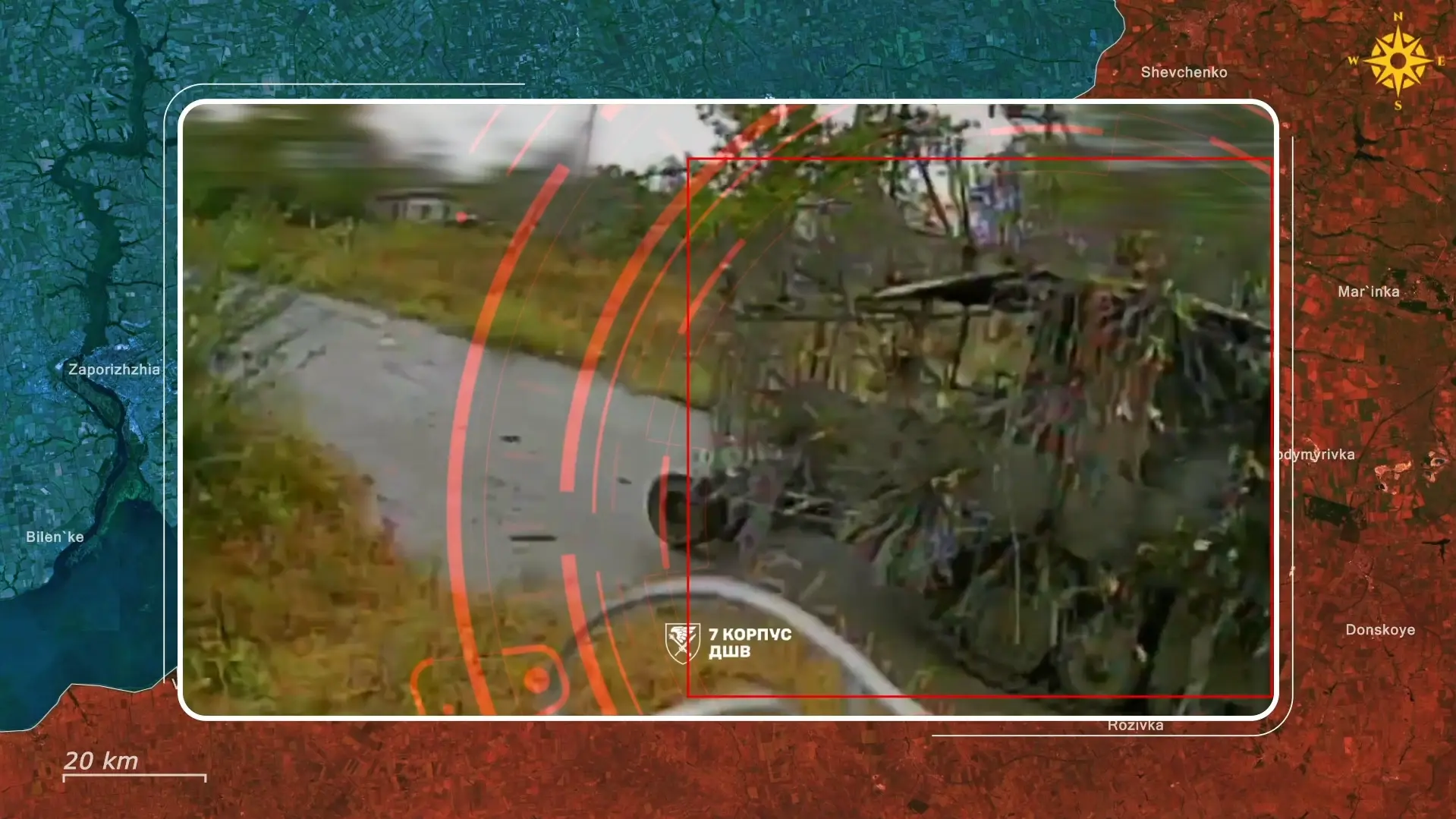
Today, footage from Ukraine's latest operation near Vovchansk has revealed the reality behind Russia's much-publicized claims of progress in the Kharkiv Region. Russian assault groups attempt to infiltrate Ukrainian positions, hoping to seize a symbolic location, raise a Russian flag, photograph it, and report another supposed battlefield success. Instead, as the video of one such event shows, soldiers from the Ukrainian Forpost Brigade detected the movement early and disrupted the mission before the Russians could even produce the images they sought. Ukrainian drone footage showed how operators continuously search forest belts and abandoned areas for subtle indicators of Russian presence, including discarded rubbish that often reveals hidden infiltration groups. Once identified, Ukrainian assault teams move in to isolate the positions while drones monitor every escape route. Russian soldiers sheltering in dugouts are offered repeated opportunities to surrender. Loudspeakers mounted on drones broadcast messages in Russian, warning that abandoned assault groups face only death unless they lay down their arms. Those refusing to surrender are forced out with grenades or eliminated through repeated drone strikes until the positions are cleared.
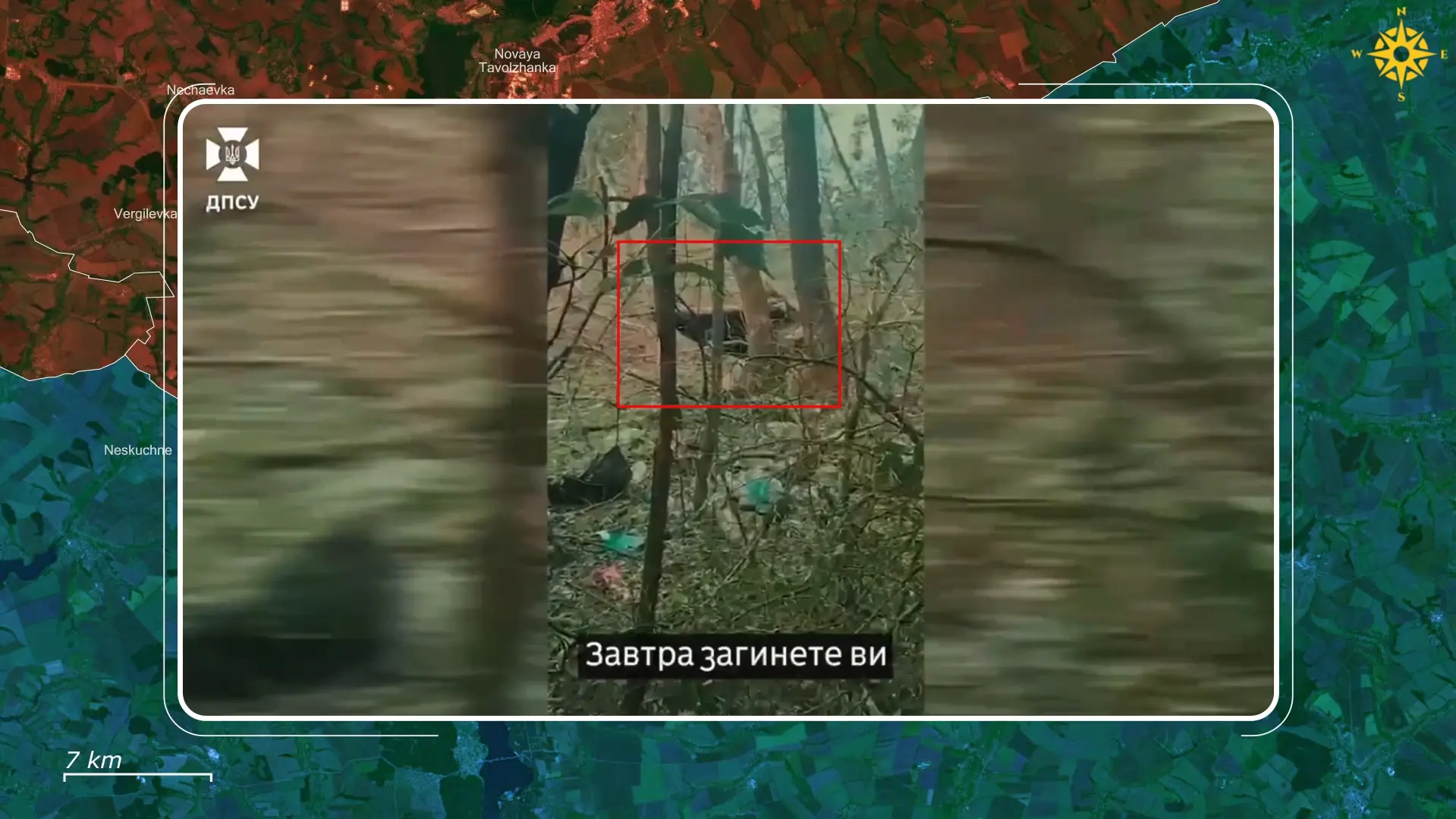
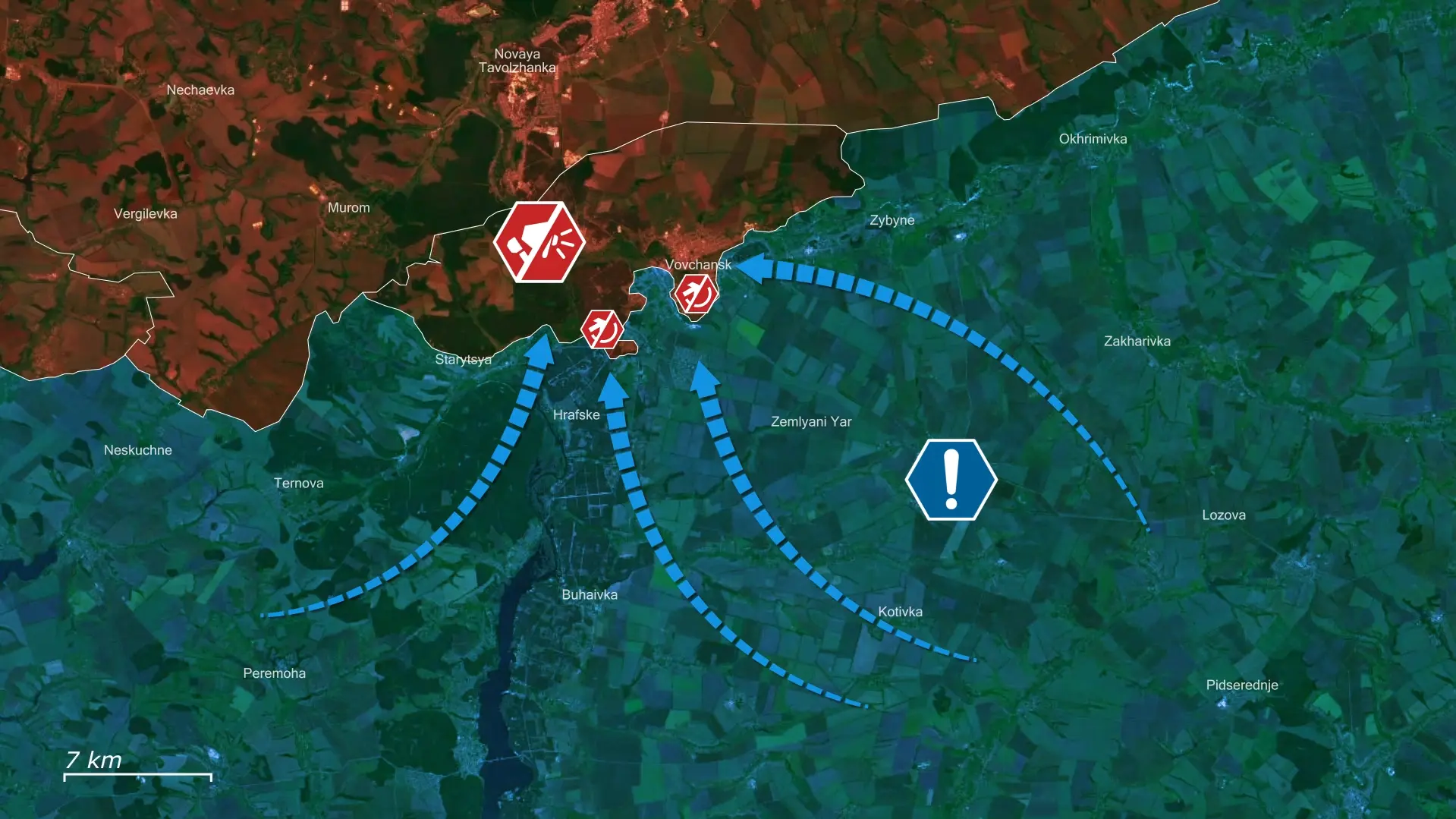
This Ukrainian clearing operation confirms the broader reality around Vovchansk, where small infiltration groups attempting to reach isolated positions demonstrate only that Russia lacks the manpower, armored support, artillery concentration, and logistics required for a sustained breakthrough. More than two years after heavy fighting first engulfed Vovchansk, Russian forces remain unable to fully capture the town, let alone advance farther toward Kharkiv. Instead of launching coordinated battalion-sized assaults, commanders increasingly rely on tiny groups slipping through destroyed neighborhoods or woodland, hoping to exploit temporary gaps and manufacture symbolic victories. Such tactics may generate dramatic headlines inside Russia, but they do not represent meaningful territorial gains or operational momentum.
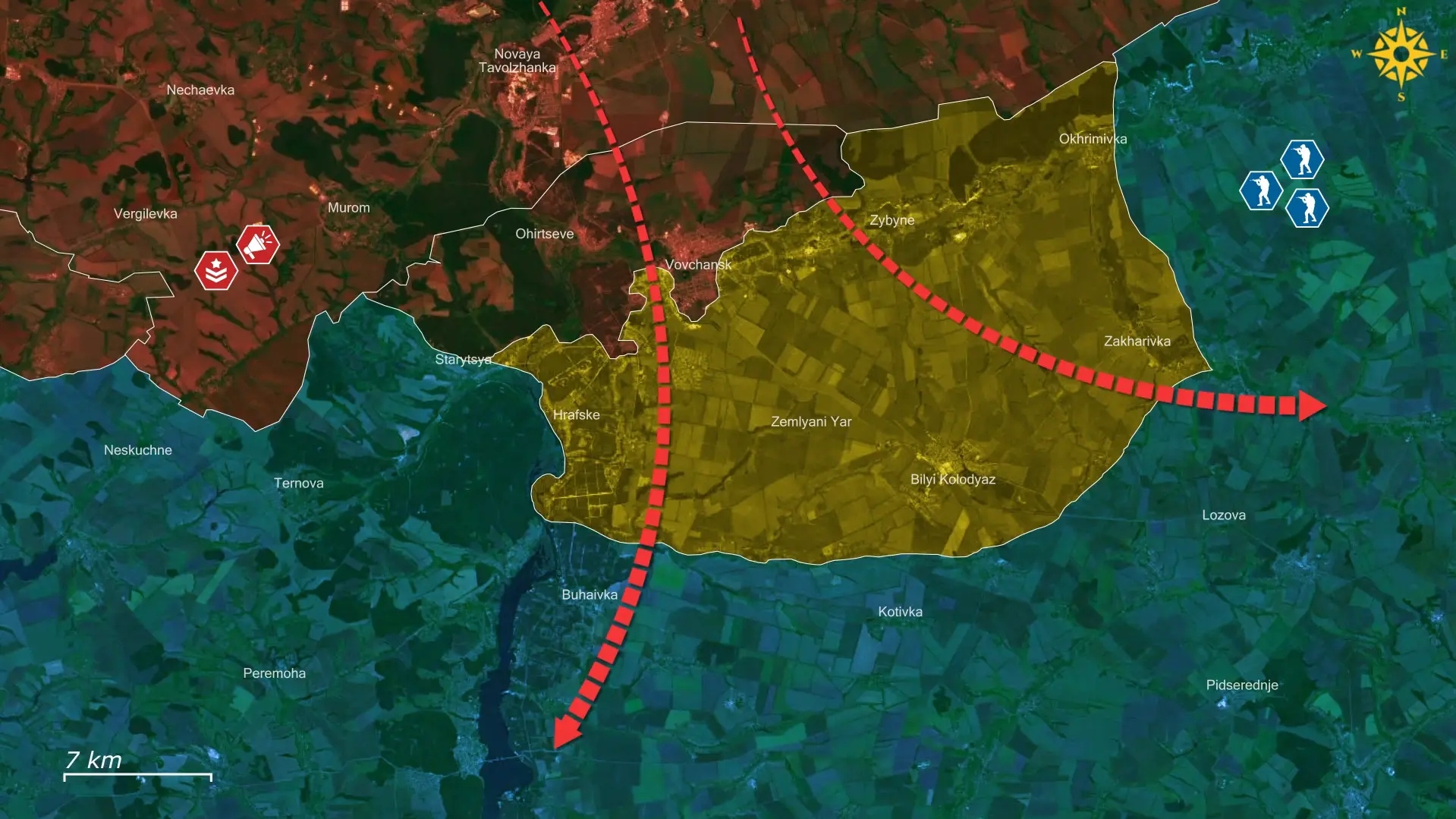
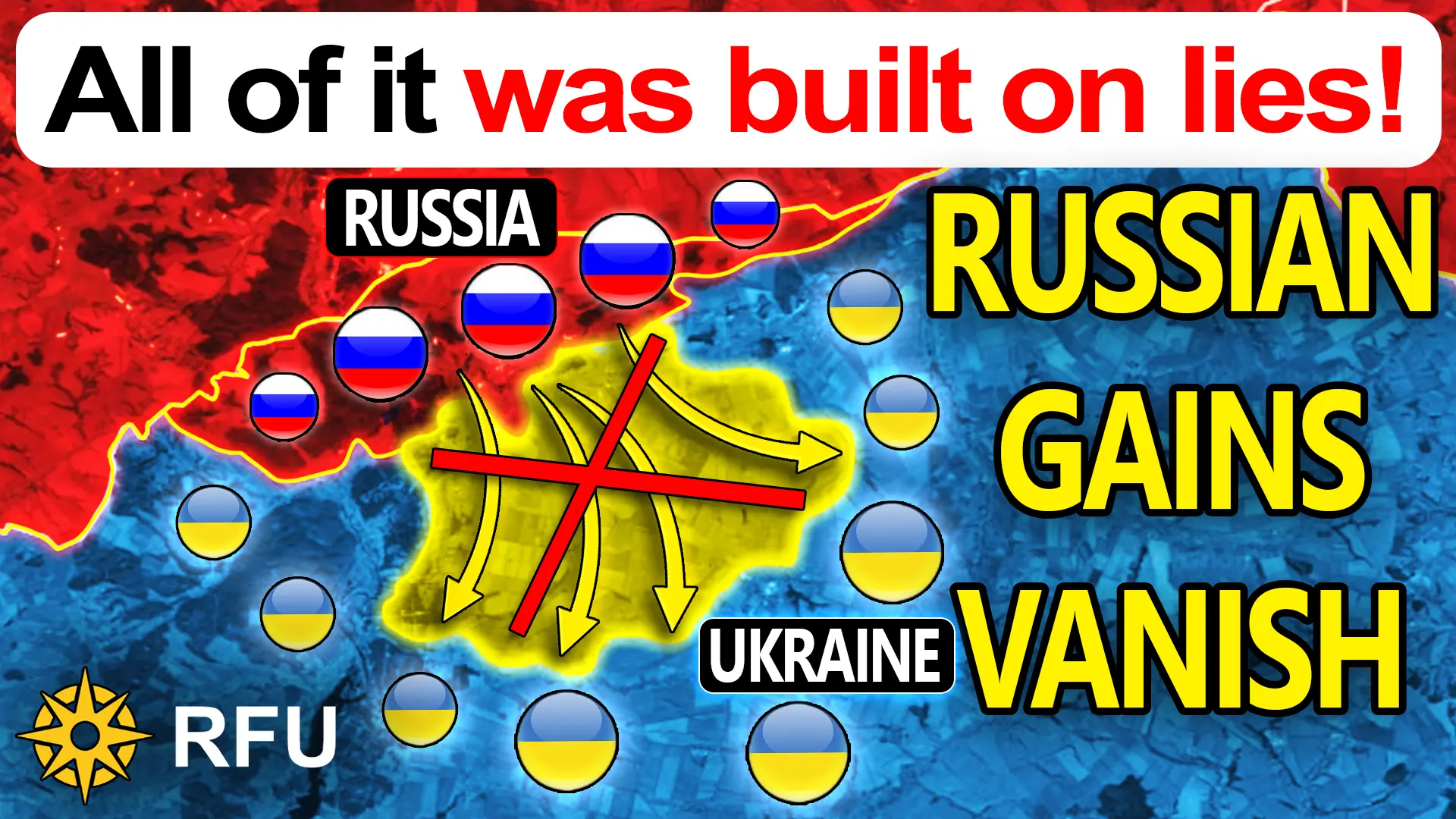
This disconnect from reality extends all the way to the Kremlin itself, as Putin's understanding of the situation is based on fabricated operational maps prepared by Russian commanders. These depict Russian forces advancing as much as ten kilometers beyond Vovchansk, controlling up to three hundred square kilometers that they do not actually control and supposedly threatening to encircle Ukrainian formations farther east. Such reports create the illusion of a successful offensive and encourage public statements predicting future advances toward Kharkiv.
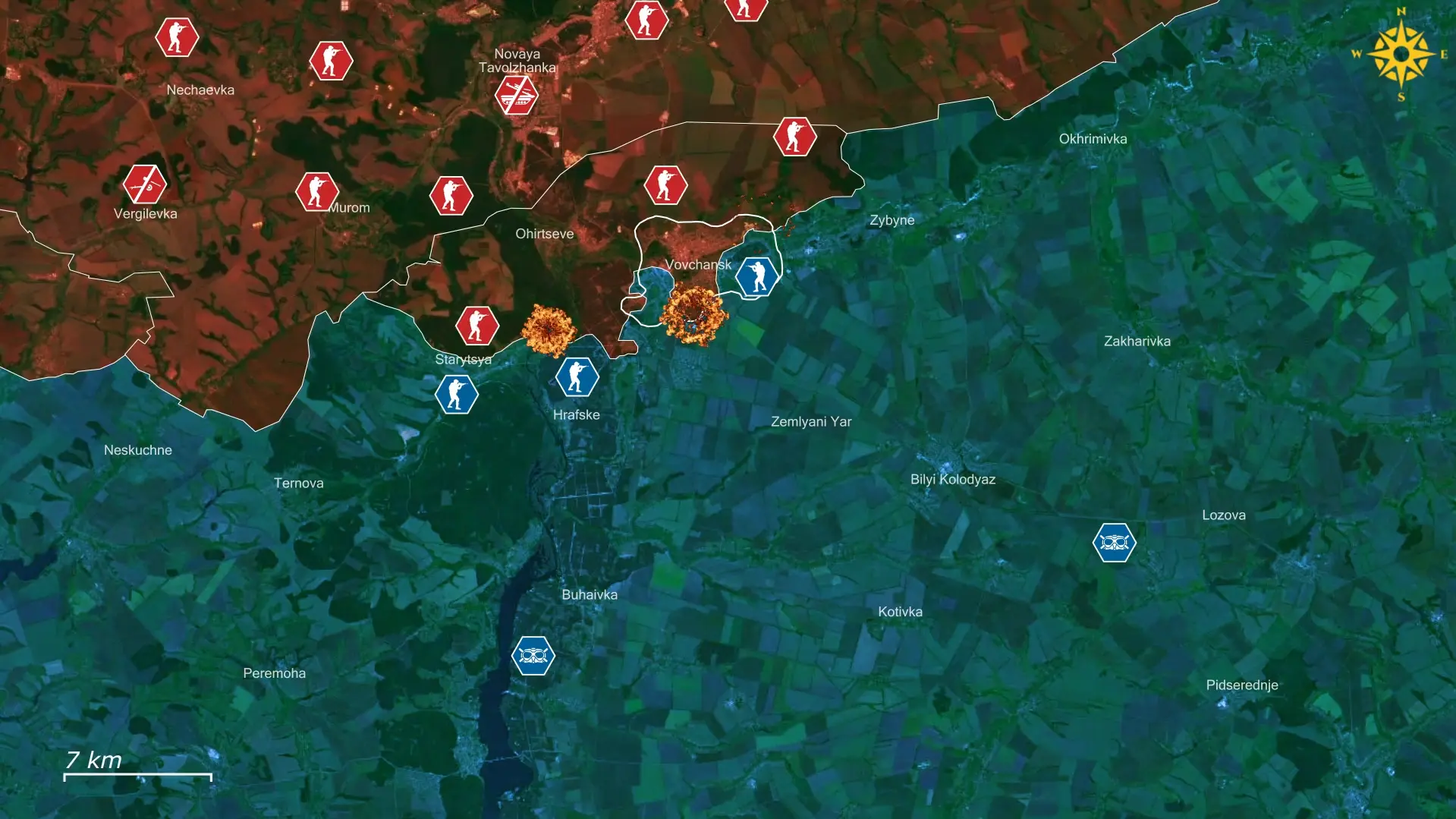
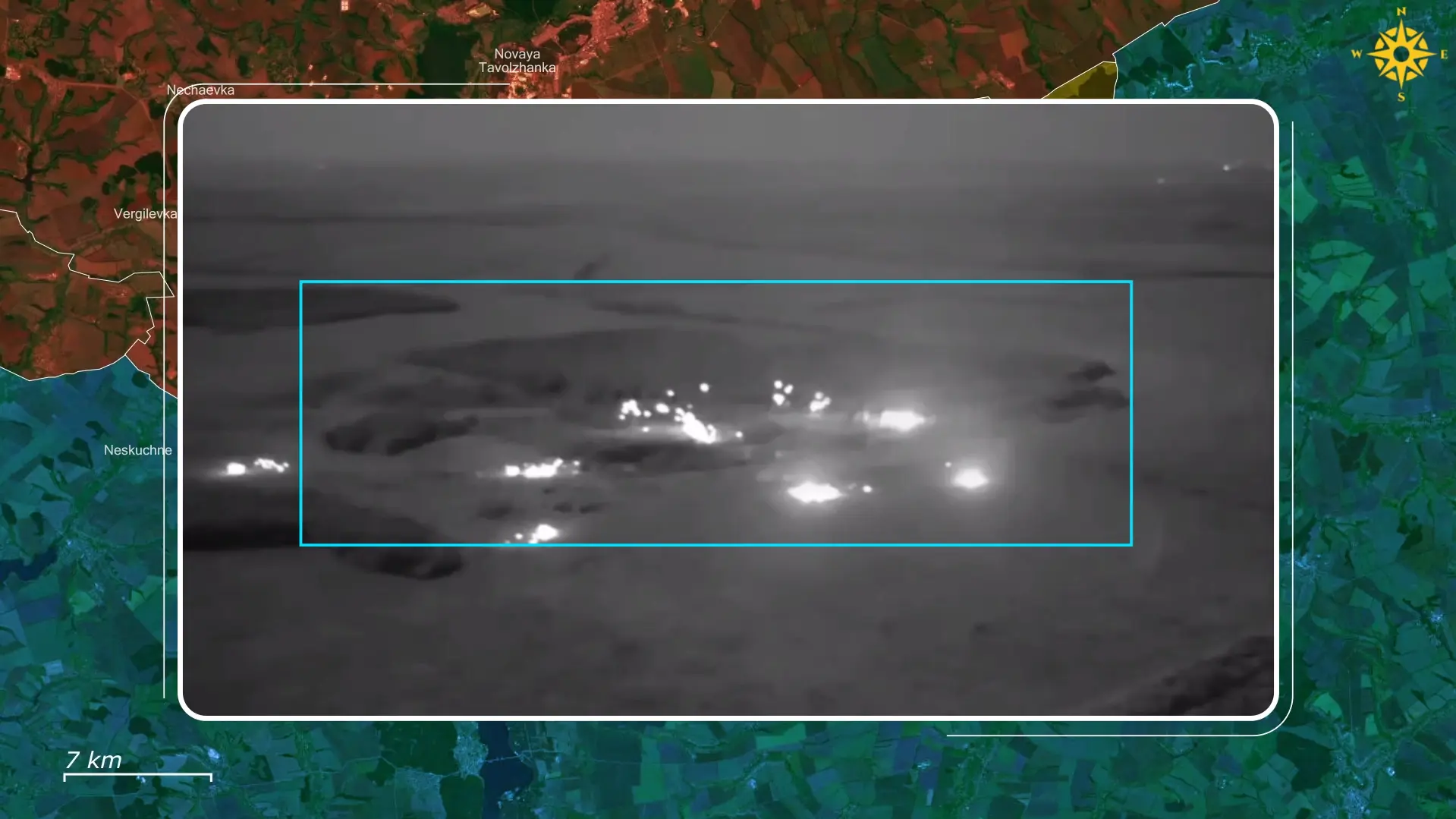
The same pattern became evident when the Russian Ministry of Defense officially announced the capture of Shcherbakivka in Kharkiv Oblast, despite the fact that the settlement had officially ceased to exist nearly thirty years ago after being depopulated and removed from administrative records in one-thousand-nine-hundred-ninety-seven. While official statements describe sweeping advances, battlefield footage continues to show Russian assault groups being hunted down near Vovchansk.
The strongest contradiction comes from Russian soldiers themselves, as a captured serviceman appealed directly to fellow Russians and to Putin, accusing commanders from the Seventy-first Division and Russia's Northern Group of Forces of systematically fabricating battlefield successes. According to his testimony, commanders repeatedly claimed to have captured several settlements, including Bilyi Kolodiaz. Yet the soldier explained he surrendered after spending roughly two weeks abandoned in a dugout significantly north of Bilyi Kolodiaz, demonstrating that Russian forces had never reached the locations their commanders claimed to control. He described isolated groups of one or two soldiers left without supplies, reinforcement, or any realistic plan for advance. Many of them eventually surrendered simply because they realized no one intended to rescue them or support their positions.
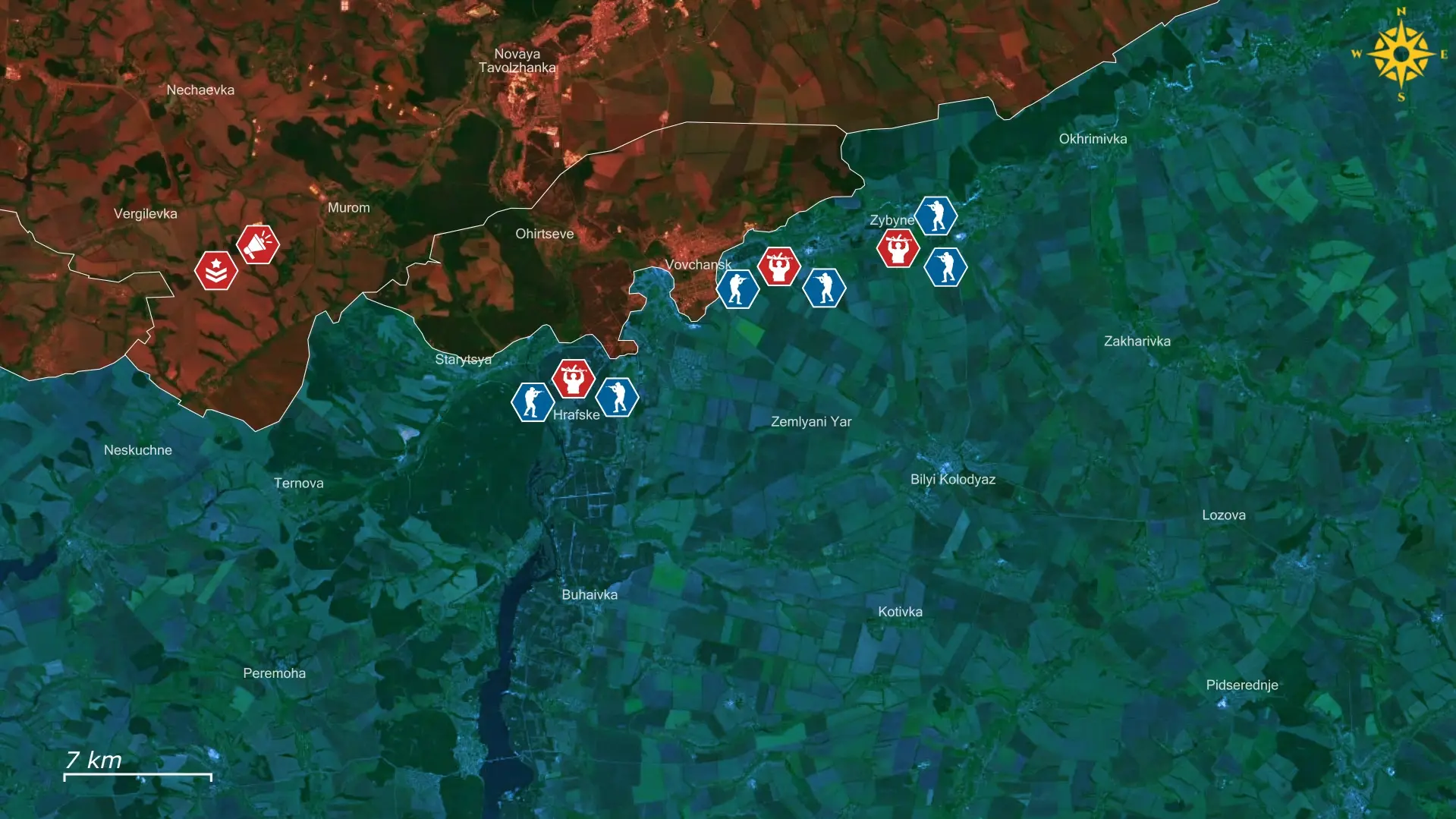
Overall, despite repeated Russian announcements of breakthroughs near Vovchansk, the fighting continues to consist largely of small infiltration attempts rather than coordinated offensive operations. Ukrainian drone surveillance, rapid reaction teams, and systematic clearing operations prevent these groups from establishing lasting positions or even producing the symbolic photographs intended to support exaggerated battlefield claims. The inability to secure genuine symbolic successes has become so pronounced that official Russian reporting has resorted to announcing the capture of settlements that no longer exist. Rather than demonstrating momentum toward Kharkiv, recent events highlight that the gap between Russian battlefield reality and official narratives continues to widen.
.jpg)


Comments