

.svg)
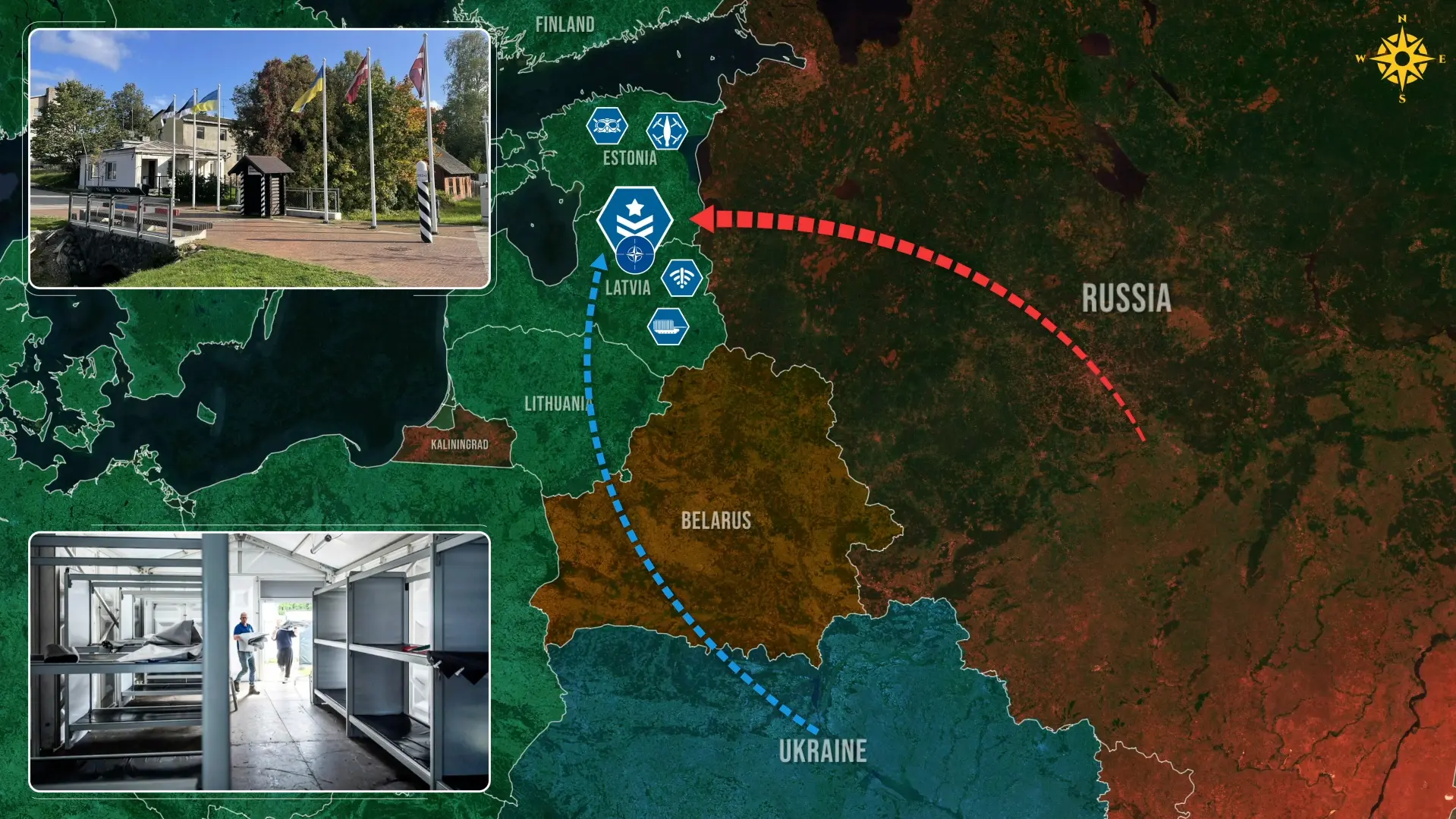
An additional Nato army corps has been assigned to the Baltics, ready to face the rising threat to the East flank posed by Russia. The corps designated for this task is the first German Dutch Corps, a combined force responsible for the Latvian and Estonian sectors. While the force's permanent presence is limited, its multinational headquarters can command much larger formations from the multitude of Nato countries. The change divides Nato’s northeastern land command, with the first German Dutch Corps taking responsibility for Estonia and Latvia while Multinational Corps Northeast narrows its focus to Lithuania, Poland and the Suwalki corridor. Additionally, it highlights the strategic importance of the Baltics, which are considered increasingly at risk since the Russian invasion of Ukraine.
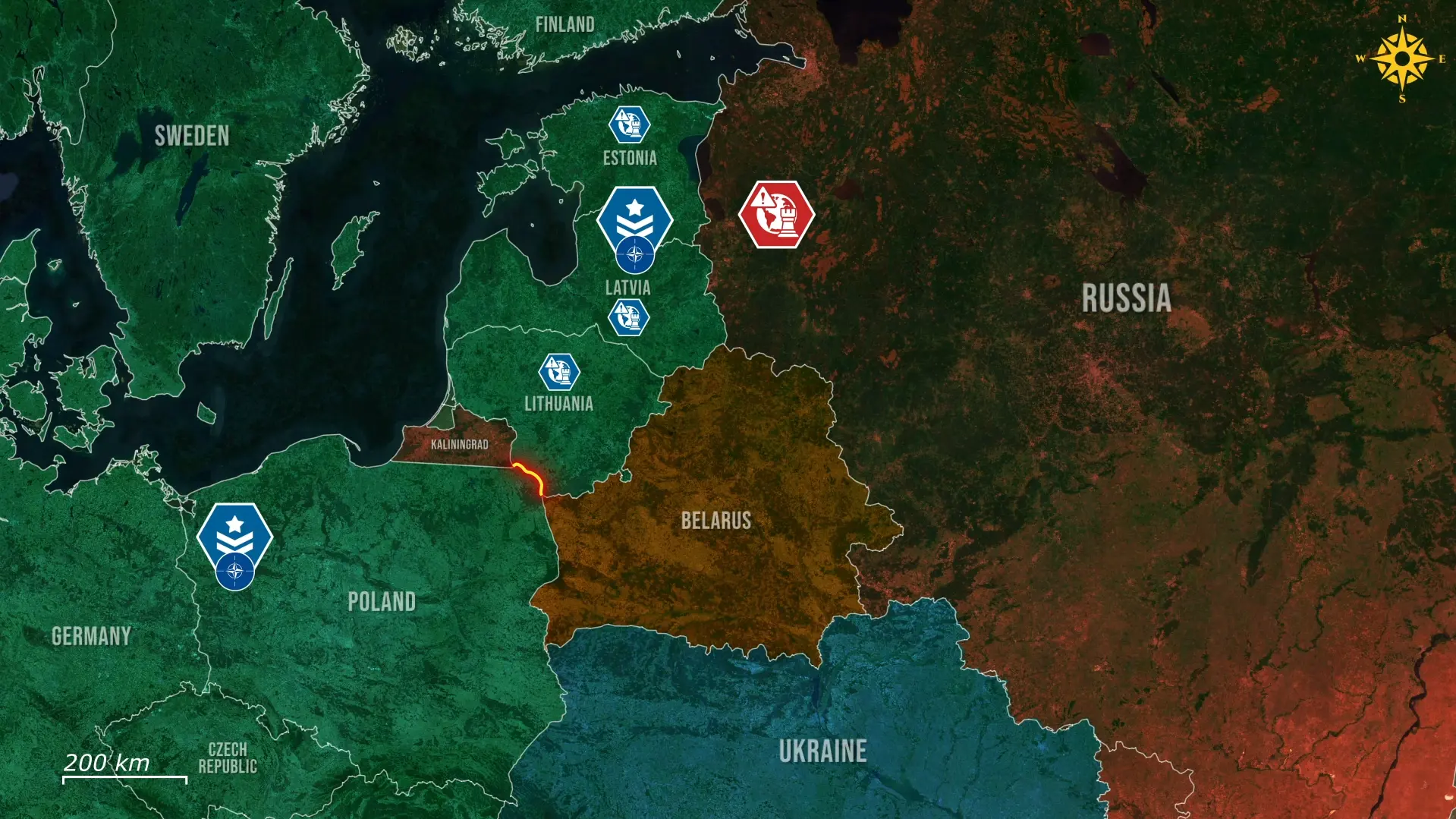
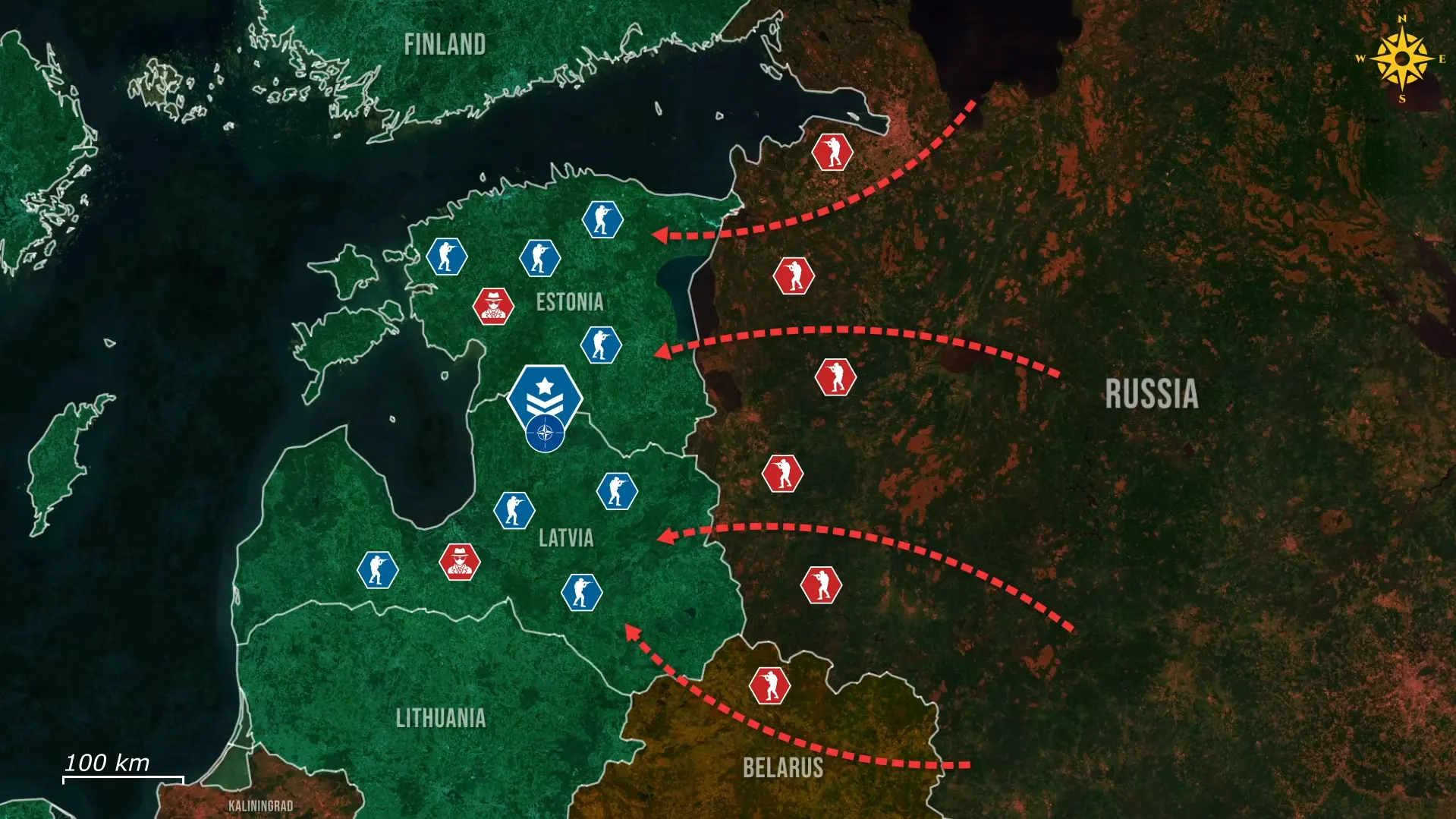
The German Dutch corps’ mission is to ensure that any attempt by Russia to destabilize or penetrate Baltic territory encounters a dedicated Nato command structure that is already in place and able to react immediately. This allows the first German Dutch Corps to begin directing national and allied formations from the opening hours of a crisis, whether Russia attempts a rapid incursion, hybrid operation or wider effort to isolate the Baltics. Most importantly, having the first German Dutch Corps already assigned to the region reduces the risk that Russia could achieve rapid territorial gains before Nato can coordinate a wider response.
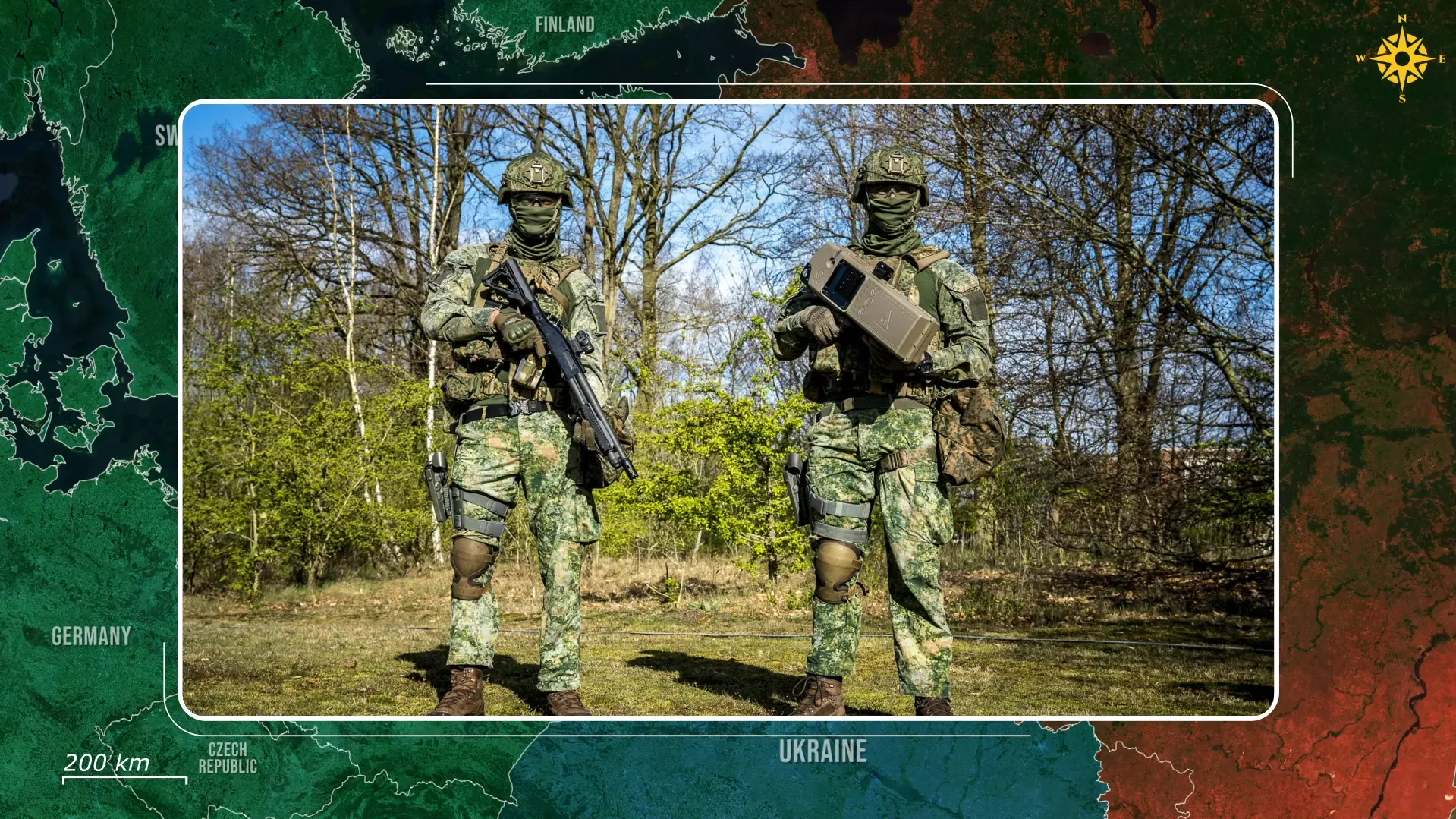
What makes the first German Dutch Corps particularly relevant is that both framework nations are adapting their ground forces around lessons from Ukraine and can integrate those capabilities under the same command. Notably, the Dutch army is gradually including drone and counter drone units into every combat formation, becoming the first Nato nation to do so, and recruiting more than one thousand drone specialists in two thousand twenty six. Dutch formations can therefore bring increasingly organic FPV drone, reconnaissance and counter drone capabilities into Nato operations under the corps. Meanwhile, German heavy formations add armored firepower and engineering capabilities that complement the Netherlands’ growing emphasis on tactical drones and counter drone warfare.
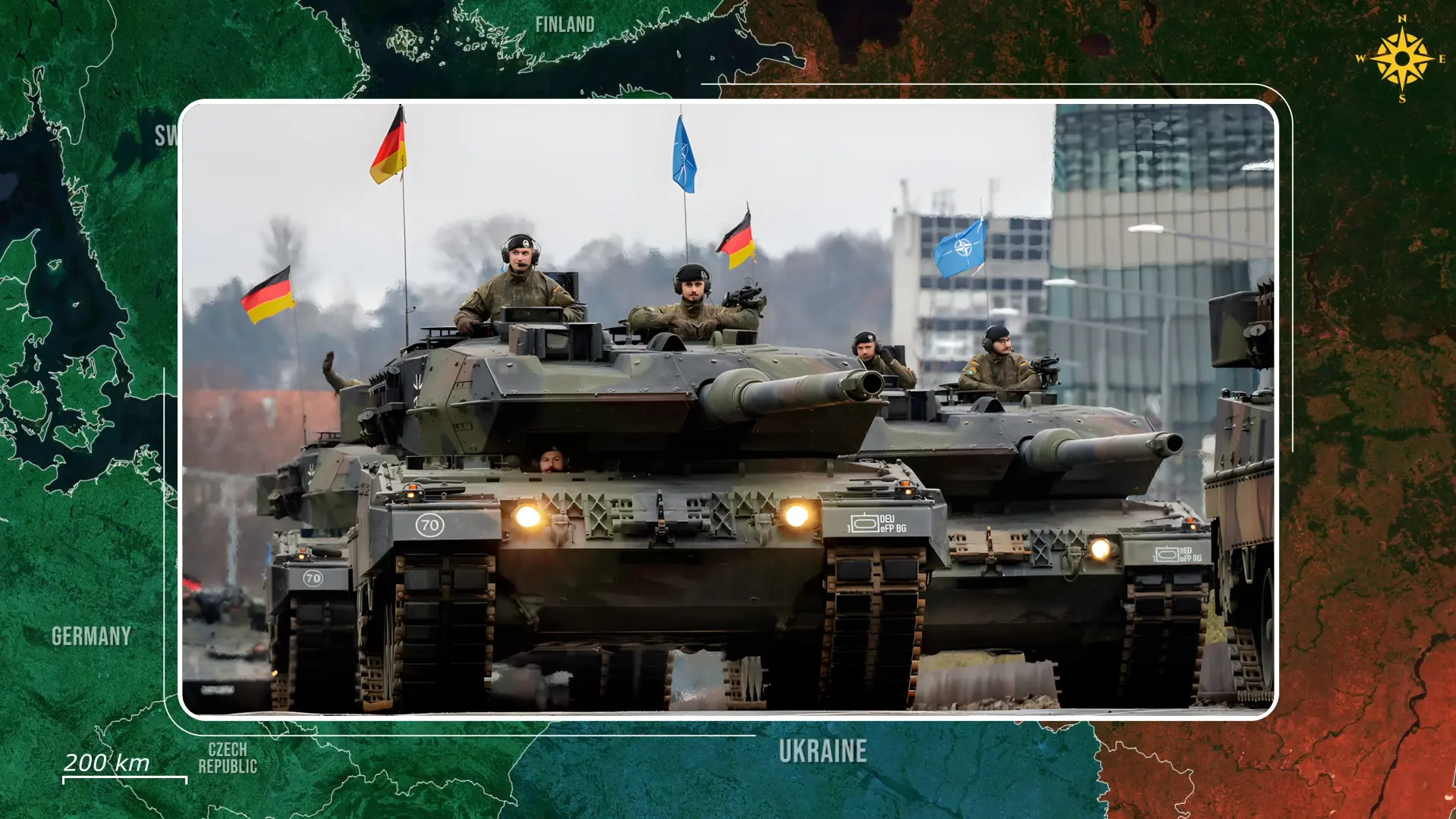
German heavy formations operate Leopard two tanks, Puma infantry fighting vehicles and armored engineering vehicles, while selected vehicles are already being fitted with drone defense cages similar to those used in Ukraine. Additionally, German units also field short range counter drone systems and electronic warfare equipment designed to detect and disrupt hostile unmanned aircraft. Training these capabilities under the first German Dutch Corps allows Nato to combine heavy armored formations with increasingly mature drone and counter drone capabilities suited to modern high intensity warfare.
Alongside the new command responsibility of the first German Dutch Corps in Estonia and Latvia, Nato is also expanding training areas and exercise activity farther south around Lithuania and the Suwalki corridor. Large scale drills are also being held with increasing frequency in the surrounding areas, as the narrow corridor linking Poland and Lithuania would be central in any Russian attempt to cut off the Baltics. For instance, the exercise Freedom Shield in Lithuania brought together twenty nine thousand troops and eight hundred pieces of equipment from eight Nato countries. Repeatedly training in the area allows Nato forces to study the terrain and rehearse defensive and offensive maneuvers across the roads, forests and firing areas that would shape any battle for the corridor. This preparation strengthens Nato’s wider northeastern defense and improves the ability of the forces responsible for the Suwalki corridor to react if Russia attempts to sever the Baltic states from the rest of the Alliance.
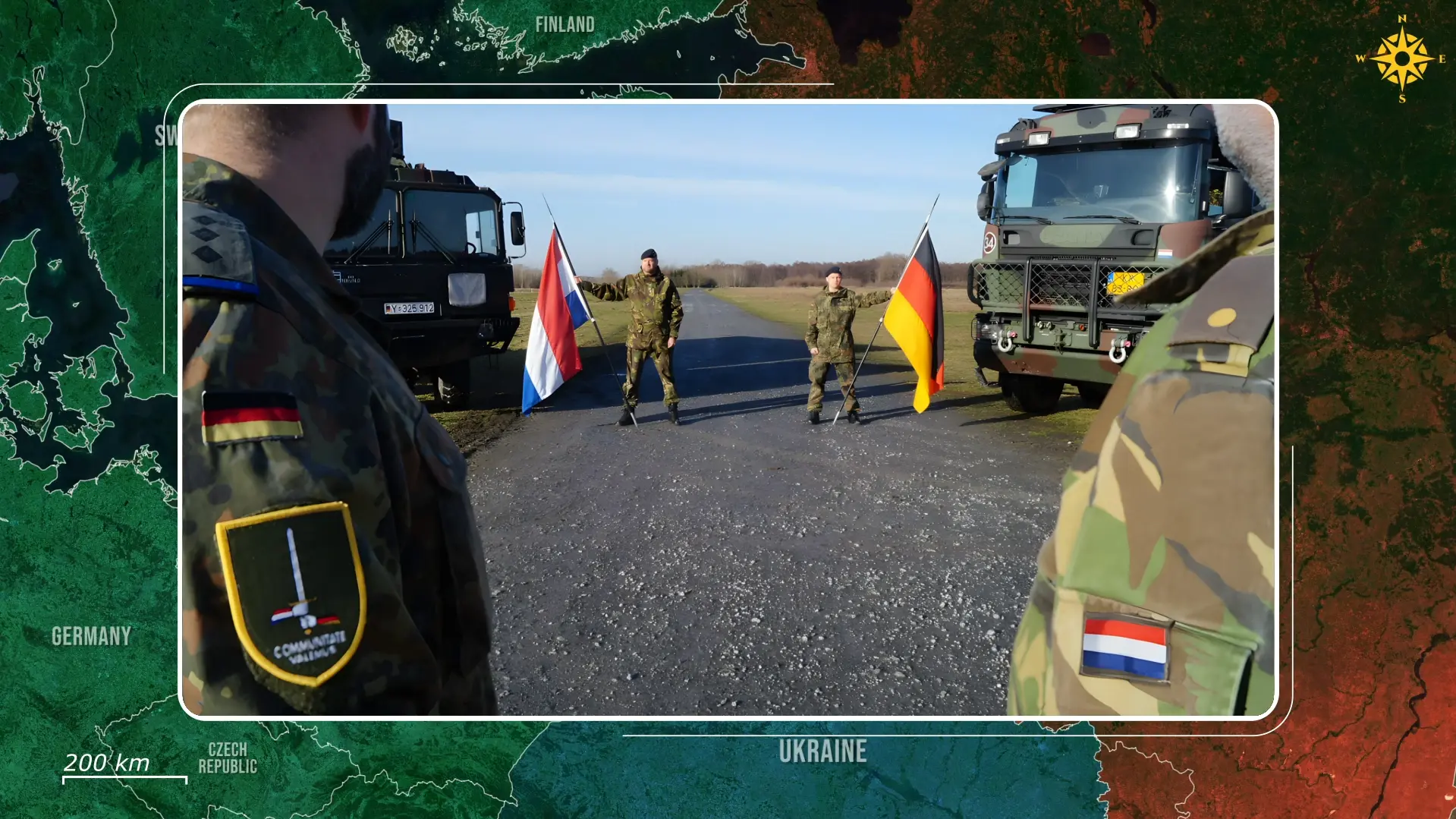
Overall, Nato’s decision to give the first German Dutch Corps direct responsibility for Estonia and Latvia marks another major step in preparing the eastern flank for a potential war with Russia. The forces operating through the first German Dutch Corps are increasingly shaped by lessons from Ukraine, particularly the integration of drones, counter drone systems and electronic warfare. Preparation is also going beyond combat roles, as shown by Dutch units rehearsing the rapid construction of temporary POW facilities in the Netherlands. The emerging picture is one of increasingly detailed preparation, with Nato assigning dedicated commands to the Baltic front while allied forces repeatedly train on the terrain most likely to shape any Russian attempt to isolate the region.
.jpg)

Comments