

.svg)
In this video, we will analyze why Russian ships are increasingly forced to turn around in the Baltic.
Here, Russian shadow fleet vessels are shifting toward routes near Germany as the space Russia once used more freely in the Baltic starts to narrow. What had long been a routine corridor for Moscow is now becoming a space where Swedish pressure is forcing Russian ships into retreat.
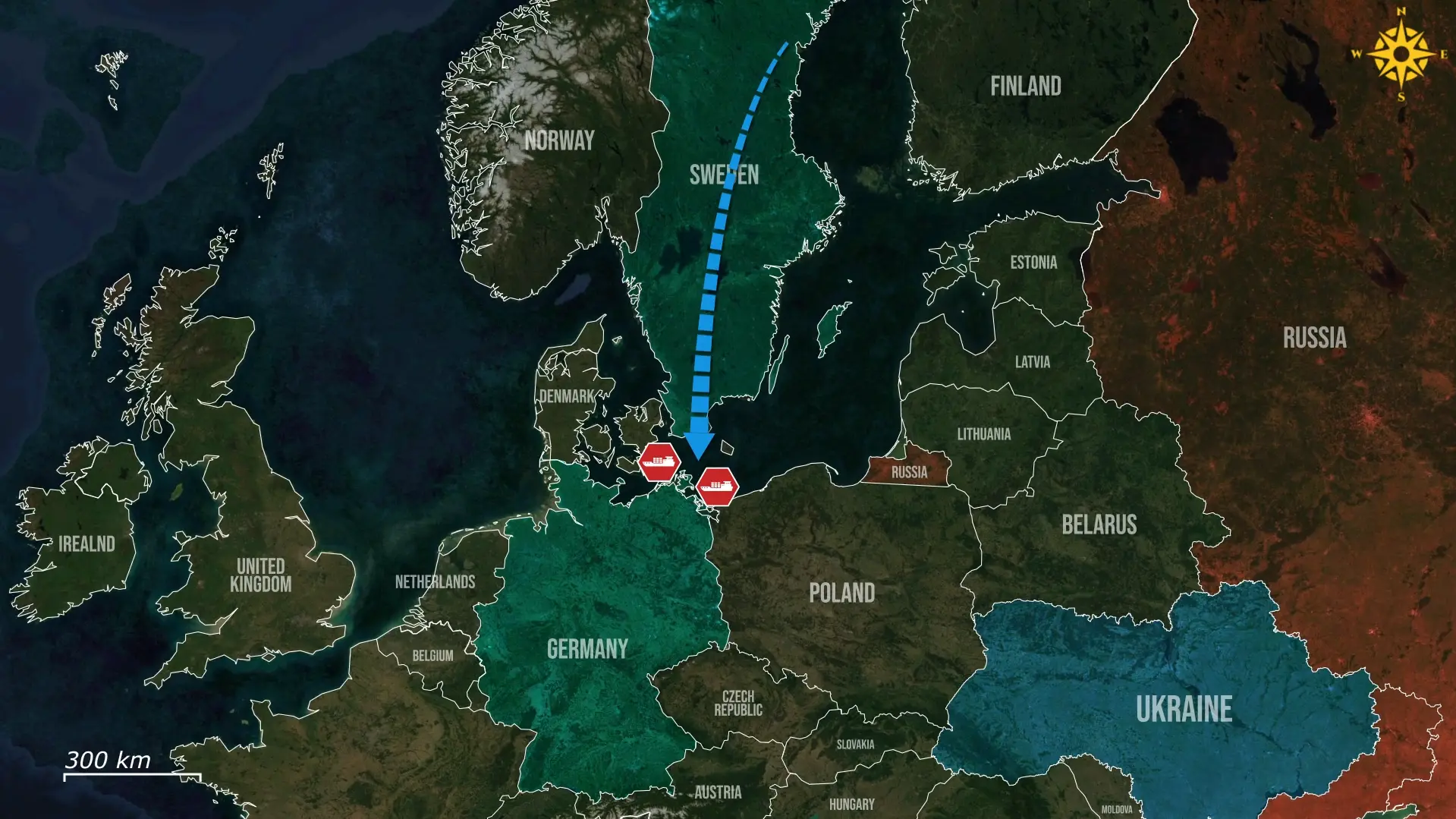
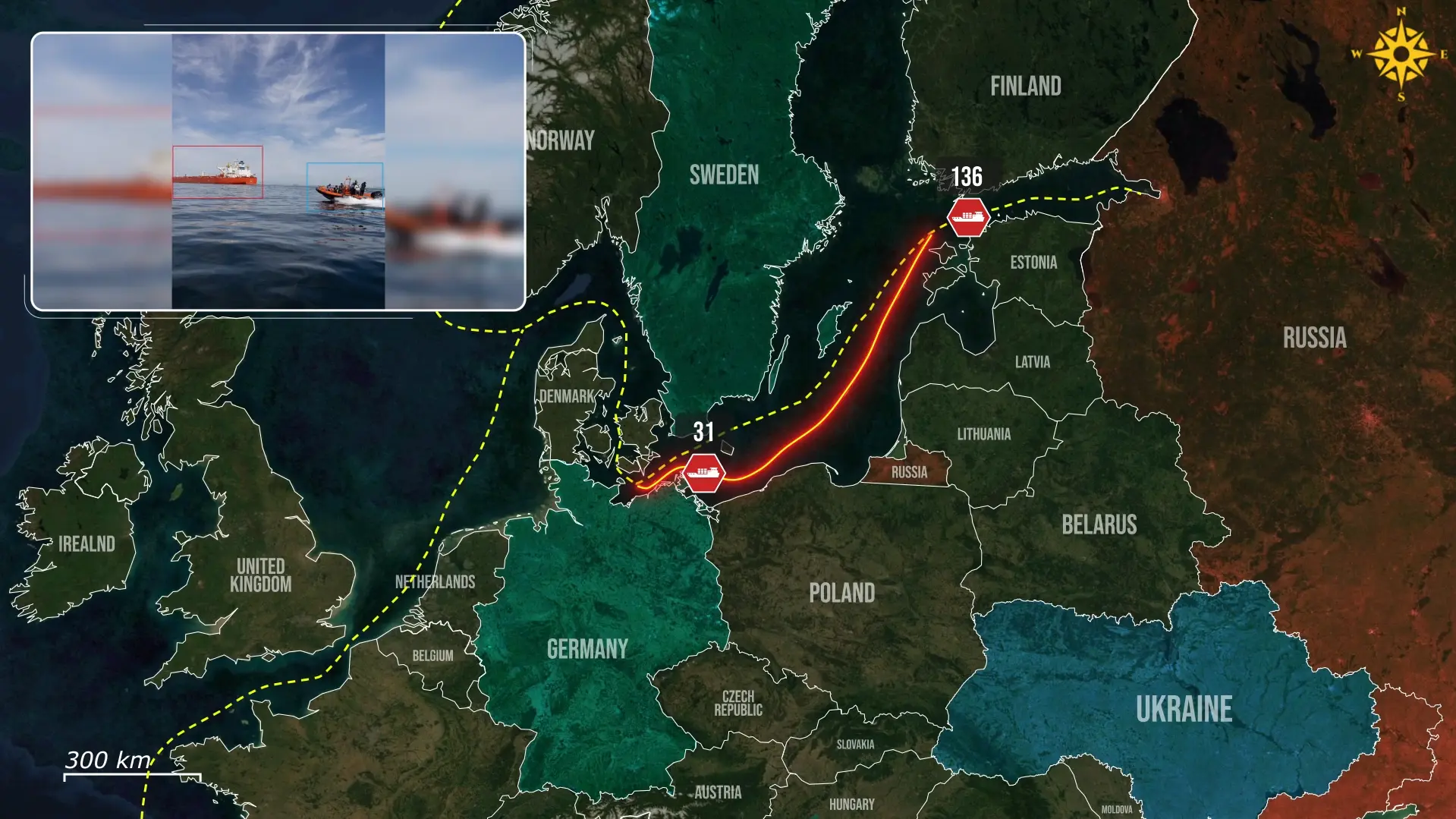
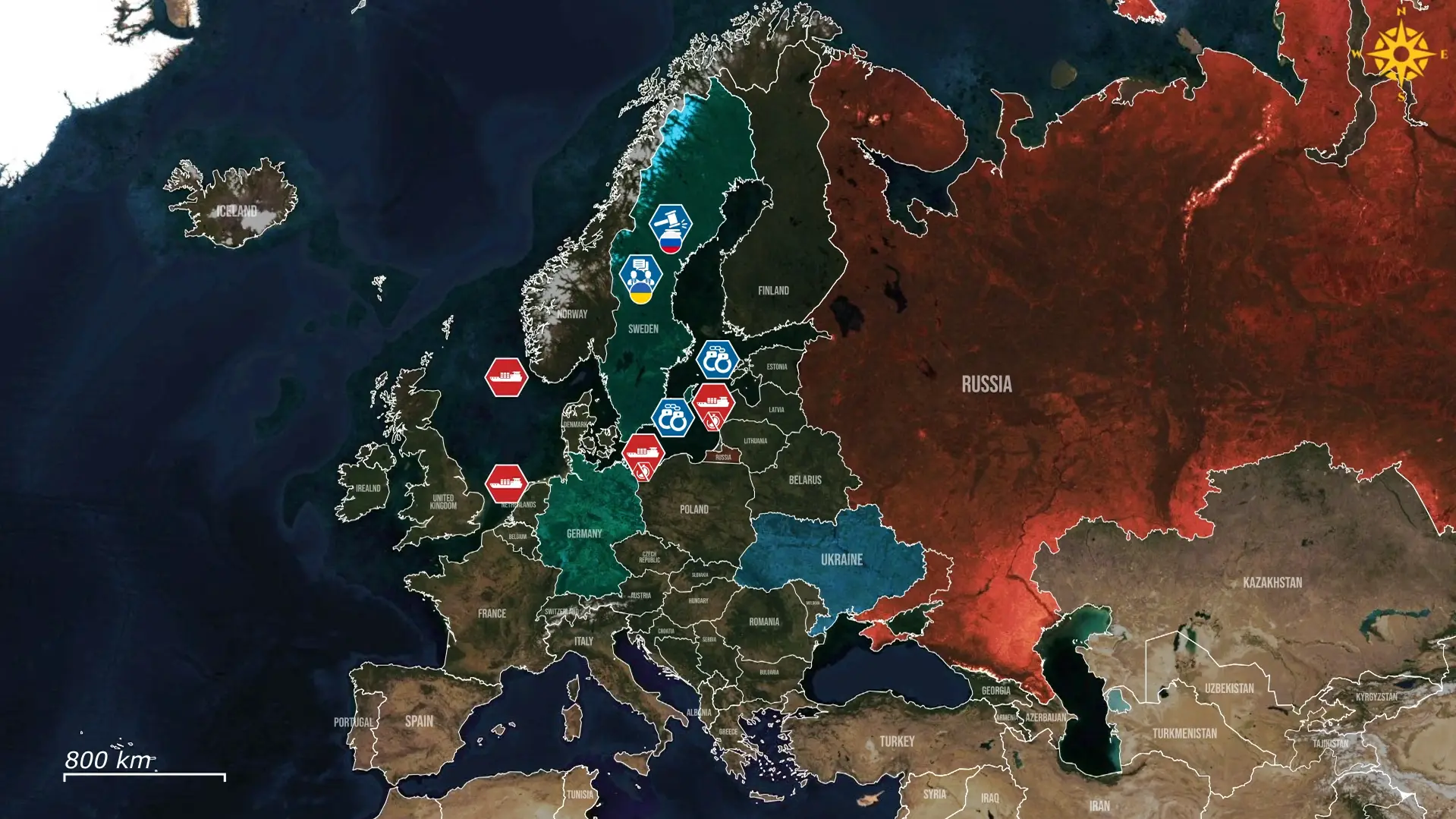
That shift is already visible in the way Russian shadow fleet vessels are moving through the Baltic. Since the beginning of March, more of them have been choosing routes closer to Germany, with some sailing so close that they are almost hugging the German coastline instead of staying on the more direct paths farther north. Greenpeace counted one hundred thirty six tankers using these routes, including thirty one that crossed into Germany’s twelve nautical mile zone, showing just how dramatically Russian shipping patterns have changed. Ships that once moved through this part of the Baltic more routinely are now shifting onto a longer route to stay farther from Swedish pressure.
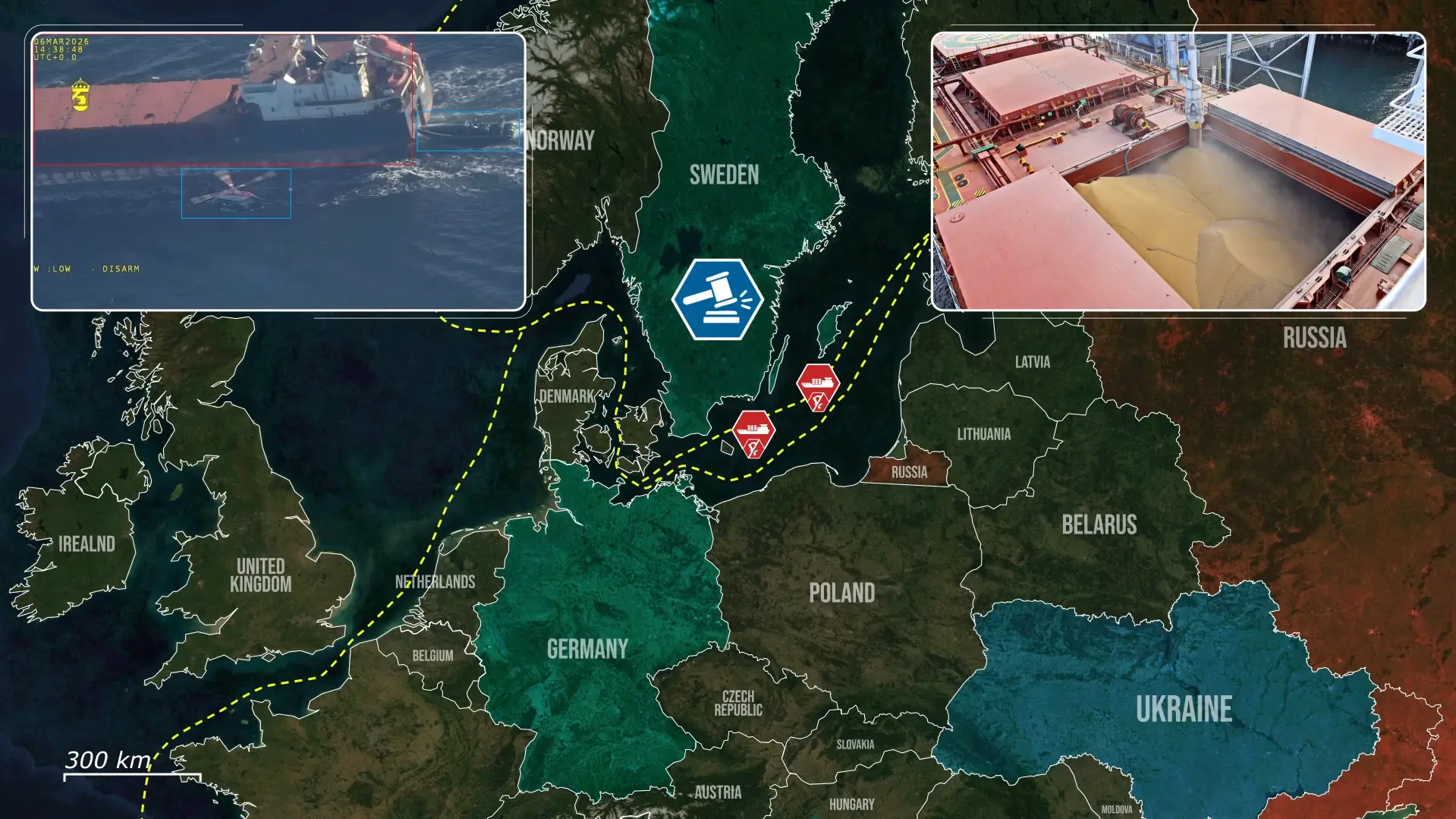
Those altered routes point to the source of the pressure, as Sweden has started detaining shadow fleet vessels at a much faster pace, turning what used to be a routine passage into a real risk for Russia. The clearest example is the cargo ship Caffa, which Sweden detained at Ukraine’s request. Ukrainian prosecutors later linked the vessel to the export of grain from captured Ukrainian territory. The case then moved into a more dangerous phase for Russian shipping when a Swedish court approved the seizure of the vessel’s cargo. That pushed the risk far beyond delay or inspection, because ships passing near Sweden could now face the loss of the shipment itself. For Moscow, a detained ship can still be managed, but a seized cargo cuts straight into the value of the voyage. Once that became clear, every passage through these waters started carrying a much heavier financial threat.
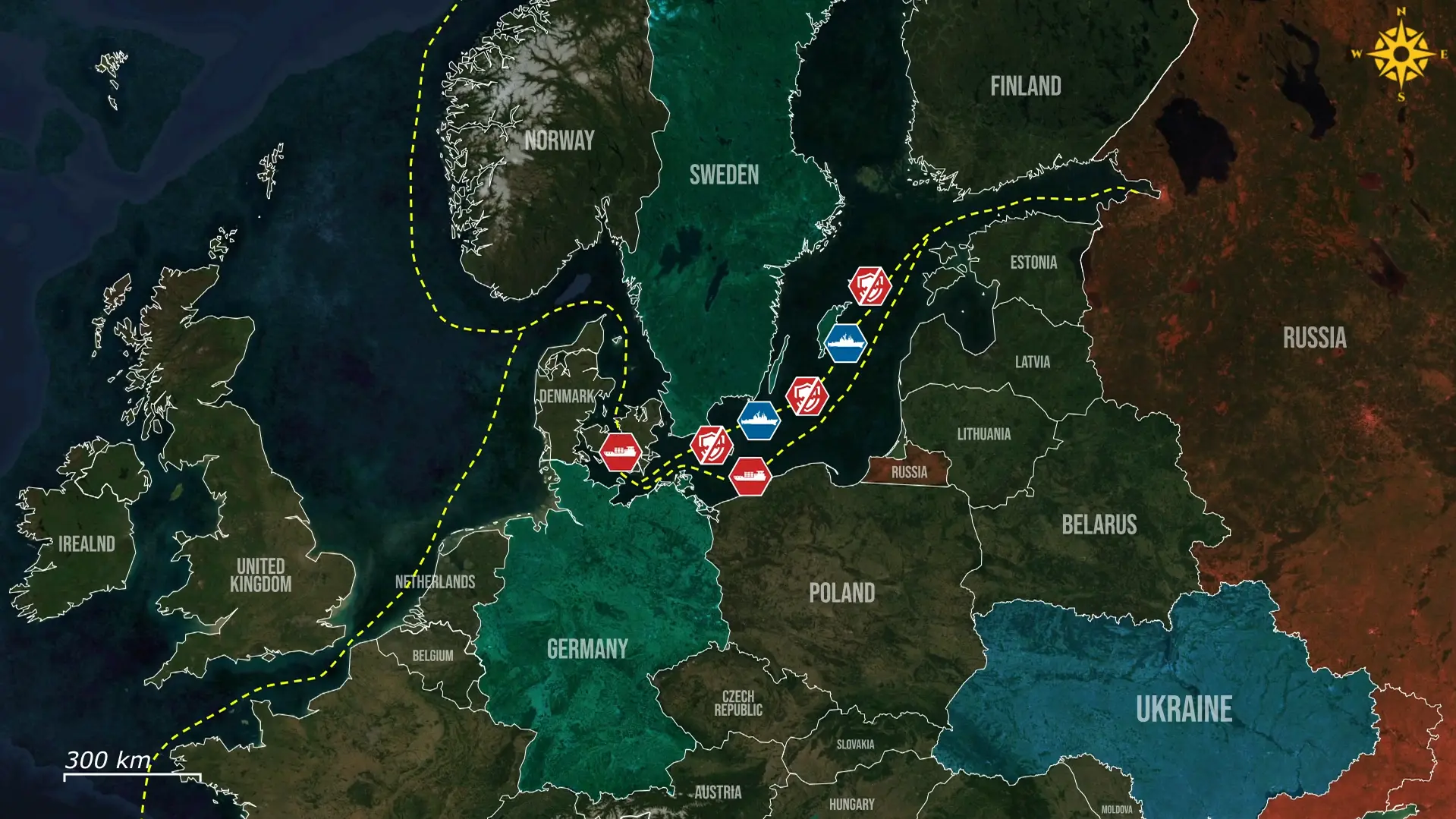
That danger lands especially hard on Russian tankers, because most Russian oil exports from Primorsk and Ust Luga still have to pass through the same narrow Baltic corridors. That leaves these ships especially exposed once Swedish pressure carries the risk of cargo seizure. Sweden keeps naval forces in constant readiness in the Baltic, and its growing willingness to detain shadow fleet vessels shows that this pressure is moving more often from surveillance into enforcement. That is pushing more Russian tankers toward the German coast, where they are trying to widen the distance from the Swedish side of the route. In such narrow waters, even a limited increase in Swedish pressure is enough to force Russian shipping onto longer and less efficient paths.
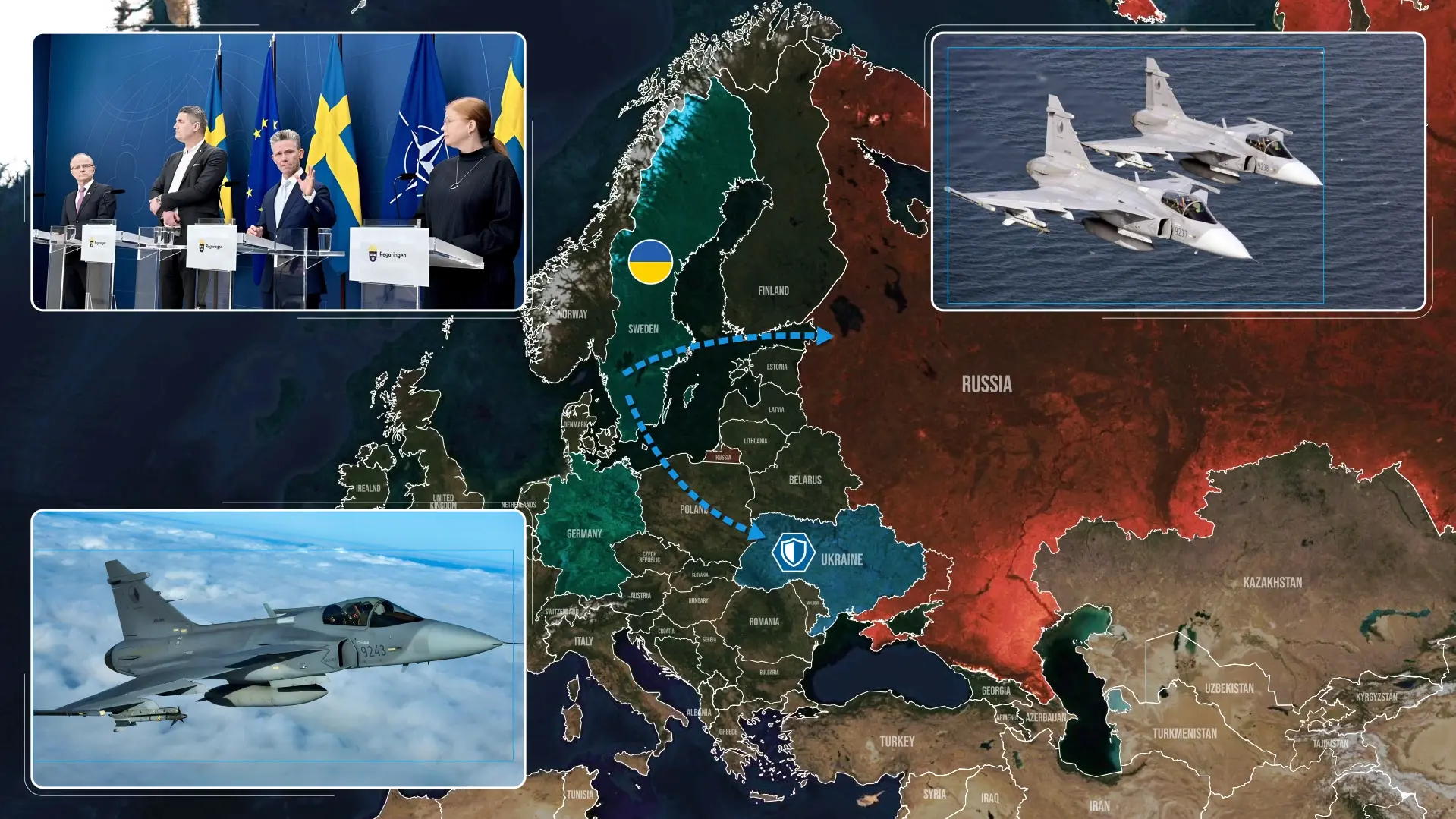
What is taking shape around these shipping lanes is part of a much wider Swedish shift toward Ukraine. Sweden is becoming one of Ukraine’s biggest supporters in Europe, with nine billion dollars already committed and another four billion due this year. From early next year, Sweden is also expected to begin delivering sixteen Gripen C and D fighter jets to Ukraine, giving Kyiv more airpower and showing that Swedish pressure on Russia now reaches far beyond maritime security. That means Russian pressure in the Baltic is now meeting a country that is moving against the shadow fleet at sea while also helping Ukraine weaken Russia on the battlefield. Russia increasingly has to treat Sweden as a frontline strategic opponent, instead of just another regional Baltic state, because Swedish pressure now reaches into both maritime enforcement and the wider war effort against Russia. It also means Moscow is dealing with a state that is becoming harder to intimidate or sideline as Swedish support for Ukraine keeps deepening. As those two lines of pressure tighten together, Sweden is turning into one of Russia’s most serious European opponents.
Overall, the Baltic is becoming harder for Moscow to use in the way it once did, as Swedish pressure is forcing Russia to abandon routes it once considered routine. The longer that pressure expands from detentions into seizures and wider enforcement, the more Russia will have to give up the freedom of movement it once relied on to keep this fleet effective. As Sweden deepens both its maritime pressure and its support for Ukraine, Russia is forced to retreat from the waters it once relied on to keep this oil trade moving.
.jpg)

Comments