

.svg)
In this video, we will analyze the developments on the Russian Finnish border.
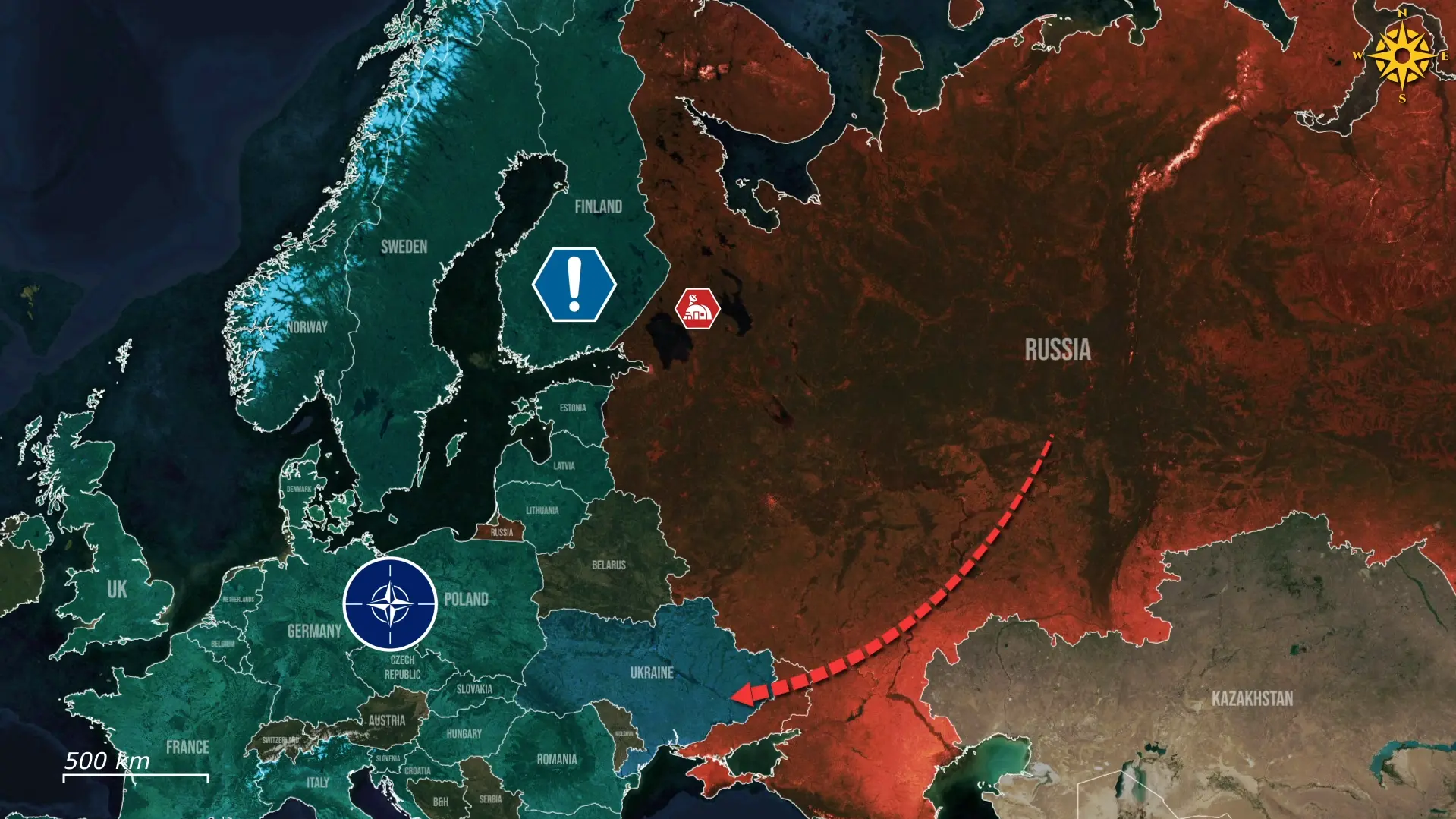
Shortly after Russia began the full scale invasion of Ukraine, Finland decided to join Nato to feel safer. However, the Russian response to revitalize a massive Soviet base near the Finnish border is now leaving the country even more distressed.
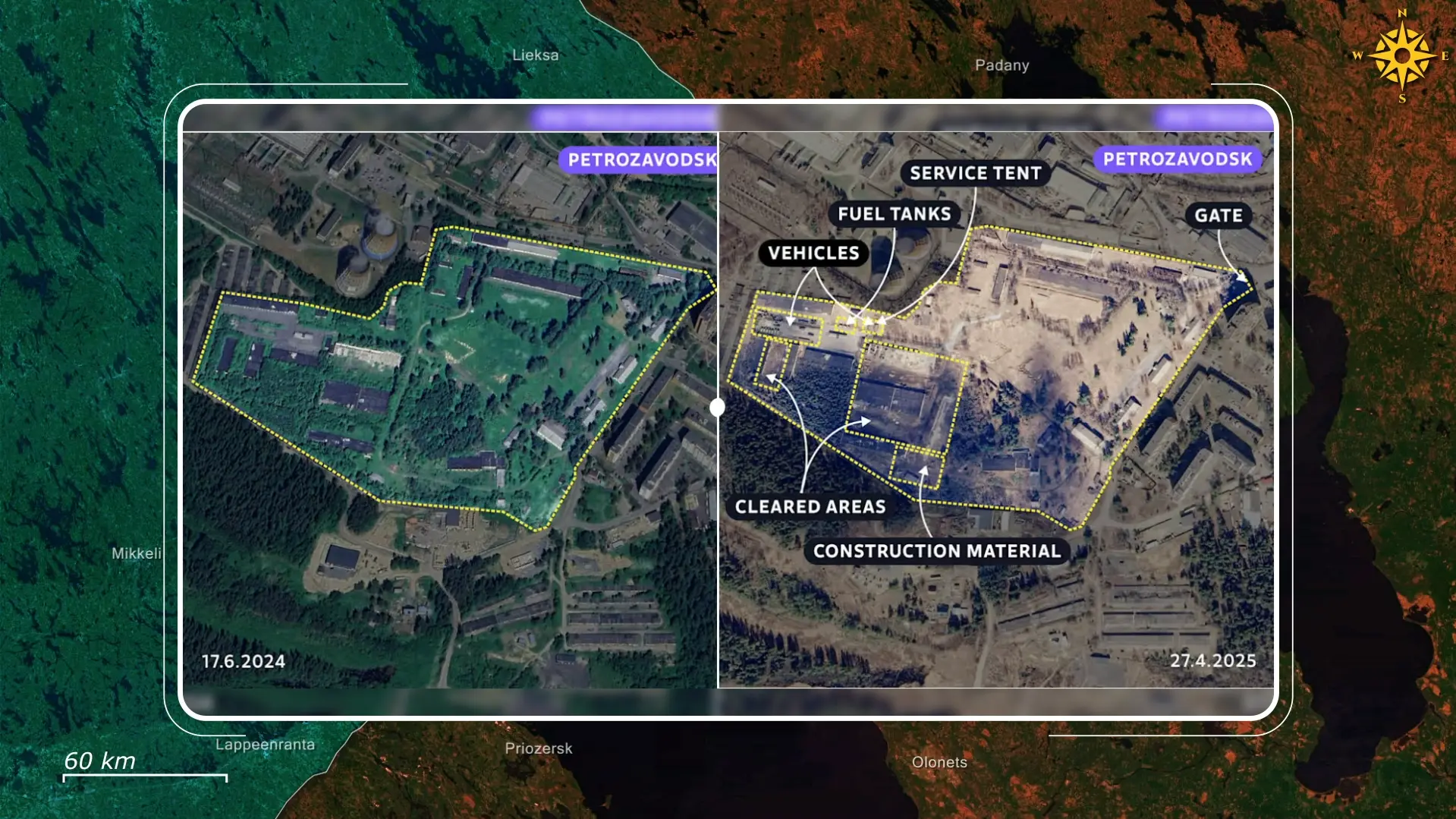
The restoration of the long neglected Soviet garrison in Petrozavodsk marks a noteworthy shift in Russia’s posture toward Finland, as the site had been abandoned for years and looked like a forgotten piece of history. Satellite images show that the area has been cleared of trees, military vehicles have been brought in, and construction crews are preparing new barracks. The scale of the changes is beyond the scope of a simple renovation, but reflects Russia's clear intention to rebuild a large military base capable of supporting long‑term operations. Specifically, the base is being prepared for the recently formed forty fourth Army Corps, which will eventually be able to host and support around fifteen thousand soldiers.
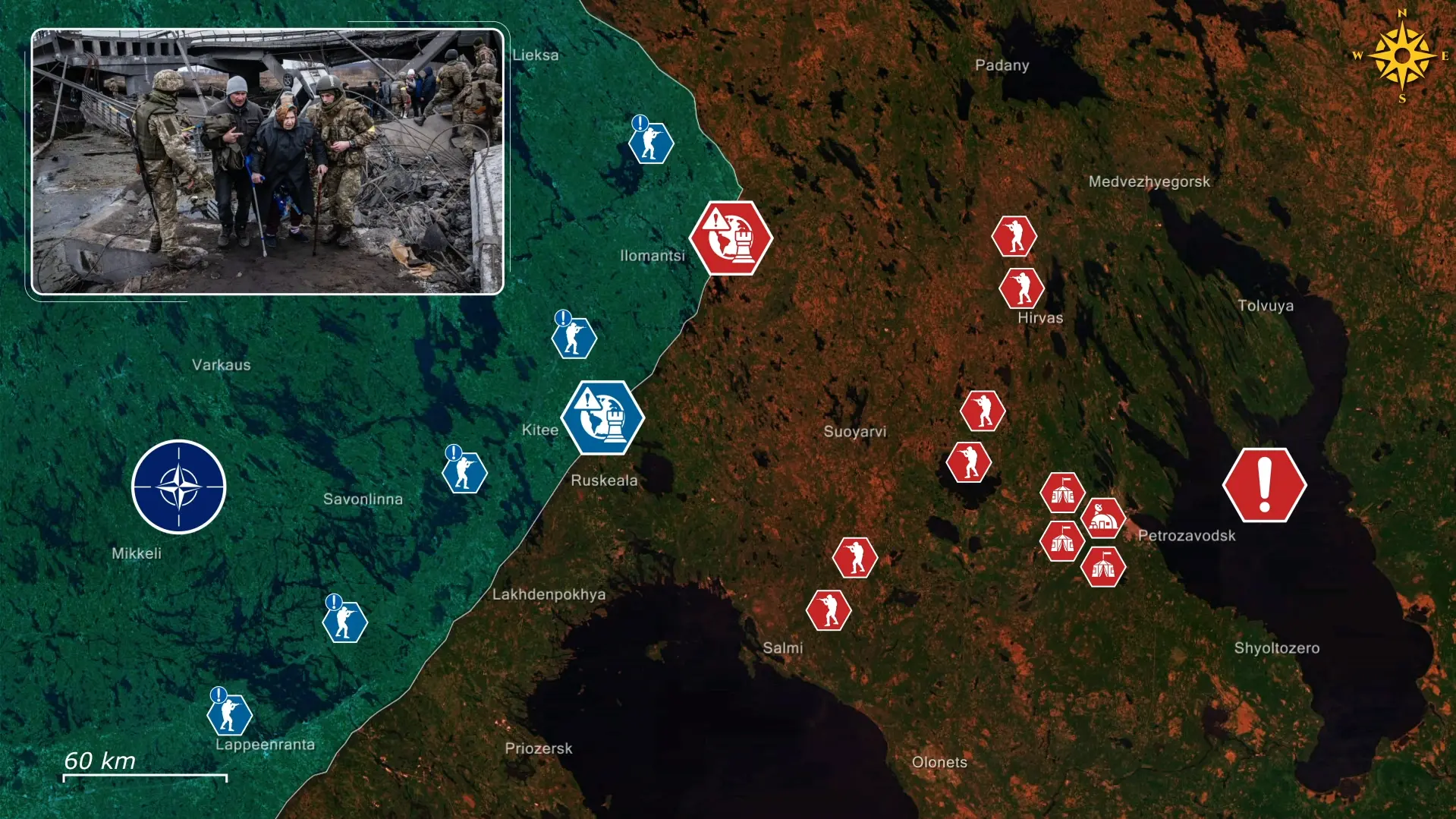
Although most of the corps is fighting in Ukraine, a part of it has already arrived in Karelia and requires permanent infrastructure. Even if only a portion of that force is positioned in Karelia, Finland faces a significantly larger and more structured Russian presence than at any point since the end of the Cold War. The rebuilt base does not mean Russia is preparing an immediate attack, but it does create a new military reality that Finland must take seriously. First of all, this expansion is likely a direct strategic countermeasure to Finland’s and Sweden's entry into Nato, which altered the security equation in the region. Although Finland and Sweden's decision stemmed from the large scale invasion of Ukraine, Russia did not want to leave that move unanswered. However, the threat lies in what the base allows Russia to do over time, especially when the war in Ukraine ends.
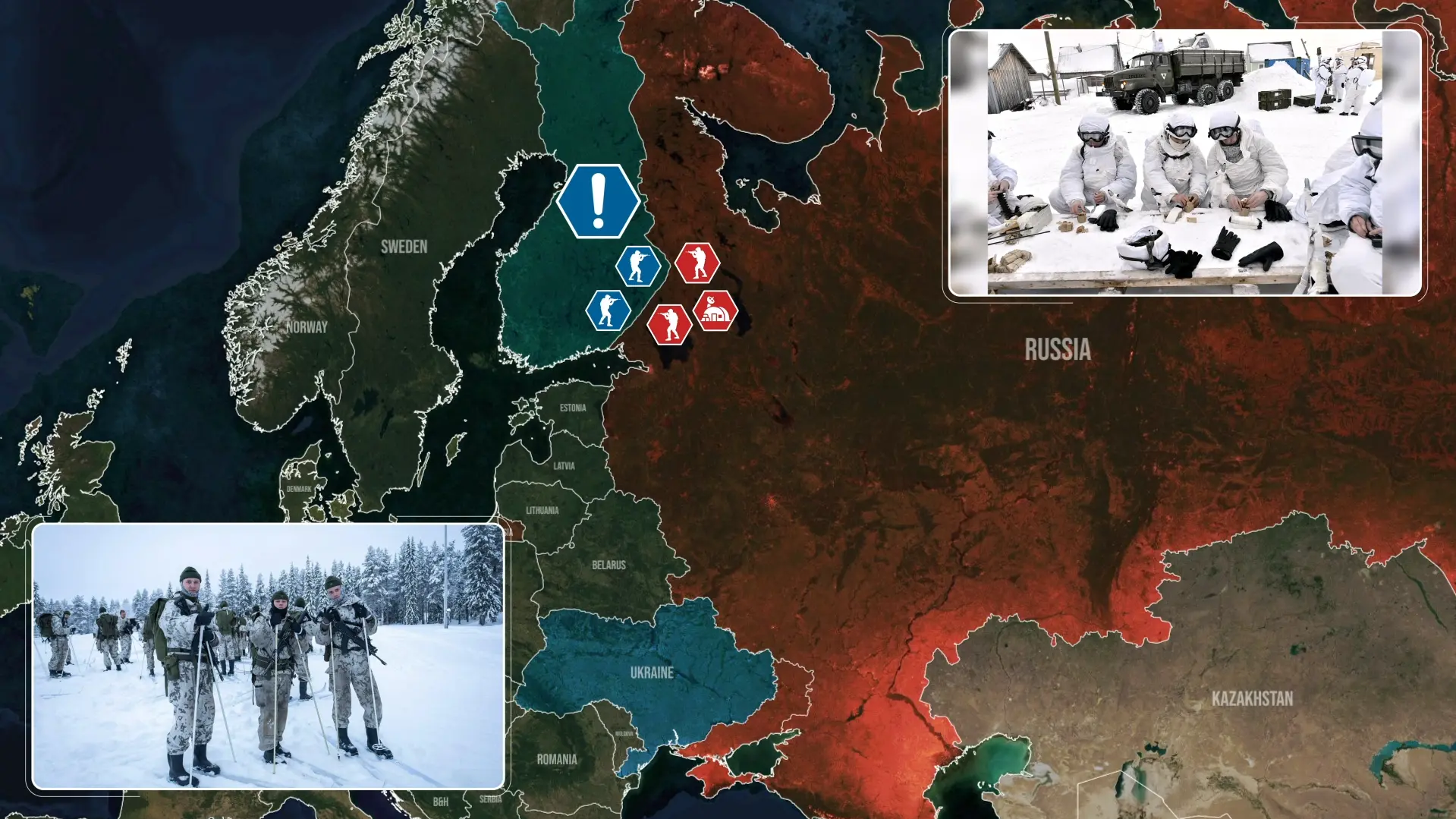
The base gives Russia the ability to test Finland’s border defenses, stage operations that sow confusion, or simply maintain a constant sense of vulnerability and alert among the Finns. Furthermore, it allows Russia to conduct large scale exercises in the area and keep equipment ready for immediate deployment. Even if Russia never crosses the border, the presence of a major force grouping forces Finland to invest more in surveillance, readiness, and coordination with Nato allies.
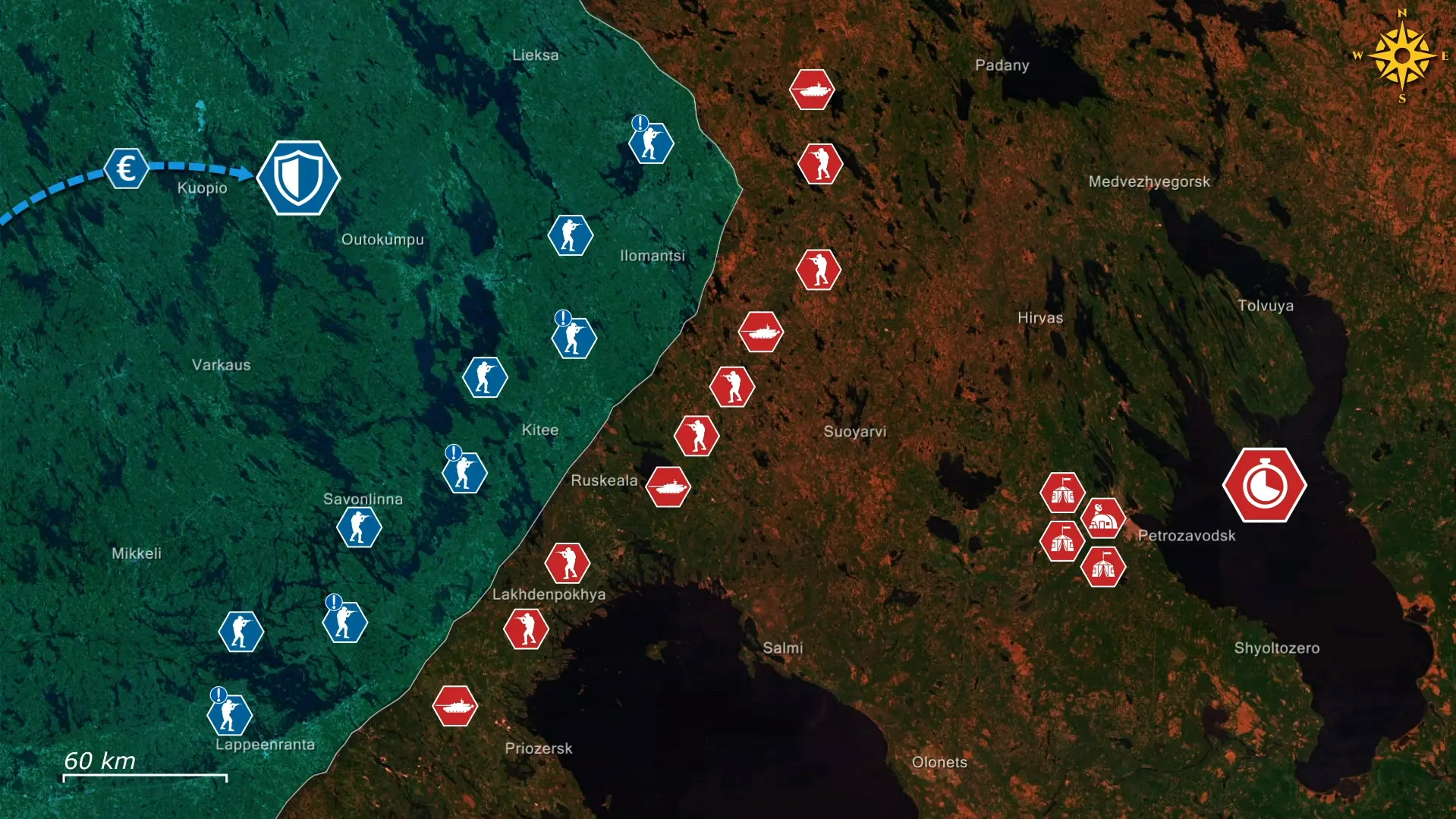
Although the forty fourth Army Corps linked to the Petrozavodsk base is still fighting in Ukraine, Russia seems to expect the war to end soon, thereby freeing up experienced soldiers. In Russia’s planning logic, these battle tested units can be moved near the Finnish border as soon as they leave Ukraine, bringing their experience in trench warfare paced by drones and artillery. Hence, the quality of the formation currently stationed there would change immediately, expanding Russia’s range of offensive and defensive possibilities. The fact that Russia is pouring millions into concrete, barracks, and command centers near Finland while its economy is strained by the war in Ukraine suggests that this isn't a secondary side project. Instead, it indicates that Russia views the militarization of the Finnish border as an important pillar for its post war strategy and power projection.
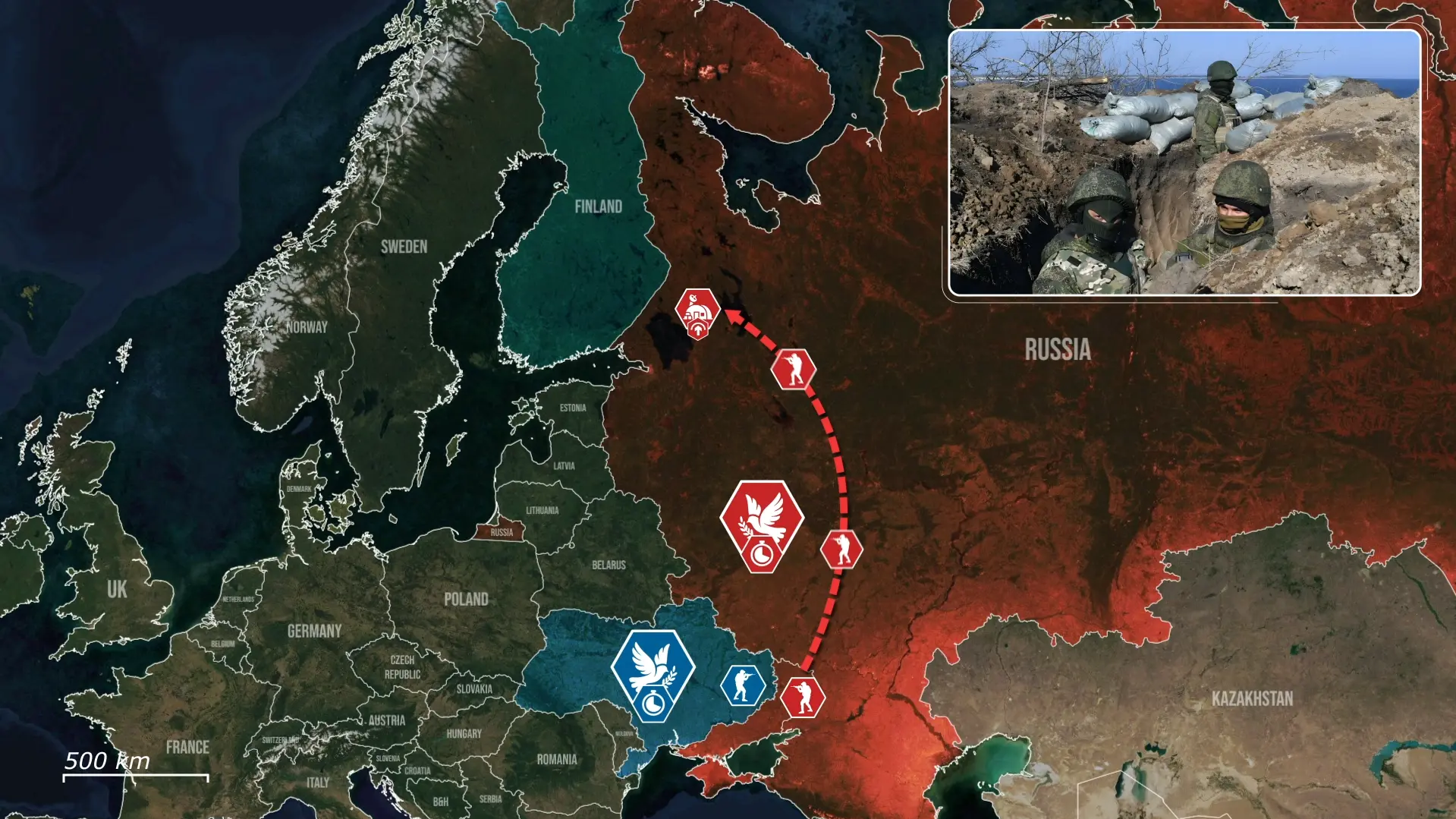
Overall, the revival of the old Soviet garrison in Petrozavodsk has unsettled Finland because it resurrects a shadow threat from the past, alongside the seriousness of current Russian expansionism. Finland now faces a security environment that feels closer to the Cold War than anything seen in recent decades. Russia’s decision to place a major corps on the Finnish border shows that Moscow intends to maintain long‑term pressure even after the fighting in Ukraine stops. Now, Finland must adjust to a reality in which the former Soviets return not as a memory but as a rebuilt, hostile military presence that can shift from routine activity to serious pressure with little warning.

.jpg)

Comments