

.svg)
In this video, we will analyze how Ukraine changes European war doctrine.
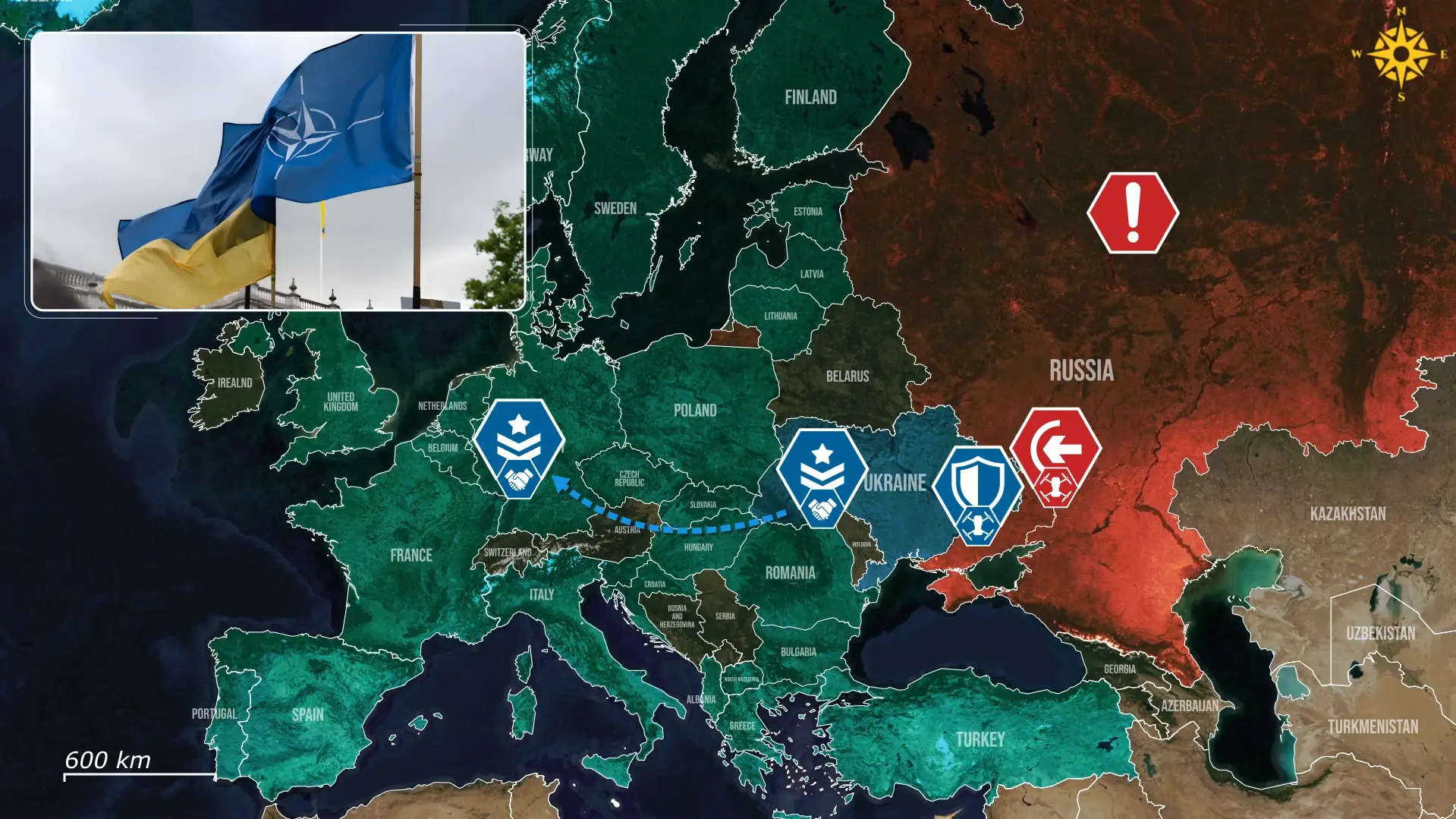
Here, after providing training for Ukrainian soldiers, Nato is now repeatedly inviting Ukraine to participate in its exercise as Opfor. However, the role between teacher and student is now very different compared to when the invasion of Ukraine began.
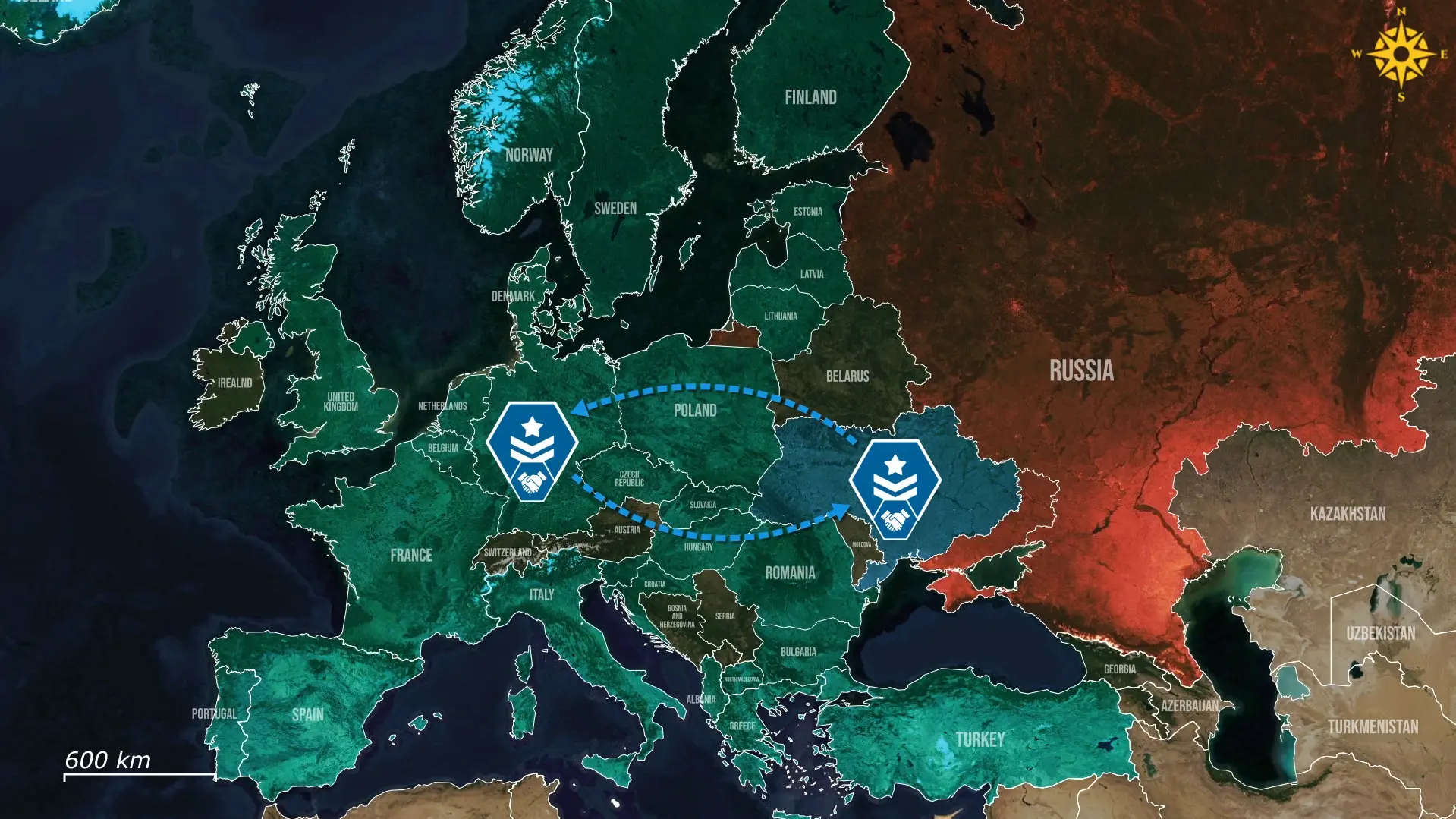
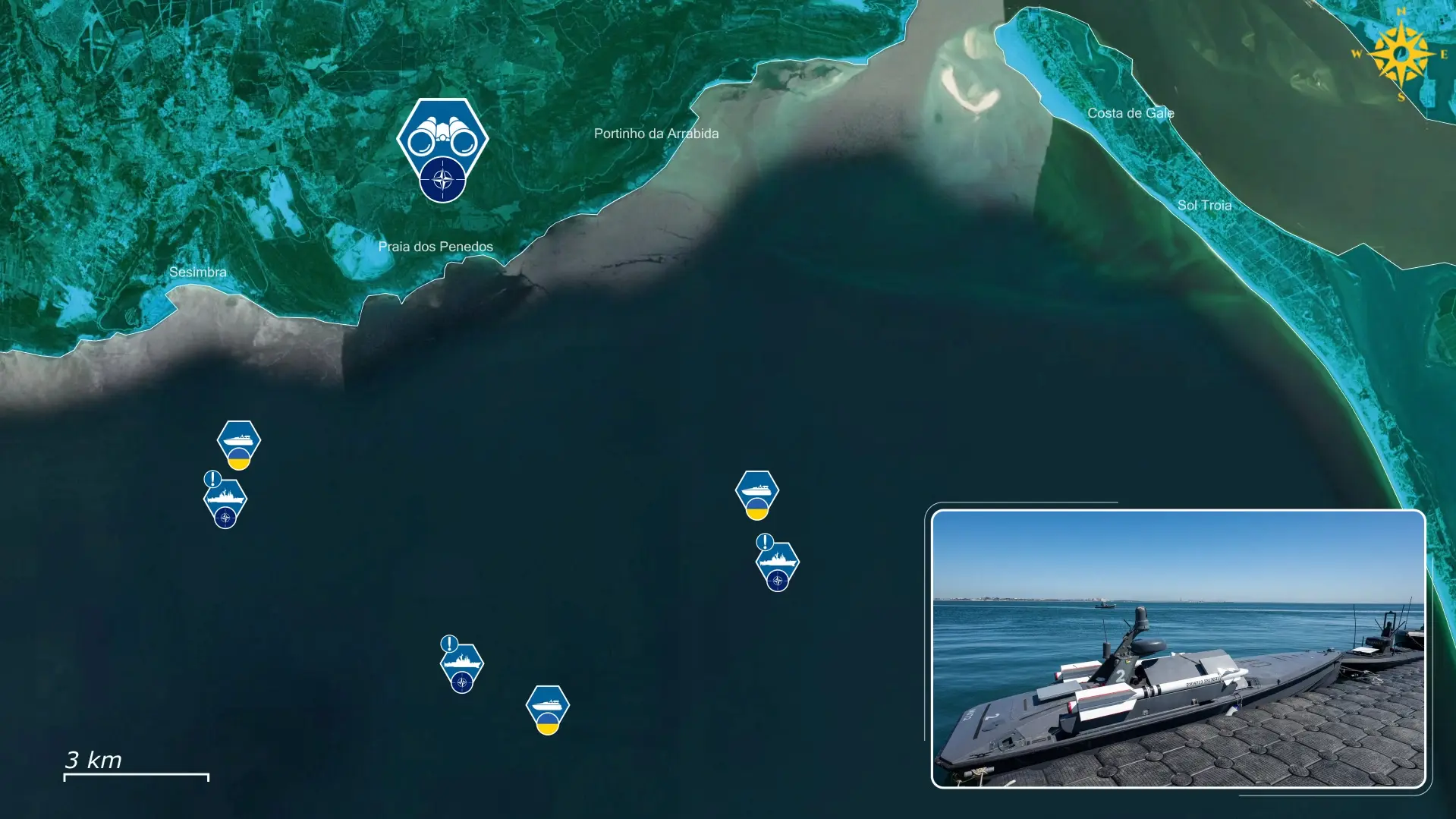
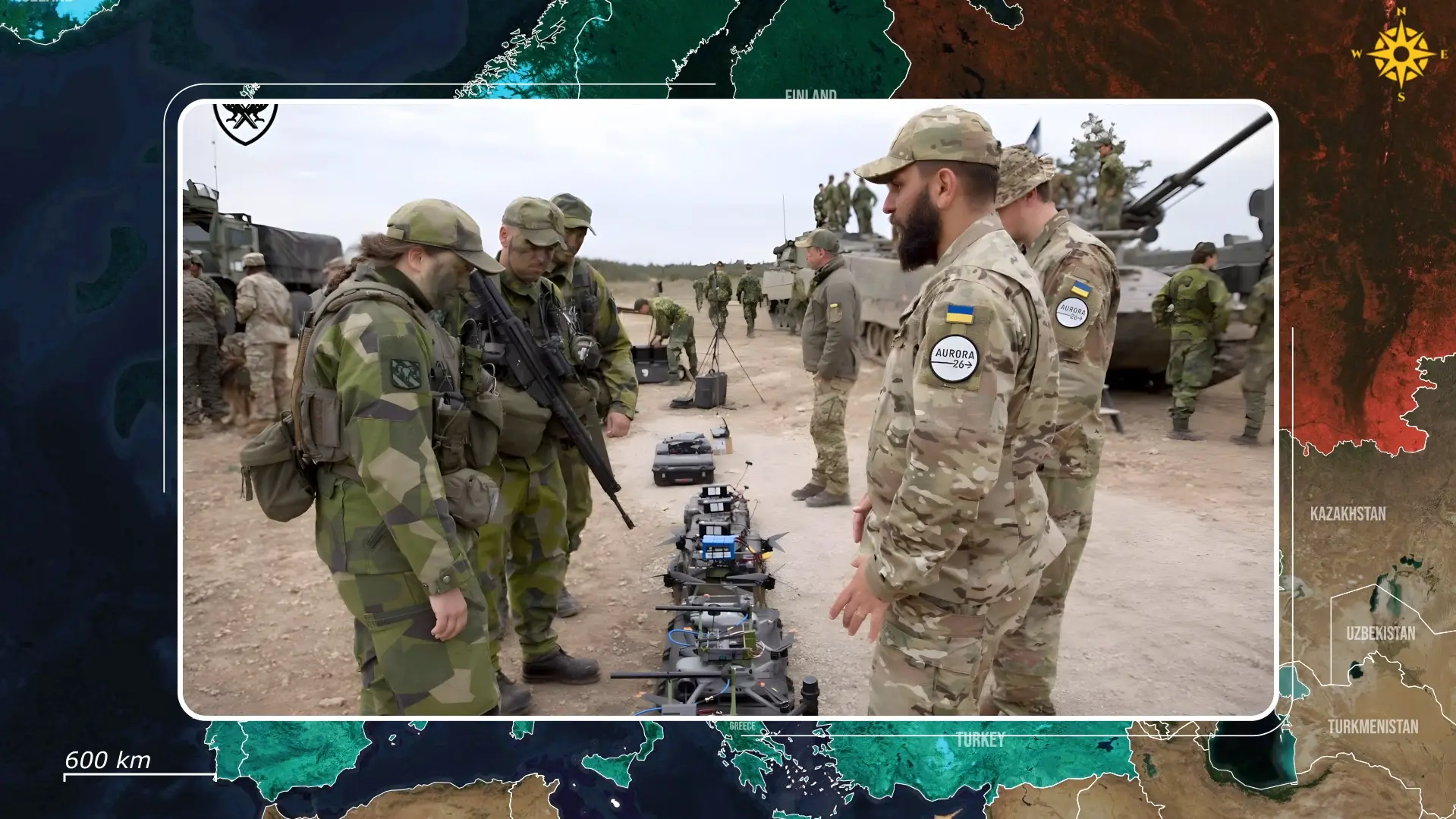
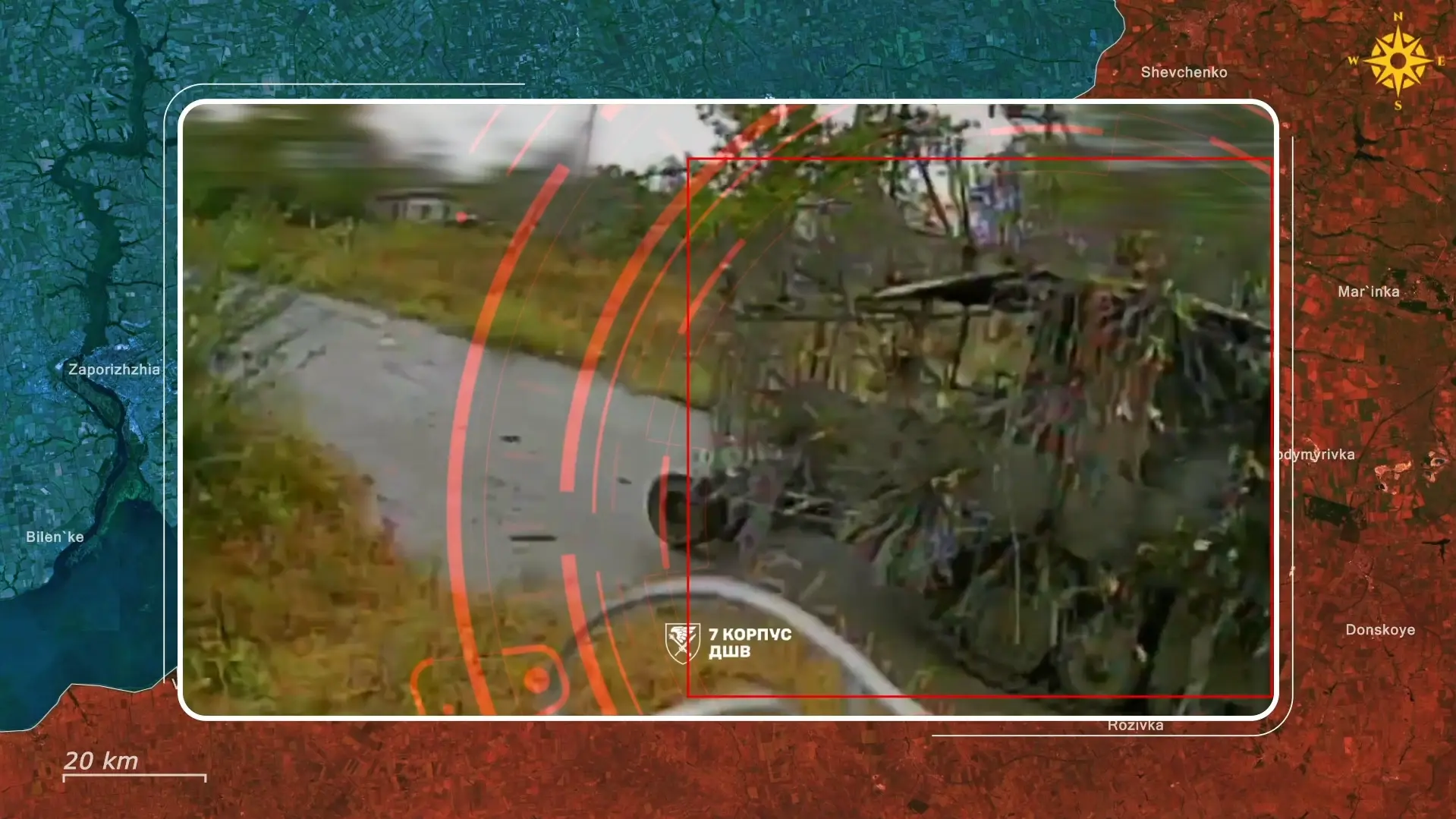
Recently, Nato has once again invited Ukraine to participate as Opfor, and the results have again exceeded expectations. Acting as Opfor means simulating opposition forces, and in this case, testing Nato units under realistic battlefield conditions. During naval exercises in Portugal, Ukrainian led teams using the home-produced Magura-V-seven sea drones won all five engagements against Nato convoys, repeatedly achieving undetected approaches and hits on a Nato frigate. This showed Nato commanders that even well-equipped ships with advanced sensors can struggle to detect small, fast and low-profile unmanned systems, which is a vulnerability they had not fully appreciated before seeing Ukrainian operators in action. On land, Ukrainian drone teams exhibited a similar ability to break Nato’ planning as a single unit eliminated two alliance battalions in a single day during a training scenario, demonstrating the once what experienced drone operators can achieve. The same pattern appeared in during a training in Gotland, where the scenario had to be restarted several times because Ukrainian operators destroyed so many vehicles and personnel in the simulation that continuing made little sense.
Results like these explain why Nato continues requesting Ukrainian participation in future exercises, with new Opfor deployments already being prepared. The fact that Nato keeps inviting Ukraine to act as the adversary shows are evidence of a deeper institutional evolution inside the Alliance, which is now actively reorganizing its training and doctrine to modernize its forces for drone centric warfare. Although Ukraine used to be the student absorbing Western doctrine and adapting it to its own needs to face Russia, Nato recognizes that now it can learn a lot from the battle-hardened Ukrainian forces. In fact, Ukraine has fought and is currently fighting the most drone dense war in modern history, cumulating experience in years of sacrifices, and adapting faster than any Western military could in peacetime. This growing reliance on Ukrainian expertise naturally leads to the next step, as the Alliance increasingly turns to Ukrainian instructors themselves to transmit these methods directly to Nato personnel.
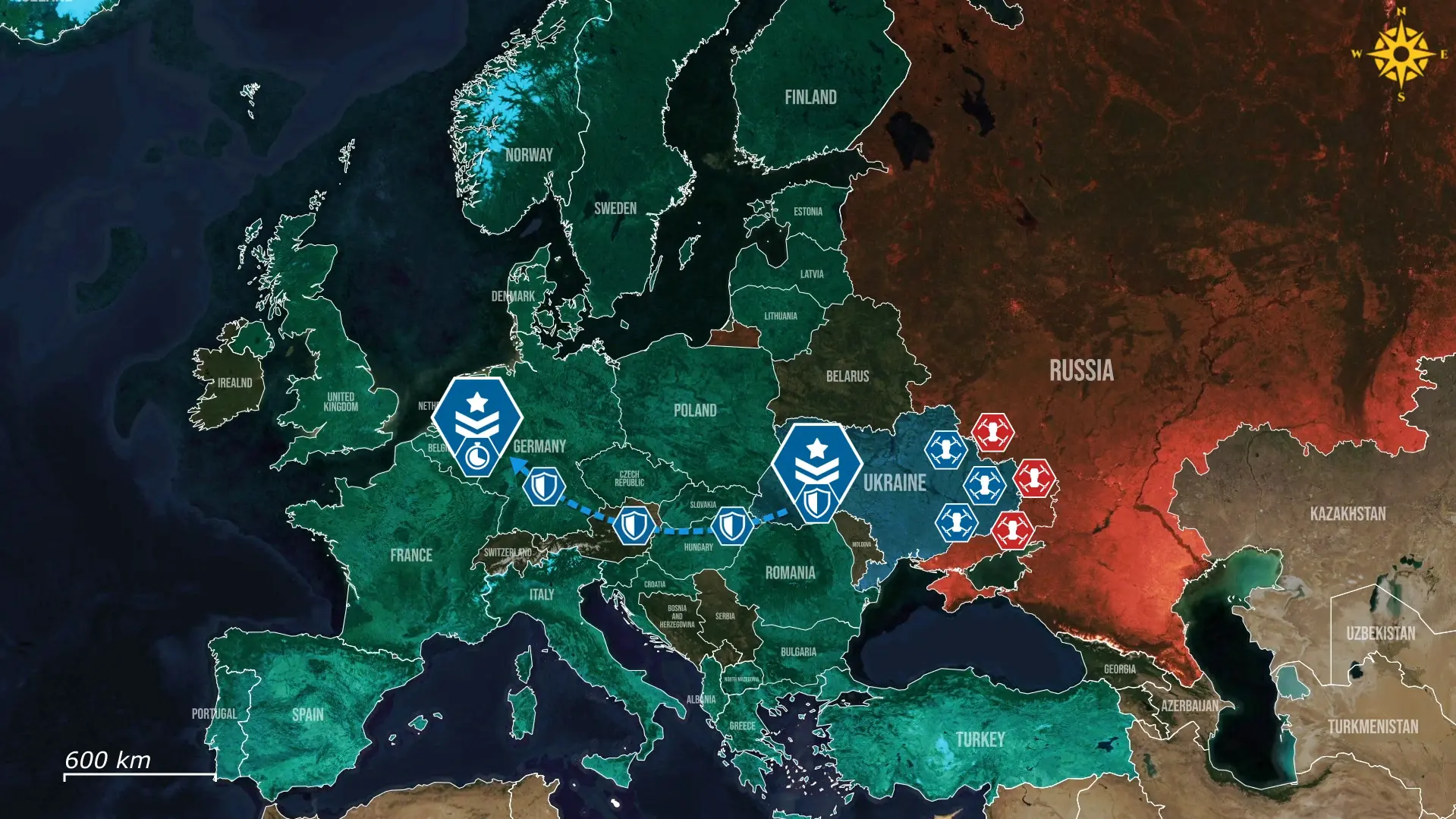
This reversed role prompted Ukraine to stop sending soldiers abroad for basic training, as Western instructors lack modern combat experience. Instead, Ukrainians turned into instructors, many of whom are combat veterans wounded in the war who still want to serve their country. Their experience carries weight that no peacetime training environment can reproduce, as they understand how drones behave in real weather, how electronic interference distorts signals, and how frontline units improvise. Most importantly they developed these skills at a condition of extreme enemy drone density, something that cannot be simulated elsewhere. These veterans now train both their own recruits and Nato personnel with great results, with British units openly acknowledging how much they benefit from the Ukrainians up to date frontline knowledge. As a result, a British regiment has already reorganized its training pipelines, so every soldier becomes a drone operator following the Ukrainian model, a change that gradually closes the vulnerabilities against a possible confrontation with Russia.
This development forces Russia to rethink its assumptions about Nato preparedness, as the Russian experience in Ukraine has also given it an advantage. In fact, Russia expected that its advantage in drone warfare experience over Nato could partially compensate for the disadvantages in size and technology. Instead, it now faces a Nato that is actively preparing for drone warfare with Ukrainian guidance. For Russia, this is a serious strategic problem, as the one compensatory edge it counted on versus Nato is being eroded.
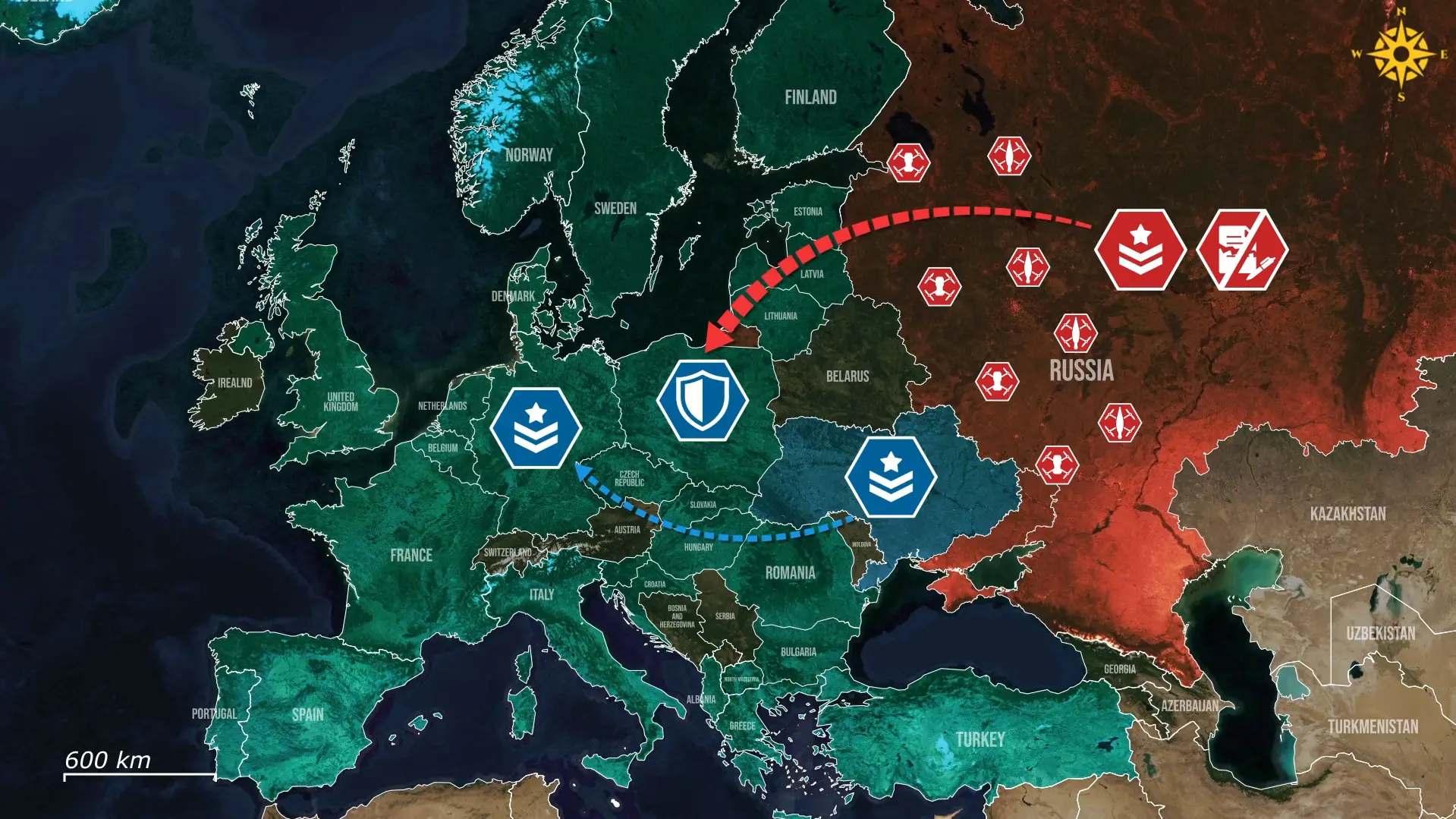
Overall, Nato’s decision to learn from Ukraine marks a change in the power equation and another strategic blow for Russia, which will see its advantage in drone experience reduced over time. In fact, the Alliance is preparing for future wars by adopting the methods of the only army that is fighting a large scale drone warfare against Russia itself. In the meantime, Ukraine will become an ever more integrated and indispensable partner for Nato. As Nato’s vulnerability in drone warfare will erode year after year, Russia will have to rethink its strategy and planning in a hypothetical confrontation, which could no longer rely on that gap.

.jpg)

Comments