

.svg)
In this video, we will analyze why politicians in Russia started begging to end the war.
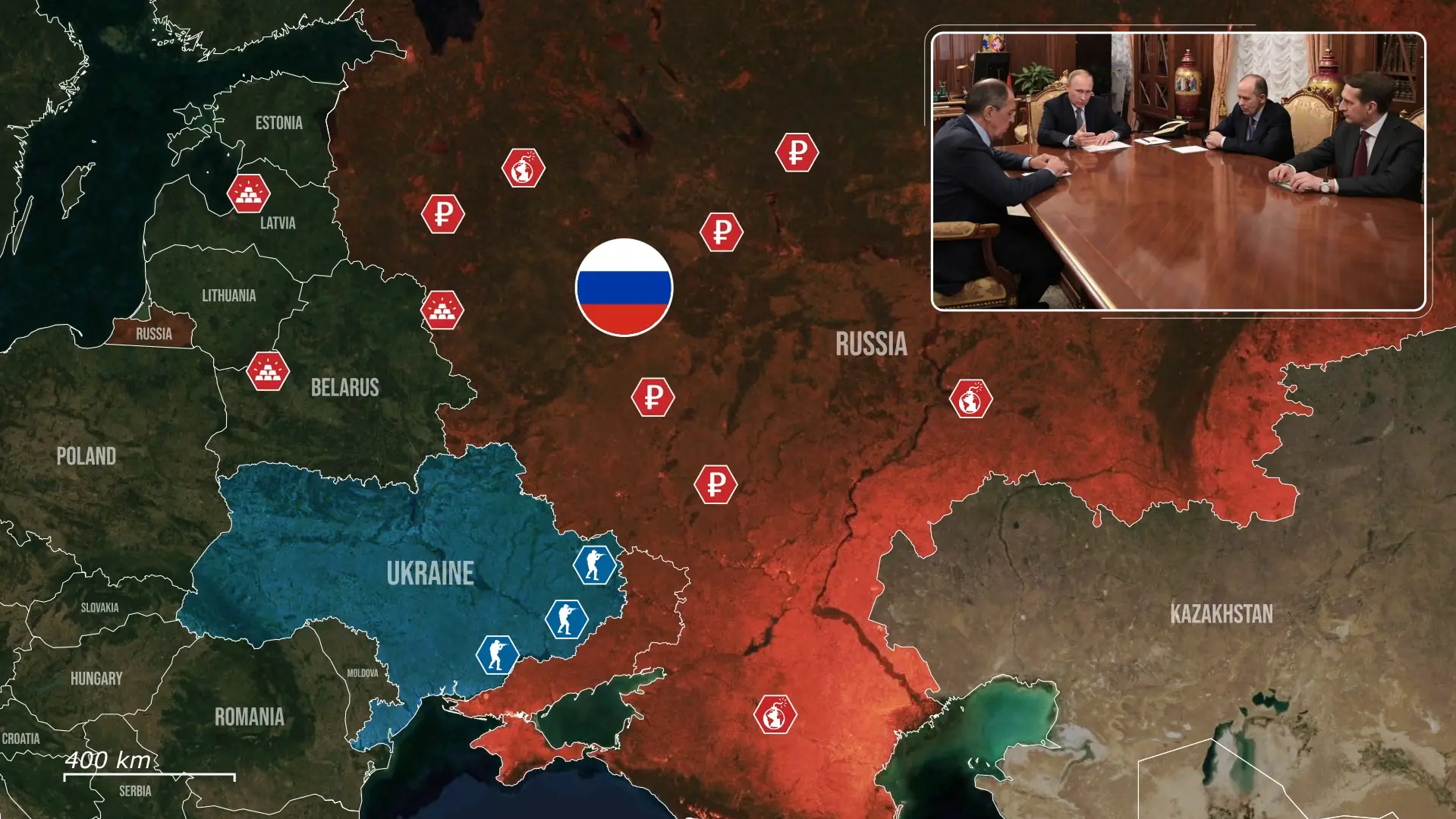
Here, Russia’s economy can barely sustain the cost of the war for much longer, which is a looming disaster as pressure from the elite is rising and state control is weakening. Now, even Russian politicians are aware of the severity of the problem, begging Putin to stop the war before it breaks Russia.
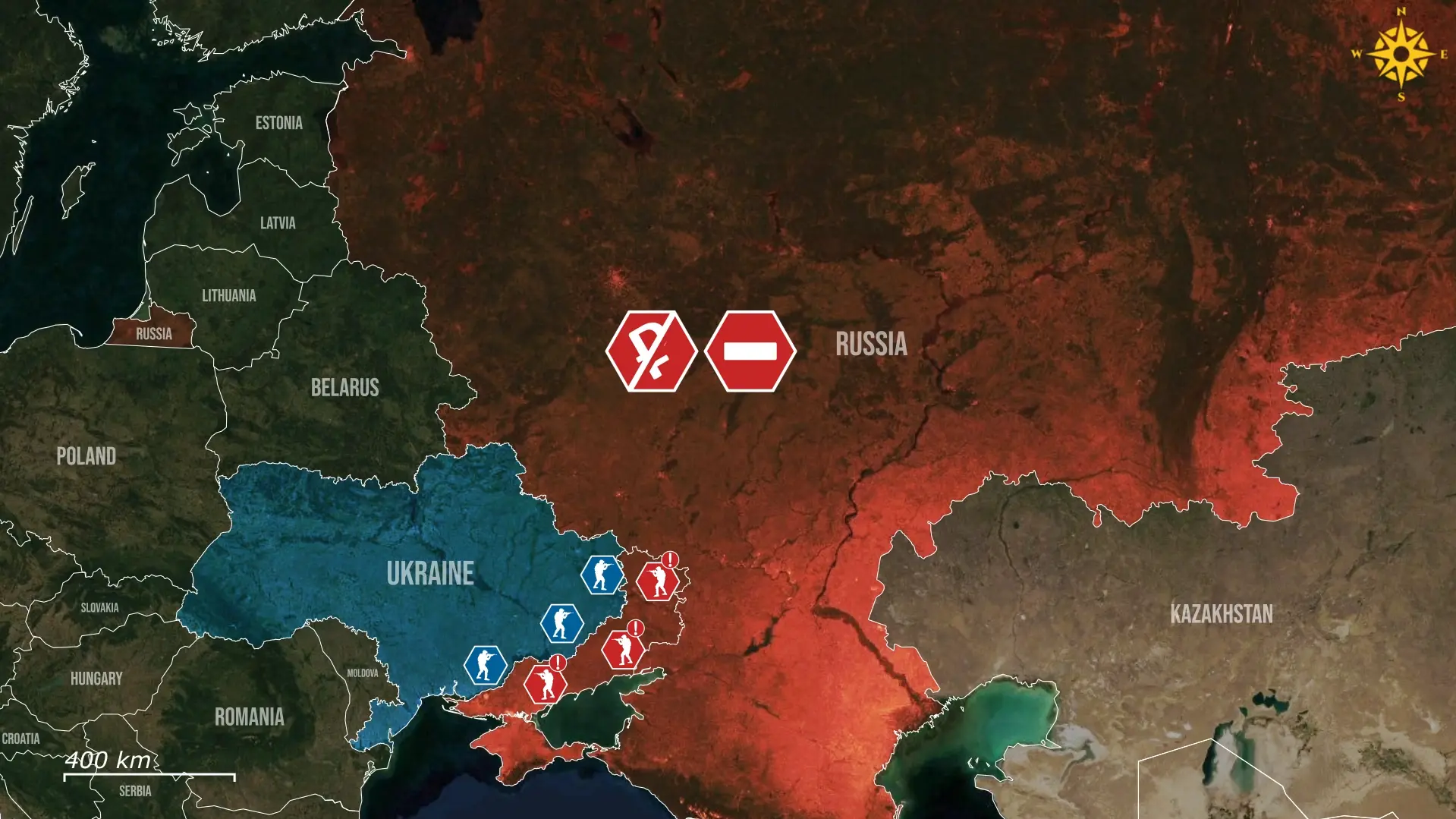
Recently, a Russian State Duma deputy, Renat Suleymanov, said that the war needs to end now because Russia’s economy cannot sustain the current tempo. He also stressed that forty percent of the federal budget already goes to defense and security, which is crowding out normal spending. Defense spending is also driving inflation, which is officially five percent, and forcing cuts in civilian spending. Suleymanov warned that even after the war ends, Russia will face problems reintegrating hundreds of thousands of returning troops who experienced extreme violence, and that Russia will still carry these costs after peace.
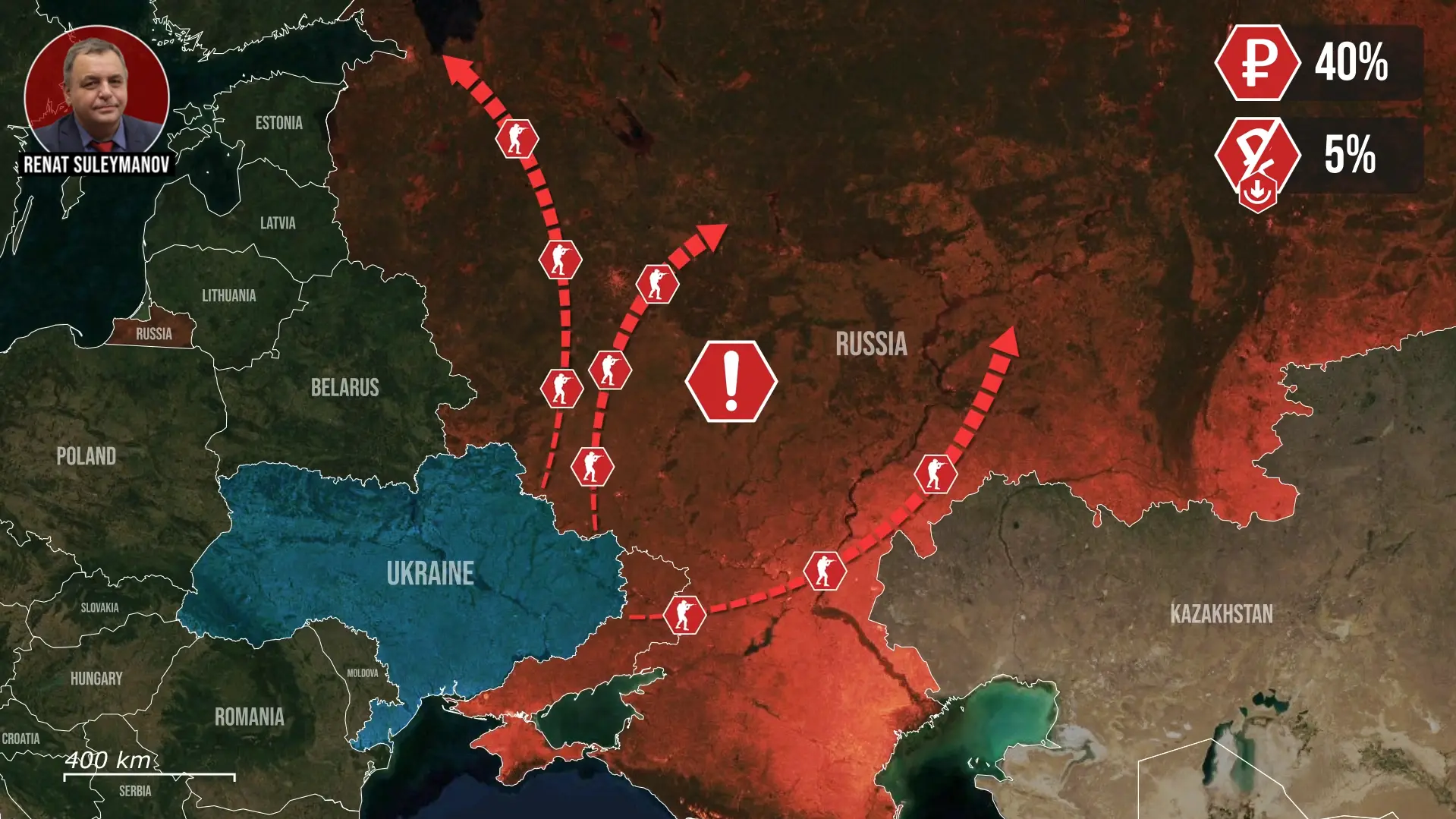
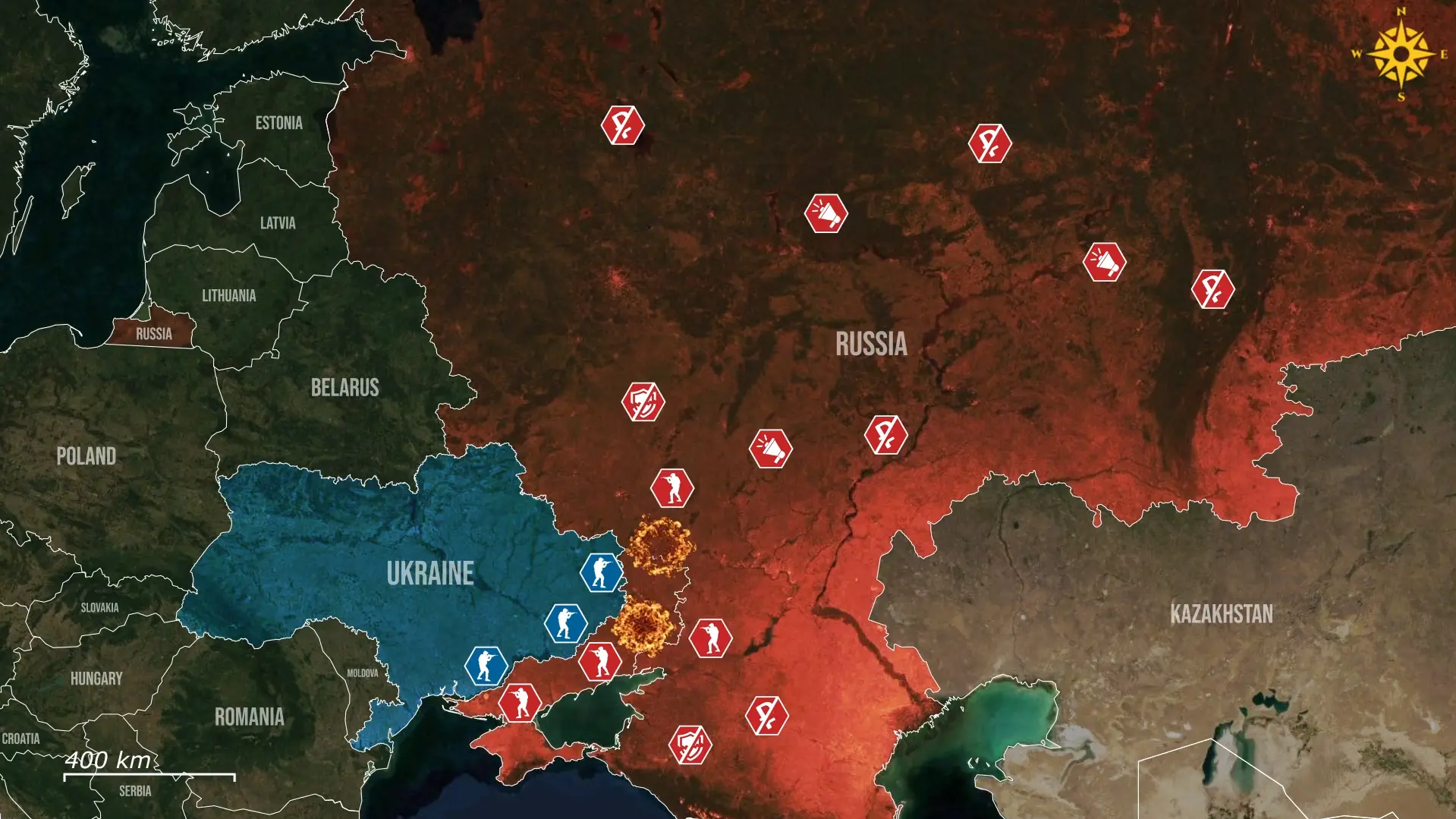
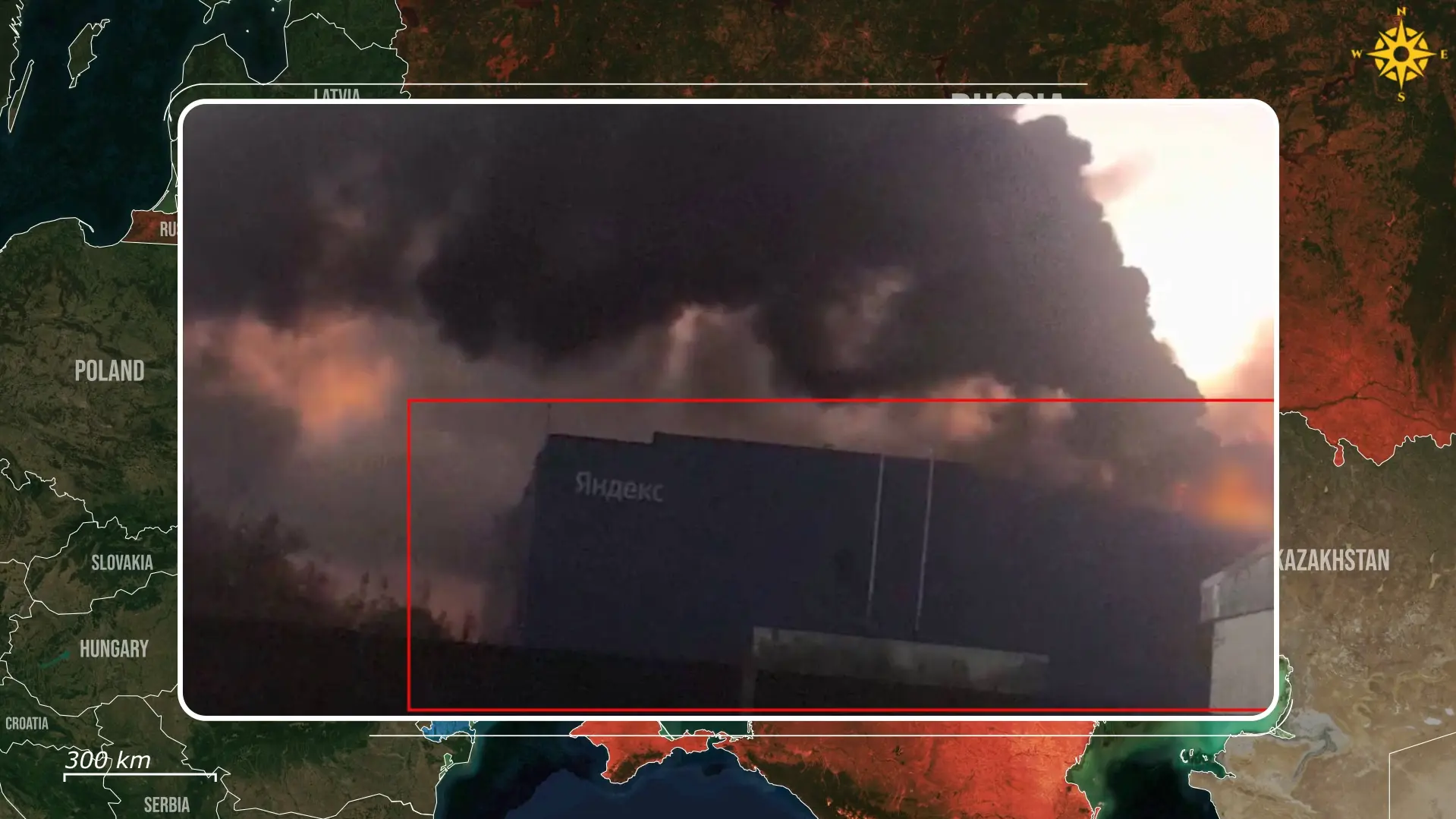
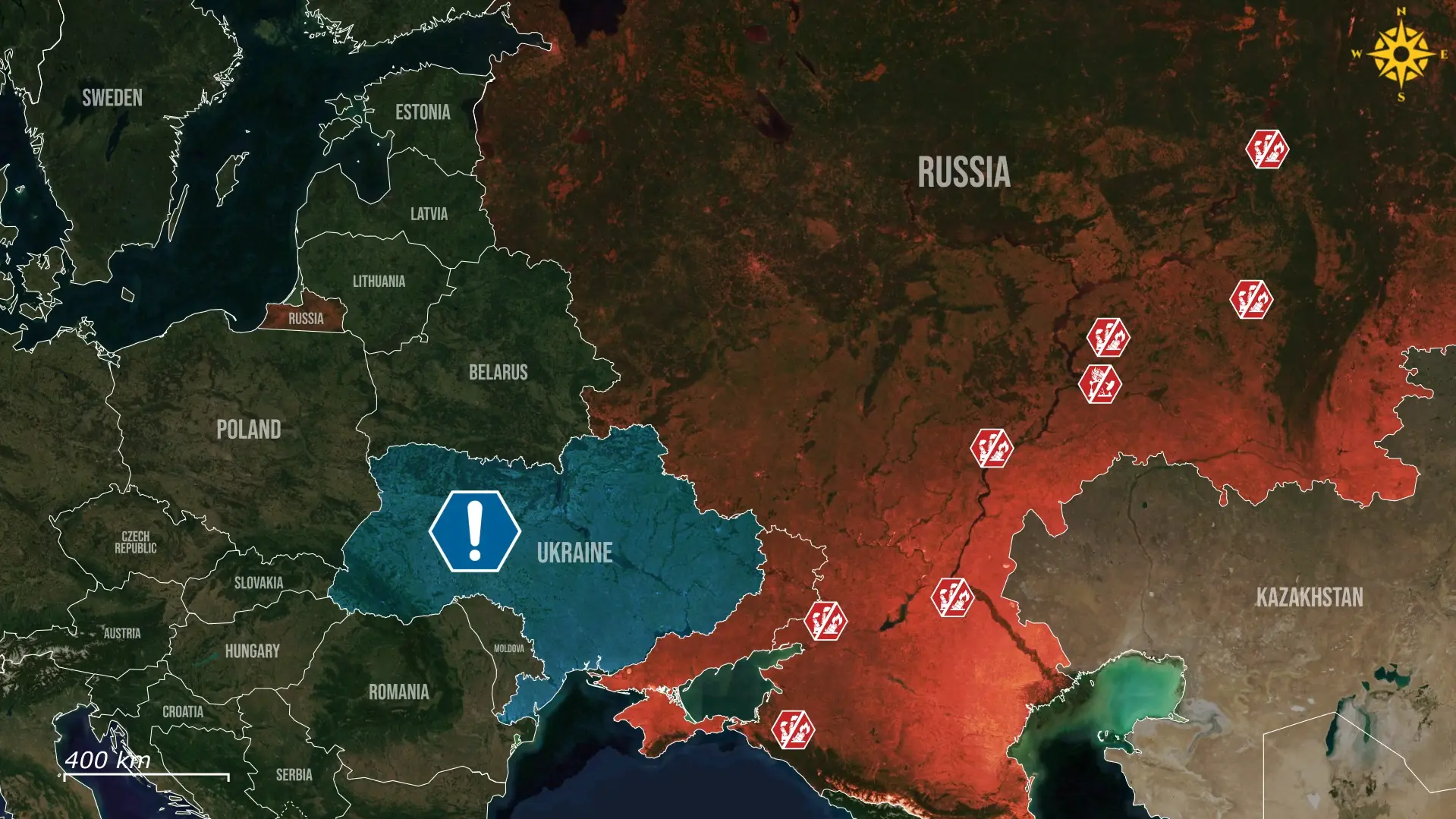
Because of the combined budget, manpower, and infrastructure problems, the Russian economy can barely sustain the war at this intensity. Notably, Russian losses have exceeded one point four million casualties in the war, including dead and wounded, according to the Ukrainian general staff. This is critical because this year, Russia was unable to recruit as many soldiers as it lost from month to month, which means that the size of its army is now decreasing. At the home front, Russia's layered air defense system can no longer defend all critical infrastructure, because from the start of this year, Russia has lost almost two hundred air defense systems. This leaves Russia’s refineries and export infrastructure undefended against Ukrainian strikes. Ukraine exploited this and reduced Russia’s export capacity and even forced it to import finished oil products. Because of these strikes, Russia’s oil revenue is collapsing, which is why Russian officials are warning that the current tempo is unsustainable.
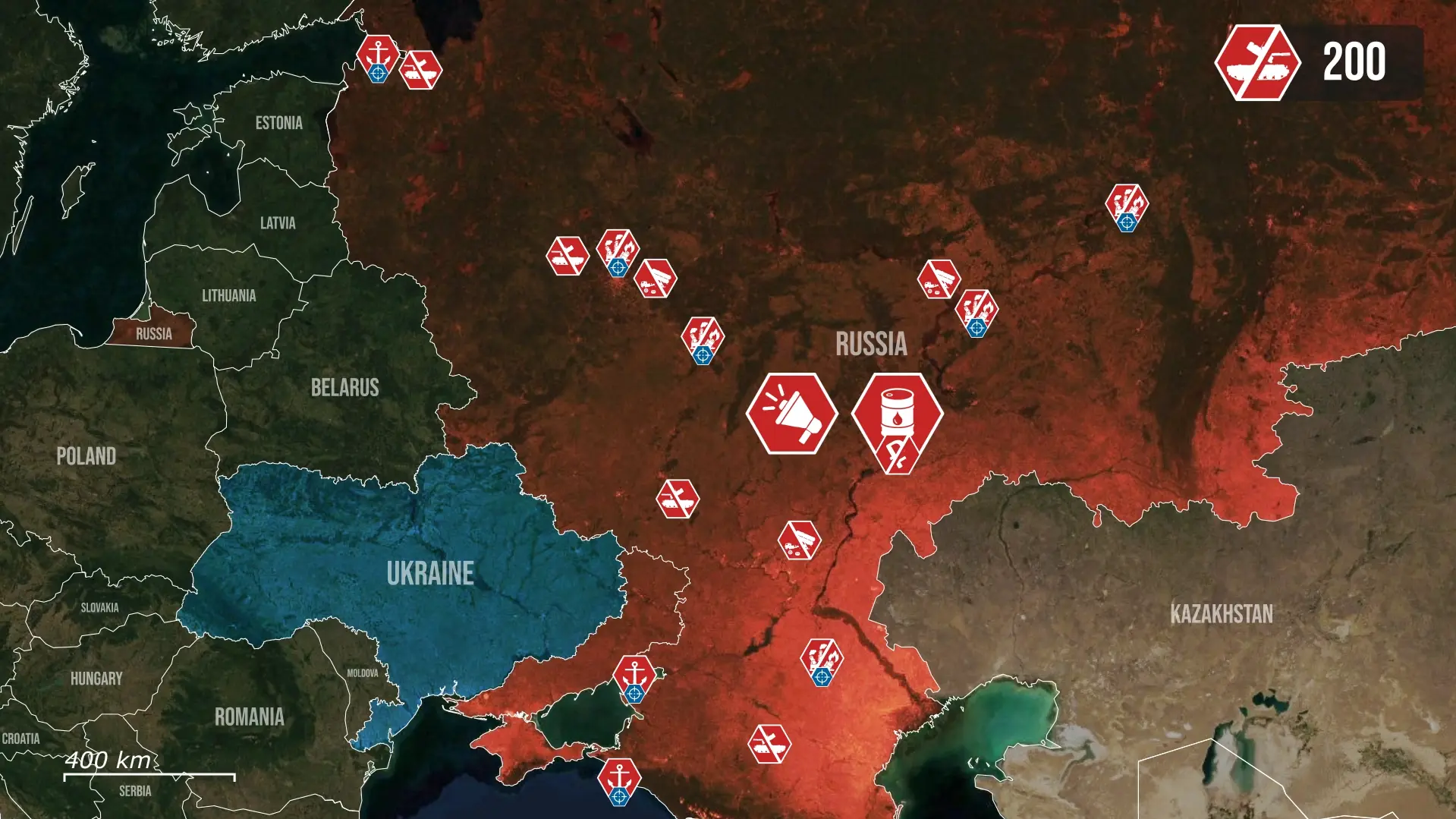
Against this backdrop, Zelensky sent an open letter to Putin, but the message was aimed at the war weary Russian elite, who have money, networks, and institutional access, making them dangerous for Putin. The proposal for a meeting was part of Kyiv’s attempt to highlight Moscow’s economic weaknesses and prove that Russia is not invincible, as also shown by the emergence of harsh criticism from Russian officials. The letter was intended to draw the attention of Russia’s elite to the fact that they are losing billions of dollars because of asset seizures and sanctions and to make them see the war as a personal financial threat, not just a national burden.
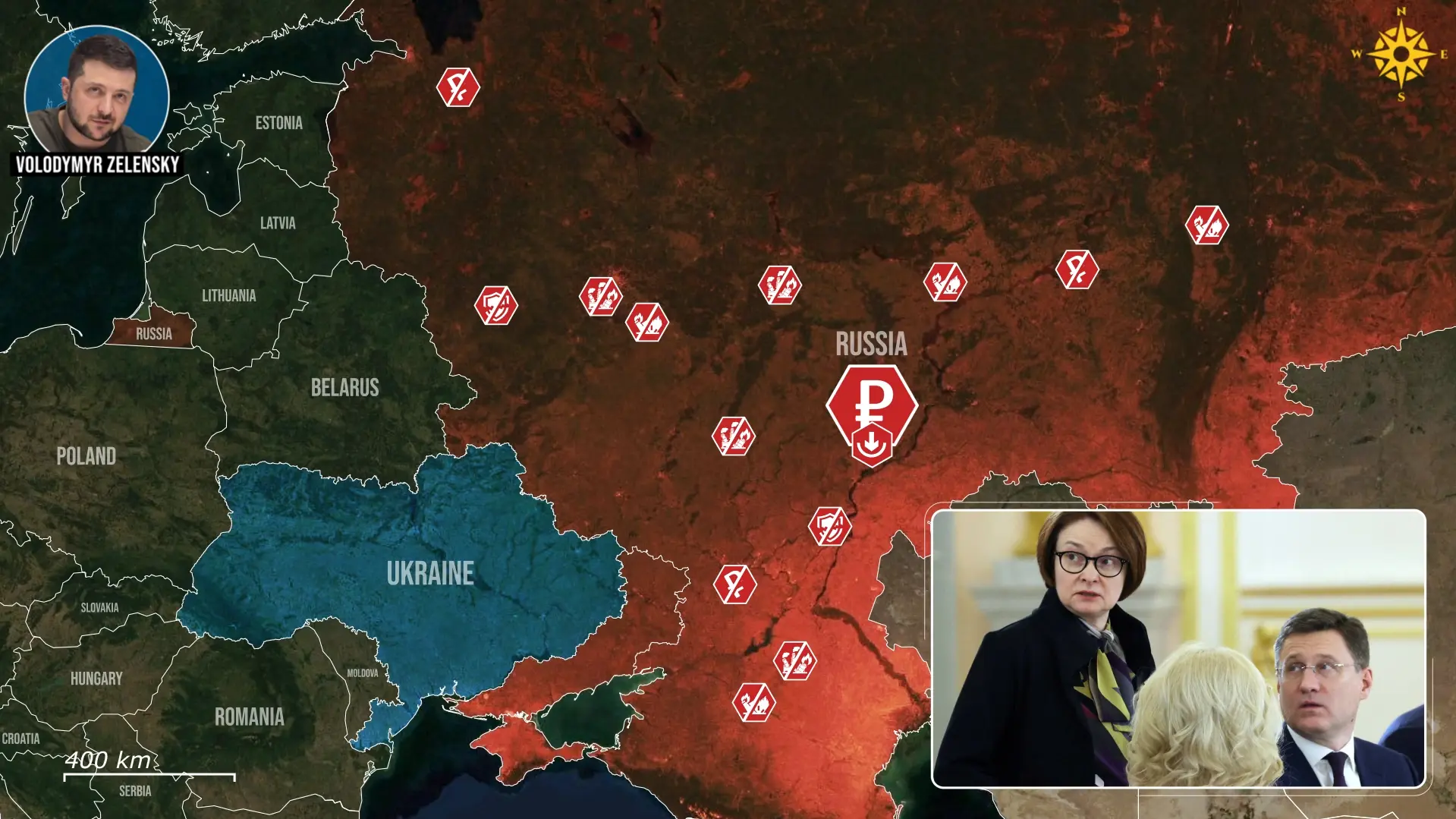
As a result of the economic and war related problems, Putin is slowly losing his control over the narrative and the expectations of the elite, not necessarily control over the state. Officials and business leaders are increasingly seeing events unfolding independently of Putin’s decisions, which suggests that the Kremlin has lost its control over defining the country's future and that pressure is growing among the elites. This shift is being driven by the mounting costs of a war that was originally planned as a quick victory but has become impossible to ignore for the Russians. Russia's business elite are demanding greater predictability because Western sanctions forced them to bring their assets back to Russia, and they had to watch five trillion rubles worth of private assets be confiscated over the past three years. Because of this, they increasingly want clear rules, stronger property rights, and confidence in the country's economic future, which is deteriorating because of the war.
At the same time, the informal social contract between the Russian state and society has collapsed because, previously, the government largely stayed out of citizens' private lives in exchange for political passivity. Today, that arrangement has been replaced by expanding repression, mobilization, and increasing state control, with widespread internet restrictions serving as one of the clearest examples. As a result, the Kremlin finds itself in a self-defeating cycle, and the current system can endure only as long as Putin remains in power, yet every measure he takes to preserve and strengthen it ultimately accelerates its long term decline.
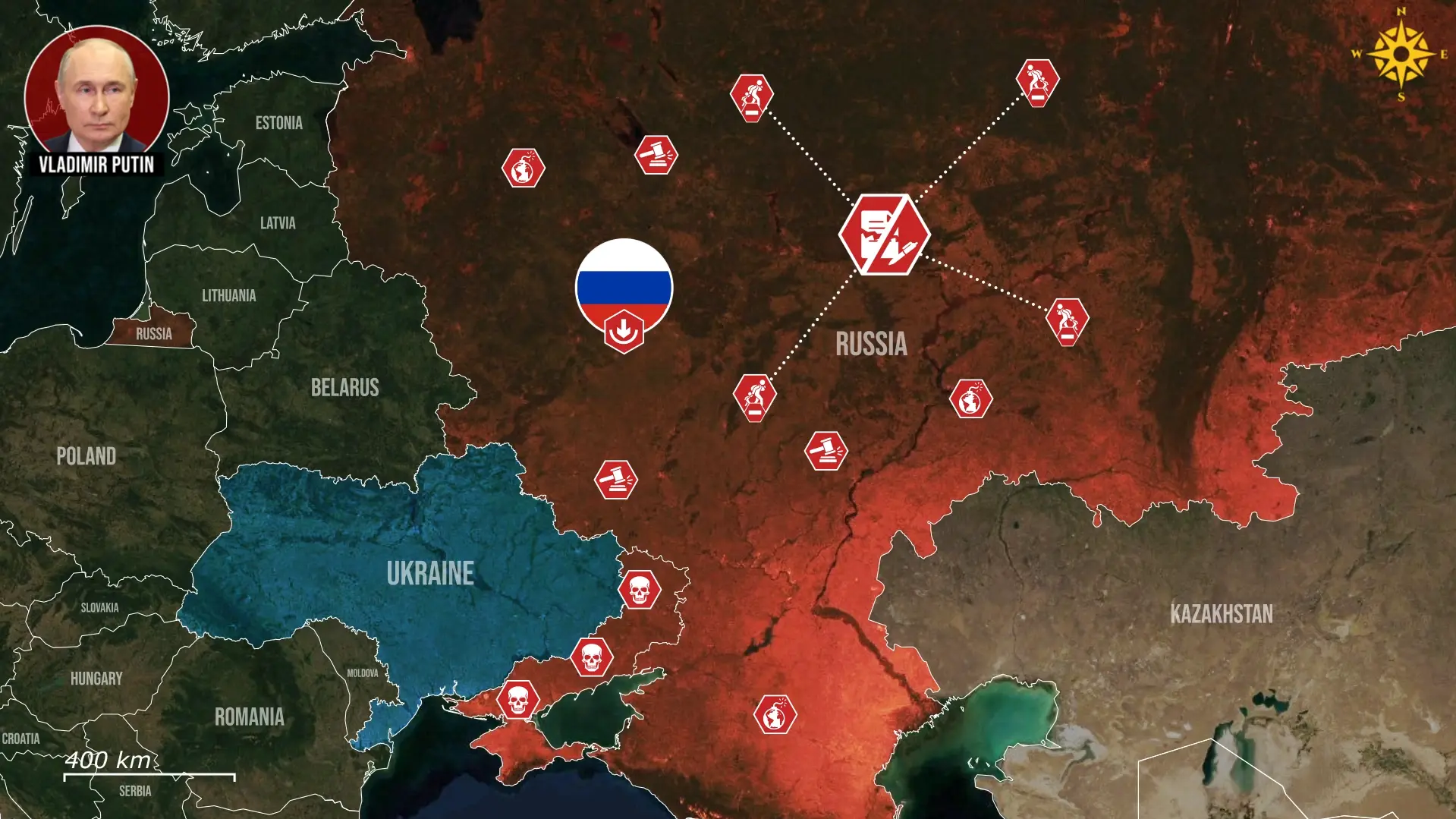
Overall, the pressures facing Russia are no longer confined to the battlefield but have expanded to the home front as well. The economic decline, combined with increasing elite dissatisfaction, is reinforcing itself, making the problem even worse for Putin. The longer Putin continues the war, the more the war itself becomes the force weakening Russia from within.

.jpg)

Comments