

.svg)
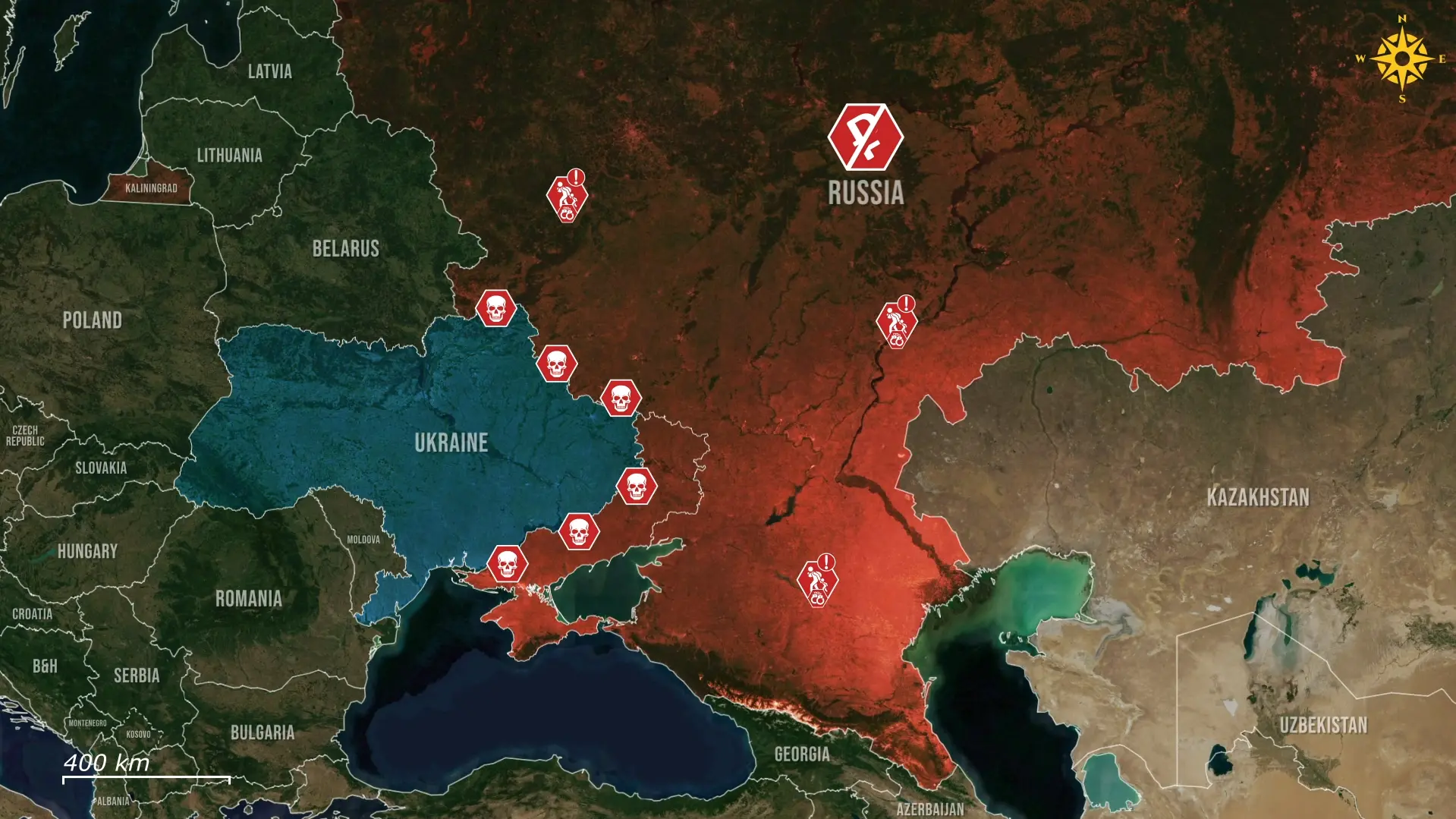
In this video, we will analyze why Russia is on the brink of launching full mobilization.
Here, the Kremlin is running into a growing manpower problem, as recruitment slows, battlefield losses keep rising, and the one advantage Russia still depends on starts to weaken. As that pressure builds, Russia is moving closer to the point where paying men to join is no longer enough, and taking them by force becomes unavoidable.
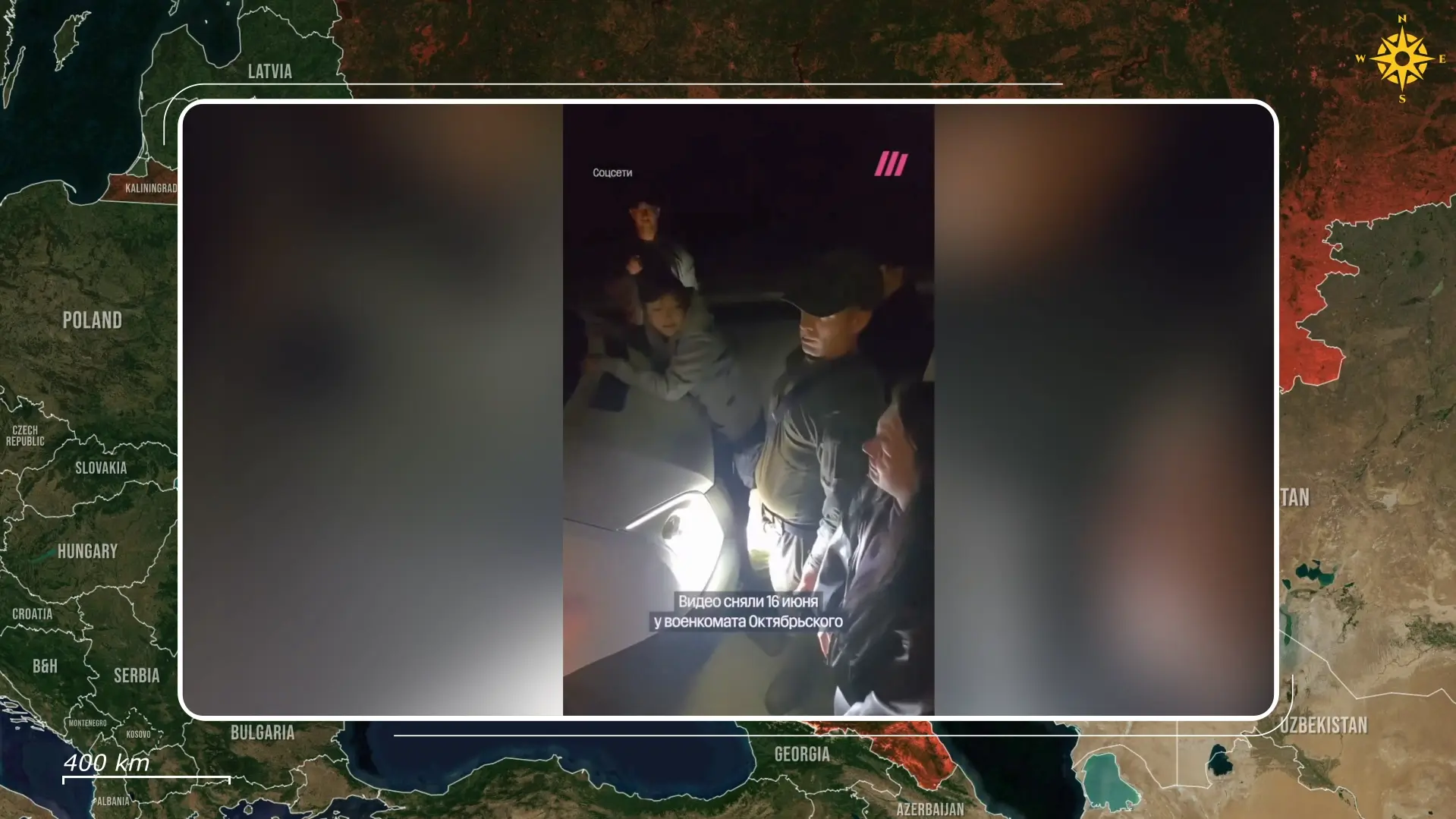
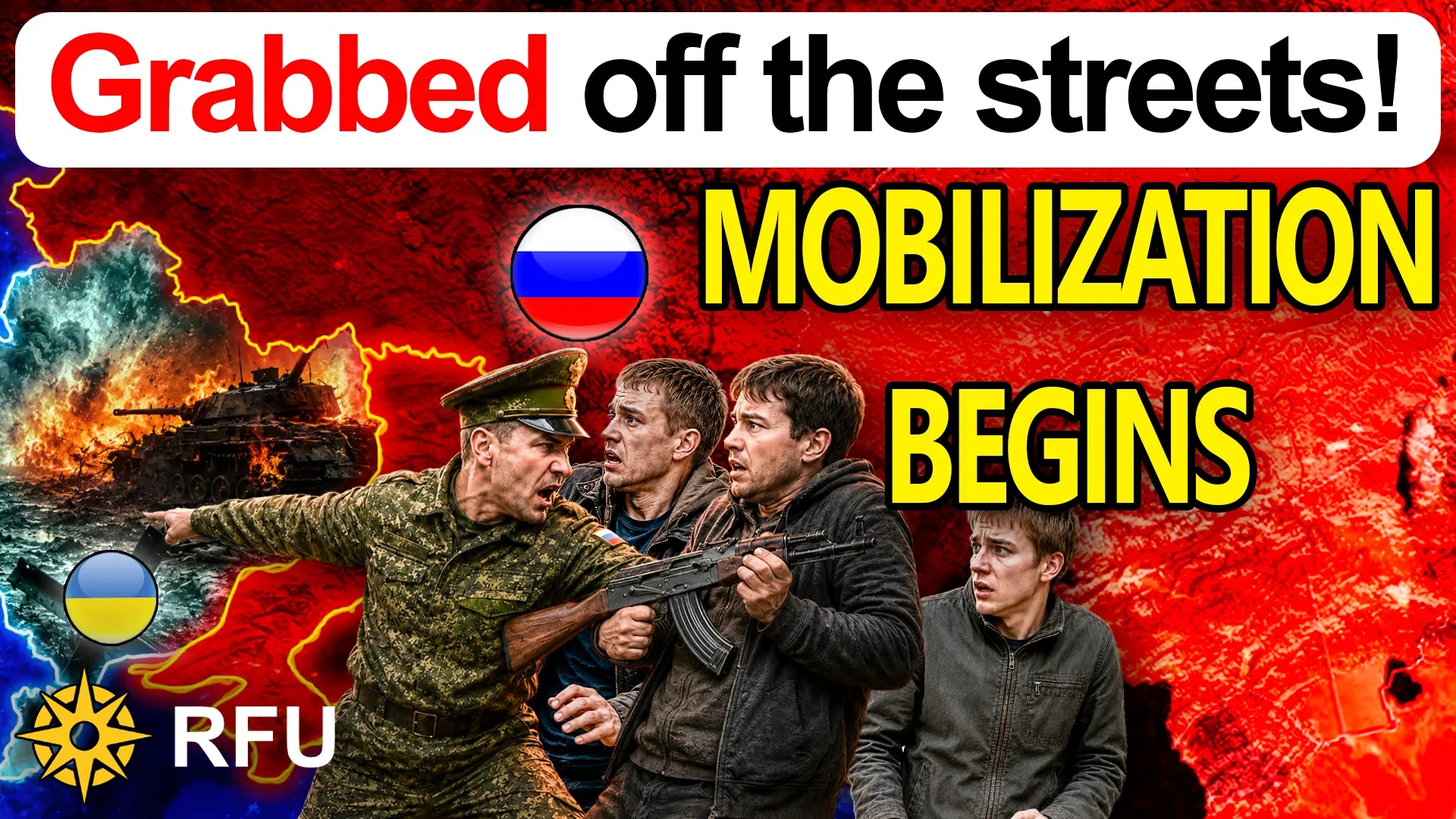
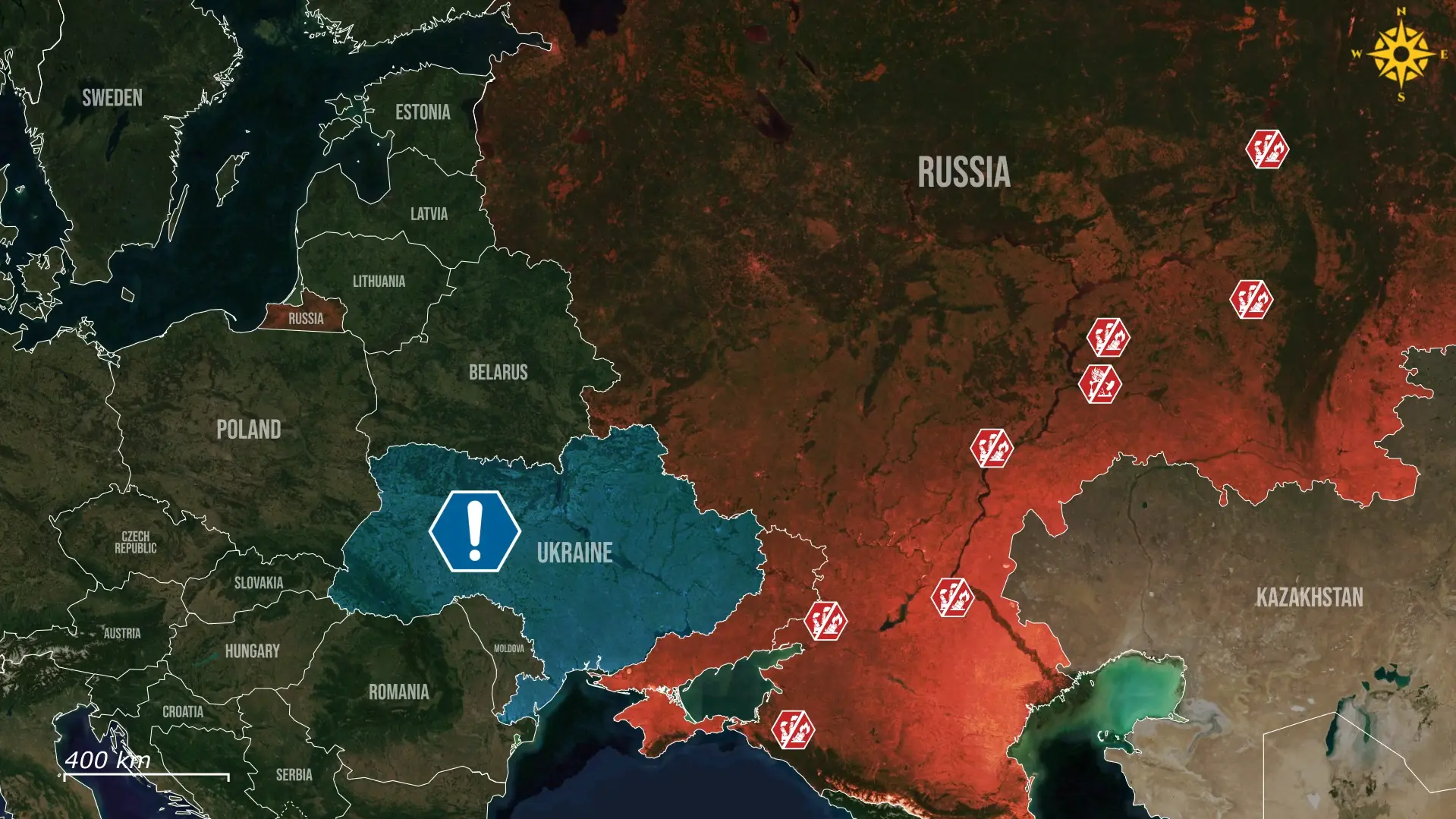
Footage from Russia already shows how forced mobilization is conducted in the open, as men in Penza were taken off the streets and loaded into a minibus outside a military enlistment office. Mothers and wives surrounded the vehicle and tried to block it from leaving, as one woman became ill from stress and another cried that they had not even given her five minutes to say goodbye to her husband. Additional reports from the area also describe security forces stopping cars and public transportation, taking men to enlistment offices, and forcing them to sign contracts to be sent to the front lines. This shows that the authorities are no longer relying only on incentives and formal recruitment channels, but are beginning to pull manpower more directly from the population.
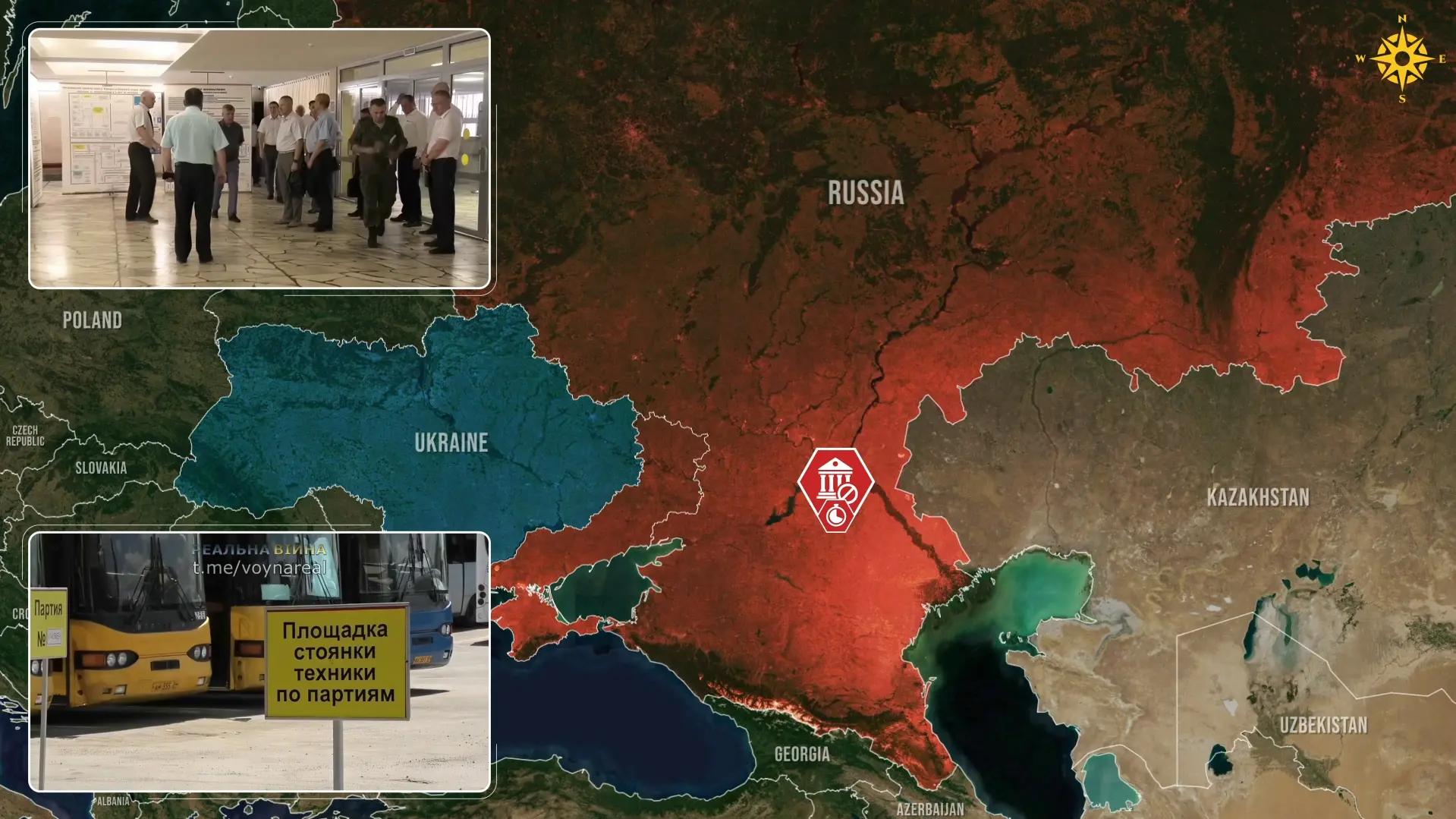
Those scenes become even more significant as the administrative side of this mobilization process had been moving at a breakneck speed in the weeks prior. In the Volgograd region, Russian officials from across the Southern Federal District were recorded gathering for a conference to discuss how best to implement forced mass-conscription into the army, updating and preparing the necessary procedures and staff. So-called realistic exercises were part of these preparations as well, including the handling of citizens already pre-selected for mobilization, the dispatch of draft notices, the transfer of vehicles and equipment, and how to conduct targeted mobilization inside major enterprises.
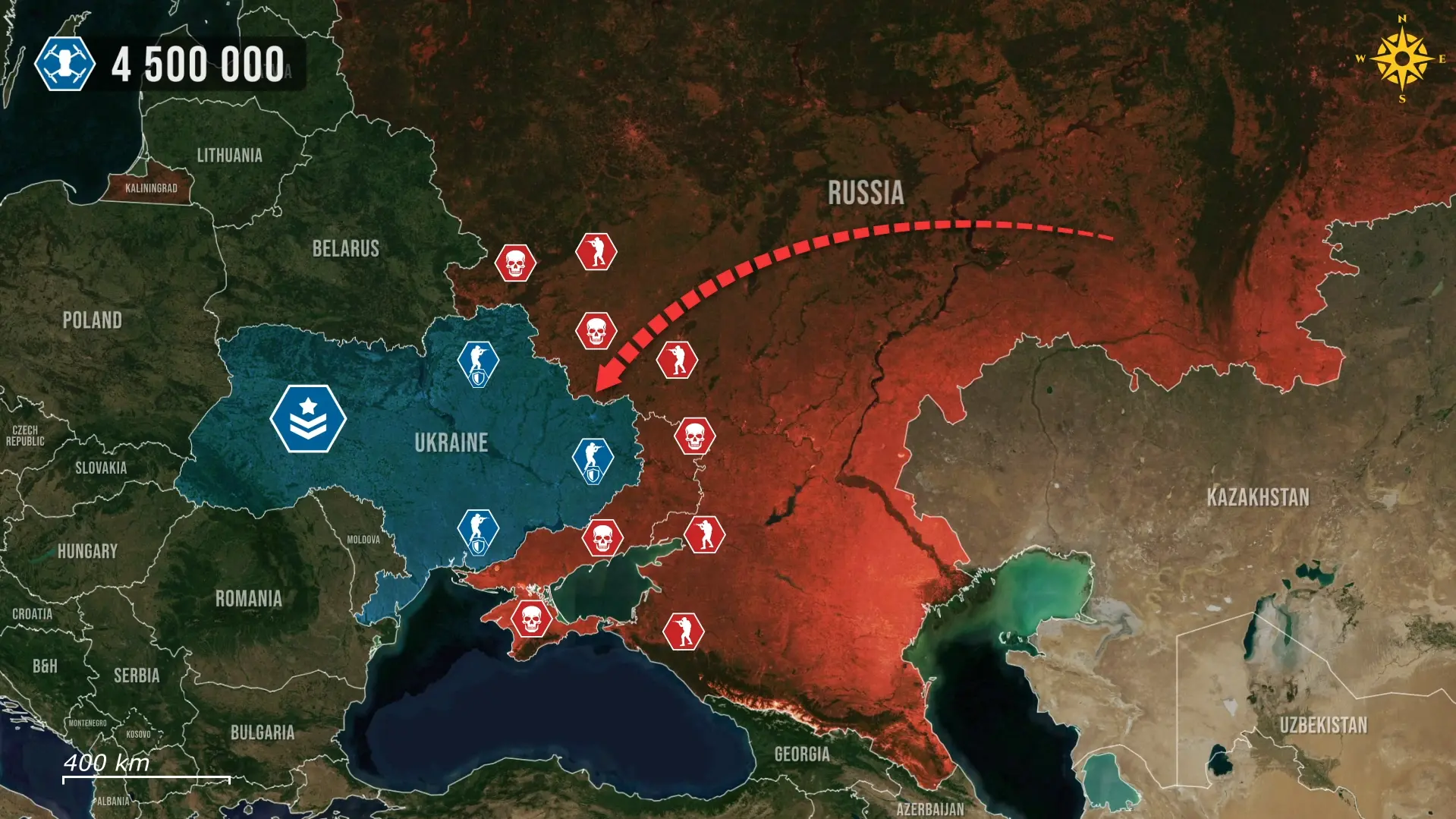
The reason this mobilization effort is now taking shape is because a superiority in manpower is the only major advantage Russia still has left over Ukraine. In most other areas, Ukraine now has a sound lead over the invading Russian forces. Ukraine’s drone industry produced four and a half million drones last year, and that scale is now giving Ukrainian forces a denser and more persistent presence in the air along the front. That allows them to keep Russian movement under closer surveillance, conduct more FPV strikes, and shift more supply work onto unmanned systems instead of exposing their own soldiers to constant attrition. At the same time, Ukrainian forces place far greater emphasis on preserving manpower, so operations are approached more carefully and evacuation efforts are pushed further, which helps Ukraine keep more soldiers alive and prevent avoidable losses after the fighting. As a result, Ukraine is losing fewer of its own soldiers while steadily driving Russian losses higher, leaving manpower as the one major advantage Russia still has left to lean on.
That is why Russia now needs mobilization to preserve the one advantage it still has left, because it is no longer bringing in enough men through so called voluntary recruitment alone. A new report shows that Russia is now recruiting only around eight hundred soldiers per day, down from roughly one thousand to one thousand two hundred per day the year before. At the same time, Ukraine is dealing around one-thousand-two-hundred Russian casualties per day, which means it is now inflicting losses faster than Russians can replace them. What makes this even more telling is that the slowdown comes despite already absurdly high enlistment bonuses, which in some cases have reached around thirty thousand euros, or roughly thirty-four thousand dollars. The Kremlin has even had to add debt relief for recruits and their families in an effort to make enlistment more attractive. That shows Russia has already spent heavily to avoid broader mobilization, and is still failing to generate enough manpower through incentives alone.
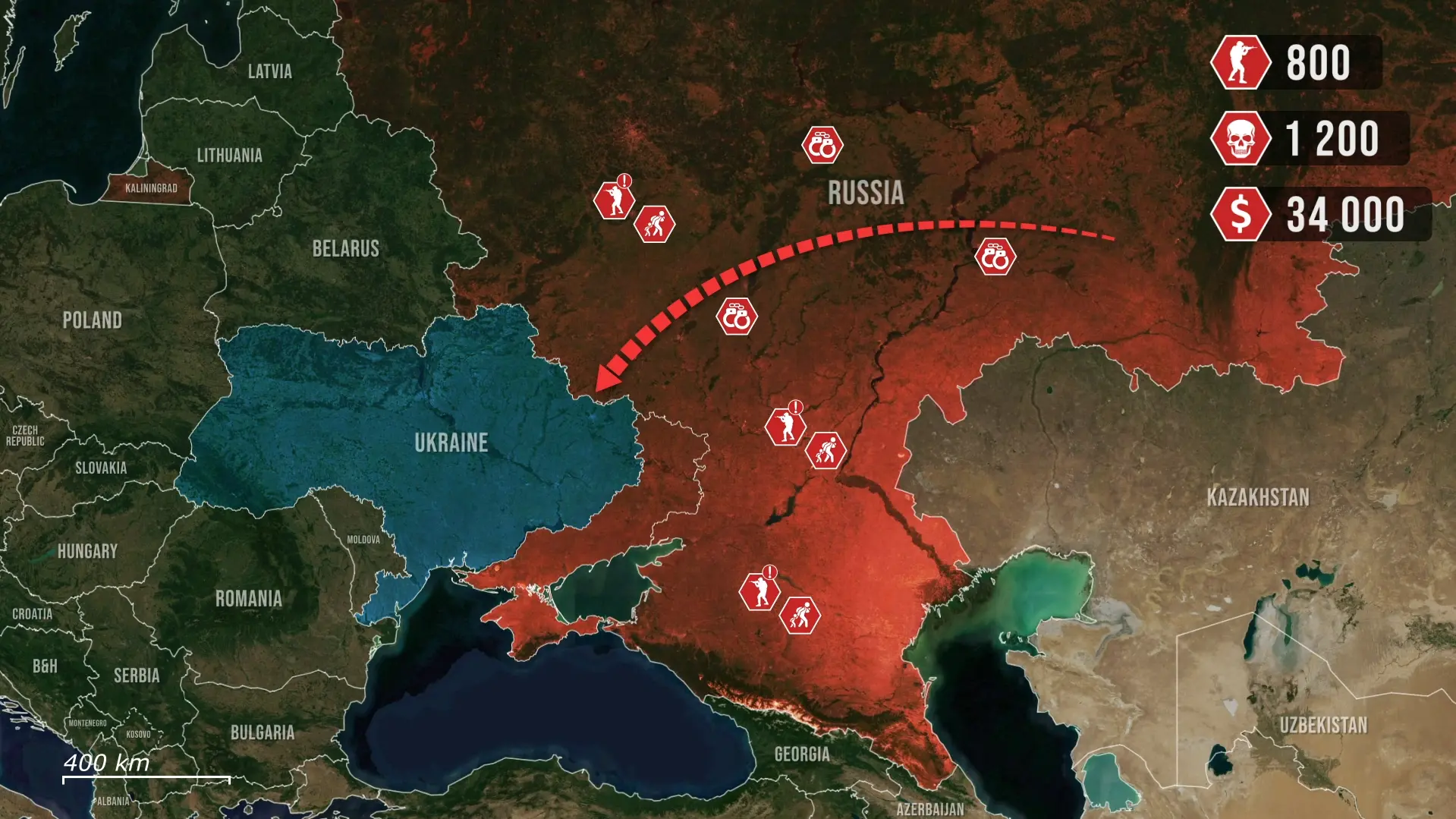
Those mounting casualties are steadily bringing mass mobilization back to the center of the war. As Ukraine drives Russian losses higher, it becomes harder for the Kremlin to keep weakened units filled through contracts and cash alone, especially as recruitment slows despite record high incentives. With losses now outpacing replacement, a broader draft stops looking like a political risk Moscow can keep postponing and starts looking like the only way to keep the front from thinning out under its own weight.
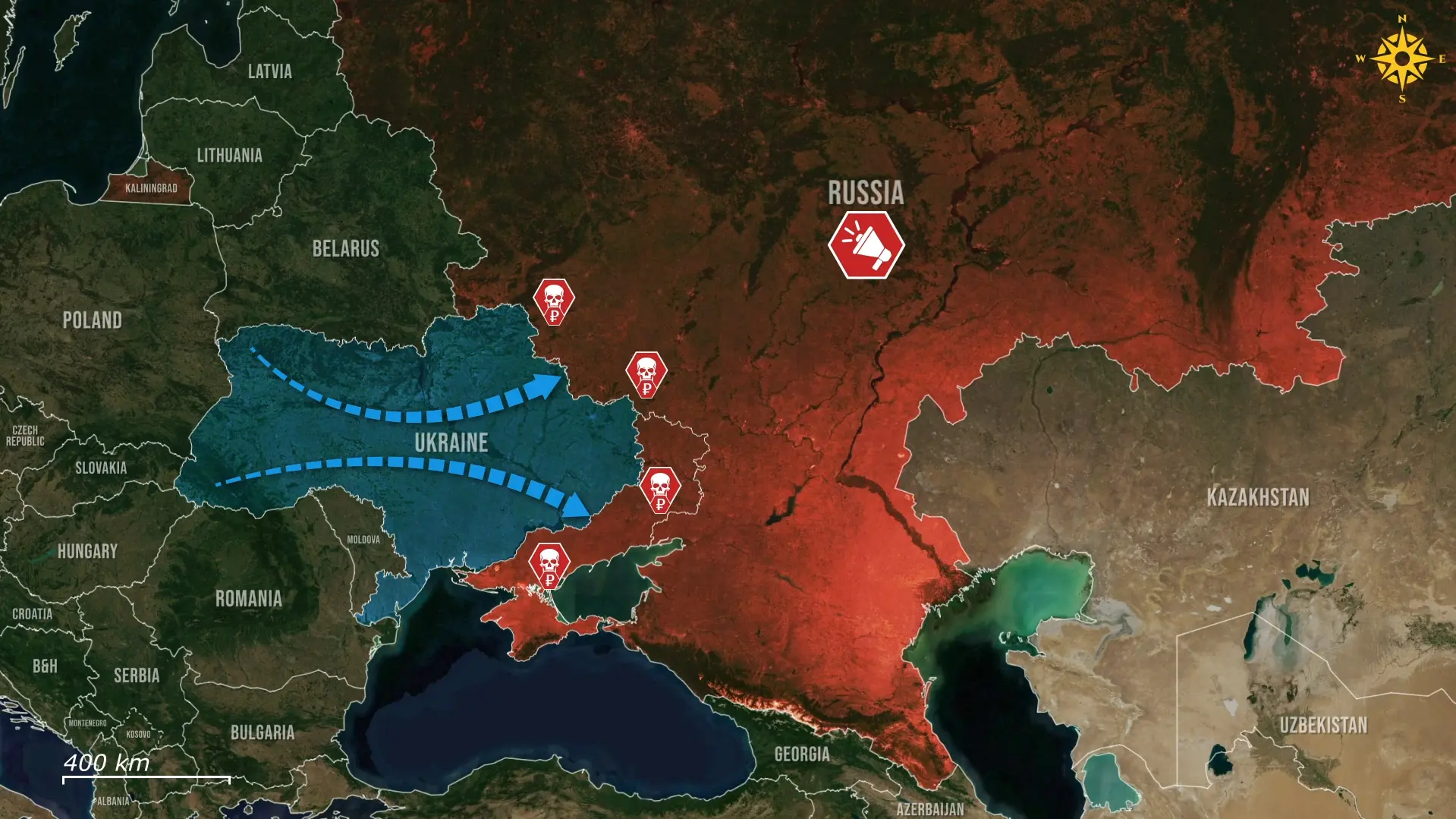
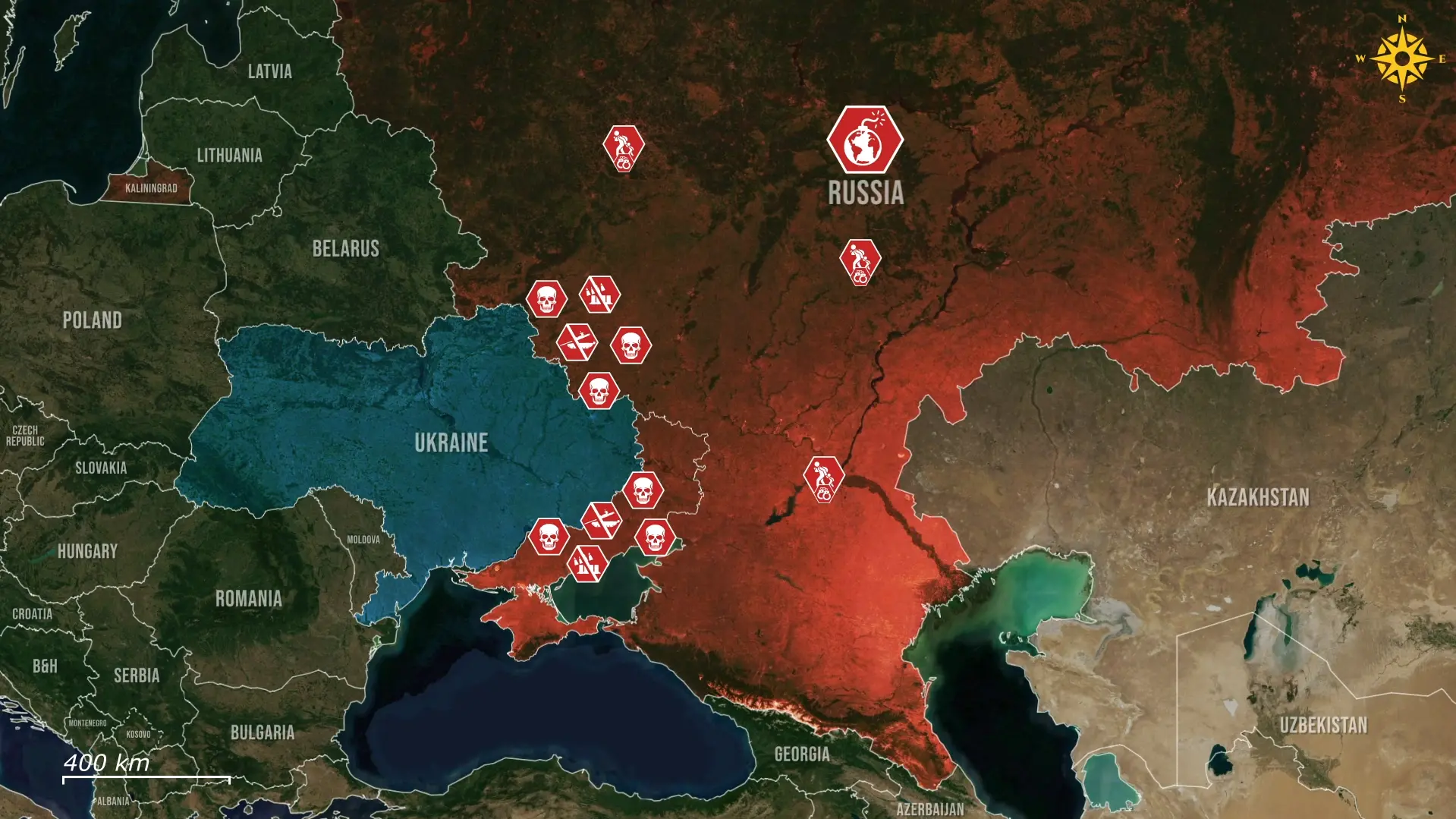
Overall, Russia is moving toward a stage of the war where preserving manpower will require steadily deeper coercion inside the country itself. That will make any new wave of mobilization more destabilizing, because the Kremlin will be drawing more directly from a population that has so far been shielded from the full burden of the war. At the same time, sending larger numbers of men into the army will not solve the deeper weaknesses in logistics, equipment, and battlefield effectiveness that are already reducing the value of Russia’s numerical advantage. That means every new draft wave may hold the front together in the short term, while leaving Russia weaker over time as the war drains more men and places a heavier burden on the Russian society itself.
.jpg)

Comments