

.svg)
Russia's efforts to test Britain's resolve were again on display in the Norwegian Sea, where a maritime patrol aircraft flew close to a British carrier strike group conducting routine operations. Encounters of this kind serve multiple purposes, allowing Russia to gather intelligence on British operations, reinforce its military signaling and observe how the carrier strike group detects and responds to approaching aircraft. Operating below the threshold of open conflict enables Russia to impose costs on Britain by forcing constant vigilance and military responses while reducing the risk of provoking a direct military escalation.
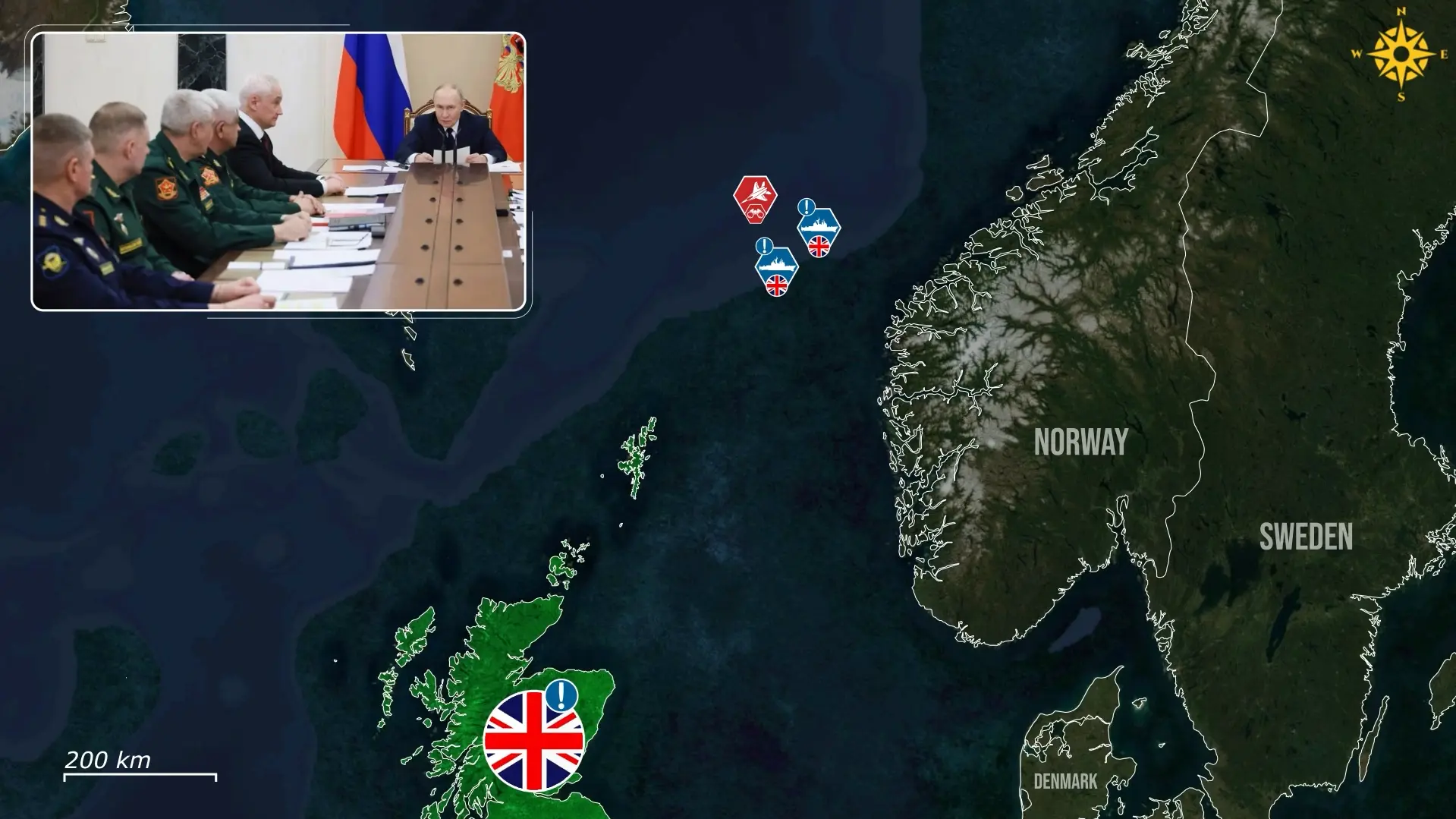
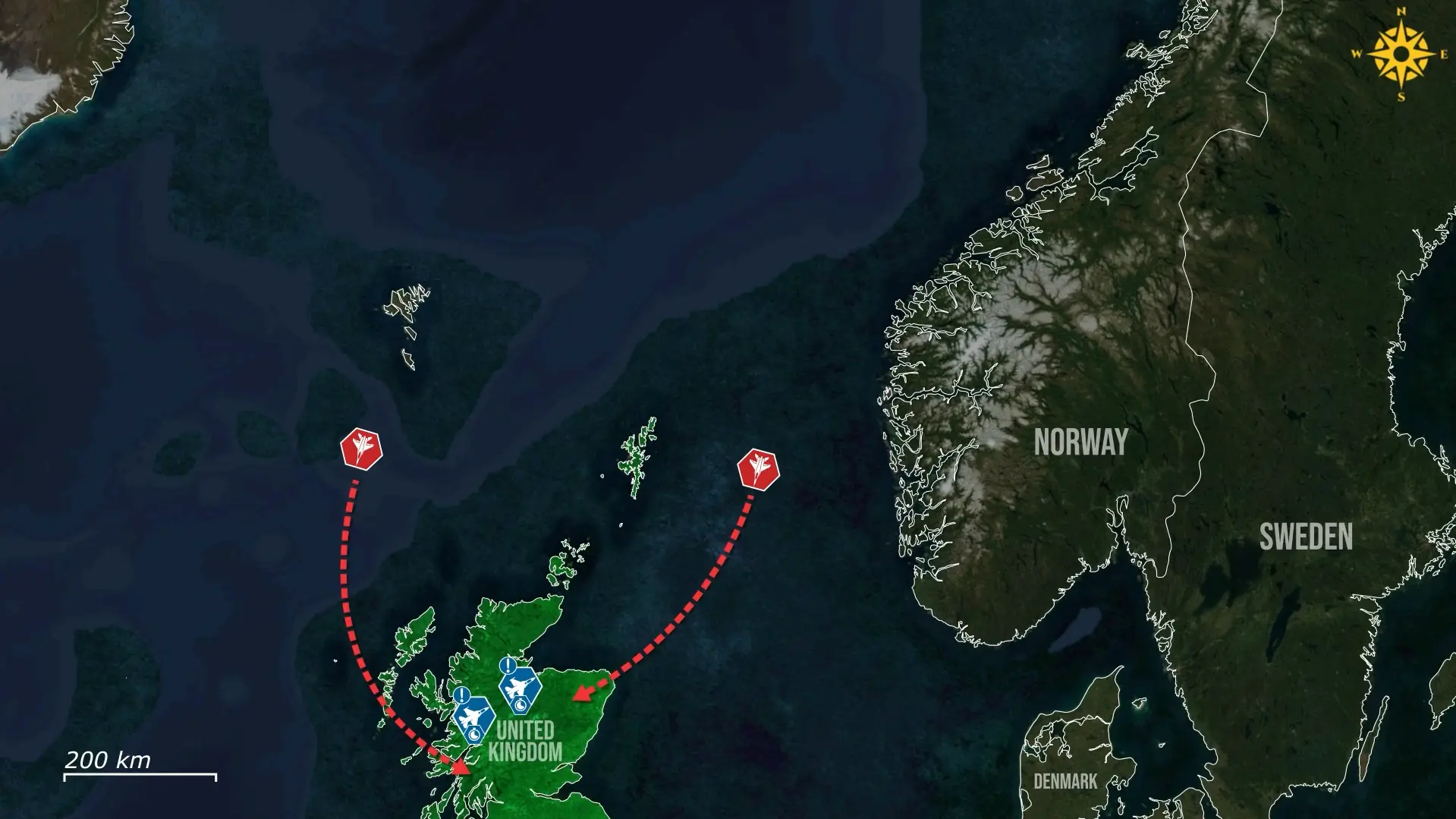
The latest flyby comes as Russian strategic aviation has sharply increased its activity around the British Isles. Over the past month, the number of long range Russian military aircraft approaching UK airspace has doubled, forcing the Royal Air Force to respond more frequently with Quick Reaction Alert intercepts. By remaining in international airspace, Russia can sustain continuous military pressure on Britain while testing RAF surveillance and interception procedures, gathering operational intelligence, and avoiding the political and military consequences of direct escalation. The accelerating pace of these missions suggests Russia is deliberately testing Britain's military readiness.
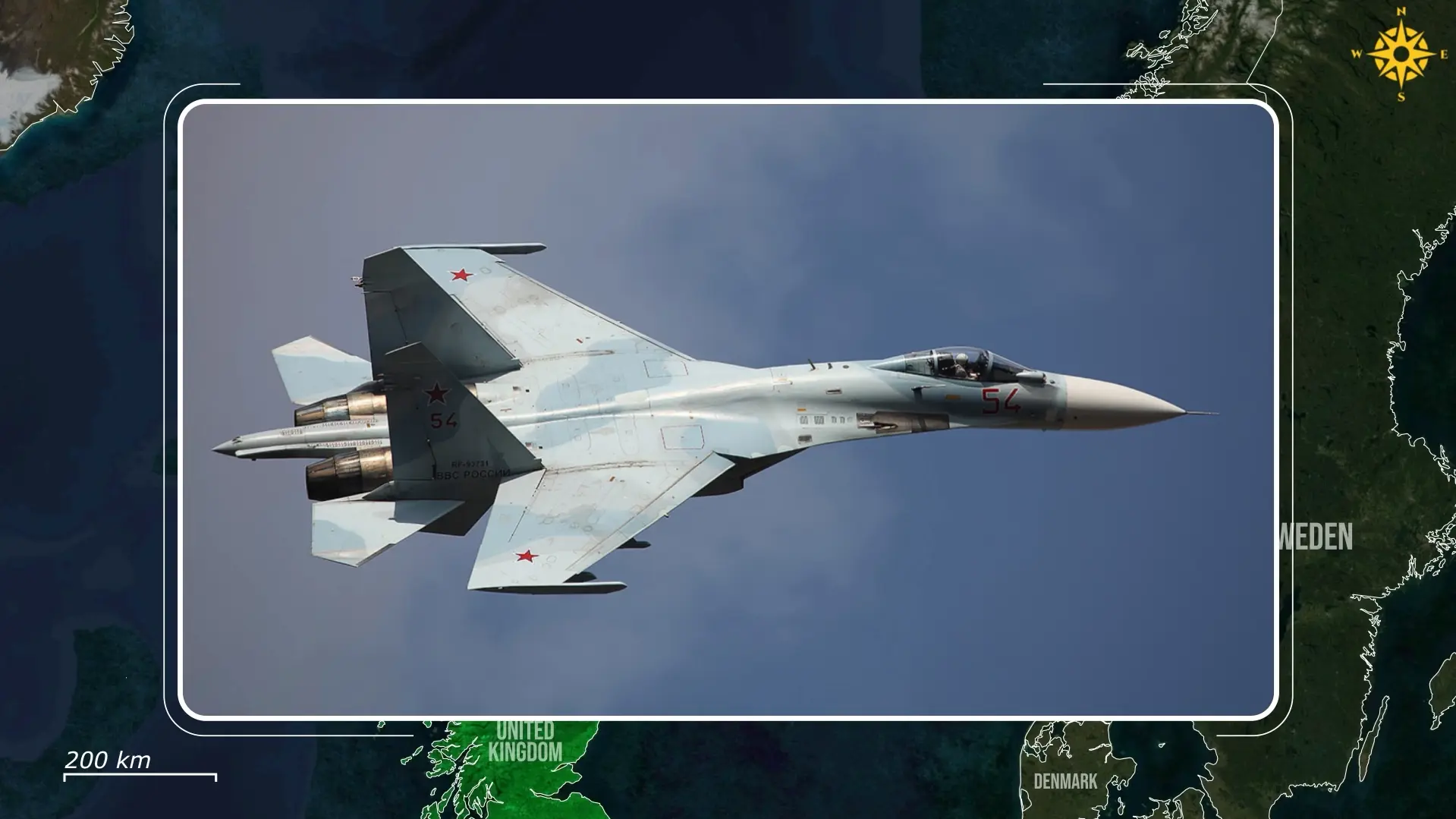
This is not the first time Russian aircraft have directly challenged British military operations. Earlier, during a mission over the Black Sea, Russian jet fighters intercepted a British reconnaissance aircraft as it carried out surveillance in international airspace Unlike a routine identification the encounter demonstrated Russia's willingness to challenge British reconnaissance operations directly, signaling that UK military activity would be actively monitored and contested even far from British territory. Viewed alongside the recent surge in flybys near Britain, the incident shows how Russia is gradually normalizing military pressure on the UK while avoiding direct escalation.
Russian pressure has not been limited to military aircraft. If you remember from a previous report, a Russian warship opened fire with warning shots after encountering a British civilian yacht in poor visibility, underscoring how quickly routine maritime encounters can become dangerous. Targeting a civilian vessel also amplifies the psychological effect, reinforcing uncertainty around British maritime activity and demonstrating that Moscow is willing to use intimidation beyond purely military encounters. Taken together, these incidents point to a broader strategic objective, raising the question of why Britain has become such an important focus of Russian military activity.
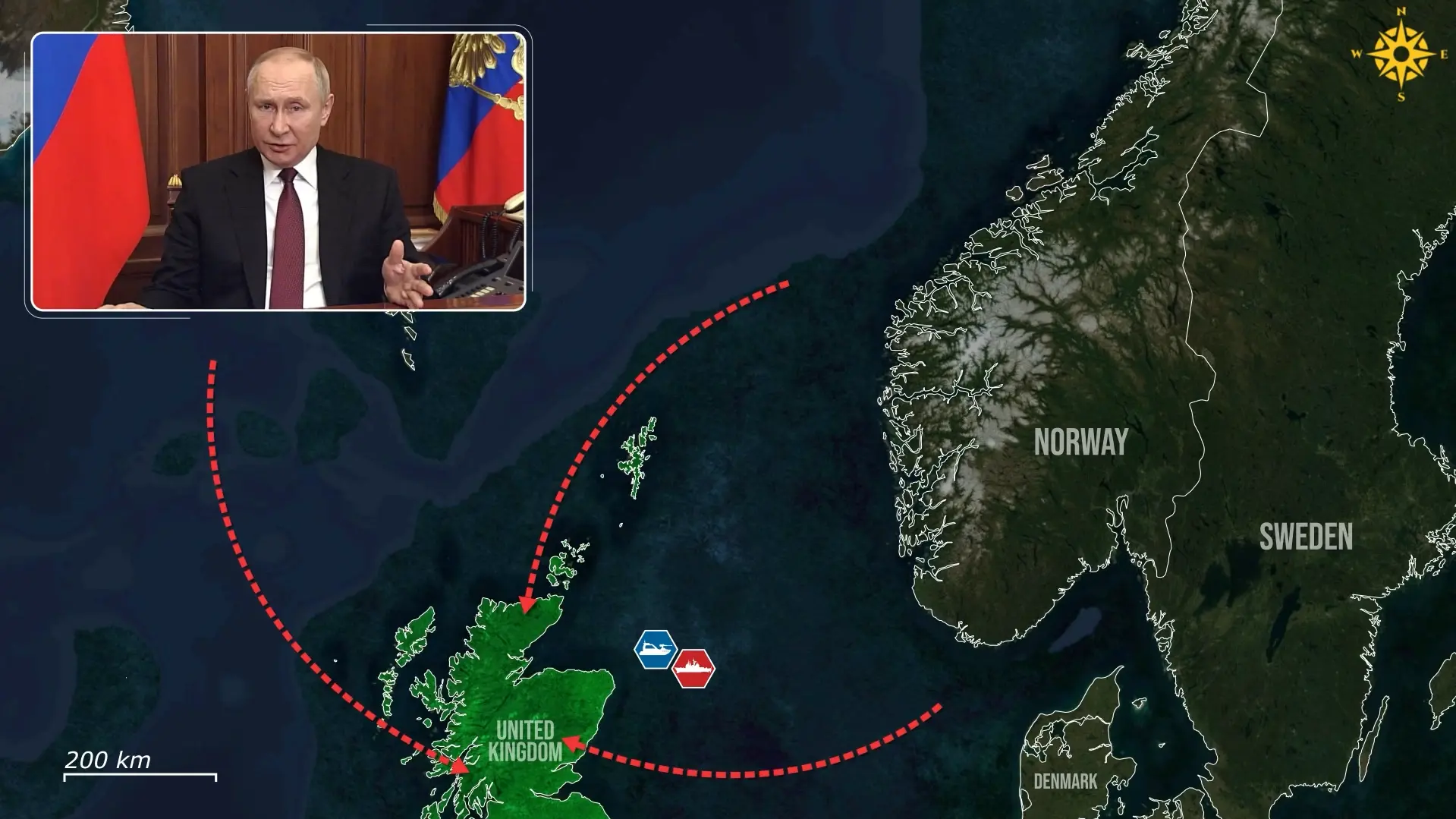
Russia's recent pattern of military signaling can also be viewed through the lens of its strategic vulnerabilities. The United Kingdom occupies a key position on NATO's northern flank, where, together with its allies, it would play a central role in monitoring and potentially constraining Russian naval movements through the Greenland Iceland UK Gap in a crisis. Restricting access to these waters would make it far more difficult for Russia to deploy attack submarines and ballistic missile submarines into the Atlantic, threatening both its conventional naval operations and a key component of its nuclear deterrent. This gives Moscow a strong incentive to discourage British military activity long before such a crisis ever develops. As a result, the growing number of flybys and maritime encounters can be interpreted as efforts to discourage British military activity before it could threaten Russia's strategic position in a future crisis.
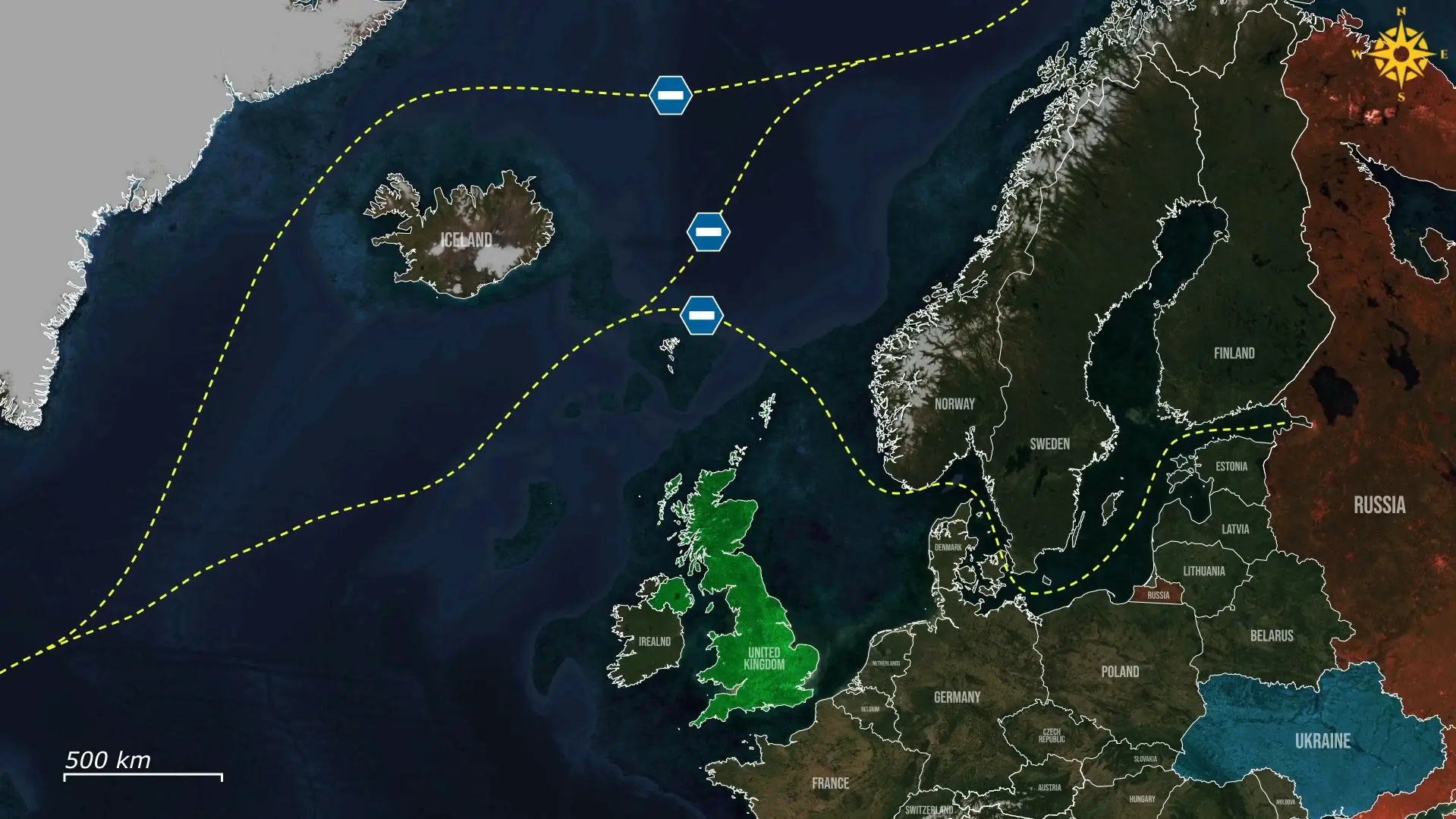
Overall, the recent increase in Russian military activity reflects the growing strategic importance of the United Kingdom in the wider confrontation between Russia and Nato, rather than a series of isolated military incidents. As long as those strategic realities remain unchanged, Russia is likely to continue using military intimidation as a relatively low-cost way to influence British military behavior before any future crisis develops. This strategic reality makes it likely that Moscow will continue investing significant military resources in intimidation and military signaling, judging the cost of sustained pressure to be lower than the risk of allowing Britain and Nato to strengthen their position unchallenged.


.jpg)


Comments