

.svg)
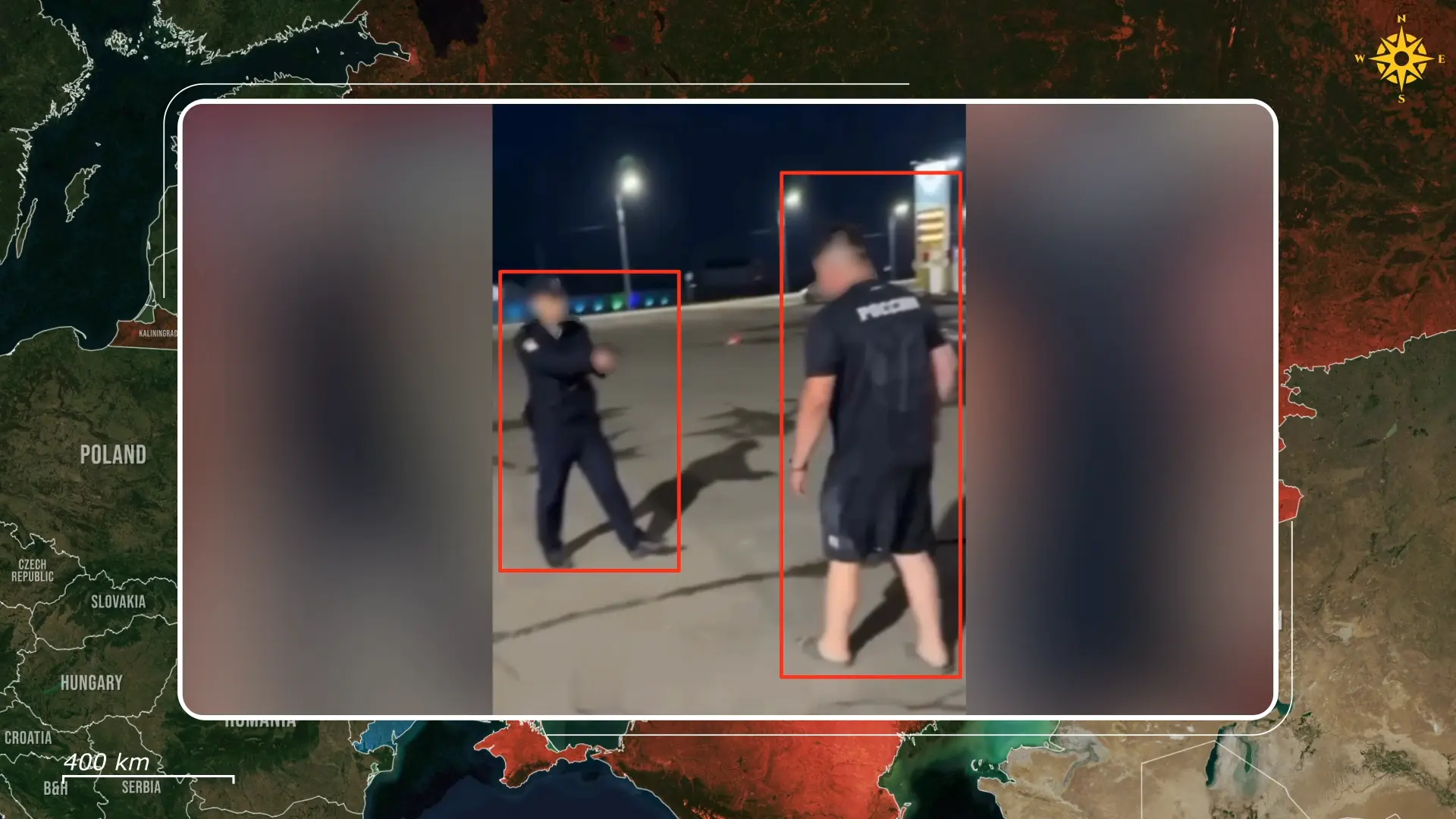
In Russia, complete anarchy is sweeping through the country – as the fuel crisis becomes more dire every day, people have already started to fight each other for the little gas that was left. One video shows how even police is losing control of the situation, as a Russian acting aggressively toward a police officer after he decided to cut in line, even though people had been waiting for fuel for over five hours. The police officer had to draw his gun to defend himself, while later videos emerged of the aggressive Russian in handcuffs, begging for forgiveness. Another video shows several Russian citizens arguing over gas because one of them tried to fill up extra gas canisters with more gas than he was allowed to, leaving none left for the others. Additional footage shows two people quarreling over some gas, and when a third person joined in, a full on fight kicked off. These instances show how bad the situation in Russia really got, making the Russians extremely anxious.
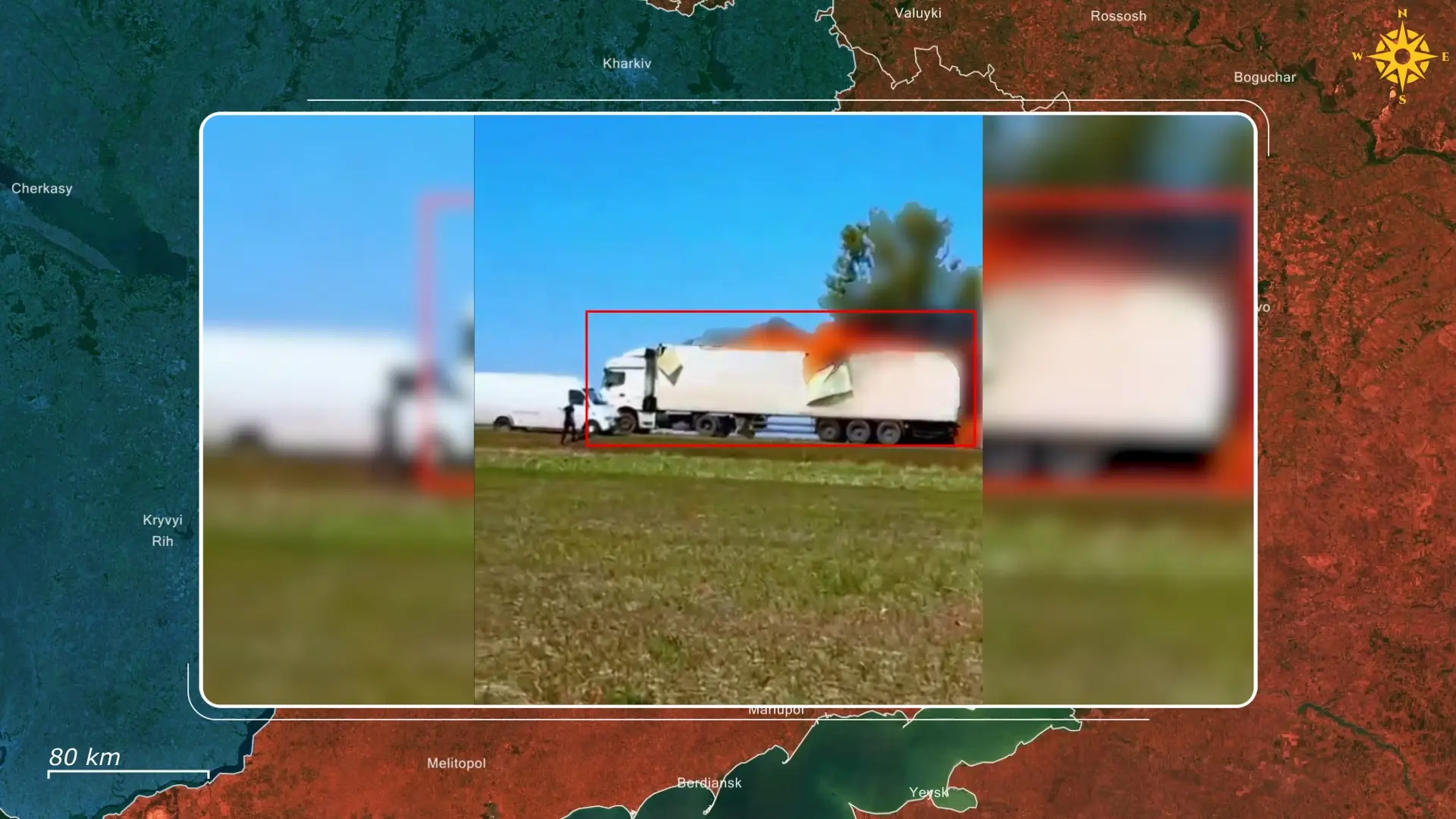
In Novorossiysk, the fuel shortage made Russians so angry that a group of Russian citizens resorted to heisting a fuel truck. Residents blocked the tanker truck and demanded that its fuel be given to them, as they had been without any gasoline for a full week, after already several weeks of extreme rationing across the Krasnodar region. This shows how desperate the Russian population became because these were not hardened criminals but ordinary citizens unable to cope with the rising crisis.

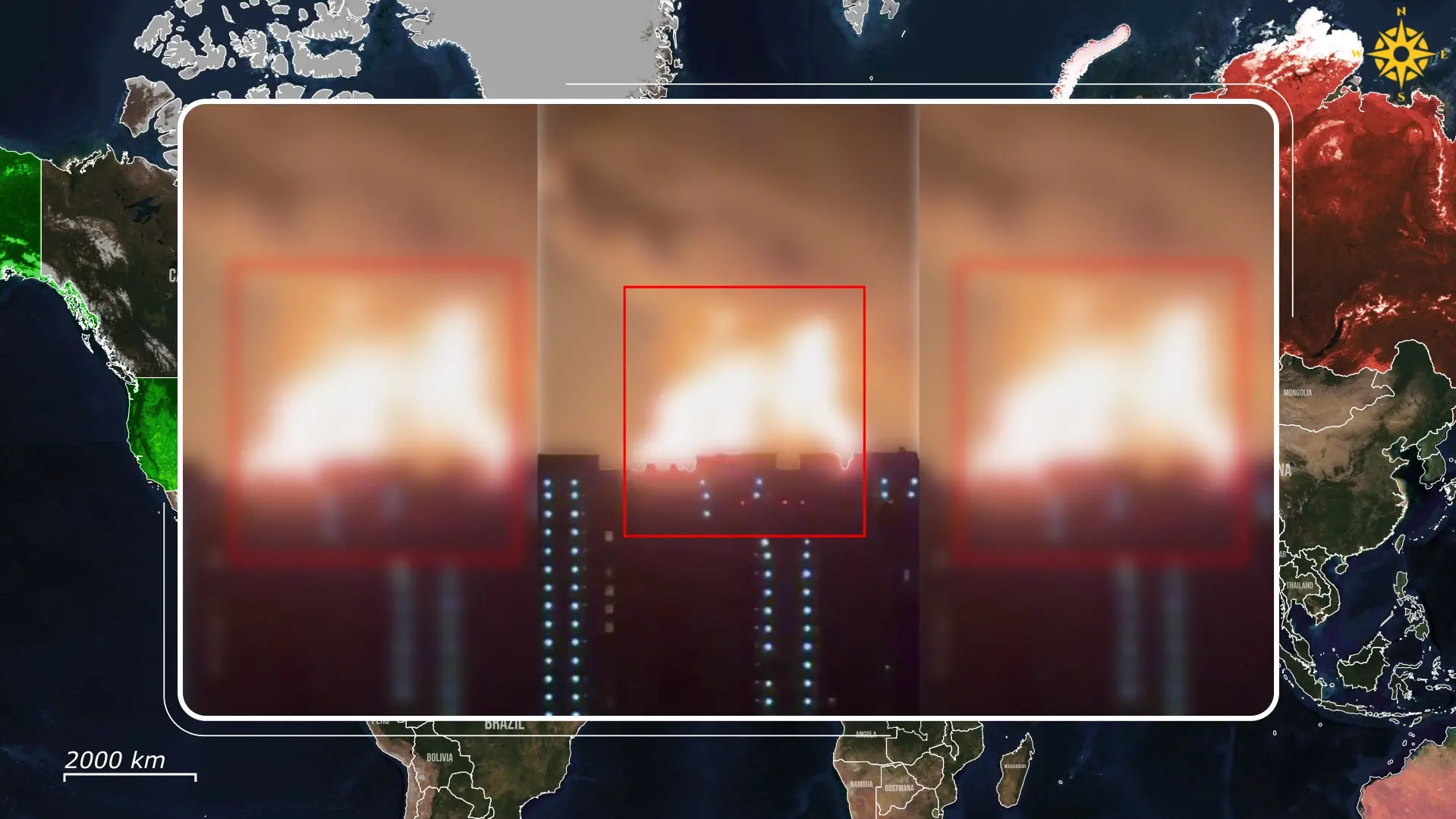
The problem is widespread, as cities around Moscow are all out of fuel entirely, like in Dubna, where lines stretch to hundreds of vehicles. In Krasnodar, queues are everywhere at the gas stations, and barely any fuel is allowed per customer, as there is nothing to sell. Additional videos shot from the air show hundreds of cars queuing at a single gas station, stretching far into the horizon, while completely jamming up the highway as they wait to see whether there is anything left to buy.While local footage from Mikhaylovsk shows Russians standing in queues at a gas station, they hear a Ukrainian drone flying over and blowing up the gas that they had been waiting hours in line for. This symbolic footage encapsulates the crisis in Russia; Ukrainians are blowing up any fuel that is left, while Russians can do nothing but stand and watch as the foundation of the Russian state crumbles in around them.

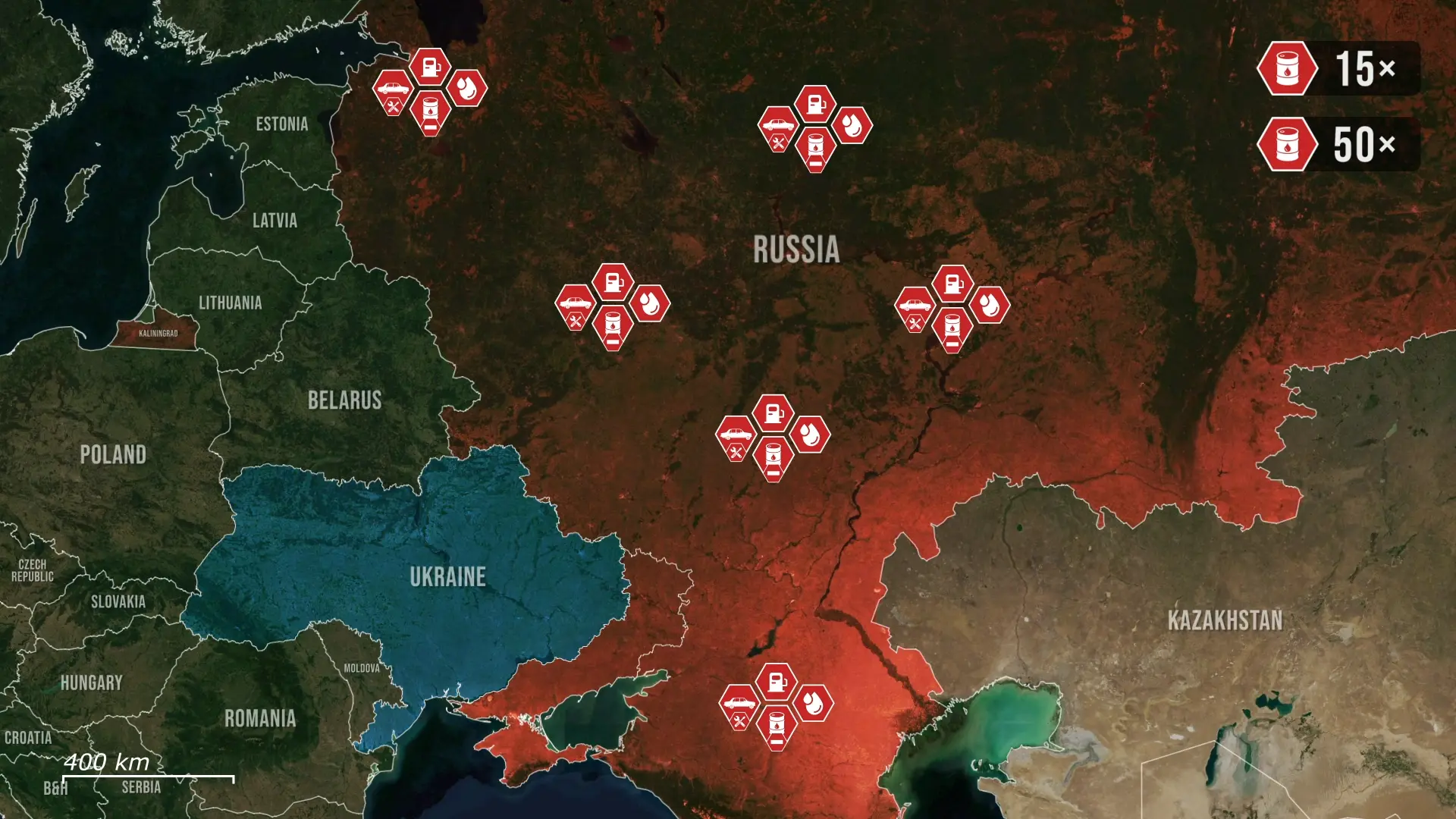
To try and ease the fuel shortage, Putin has officially authorized the sale of lower-grade Euro-three, even lower grade Euro-two gasoline. While this helps increase supply, Euro-three had largely been phased out in favor of cleaner standards. The lower fuel quality is already taking a toll on vehicles, with auto repair shops reporting a growing number of engine problems linked to contaminated and low-quality gasoline. Euro-three fuel contains up to fifteen times more sulfur than the common Euro-five, while Euro-two contains up to fifty times more, significantly increasing the risk of damage to modern engines, causing these long-lasting problems.
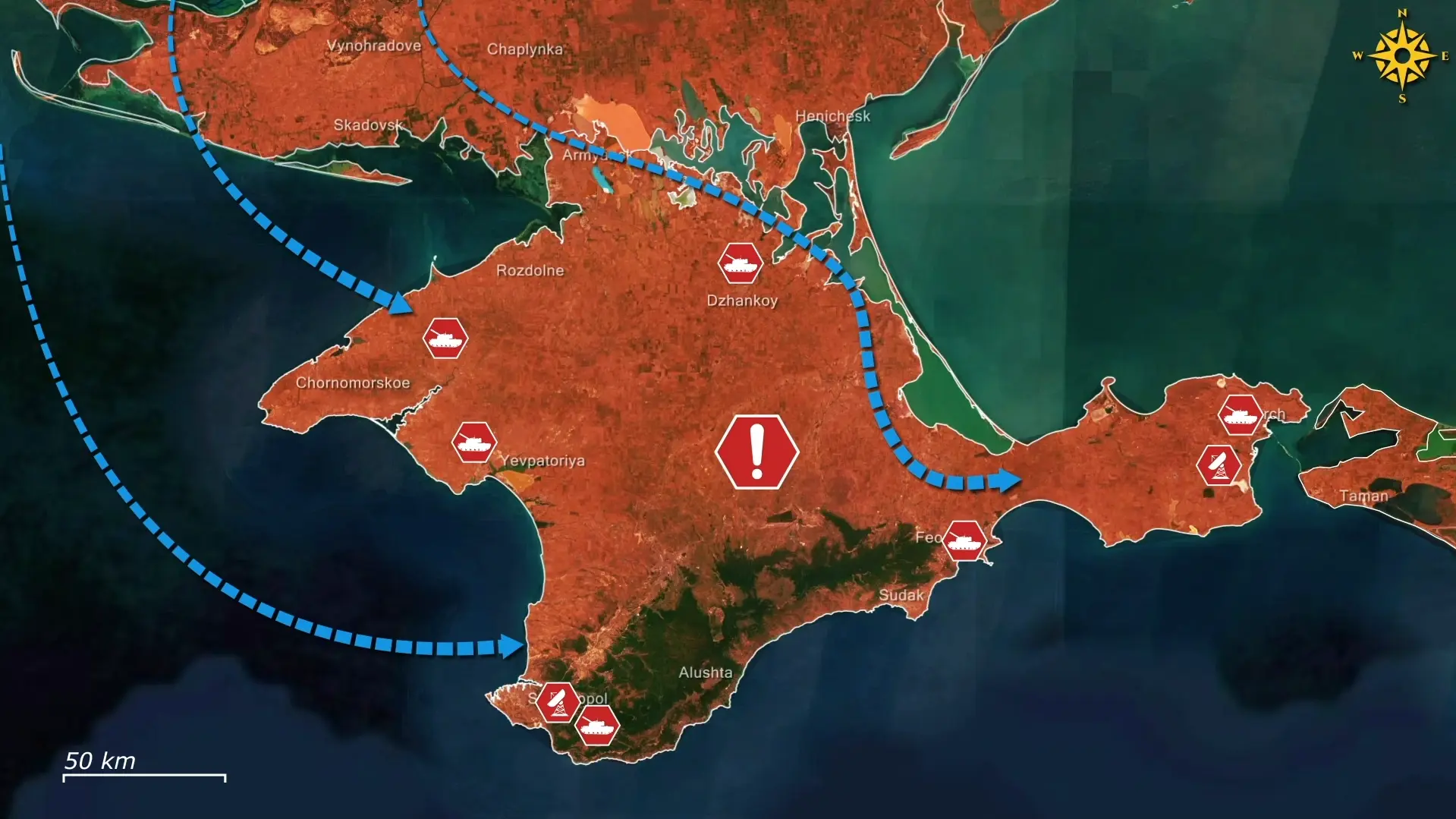
In regions where fuel stations have run dry entirely, a black market for it has emerged, with gasoline selling for as much as eleven and a half euros per liter, translating to a staggering forty-nine dollars per gallon. In Yalta, a popular Russian holiday resort, locals wait in long lines for fuel while tourists are offered gasoline at these prices on the black market, underscoring the severity of the fuel crisis in Crimea.
The fuel shortages across Russia are forcing the Russians to fight over a limited supply of fuel, and it is only a matter of time before they question the real cause of the crisis. The population’s aggression is dangerous for Putin because now tens of millions of Russians feel the cost of the war, which is making their lives increasingly impossible. This unrest can quickly turn political, proving that Putin’s grip on power is slipping as more Russians understand what waging a war really means for them. This civil unrest will be even more dangerous for Putin than the already existing backlash over the lack of progress in the war. On top of the already desperate situation because of the fuel crisis, another mass mobilization looms, which could be the spark that lights the fire that has now begun to smolder in Russia.

Overall, Ukraine's strikes have turned Russia's vast fuel network into a strategic vulnerability that is now affecting everyday life across the country. As shortages deepen, rationing spreads, and public frustration grows, the Kremlin faces mounting pressure from within. If these disruptions continue, the political consequences could become just as damaging for Putin as the military setbacks unfolding on the battlefield. Perhaps most interestingly, by creating the fuel crisis in Russia, Ukraine could well be delaying or outright preventing a million-strong mobilization within Russia, allowing the war itself to continue to tip in Ukraine’s favor.


.jpg)

Comments