

.svg)
The conflict between Saudi Arabia and the Houthis has entered a dangerous new phase, with both sides now exchanging direct military strikes across the border. Recently, Saudi aircraft reportedly bombed an airport in Houthi controlled Yemen to prevent a plane carrying senior Houthi leaders from landing.
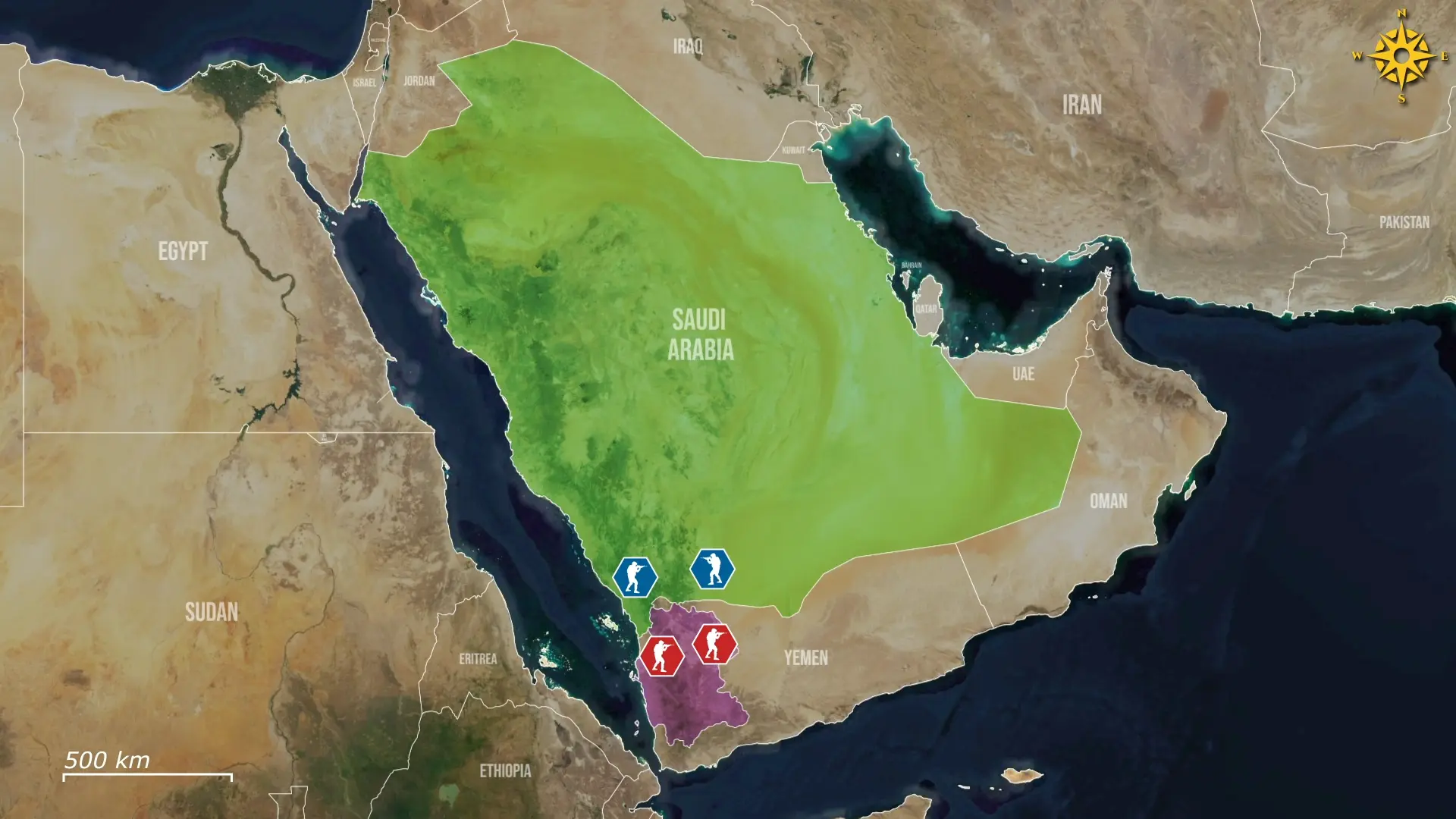
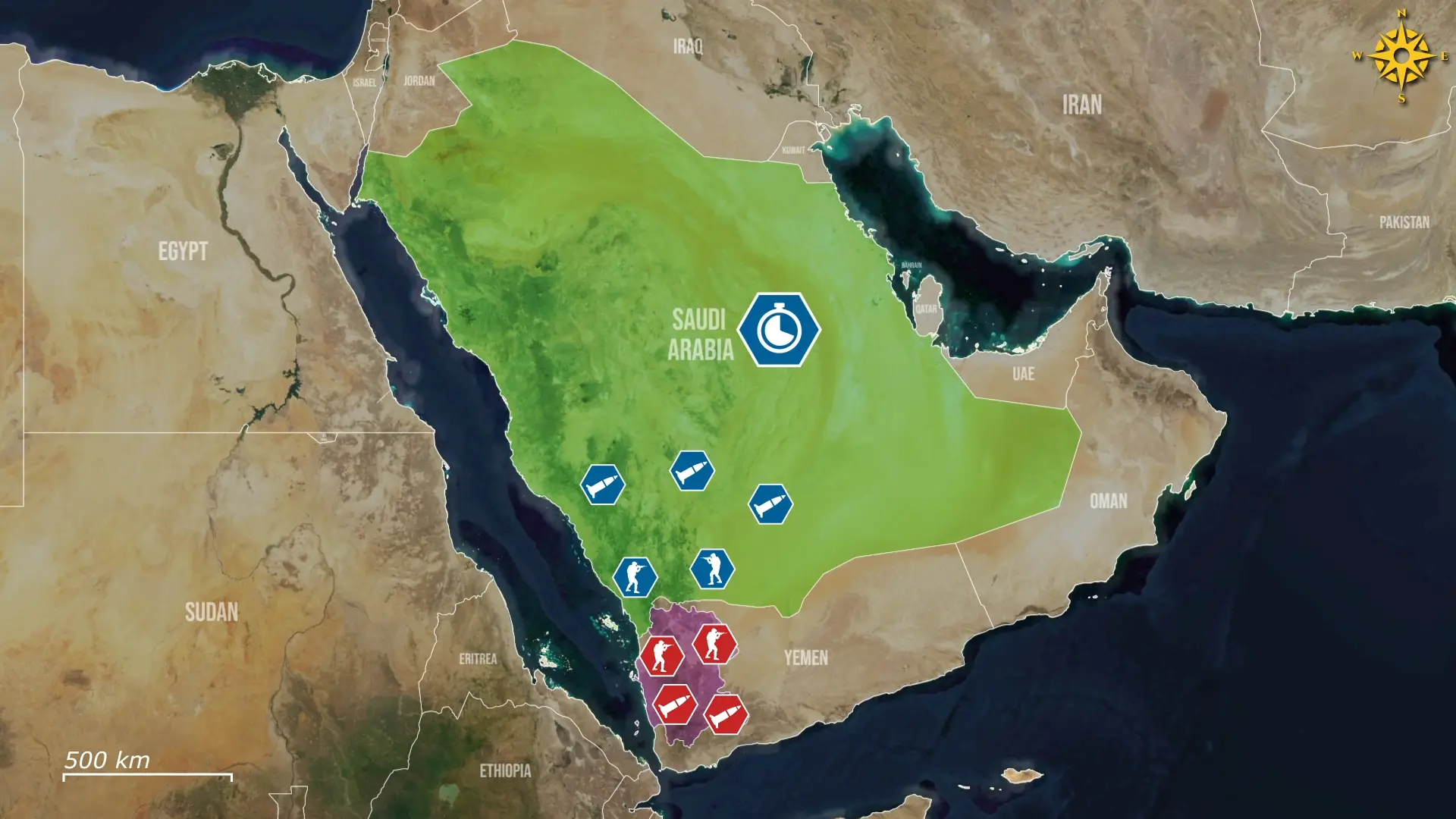
The strike suggests Riyadh acted on time-sensitive intelligence and was willing to attack a high value target despite the risk of further escalation. The Houthis responded within hours by launching ballistic missiles toward Saudi Arabia, reportedly targeting an airport across the border. The exchange marked a sharp escalation, as both sides moved from a period of contained tensions to direct military action, demonstrating that Saudi Arabia and the Houthis were already prepared for a rapid confrontation. Because of that, missiles are no longer a threat of future escalation, as they are already flying.
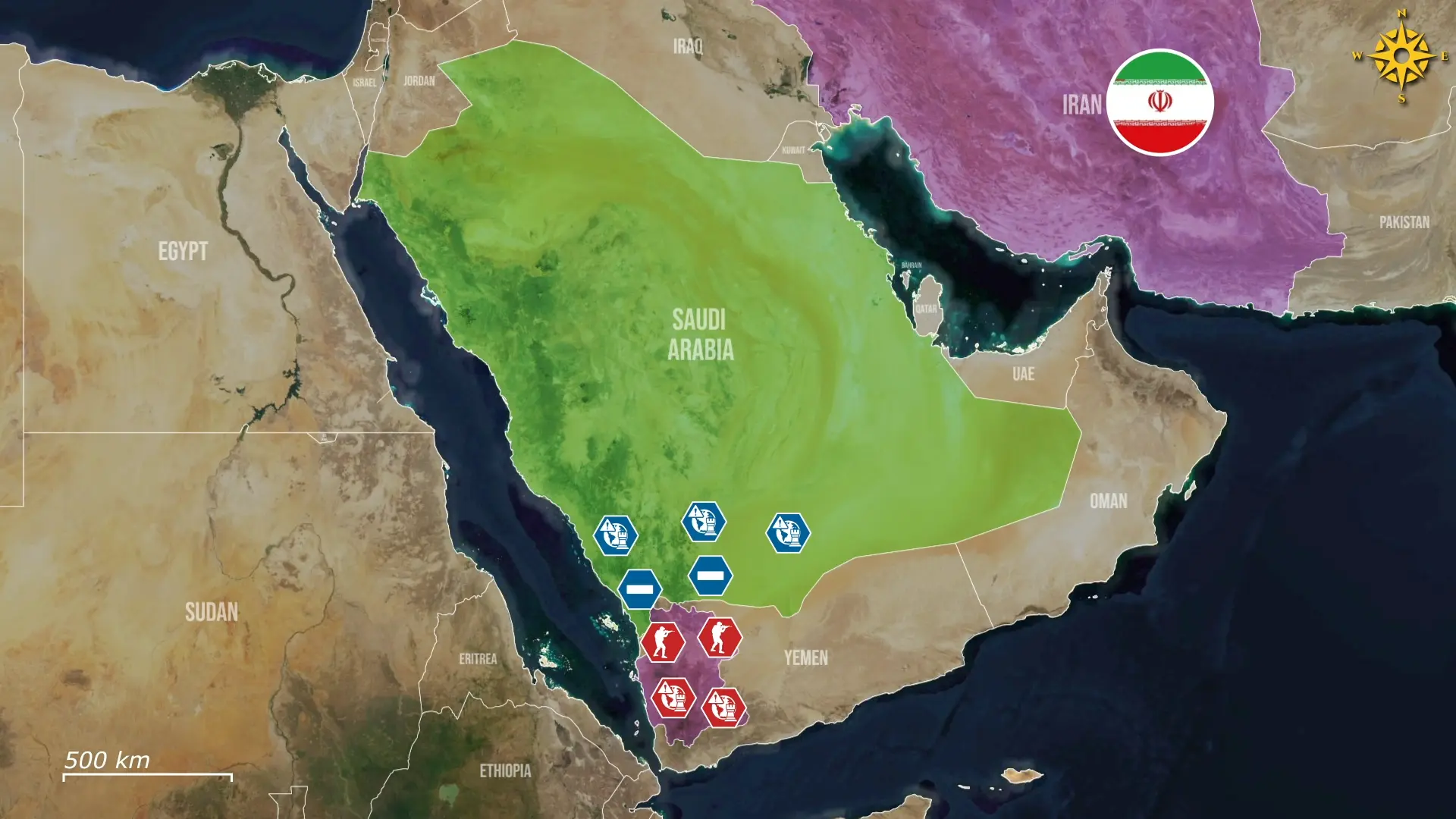
Before the missile exchange, reports indicated that senior Houthi leaders were attempting to return to Yemen aboard a civilian aircraft. Multiple sources claim the flight originated in Iran, although this has not been independently confirmed. If accurate, the flight's reported origin in Iran would suggest that senior Houthi leaders had recently been coordinating with Tehran as regional tensions began rising again. Such engagement could have provided an opportunity to align military planning and strategic priorities ahead of a renewed phase of hostilities. It could indicate that the group's leadership was coordinating its next steps with Tehran as regional tensions intensified. From Saudi Arabia's perspective, preventing the aircraft from landing may have been an attempt to disrupt those plans before they could be translated into military operations on the ground.
For more than a decade, Saudi Arabia has been one of the main participants in the Yemeni conflict. In two thousand fourteen, the Houthis seized Yemen's capital, Sana'a, and gradually expanded their control over much of the country's north. Riyadh viewed the group's rise as a direct threat because it would place an Iranian aligned force along the Kingdom's southern border. In two thousand fifteen, Saudi Arabia led a military coalition that intervened to restore Yemen's internationally recognized government and roll back Houthi territorial gains. Since then, Saudi forces have conducted extensive air campaigns, supported anti-Houthi factions, and reinforced border defenses against repeated missile and drone attacks. Although the intensity of fighting declined after the two thousand twenty two truce, no comprehensive peace agreement was reached. Saudi Arabia therefore continues to view the Houthis as both a persistent security threat and an extension of Iranian influence on the Arabian Peninsula.
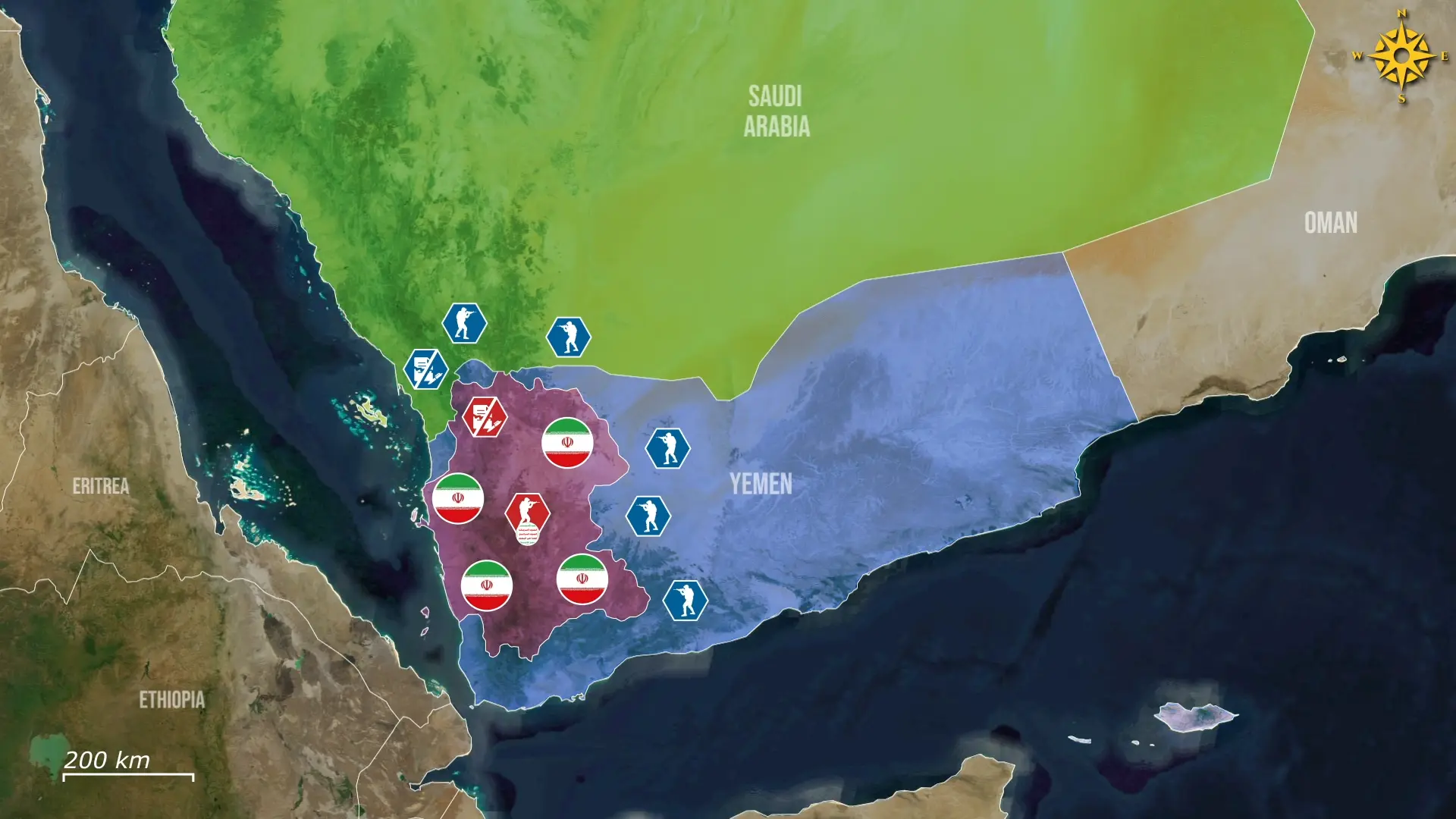
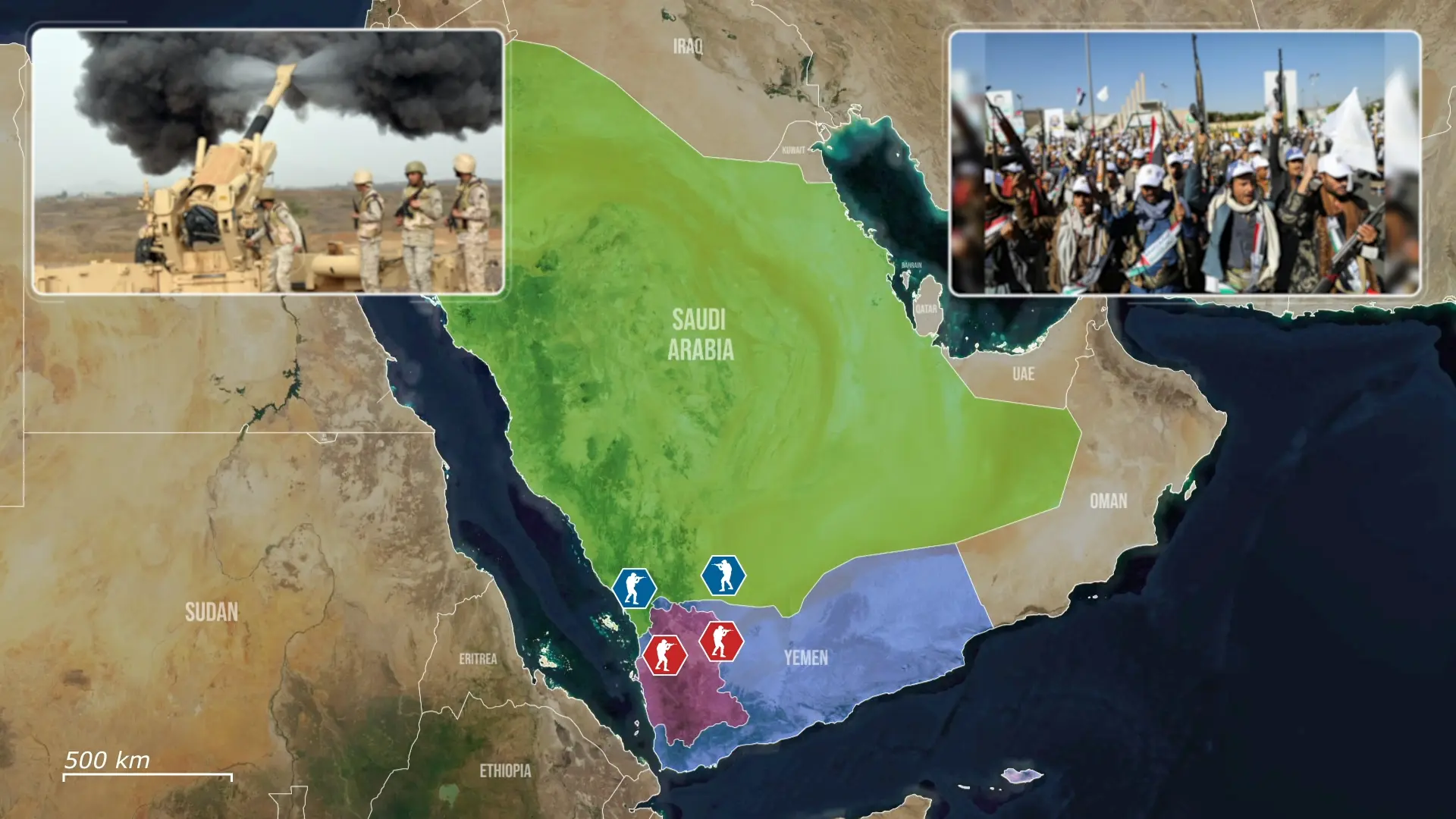
The conflict has remained largely frozen since the two thousand twenty two truce, but it has never been fully resolved. The Houthis still control Yemen's capital and most of the country's densely populated northwest, while the internationally recognized government and allied factions retain territory in the south and east with Saudi backing. Recent weeks, however, have seen a steady rise in tensions, as both pro Saudi and pro Houthi forces have reinforced positions along the front lines and military activity has increased on both sides of the border. Rather than waiting for the Houthis to act, Saudi Arabia now appears to be taking pre-emptive measures, including strikes against Houthi leadership and efforts to block suspected Iranian-linked flights into Yemen. The Houthis have responded by demonstrating their readiness to retaliate with long range ballistic missile attacks, suggesting that both sides are preparing for a renewed phase of direct confrontation. The latest exchange therefore appears less like an isolated incident and more like the possible collapse of the uneasy status quo that has held for the past four years.
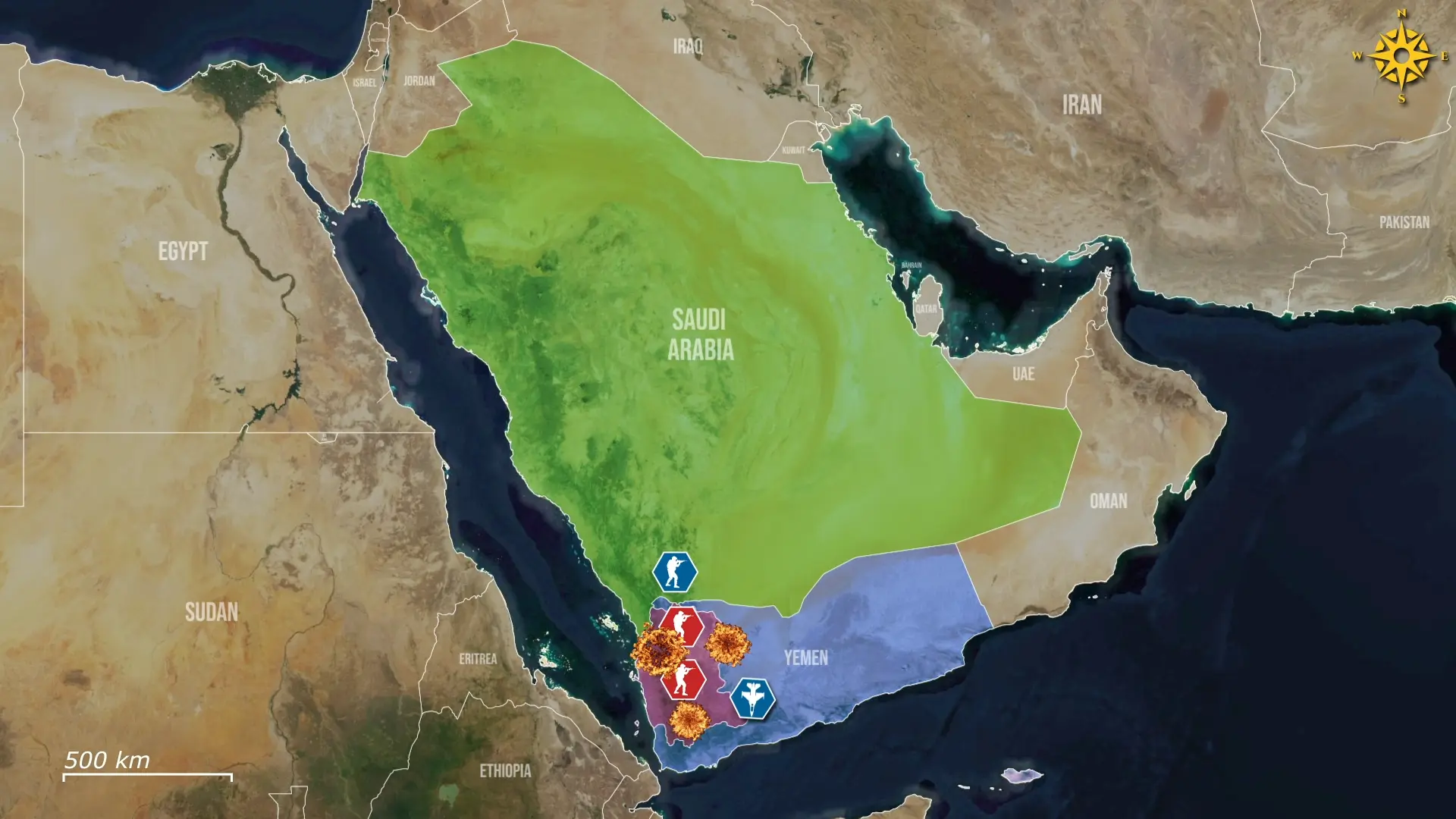
Overall, the latest exchange of airstrikes and ballistic missile attacks suggests that the informal containment of the Saudi Houthi conflict is beginning to break down. Saudi Arabia appears determined to prevent the Houthis from strengthening their military and political position, while the Houthis have demonstrated that they are prepared to answer direct Saudi action with strikes deep across the border. If Iran is once again increasing its support for the movement, the risk of the Yemeni conflict becoming a more active front in the wider regional confrontation will continue to grow. Unless both sides rapidly de-escalate, the current pattern of retaliation could develop into a broader Saudi Houthi war with consequences extending well beyond Yemen itself.
.jpg)

Comments