

.svg)
Today, there are dangerous updates from Crimea.
Here, Ukraine unleashed its most devastating middle-range strike campaign on Russia’s key logistical arteries. What followed was a shocking collapse in Russia’s supply lines, as hundreds of their trucks burned after trying to cross the death roads.
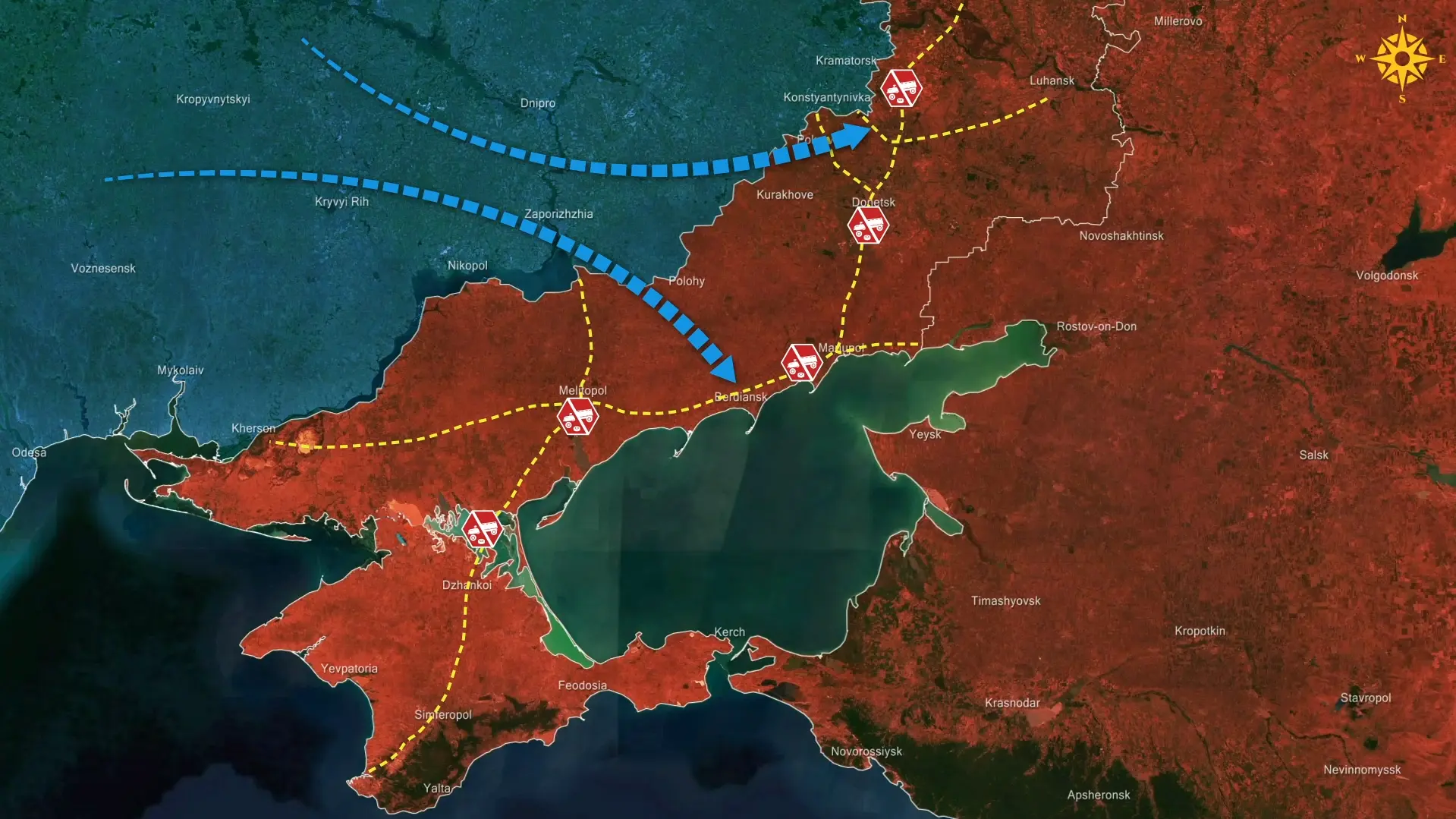
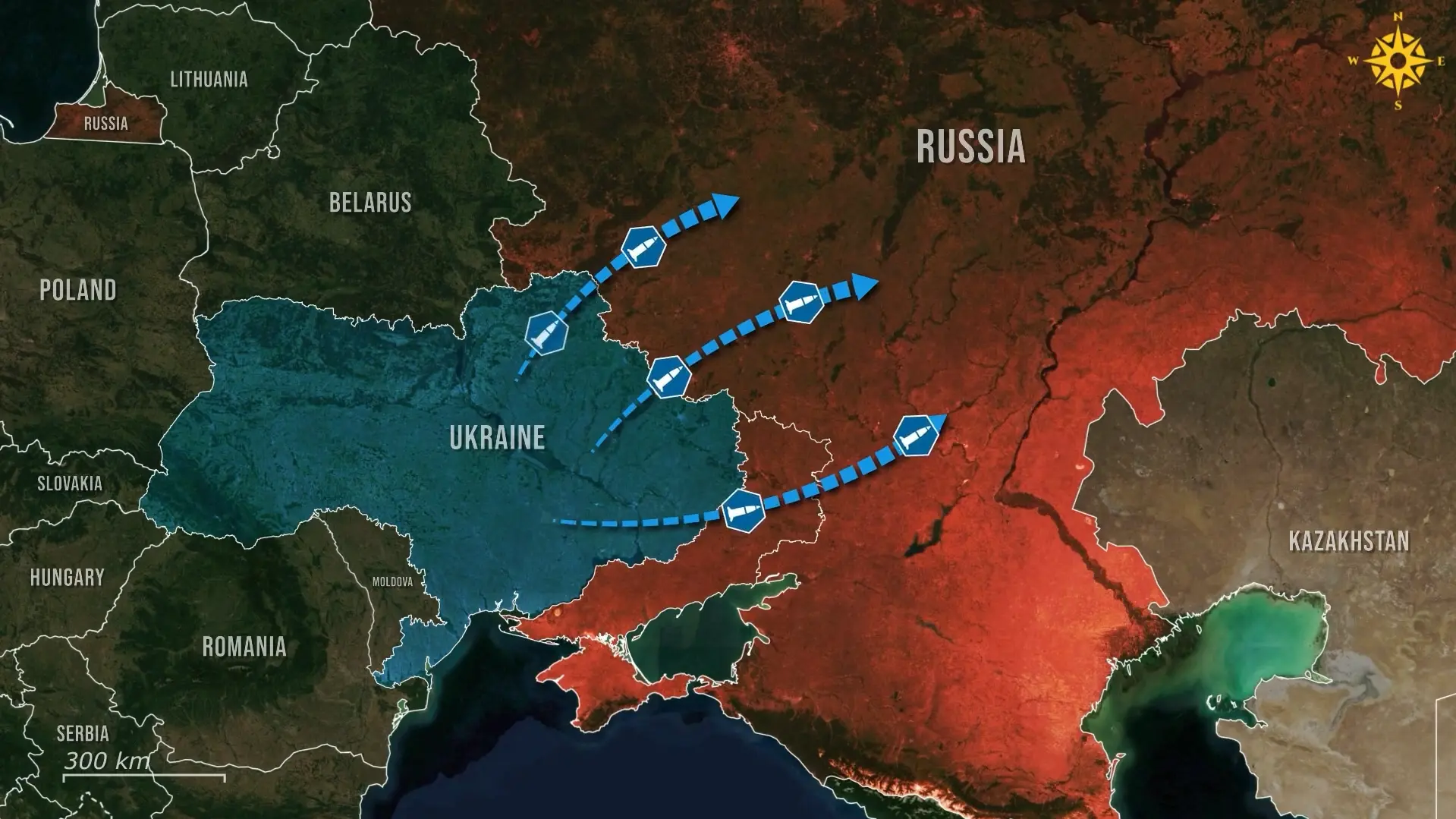
Over the past few months, Ukraine has quadrupled the destruction of Russian logistics hubs and supply routes up to two hundred kilometers behind the front lines. With these strikes, Ukraine has effectively created death roads for Russian supply convoys, destroying them one by one. Wreckages of Russian trucks and tankers can be seen on the roadside, indicating that Ukrainian drones are now controlling the highways. Russian military channels warn that their air defenses have become overwhelmed and are unable to stop the growing wave of Ukrainian drone attacks.
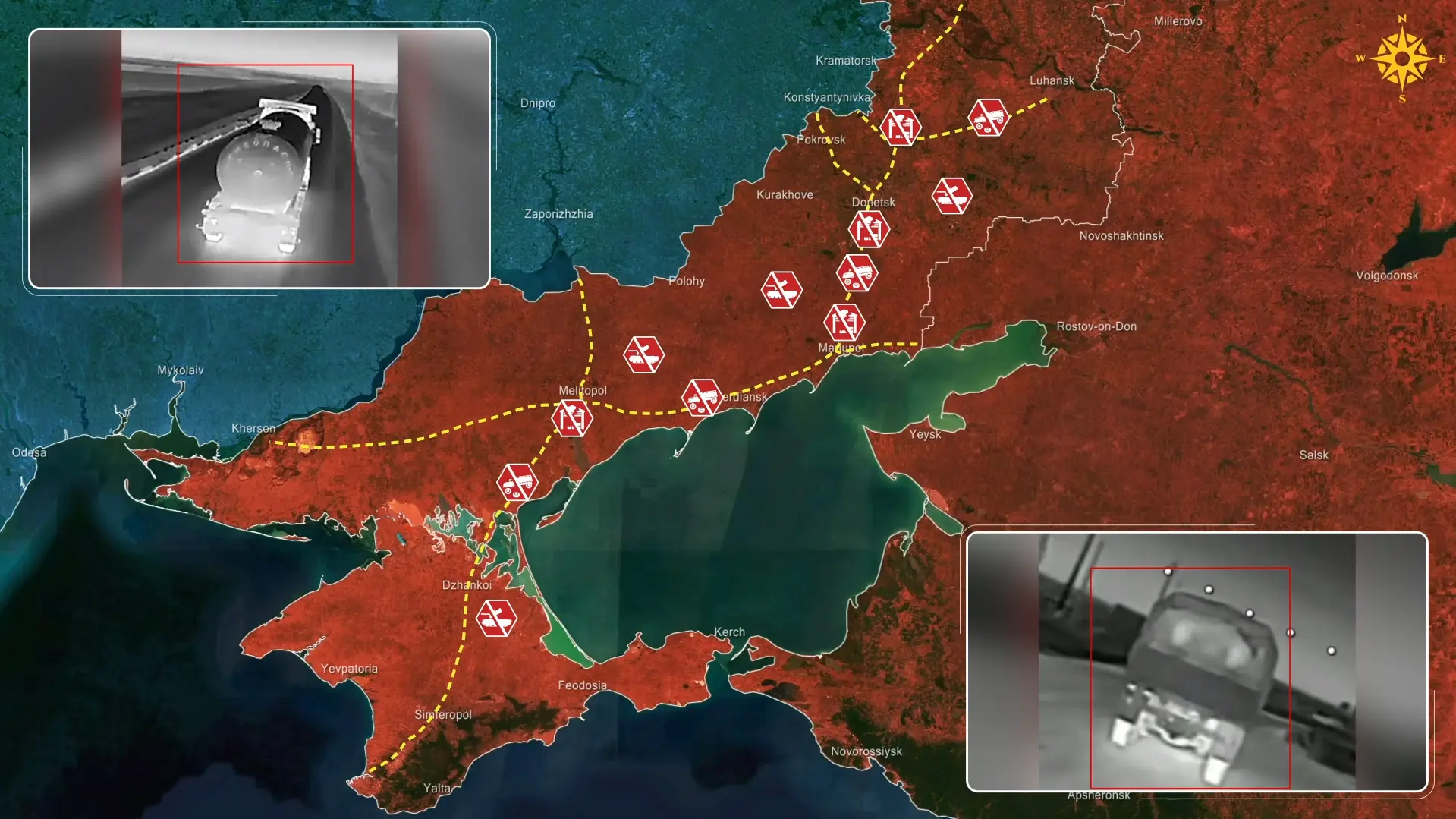
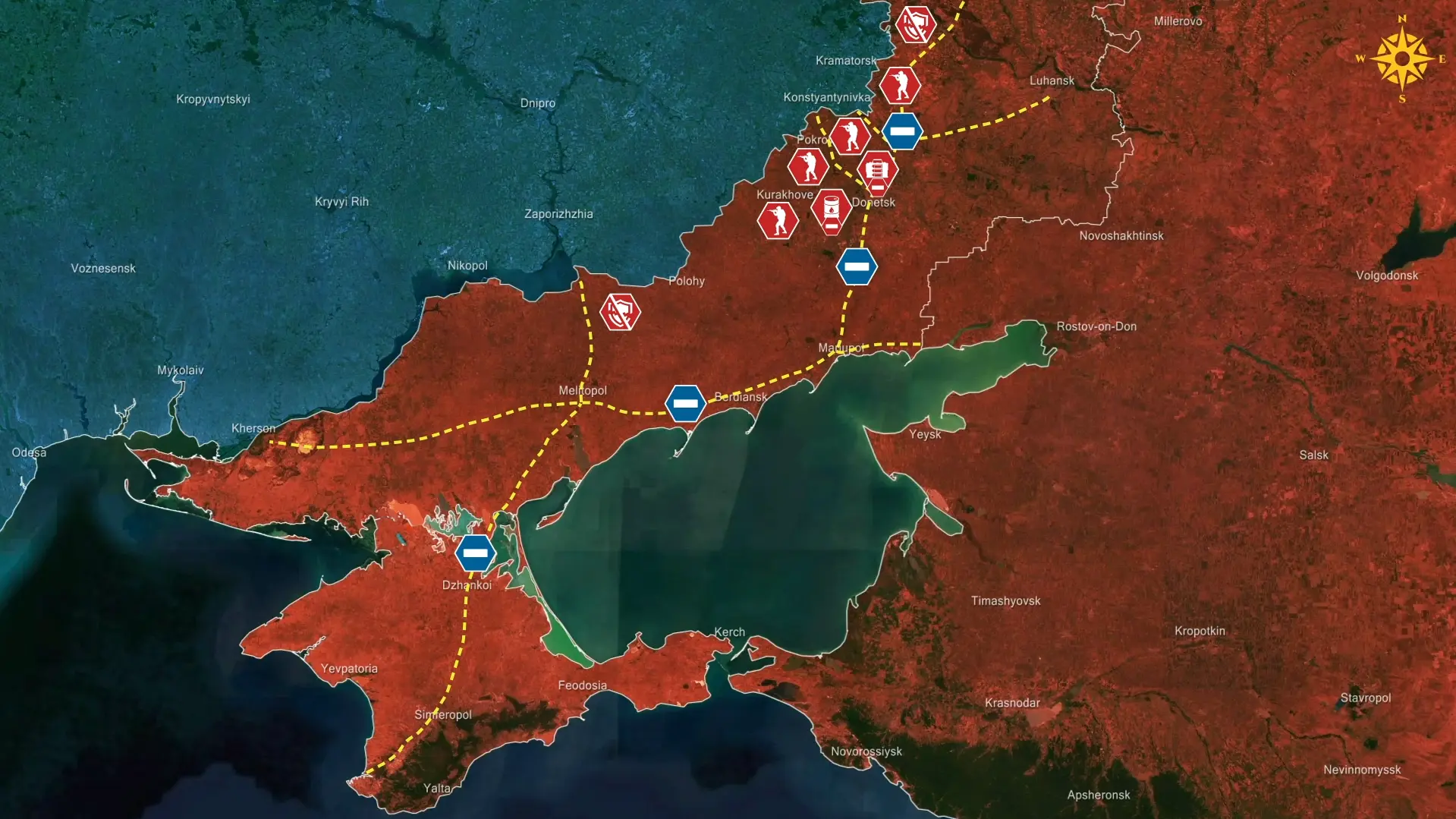
Ukrainian strikes are focused on major highways in Russian-controlled parts of Ukraine. One of the primary targets is the M-thirty highway, which has come under relentless attack. Although the road lies more than thirty five kilometers from the frontline, Ukrainian FPV drones have effectively disrupted traffic along it. The highway is particularly important because it links Russian logistical networks centered on Donetsk, a major supply hub. From there, supplies are distributed toward both the Konstyantynivka and Pokrovsk sectors, currently two of the most active areas of fighting. Similar pressure is being applied to the Donetsk Mariupol highway, which serves as a critical connection between the eastern and southern fronts and functions as a key supply route for Russian forces operating in Zaporizhia Oblast. By striking this route, Ukraine is depriving Russian soldiers in the Huliaipole sector of critical supplies, leaving them more exposed to ongoing Ukrainian counterattacks. Russian sources also report a worsening situation along the land corridor to Crimea, which connects Rostov-on-Don to the peninsula via Melitopol. Ukrainian drones are striking targets across this route with increasing freedom. Kamikaze drones patrol the highway in search of military targets, particularly fuel tankers, supply trucks, and other military vehicles. Ukrainian drone operations now threaten traffic along sections of the corridor up to one hundred and thirty kilometers from the frontline, extending as far as the northern approaches to Crimea.
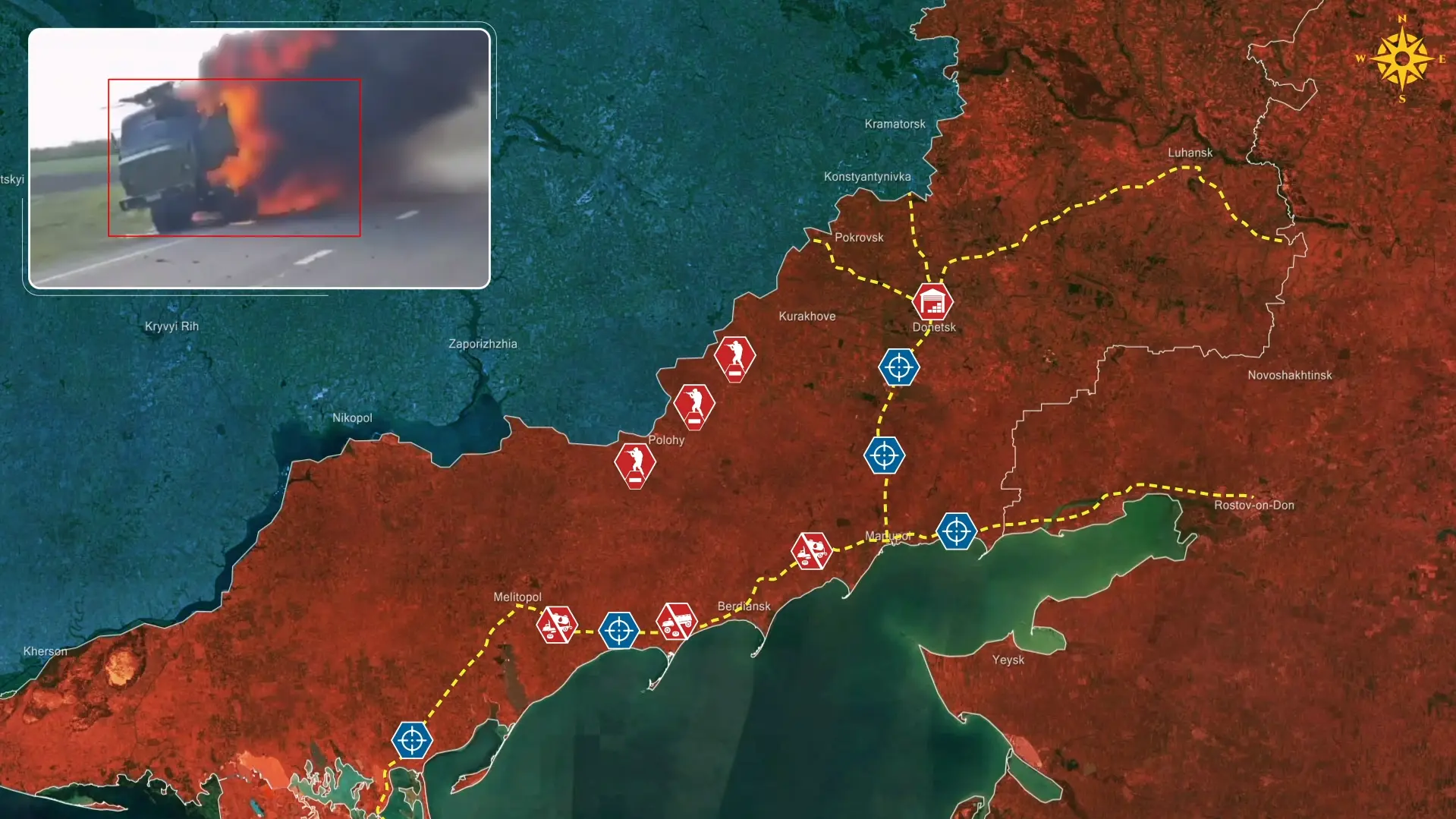
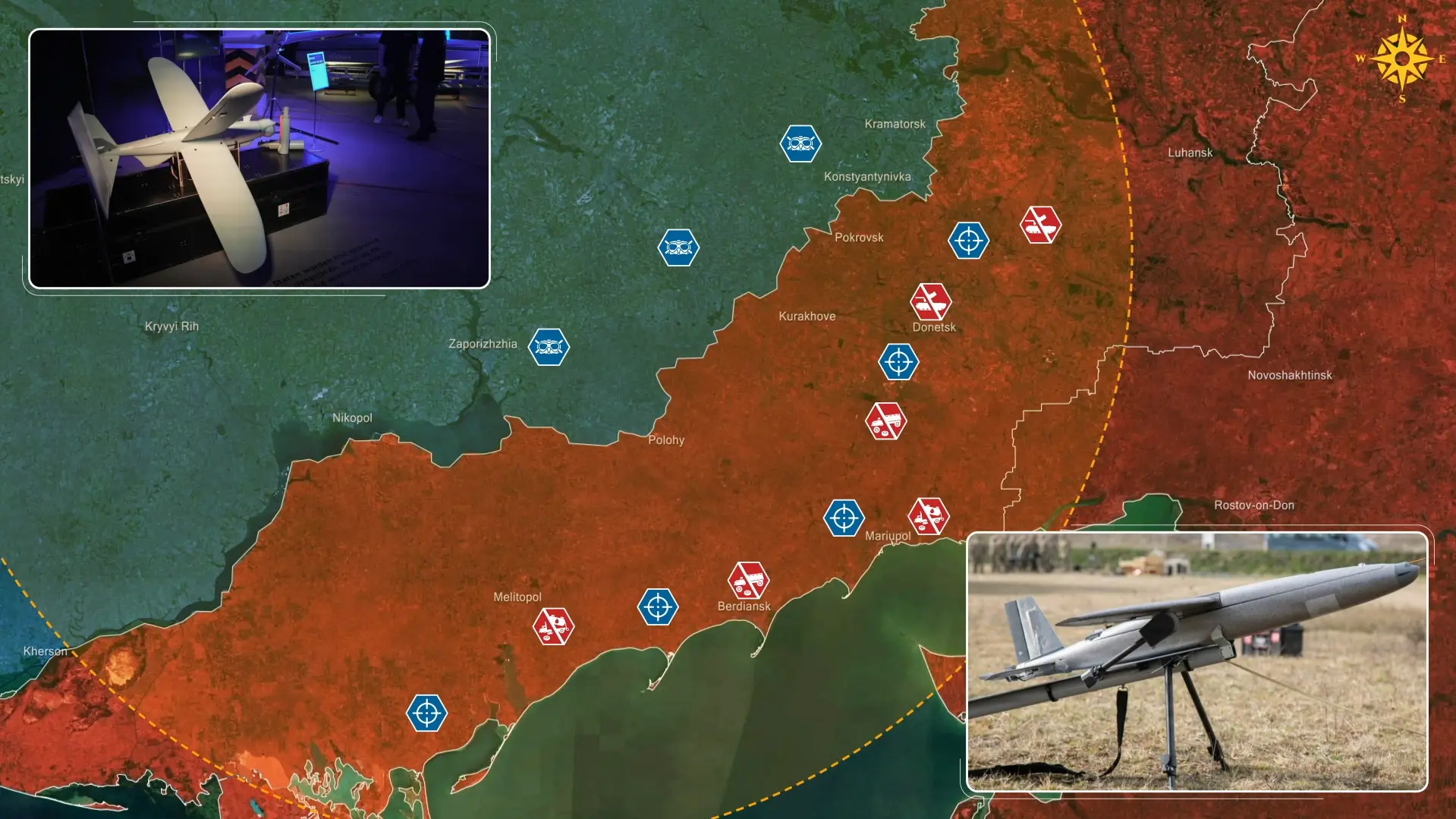
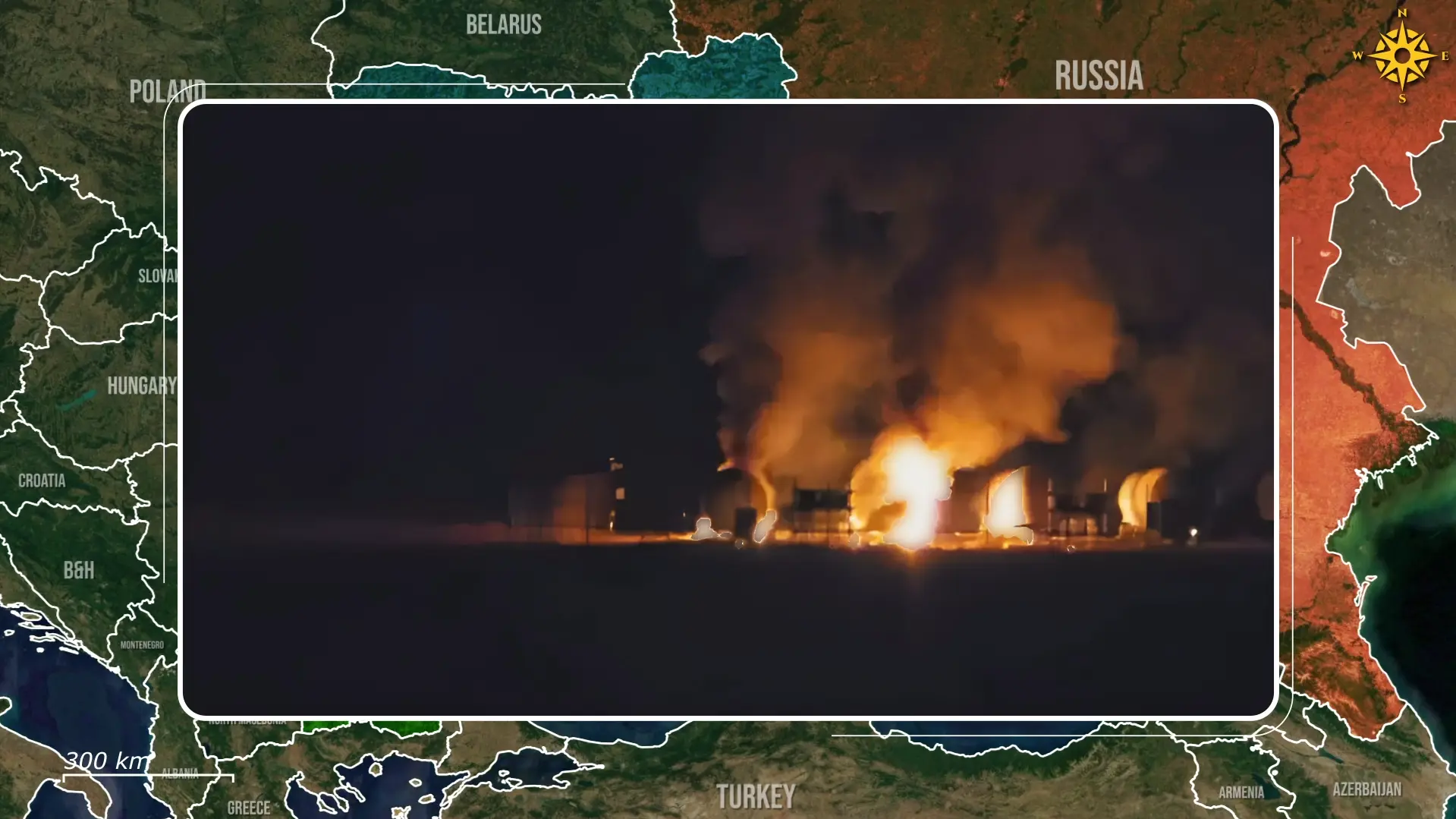
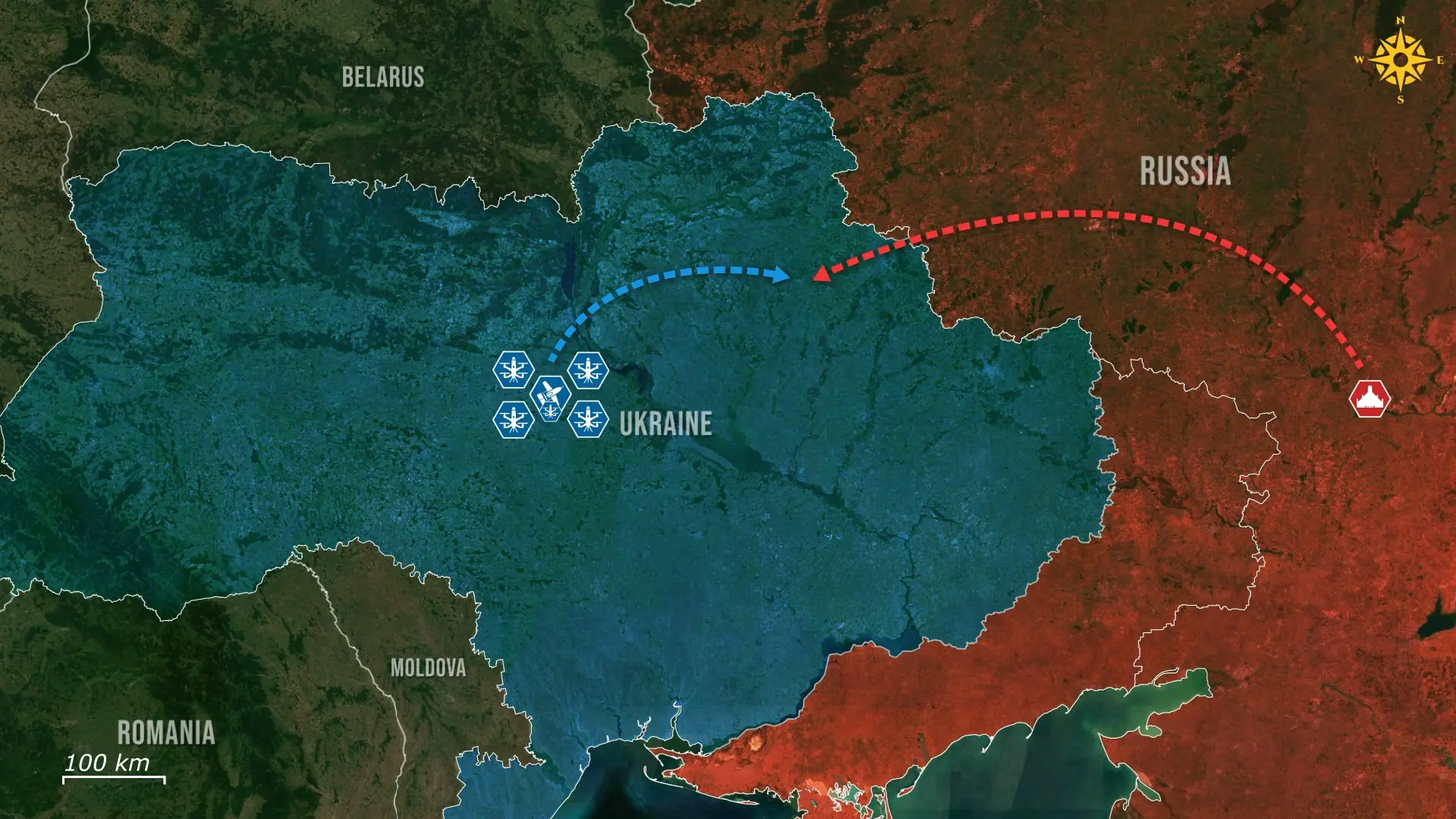
Ukraine has achieved these results through a multi layered strike strategy. The first strike echelon reaches approximately twenty kilometers into Russian controlled territory and relies primarily on FPV drones. In the second echelon, Ukraine uses long range FPV drones, including fiber optic controlled systems and fixed wing variants, that can strike targets up to fifty kilometers behind the front line. This approach is used extensively in the Donetsk sector, where the primary targets are logistics hubs, troop concentrations, and key transportation routes. The fourth and deepest strike echelon extends into Crimea and Russian territory itself, where Ukraine is using FP-one and FP-two drones against oil infrastructure, industrial facilities, and command centers. By attacking both military and oil infrastructure, Ukraine seeks not only to disrupt frontline logistics but also to degrade the broader systems that sustain Russia's war effort. However, these ranges proved insufficient because Russia could move supplies between the fifty to two hundred kilometer range, which left a gap, forcing Ukraine to develop a dedicated medium-range strike capability.
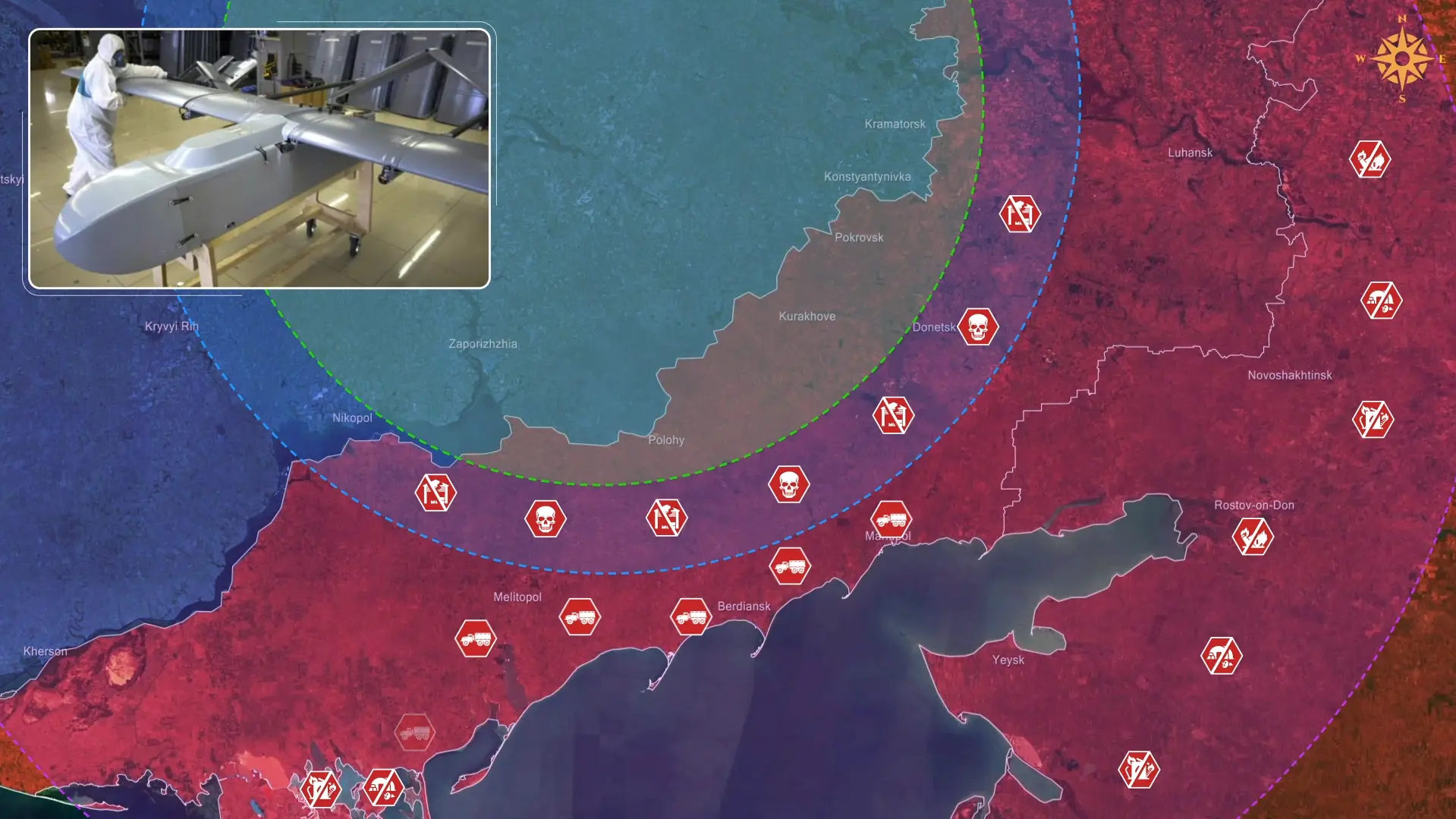
The third echelon includes tactical strikes by loitering munitions against air defense systems, fuel tankers, and most importantly, supply convoys. Ukraine employs Ram X, Hornet, and similar strike drones at distances of up to one hundred and fifty kilometers from the frontline. Among the most effective of these systems are the American made Hornet drones, which are currently operated by Ukrainian drone pilots. However, Russians predict that, within six to twelve months, many of these systems could become autonomous, enabling the Hornets to be able to patrol independently and conduct strikes with minimal operator involvement. With this method, Ukraine closed the gap in its strike range and created a threat to targets that are located between twenty and two hundred kilometers from the frontline.
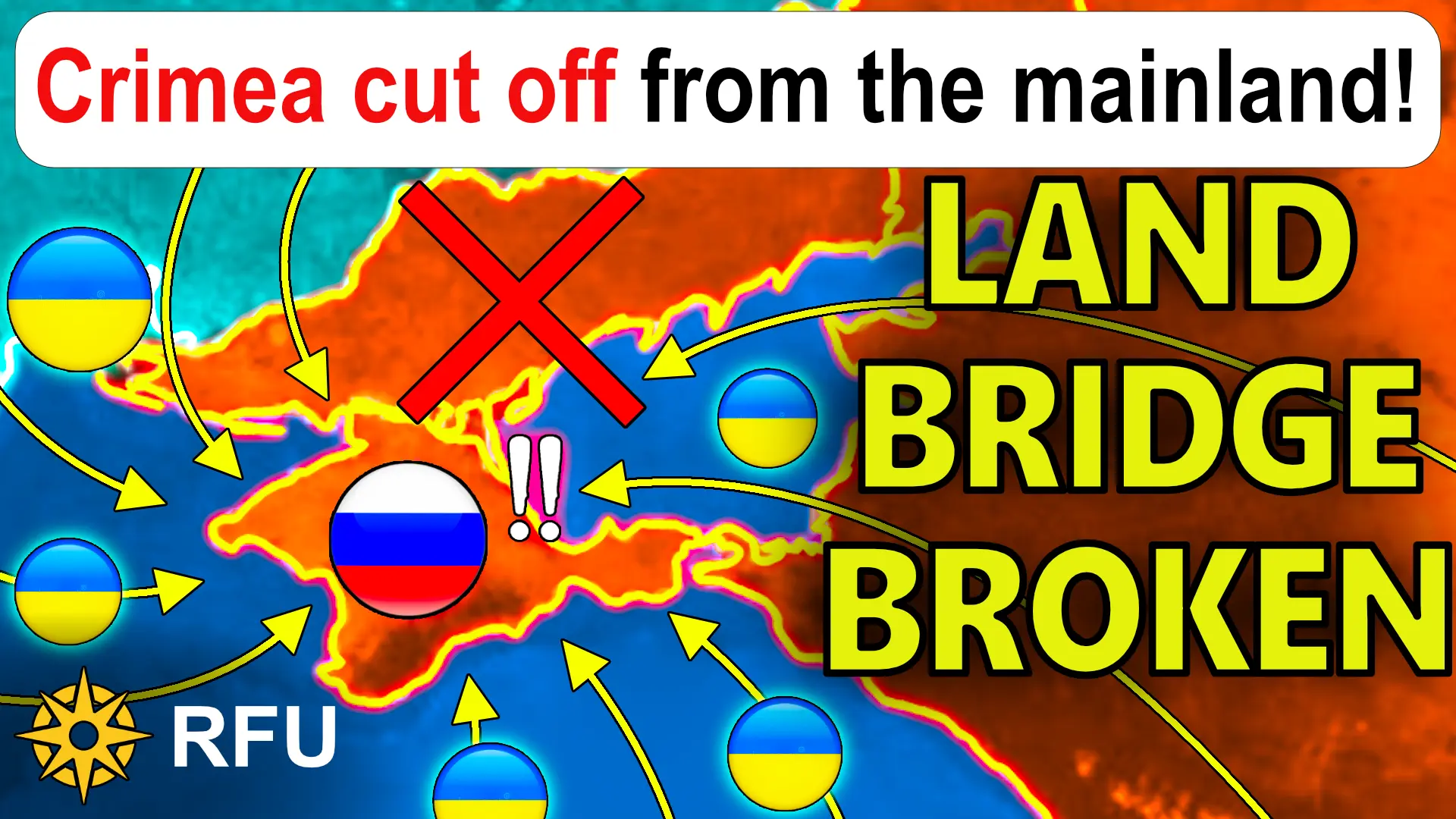
Overall, Ukraine’s expanding mid-range strike campaign is steadily cutting Crimea off from the mainland by turning key supply corridors from Crimea to Mariupol and Donetsk into deadly death roads. As these attacks intensify, Russia will be forced to reroute supplies onto longer, less efficient routes. By maintaining this pressure, Russian frontline units in Pokrovsk and Konstyantynivka will face growing shortages of fuel, ammunition, and reinforcements, reducing their combat effectiveness significantly. This will affect the broader front because if Russia wants to maintain the current intensity of fighting in Donbas, then it will be forced to relocate troops and supplies from other sectors, weakening its presence elsewhere.
.jpg)

Comments