

.svg)
Today, the biggest news comes from Syria.
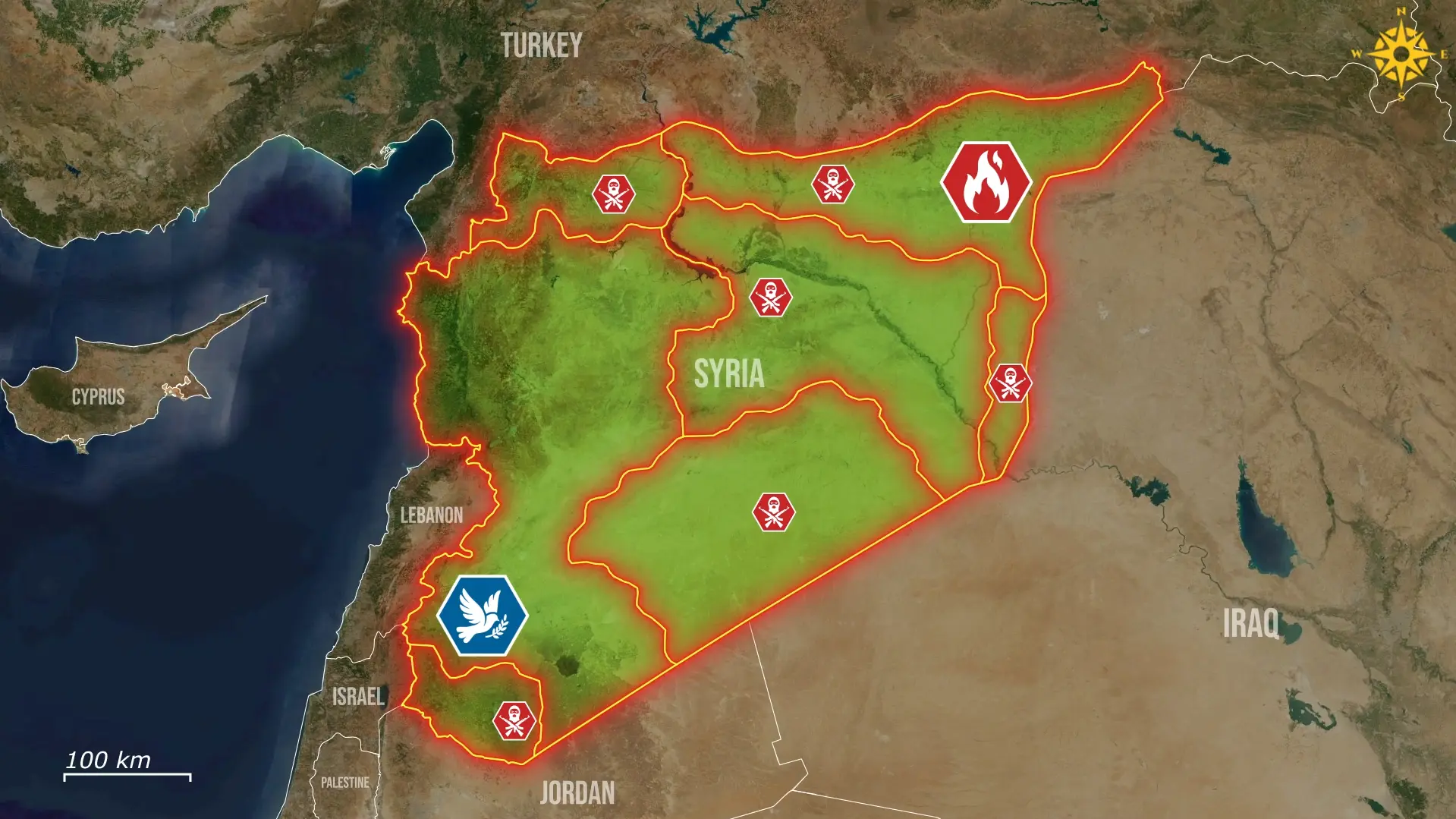
Here, fresh unrest in the Kurdish northeast is showing that the country’s new governing powers are still struggling to turn military gains into a stable new state. Tensions over identity and local control are exposing how Syria remains fractured, as key communities still refuse to be absorbed on Damascus’s terms.
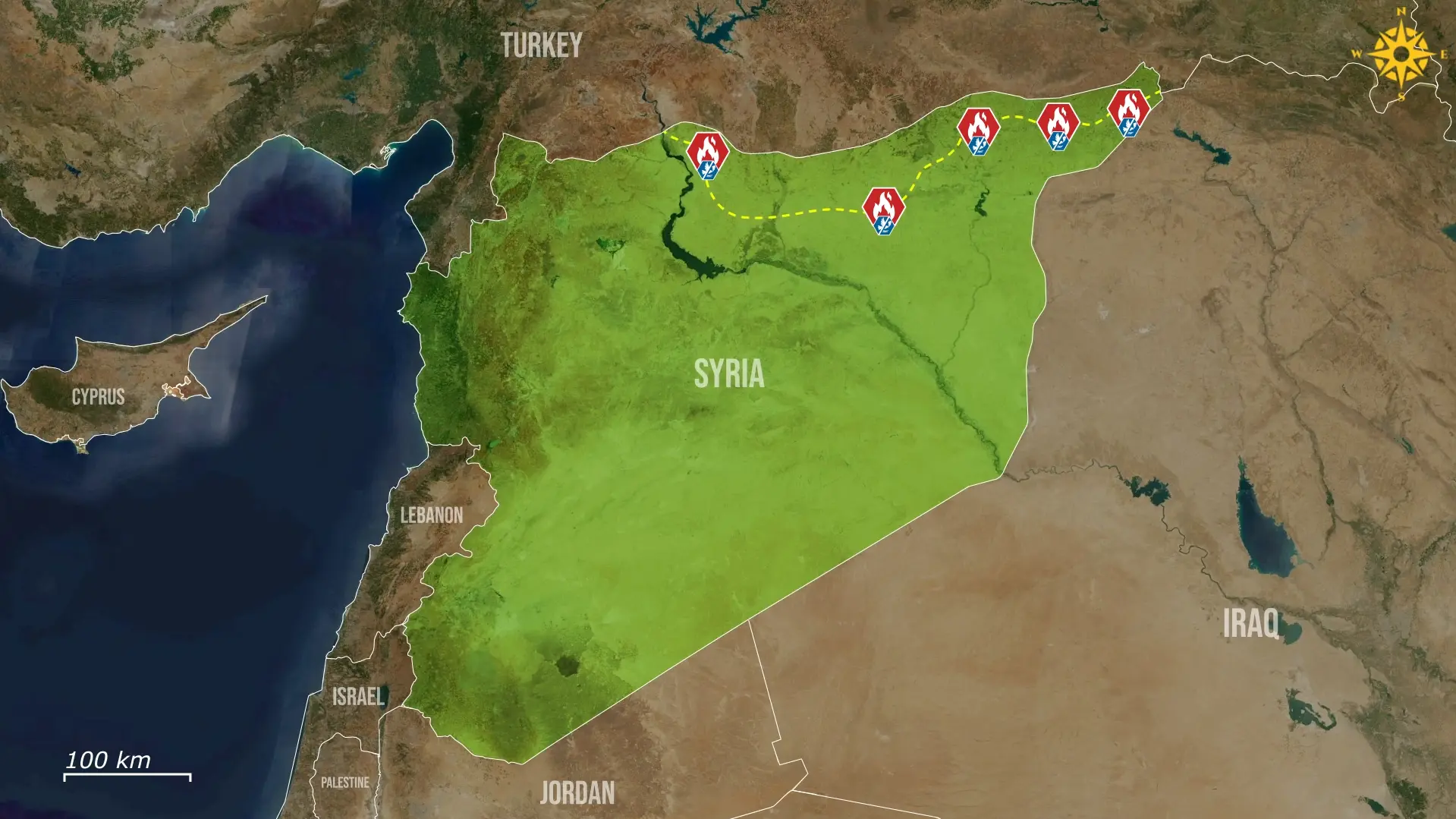
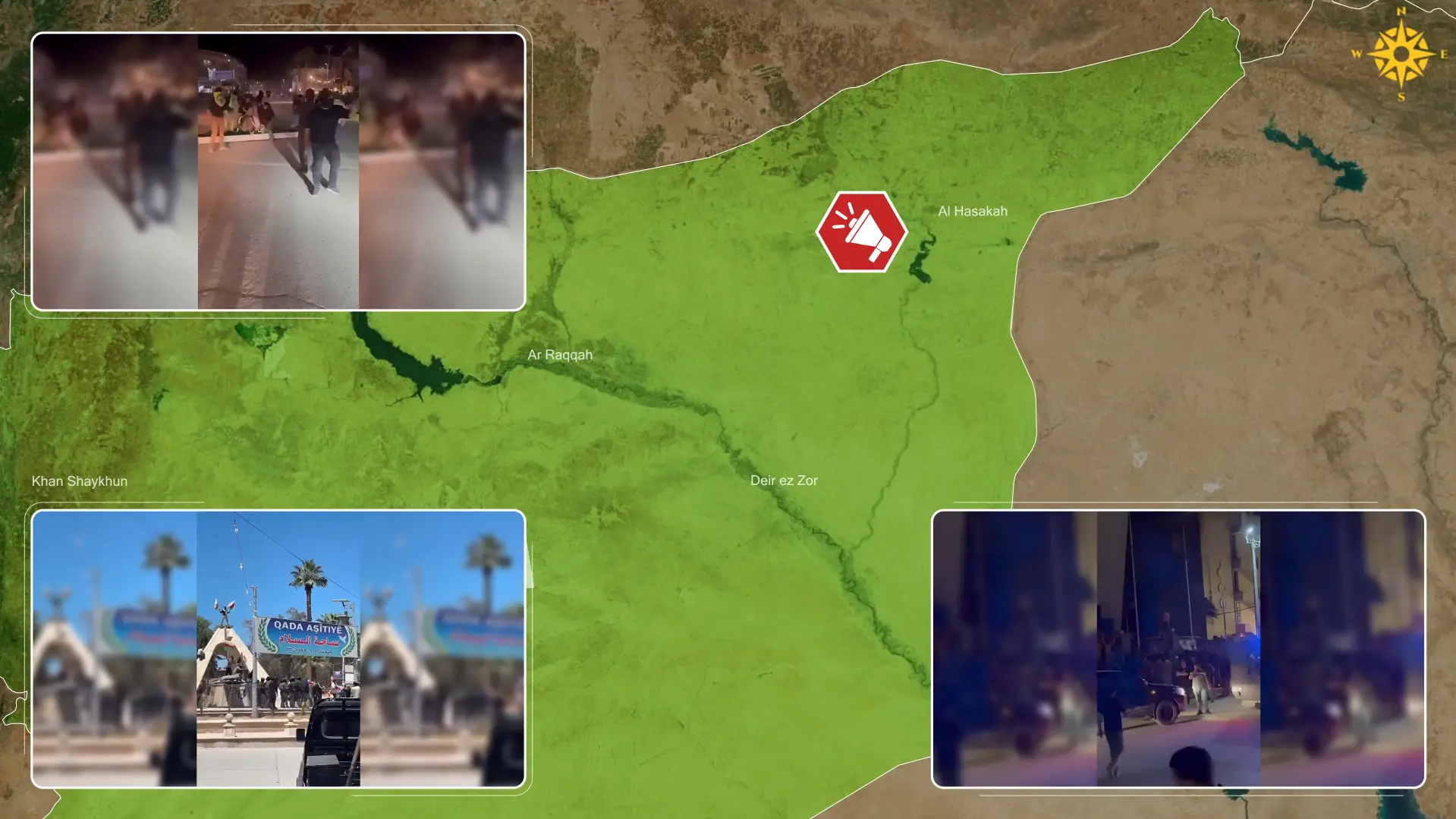
In Hasakah, unrest began when new official signs appeared on public buildings without Kurdish Kurmanji text, the main language used by many Kurds in northeastern Syria. Protesters quickly tore down the signs, and things escalated when Syrian flags were also removed from streets and government sites with Kurdish and Rojava flags raised in their place. Local Syrian Democratic Forces, the Kurdish led force now operating as the main security arm for the new government in the former Kurdish territories, made little effort to stop the protests, showing that Damascus still does not command full loyalty on the ground.
The new Syrian government wants Syria to function as a single unified state after nearly thirteen and a half years of civil war, during which different regions were controlled by their own armed groups and administrations. Areas that had been run through separate Kurdish led institutions are now supposed to return to central rule from Damascus, while local forces are expected to serve under the state instead of fighting against it.
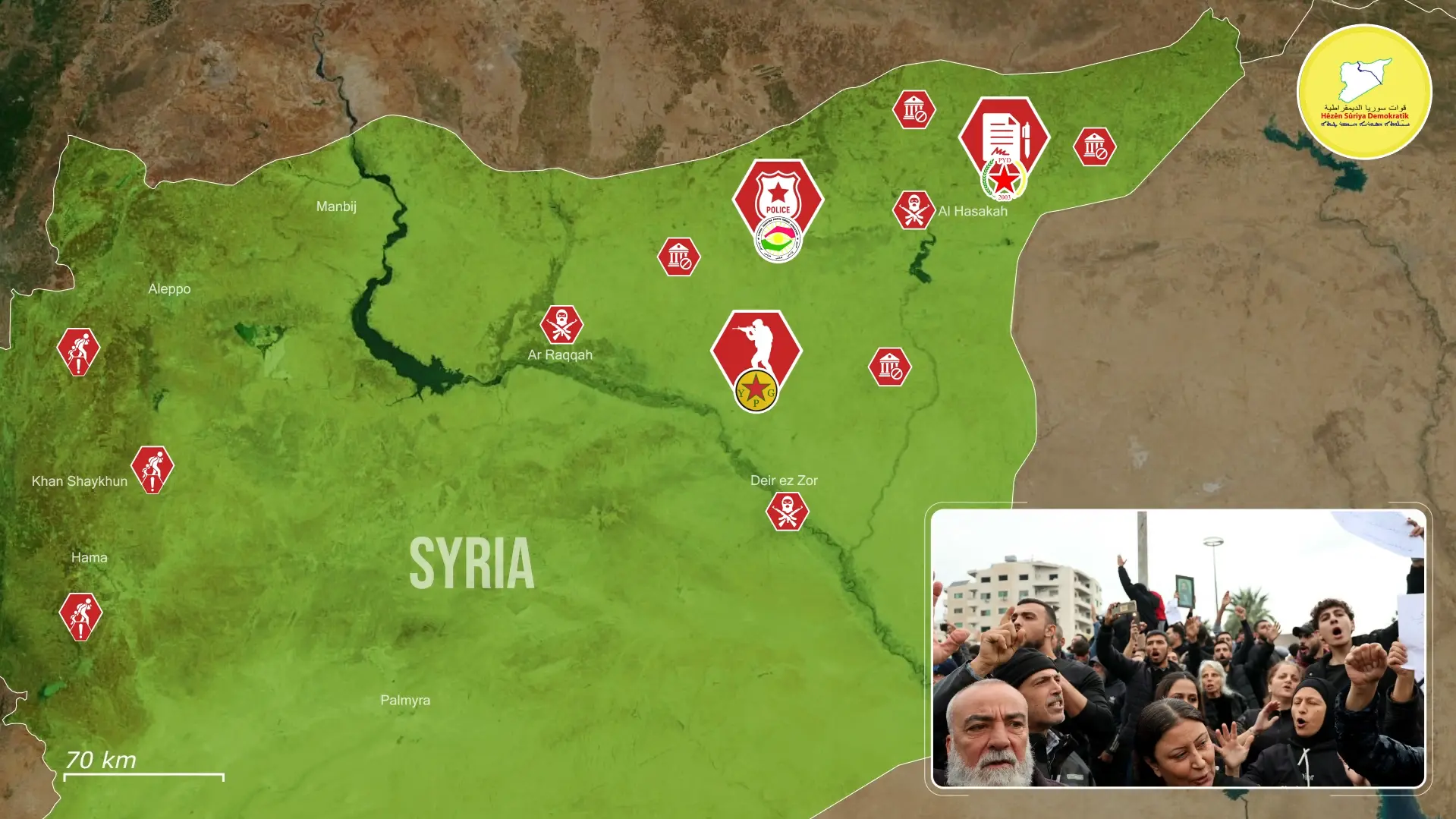
Yet that goal immediately runs into the reality of northeastern Syria, where Damascus is dealing with multiple authorities that cannot simply be brought back under state control by a military victory alone. On the Kurdish side, there is the SDF, the Kurdish led military force, along with local Kurdish institutions built around it, including the PYD, the main political party, the YPG, its core fighting force, and the Asayish, its internal security service, all of which still shape local rule and control. Alongside them are Arab tribal militias across the cities of Hasakah, Raqqa, and Deir ez Zor, some of which once operated alongside the Kurds but have turned against Kurdish dominance as Damascus pushed back into the northeast. Beyond that, the government also faces Alawite communities on the coast, where reunification depends less on integrating armed structures than on convincing fearful minorities they can live under the new order.
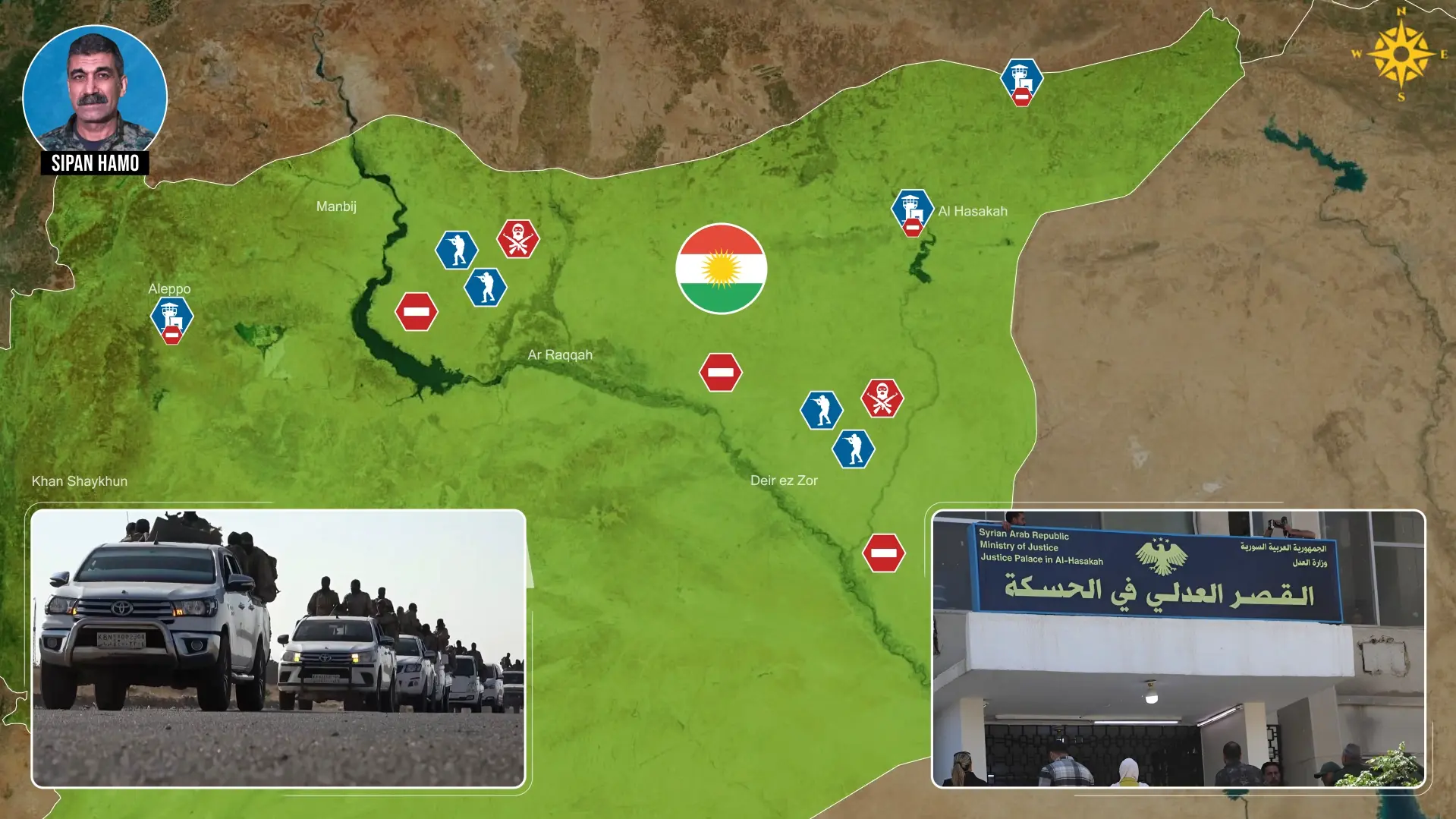
The government tried to reduce tensions by bringing senior Kurdish commander Sipan Hamo, a leader from the YPG militia inside the broader SDF, into a defense role for the eastern region and by setting up joint checkpoints where Syrian and Kurdish symbols appeared side by side. But these steps did not settle the deeper dispute over who would control local administration, what status the Kurdish language would have, and whether Kurdish institutions created during the war would survive. That is why the Hasakah sign protests became so explosive, because they suggested that reintegration might bring cultural submission before any real guarantees were secured. The unresolved status of Kurdish language use, along with diplomas issued by Kurdish run institutions, reinforced the idea that Damascus wanted obedience first and equal status only later.
The Arab tribal problem is different, but just as dangerous, because many tribes in Syria see Kurdish autonomy as a threat and are willing to mobilize against the Kurdish led SDF while backing Damascus in a wider confrontation. That may help Damascus weaken Kurdish resistance in the short term, but it still does not create real state control, because tribal forces follow local interests over the state’s, along with shifting balances of power inherent to tribal diplomacy. Each time Damascus relies on them against the Kurds, it strengthens another armed force that may later resist central authority just as fiercely.
The Alawite problem on the western coast is another. During the rule of Assad, most of the ruling elite and top military and intelligence figures were of Alawite heritage, along with the Assad family itself. This means that a major part of the prosecution for the crimes committed by the Assad regime inherently concentrates itself on members of the Alawite community. However, exactly due to these crimes, a wider resentment has formed against the Alawite community as a whole, for the misdeeds of a few. This manifested itself in targeted attacks on Alawite communities right after the fall of the Assad regime, before the new government had the ability to centralize and take full control of the then-fragmented and often radical rebel groups. This has caused unrest and fear within the community for further ethnically motivated attacks, making them wary of the new government in charge of Syria. For the government now, they seek to find a balance between hunting down and prosecuting Assad loyalists, and breaking the social connection between Assad and the Alawites in broader Syrian society, while ensuring that Alawites will feel safe and retain a visible role in the army, police, and administration of the new Syrian state.
Overall, the unrest in Hasakah suggests that Syria’s next instability will come from the reunification process itself, as Damascus tries to tighten control over armed actors and fearful communities that still do not trust its rule. Each new step into administration will test whether the state can expand without provoking another round of resistance. That is especially dangerous because unresolved disputes do also make it harder for the government to impose lasting control in contested areas. This leaves room for other armed actors, including Islamic State cells, to keep operating wherever authority remains weak and only partially consolidated. If Damascus cannot turn control into a political order that former rivals and wary communities see as bearable, Syria will remain fractured even without a return to full scale war.

.jpg)

Comments