

.svg)
Today, we will analyze the Kurdish front in Iran.
Here, Washington’s attempt to turn abandoned Kurdish allies into a new ground force has failed. After the abandonment of the Kurds in Syria, they refused to become American boots on the ground, leaving Washington without the Kurdish front it hoped to use against Iran.
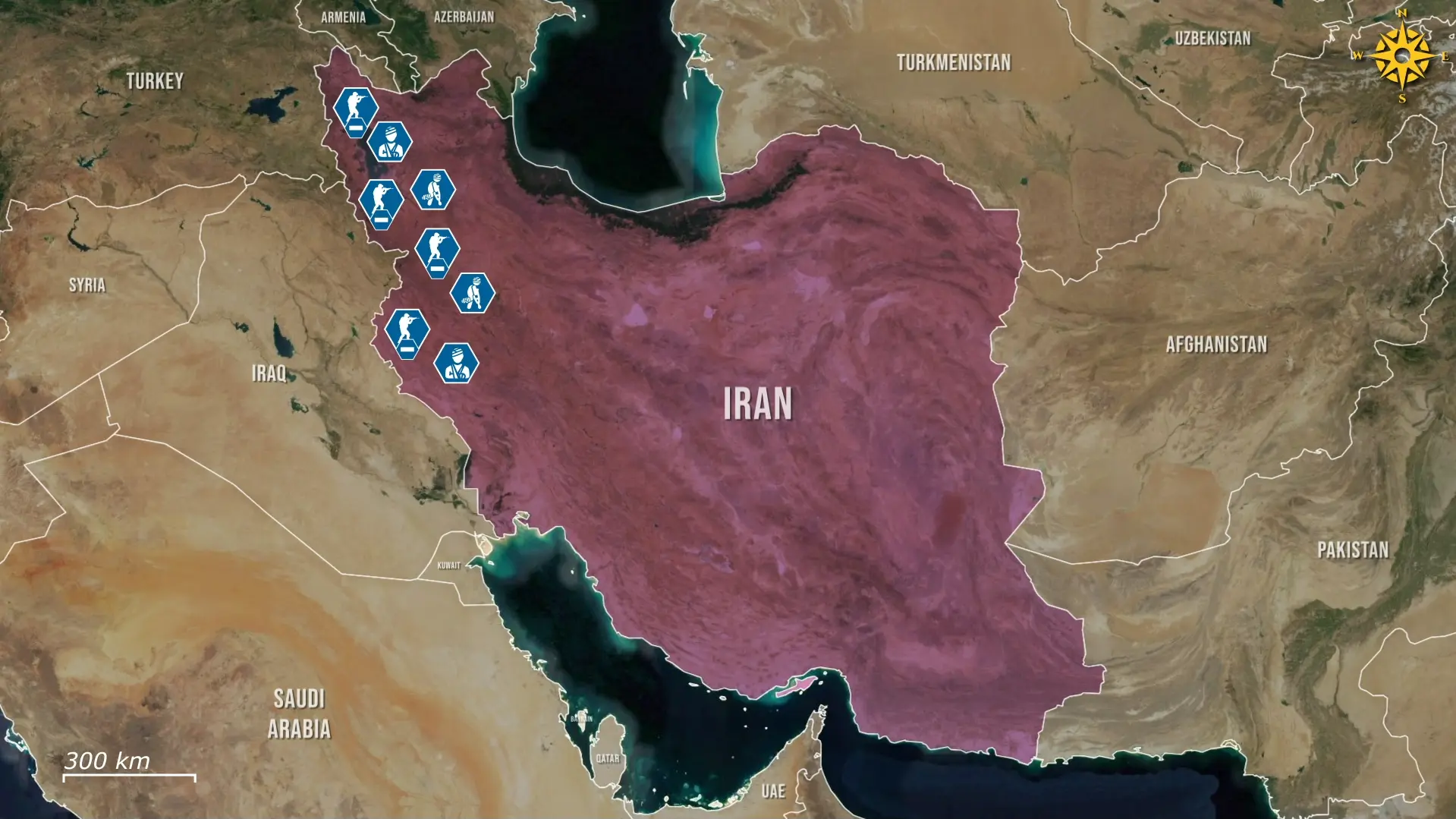
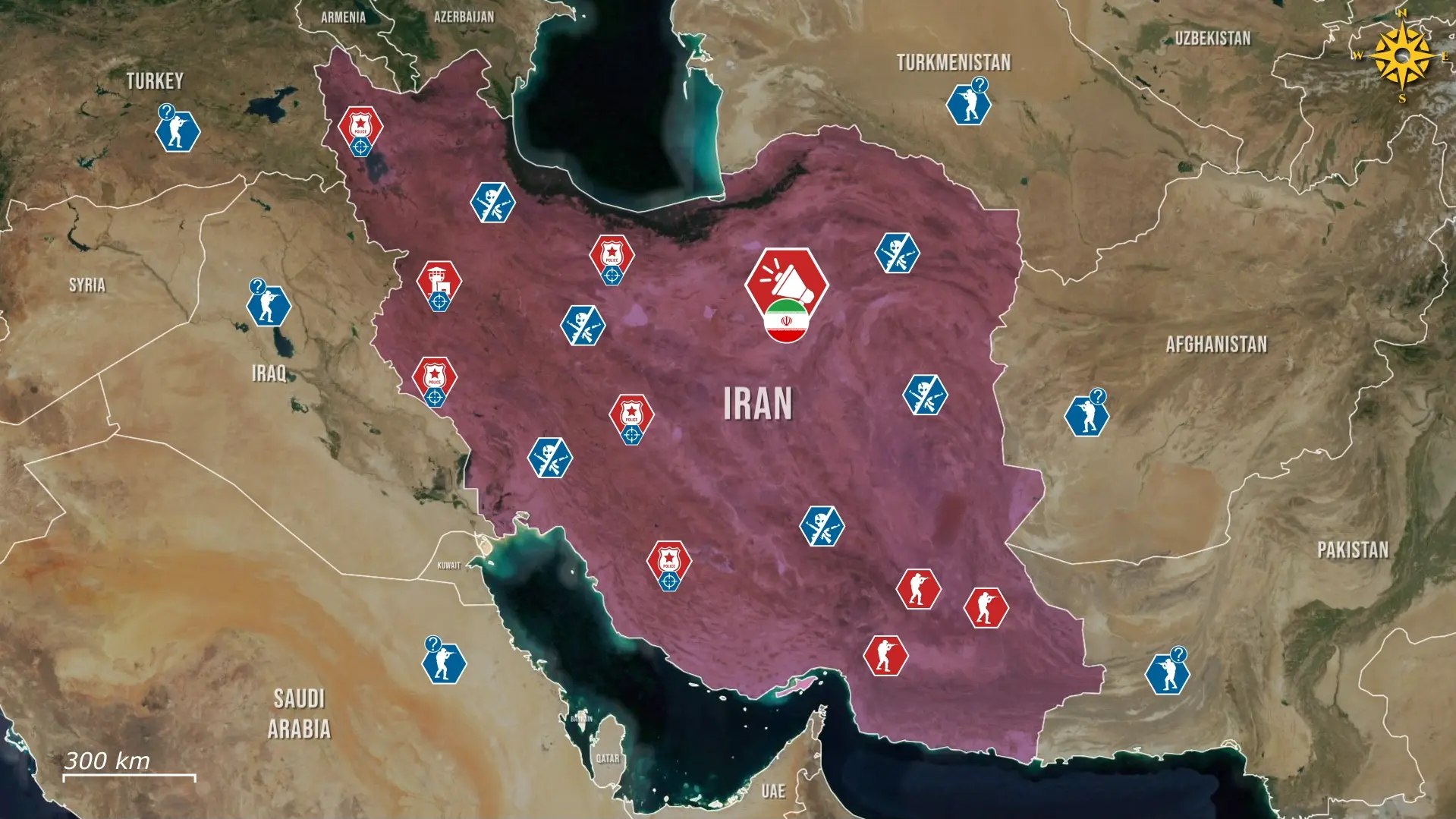
From the beginning, Washington understood that air strikes alone were unlikely to topple the Iranian regime. The campaign could weaken military and security institutions, but Tehran could replace many of its losses and continue functioning. Sending American troops was also unattractive, as it would risk another costly ground war and strengthen Iranian nationalist resistance. Instead, Washington hoped strikes on Basij units, police facilities, and other security targets might help reignite anti-government protests. However, the absence of a major protest movement showed that internal pressure alone would not be enough. If the regime was going to face a serious threat, Washington needed a force on the ground that was not American.
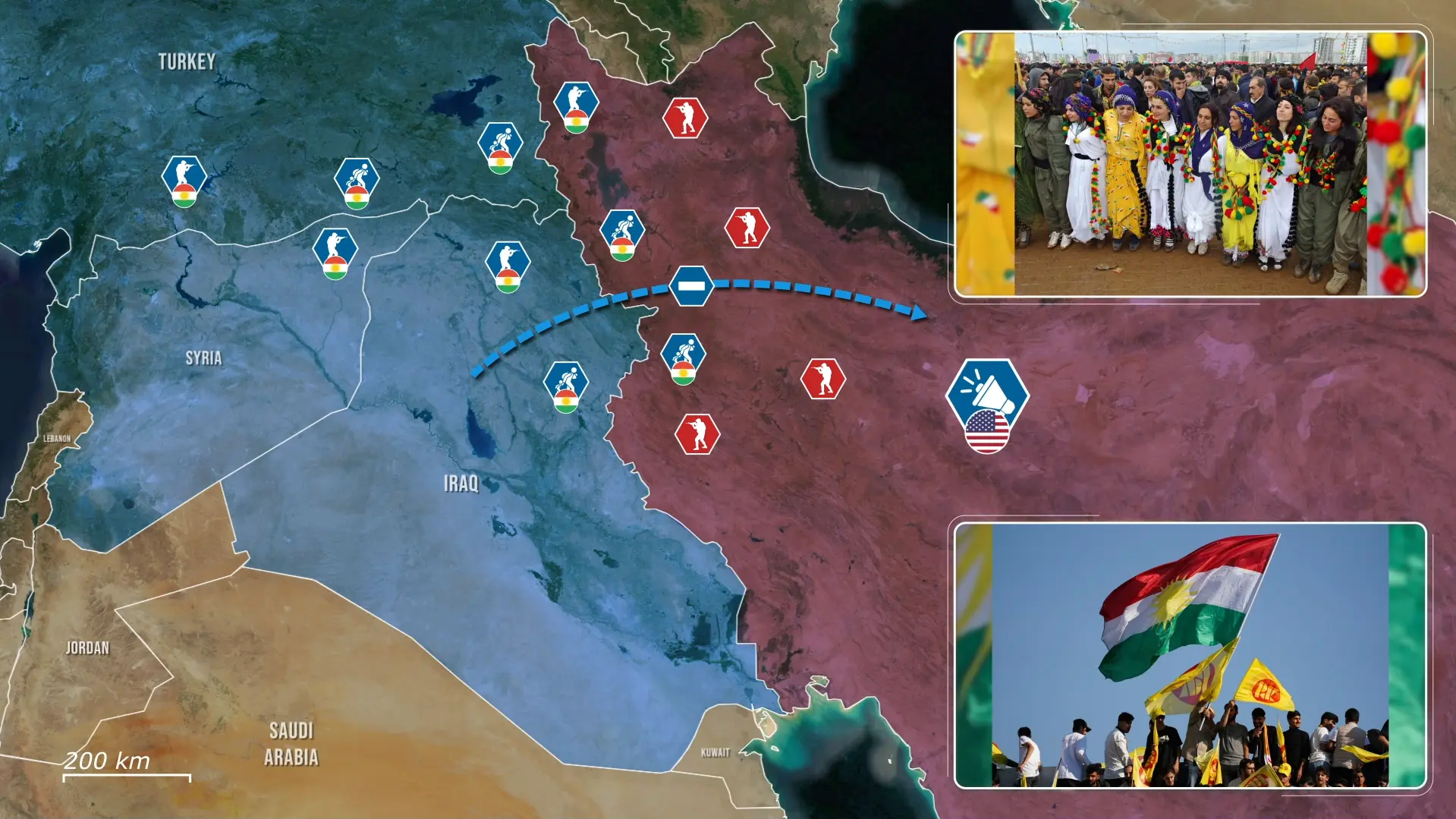
That search led Washington toward the Kurds, because they were already organized, already armed, and already had their own conflict with Tehran. The Kurds are a stateless people spread across Turkey, Syria, Iraq, and Iran, with more than thirty million people, but no independent country of their own. This made them one of the largest stateless nations in the world, and it also meant that Kurdish politics did not stop at Iran’s borders. In Iran, Kurdish opposition groups had already organized against Tehran, and their new alliance gave Washington an existing network that could be turned into pressure against the regime on the ground. If Kurdish forces opened a front, Tehran would have to divert soldiers and security units from key cities and regime centers to defend its western provinces, weakening its ability to suppress unrest and giving Washington the internal pressure that air strikes alone had failed to create. But this alliance was still only a possibility, not a guaranteed offensive, because Kurdish leaders would not risk a major war unless Washington offered something real in return.
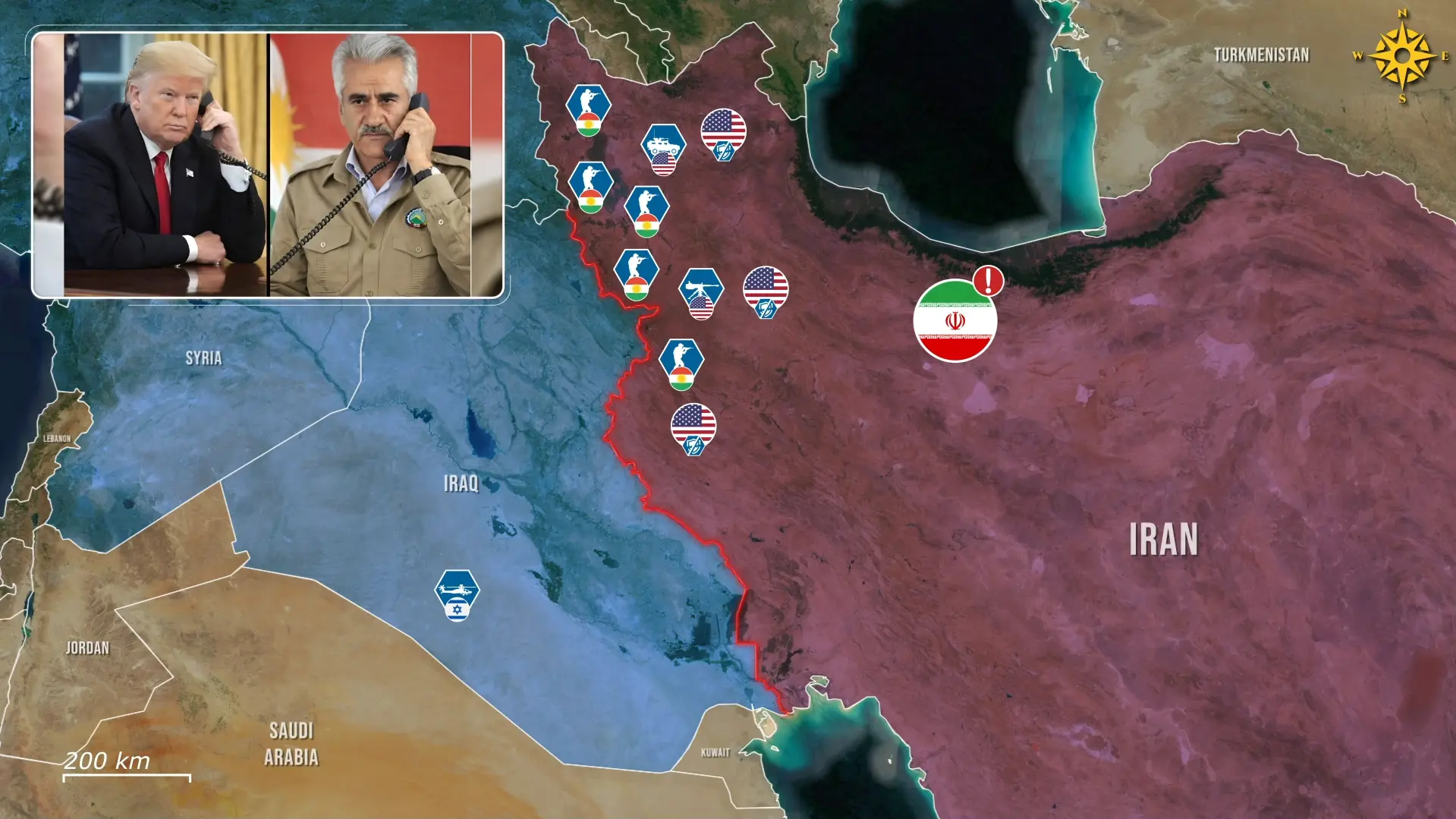
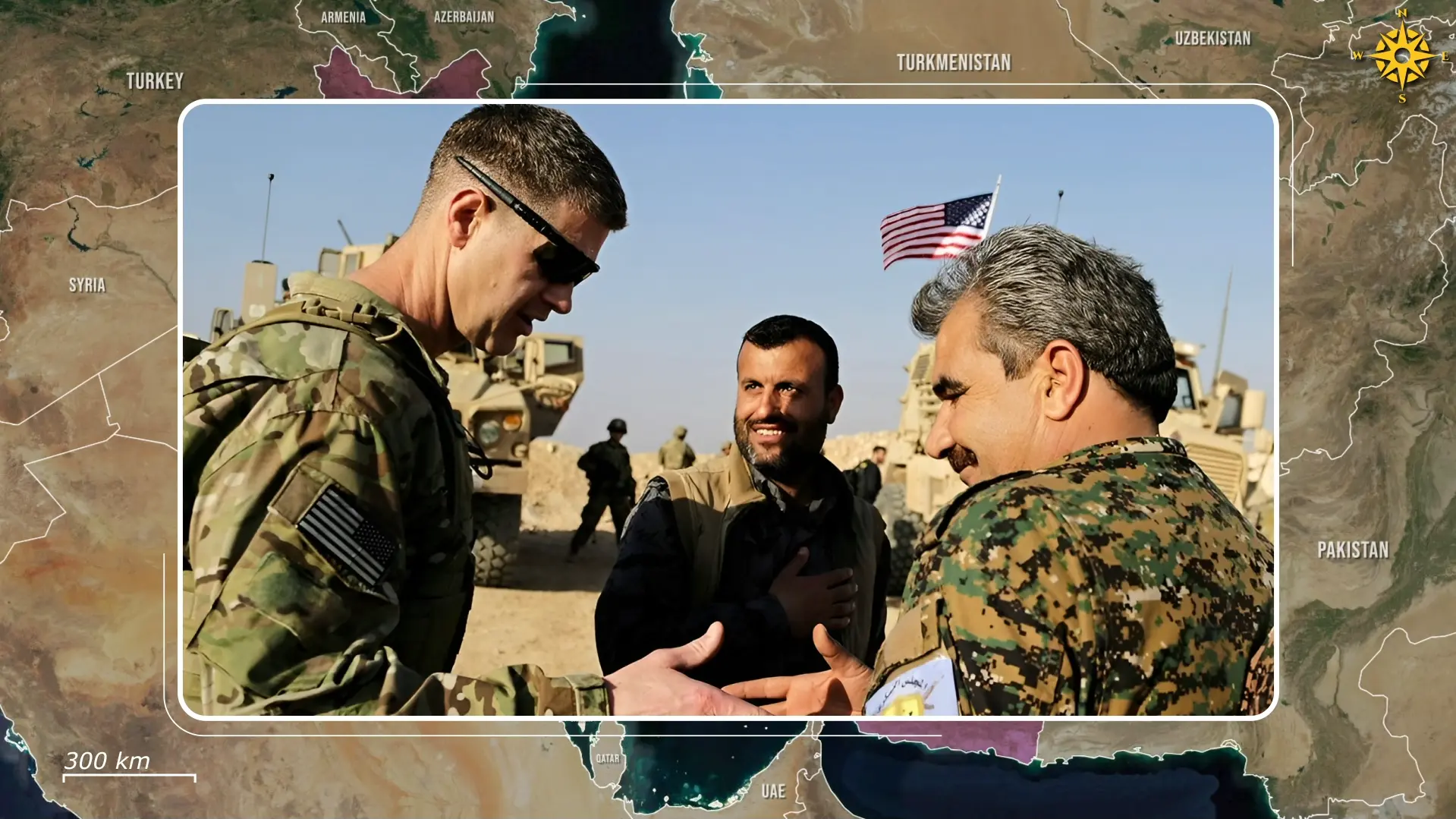
American and Israeli planners turned the Kurdish option into a practical war plan because they needed pressure on Iran’s western flank without sending American troops into the country. Trump personally called Kurdish leaders, while reports placed thousands of Kurdish soldiers near the Iran Iraq border and close to possible launch areas. At the same time, reported deliveries of American weapons and armored vehicles toward Kurdish areas showed that Washington was preparing forces for possible action. Iraqi reports about Israeli helicopters landing in the desert added another layer, suggesting that the plan was moving beyond political pressure and into operational preparation. However, for the Kurds, the danger was clear, as they would be the ones exposed to the first Iranian retaliation, while outside powers controlled the wider campaign from a distance. For this plan to work, Kurdish leaders had to believe that American support would remain firm once Iran started hitting back, but Washington failed to earn that trust.
To understand their refusal, the story has to return to Syria, where the Kurds had already fought as America’s main ground partner. The Syrian Democratic Forces, built around Kurdish led units, pushed isis back while the coalition mainly supported them from the air. Coalition aircraft, intelligence, and advisors gave the Kurds a major advantage, but Kurdish led fighters carried the ground war and absorbed most of the casualties. As isis collapsed, they used the territory they captured to build a self governing zone across northeastern Syria, with its own security forces, local councils, and political institutions. Kurdish leaders presented this project as a new political model based on local democracy, secular rule, gender equality, ethnic inclusion, and a more self reliant economy. Built under pressure from Isis remnants, Turkish threats, hostile militias, and Damascus itself, it came to represent more than a battlefield gain and increasingly resembled a national project.
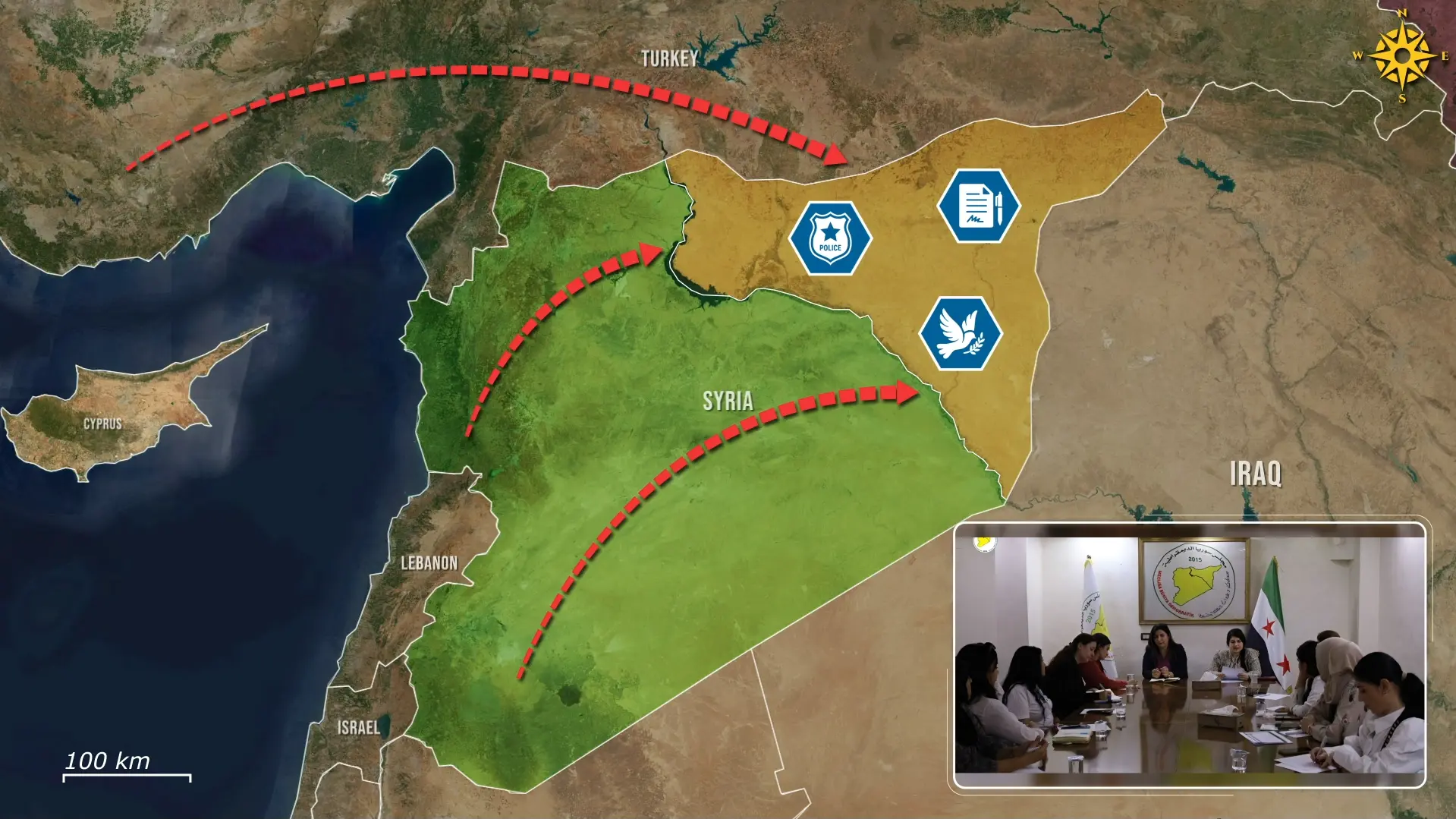
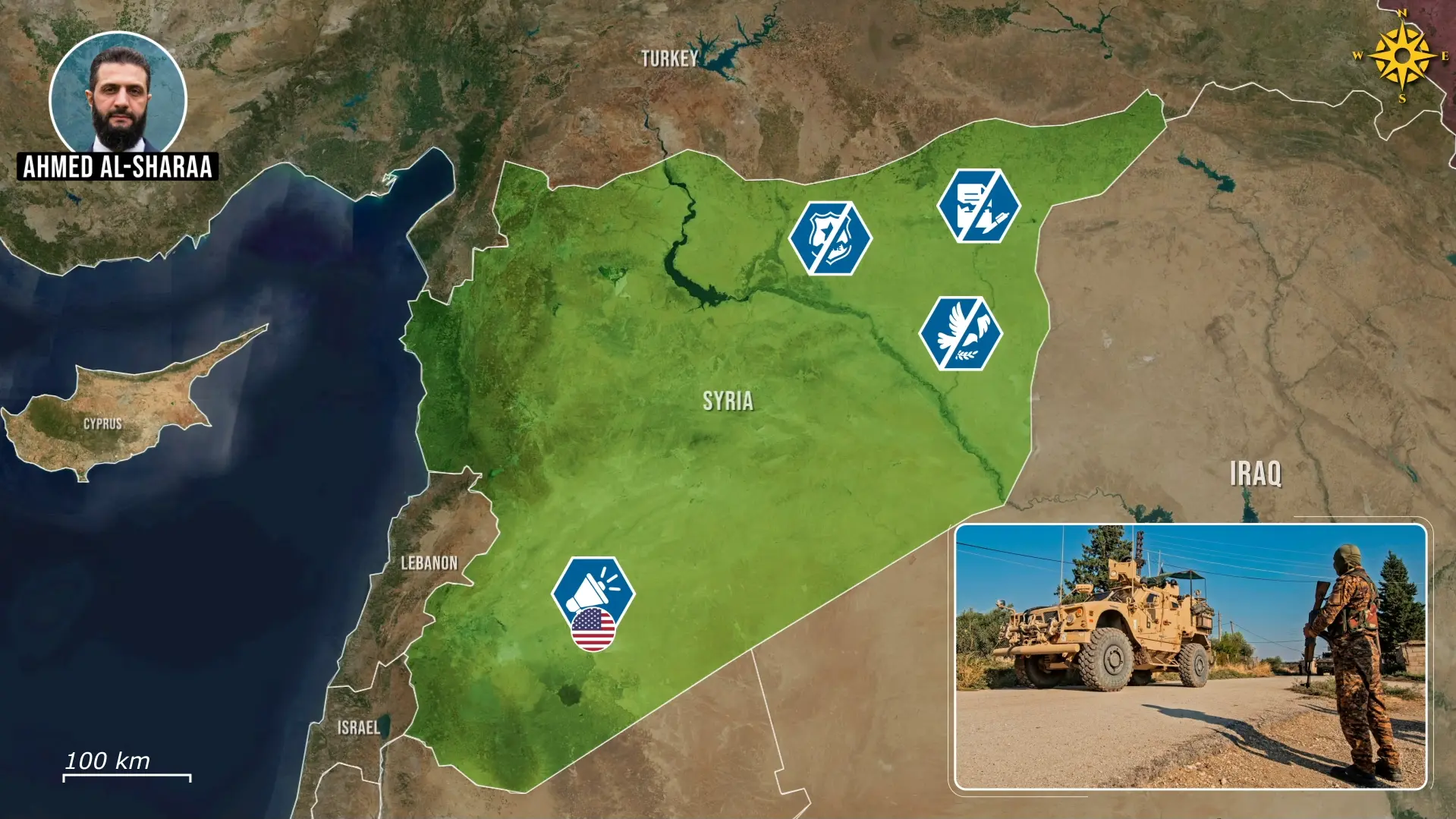
After isis was pushed back, the Kurdish project entered its most dangerous phase, because the common war against isis no longer protected them politically. Turkey still saw Syrian Kurdish fighters as a security threat, so Kurdish held territory remained under constant pressure from Turkish strikes and threats of intervention. At the same time, Ahmed al-Sharaa’s Syrian government moved to reunify the country and bring Kurdish held regions back under Damascus’s control after years outside the state. For the Kurds, this meant losing the institutions, symbols, and political space they had built during the fight against isis. The United States did not simply fail to protect this project, but actively pulled forces back from key Kurdish held areas when that protection became politically inconvenient. Washington then shifted toward the new Syrian government and allowed its former Kurdish partners to lose ground as Damascus restored control. The lesson was brutal, because if Syrian Kurds could be abandoned after fighting isis, then Iranian and Iraqi Kurds could face the same fate after fighting Iran.
That lesson carried into the Iran war, because Washington now wanted Iranian Kurdish groups based in Iraq to become the ground pressure that air strikes alone had failed to create. The Kurds understood that joining the war could make them useful to Washington again, then leave them exposed once the fighting changed. Trump made that risk even clearer, because he hinted at territorial change when he said Iran’s map would not look the same after the war. Yet he also later said he did not want the Kurds to go into Iran, showing that even Washington’s own promises could not be trusted. This time, Kurdish leaders refused that role and warned that they would not enter a front they could not control. They also denied claims that Kurdish forces were preparing CIA backed raids into Iran from Iraqi territory, because such claims invited retaliation. Iran then targeted Kurdish opposition infrastructure in Iraq to disrupt any future attack before the front could fully form. Even as Washington just asked for their help, the Kurds were already paying the price, with Iranian strikes hitting their positions while no real protection arrived to stop the losses.
Overall, the failed Kurdish ground front shows that Washington cannot keep building future wars on promises its partners no longer trust. If the United States later needs local forces against Iran or another regional enemy, Kurdish leaders will likely demand real protection before taking the first risks again. Tehran will likely read this hesitation as proof that early pressure can stop potential partners from becoming a real front. This leaves America with a dangerous problem, because the allies it once abandoned may become the weakness that breaks its next war plan.
.jpg)

Comments