

.svg)
Today, we will analyze the resistance in Iran.
Here, the United States attempted to steer the mass uprising toward regime change, which was not fully successful. However, the chaos and networks that emerged from the United States efforts have remained strongly active till this day, weakening Tehran’s ability to control the country.
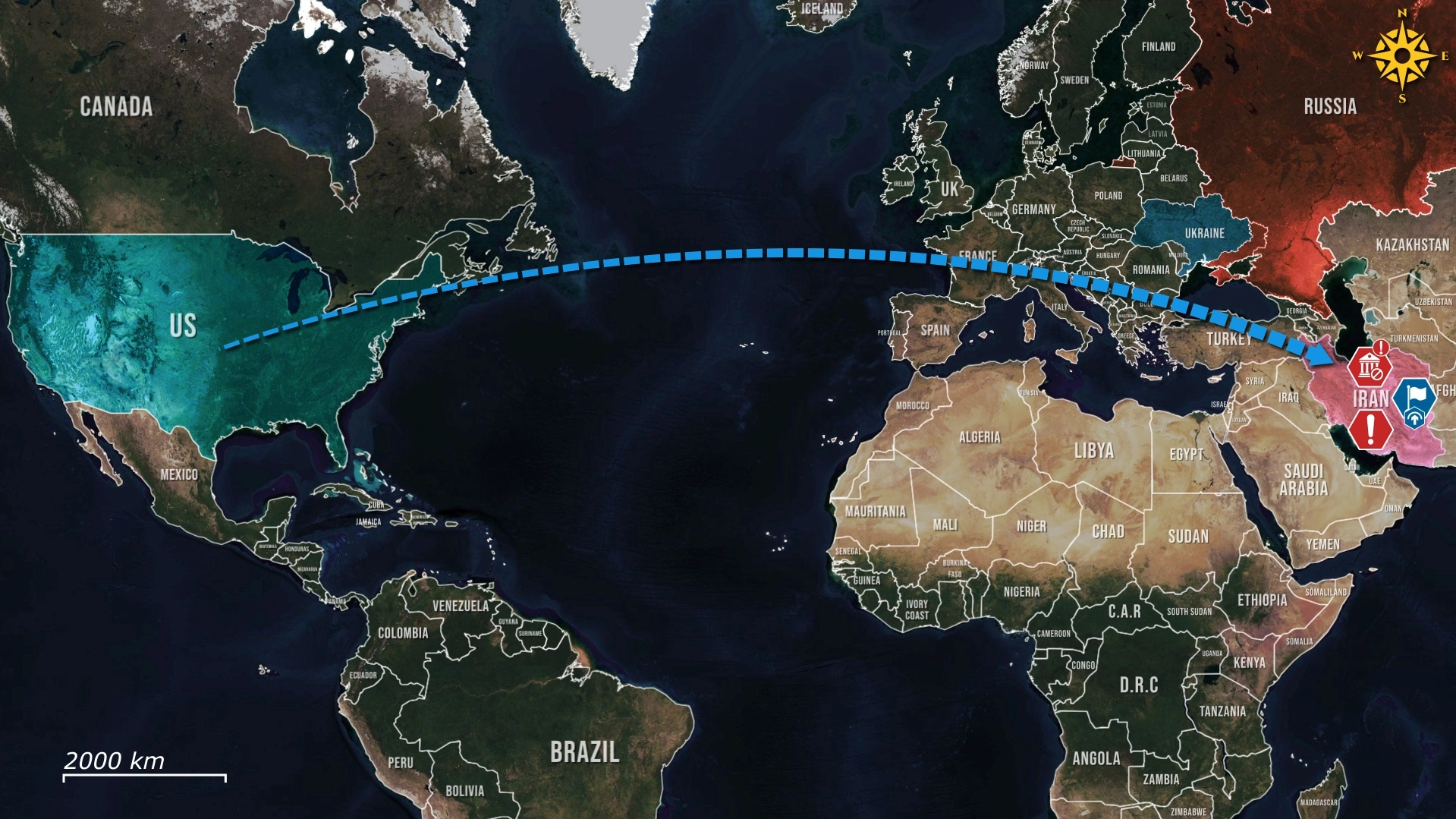
In January this year, a mass uprising broke out in Iran due to a prolonged economic crisis and high inflation, which later evolved into demands for regime change. However, through strict security operations, the Tehran government ultimately succeeded in fully suppressing the uprising. While Iran was working to stabilize the situation and restore order, the United States launched a war against Iran. But the war was not sufficient to significantly reignite mass protests, and as a result, it also failed to push Iran toward a direct regime change.
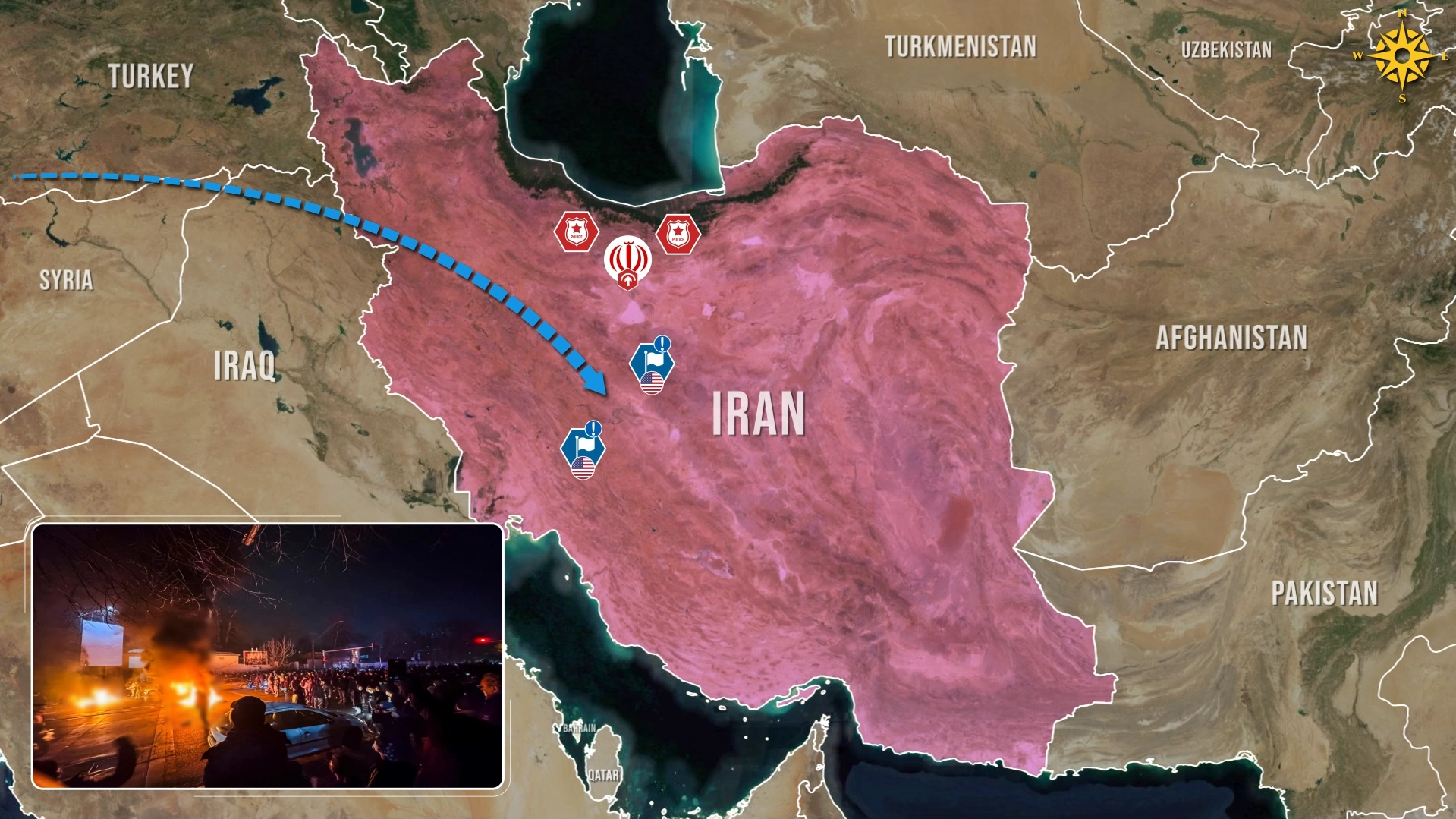
Nevertheless, some indirect effects of the war between Iran and the United States are considered positive for anti-government groups. For instance, President Trump reportedly acknowledged that the United States initially supplied weapons during the early phase of the anti-government protests through Kurdish intermediaries, although these weapons did not ultimately reach the protesters and instead remained with the intermediaries. By contrast, Iran claims that it has recovered a substantial quantity of US made weapons from foreign backed militants. In addition, after the Iranian government completely cut off internet access to suppress the protests, the United States reportedly smuggled around six-thousand Starlink satellite kits into Iran and activated Starlink services in Iran free of charge. Iran was initially able to partially counter this initiative; however, that resistance never became fully effective, as Starlink’s decentralized technological architecture makes it practically impossible to control or shut down through any single centralized authority. The limitations of Iran’s response, combined with the broader wartime instability, have significantly weakened and further constrained information control and state surveillance capabilities compared to previous levels.
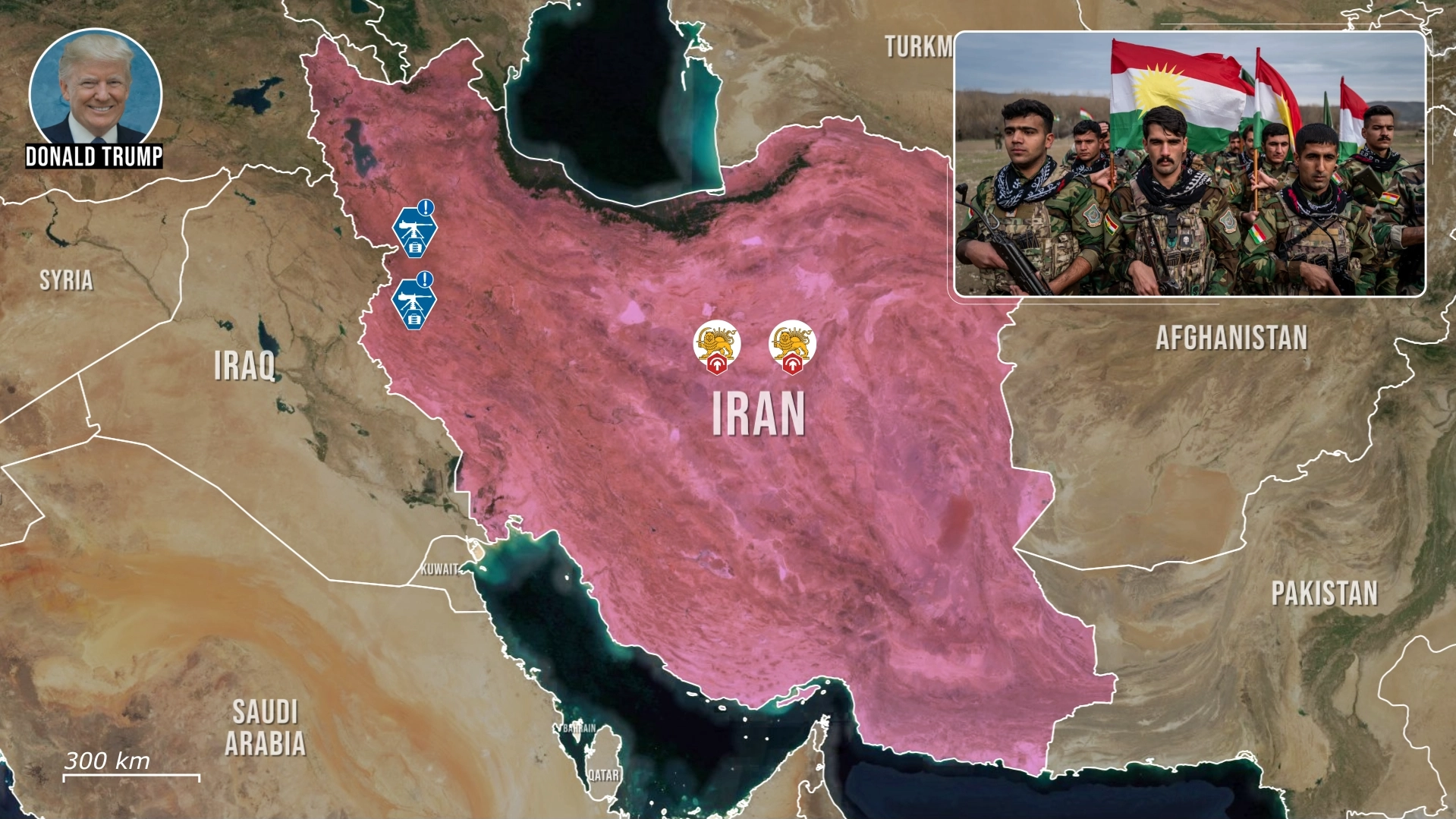
As a result of gaining access to weapons, anti-government elements in Iran have developed the capacity to adopt defensive positions against the country’s security forces. This development has heightened concerns within the Iranian government regarding the potential expansion of the unrest and the associated risk of losing control over the situation. At the same time, the ability to use satellite-based communication systems despite government-imposed restrictions has enabled anti-government groups to partially bypass state-controlled information networks and rapidly exchange information among themselves. This has strengthened coordination among protest groups scattered across different cities and regions, further accelerating the movement’s activities. Simultaneously, protesters have been able to disseminate videos, images, and information through international media outlets and social media platforms, making instances of state repression globally visible. This, in turn, has contributed to increasing international pressure and diplomatic reactions against Iran.
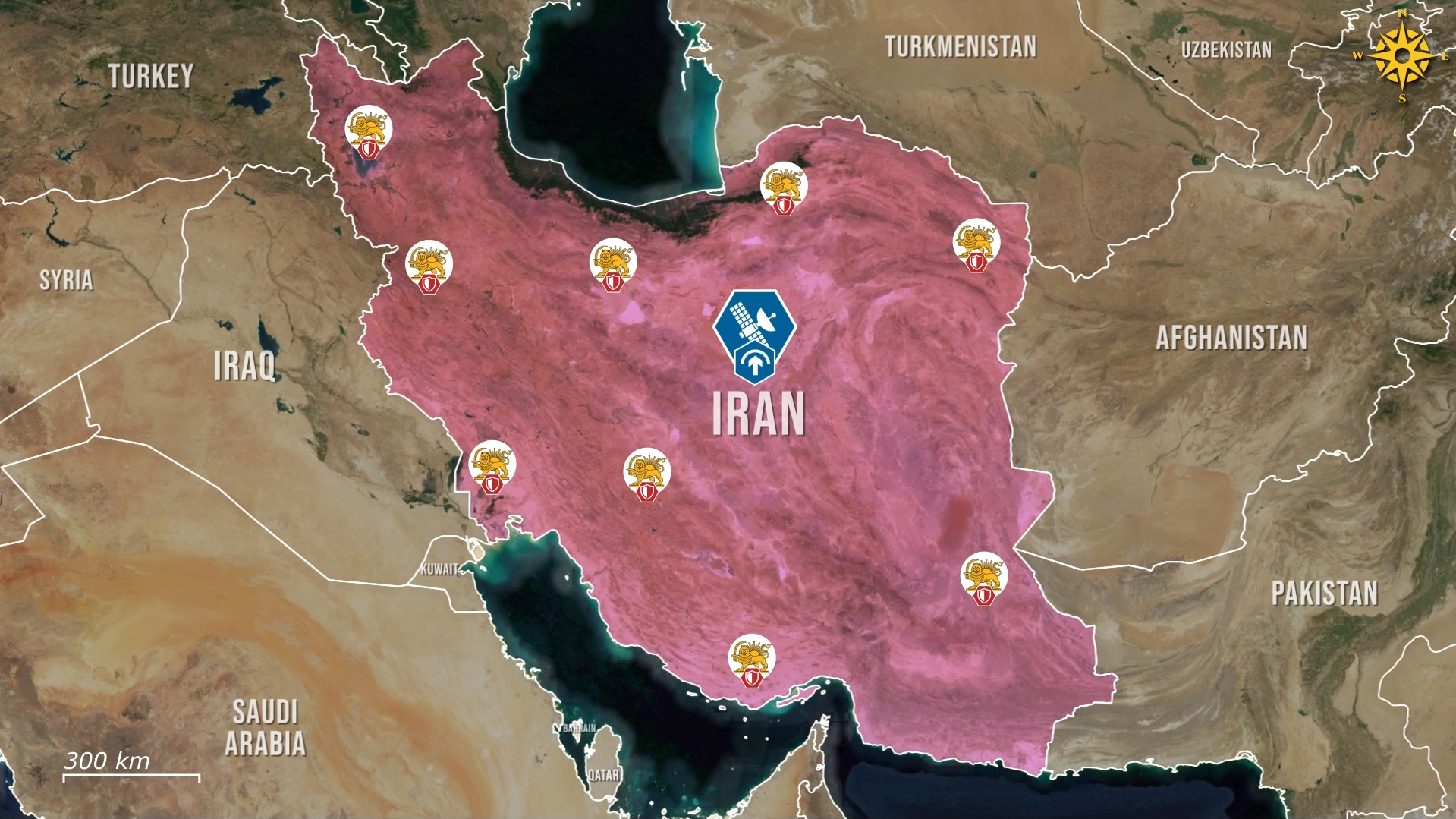
Recently, anti-government groups in Iran have significantly intensified their activities, leading to a rising number of clashes and sporadic attacks between security forces and opposition elements across various regions of the country. At the core of these developments lies deep rooted public resentment stemming from Iran’s prolonged economic crisis, high inflation, political discontent, and the government’s stringent repressive measures, all of which are steadily contributing to an increasingly complex and unstable internal situation. For instance, in the southeastern province of Sistan and Baluchestan, the Baloch separatist group launched a coordinated and relatively large-scale assault that once again drew significant attention to Iran’s deteriorating security environment. During the operation, the group temporarily seized control of six facilities in the cities of Rask and Chabahar, including Islamic Revolutionary Guard Corps and police headquarters as well as an armory. Although Iranian forces eventually regained control after prolonged clashes, the attackers managed to retreat with a substantial cache of seized weapons. Similarly, in Nushabad in Isfahan province, members of an anti-government group carried out a sudden attack targeting an Islamic Revolutionary Guard Corps administrative vehicle. Such incidents are typically characterized as guerrilla style operations aimed at security force movements and deployments, making them difficult to anticipate and prevent due to their swift execution.
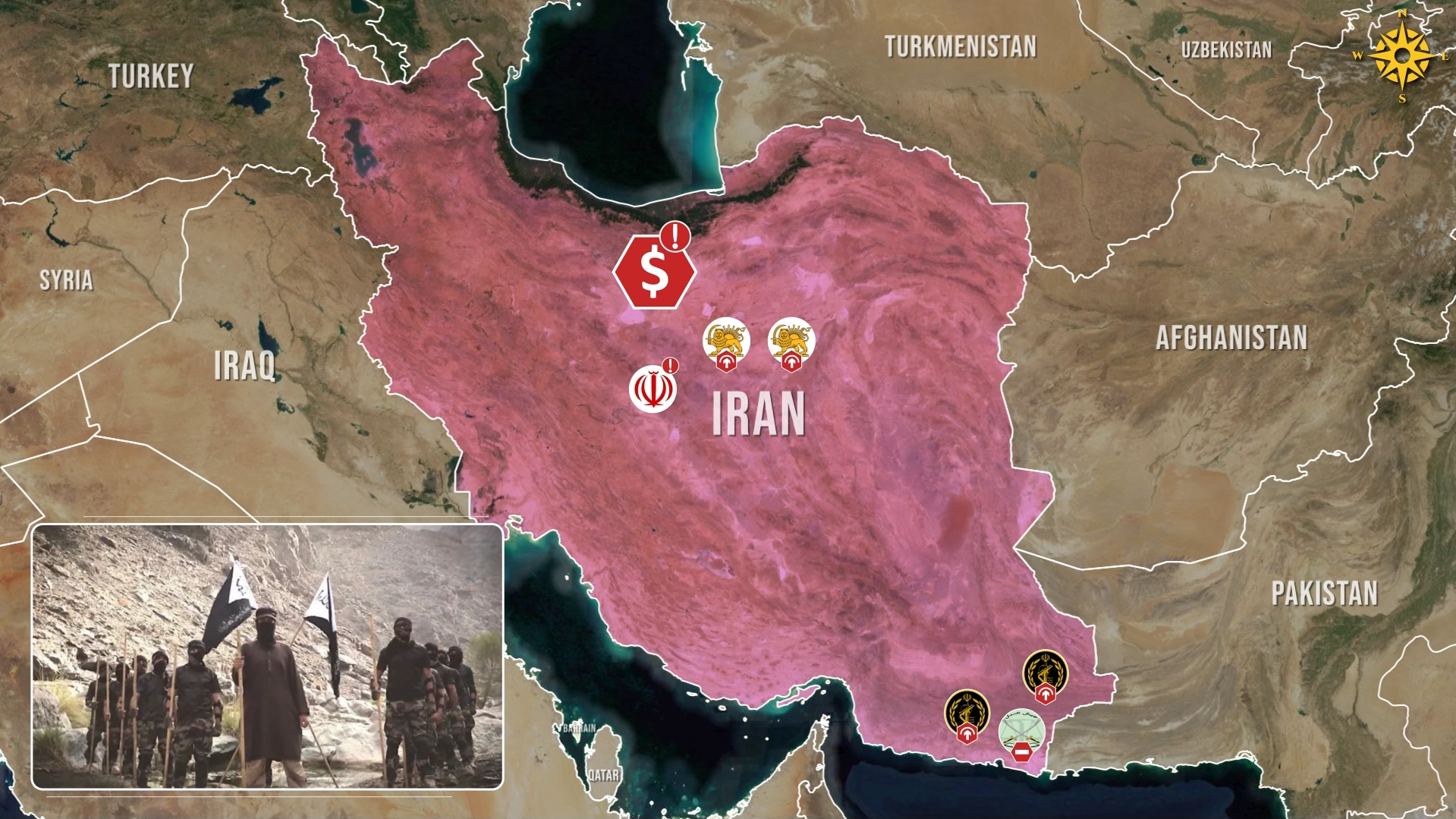
Overall, a review of Iran’s previous history shows that in suppressing every mass uprising that has occurred in the country, the government has typically used various repressive tactics such as shutting down the internet, mass arrests, and social isolation. However, in the current situation, the government is facing an opposition that possesses satellite-based communication systems and, in some cases, even access to weapons, which is naturally increasing the concern of state authorities. Recent developments indicate that Iran may be facing a more widespread and organized movement compared to the one suppressed earlier this year, in which the government’s conventional repression tactics will increasingly becoming ineffective.

.jpg)

Comments