

.svg)
Today, there are dangerous updates from Romania.
Here, Russian officials openly threatened more drones over Nato territory, declaring European peaceful sleep is over. The Russian message after the recent strike in Romania was not one of denial, but it increasingly resembled a warning to expect more strikes.
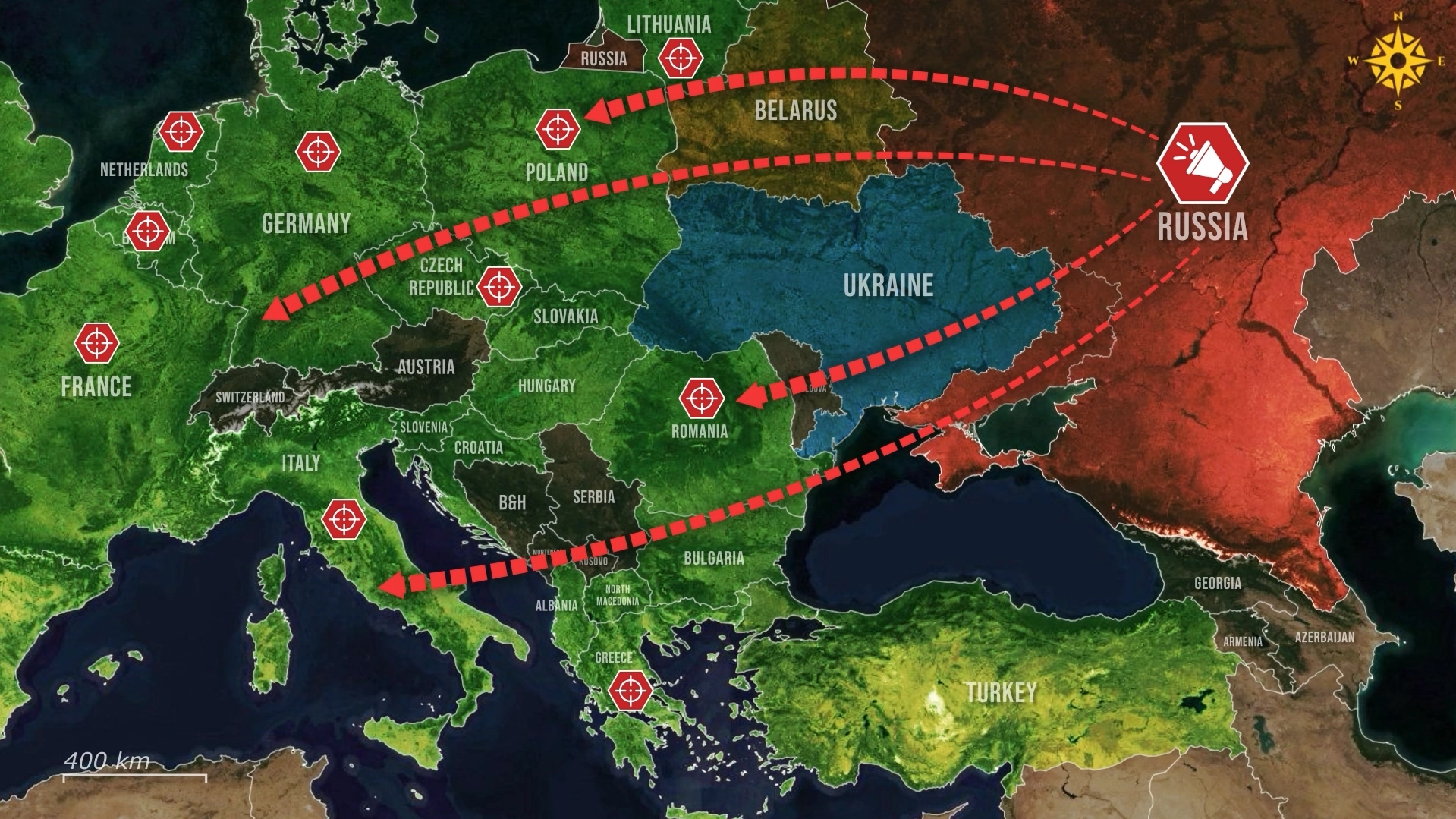
After the Shahed hit an apartment building in Romania, many Russian politicians made comments, with Russian President Vladimir Putin immediately casting doubt on its origin, arguing that it was too early to determine whether the drone was Russian at all. However, Dmitry Medvedev, Deputy Chairman of Russia’s Security Council, quickly addressed citizens of European Union countries, stating that this is what they get for allowing their governments to effectively entered a war against Russia and warned them not to be surprised by future incidents.
Meanwhile, Kremlin spokesman Dmitry Peskov added his own sarcastic remark when asked whether Putin knew about the incident, asking if anyone thinks it was kept secret, insinuating the event was not incidental. For the first time, Russian officials were not interested in maintaining plausible deniability in striking contrast to previous attacks and incidents, and focused instead on threatening Europeans to get used to the consequences of supporting Ukraine. The Russian response's shift toward a confrontation is particularly significant and represents an important development.
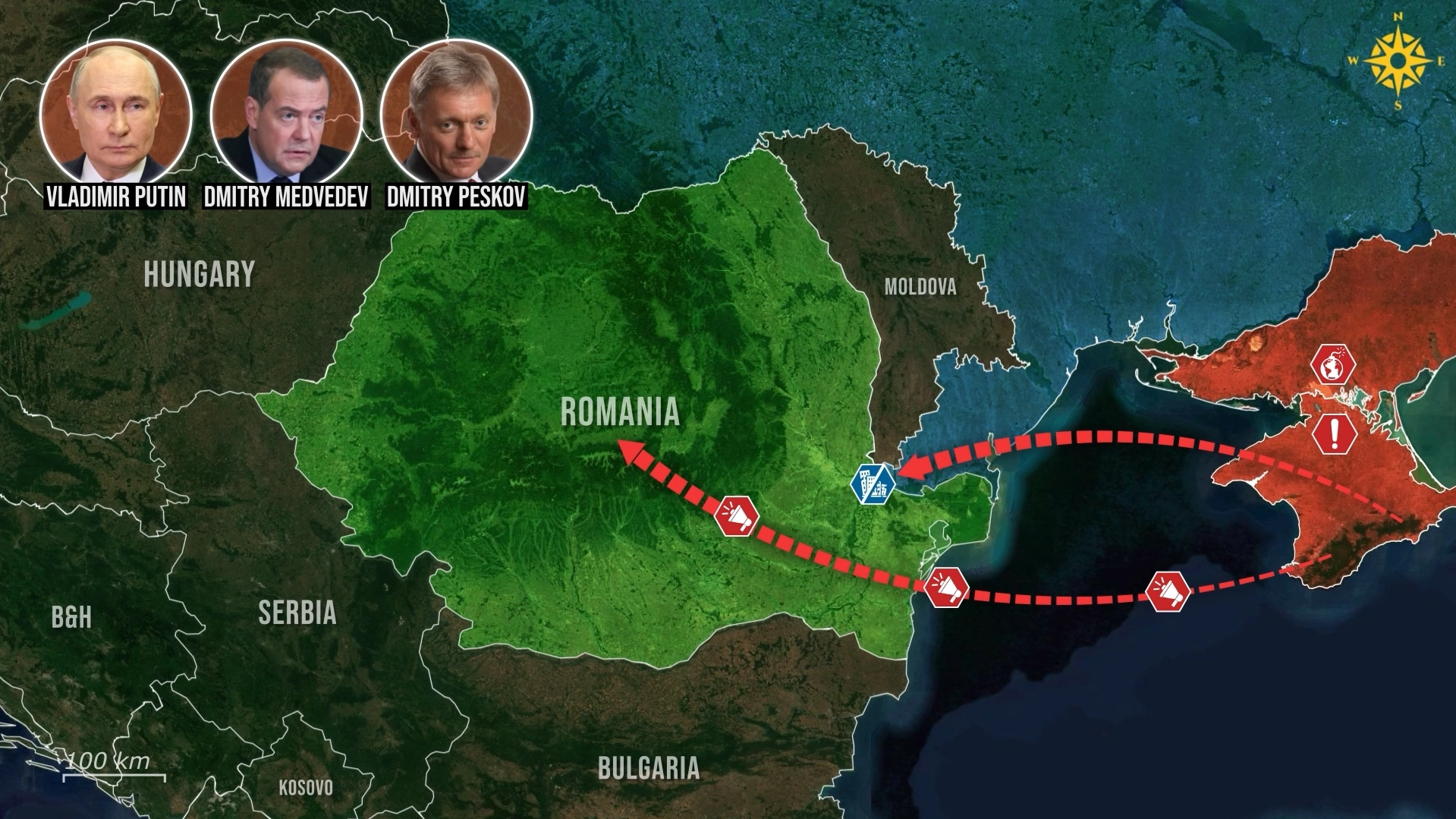
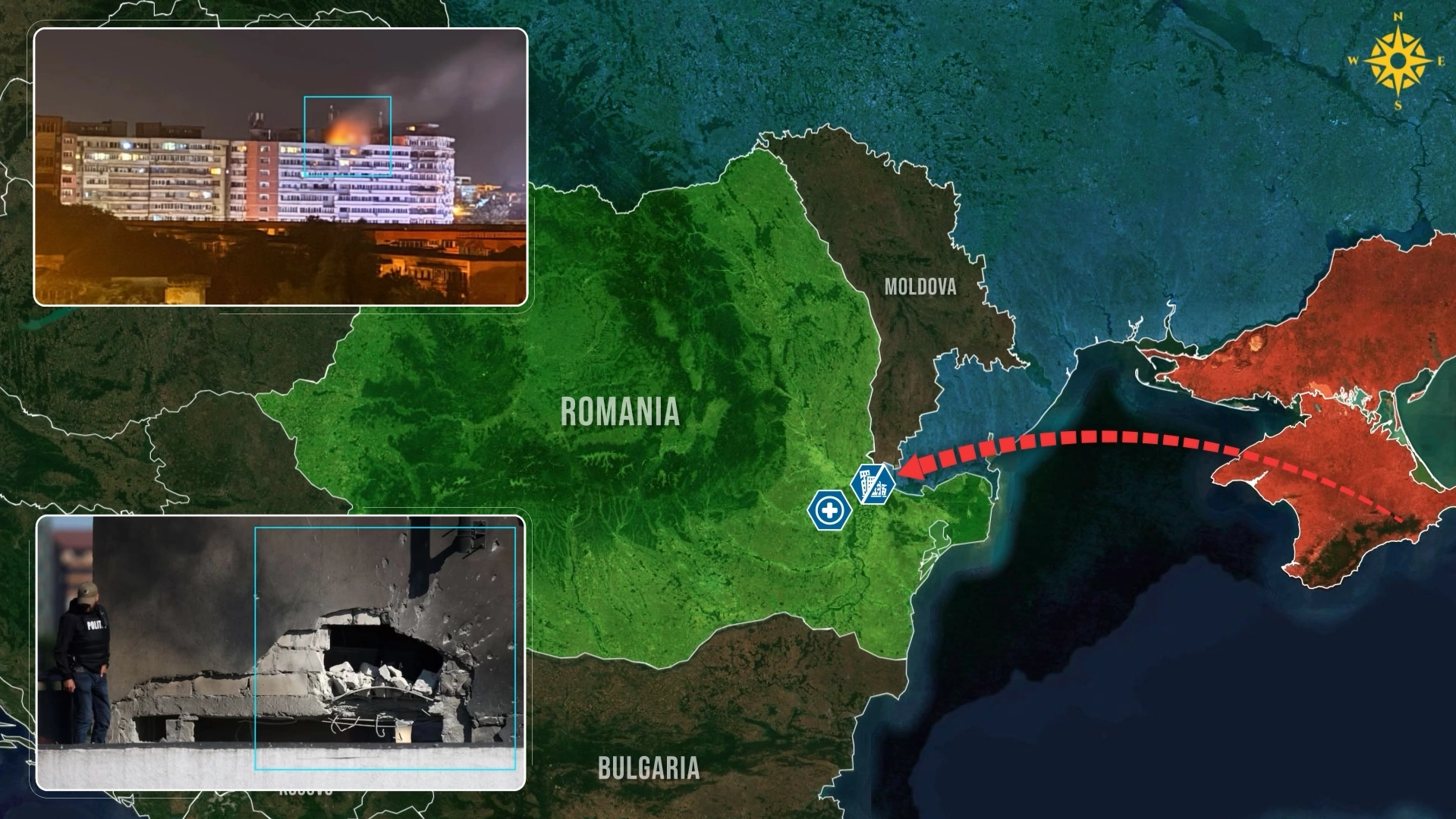
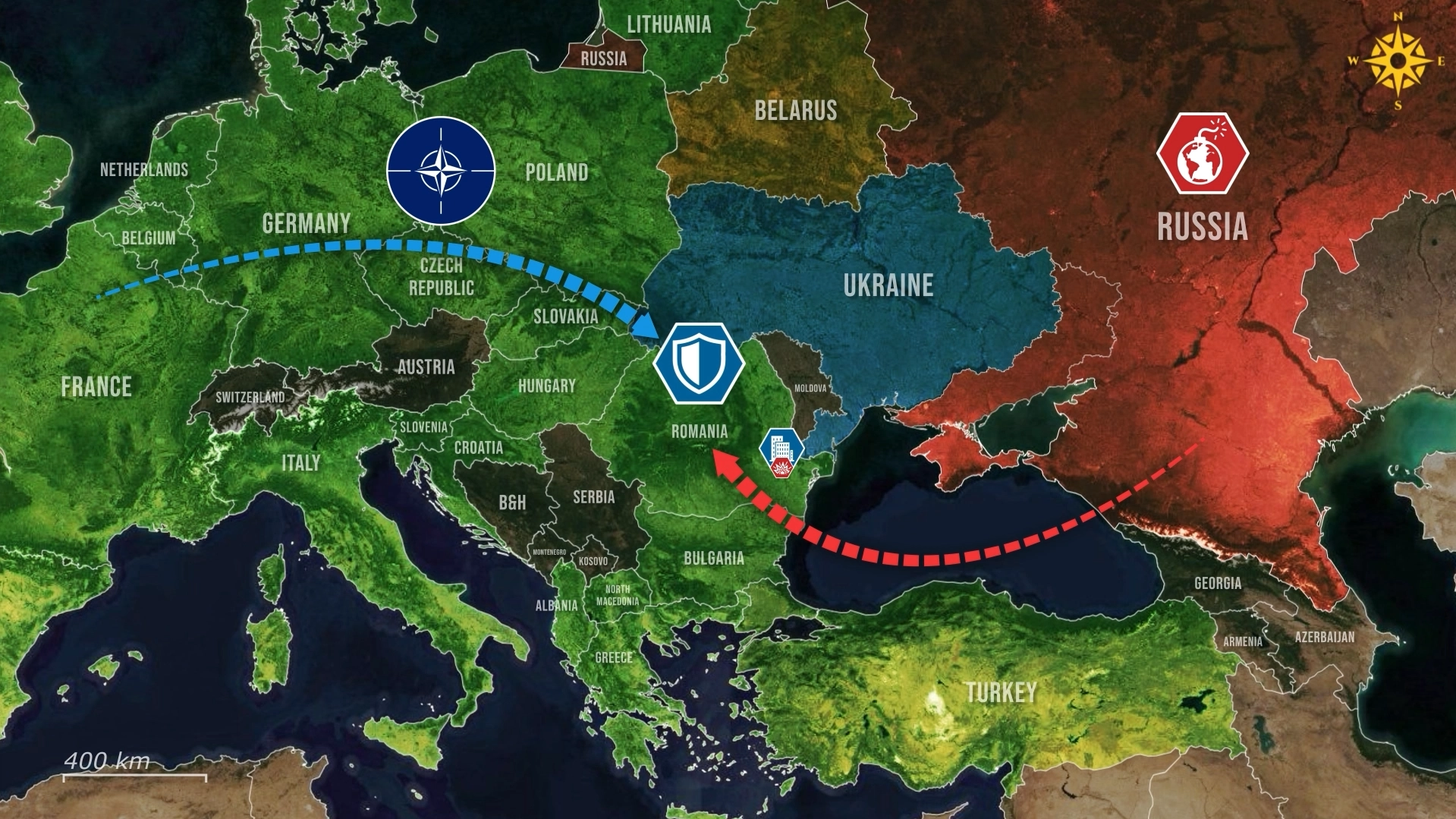
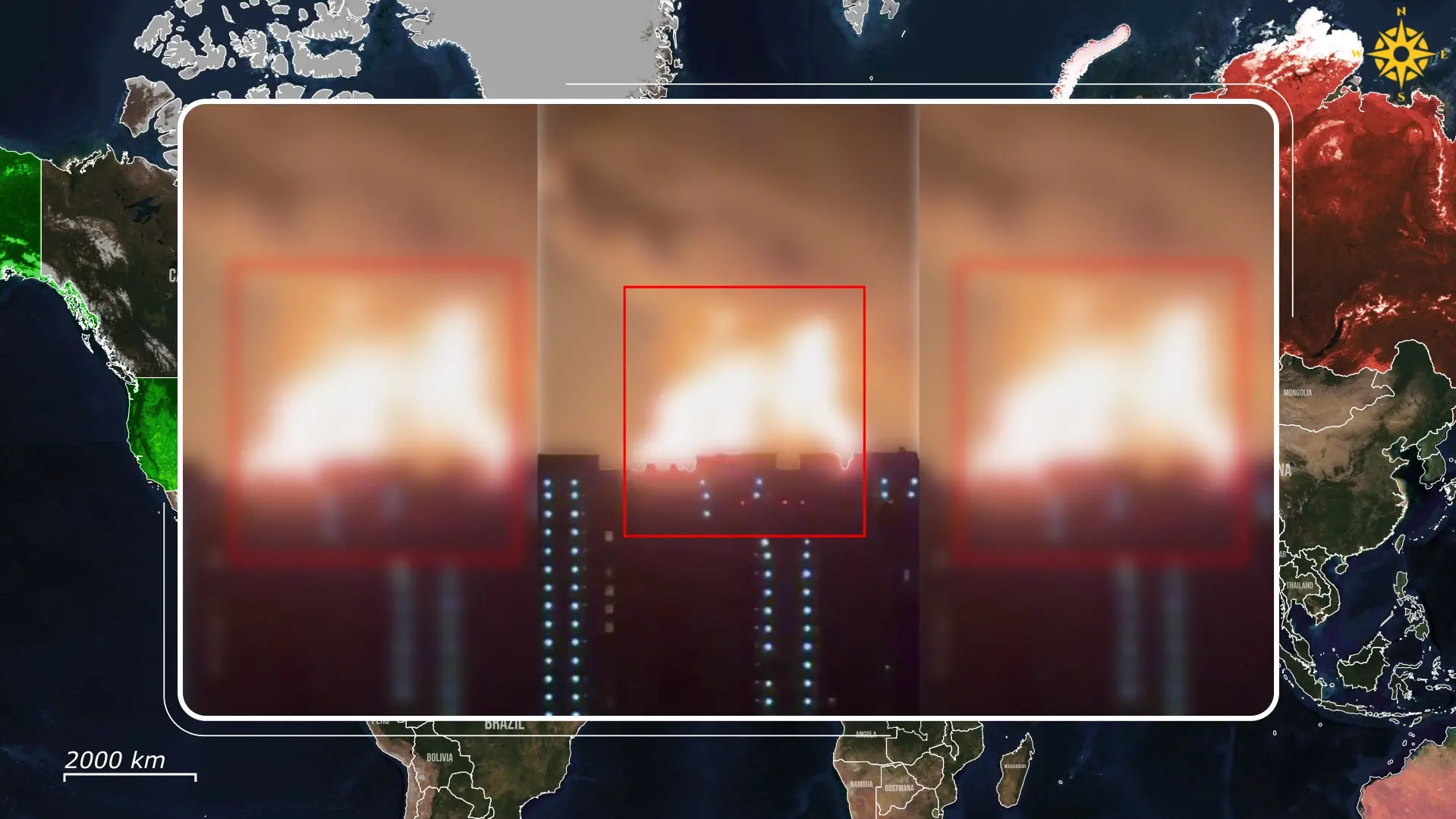
The incident itself occurred in Galati, a Romanian city located near the Ukrainian border, where a Russian Shahed drone struck a ten-story apartment building, causing a fire and injuring a fourteen-year-old boy and a fifty-three-year-old woman. Images from the scene showed extensive damage to the upper floors of the building, with debris scattered across the area. Romanian authorities reported that radar had tracked a Russian drone entering Romanian airspace before the impact.
For Europe, this creates a practical challenge because if such incidents become normalized or even purposeful, border states will face growing pressure on their eastern flank. Calls to strengthen drone detection systems, expand air defense networks, stockpile interceptors, and maintain constant readiness are already at an all-time high, with this drone strike throwing more oil on the fire. Russia benefits if repeated violations produce only diplomatic protests, because each incident gradually raises the threshold of what Nato members are willing to tolerate, reducing the alliance’s overall willingness to act.
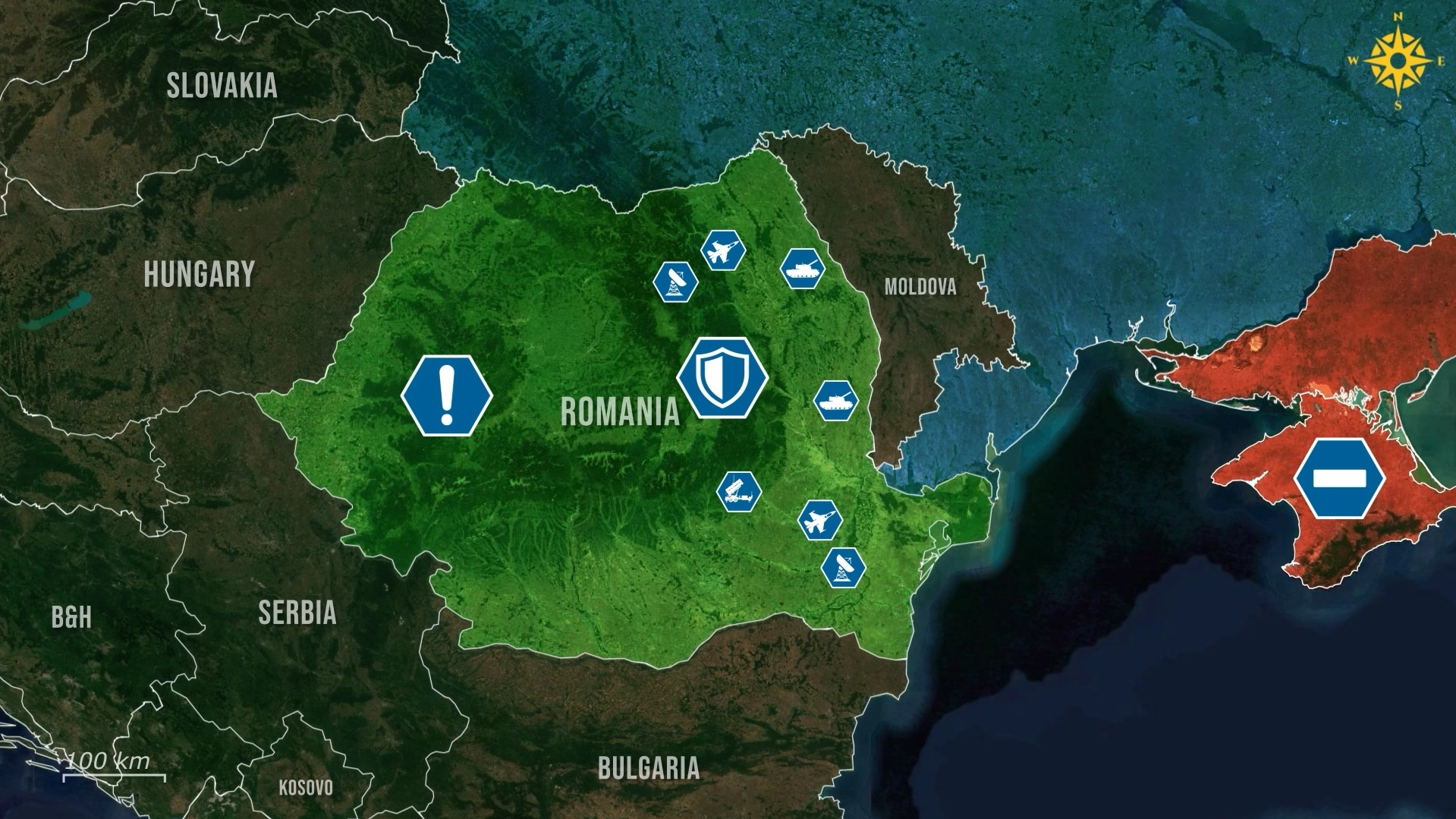
The strike also exposed operational weaknesses, as Romania scrambled two F-sixteen fighter jets after detecting the drone, but the aircraft failed to intercept it before impact. The drone’s low altitude and brief transit time highlighted the difficulties of defending against inexpensive systems flying near populated areas, especially if interception missions are only launched once the threat crosses the border.
As a result, Nato’s eastern members may increasingly adopt a posture of continuous readiness whenever Russian strikes target Ukraine close to the border. To prevent further incursions, air defense assets should remain on heightened alert whenever Russian attacks occur, dramatically increasing the chances of future incursions being intercepted before reaching civilian areas. Such a level of alert to maintain an active protective shield over Nato territory itself would be the most effective counter against Russian aggression, short of a no-fly zone for Russian drones and missiles over western Ukraine.
Romania has also responded politically, with Romanian President Nicusor Dan citing a technical report by state experts that the drone was Russian. He also announced the closure of Russia’s Consulate in Constanta and the expulsion of the head Russian consul, reducing part of Moscow’s diplomatic infrastructure, as this is used also for intelligence collection, influence operations, and recruitment activities. Reducing this footprint raises the cost of maintaining Russian hybrid warfare networks inside Romania.
At the same time, Romania continues accelerating its military transformation, as only two days after the Russian strike, Bucharest secured approval to utilize more than sixteen billion euros for defense infrastructure through European Union mechanisms. The approval results in major investments into logistics corridors toward Moldova and Ukraine to sustain a possibly larger Nato force presence in Romania and secure more access routes for aid into Ukraine. Additionally, new Skynex and Skyranger air defense systems will be procured from Rheinmetall, along with hundreds of infantry fighting vehicles, and housing an expanded Nato presence around the Black Sea. And in the short term, Italian military personnel and aircraft are already being deployed in the coming days to strengthen regional security.
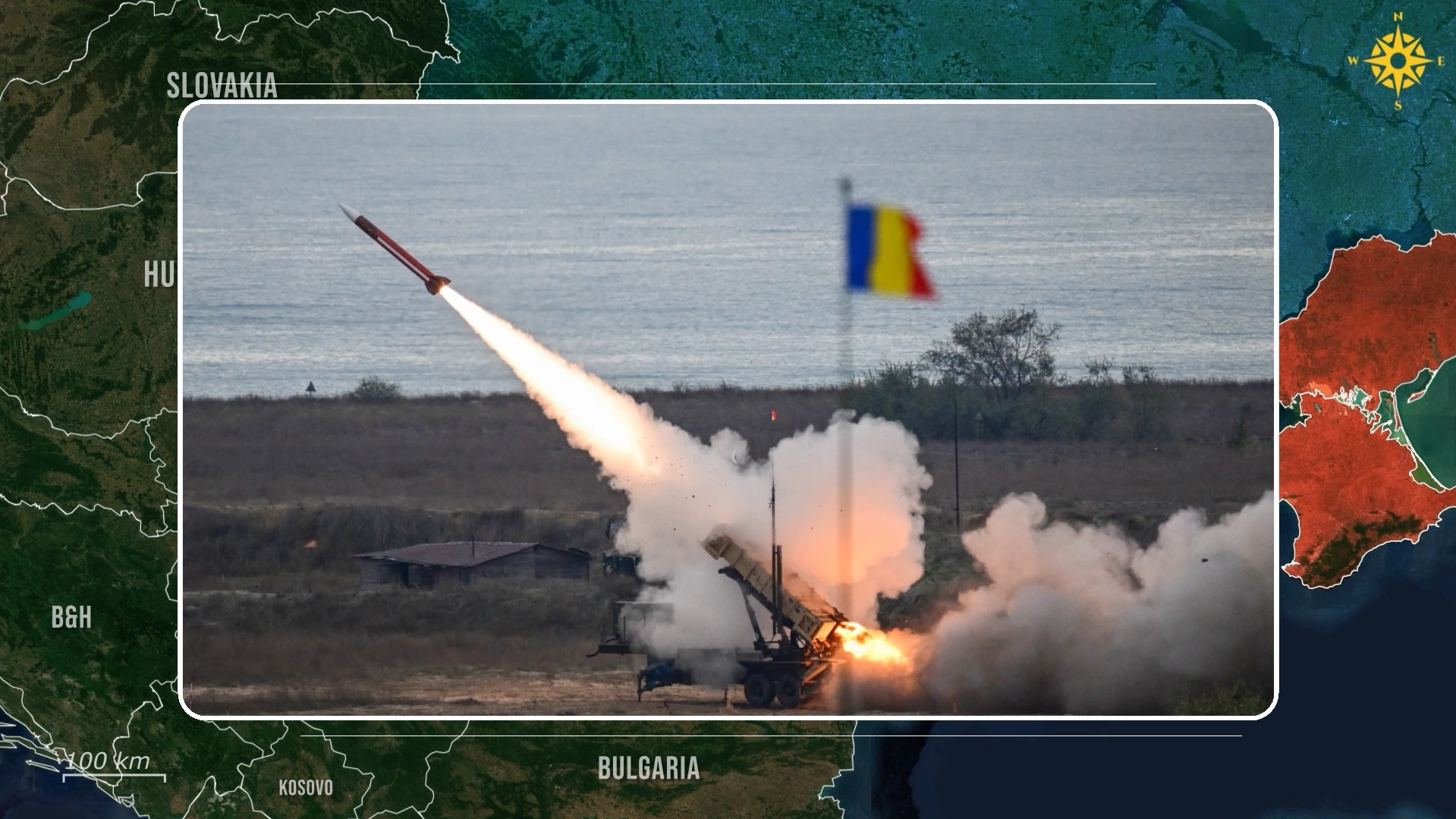
Overall, the latest Russian drone incursion demonstrates that strong condemnations alone are no longer sufficient. Russia appears increasingly willing to normalize military pressure near Nato borders while testing alliance responses. Romania is taking significant steps to strengthen its defenses and reduce Russian influence, but it cannot carry this burden alone. If Nato wants to prevent future incidents from becoming routine, the alliance will need to move beyond statements and build a permanent, coordinated defensive posture across its entire eastern flank.

.jpg)

Comments