

.svg)
Today, we will analyze the forming blockade around Russia’s last western port.
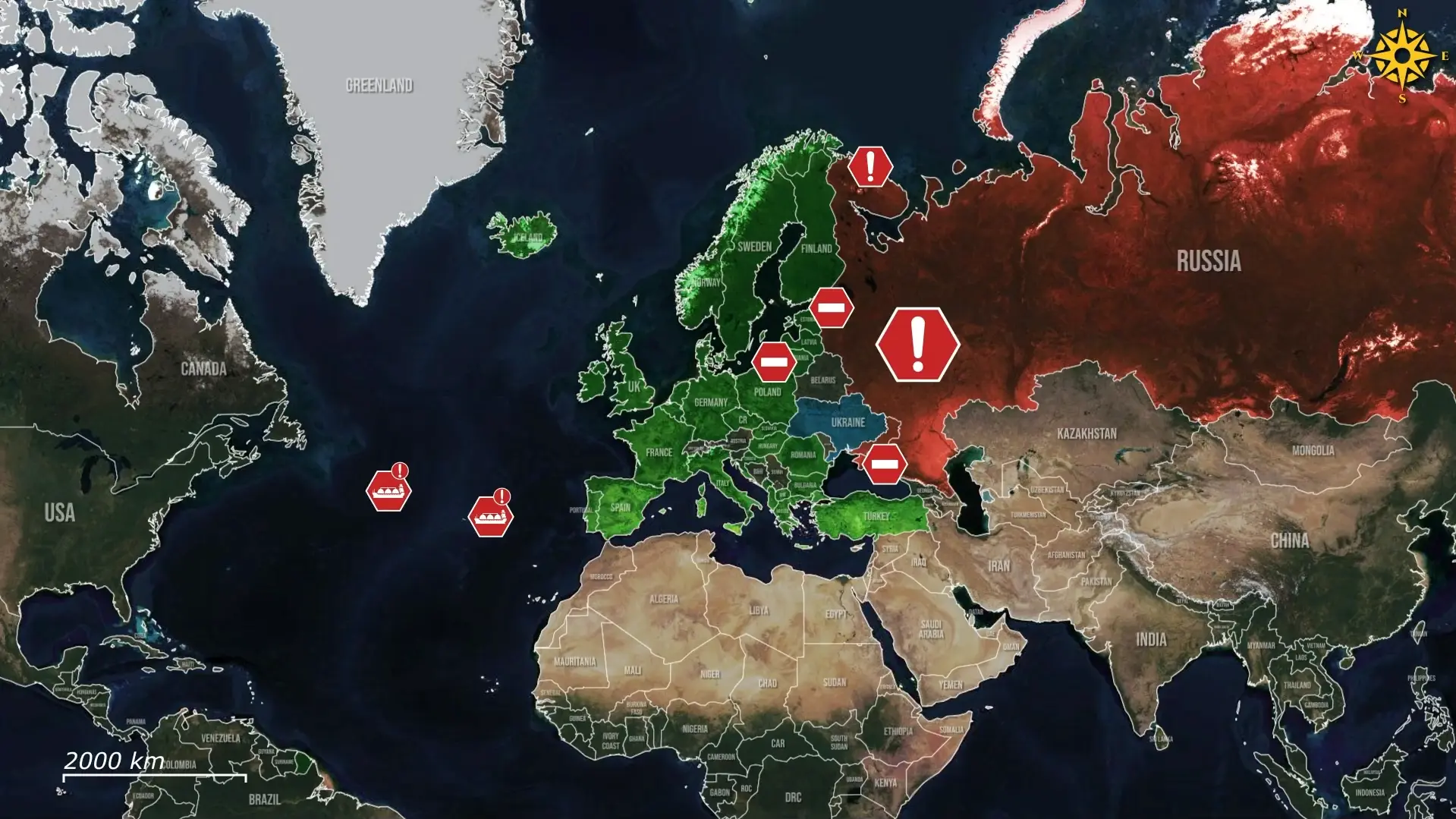
Russia's oil exports once flowed through a network of ports spanning the Black Sea, Baltic, and Arctic, providing multiple paths to global markets. Now, as pressure constrains the first two, the Arctic is becoming the last major route Moscow hoped to expand, but one recent development suggests that distance may offer far less protection than many assumed.
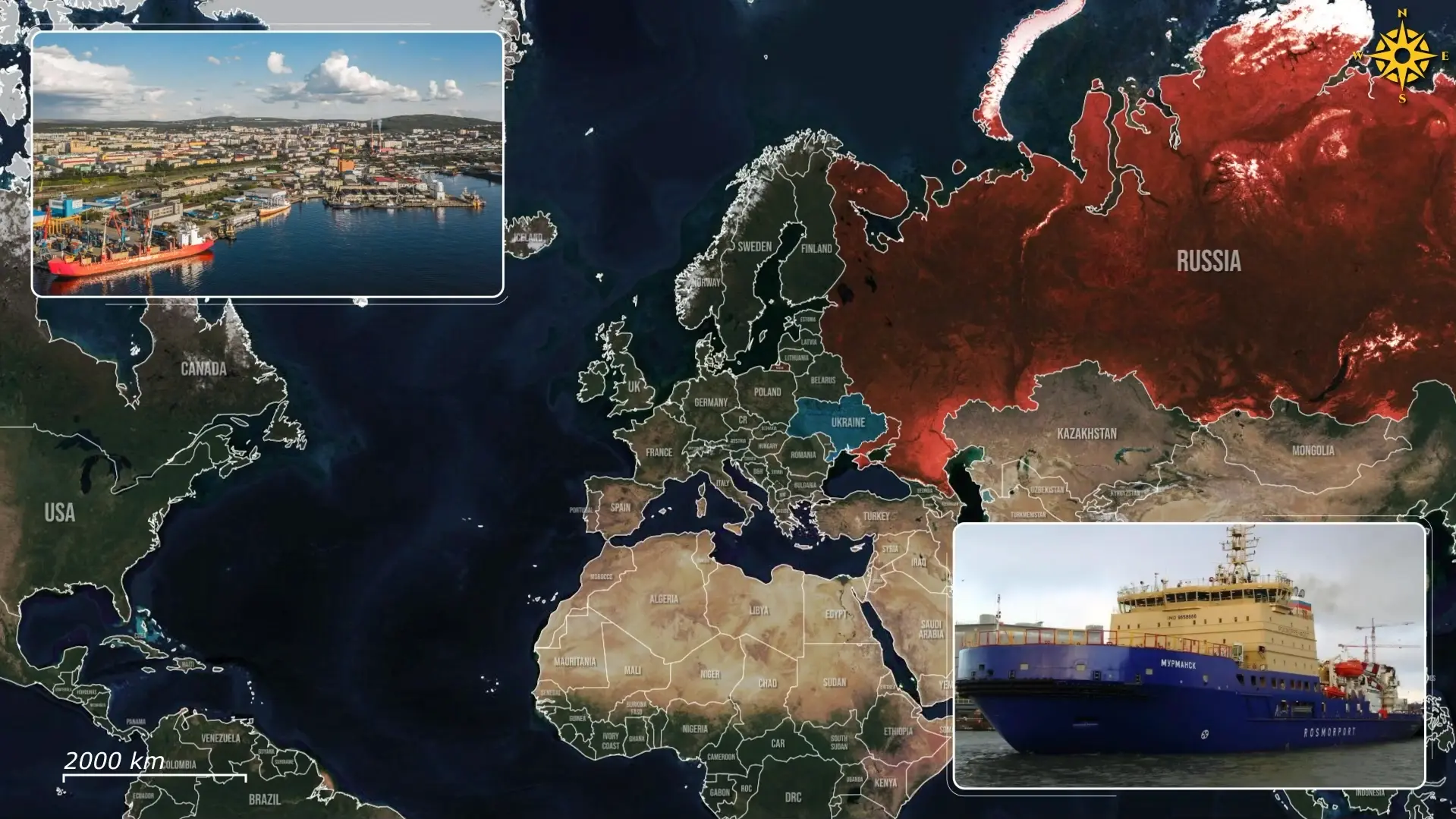
Long before the war, Russia was investing heavily in the Arctic as a future maritime export corridor, seeking to capitalize on the growing commercial potential of the arctic route. Russia plans to increase the handling capacity of its Arctic ports from thirty-three million tons to one hundred and seventy million tons per year by two-thousand-thirty. They plan to do this by expanding the infrastructure that supports the Northern Sea route, including new terminals and icebreaker support systems. Additionally, Moscow has already deployed all eight of its nuclear-powered icebreakers on Arctic export routes and has announced plans for ten additional icebreakers by two-thousand-thirty-five. Russia is accelerating investment in Arctic export infrastructure because its traditional maritime routes are coming under growing pressure.
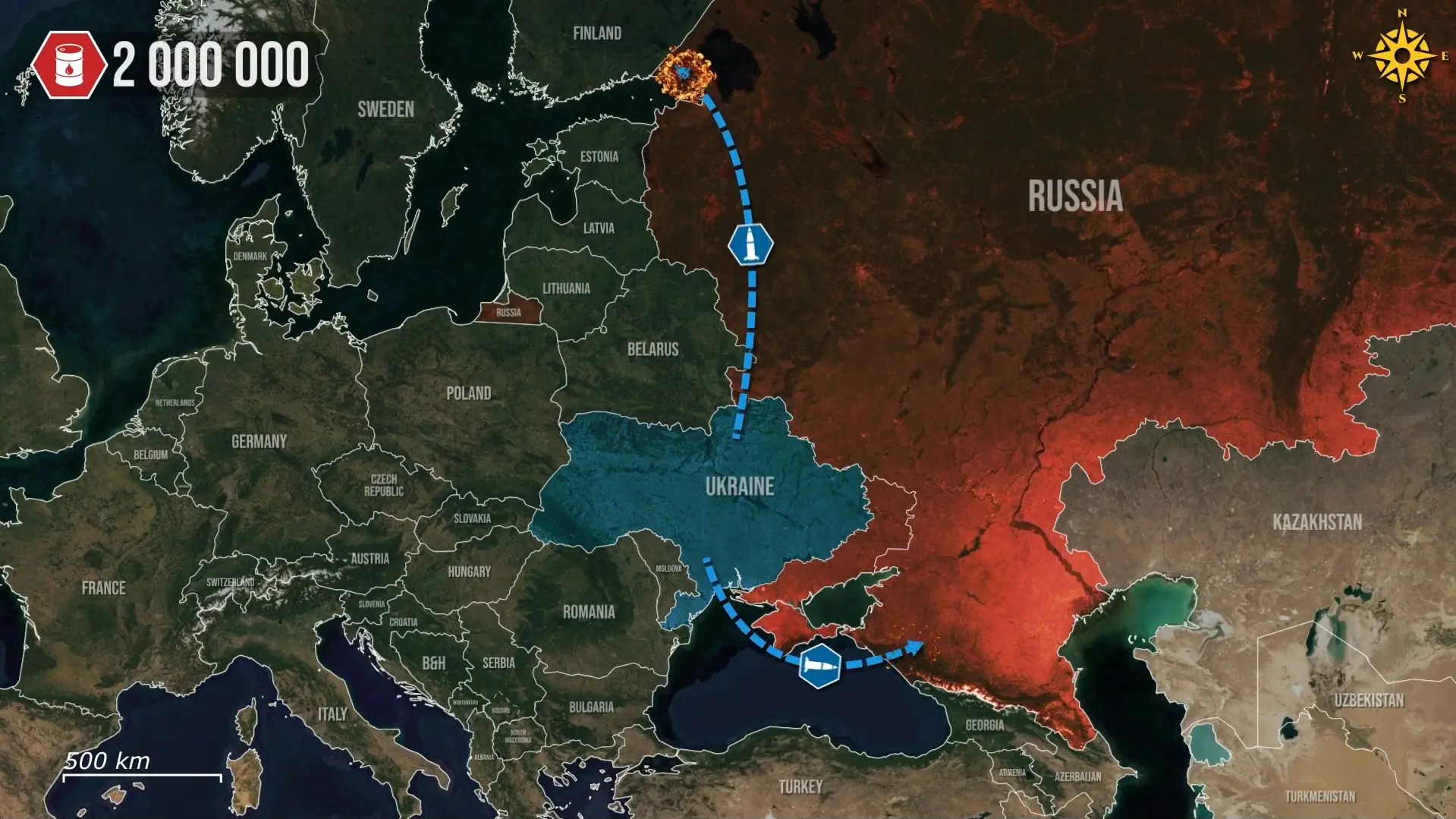
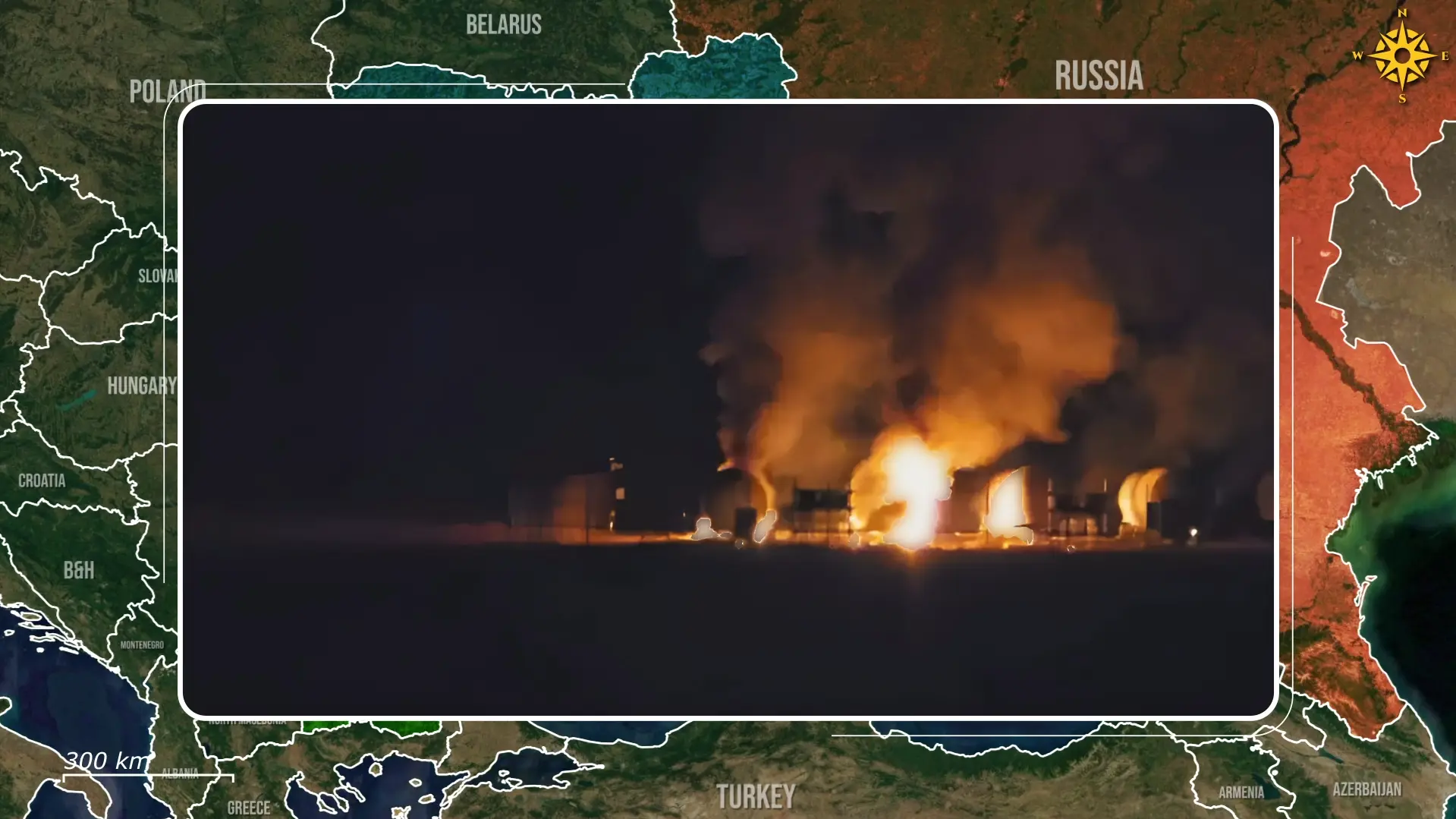
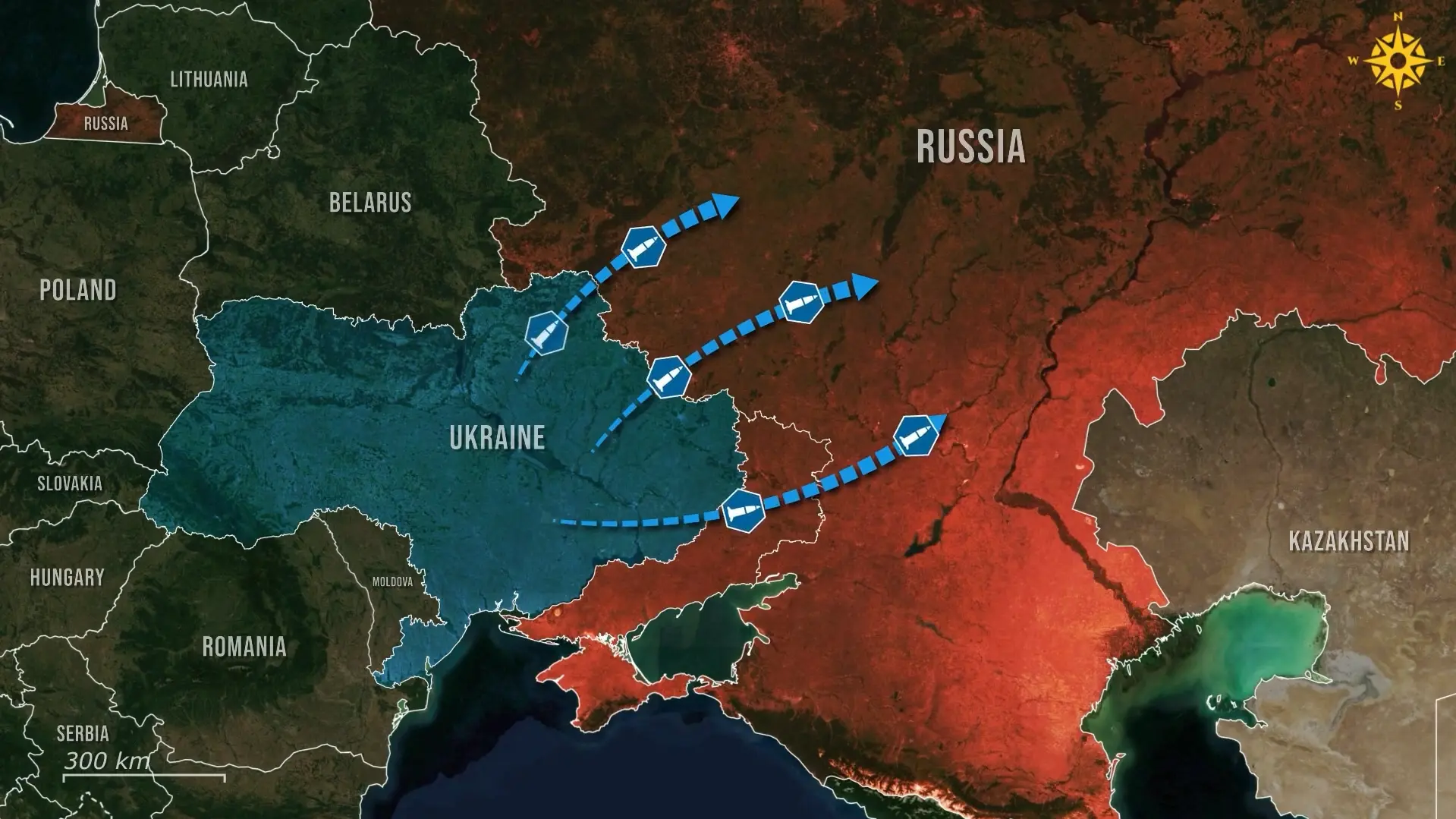
Just, between March and May two-thousand-twenty-six alone, Ukraine's campaign increasingly targeted the infrastructure that moves Russian oil to international markets. In recent months, strikes have hit the Sheskharis export complex at Novorossiysk, capable of handling up to seventy-five million tons of oil annually, as well as major export terminals at Primorsk and Ust-Luga, Russia's two largest Baltic oil ports. Together, striking these facilities accounts for well over two-million barrels of oil per day that Russia has not been able to export. Aside from this direct impact, the strategic significance is that a substantial share of Russia's maritime export network has now been demonstrated to be vulnerable to attack.
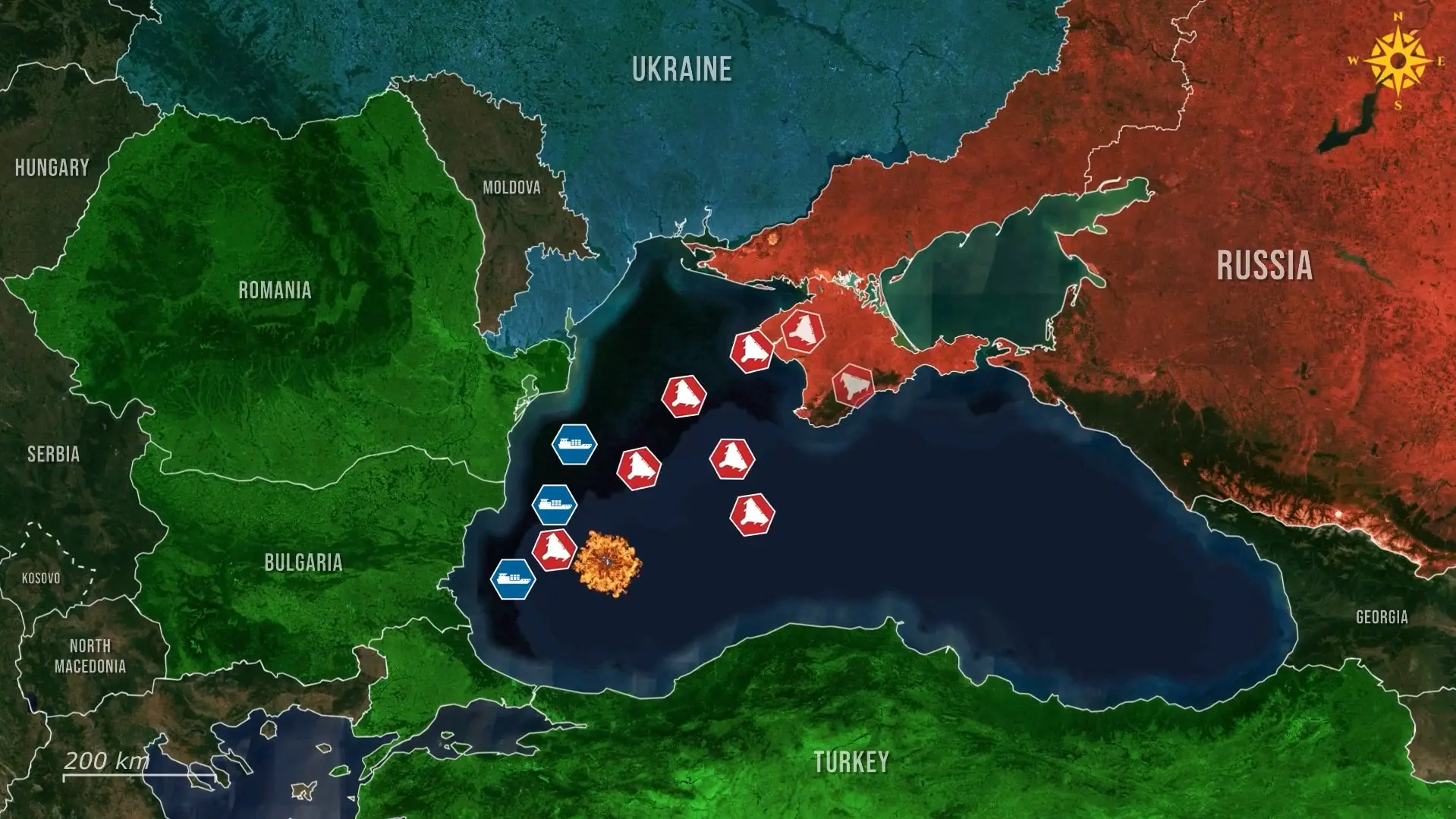
In the black sea, Russian tankers that do manage to load their oil cargo increasingly face Ukrainian interdiction. Over the past six months, Ukraine has hit at least ten Russian Shadow Fleet vessels, with several other incidents being unknown if it was Ukrainian sabotage, or simply bad Russian maintenance. And only a week ago, three more tankers were hit off the Turkish coast while conducting ship-to-ship transfers.
On top of that, the Baltic faced a different form of pressure, as in addition to Ukraine striking infrastructure, European governments focused on the shadow fleet that allows Russian oil to reach international markets despite sanctions. By two-thousand-twenty-six, nearly six hundred vessels had been placed under EU sanctions, while inspections and vessel tracking increased across Northern European waters.
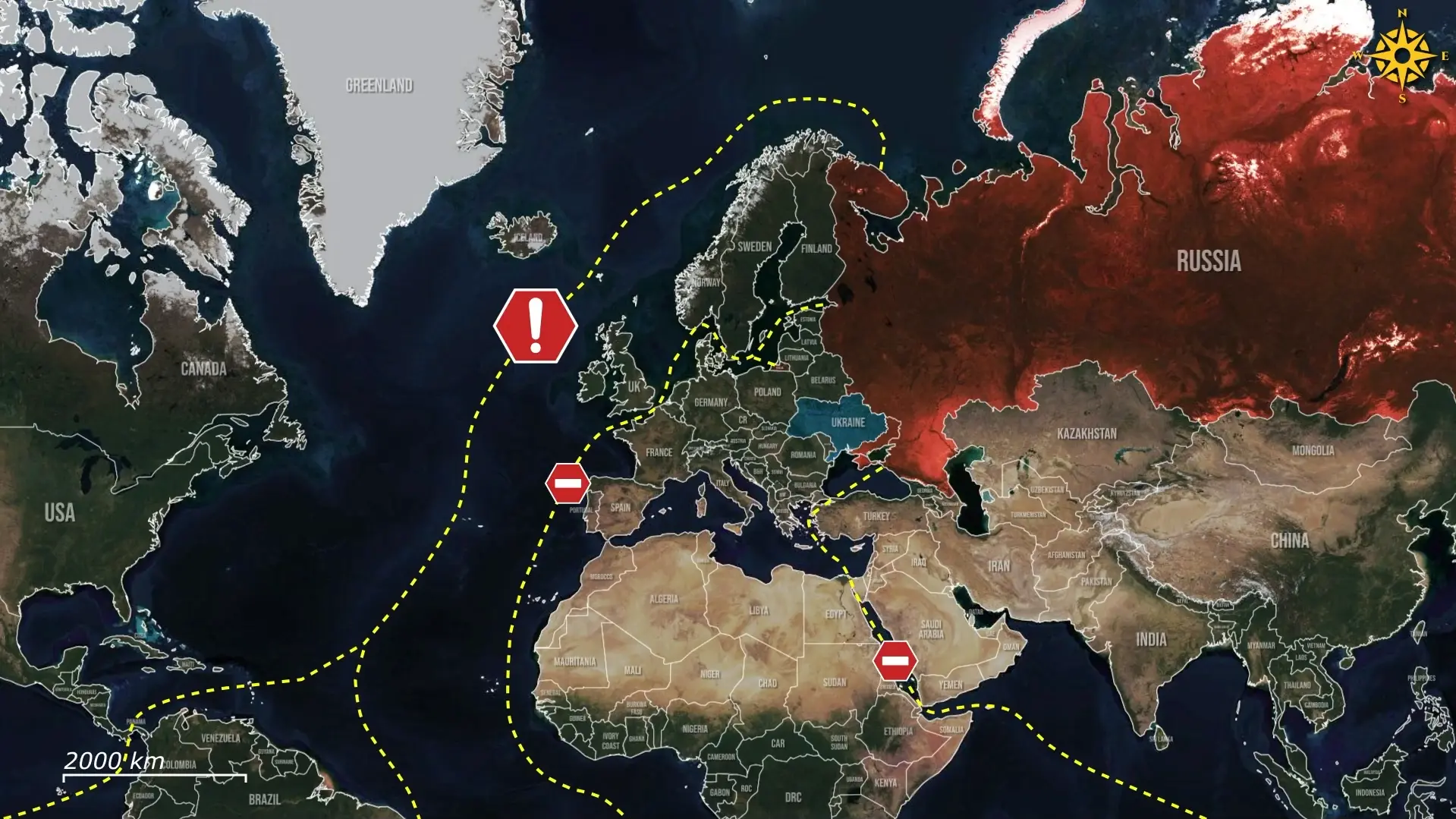
Even tankers that successfully leave Russian ports still face a long journey through increasingly contested waters. Ships departing the Baltic must transit the North Sea, English Channel, Bay of Biscay, and the Atlantic, all areas subject to extensive Western surveillance and enforcement. Cargoes moving south encounter the Mediterranean, where France has already conducted multiple shadow-fleet interceptions, and Ukraine adding with kinetic sanctions of their own. Farther east, heightened Western naval activity around the Middle East has increased the risk across the Red Sea and Arabian Sea. At every stage, Russian exports face the possibility of inspection or detention, turning the route itself into a growing source of risk.
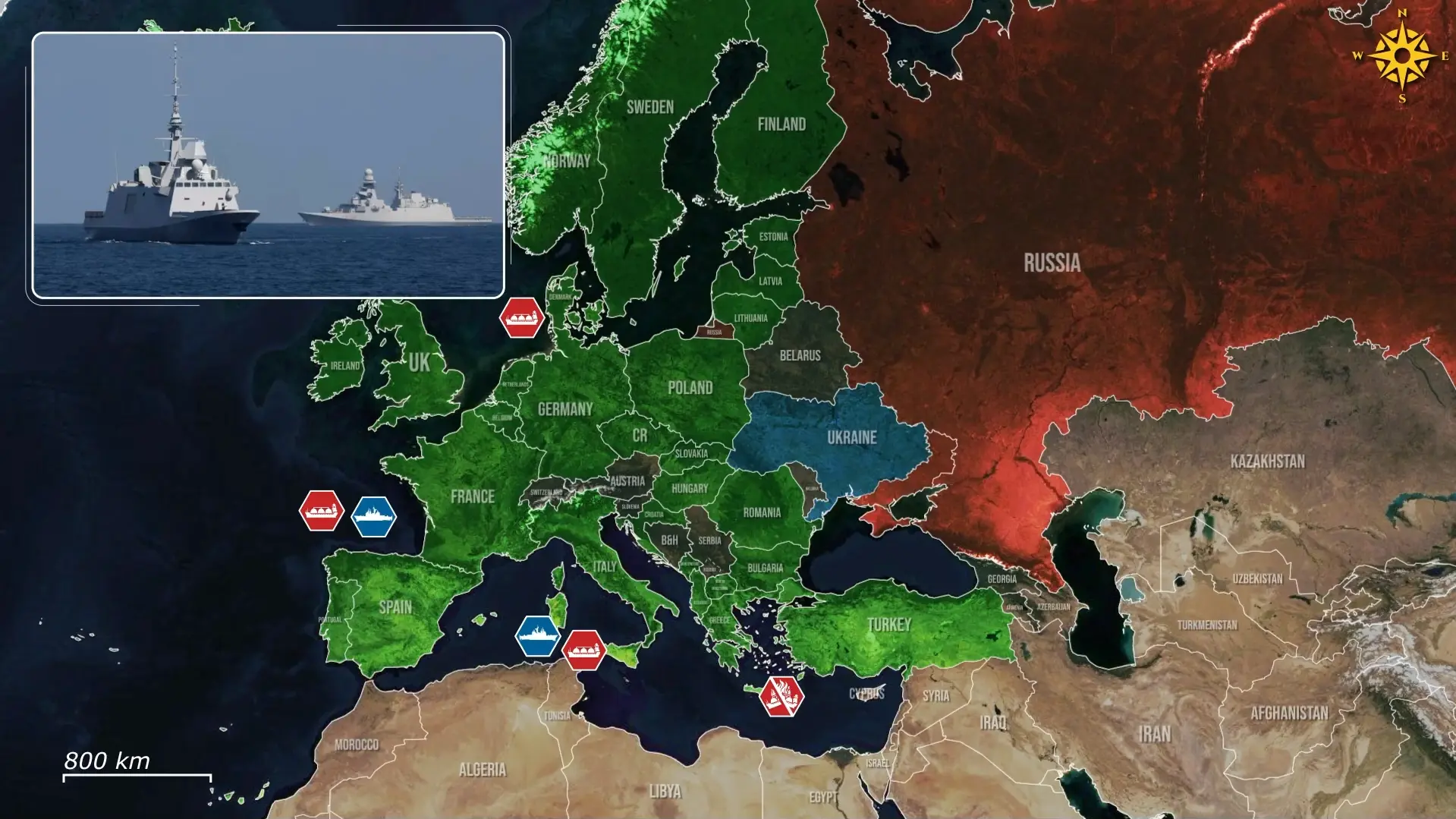
This is why Moscow increasingly looked to the Arctic. Oil shipped from Murmansk and other northern ports can avoid the Black Sea entirely and bypass the increasingly constrained Baltic export system before entering the North Atlantic on its way to global markets. The assumption was that distance and geography would provide a degree of protection. That assumption was challenged recently when French naval forces, backed by British support, boarded the sanctioned tanker Tagor after tracking it into the North Atlantic. The significance was not the vessel itself, but the location of the operation, with French forces boarding it in the middle of the Atlantic, four hundred nautical miles west of Brittany. This demonstrates that Russian shipping can be challenged not only at bottlenecks and coastal passages, but across vast stretches of open ocean. Moscow, now faces the reality that their assumption of the Arctic being able to serve as a secure alternative to the Baltic and Black Sea is undermined because northern exports must ultimately traverse maritime spaces where Western naval power remains dominant.
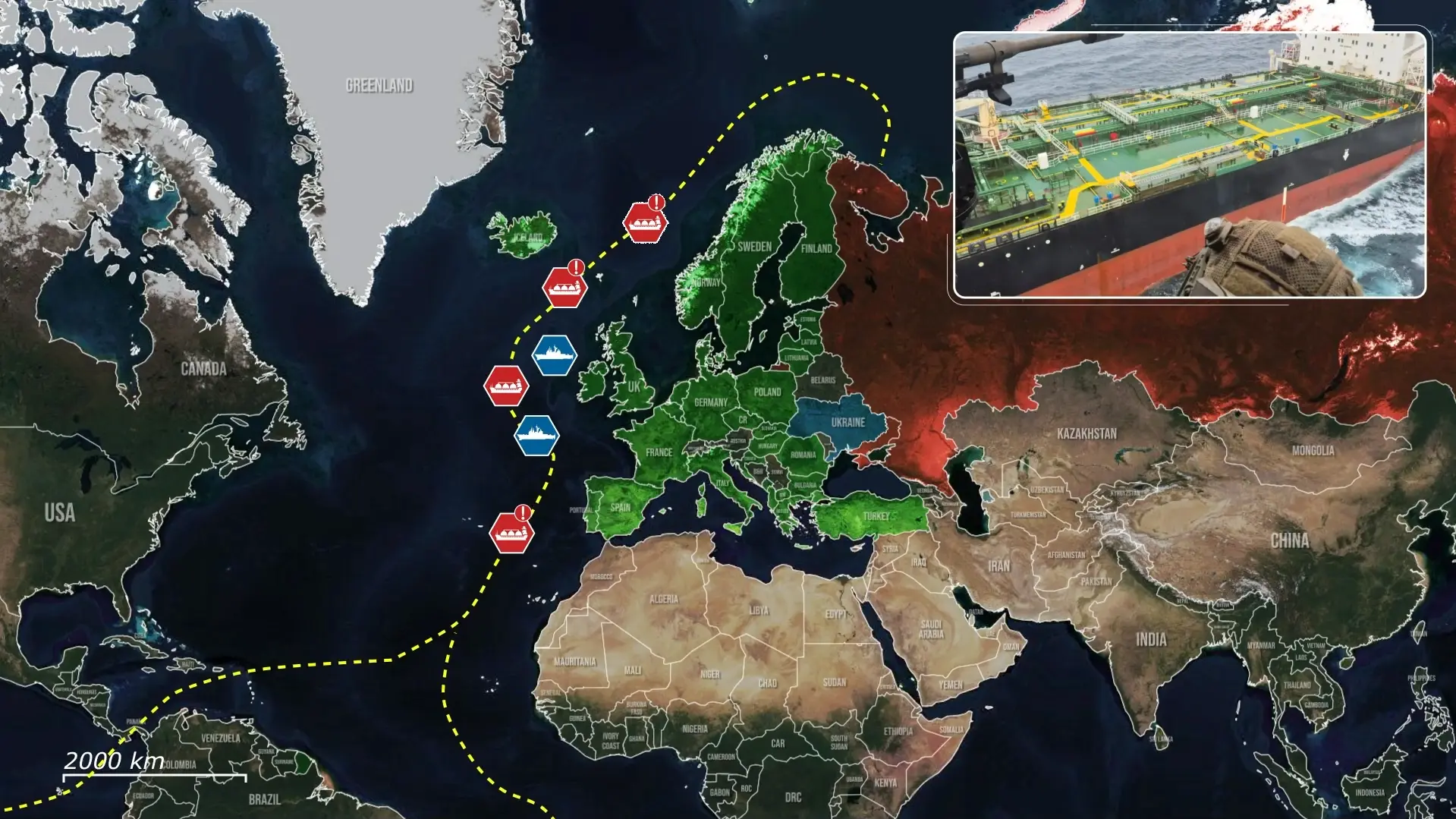
Overall, the significance of these developments lies not in the closure of any single route, but in the shrinking number of routes Russia can rely on to sustain large-scale oil exports. As pressure increases across the Black Sea, Baltic and other maritime networks, Moscow is becoming increasingly dependent on the Arctic to compensate for losses elsewhere. That concentration creates a strategic vulnerability because disruptions affecting one corridor now have a greater impact on the entire export system. The exposure of Russian shipping in the open Atlantic suggests that even the route intended to provide long-term resilience may be more vulnerable than Russia originally anticipated.

.jpg)

Comments