

.svg)
Today, the biggest news comes from Iran.
A potential US operation in southern Iran is circulating as a high‑stakes scenario and one of the most consequential military actions in the region in decades. However, a US landing operation would require an impressive, coordinated course of action with significant risk, one that could also rapidly lead to a major turning point in the entire campaign.
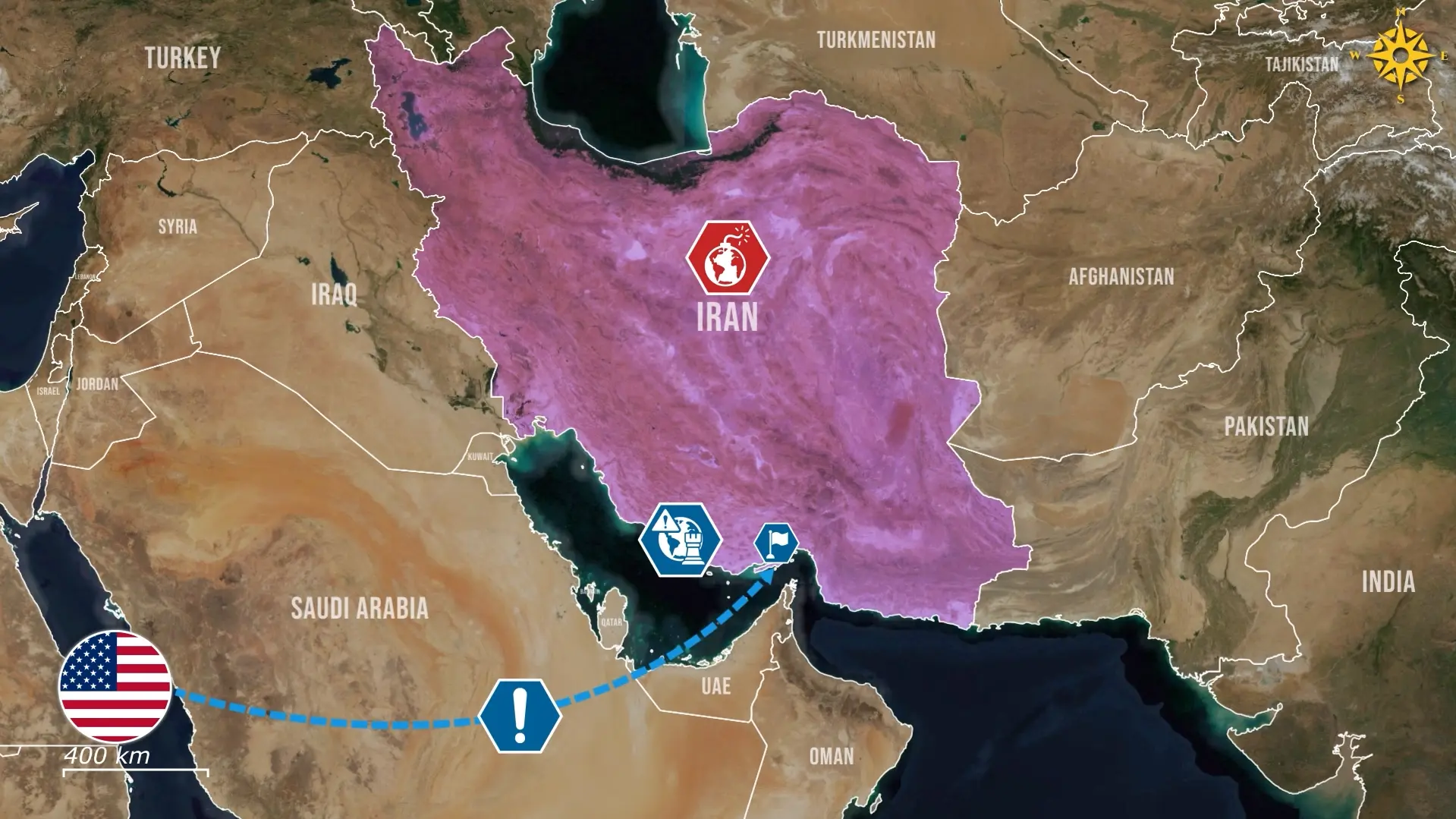
Recent publications from military analysts have outlined a detailed concept for a limited US landing operation in southern Iran. This possibility has gained relevance as the US administration has not explicitly ruled out deploying ground forces, even if only in a constrained, mission-specific capacity. The release of these assessments has therefore sharpened debates about feasibility, intent, and the operational logic behind such a move.
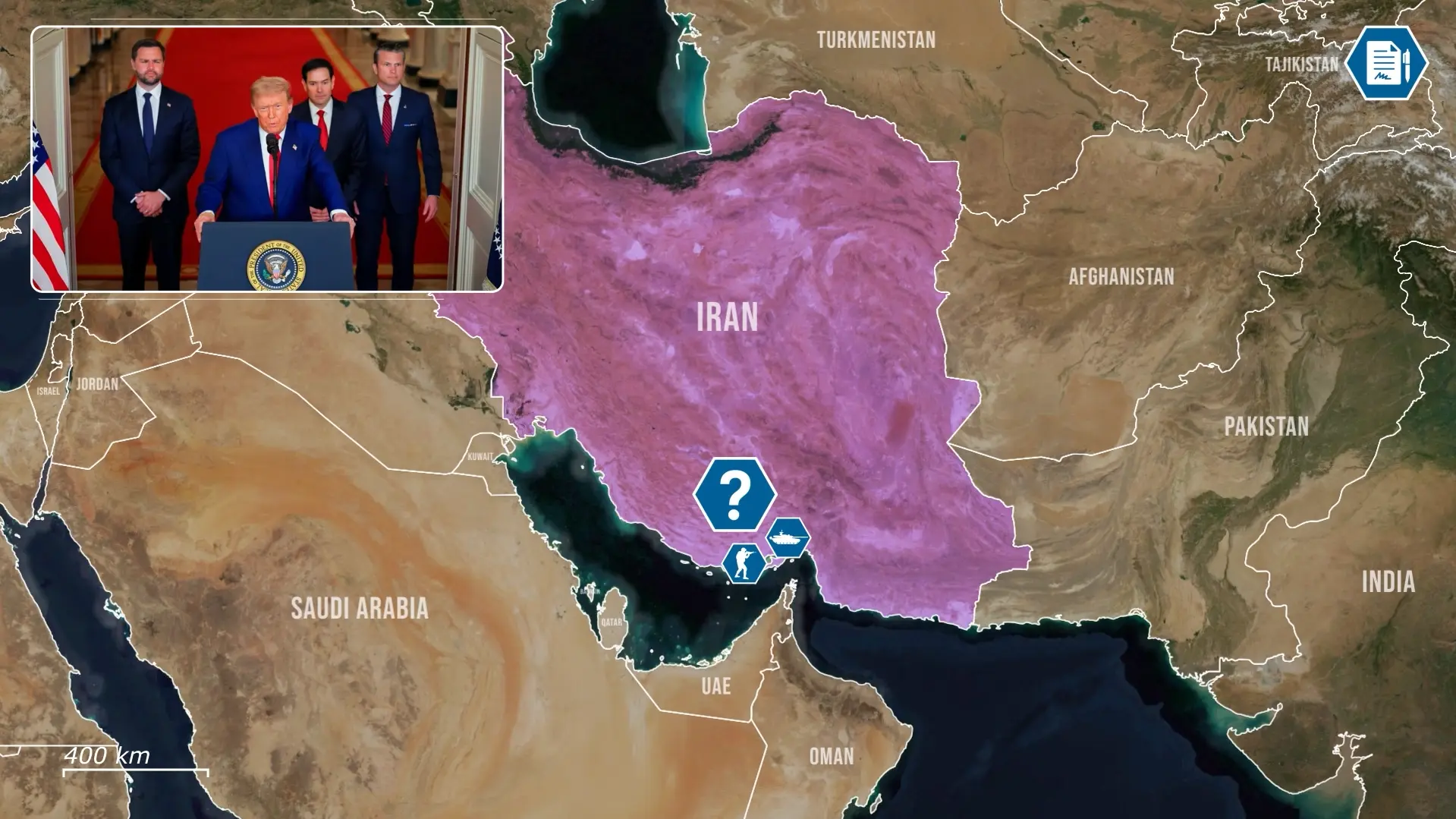
It is important to note that the United States does not currently maintain the ground force numbers in the region required for a full-scale invasion of Iran, nor has it established the logistical infrastructure that such a campaign would demand.
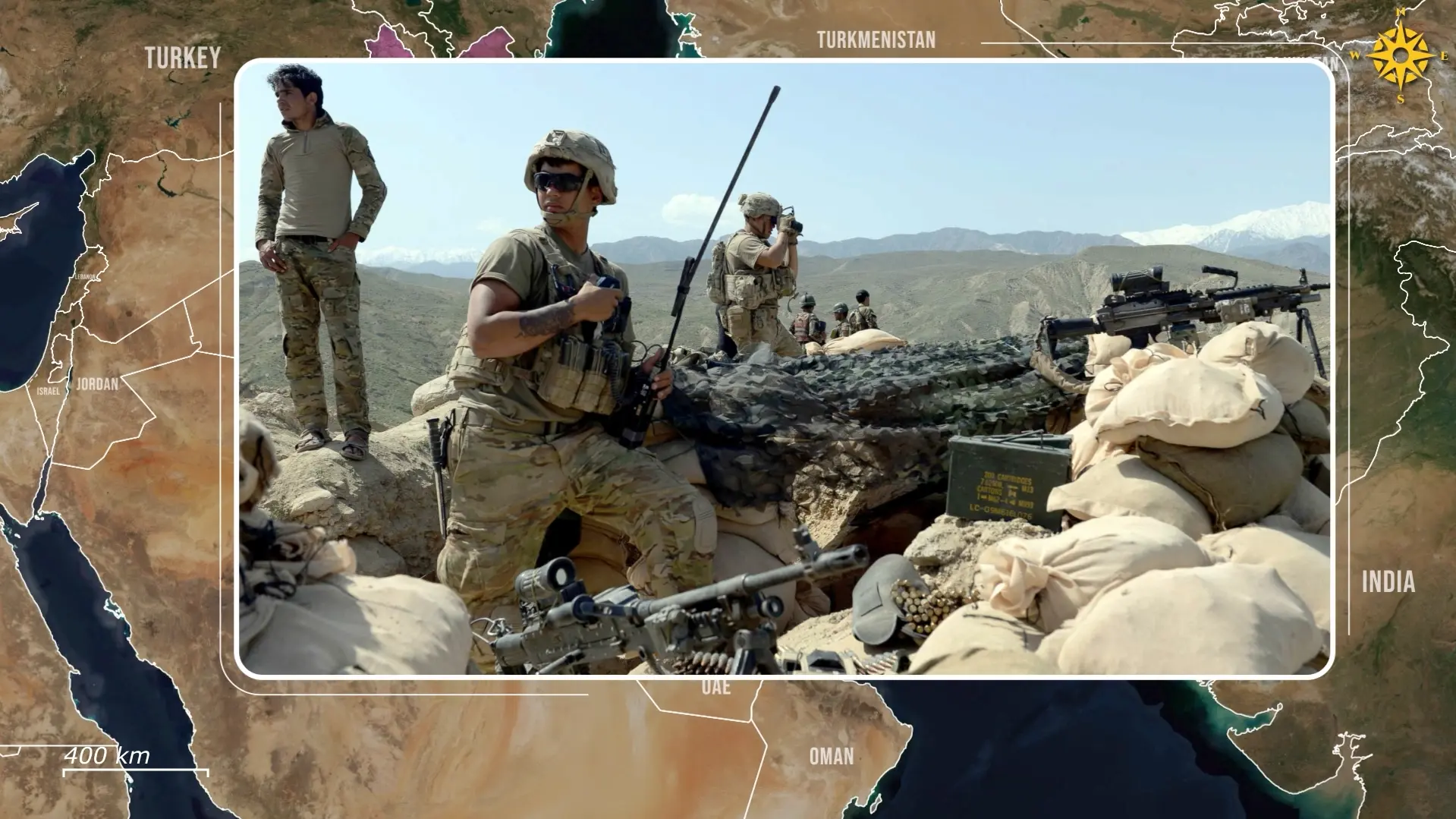
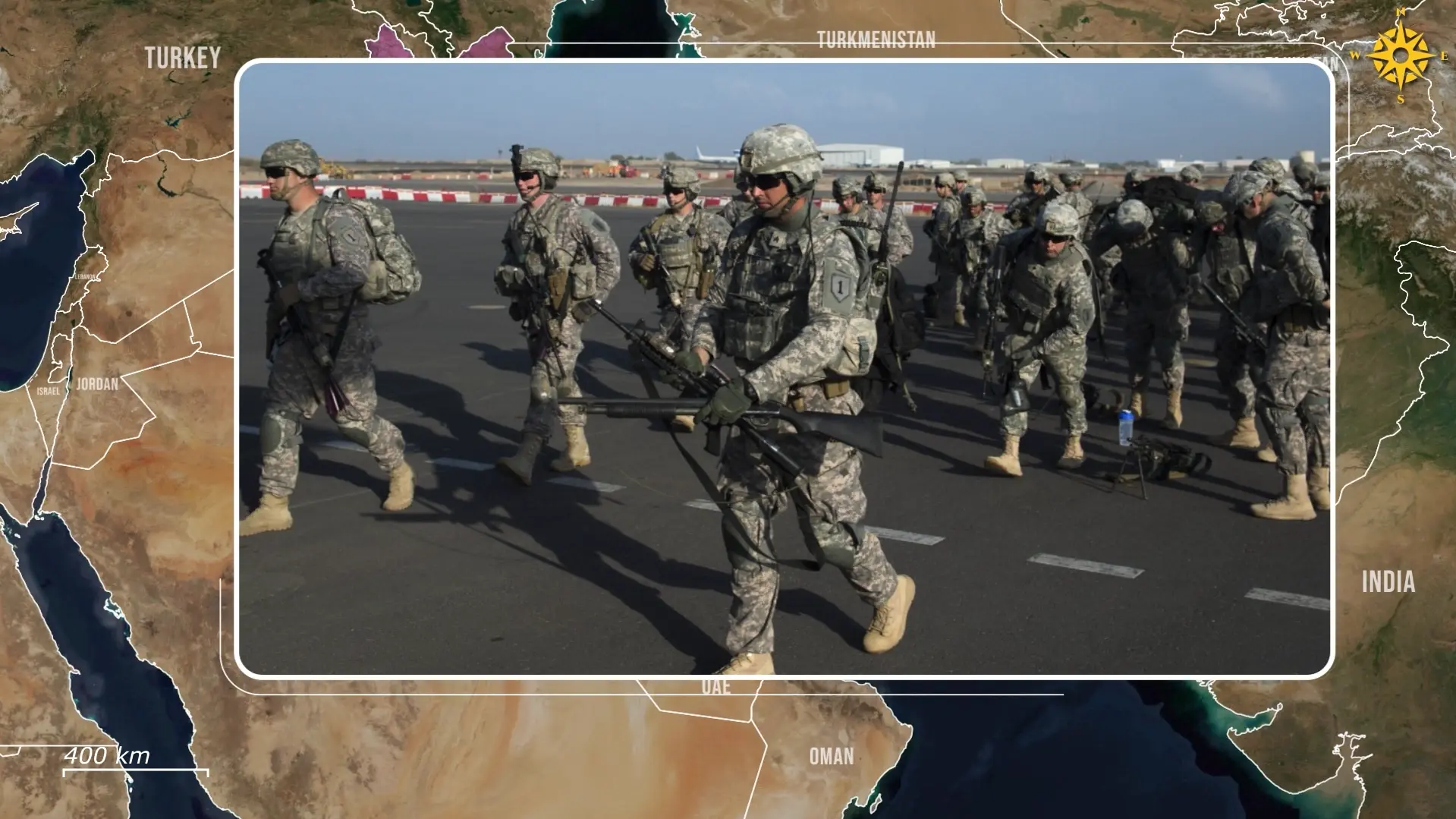
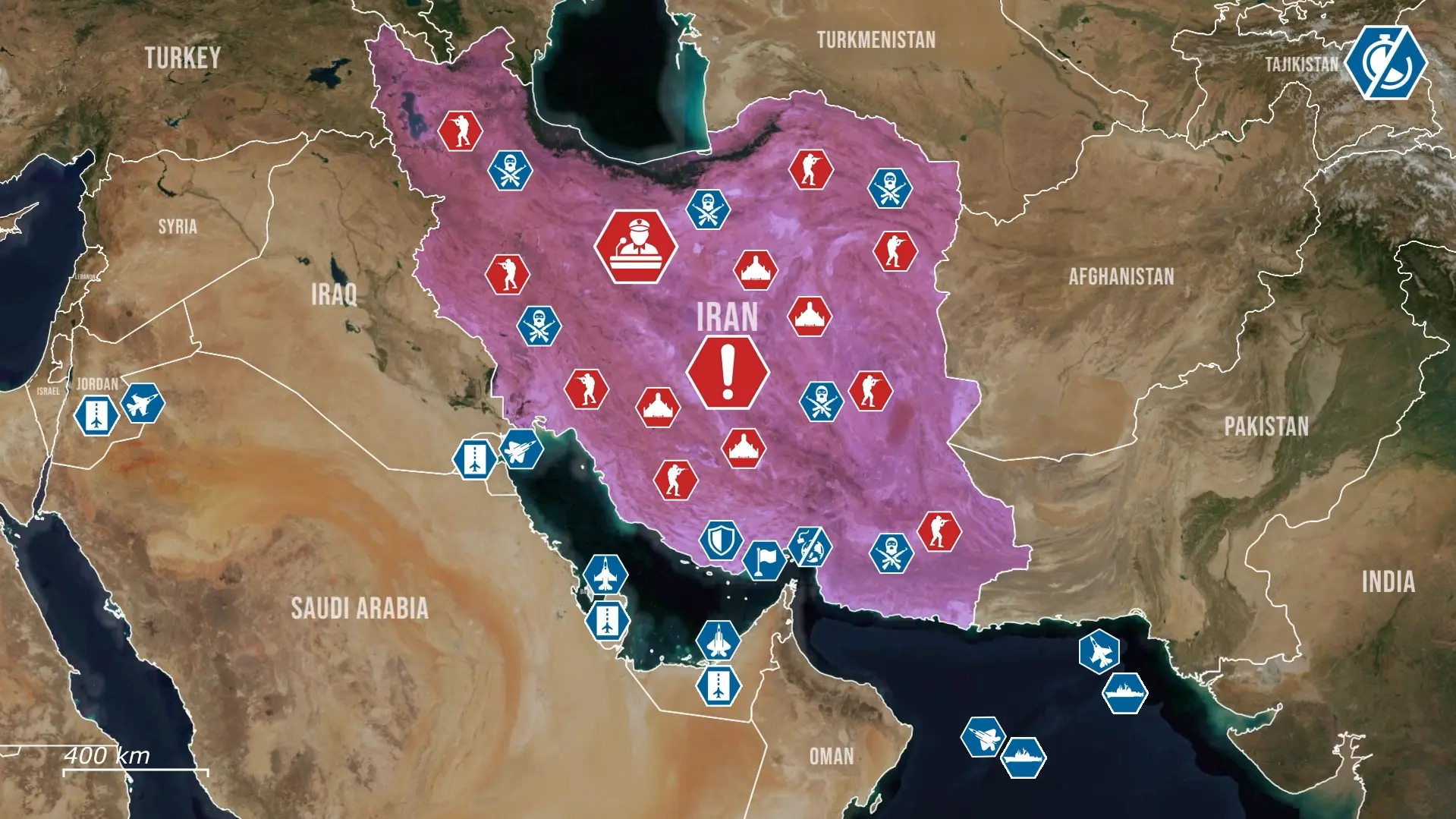
Furthermore, there is no visible mobilization that would indicate preparation for a large occupation force. However, the US does have a large number of forward-deployed naval assets, rapid-deployment units available back home, and special operations forces that could deploy within 18 to 48 hours to conduct a limited landing designed to seize specific objectives only.
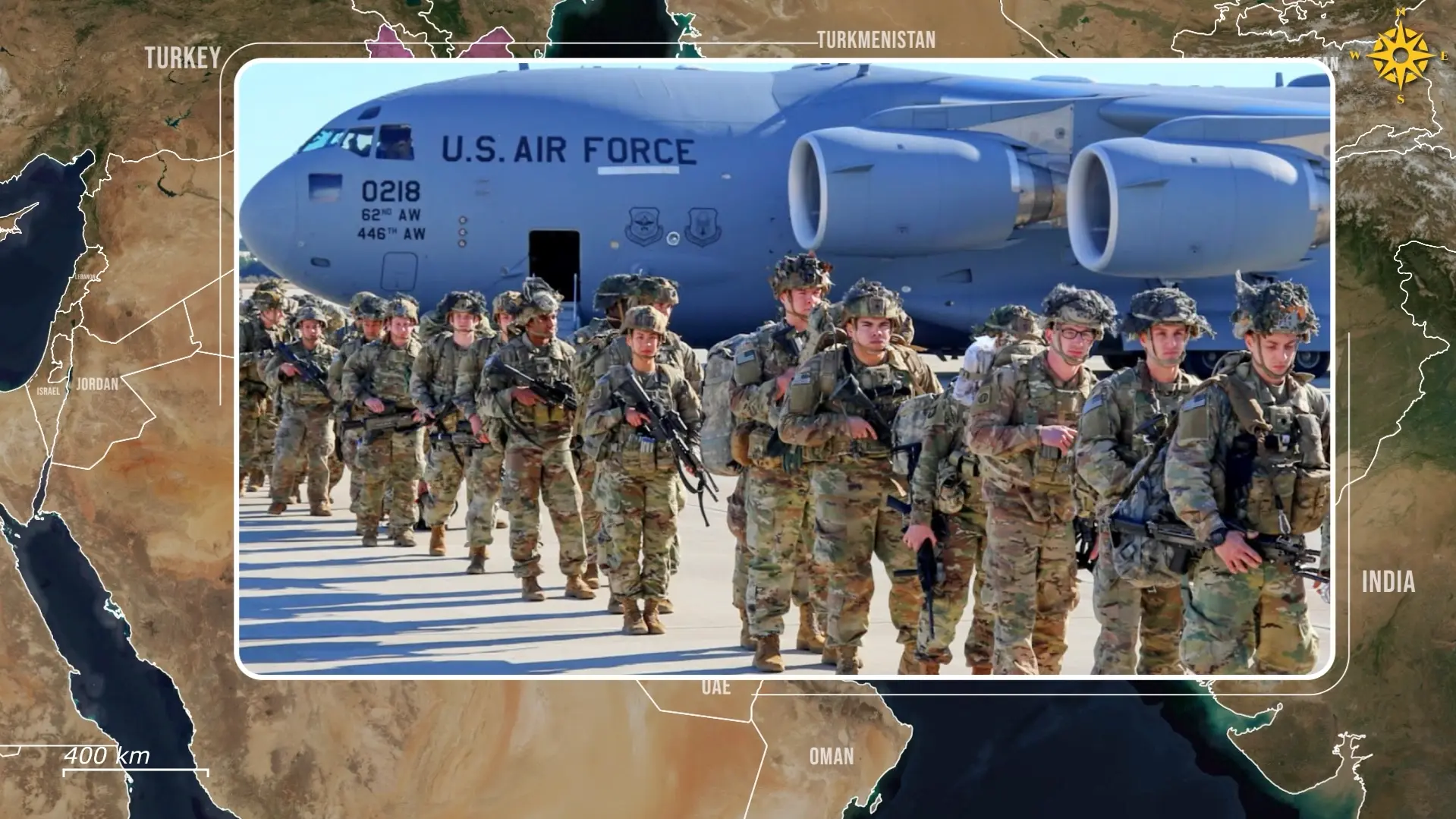
The current goal of the ongoing air campaign appears to be to undermine the Iranian military and political leadership, to ignite internal dissent and local opposition movements, and whereafter, support these through air support and supply drops.

Nevertheless, if current aerial efforts fail to create such a scenario, the US may consider scaling up its efforts.
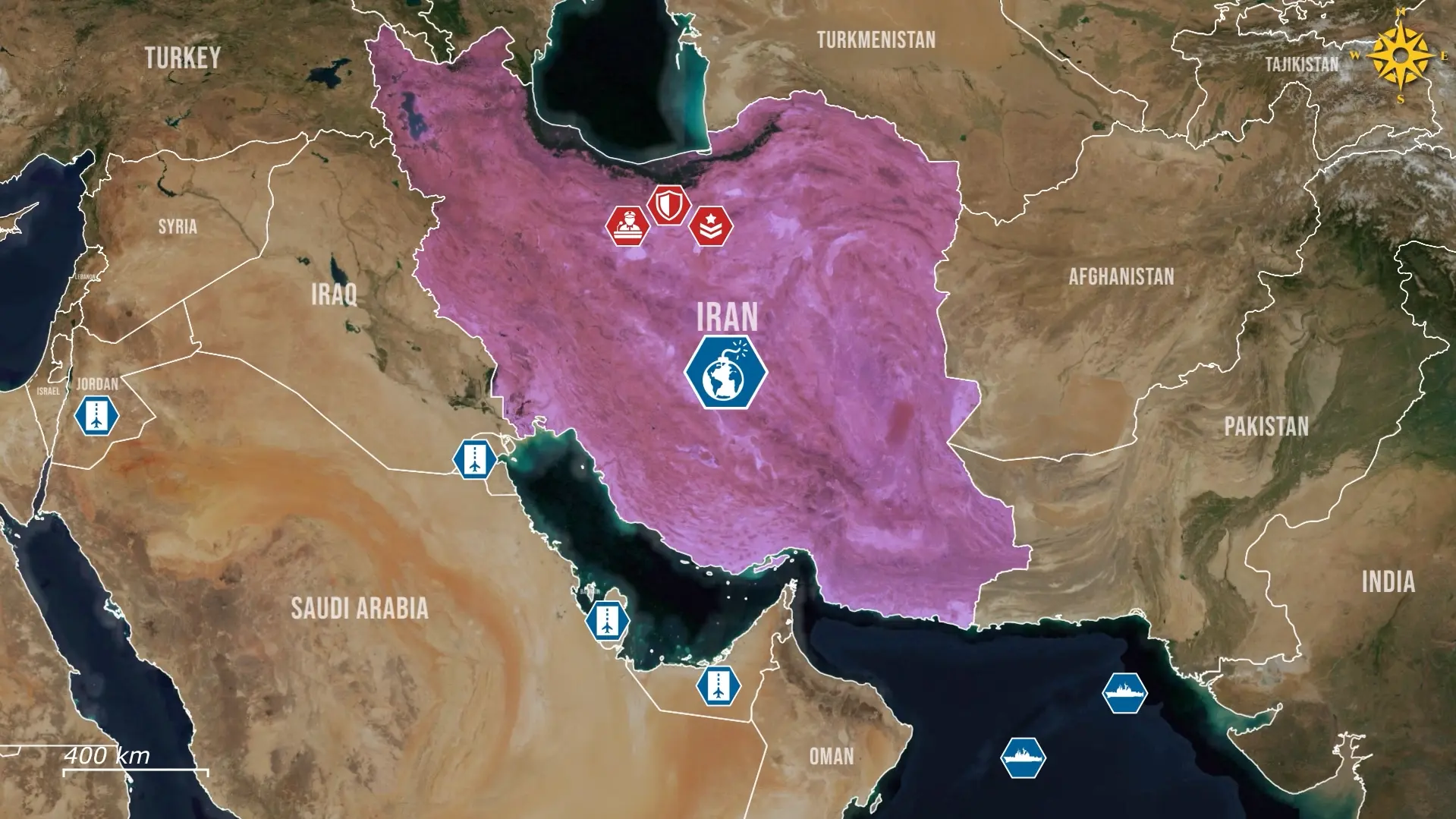
One viable strategy could entail securing a foothold inside Iran to host a provisional government and facilitate overland supply routes instead. The most likely target for such a landing is Bandar Abbas, Iran’s primary southern port and a central node in its oil export system.
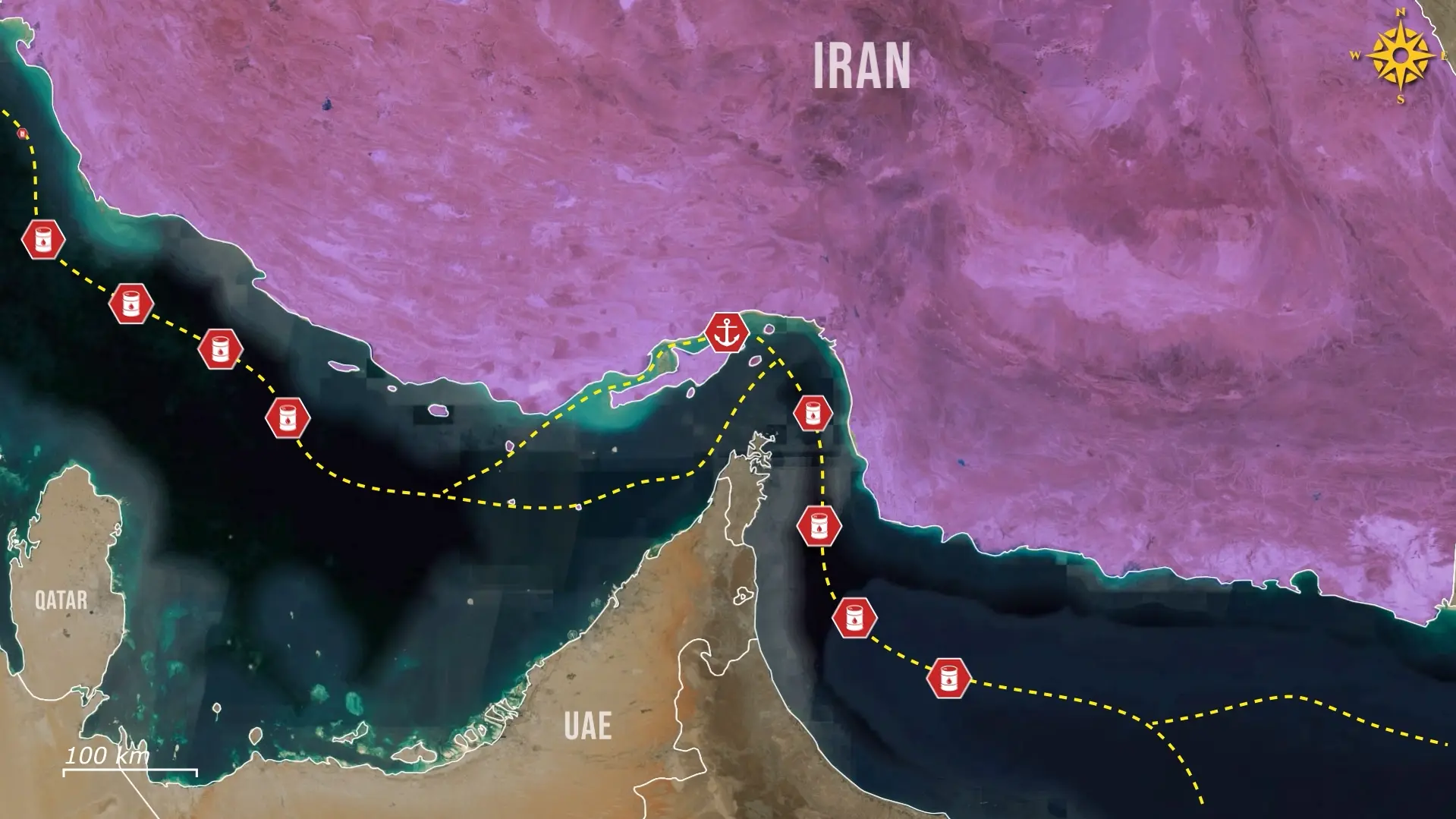
In addition to establishing a bridgehead, capturing the city would allow US forces to obtain Iran’s main naval base. The accompanying port infrastructure, including cargo terminals and former fleet facilities, could then be repurposed to rapidly unload supplies and serve as a staging ground to support friendly forces inland.
Most importantly, Bandars Abbass’ is strategically located on the Strait of Hormuz. Following the attack, Iran is attempting to blockade the Strait, causing disruptions that are already affecting global shipping lanes.
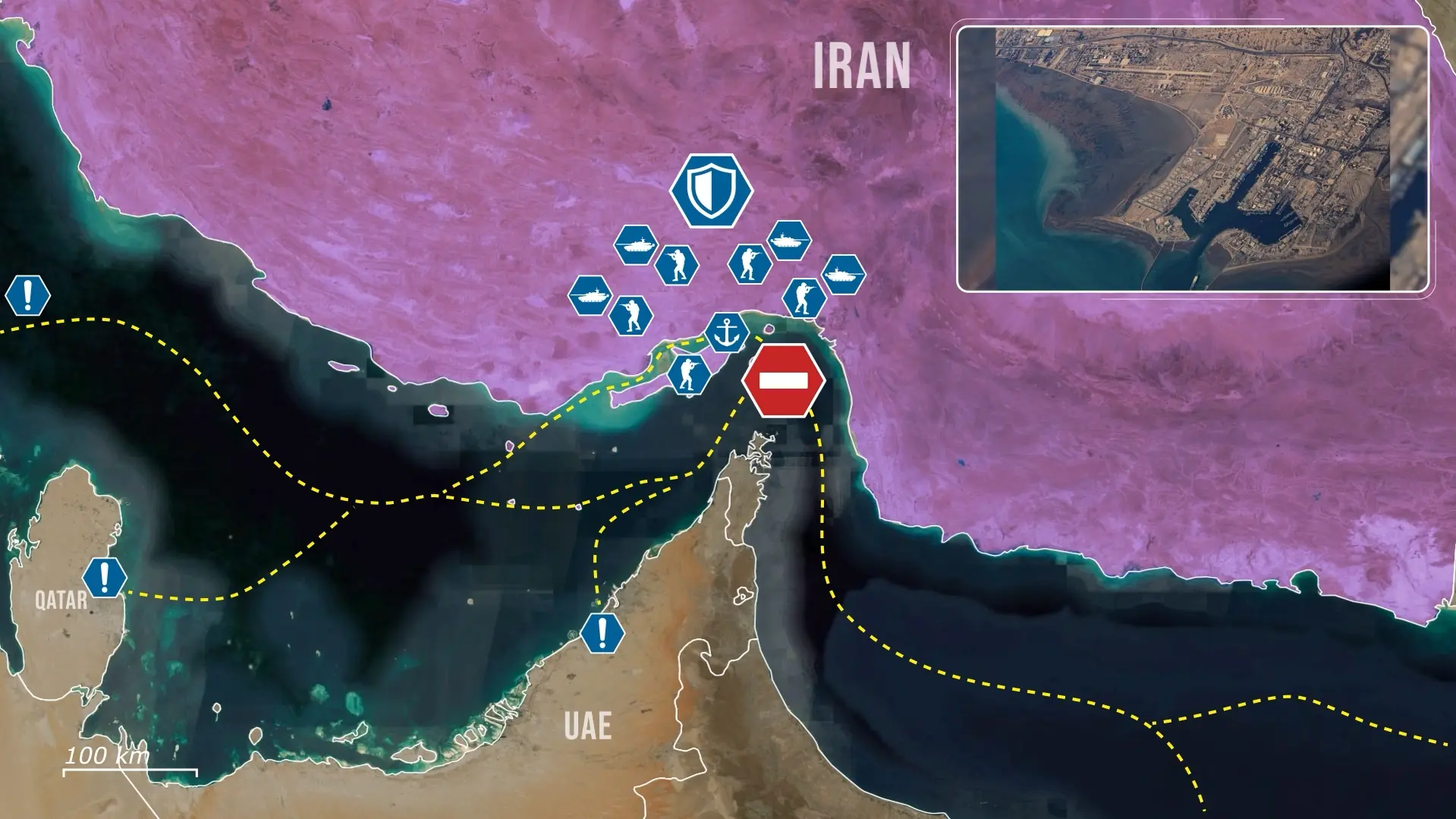
Securing Bandar Abbas would give the US a position from which to guarantee maritime passage to the major oil flows and deny Iran the ability to leverage the strait as a pressure tool.
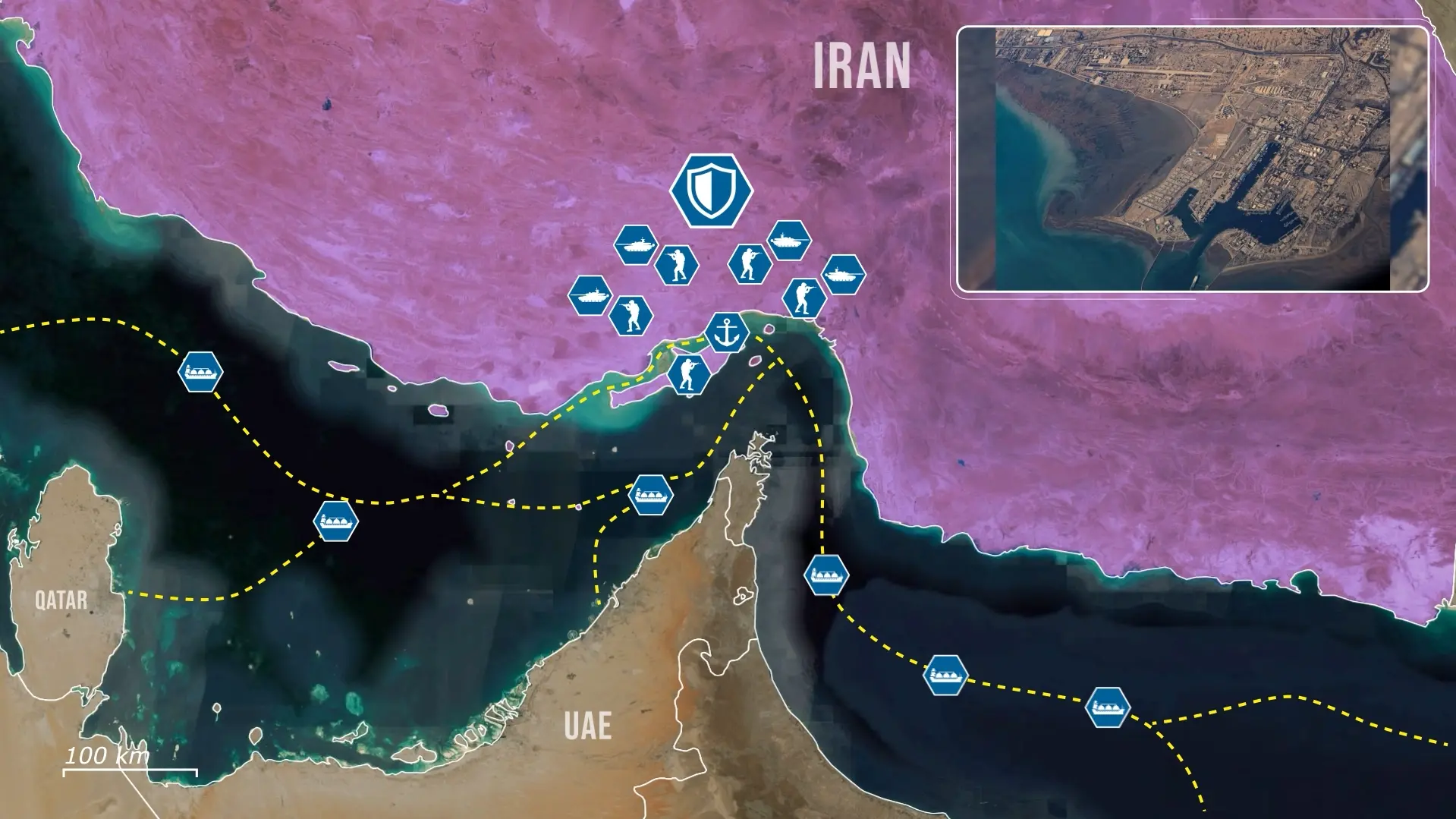
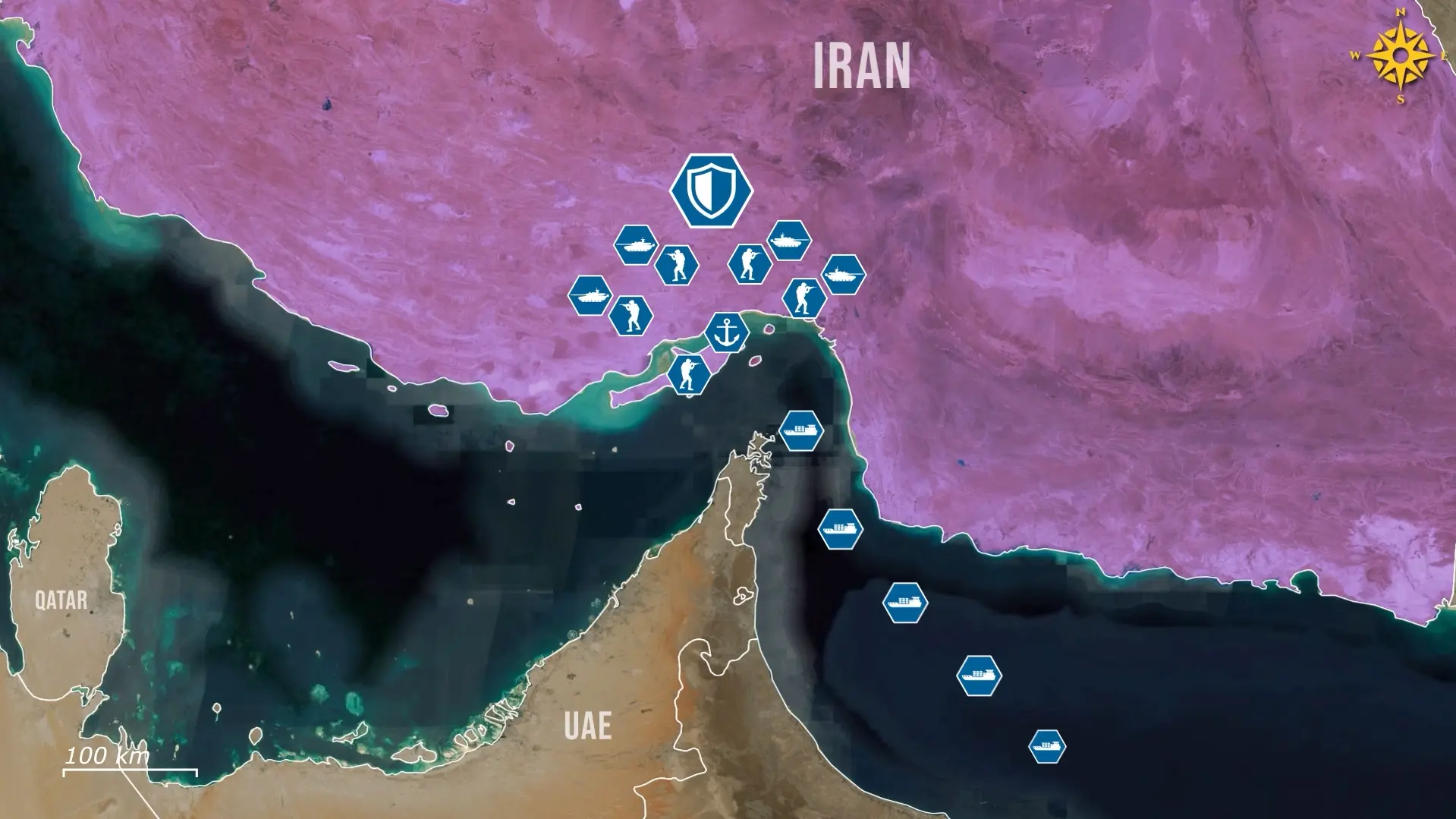
In preparation for a landing, the US would shift focus to an air campaign aimed at degrading Iranian coastal defenses, displacing Iranian army units from the shoreline, and disrupting their ability to maneuver along the main logistics corridors leading into Bandar Abbas.
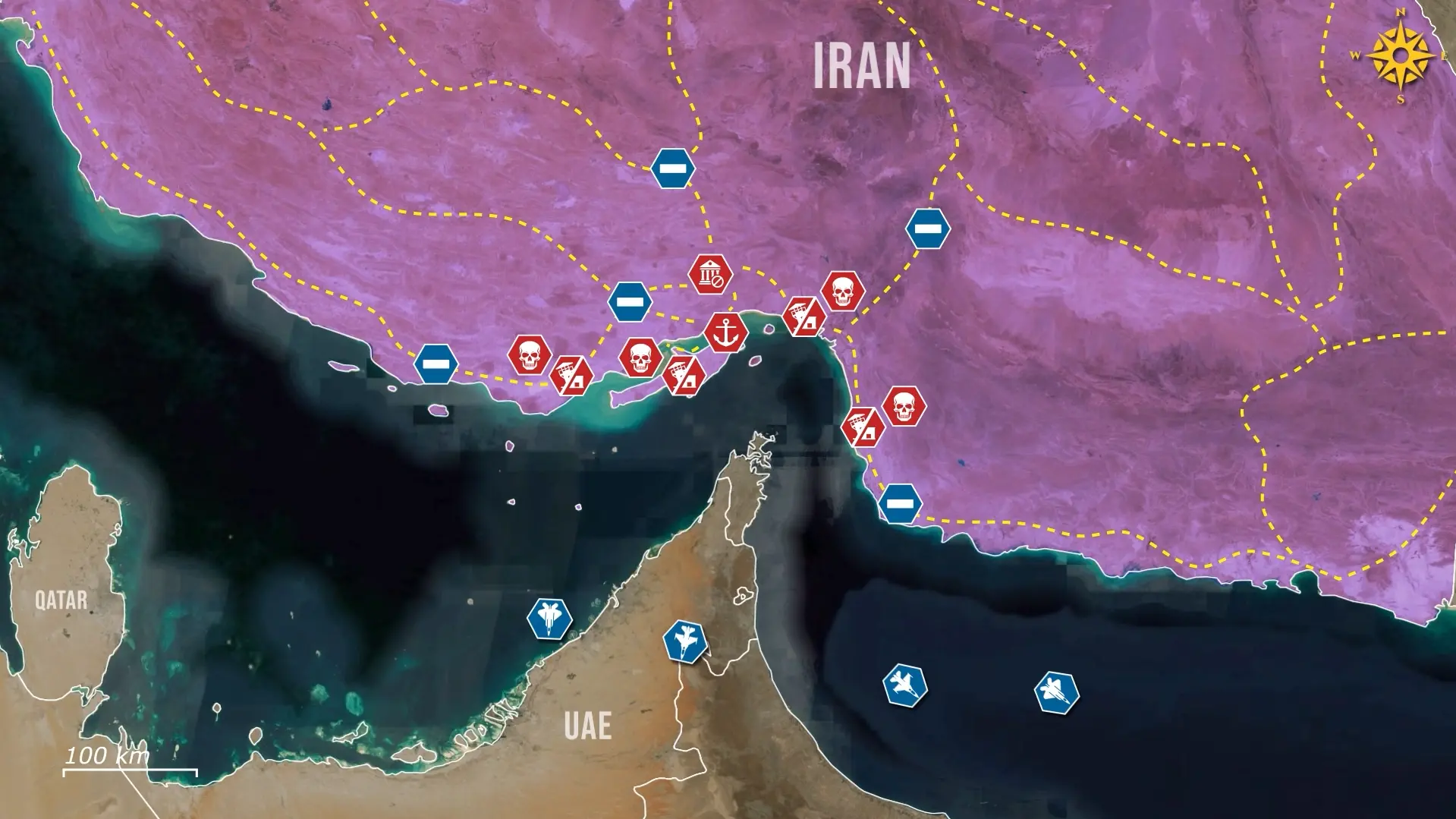
With defenses disrupted, a numerically smaller landing force could then move into secure administrative buildings, port facilities, and the surrounding districts, in order to secure a perimeter and consolidate control. Infiltration routes through the mountains would be used to send small special forces groups to link up with local resistance networks as well as provide supplies and weaponry overland.
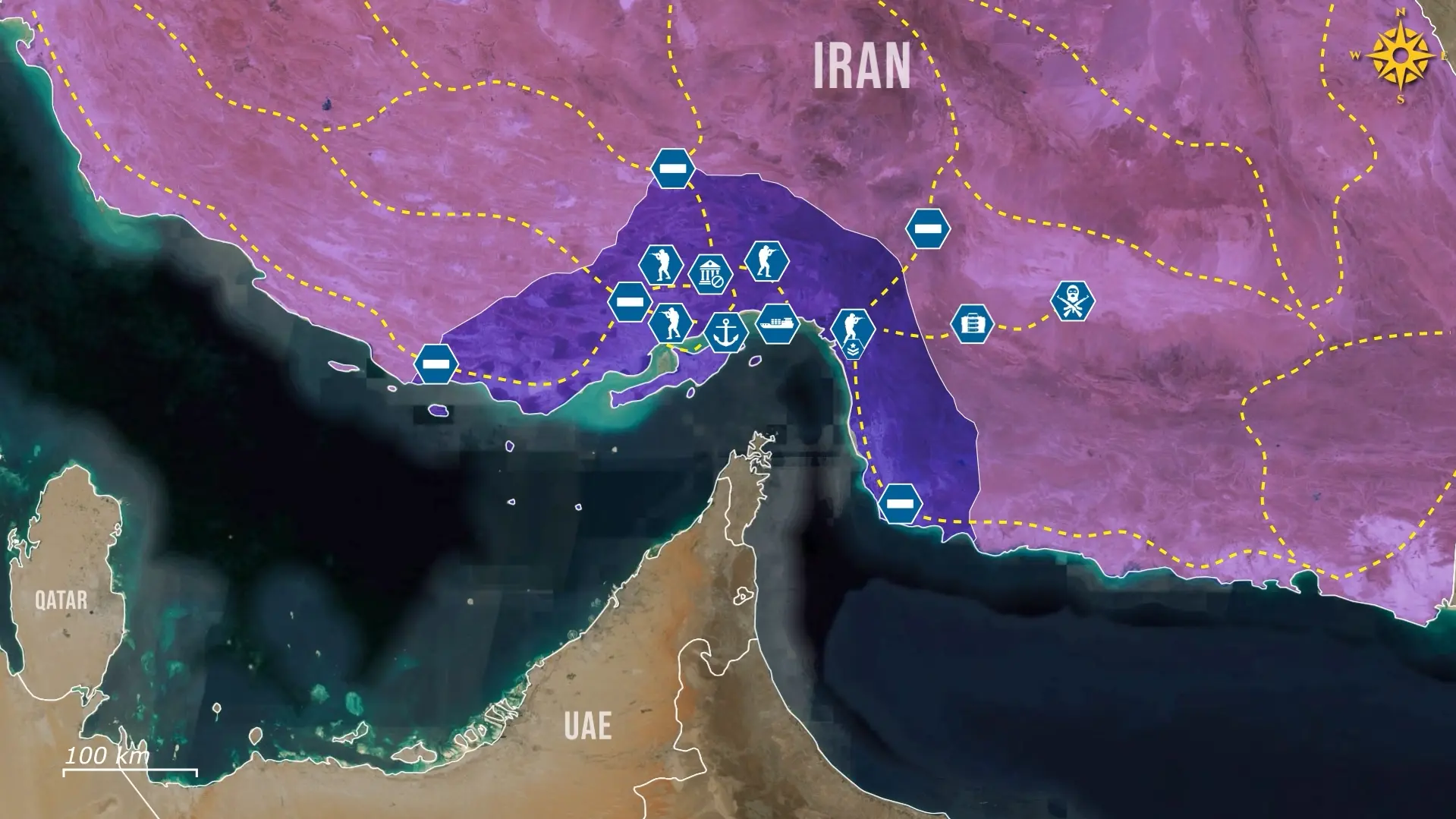
Any landing would also force Iranian army units hiding in the surrounding mountains into the open terrain, if they want to contest the US bridgehead. However, any attempt to mass forces for a real counterattack would expose them to US and Israeli airstrikes almost immediately; with over 150 US combat aircraft, several cruisers, and guided-missile destroyers, ready to provide fire support to any landing party.
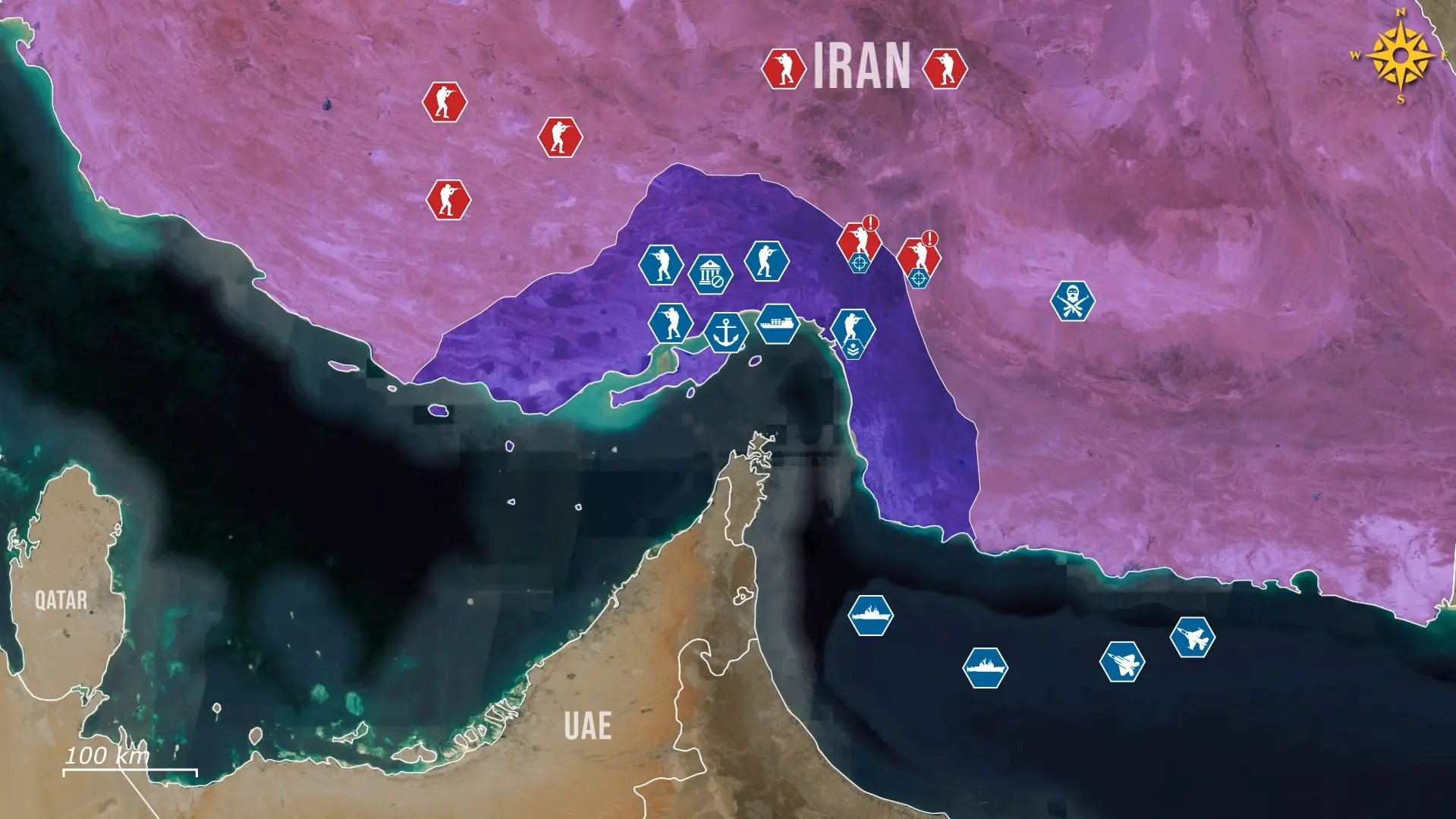
The alternative for the Iranian army would be a shift toward a guerrilla‑style resistance inside the city and surrounding area. But the operational impact of such a campaign would remain limited if the United States avoids expanding the offensive inland, and positions itself as a supporting force for a new government, instead of an occupying one. High local pro‑Western sentiment, visible in the large protests in the cities and towns here earlier this year, could additionally constrain the Iranian army’s ability to operate covertly.
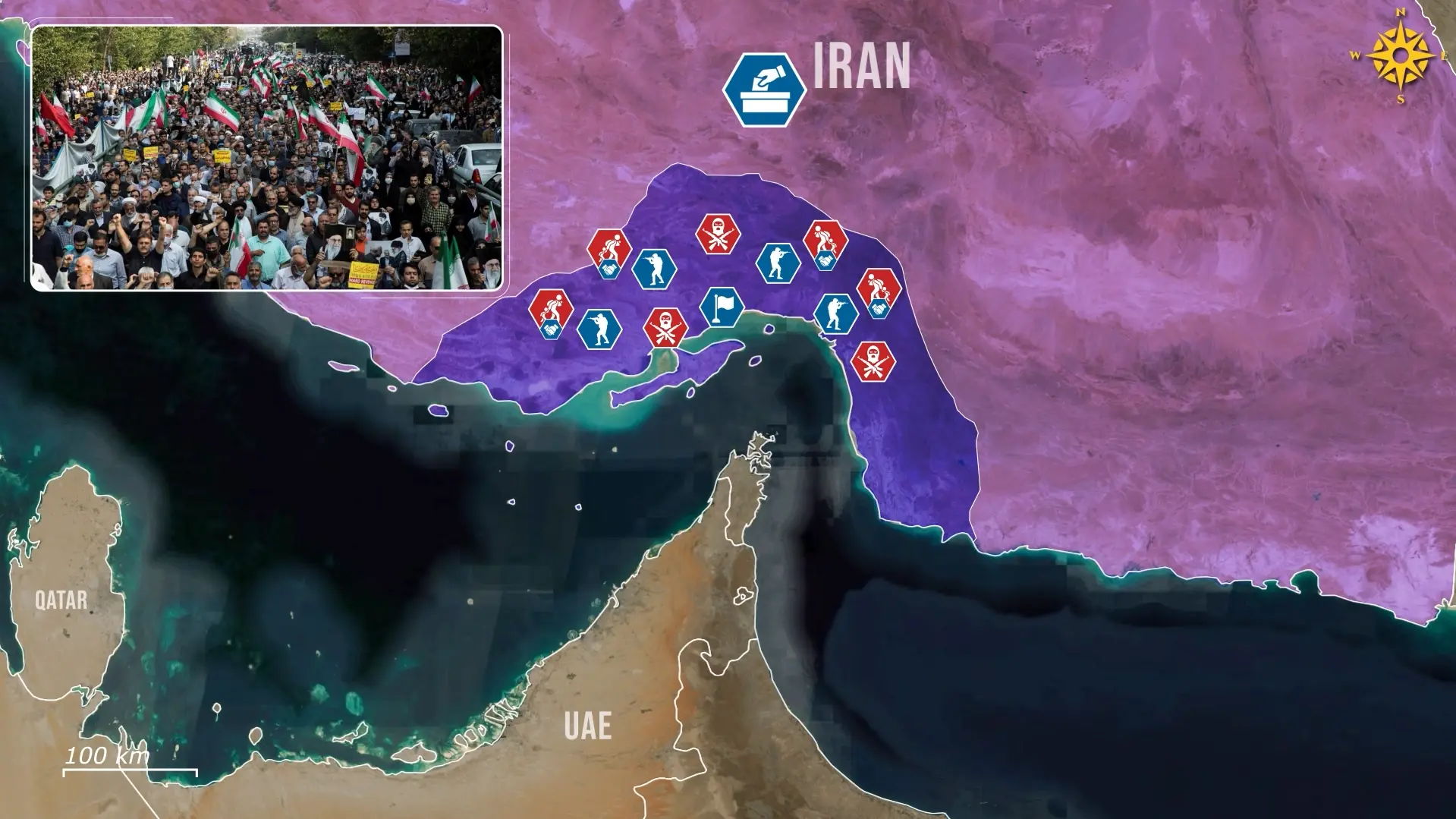
Overall, a US landing in southern Iran would be a high-risk, high-impact operation that could reshape control over the Strait of Hormuz while avoiding the scale of a full invasion. The strategic payoff would be substantial, offering leverage over Iran and stabilizing maritime flows, although the operation would also carry escalation risks. As Iran can mobilize significant manpower, the feasibility relies on maintaining air dominance, coordinating with local opposition, and achieving the objectives without being drawn into a long war.

.jpg)

Comments