

.svg)
Today, there are important updates from the Russian Federation.
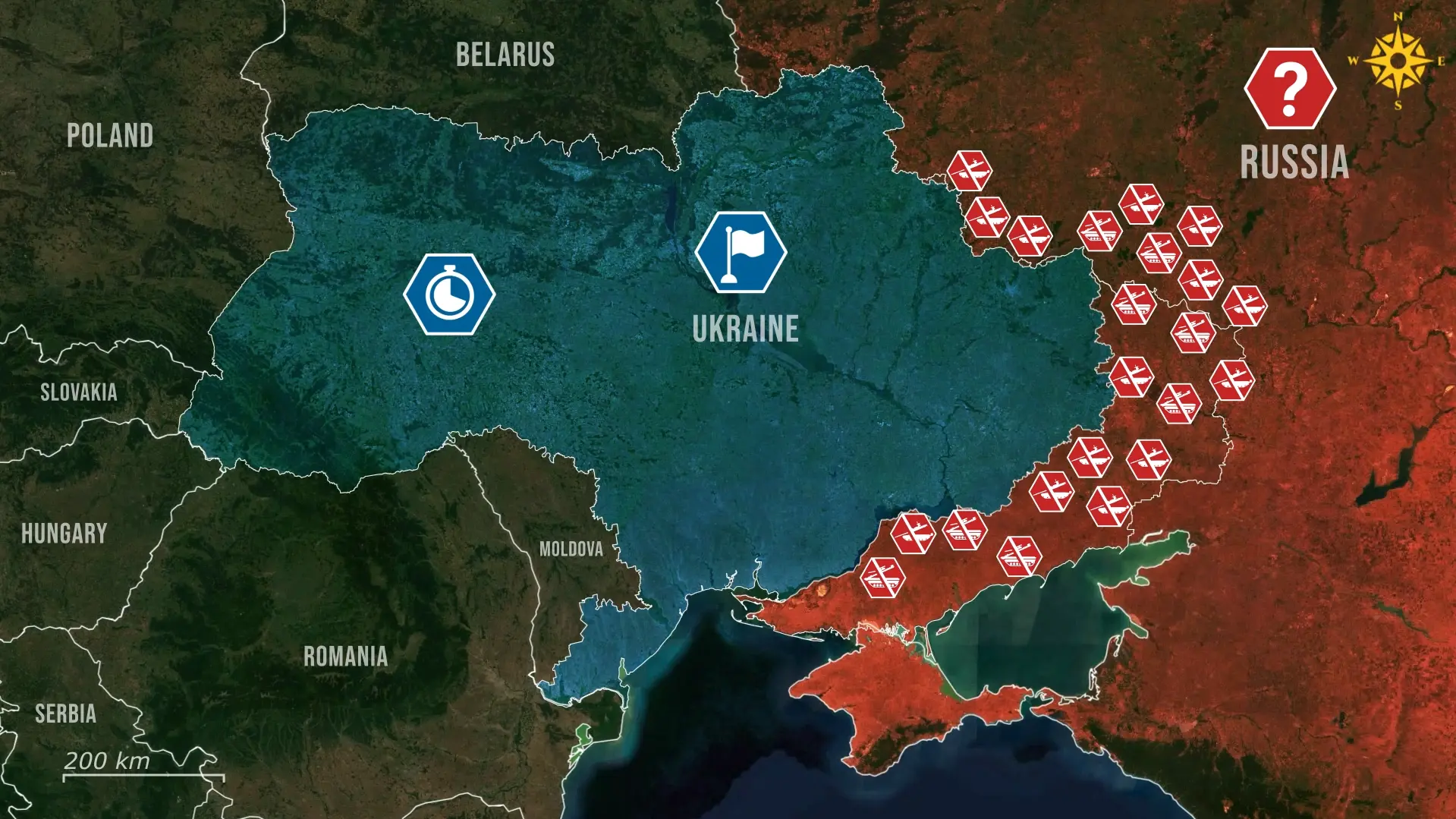
Here, new satellite images are revealing a shocking truth about the capabilities of the Russian army to wage mechanized assaults. The released data shows an irreversible damage dealt by the Ukrainians that is worse than anyone imagined.
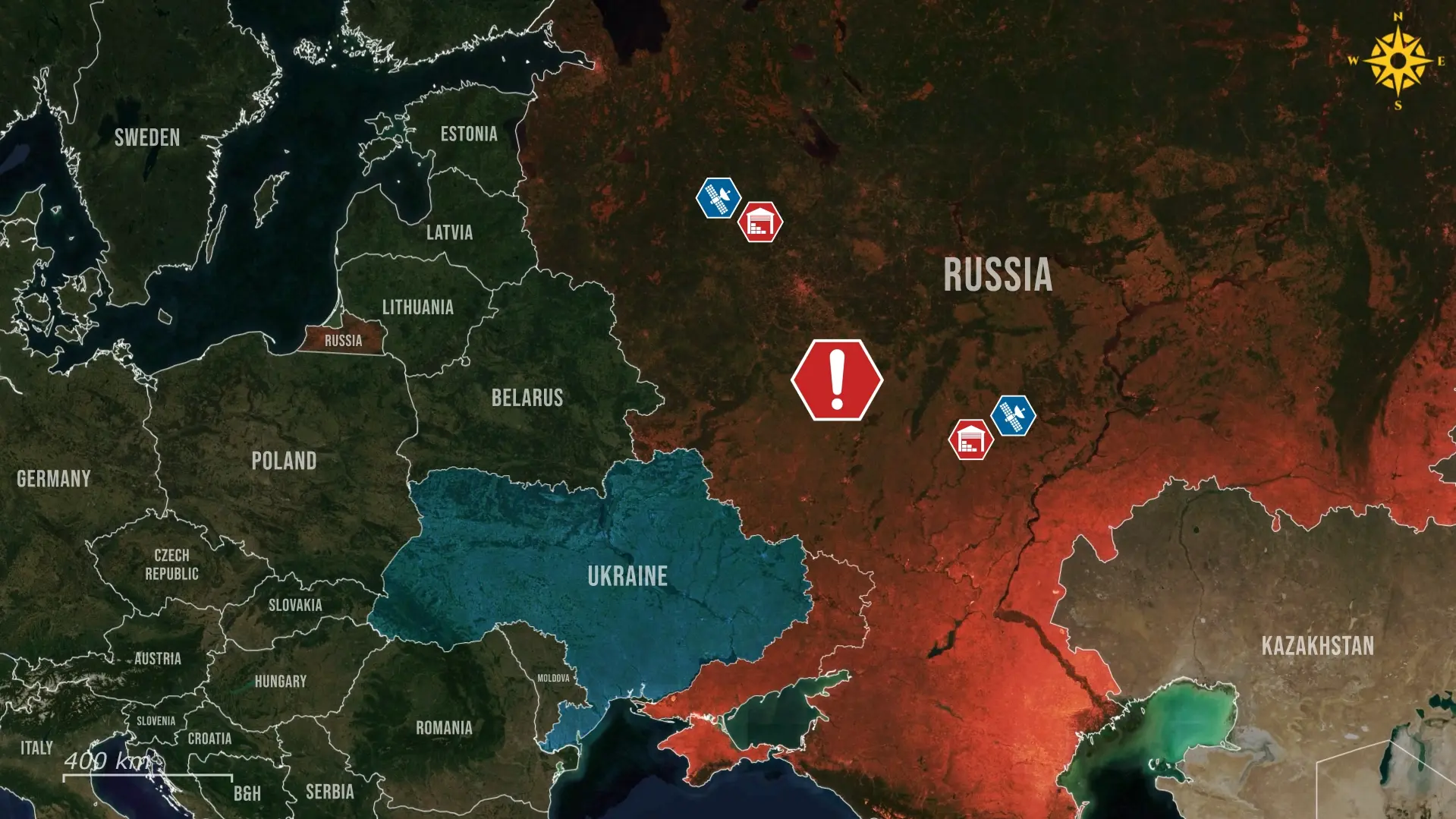
Russia’s vast armored reserves that were built over decades by the Soviet Union for a massive war against Nato are effectively gone, and the scale of the damage has become undeniable. What once looked like an almost inexhaustible reserve of tanks and armored vehicles has been burned through in just a few years of fighting in Ukraine.
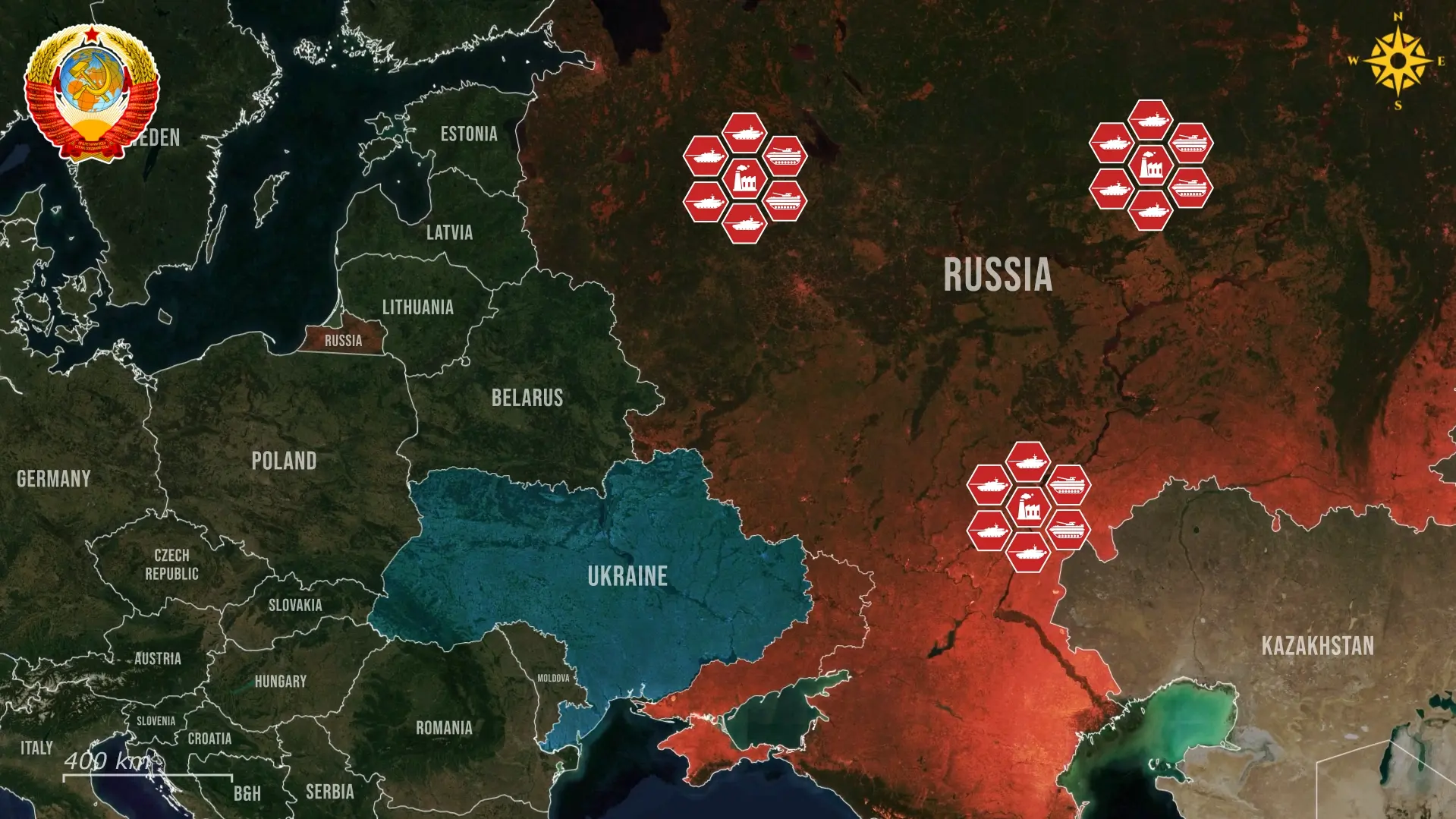
The Soviet system stockpiled these machines across half a century, preparing for a prolonged, high-intensity conflict against the Western alliance. Yet Ukraine has managed to dismantle this strategic reserve in record time, exposing a level of attrition that the system was never designed to withstand. As a result, Russia is no longer drawing from a deep reserve but scraping its bottom.
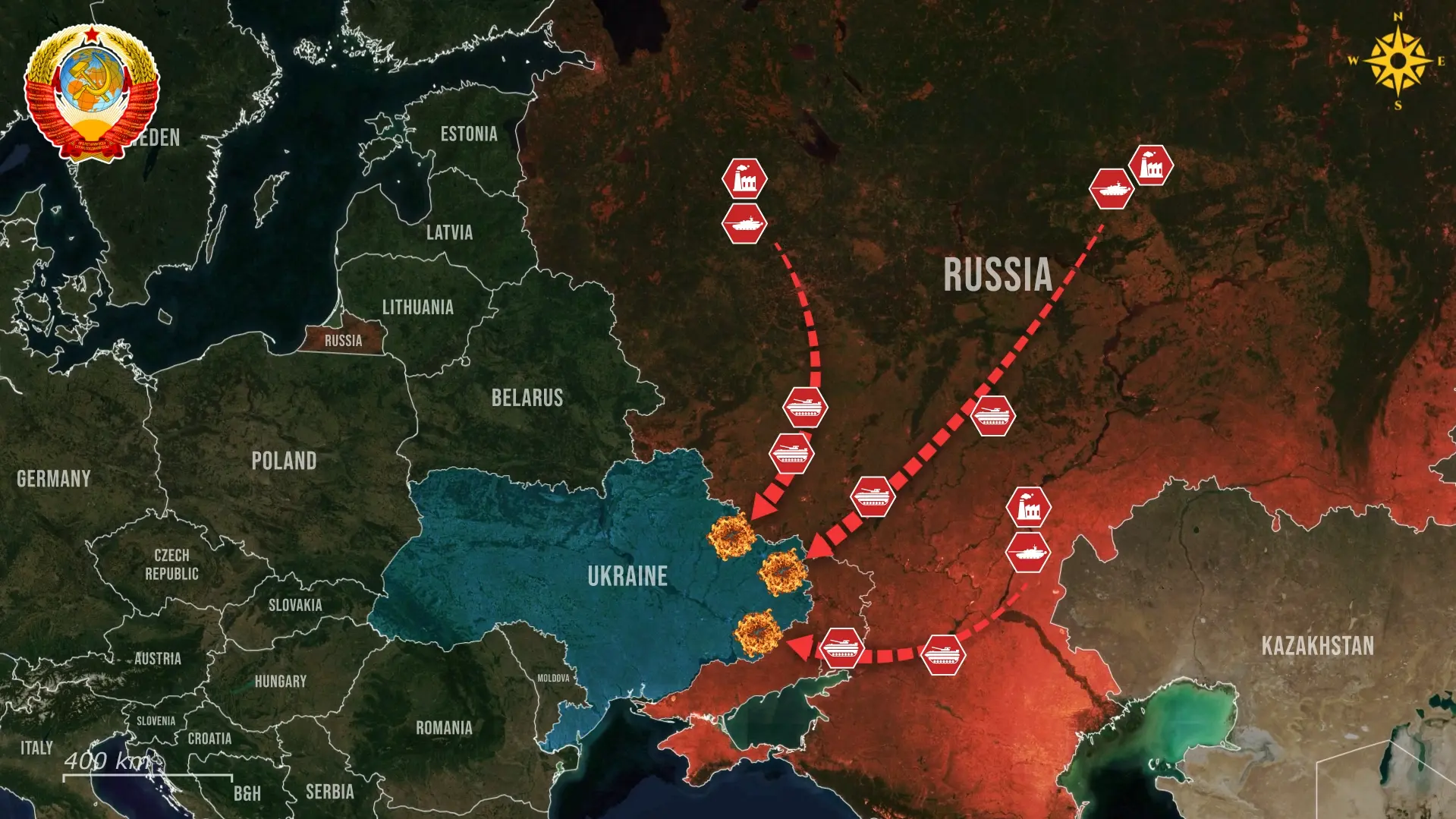
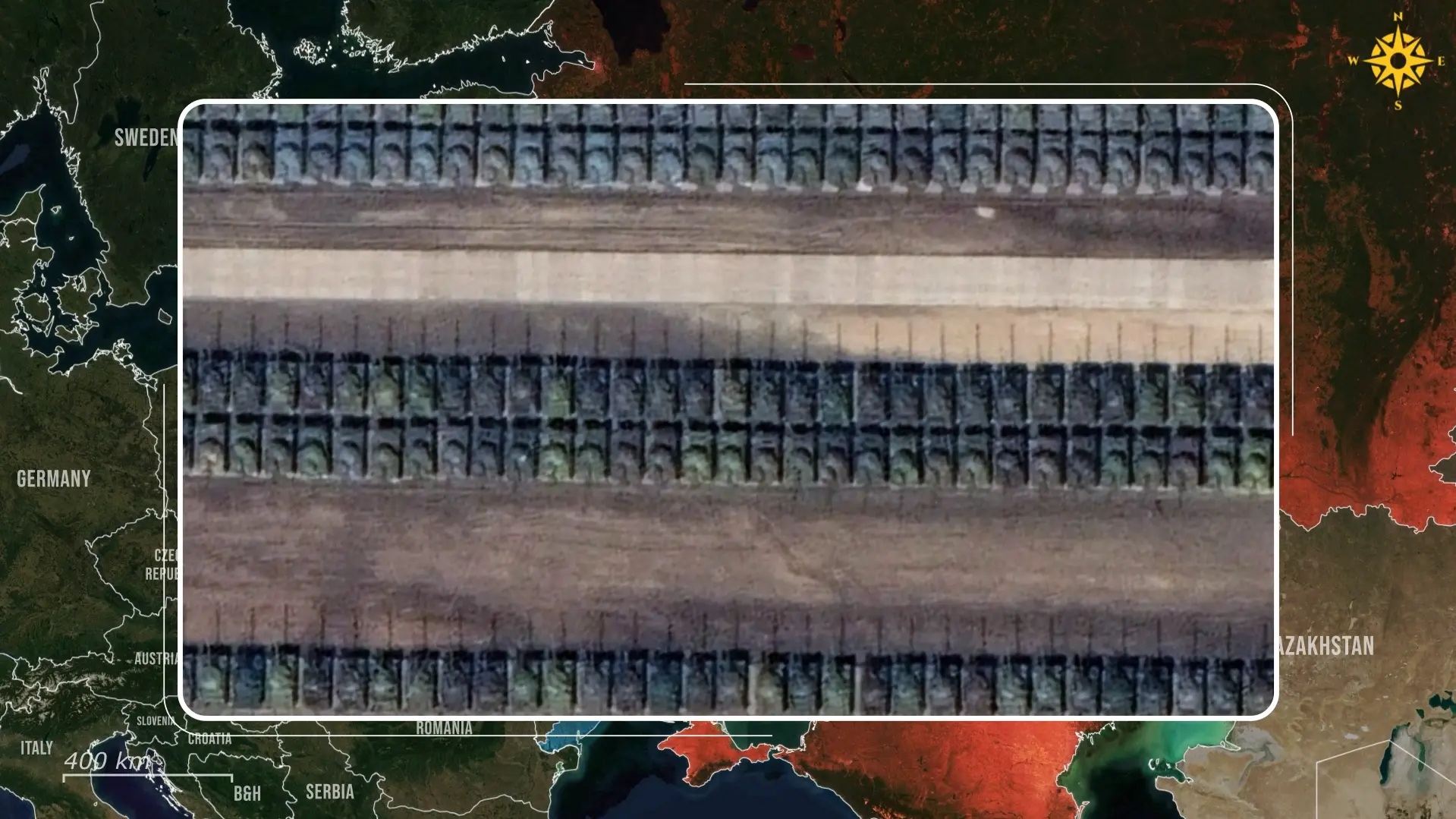
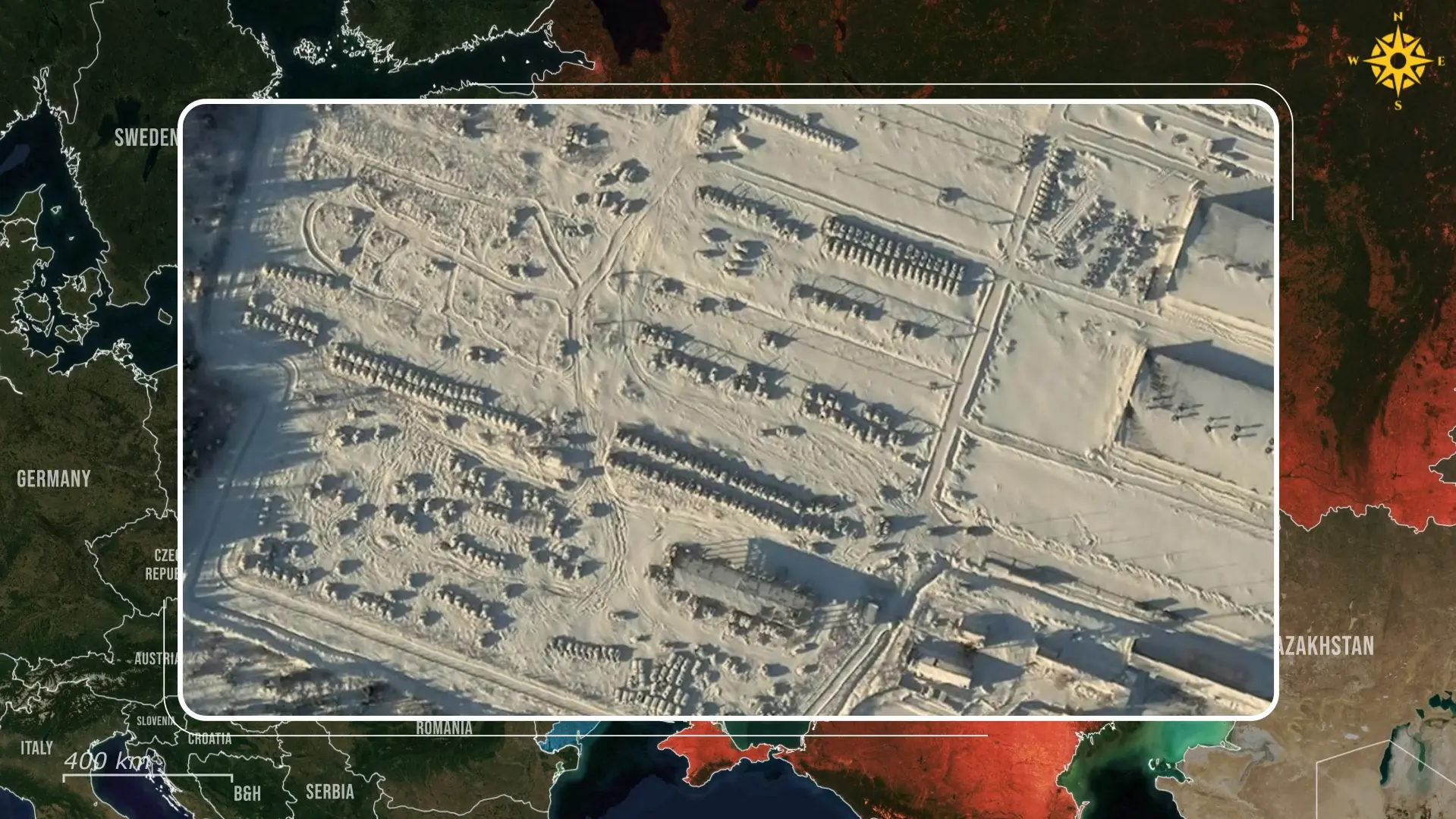
Satellite imagery from before the war in Ukraine showed the sheer scale of this legacy. Across dozens of storage bases stretching from European Russia to Siberia, thousands of tanks stood in long rows: T Seventy-two, T Eighty, T Sixty-two, and even older variants, alongside tens of thousands of infantry fighting vehicles and armored personnel carriers.
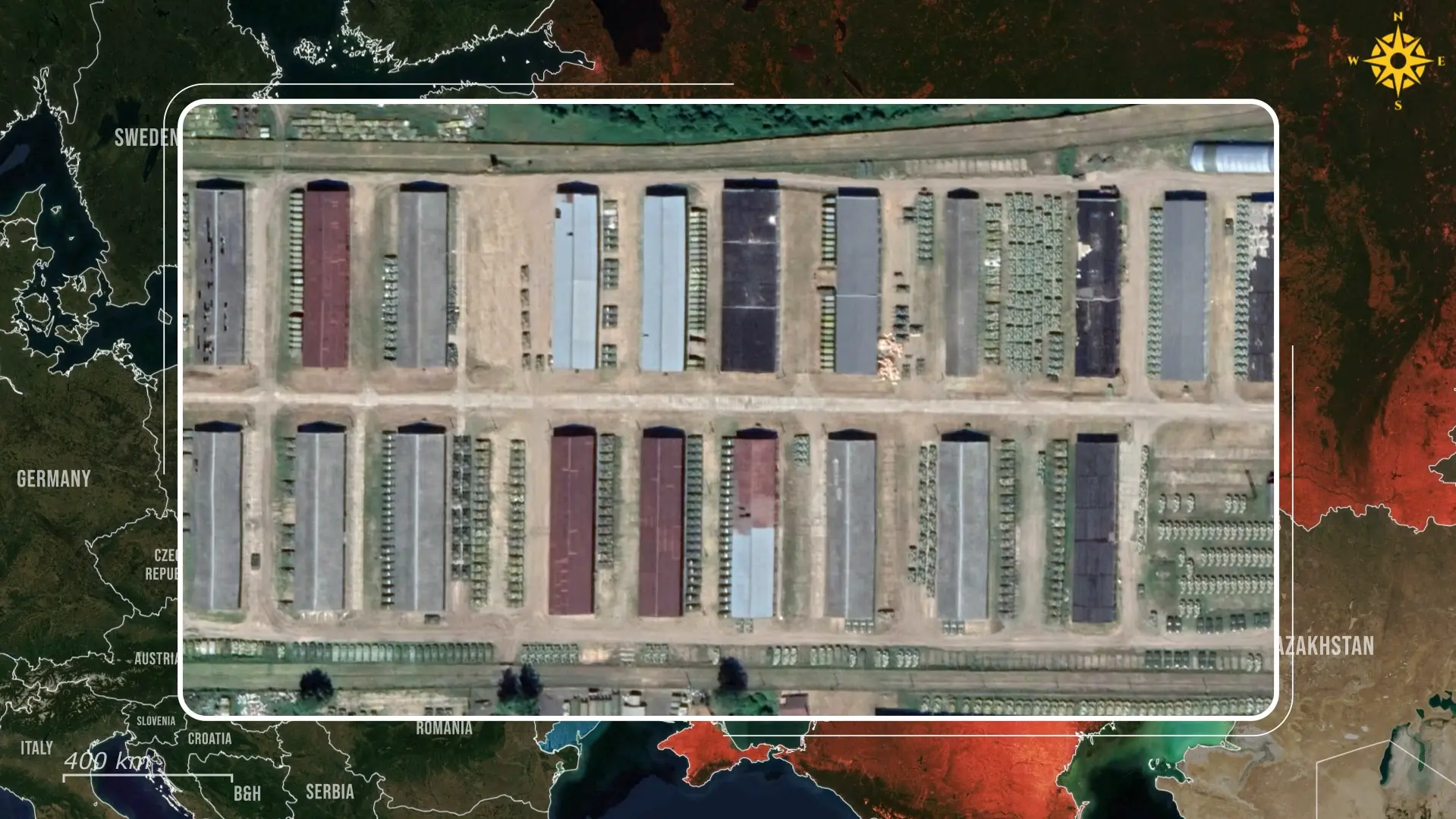
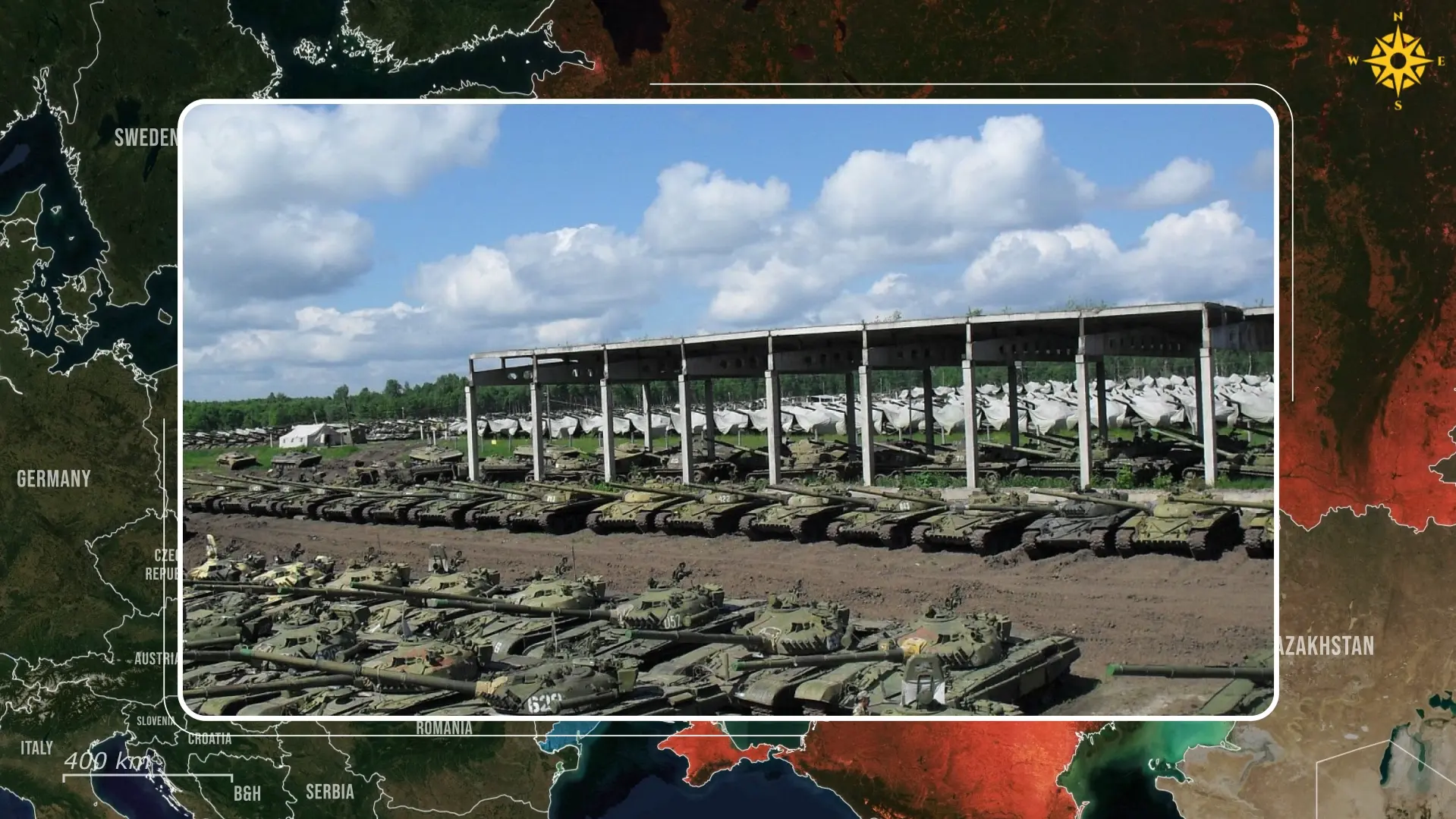
Estimates placed the number of stored tanks alone between seven and ten thousand, part of a broader Soviet arsenal that once exceeded fifty thousand. These depots were not just reserves, but the backbone of the Soviet mobilization doctrine, designed to equip entire reserve armies in the event of a large-scale war with the West. For decades, they symbolized Russia’s ability to sustain combat at a scale no one was supposed to match.
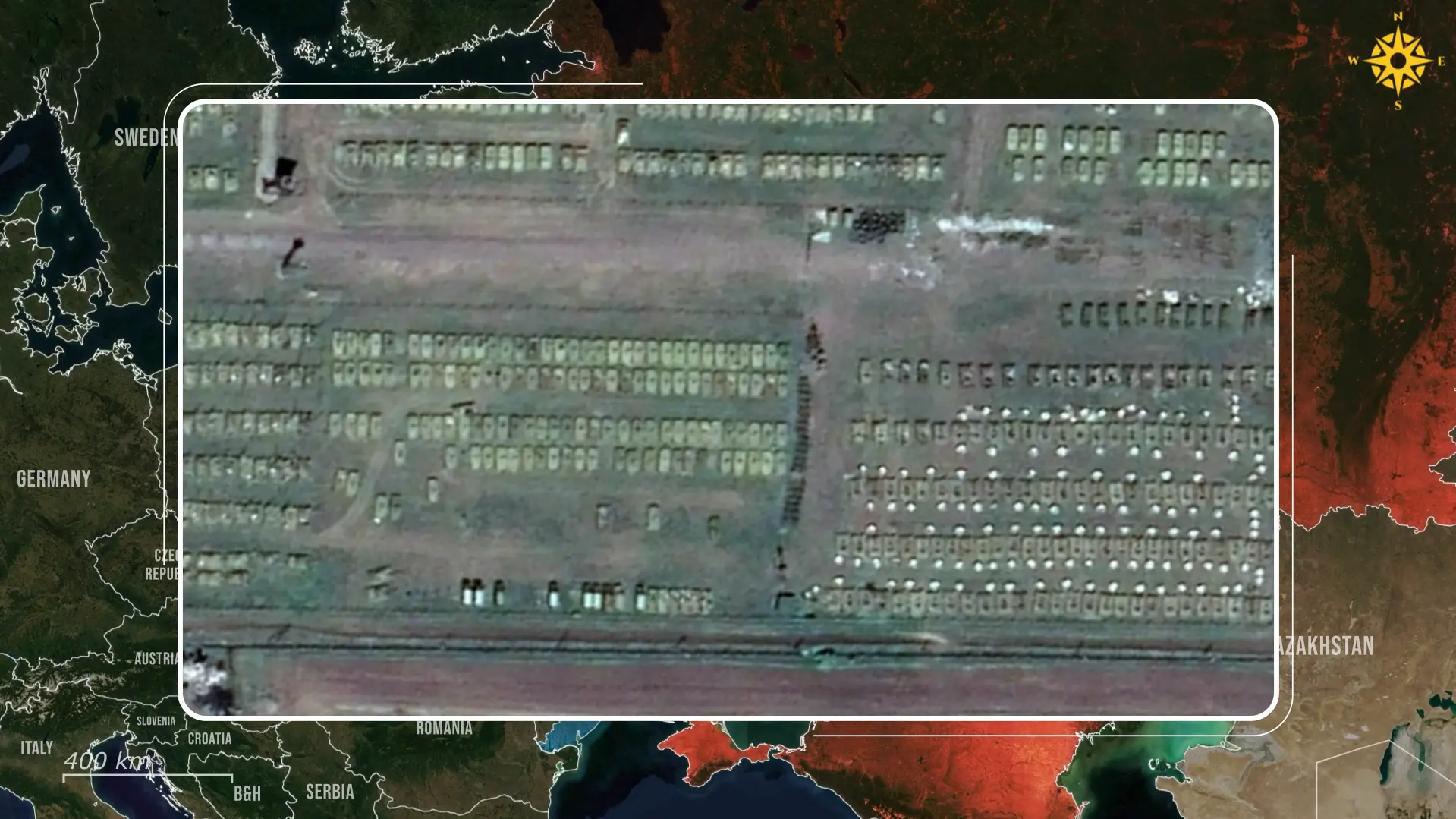
However, new satellite imagery reveals a completely different reality, as the war in Ukraine has shattered this legacy in under four years. Alone losses verified through available footage by independent open-source analysts already exceed four thousand tanks and more than thirteen thousand armored vehicles, and the true numbers are likely significantly higher.
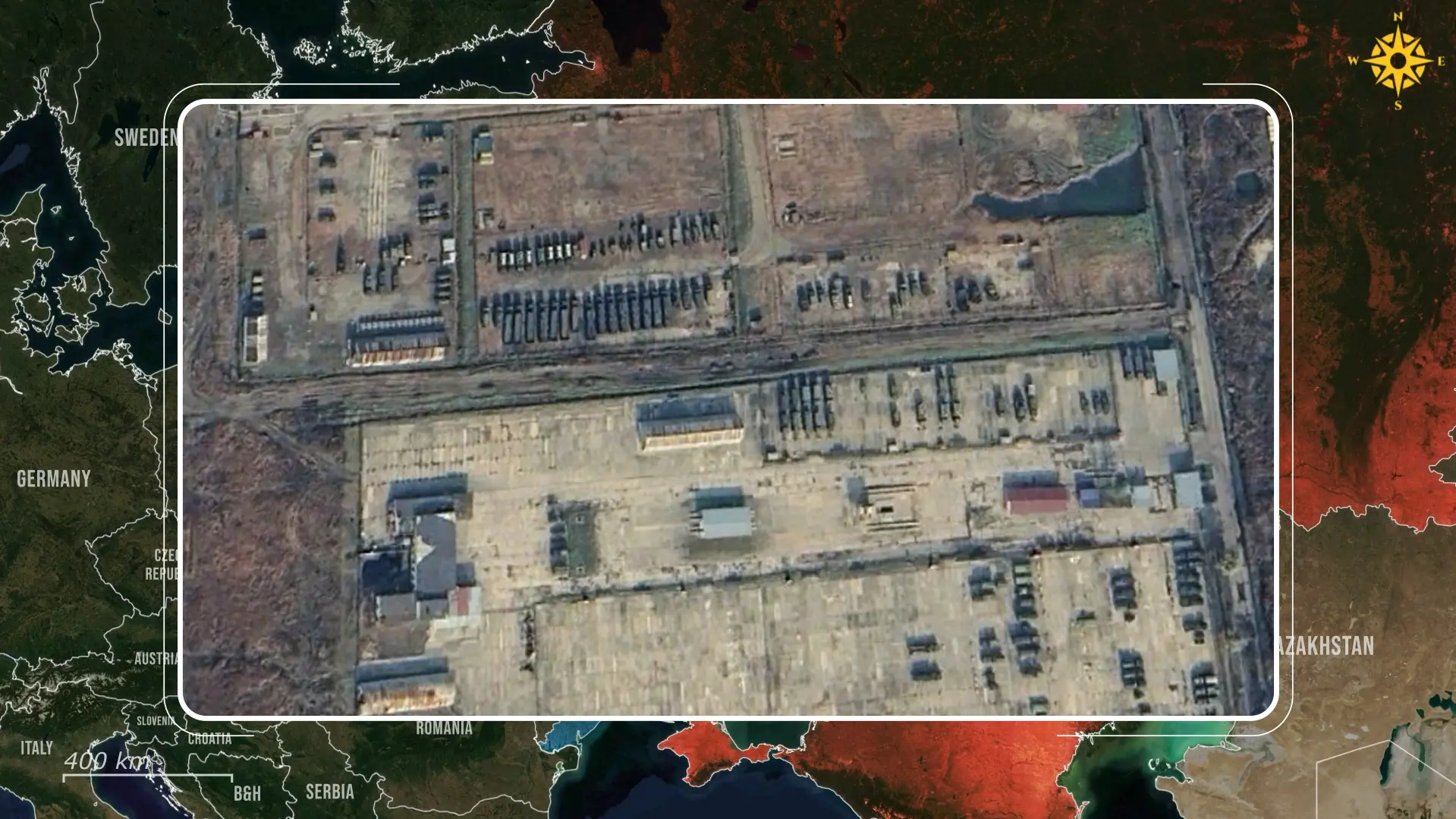
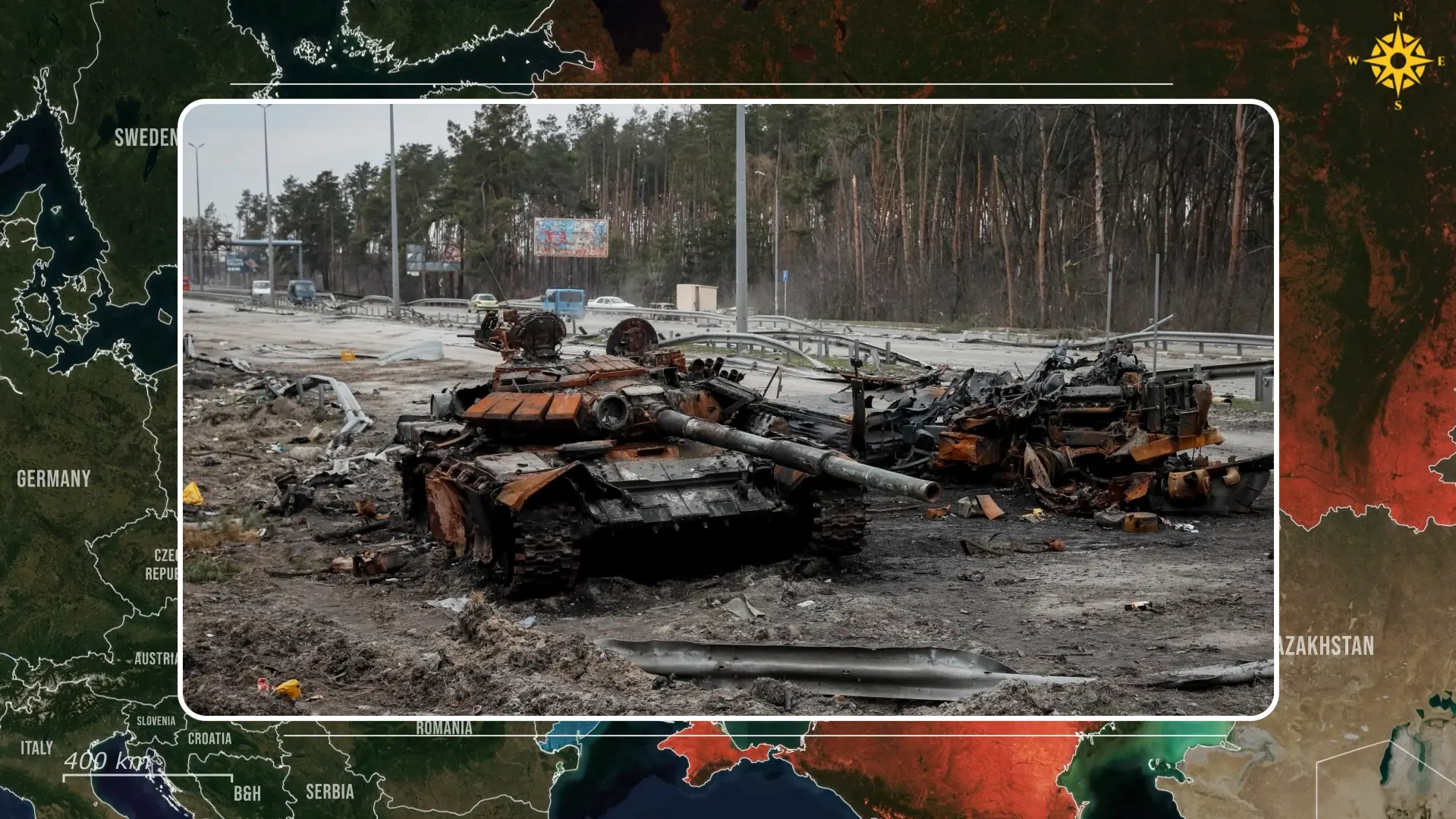
Entire storage bases that once held thousands of vehicles now appear nearly empty, reduced to scattered hulks or stripped frames. Analysis of key depots shows that of the original stockpile, only around two thousand four hundred vehicles remain, but more importantly, just a fraction of those is in condition to be used, even for spare parts.
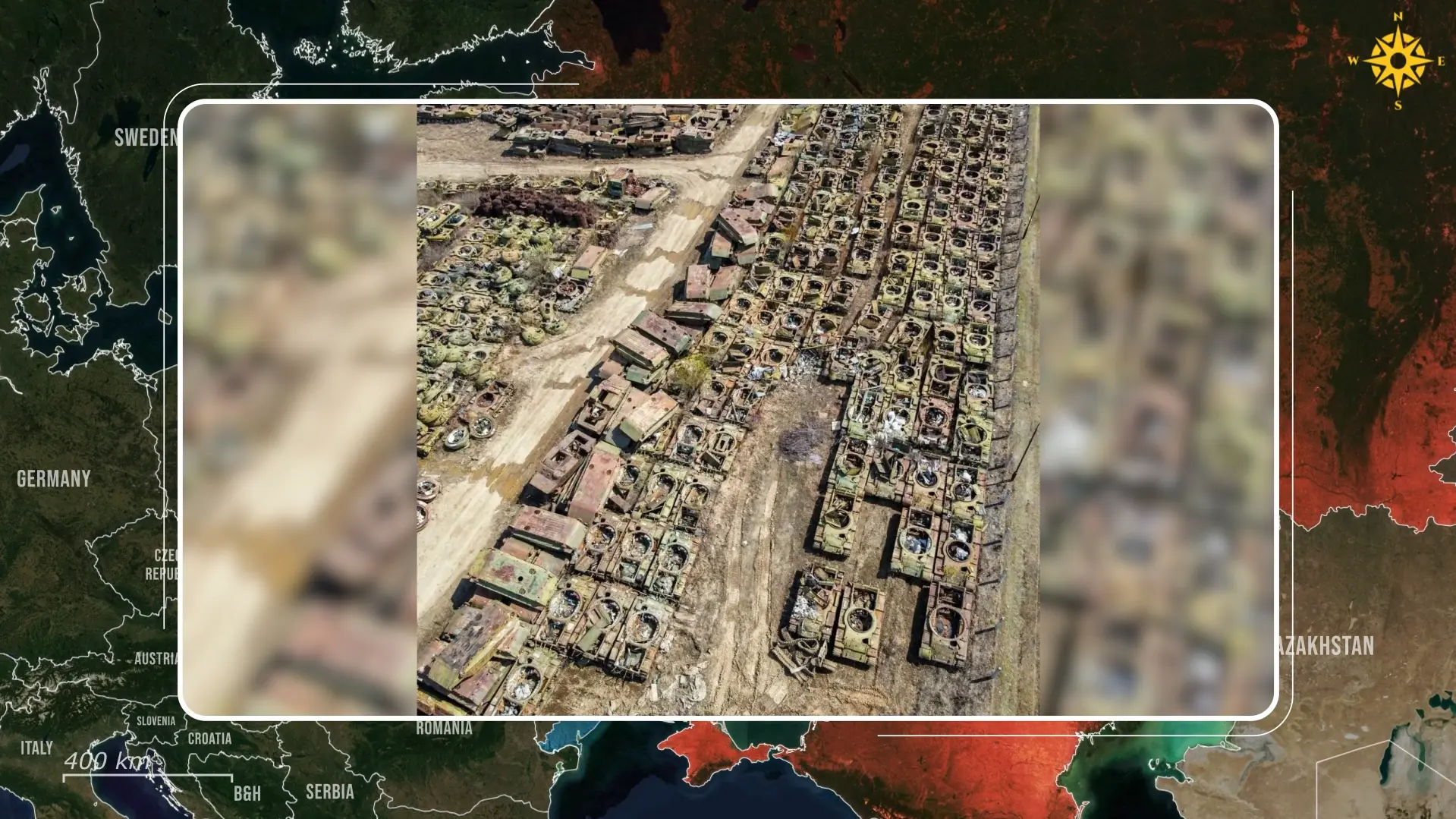
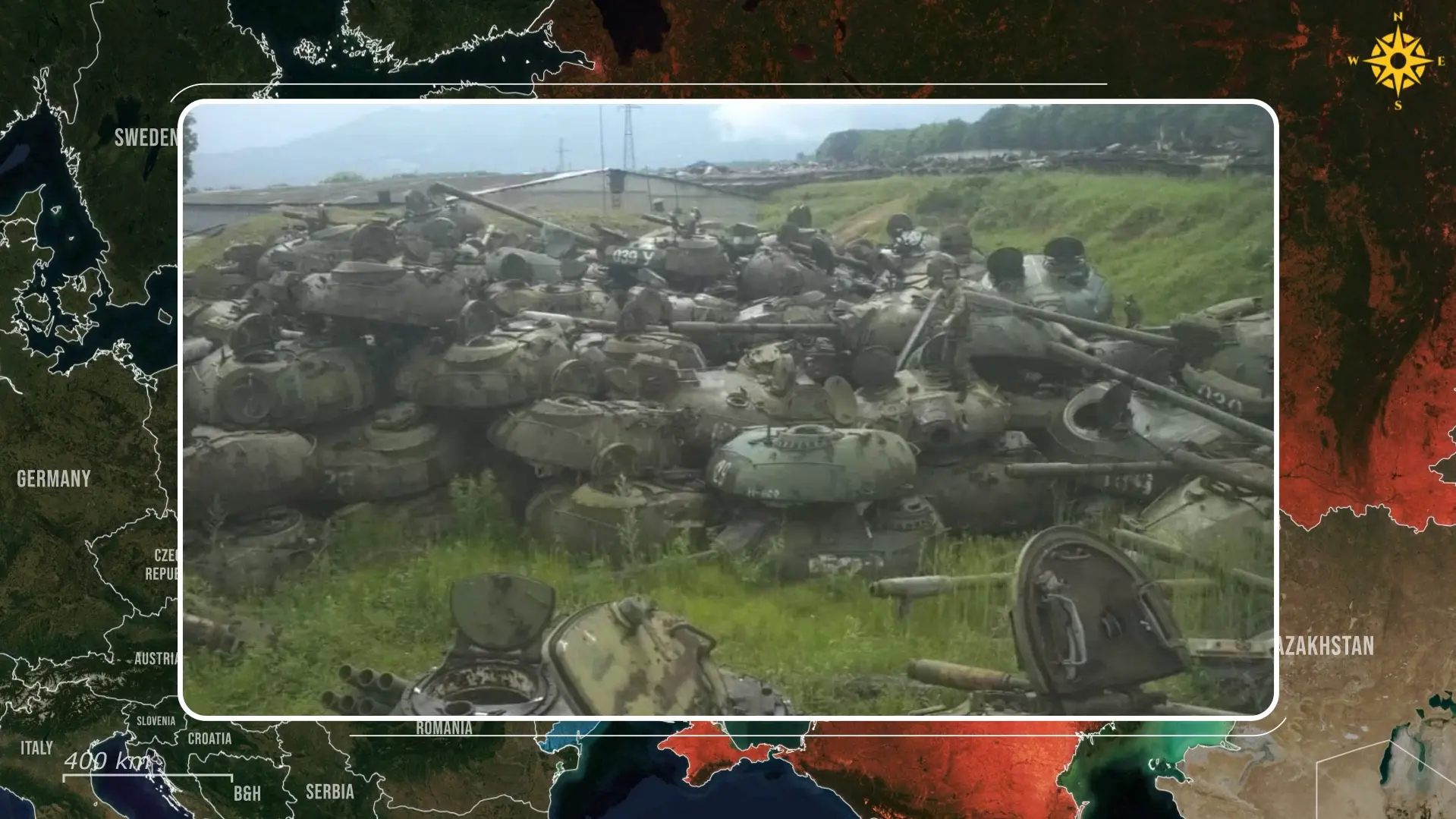
In some locations, fewer than a hundred vehicles can be considered usable, as the rest have either been destroyed, cannibalized for parts, or degraded beyond repair after decades of neglect.
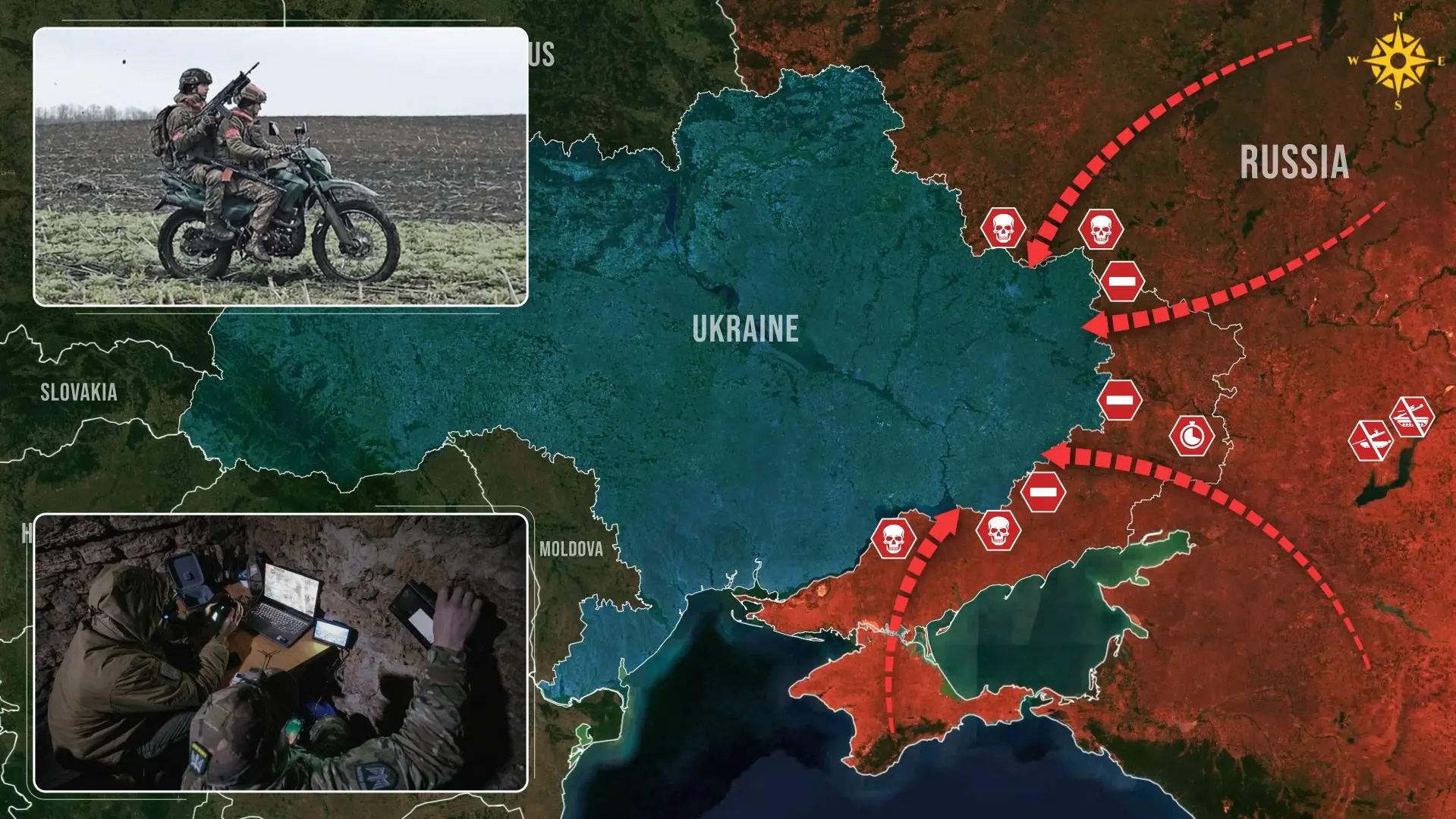
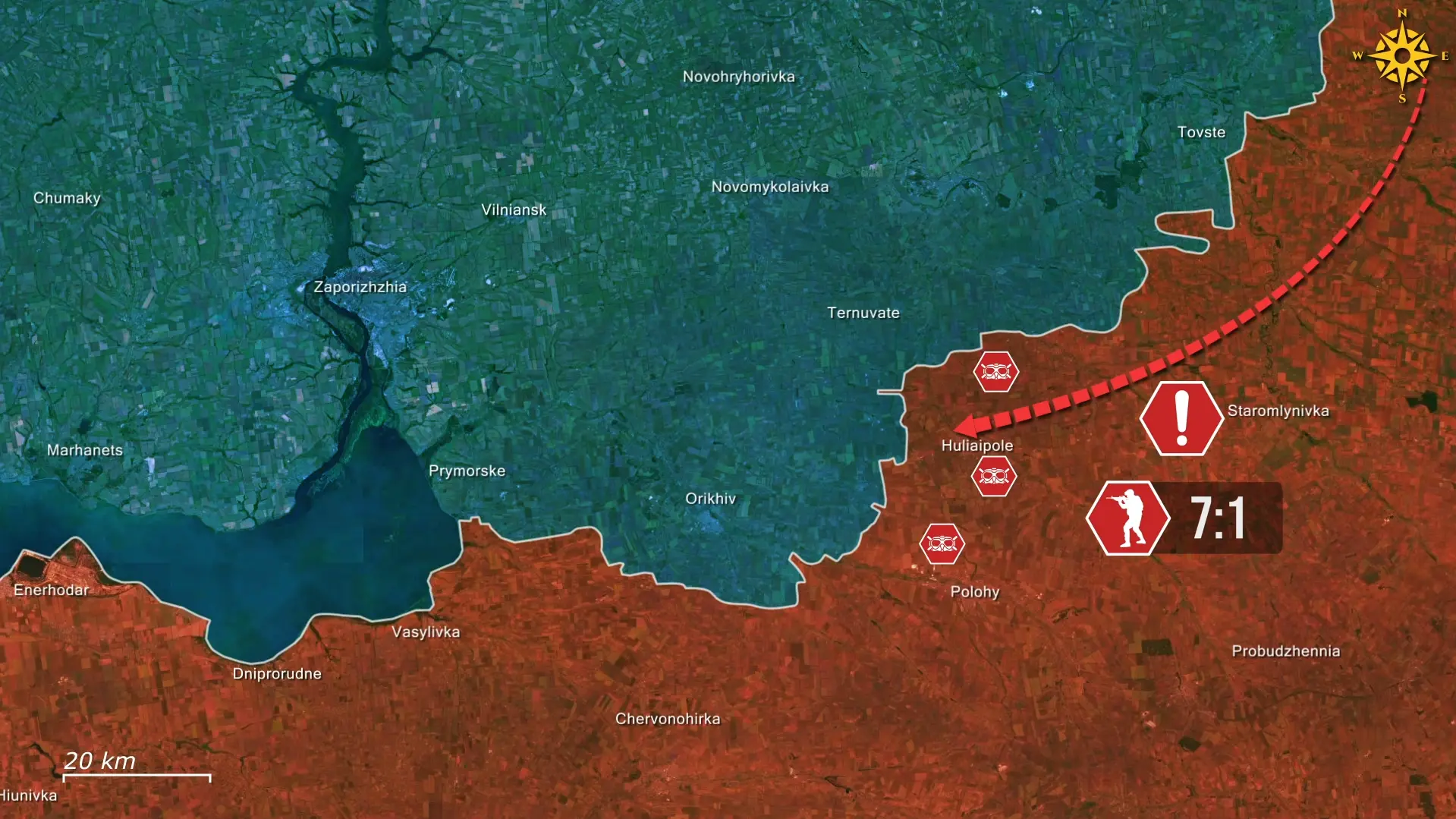
This depletion has had a direct and devastating impact on Russia’s campaign in Ukraine, as it has forced a fundamental shift in tactics. Instead of maneuver warfare supported by tanks and mechanized units, Russian forces increasingly rely on infantry-heavy assaults, often using light vehicles or even motorcycles to support infiltration attempts of groups of up to three soldiers.
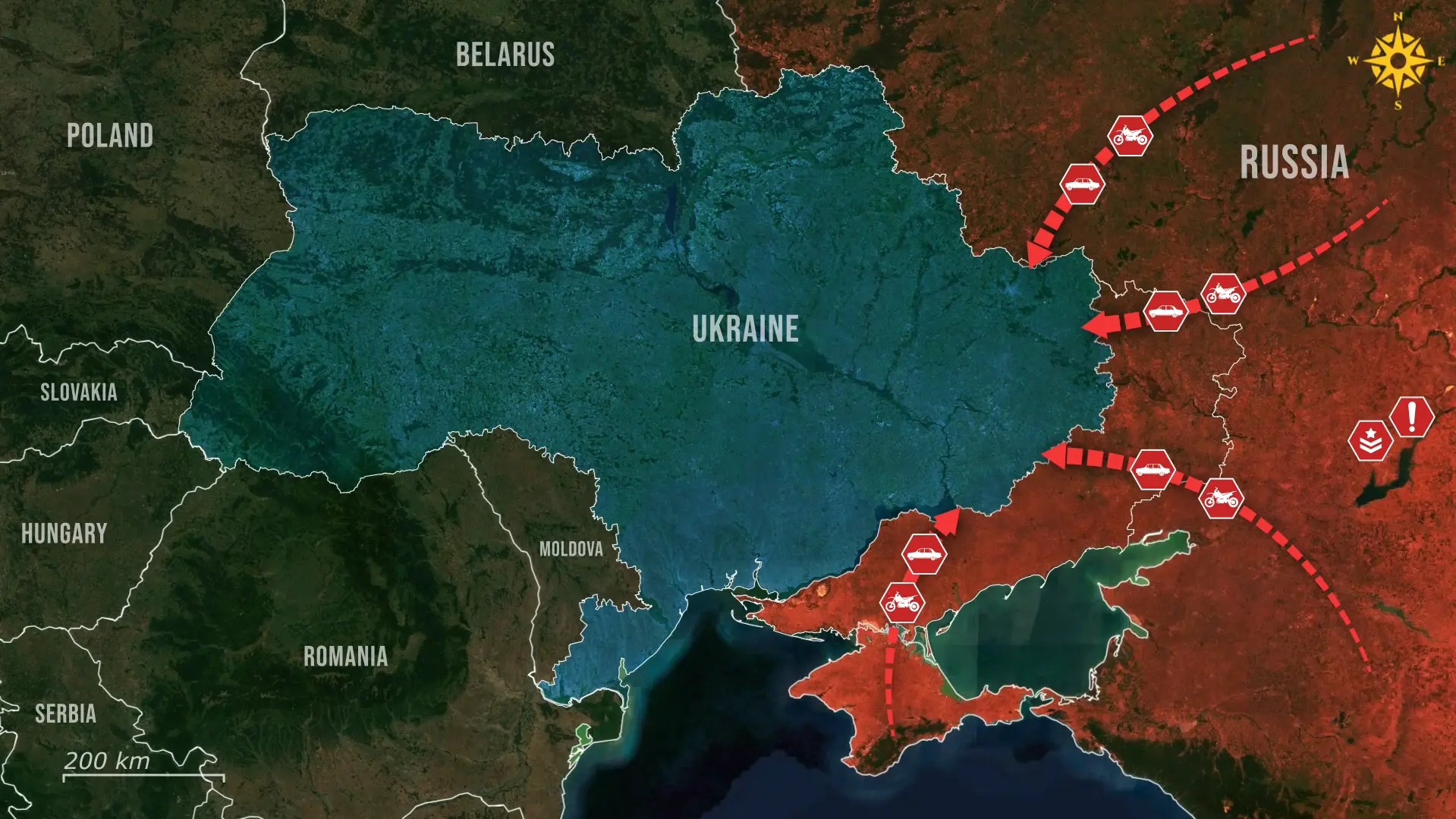
These tactics are slower, more exposed, and significantly more costly in terms of manpower. Without sufficient armored support, Russian units struggle to achieve breakthroughs, and even when they gain some ground through enormous losses, they lack the mobility to exploit it.
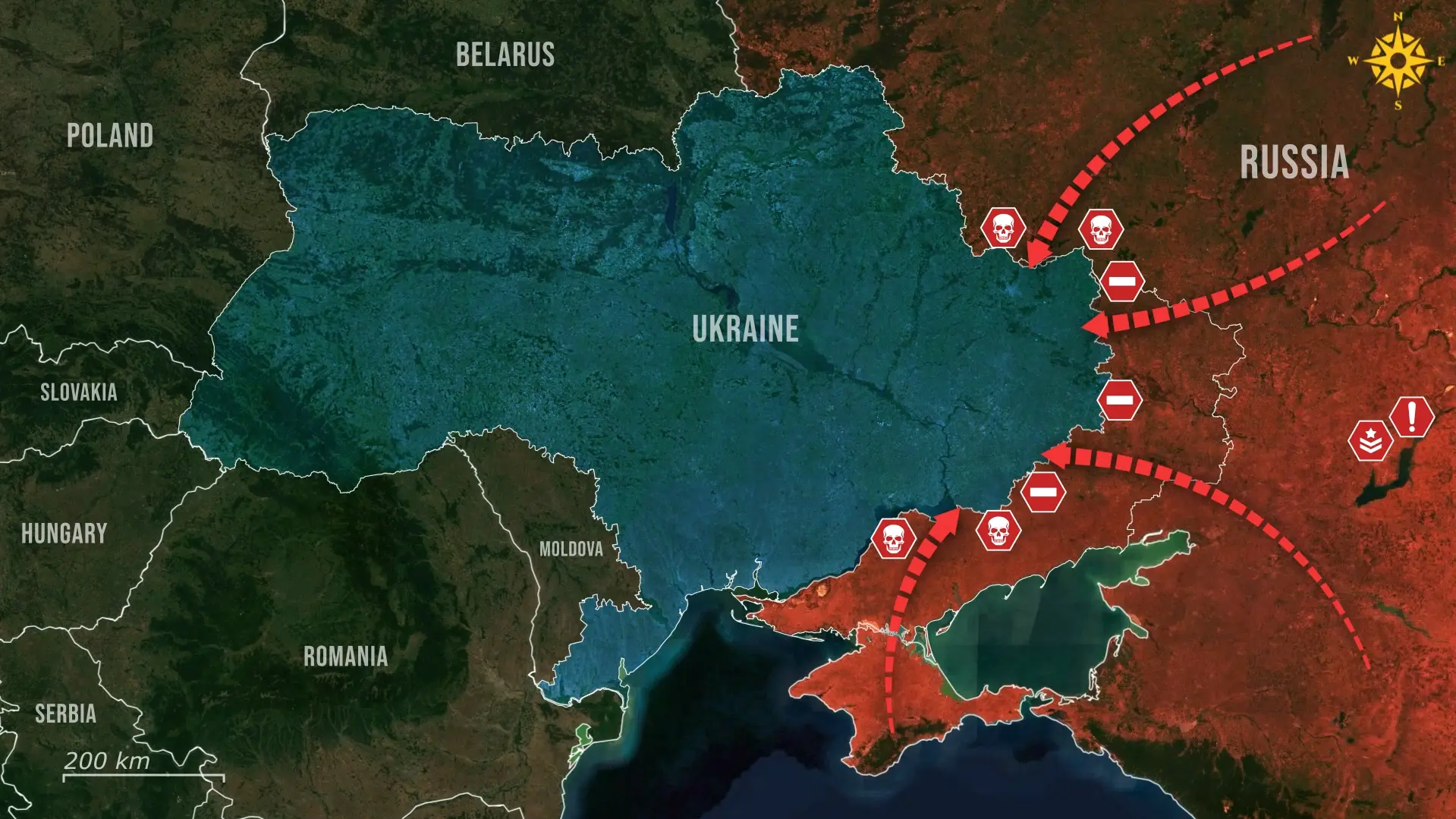
As a result, the pace of the war has changed, with large-scale offensives now missing due to the loss of the Russians' ability to conduct rapid assaults with enough fire support. What remains is a grinding war of attrition, where progress is measured in meters rather than kilometers, and losses far outweigh gains.
Overall, the implications for Russia go far beyond the battlefield, as the prolonged duration of the war has turned Russia’s last great military advantage into a strategic liability. What the satellite images reveal is not just loss but a forced transformation, as Russia has traded decades of preparation for minimal territorial gains, exhausting a resource that cannot be replaced.
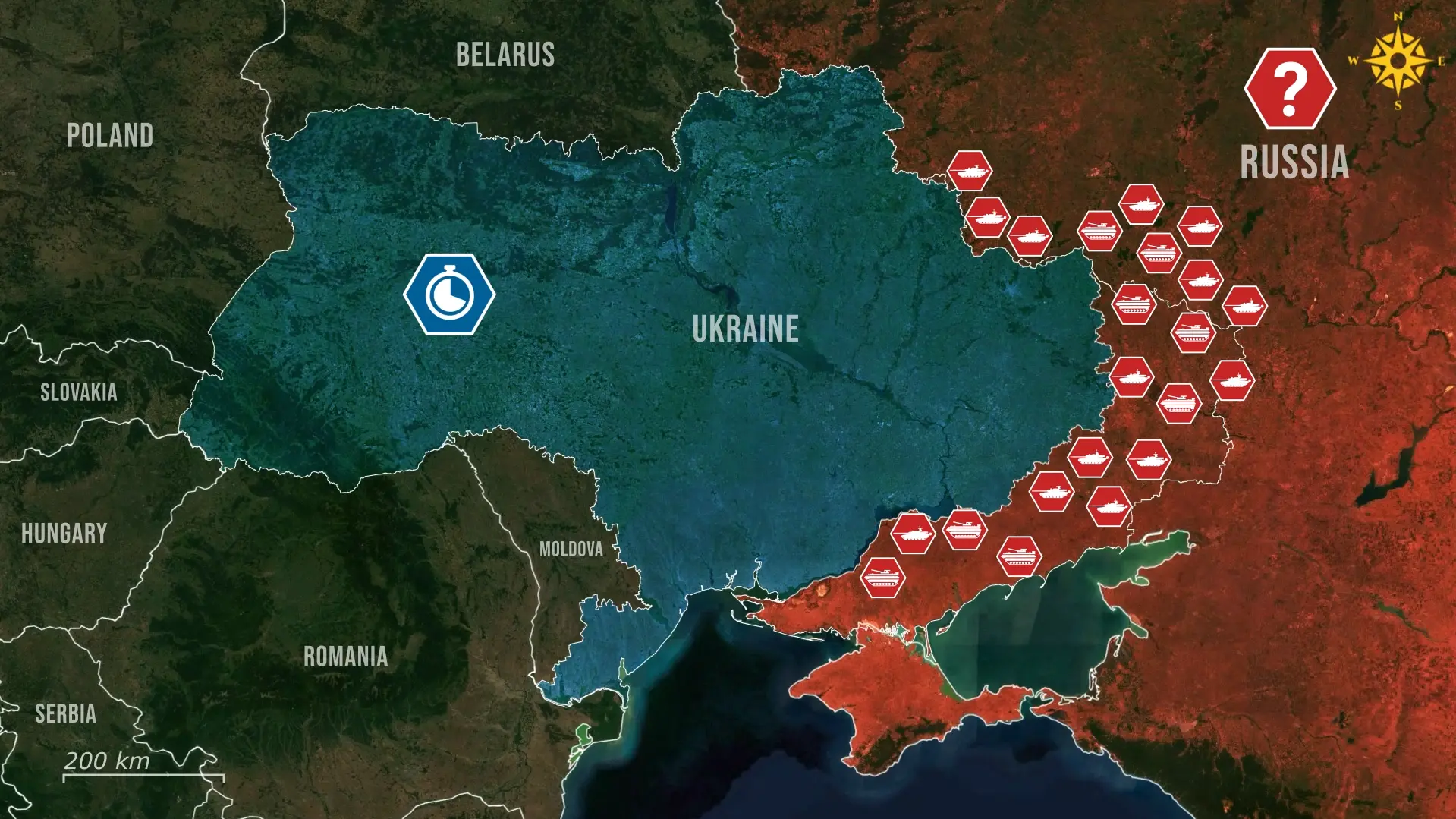
The vast reserves inherited from the Soviet Union, intended to guarantee dominance in a major conflict, have been consumed with little in return. Through this, Russia has lost its ability to regenerate combat power at scale, marking a turning point that may define the outcome of the war itself.

.jpg)

Comments