

.svg)
In the skies above the frontline, the Ukrainian air force unleashed a devastating series of J-dam bombardments on Russian positions. After securing one of the largest J-dam resupply packages since the start of the war, the Ukrainian air forces stopped rationing them and started conducting constant strikes on the Russian lines.
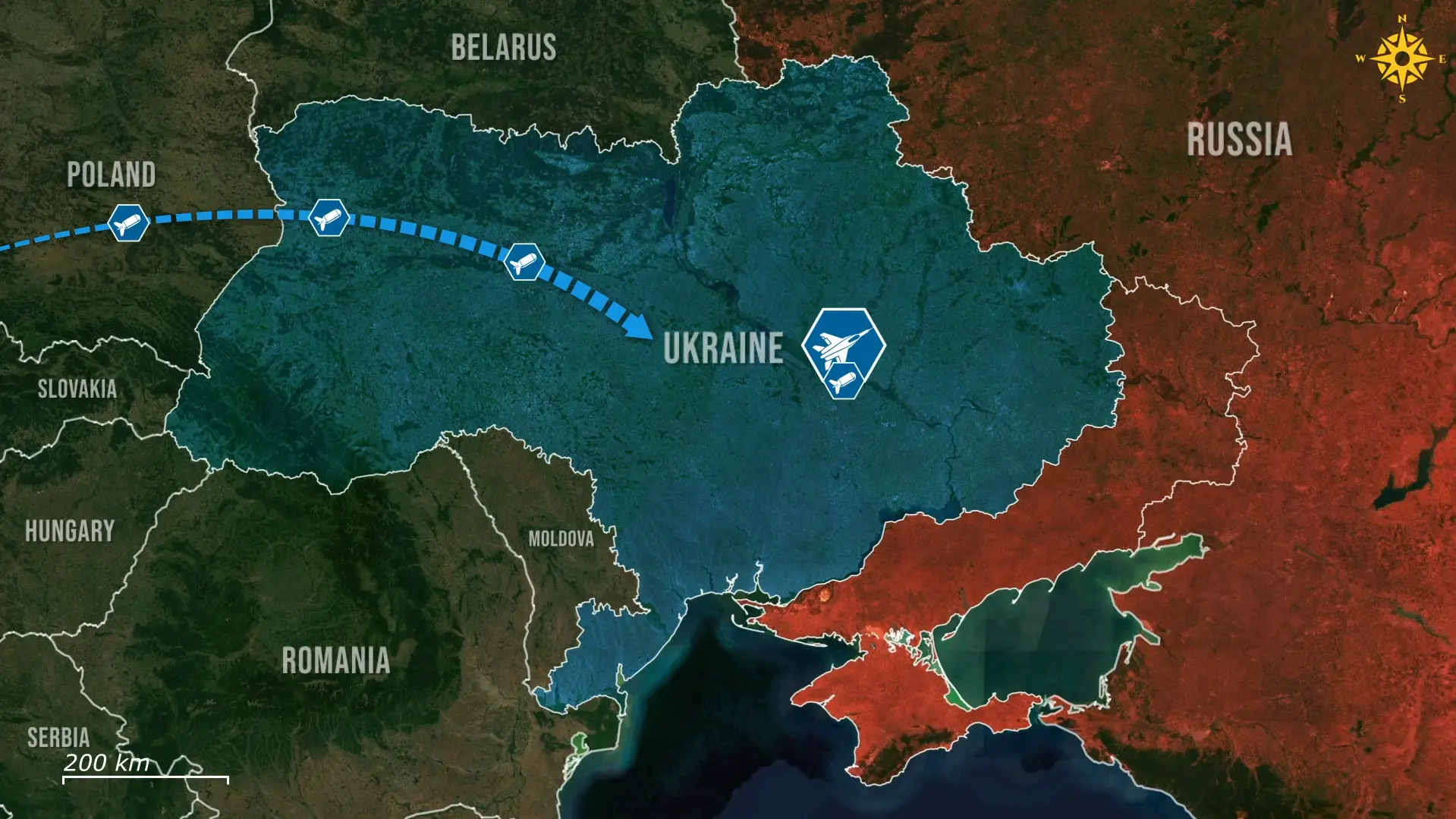
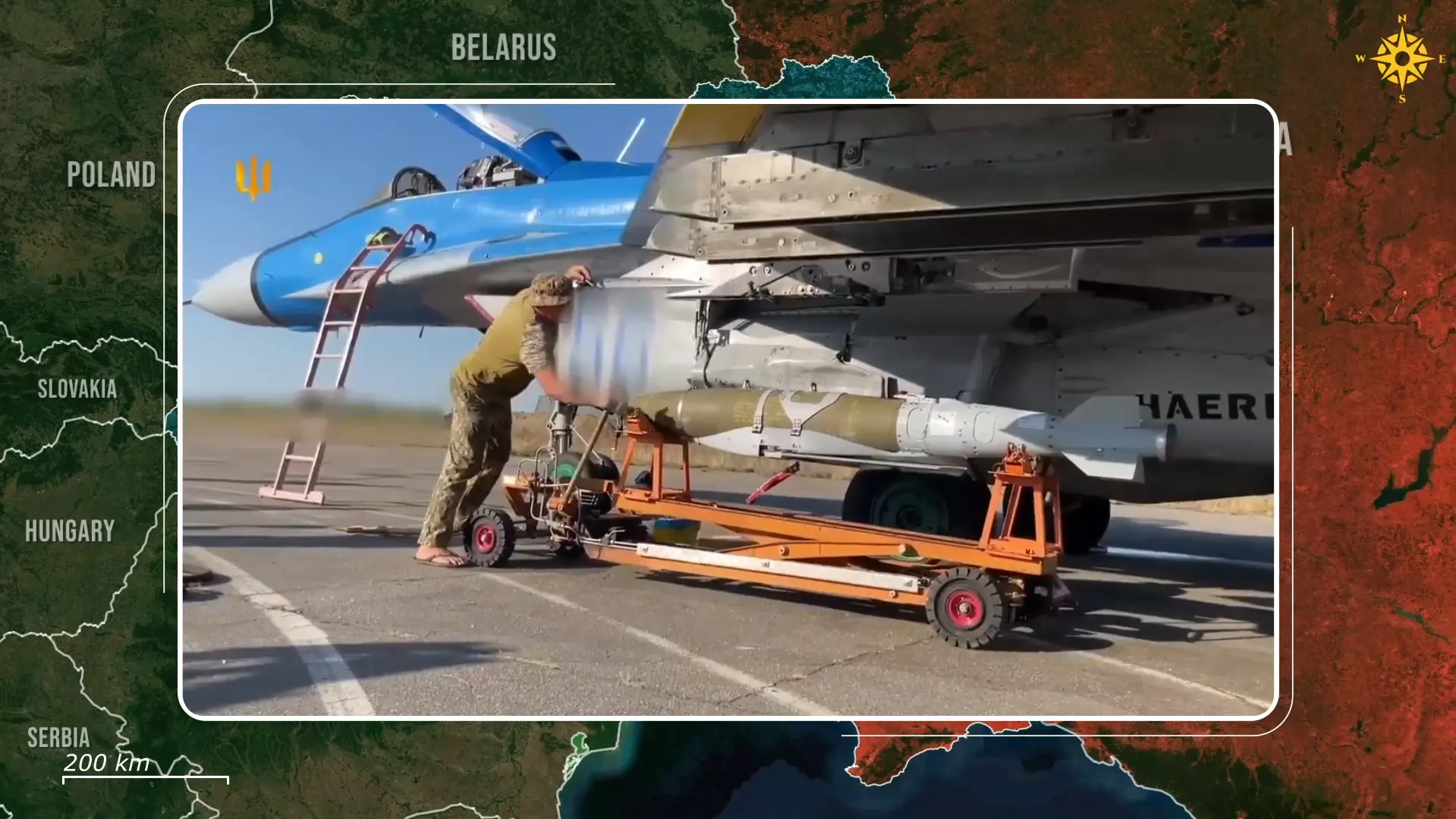
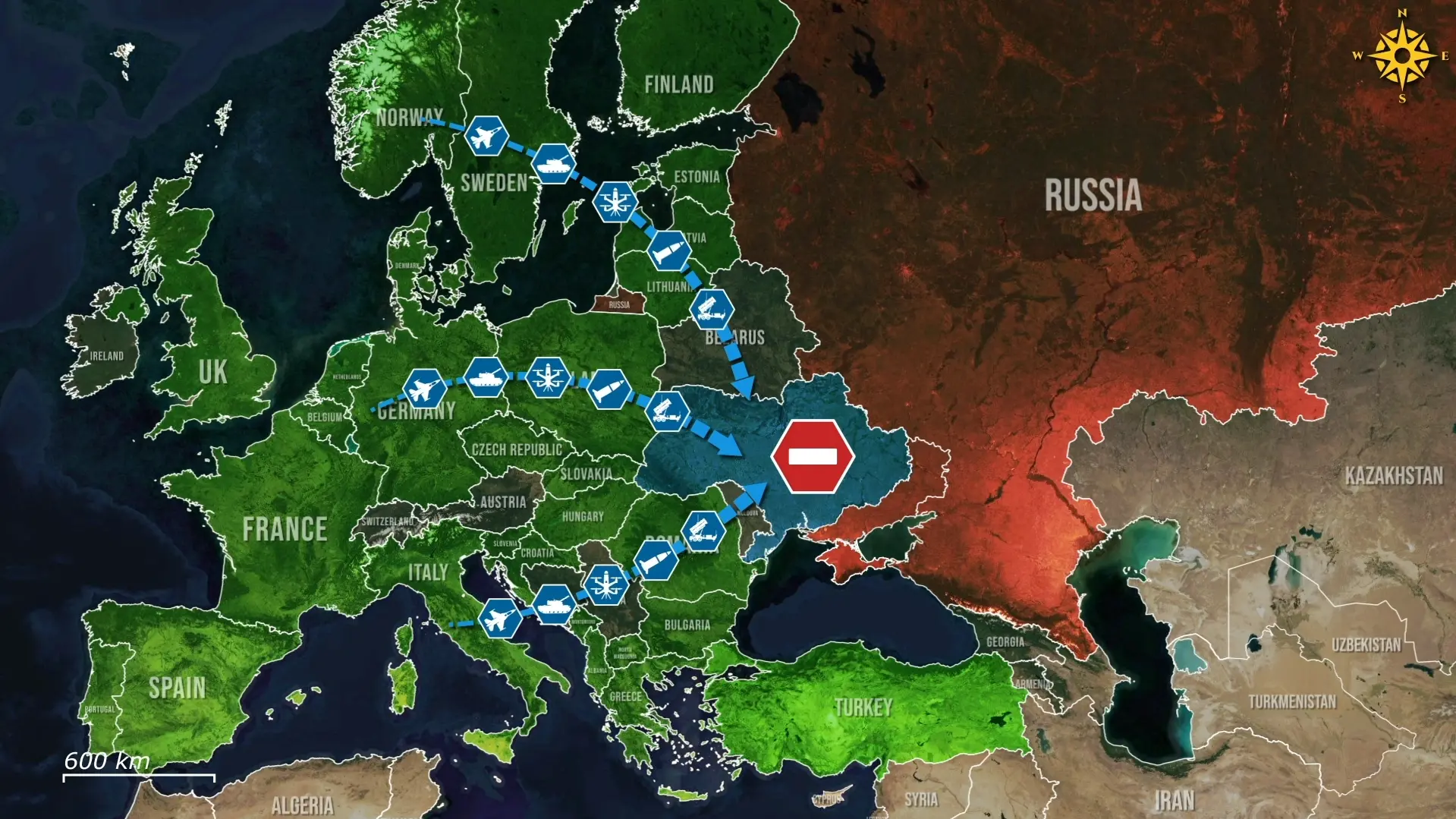
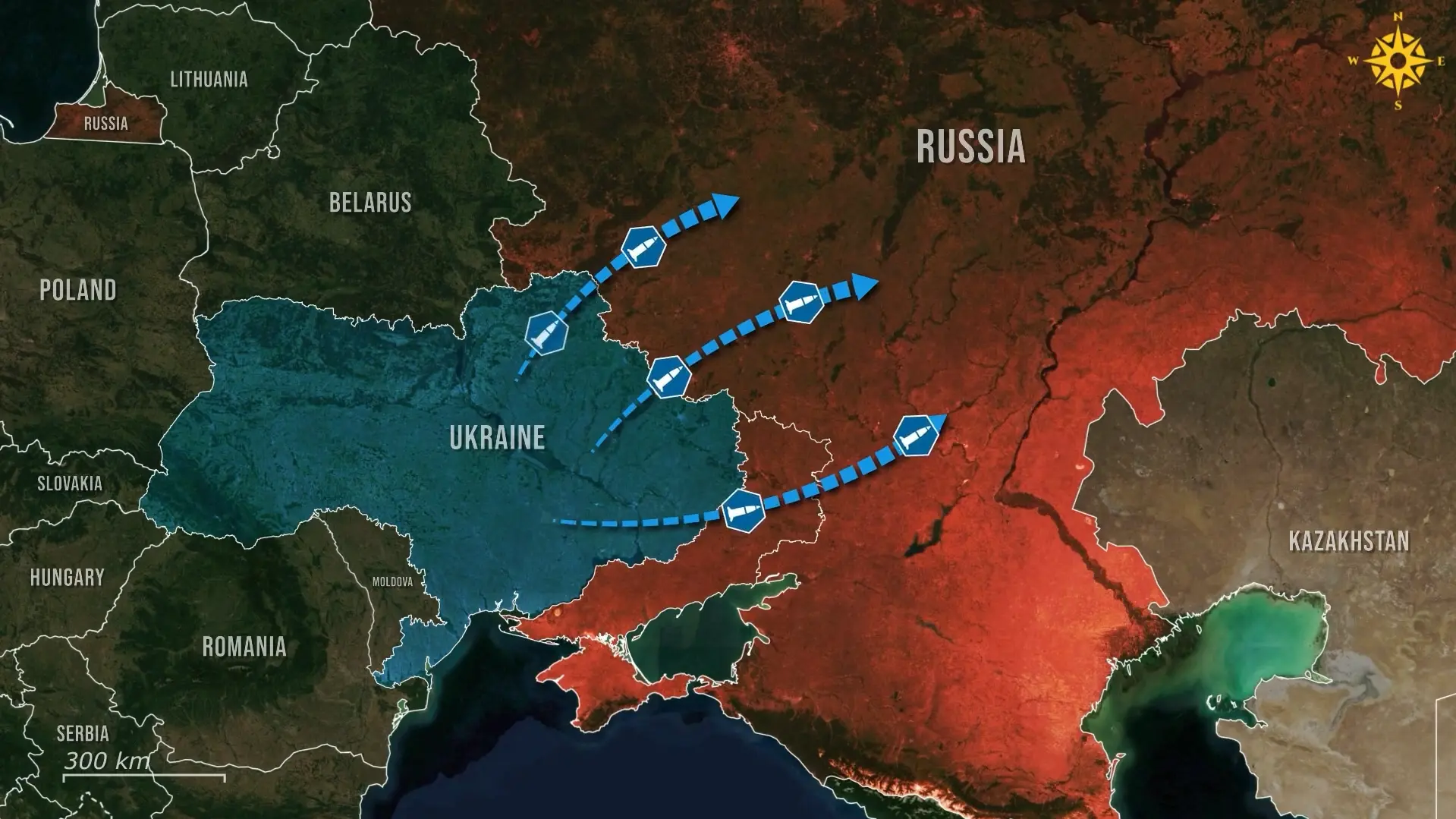
Recently, the United States has approved a major three-hundred-seventy-three-million-dollar package that includes more than one thousand five hundred J-dam bombs for Ukraine. The package will be financed through a combination of Ukrainian funds and monetary contributions from European Nato countries. Particularly important is that this is the Extended Range variant that adds deployable wings that allow bombs to glide up to eighty kilometers after release, combining GPS and inertial navigation systems, enabling the bombs to accurately strike fixed targets in any weather conditions. This enables Ukrainian aircraft to attack Russian positions from much safer distances while remaining outside many Russian frontline air defense ranges.
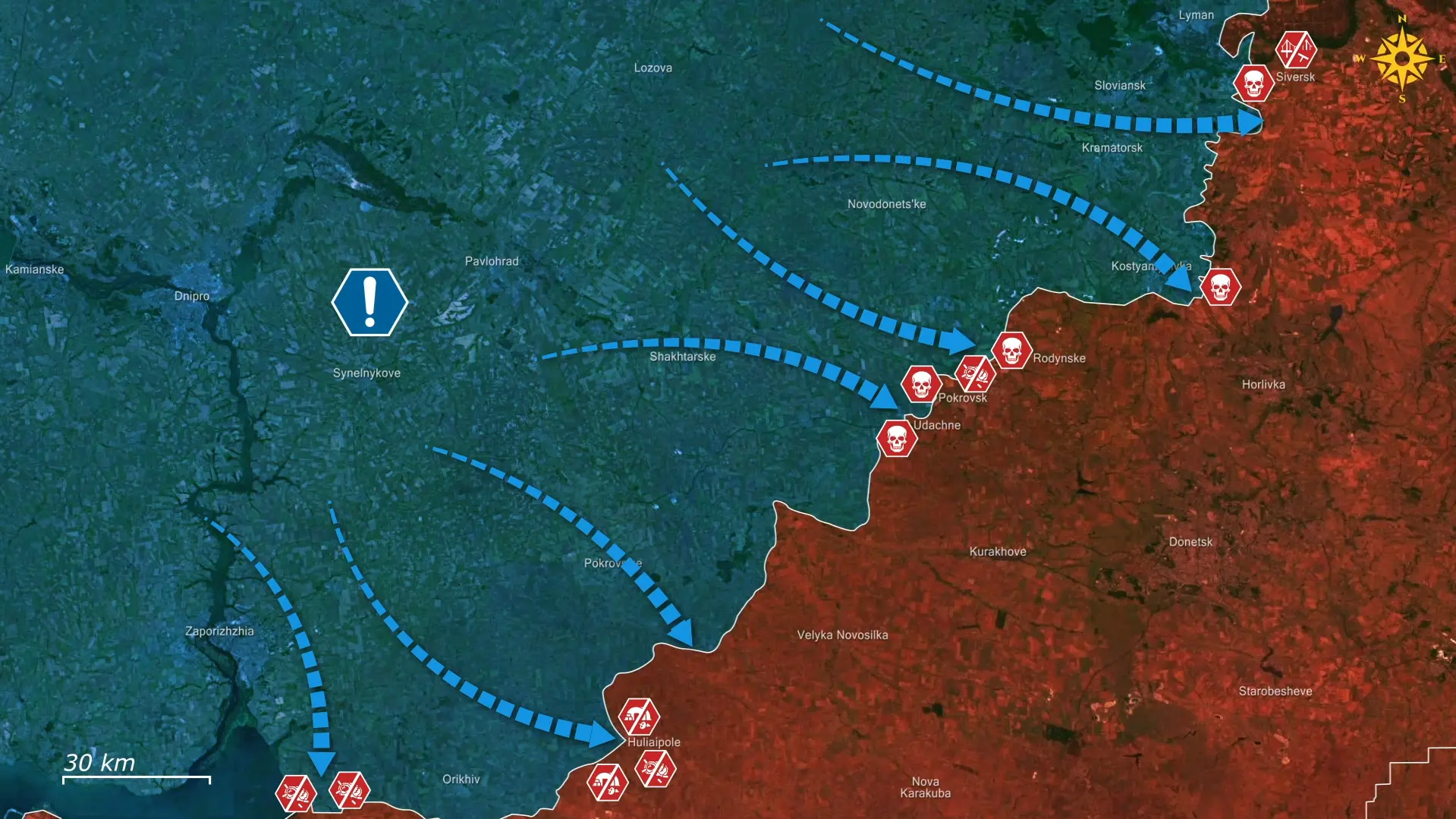
With more bombs secured, Ukraine has increasingly stepped up its J-dam campaign on Russian command-and-control infrastructure and logistics facilities to break the backbone of Russian battlefield operations, including facilities near Huliaipole and the broader Zaporizhia Region. Additional strikes targeted railway bridges north of Siversk that were being used for logistics and troop deployments. Such attacks degrade Russia’s ability to coordinate operations while disrupting the movement of supplies, reinforcements, and ammunition to frontline units.
Ukrainian aircraft continued their campaign with operations against enemy drone operator posts. They repeatedly targeted a mining complex east of Rodynske, where Russian drone operators had been observed on multiple occasions. A Ukrainian Su-twenty-seven struck the site with J-dam extended-range bombs, followed by another precision strike that destroyed a building, housing operators of the elite Russian Rubicon unit. The fact that the same complex was attacked several days in a row suggests Ukraine deliberately ensured surviving operators could not resume operations.
Additional strikes hit Russian drone command posts near Huliaipole and Pidhirne, while another Mig-twenty-nine destroyed one such control point in Plavni together with personnel, equipment, and ammunition. These attacks are strategically important because they reduce Russian drone reconnaissance and strike activity simultaneously. Without drones, Russian assault groups lose their primary source of battlefield awareness, making attacks slower, less coordinated, and significantly more vulnerable to Ukrainian defenses.
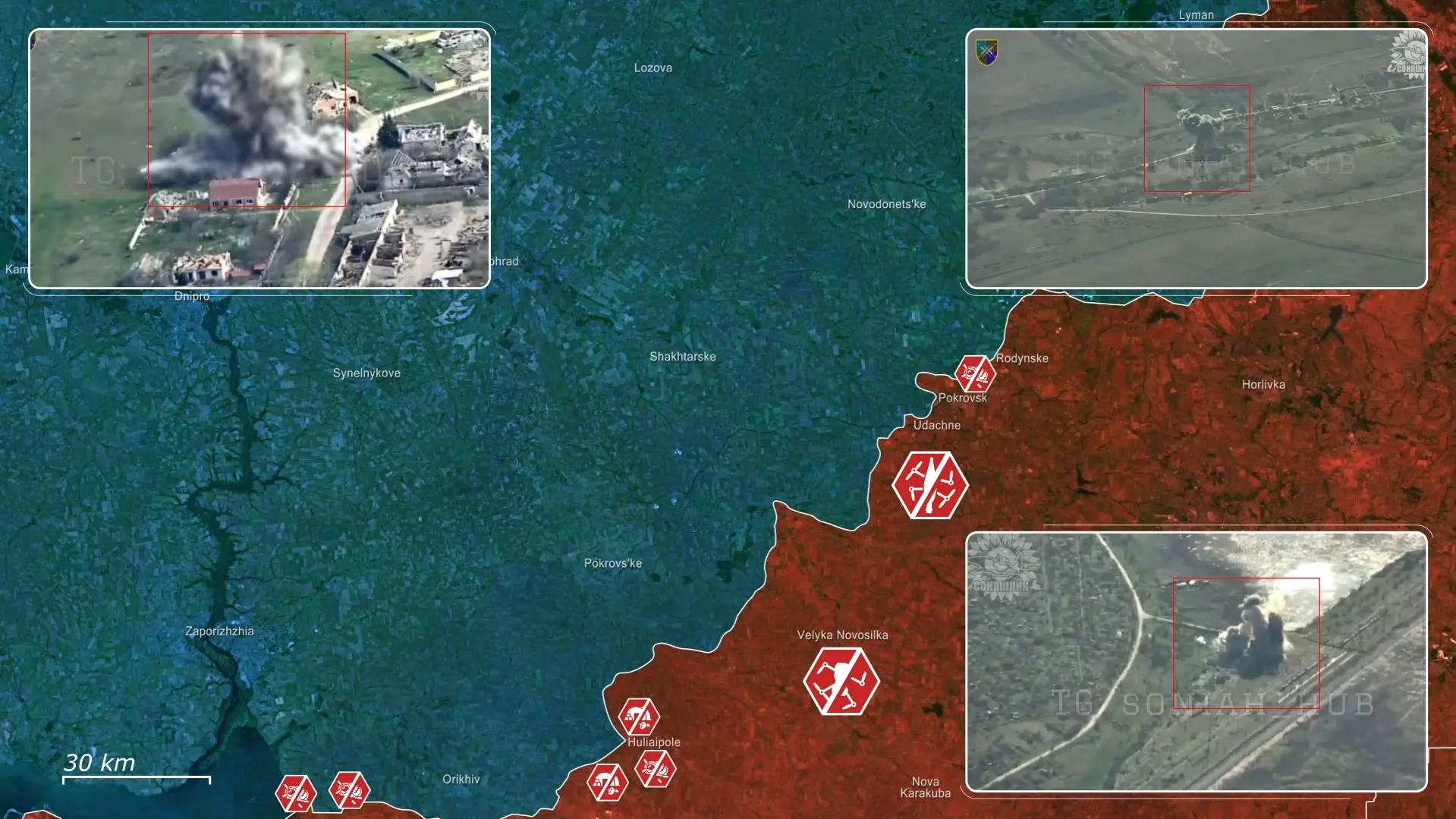
After command centers and drone operators were neutralized, Ukrainian aircraft increasingly focused on Russian troop concentrations. A Su-twenty-seven struck an enemy concentration near Siversk with J-dam bombs, while other airstrikes targeted Russian assault troops concentrated in former substations, multi-story buildings, and mining facilities near Kostiantynivka, Pokrovsk, Rodynske, and Udachne. In many cases, these positions housed troops awaiting orders, reinforcements, or preparation for assaults. By eliminating such concentrations, Ukraine not only inflicts casualties but also disrupts future offensive operations before they begin.
The significance of the newly approved package with more than one thousand five hundred J-dam bombs is hard to underestimate, as it is the largest single precision-strike package Ukraine has received. Previously, Ukrainian commanders often had to conserve these weapons for only the highest-priority targets. A predictable replenishment pipeline now allows precision airstrikes to become routine battlefield tools rather than occasional opportunities.
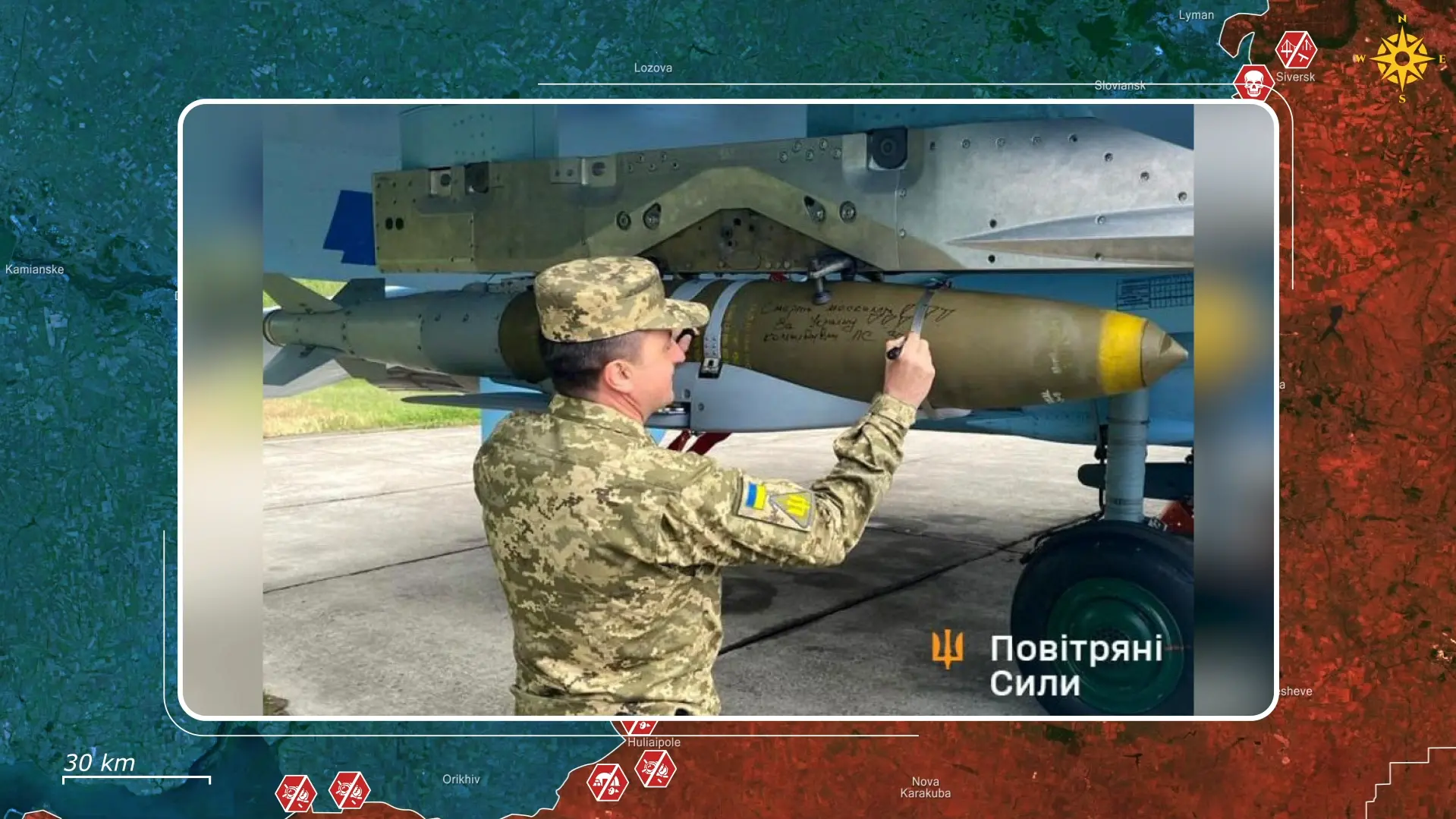
Ukraine has already been using J-dam bombs since two thousand twenty three by integrating them onto Soviet-era Mig-twenty-nine and Su-twenty-seven fighter jets. Ukrainian engineers developed custom interfaces that allow these aircraft to carry and employ Western precision munitions despite being designed decades before such weapons existed. When using non-extended range variants of the J-dam, Ukrainian pilots typically fly at low altitude to avoid detection, then briefly climb before performing a lofted release. The bomb glides toward pre-programmed coordinates while the aircraft immediately turns away, minimizing exposure to Russian air defenses. However, with extended-range variants now on the way, Ukrainian jets can launch these bombs from up to eighty kilometers away, ensuring the safety of the craft and pilot by staying out of reach of the already few Russian air defenses that dare to come close to the frontline.
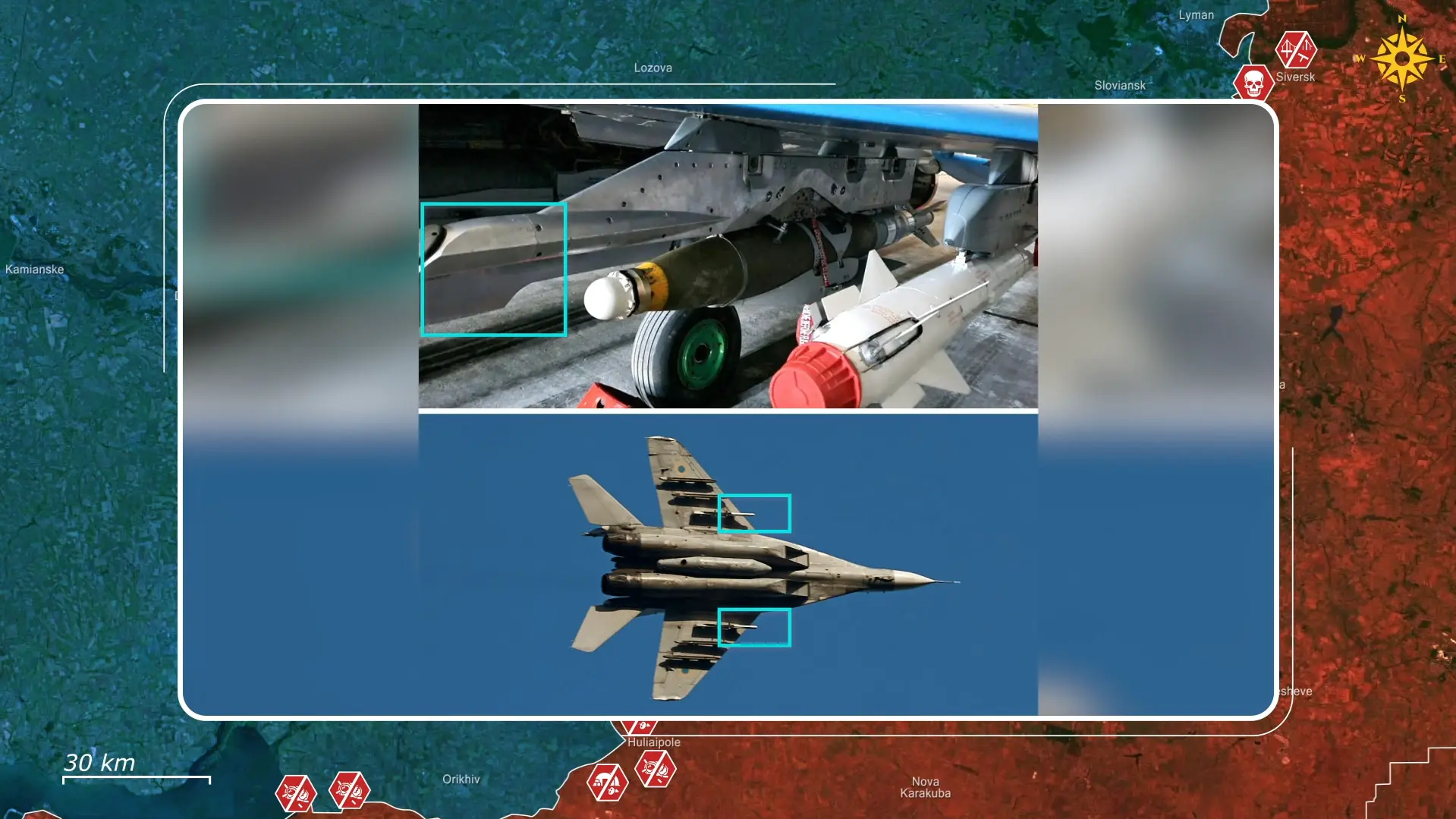
Overall, Ukraine’s growing use of J-dams has become an important factor in blunting Russia’s offensive efforts. Precision strikes against command posts, drone operators, logistics infrastructure, and troop concentrations have steadily weakened Russia’s ability to organize attacks. With more than one thousand five hundred additional J-dams now approved, Ukraine can sustain a much higher tempo of air operations, making precision bombardment an increasingly central element of its campaign to not only halt Russian advances but also to go on the counterattack itself.

.jpg)



Comments