

.svg)
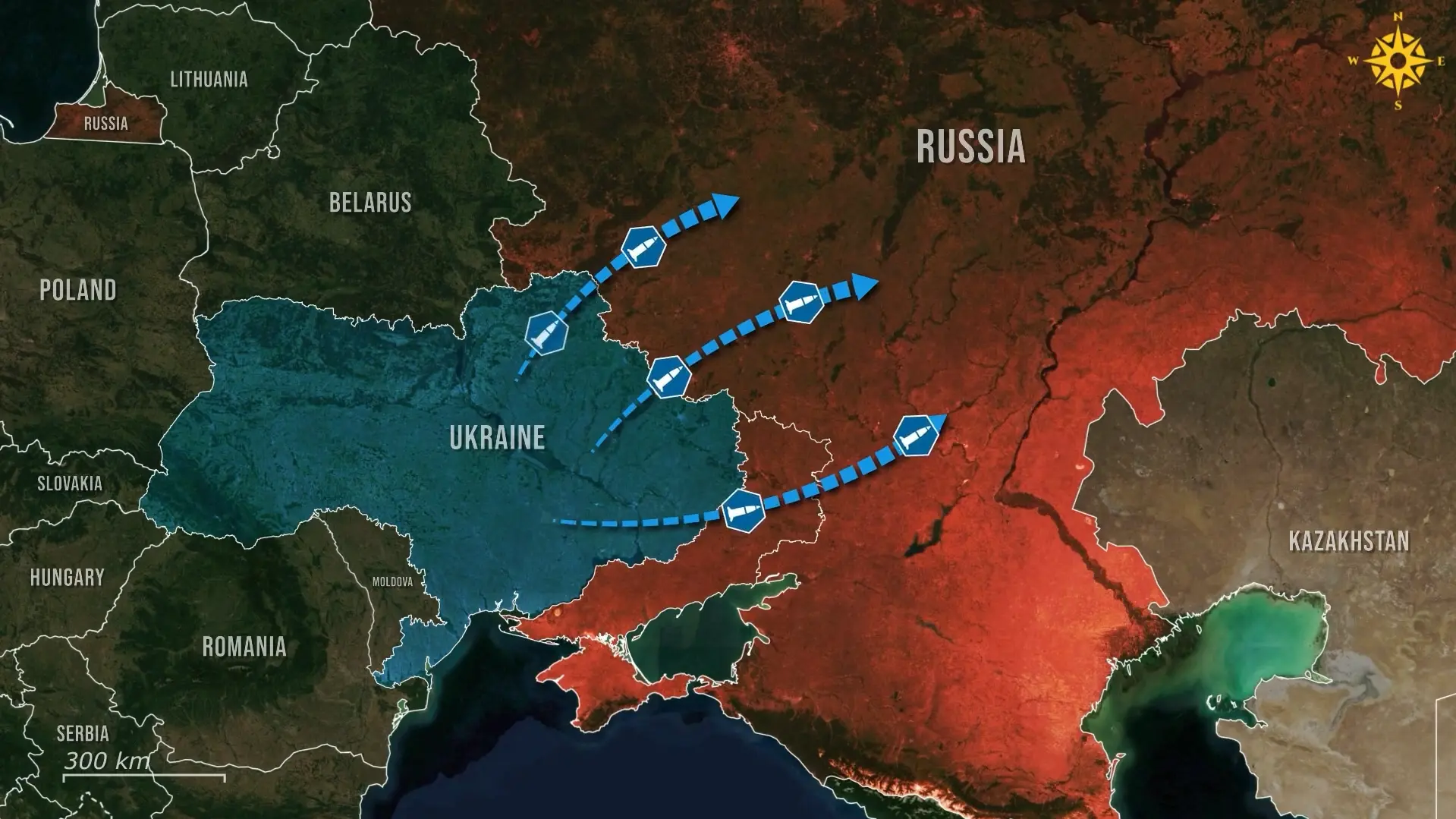
While Russian Fab glide bombs equipped with satellite-aided smart guidance kits are reaching Ukrainian targets, Russian reports increasingly describe weapons failing at two separate stages of the strike. Russian commentators have claimed that as many as half of them fail to detonate at all, while others hit accurately but still leave reinforced positions operational. Pro-Russian military bloggers have directly criticized both failures, admitting that Russian bombs are often failing to deliver the destructive effect expected from weapons of this size. Russian aviation is responding by increasing bomb loads, with upgraded Su-thirty-four bombers now able to carry six glide weapons instead of four by combining four Fab bombs fitted with smart guidance kits and two purpose built smart munitions, raising the payload per sortie by one third. Russia is therefore increasing the number of bombs used without resolving the failures of these bombs that leave Ukrainian defenses operational.

The reason these weapons are underperforming becomes clearer once the two failure mechanisms are separated. Bombs that fail to detonate strike with little more than kinetic force and never release their full explosive charge. Among the bombs that do explode, the main problem lies in the way their fuses are being set. Against fortified buildings and shelters, many detonate immediately upon impact, exploding against the roof or upper floors before they can penetrate toward the protected position below. Much of the blast is released into the air and away from the target, while the concrete floors absorb the remaining force before it reaches the basement. The result is a strike that looks devastating from above but leaves the actual target intact underneath, turning a powerful warhead into little more than an expensive surface explosion.
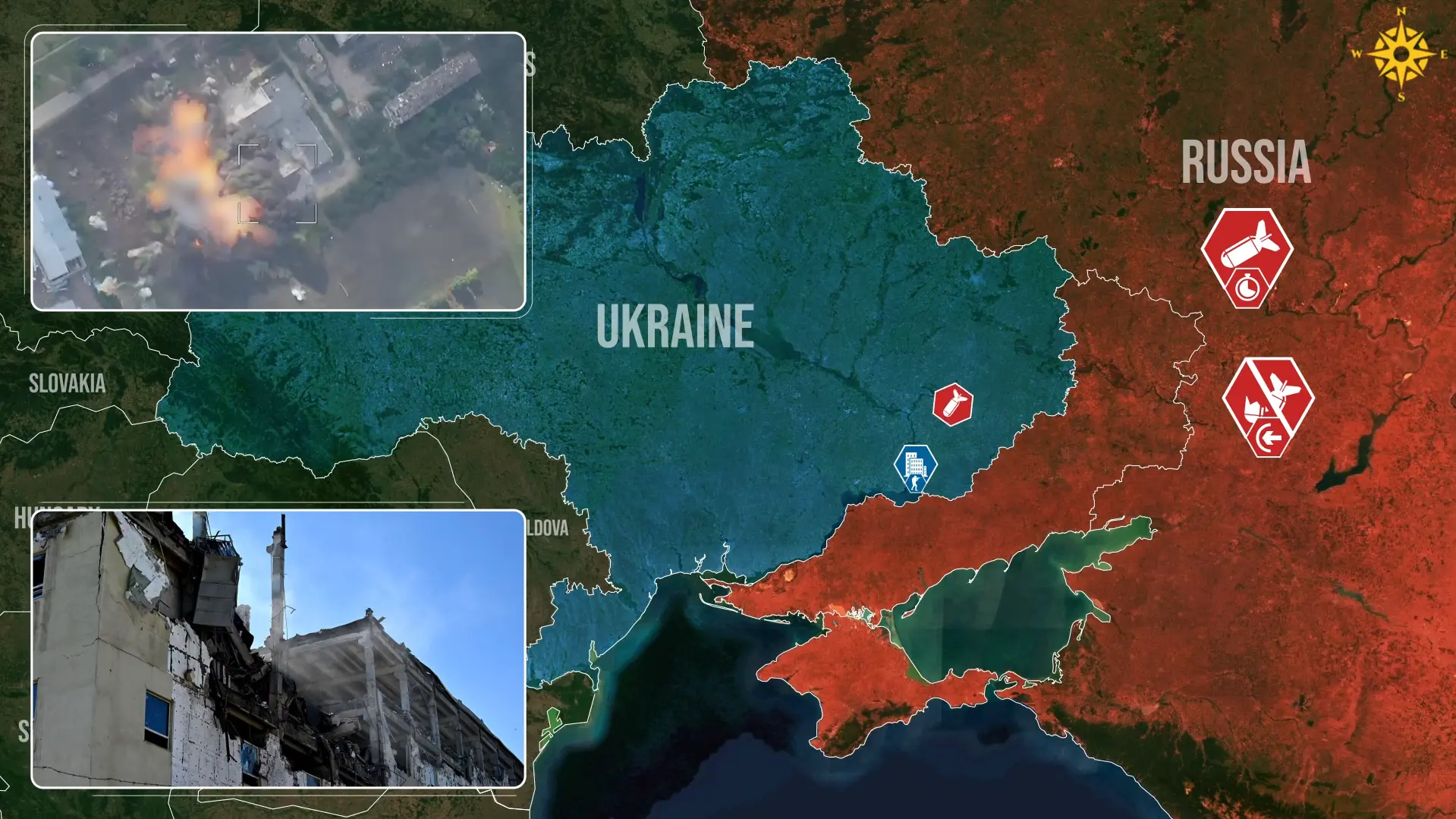
To prevent the building from absorbing the blast before it reaches the target, the explosion has to occur deeper inside the structure. With a delayed fuse, the bomb would first penetrate the roof and upper layers of concrete before detonating near the basement or fortified position itself. This would concentrate far more of the destructive force inside the building, turning the same accurate hit into an explosion capable of collapsing the basement and the concrete floors above it. Since the same fuse can already be set for delayed detonation, Russian crews only need to change its setting before launch, without modifying the bomb, guidance kit, or aircraft.
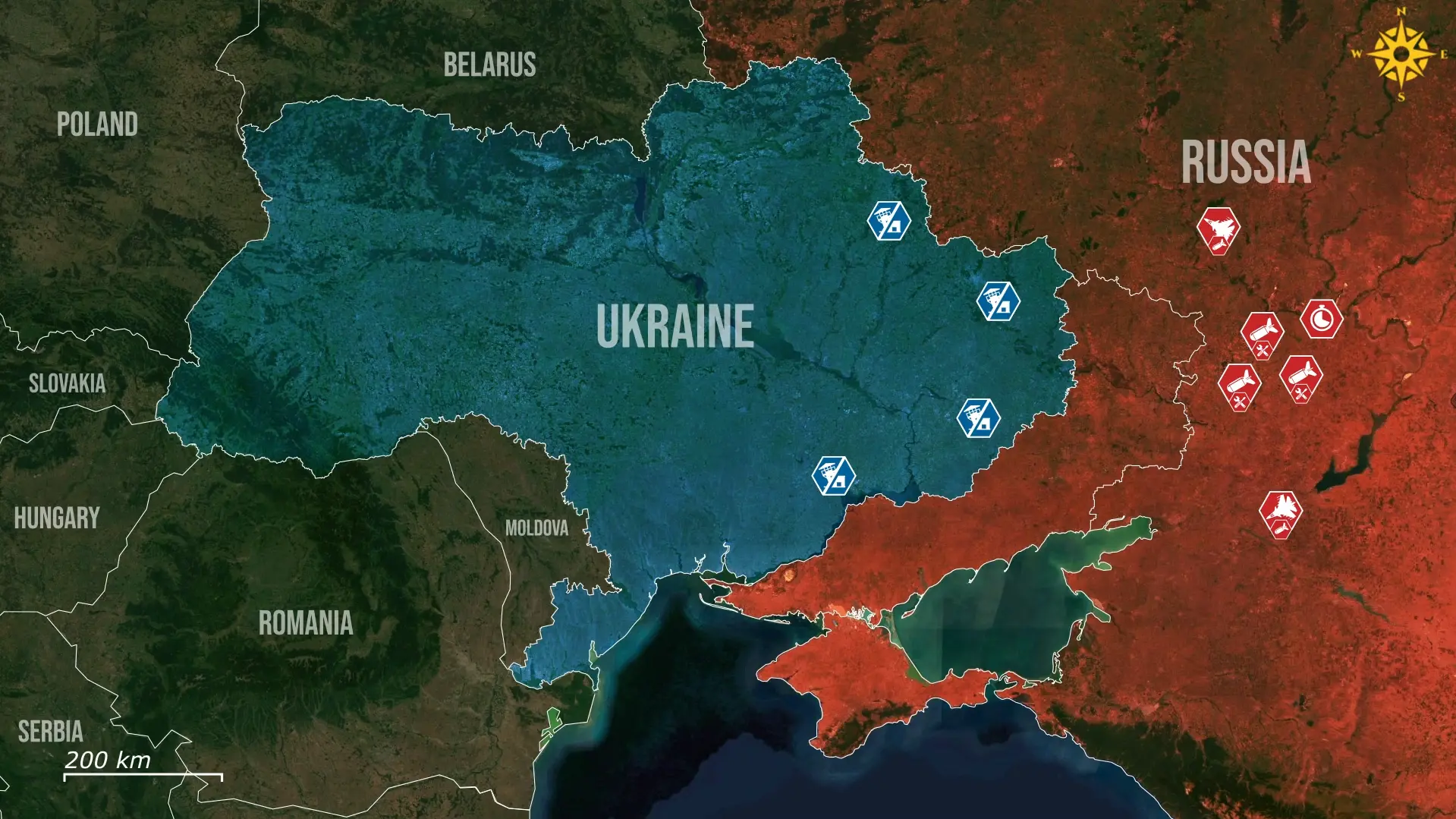
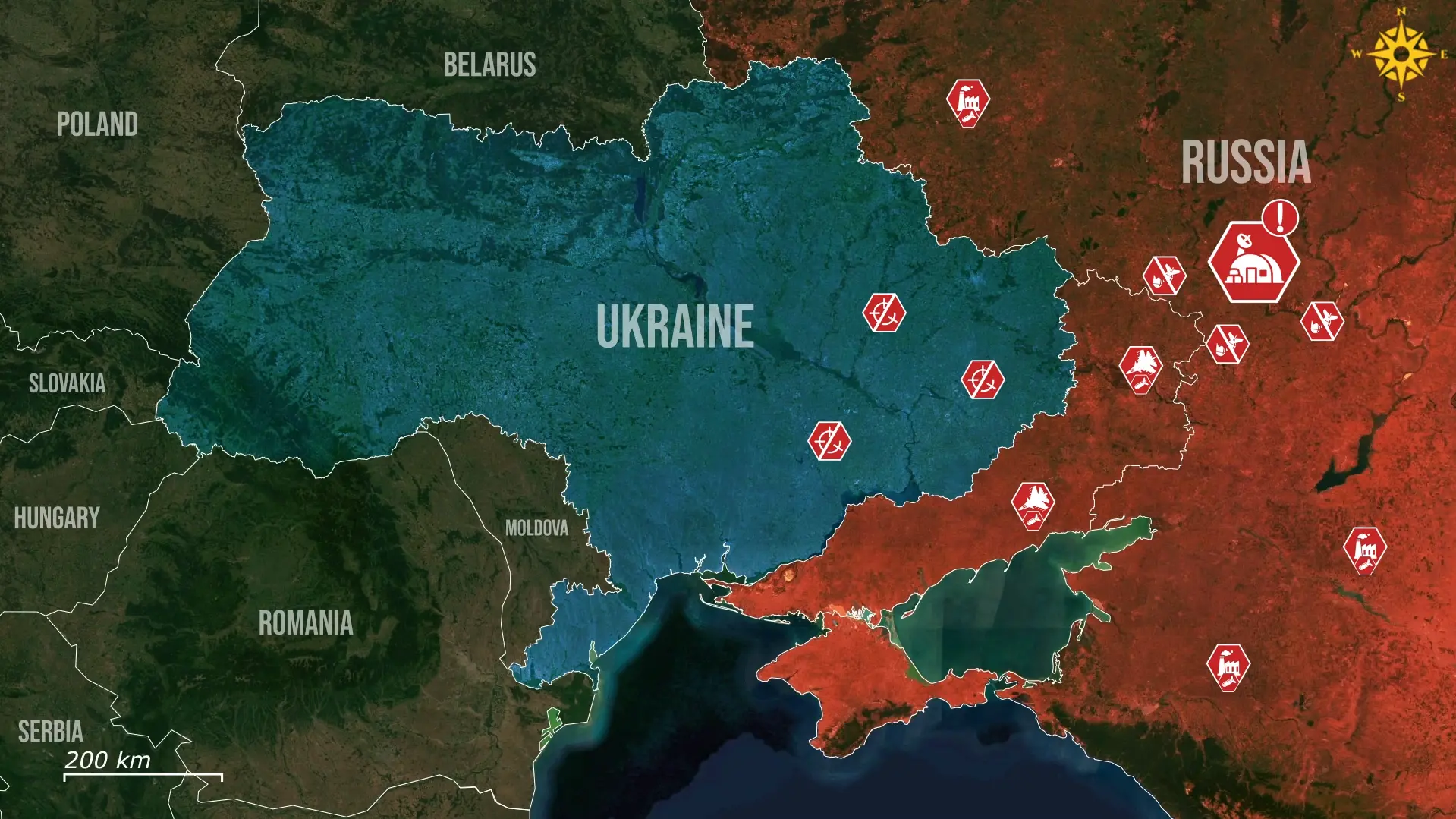
The fact that this simple adjustment remains inconsistently applied exposes a deeper failure in how Russia plans and controls its air campaign. Russian military commentators saw the appointment of a new Aerospace Forces commander as an opportunity to standardize fuse settings across strike units. They also called for stricter target selection and for each strike sequence to continue until the assigned objective was confirmed to be destroyed. This concern was reinforced by cases where several glide bombs were used against a basement containing only one soldier, even as more important military systems remained operational. Those same bombs could have been used to eliminate a drone command post, radar station, or surface-to-air missile system, producing a far greater battlefield effect. Yet the current Russian response still favors greater output, with Russian forces now releasing more than five thousand seven hundred guided aerial bombs in a single month while the procedures governing their use remain unchanged. This reflects a broader problem within the glide-bomb campaign, where growing weapon output is not matched by the planning, training, and procedures needed to employ those weapons effectively. The result is an air campaign dropping more bombs each month while Ukrainian defenses remain operational.

Overall, unless the Russian air force leadership imposes stricter control over target selection and more reliable standards for fuse preparation and battle damage assessment, Russia’s expanding glide-bomb campaign will increase munition consumption without producing a matching rise in destroyed targets. Russian commanders will have to stop measuring success by the number of bombs released and start judging whether each strike actually achieves its objective. As aircraft payloads and bomb production grow, every unresolved planning failure will scale with them, wasting munitions that could have been directed against more consequential objectives. If the current approach continues, Russia will expand the visible scale of its air war while keeping its battlefield results far below the destructive potential of the weapons being used.

.jpg)




Comments