

.svg)
Today, the most interesting developments come from Ukraine.
War production is entering a new industrial age where speed, scale, and adaptability define battlefield advantage. In that shift, the quiet rise of three-D printed missiles and munitions is beginning to blur the line between workshop improvisation and mass production, hinting at a future where even rockets can be made like cars on an assembly line.
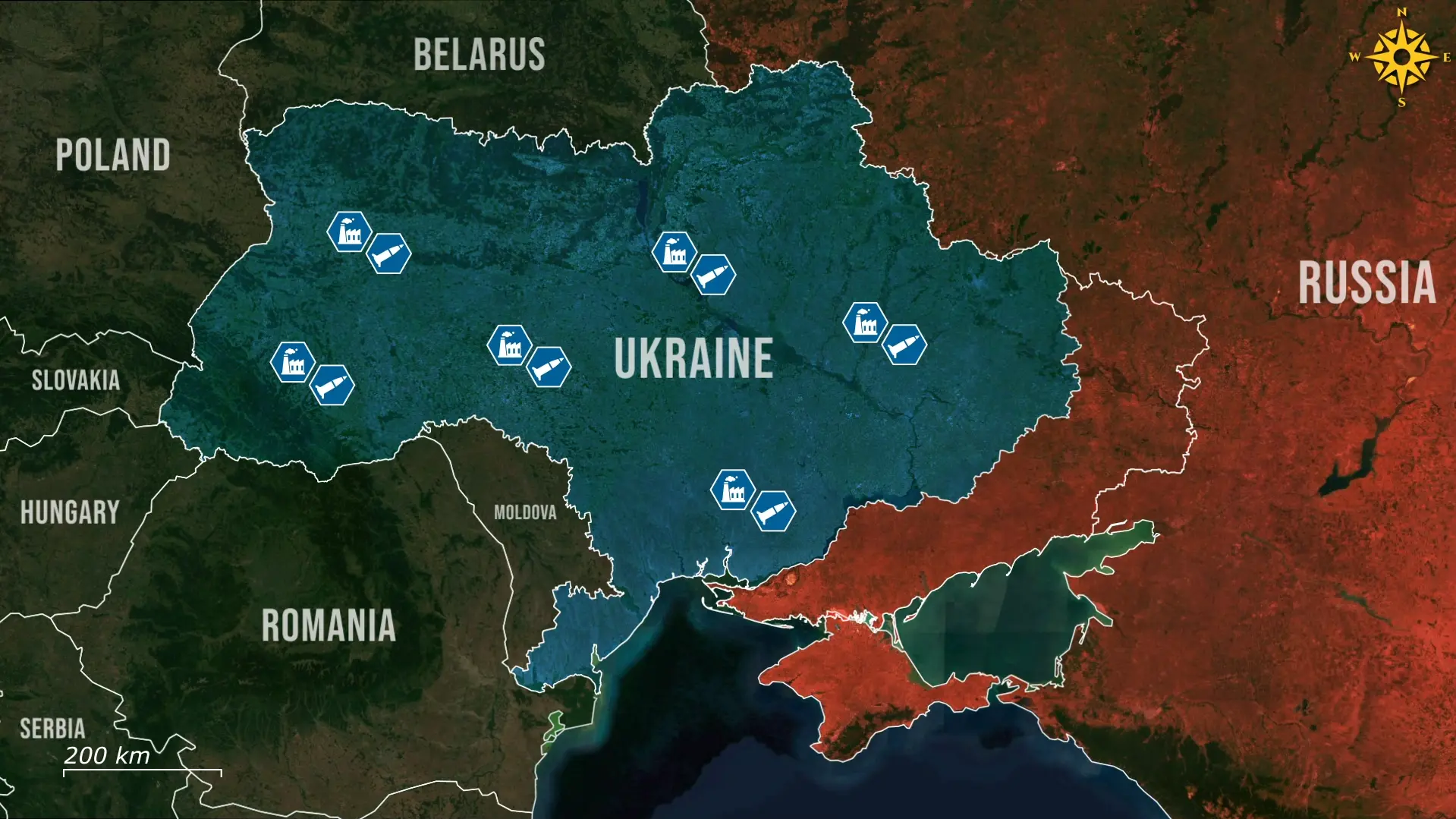
The concept of three-D printed weapons is moving from experimental workshops into mainstream defense planning as its advantages become clearer on a larger scale. Early experiments took place in small workshops because the equipment was inexpensive and required no specialized tooling.
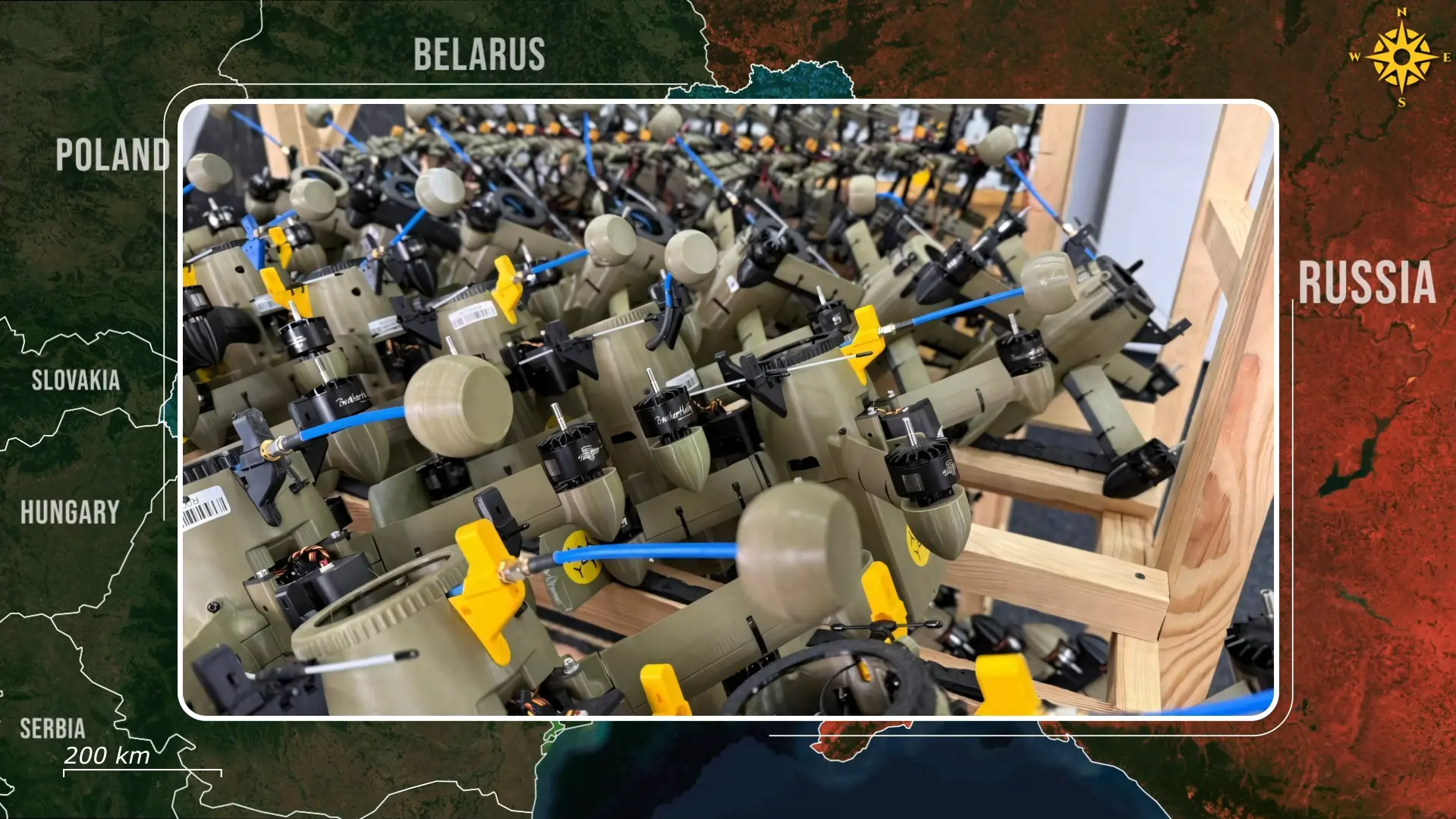
In fact, instead of machining metal blocks or assembling dozens of individually produced parts, three-D printing builds components layer by layer from alloys or reinforced polymers.
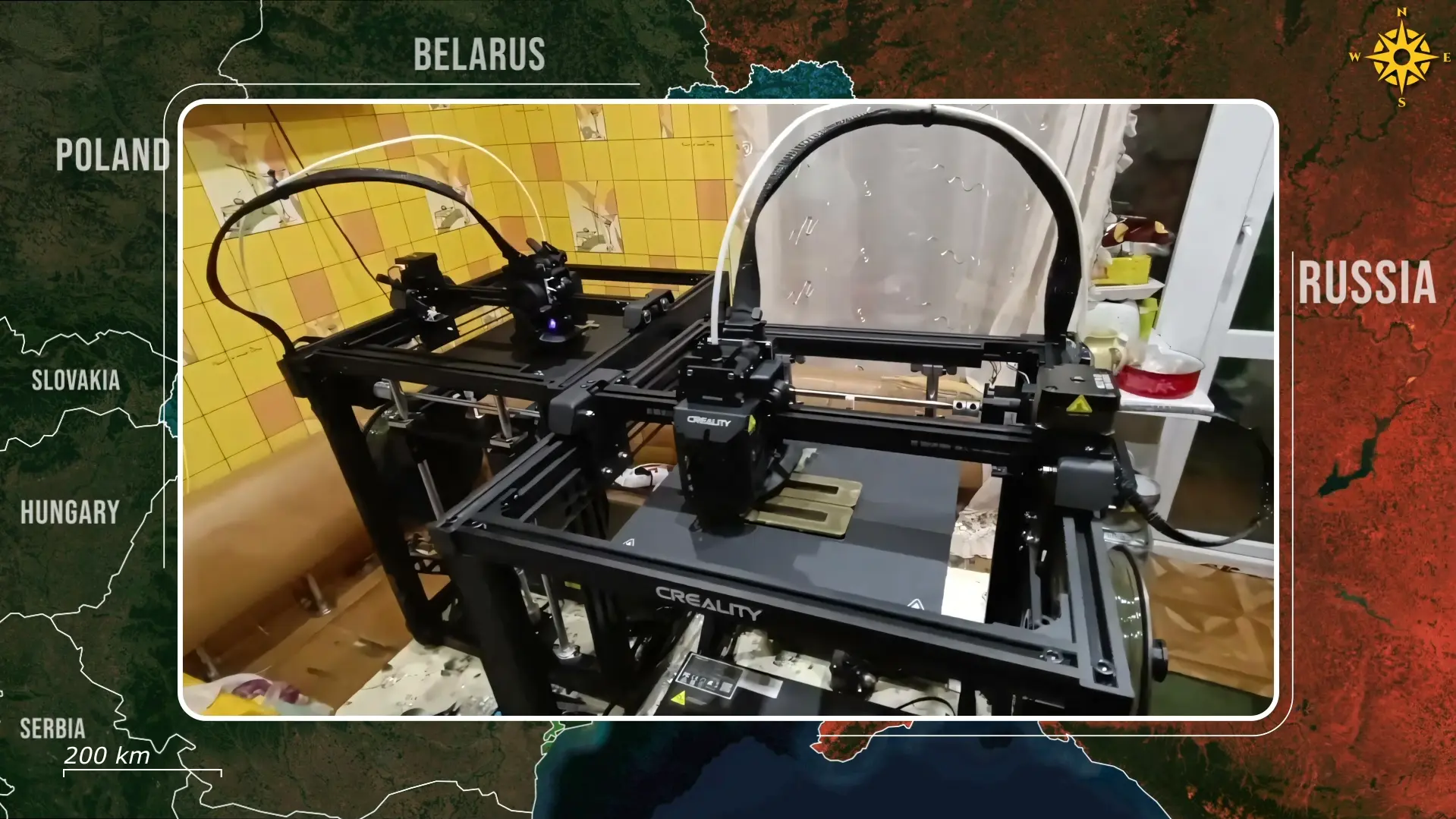
As the technology matured, the same approach proved capable of producing complex shapes quickly and at low cost. Scaling production became a matter of adding more printers rather than expanding heavy industrial lines.
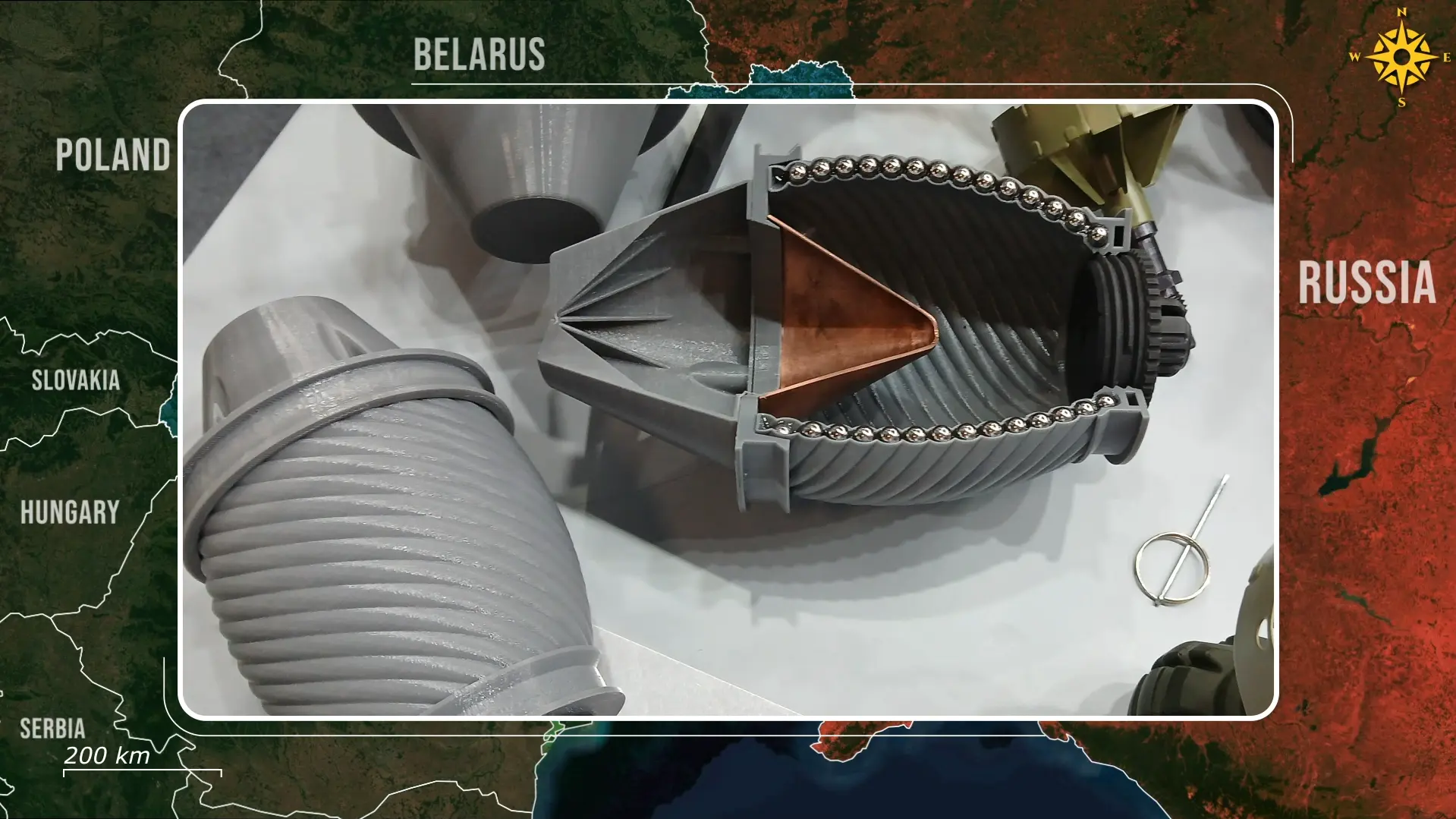
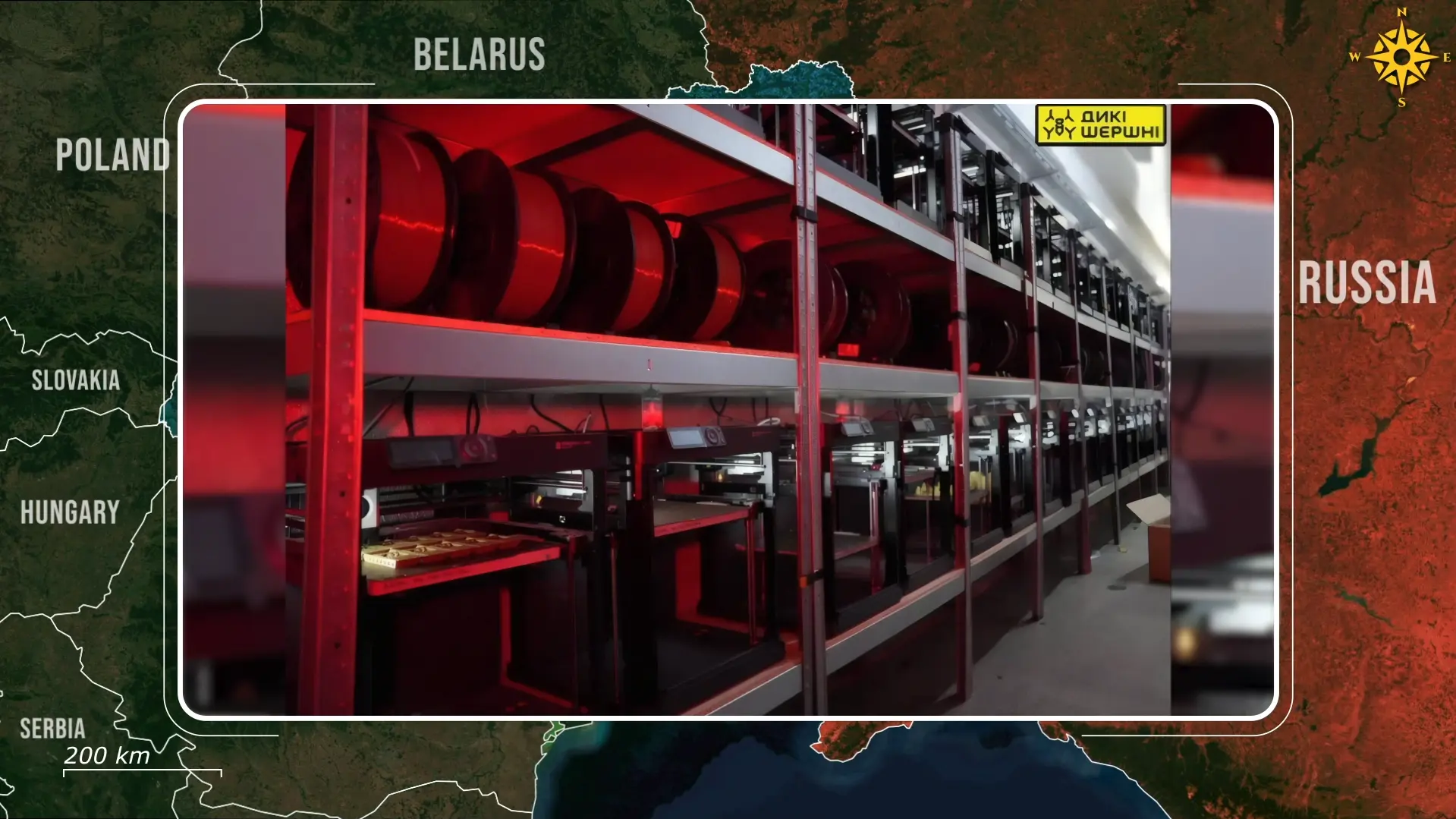
Ukraine has become one of the most active adopters of three-D printing for military purposes, driven by the need to quickly replenish equipment in large volumes. This innovative mode of production began with startup companies experimenting with printed drone parts.
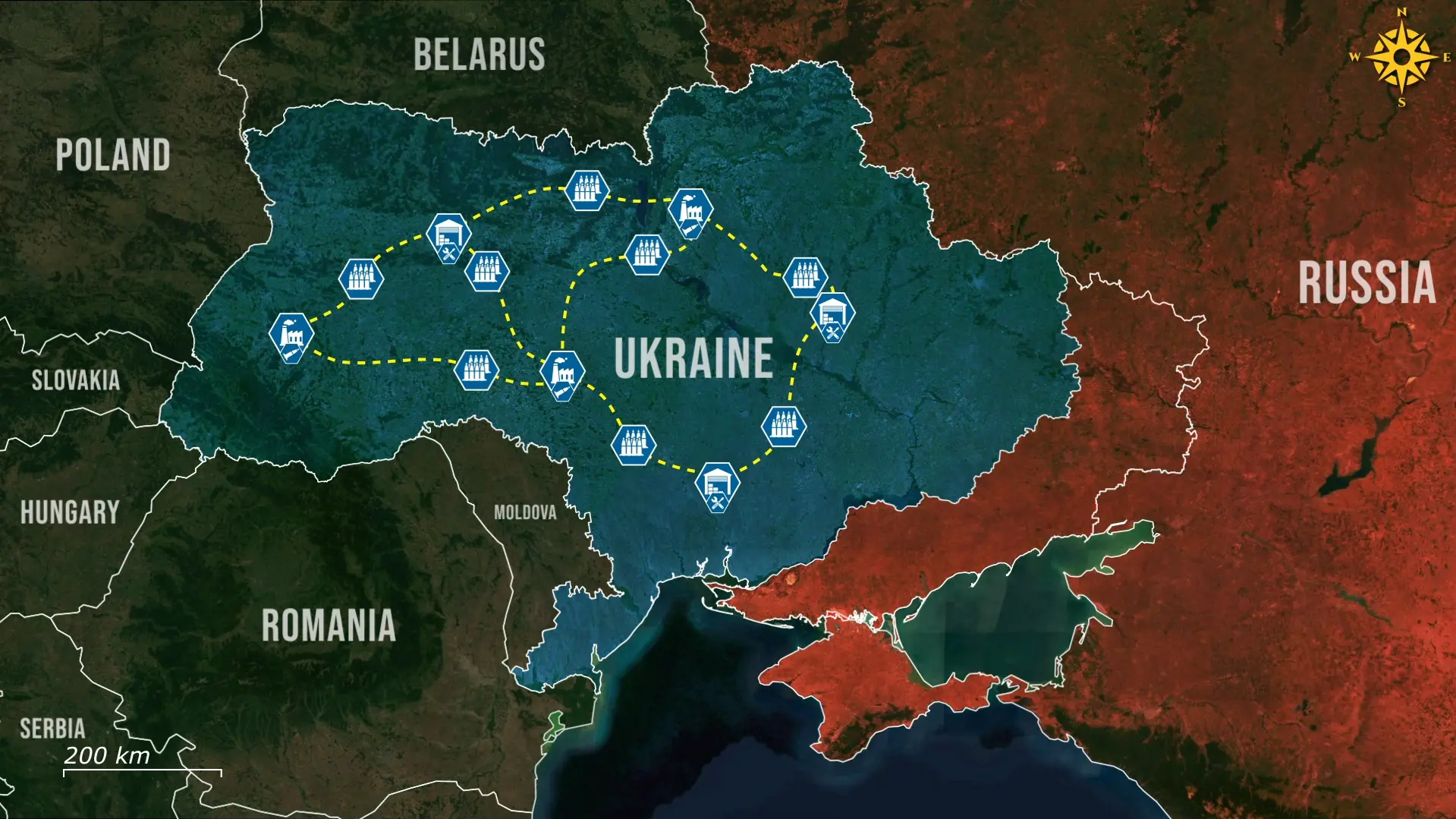
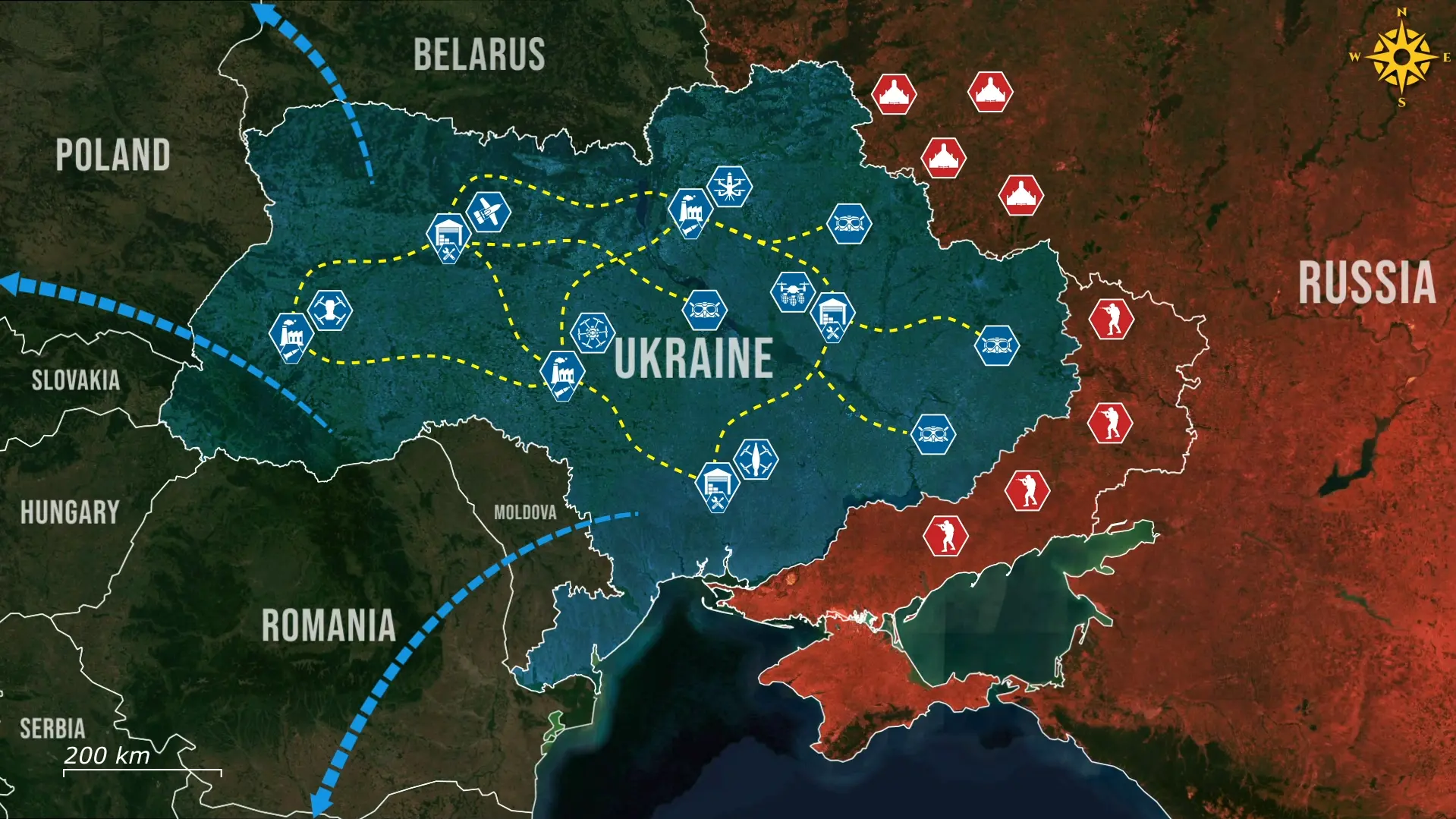
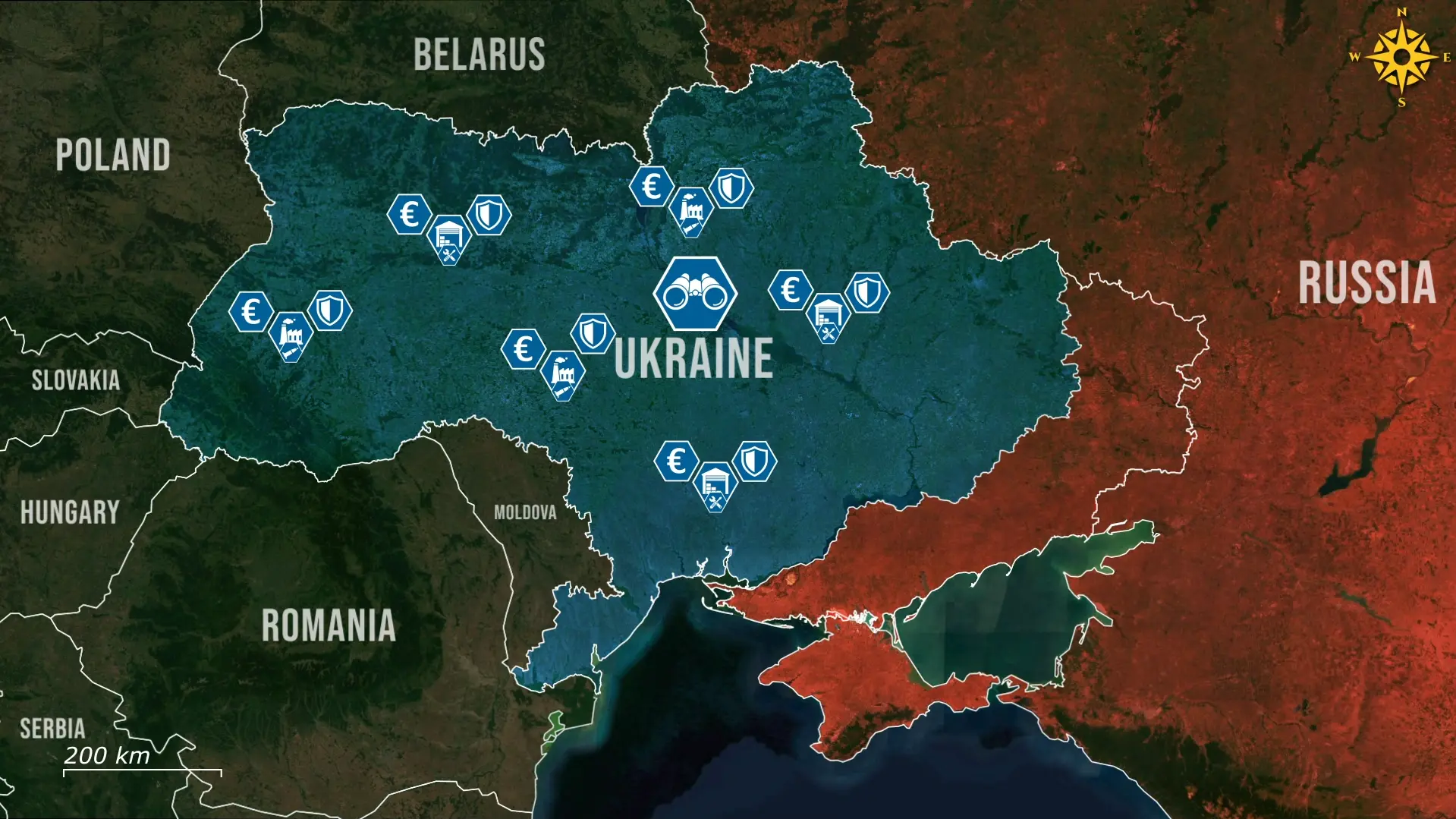
Gradually, it has evolved into a distributed manufacturing system that operates across workshops and volunteer groups. Instead of relying on a few large factories, Ukraine now produces drone frames and components in parallel across many sites, each able to print parts on demand and replace losses without waiting for centralized supply.
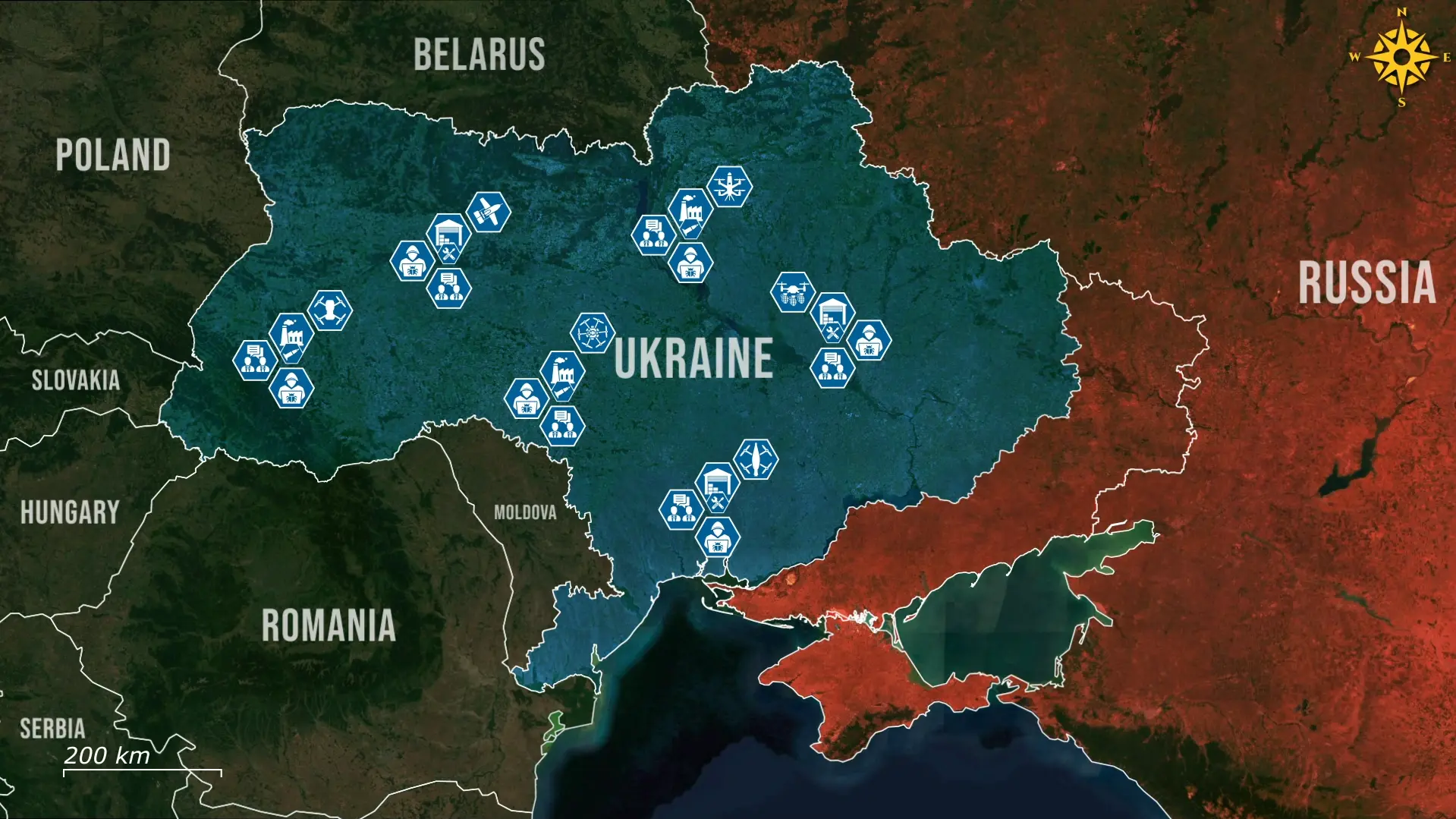
High speed interceptor drones such as the Sting are examples of this approach. They highlight the change production logic behind them, one in which weapon designs can be printed at multiple locations, assembled quickly, and adapted as battlefield needs require.
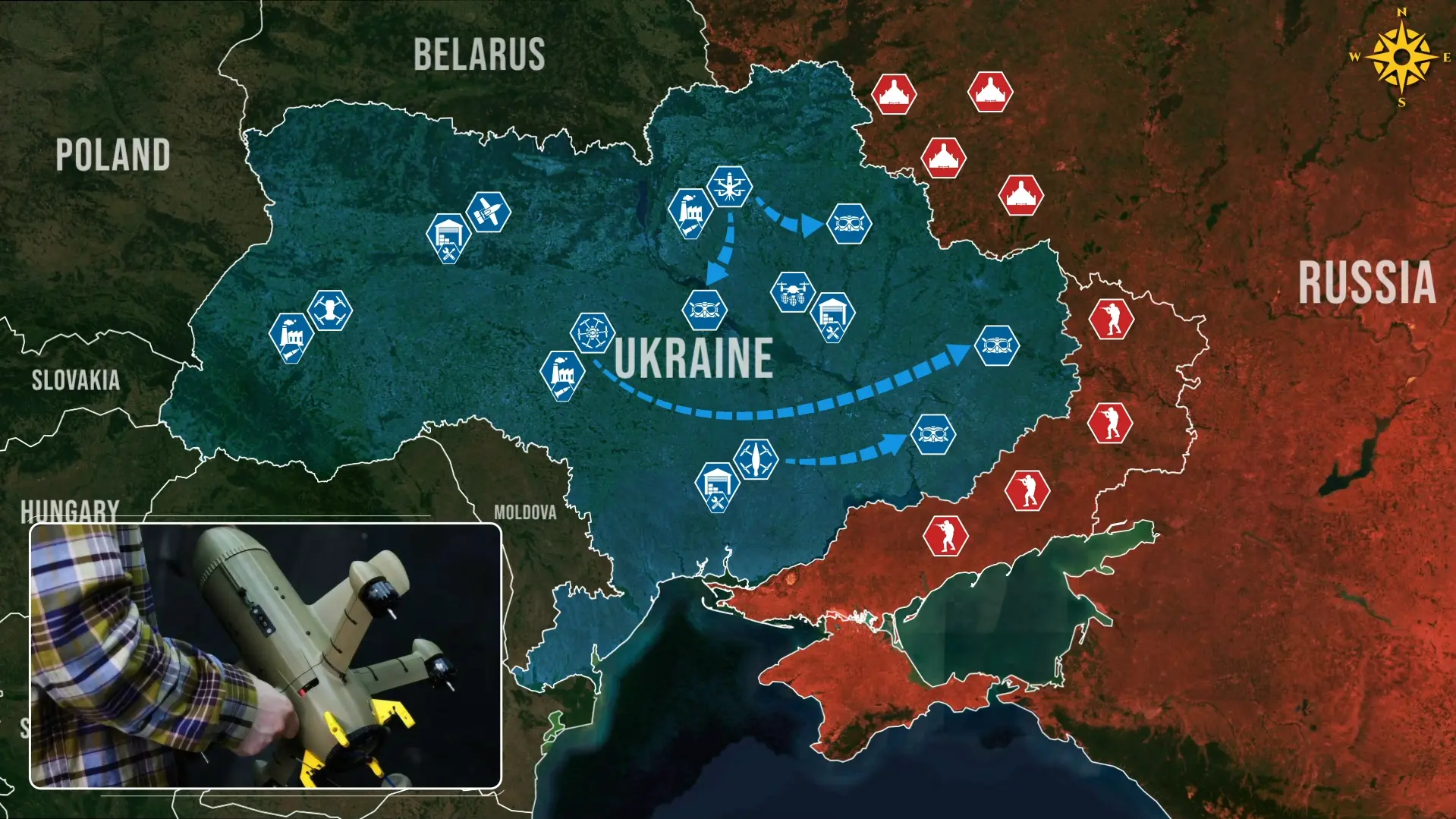
Affordable printers from Chinese manufacturers have enabled more private workshops and commercial firms to join the production effort, creating a network that can scale horizontally by adding more printers. This means that this innovative system is not tied to any geographic limitation or factory layout and can be reproduced wherever printers and technical skills are available.
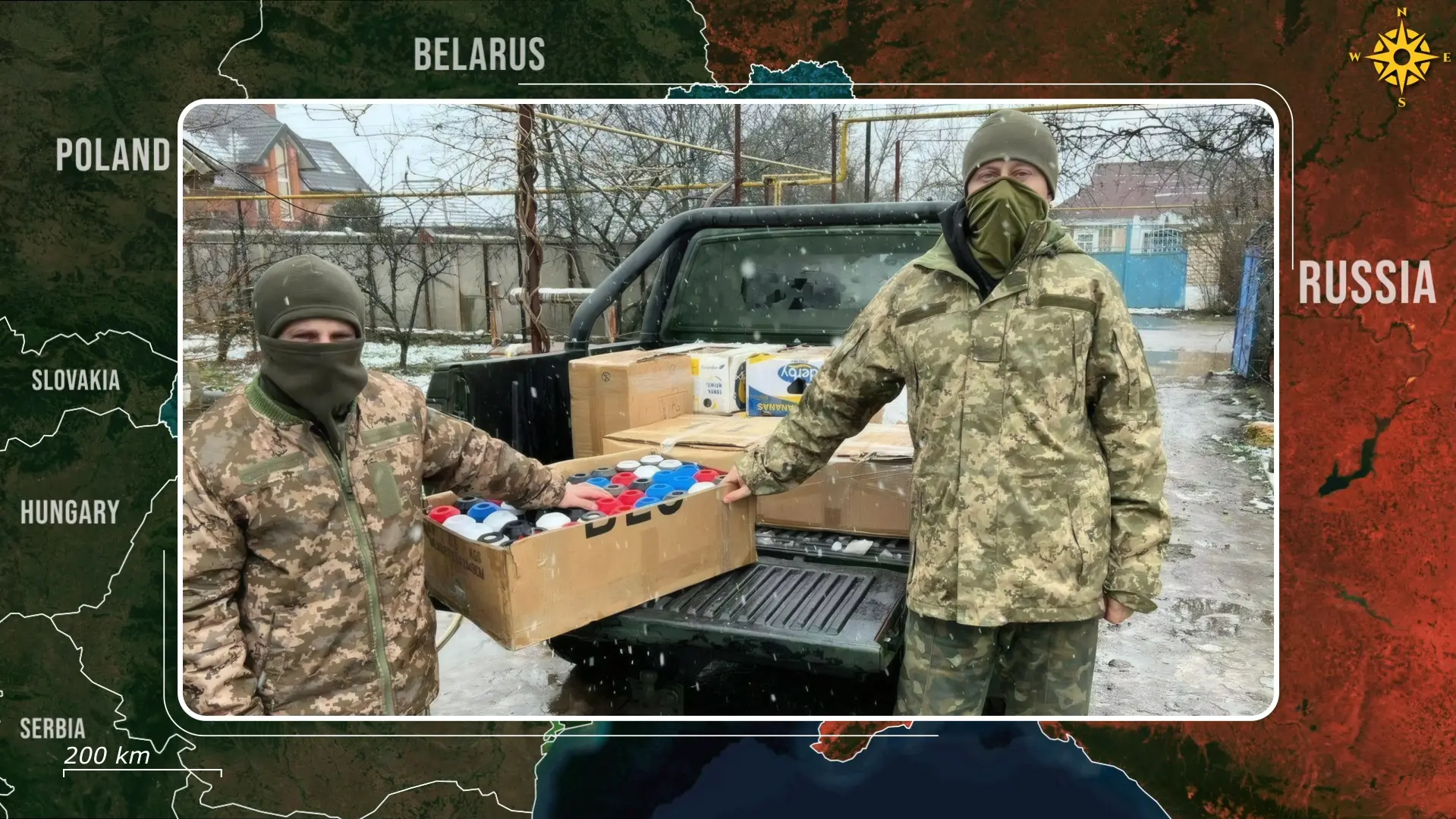
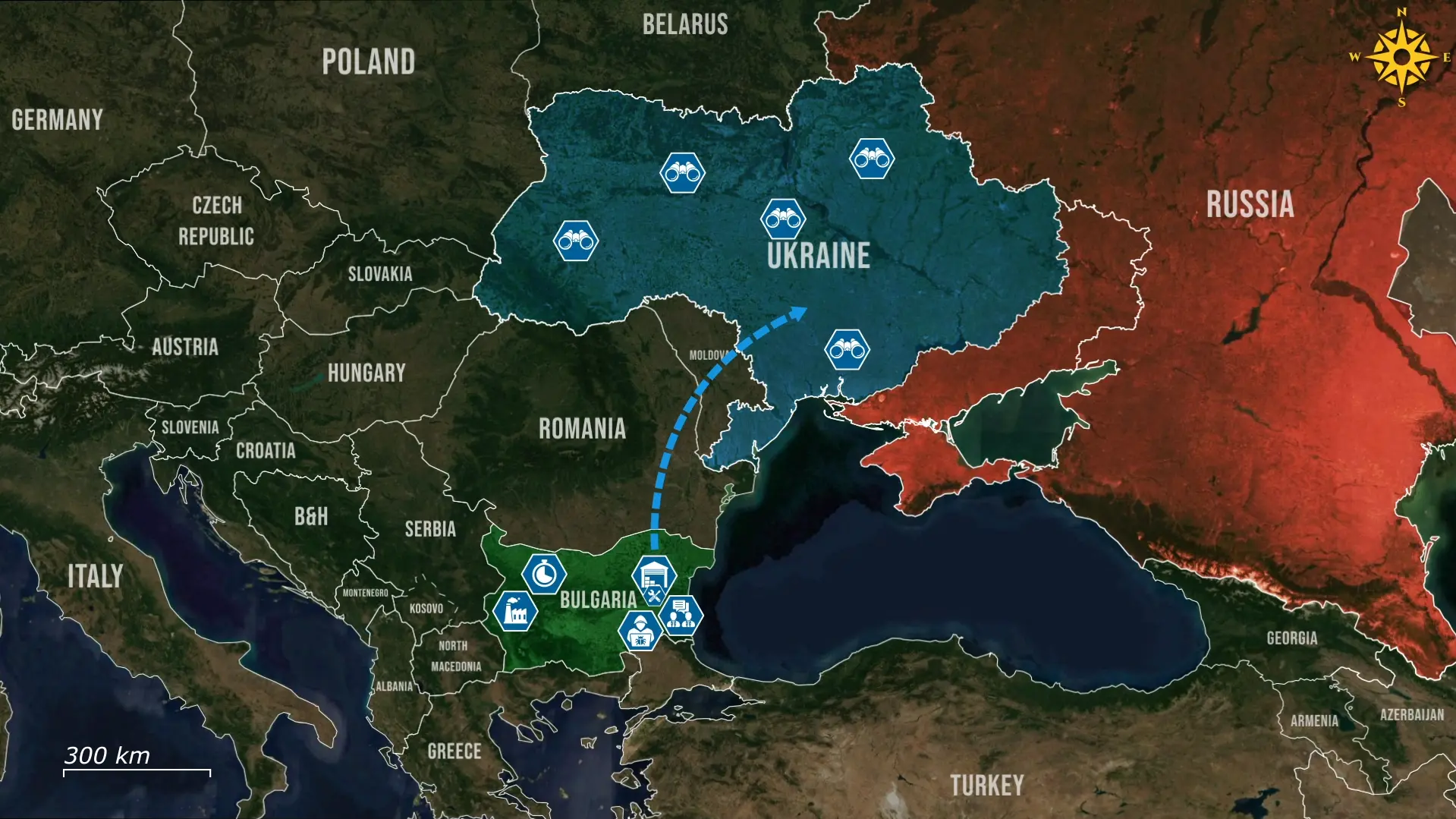
Consequently, Ukraine’s approach has already resonated with partners looking for a practical way to sustain their defense needs, and with volunteers who wish to support Ukraine in its defense effort. A notable example is a volunteer network known as Print and Bombard, present in Bulgaria. This group of around a dozen individuals has reportedly produced and delivered at least seventy thousand pieces of ammunition to Ukraine over an eighteen month period using three-D printers. Their impressive work also shows how accessible the technology has become, allowing motivated volunteers to contribute directly to Ukraine’s supply needs without relying on large industrial facilities.
Notably, the United States is also accelerating its own adoption of three-D printed weapons after observing Ukraine’s results and facing its own shortages of affordable interceptors. American firms are taking the same principles Ukraine demonstrated while integrating them into their established industrial base.
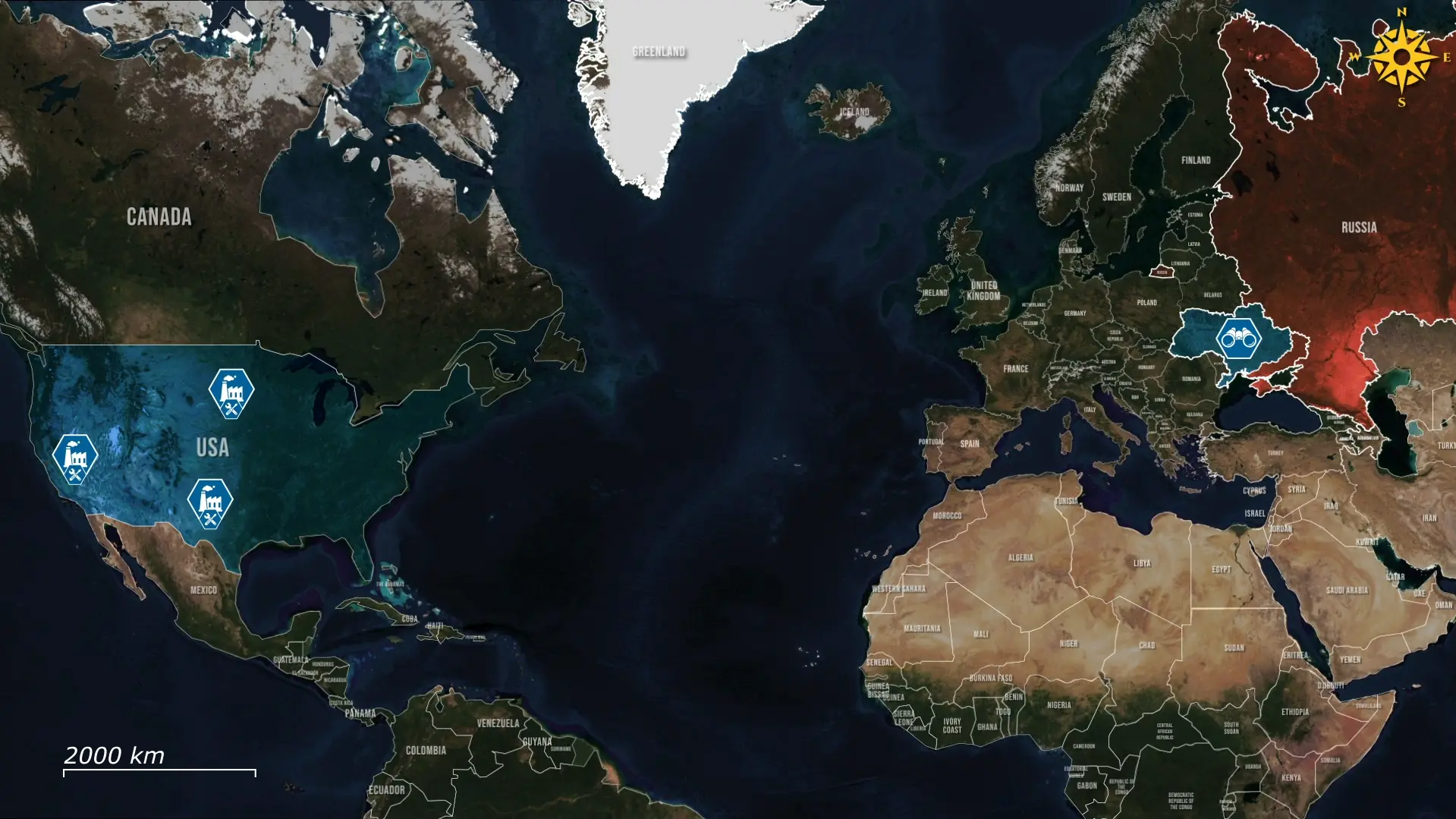
Companies such as Divergent Technologies print missile casings using automated systems capable of producing hundreds of units per year. These casings form the basis of a new class of low cost missiles priced between two hundred thousand and five hundred thousand dollars, compared to the several million dollars typical of older models. The Pentagon has included some of these firms in its broader effort to modernize the defense industrial base, scaling the concept from small improvised workshops into large scale industrial production. When the United States scales this model, production will transform into a high volume process that can supply national stockpiles at a pace traditional manufacturing cannot match.
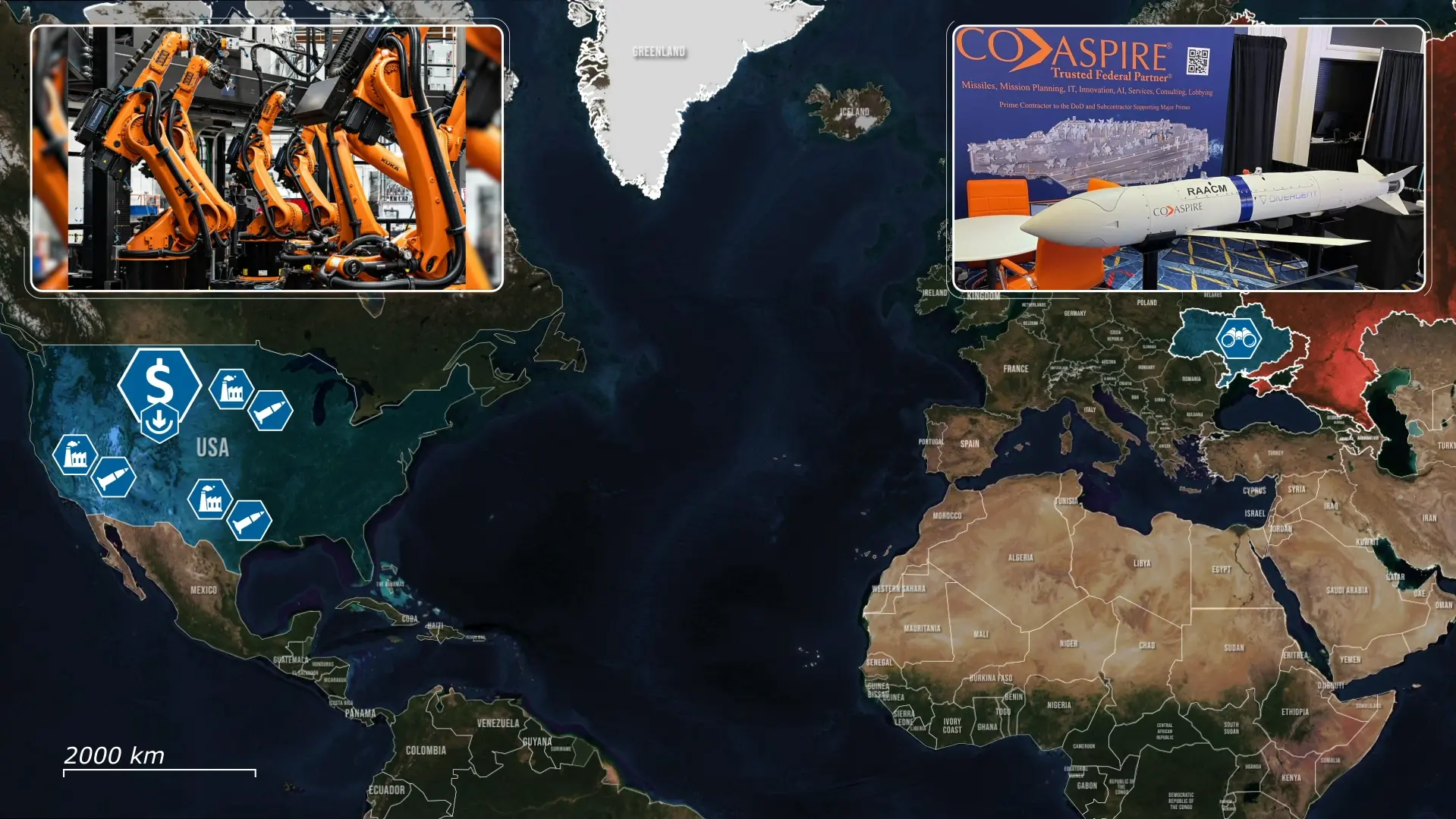
Overall, the rise of three-D printed weapons revolutionizes how militaries think about production and strategic capacity. Flexible and rapid manufacturing is rewriting the rules for future conflicts, where volume and affordability may matter as much as precision engineering. Ukraine’s experience has already shown the effectiveness and sustainability of these three-D produced weapons, sparking worldwide interest. Thus, three-D printing is steadily evolving from a complementary tool to a foundation for mass production in modern defense manufacturing.

.jpg)


Comments