

.svg)
Today, the biggest news comes from Ukraine.
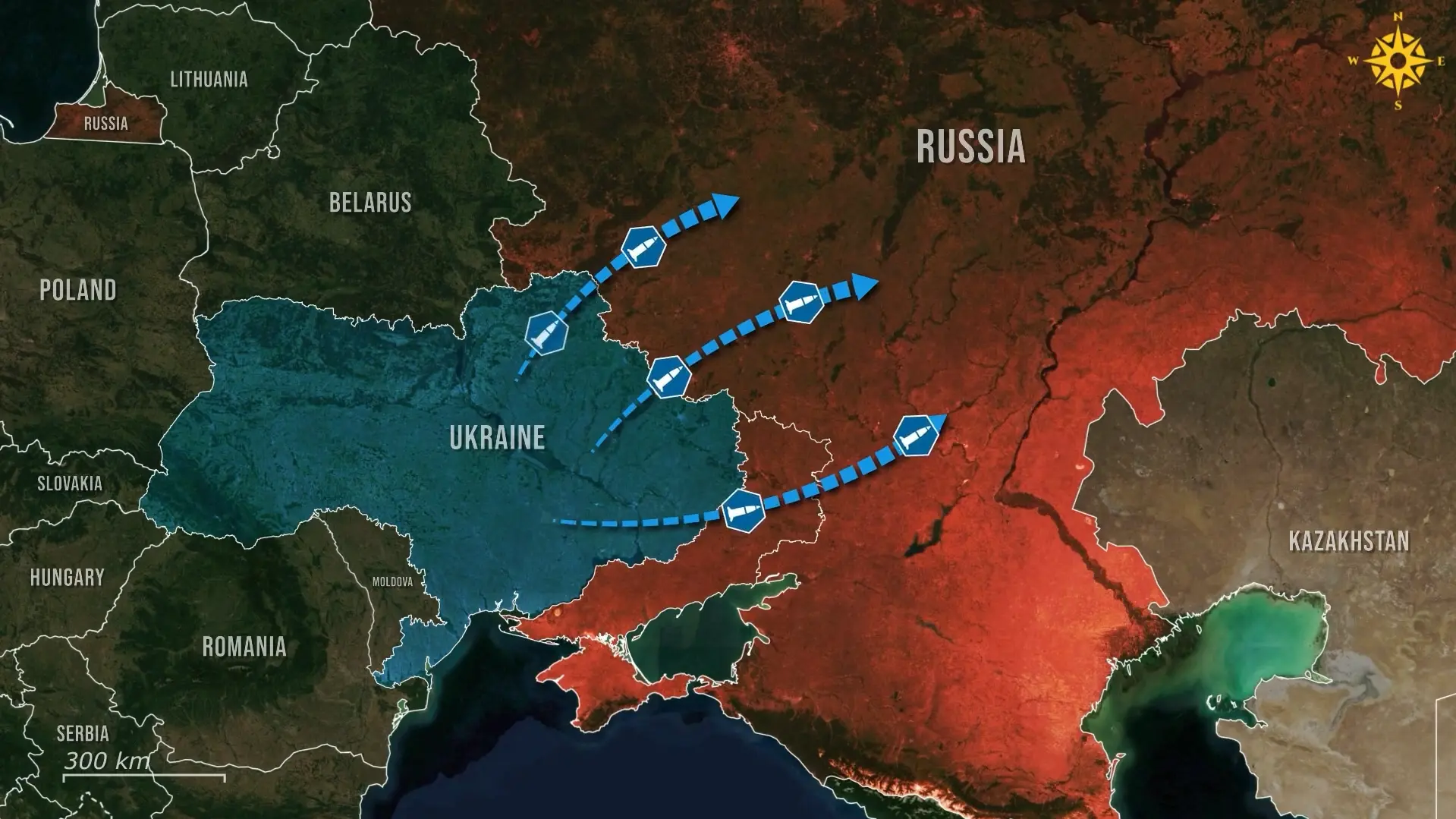
Here, Ukraine is rolling out one surprise after another to enhance the capability of its artillery on the battlefield, leaving Russian soldiers on the frontline completely unable to withstand Ukrainian artillery fire.
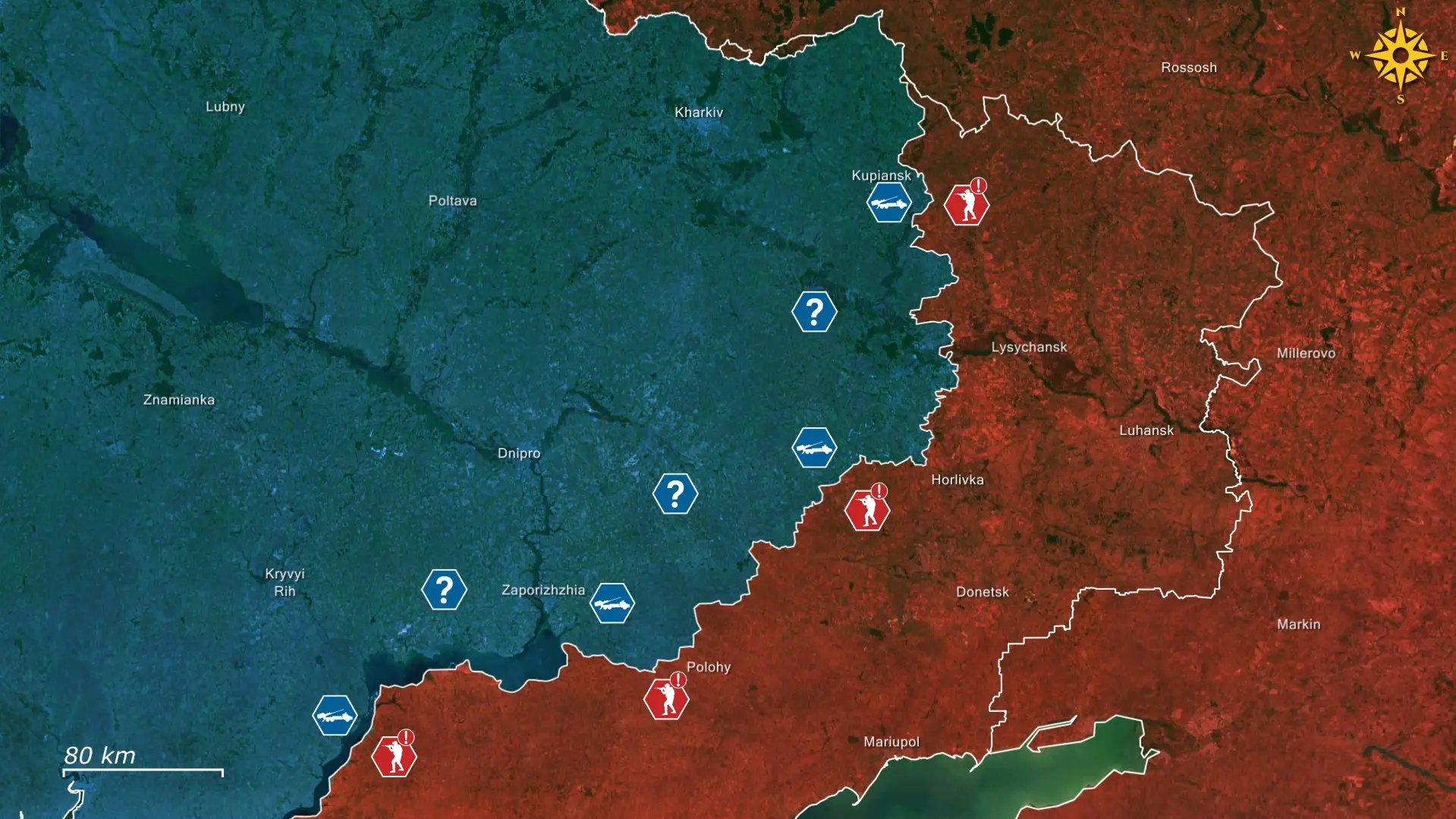
In this context, Ukraine has equipped its artillery with aim-assist technology, marking a new chapter on the battlefield while showcasing on the frontline the impact of its constantly evolving innovative strategies.
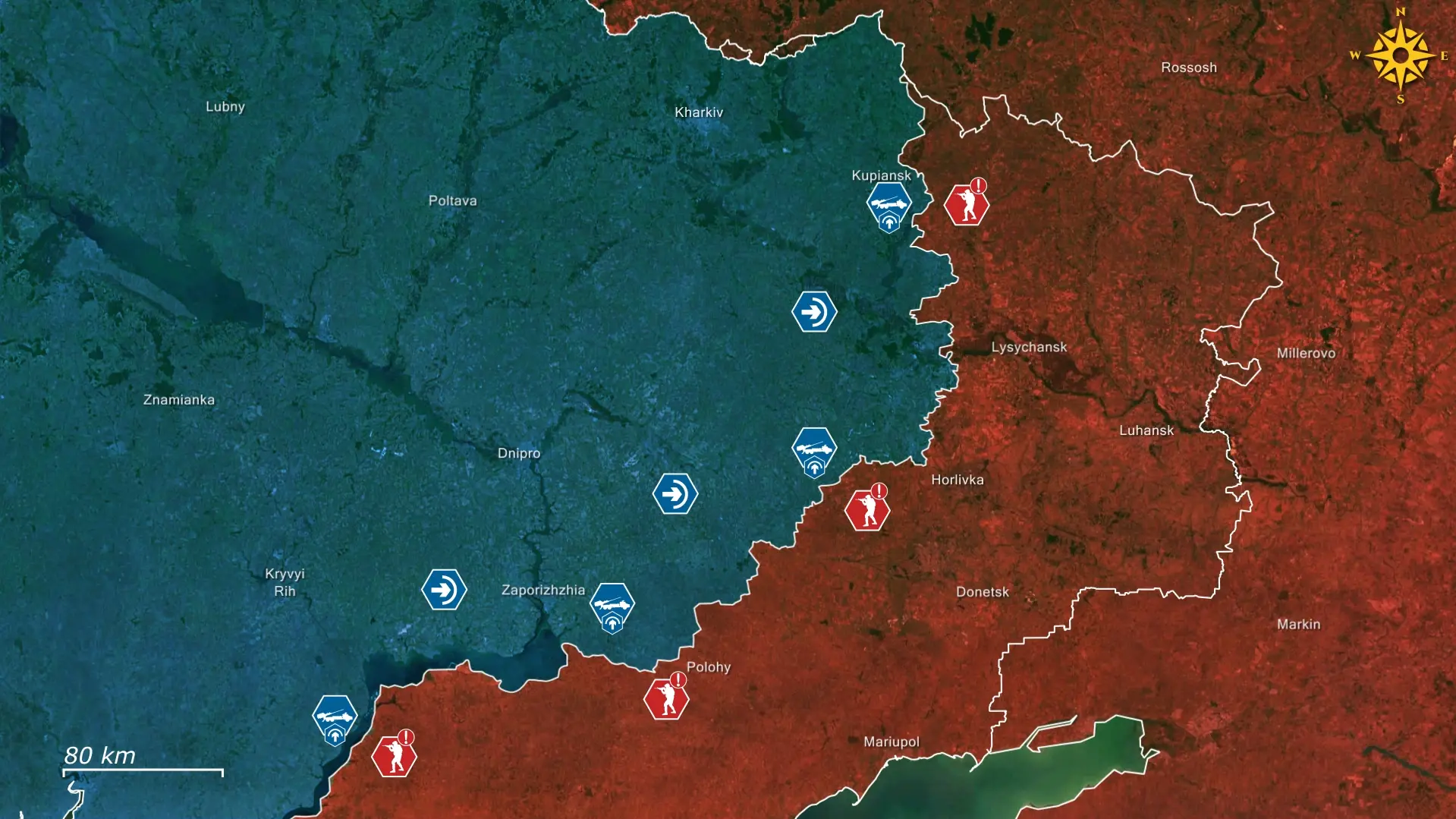
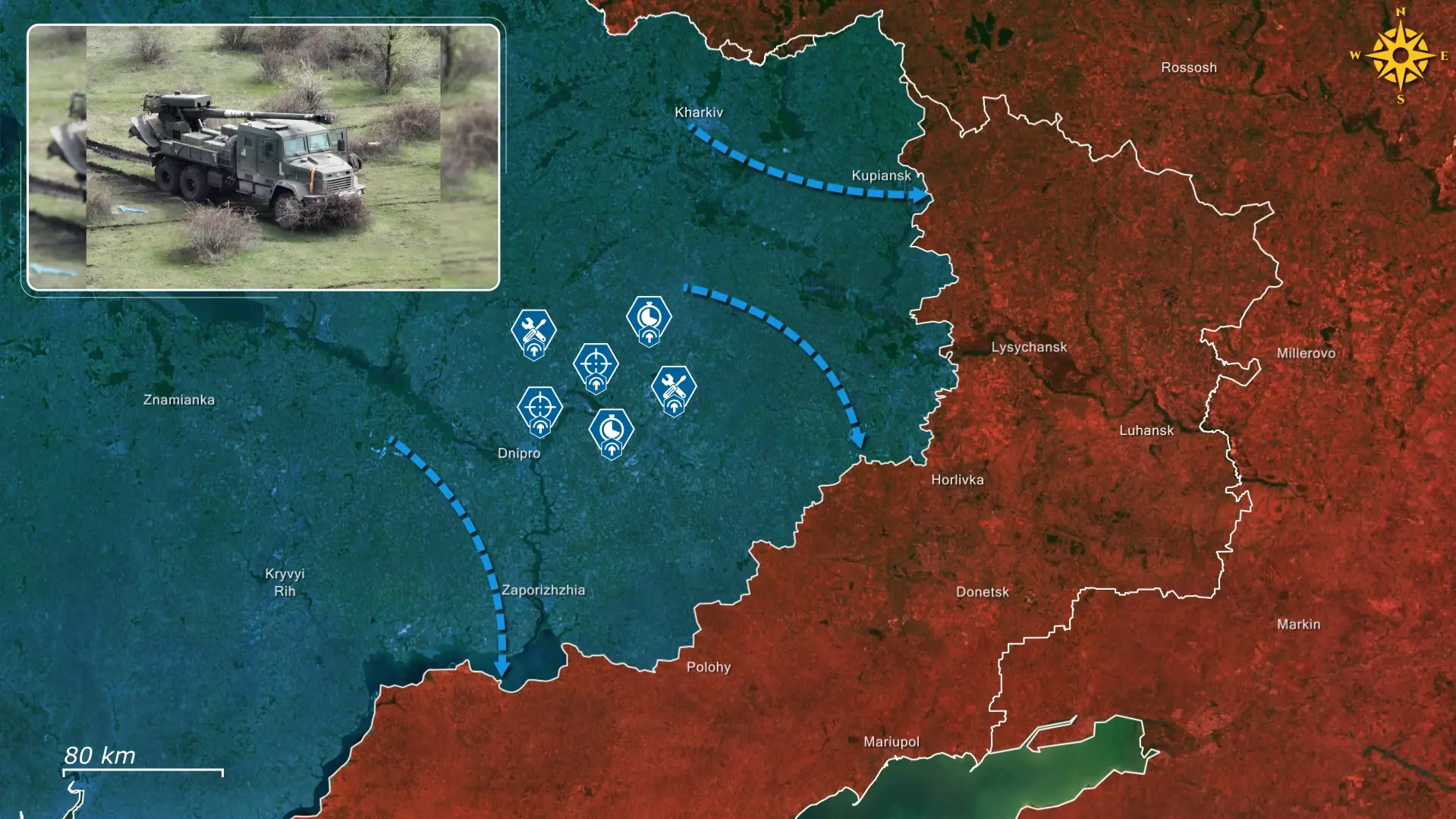
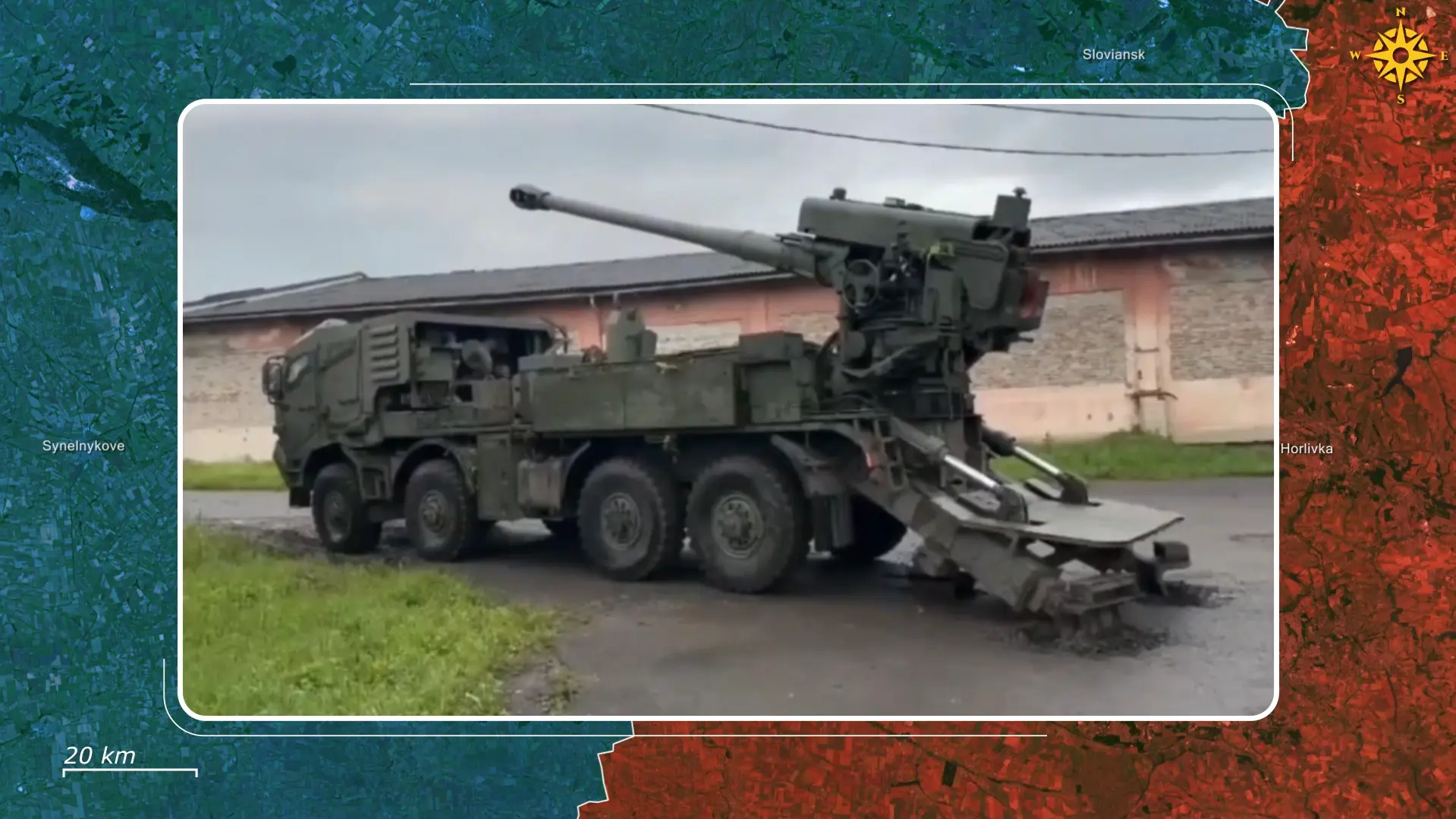
Recently, Ukraine has made a major new technological innovation; they have integrated an automatic artillery targeting system into their Bohdana self-propelled guns. This new addition has reduced the targeting time for Ukraine’s Bohdana, increased accuracy, and improved resource efficiency, enabling Ukraine to conduct frontline operations faster and more effectively than ever.
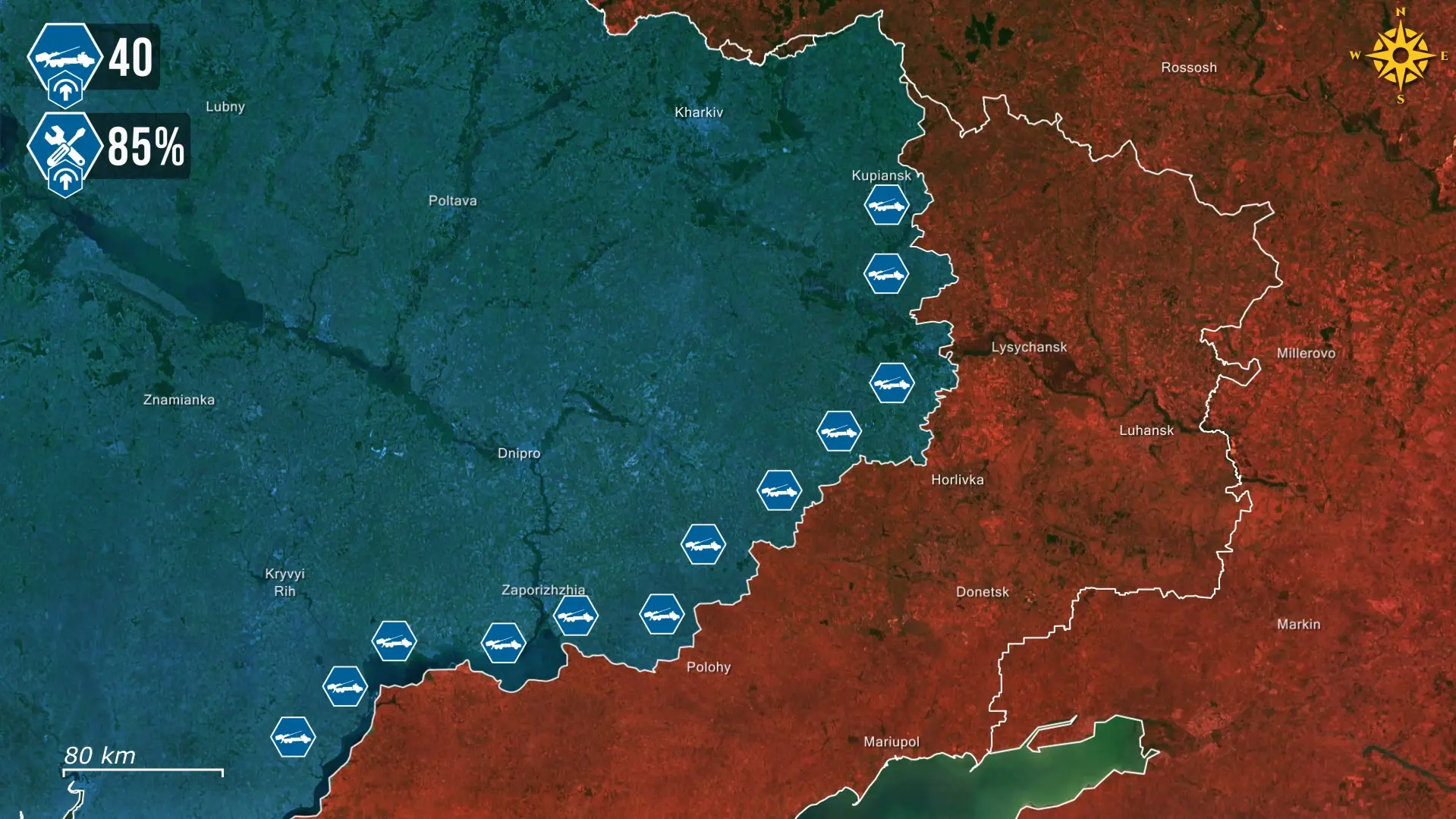
The Bohdana is a Ukrainian-made self-propelled gun that was officially inducted into the country’s armed forces in two thousand twenty-three. Since then, demand for the weapon has grown steadily, and Ukraine now produces around forty Bohdana units each month. Serving as the backbone of Ukraine’s mobile artillery, over eighty-five percent of its essential components are produced in Ukraine, ensuring a sustainable supply chain to the battlefield, as the Bohdana currently accounts for over forty percent of Ukrainian artillery on the battlefield.
As a self-propelled artillery system, being able to drive around on its own independent of a towing vehicle, the Bohdana is optimized for shoot and scoot operations. After firing five times in under a minute, it can rapidly reposition before the enemy has the chance to fire back, making it difficult for Russian forces to engage Bohdana units via drone strikes or their own artillery.
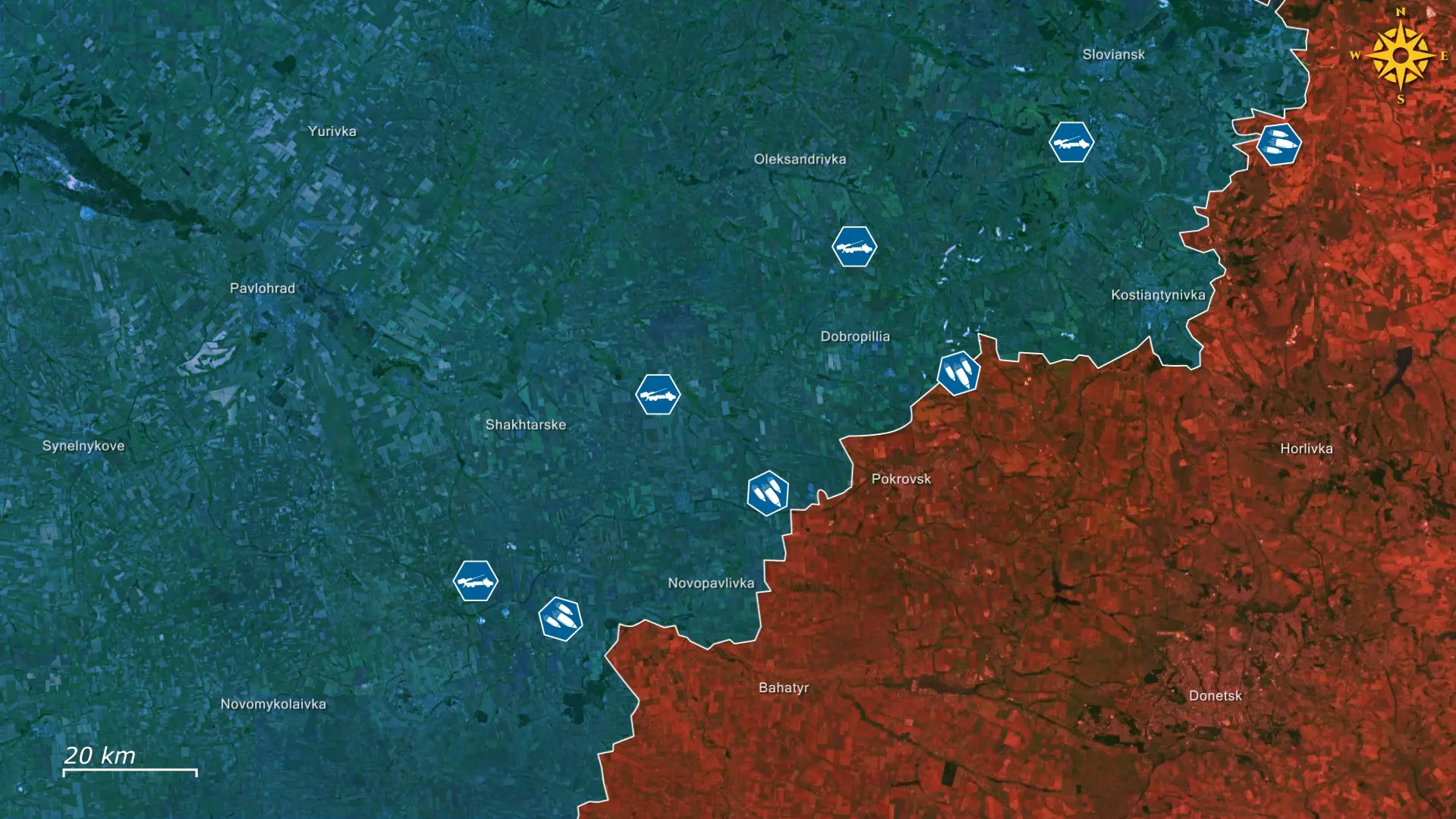
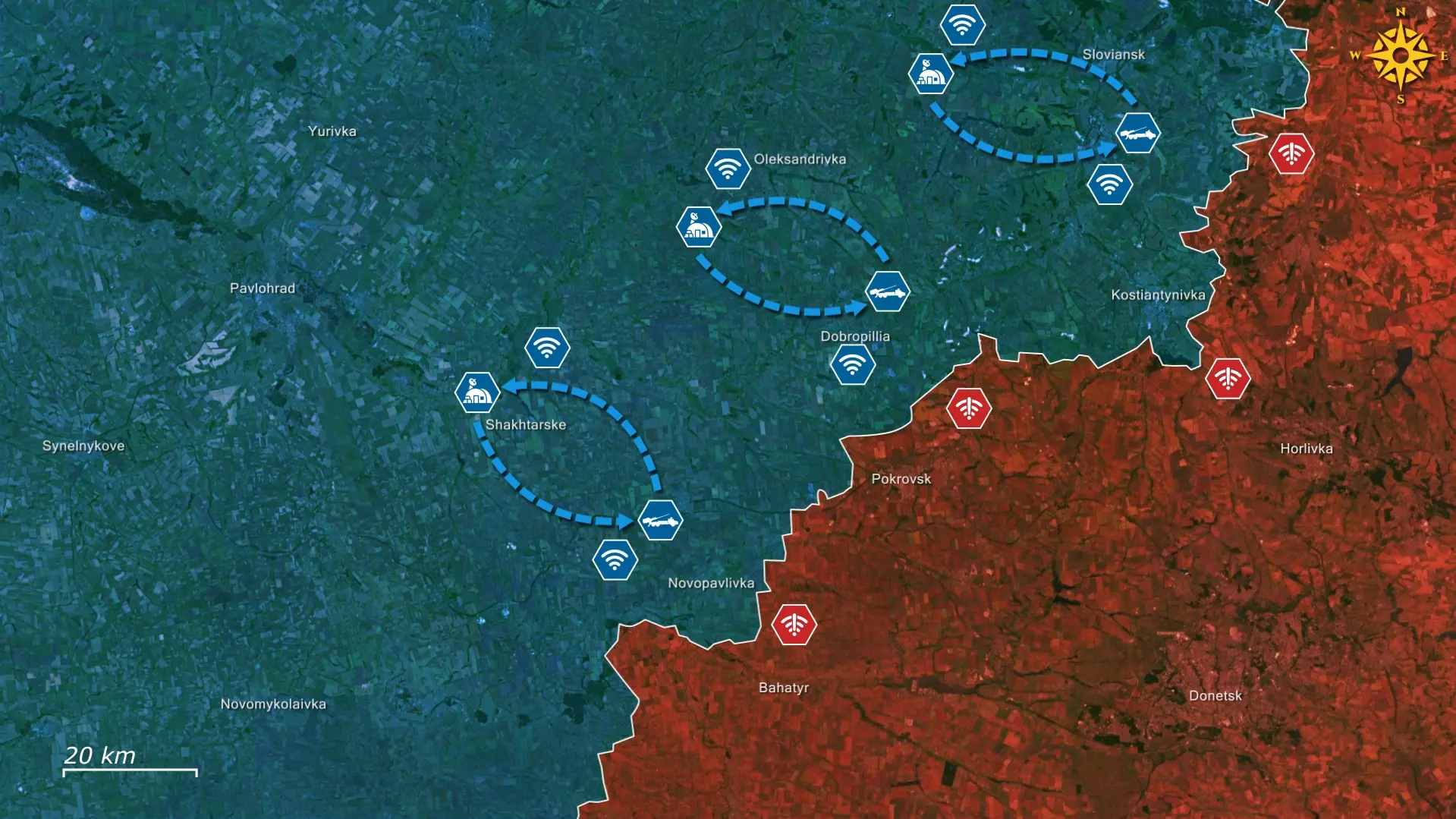
To further enhance the capabilities and play into the rapid fire and relocation strategy central to the self-propelled gun doctrine, Ukraine has integrated a new advanced fire control system into the Bohdana that puts it on par with the most advanced western guns. The Krip A system links reconnaissance, command, and frontline artillery units into a single integrated network. This allows each node in the command structure to rapidly exchange information between each other. In practice, the fire control system processes target data received from drones, frontline infantry, or intelligence analysts through onboard software.
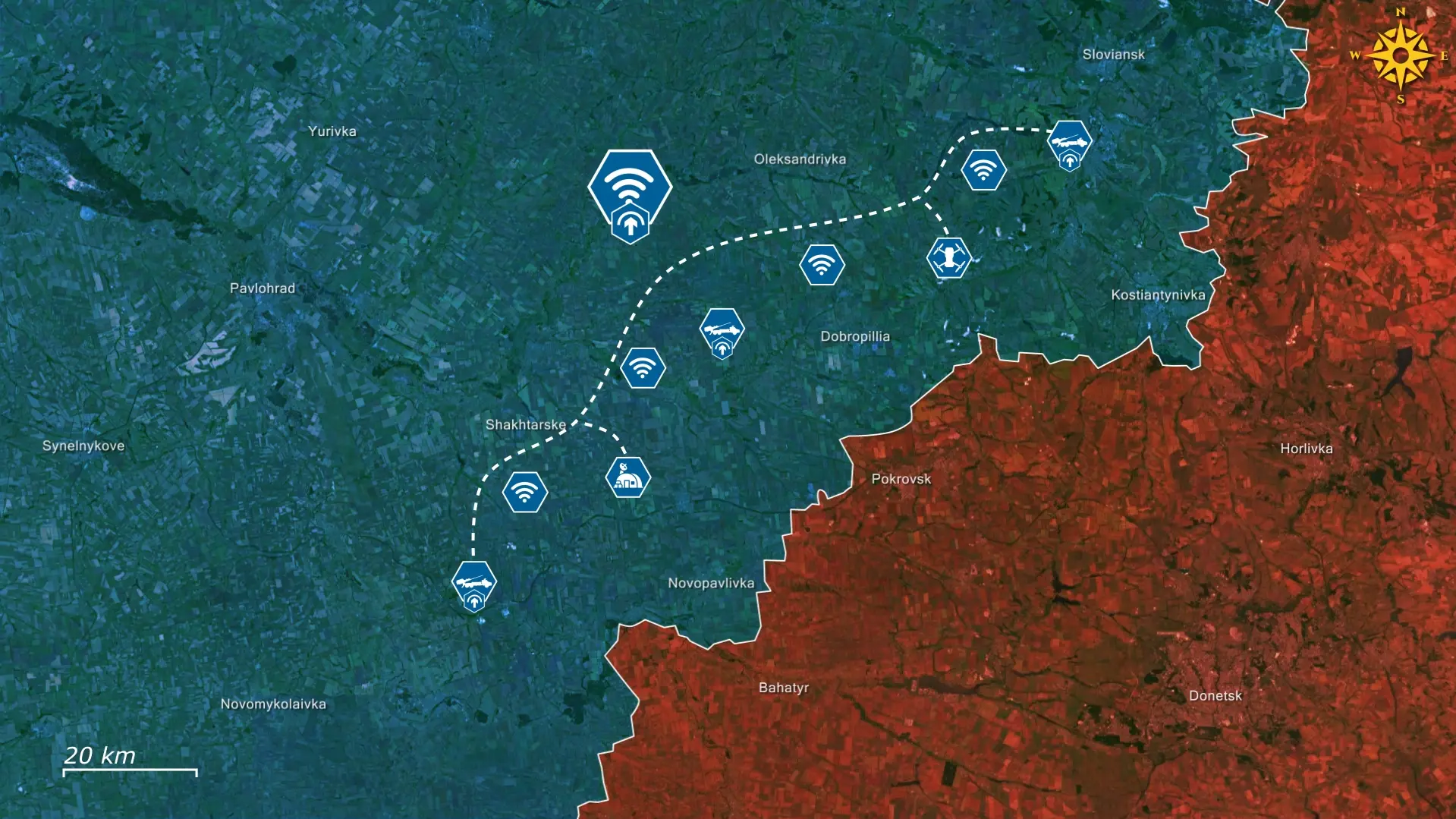
Once a target is identified and the gun operator accepts the fire mission, the system automatically performs all necessary firing calculations, including barrel elevation, direction, and projectile velocity, and transmits this information directly to the control panel. The gun commander then simply issues the fire command from the terminal, and the system aims and fires the main gun automatically to engage and destroy the designated target.
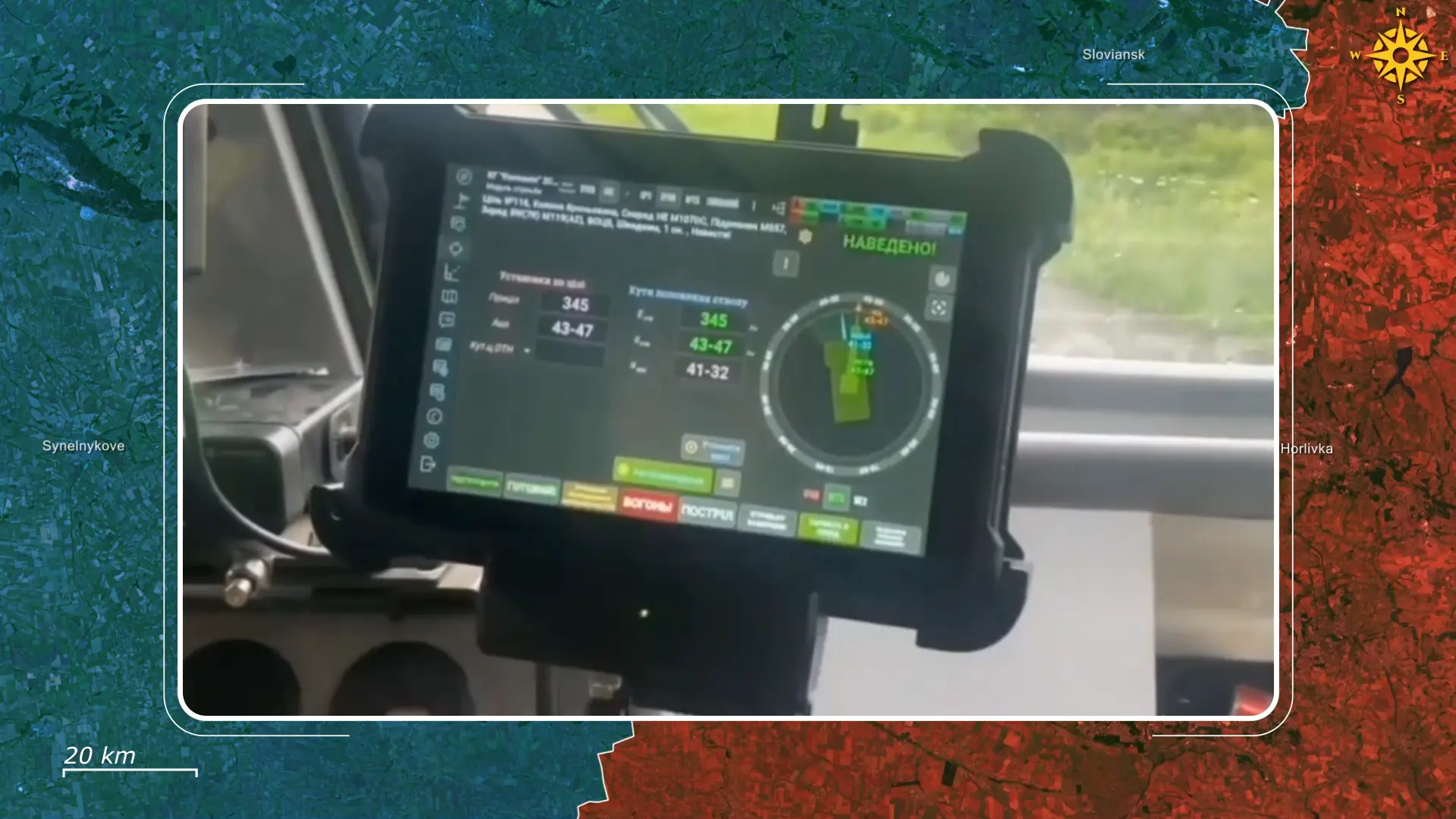
As a result, the entire process on the battlefield from target identification to firing is carried out seamlessly. As a crucial aspect of this, the fire control system is designed to maintain secure communications even under intense enemy electronic interference. This allows frontline Ukrainian artillery units to sustain uninterrupted contact with command posts in highly contested electronic environments, enabling rapid and effective decision-making during critical situations.
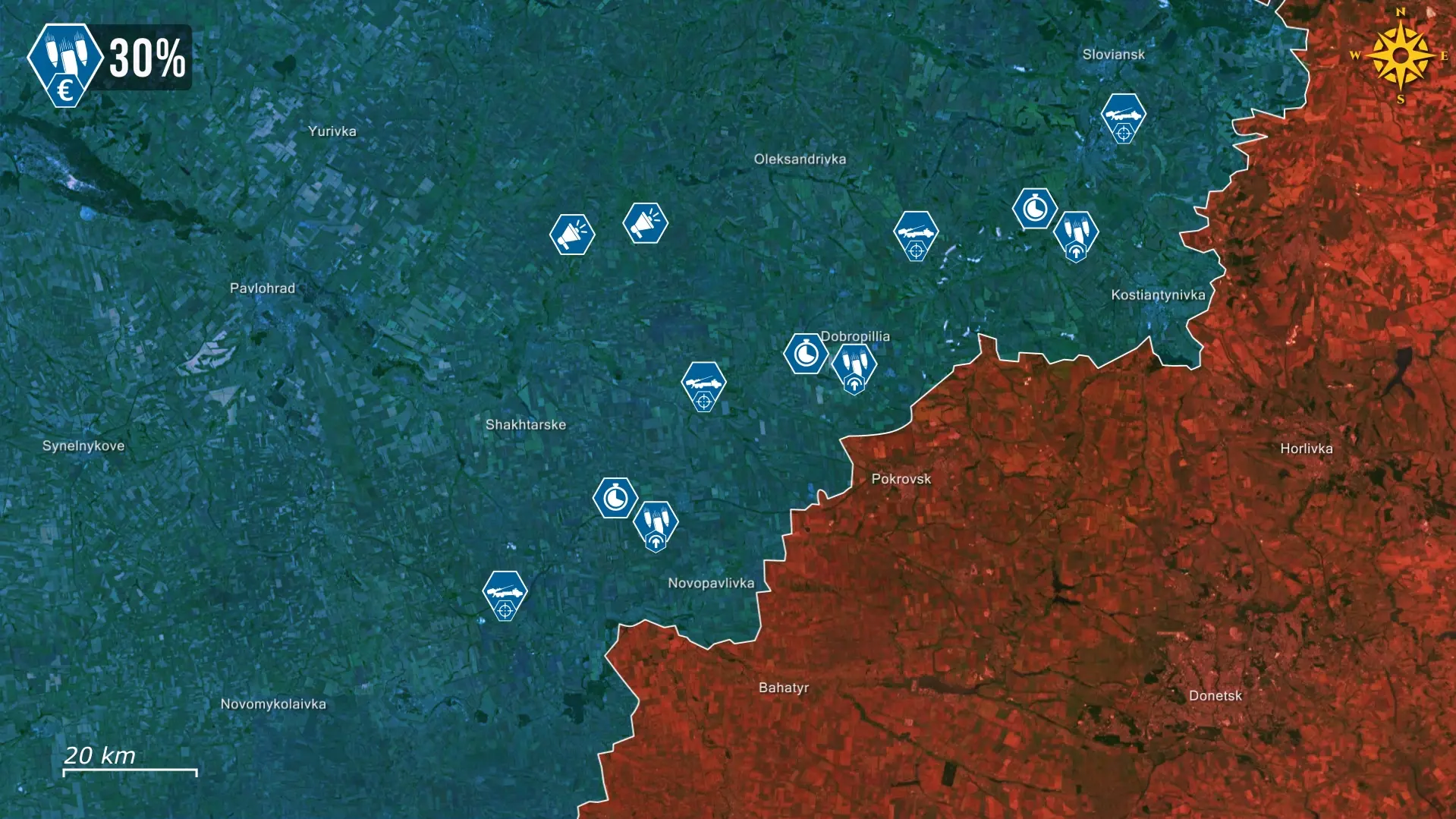
On the battlefield, Ukraine’s indigenously developed fire control system has already demonstrated significant operational effectiveness. According to the developer of the fire control system, its integration enables Ukrainian artillery to destroy designated targets using approximately five times fewer shells than was previously required. Consequently, the expenditure of Ukrainian artillery shells to strike designated targets on the battlefield has been reduced by approximately thirty percent, which provides Ukraine with the capability to sustain effective combat operations over an extended period.
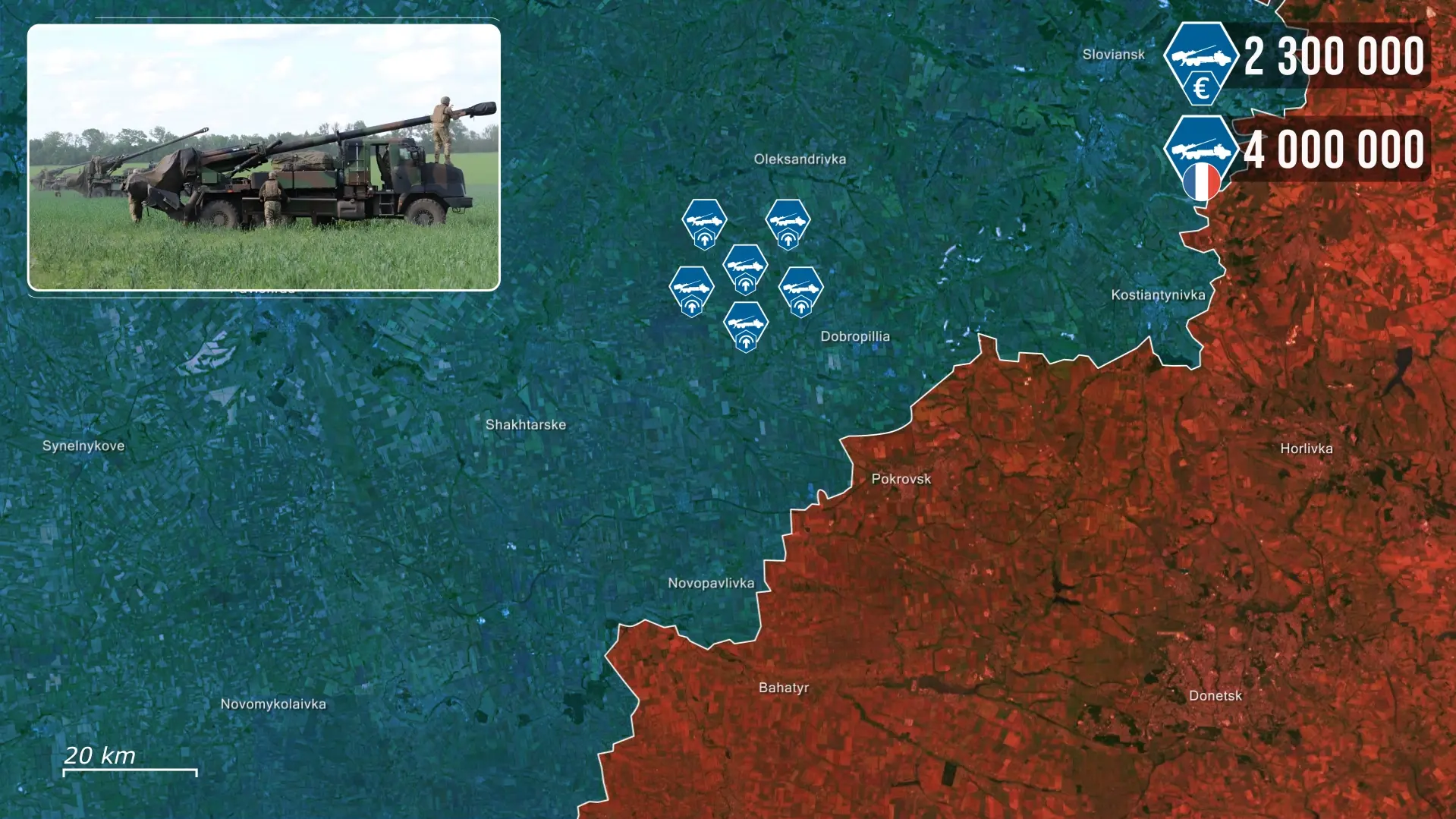
The Bohdana self-propelled guns, equipped with a fire control system, is now capable of competing with the world’s most powerful SPG’s. For example, when compared with the French Caesar, the new upgrade places it on par with the renowned French artillery system. However, production cost and maintenance, the Bohdana is already far ahead. Each unit of Bohdana costs approximately two million three hundred thousand euros to produce, required spare parts can be delivered within twenty-four hours, and full repairs are typically completed within forty-eight. In contrast, the production cost of a Caesar unit is around four million euros, and its maintenance timelines are significantly longer compared to the Bohdana.
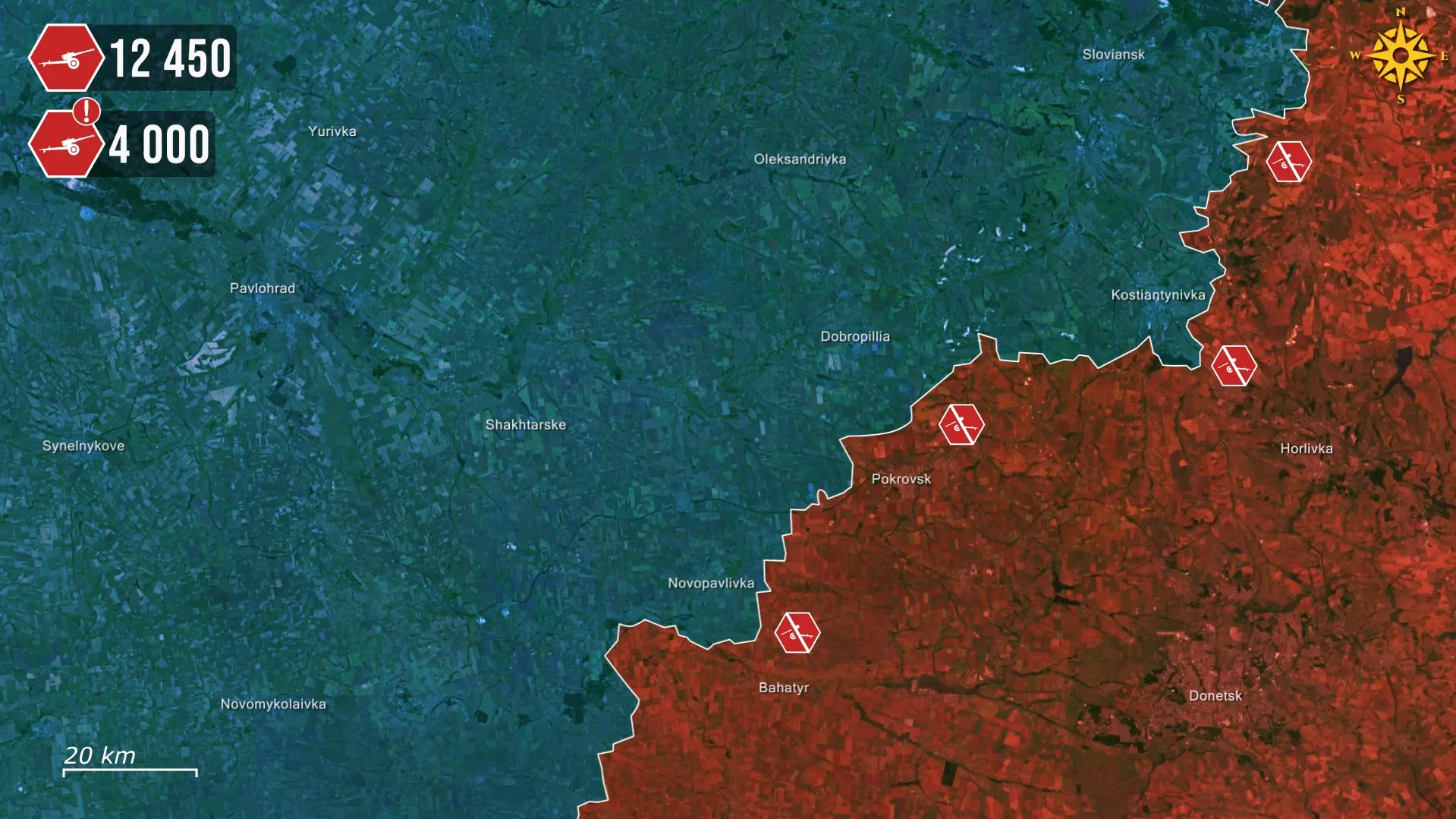
Comparably, most of Russia’s artillery systems are towed Cold War or even Second World War era models, characterized by slow deployment and limited accuracy, making them vulnerable to Ukrainian FPV drones. As a result, while Russia had an estimated twelve thousand four hundred fifty towed artillery systems in inventory at the start of the war, by early two thousand twenty-five, this number had fallen to roughly only four thousand.
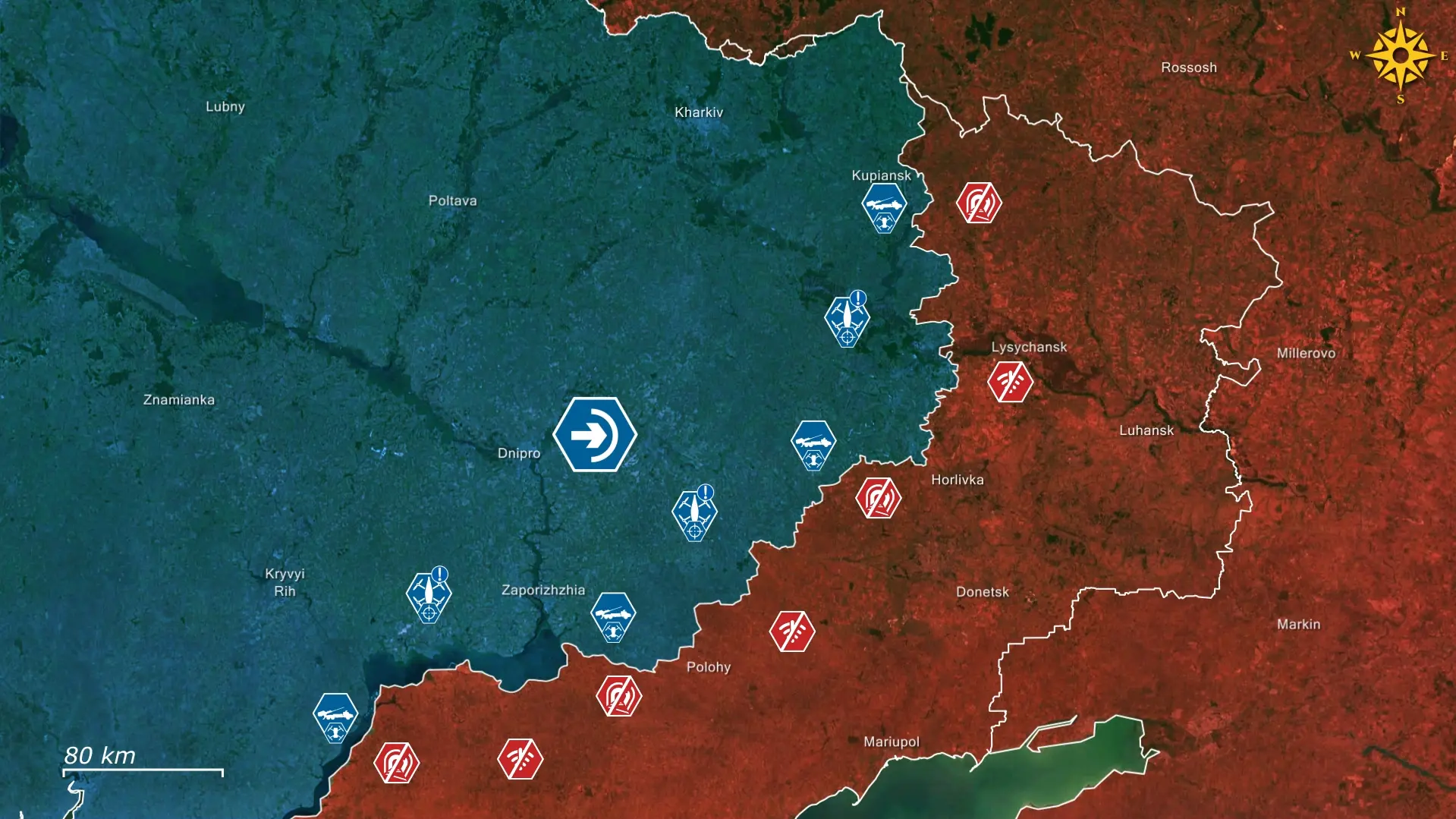
Overall, in this drone-dependent battlefield, modern Ukrainian artillery such as the Bohdana has not only remained relevant but has integrated with real-time drone warfare to form a potent recon-strike complex able to hold its own on the modern battlefield. This system provides Ukrainian forces with sustained advantages in long-range precision fires, area suppression, and counter-battery operations.
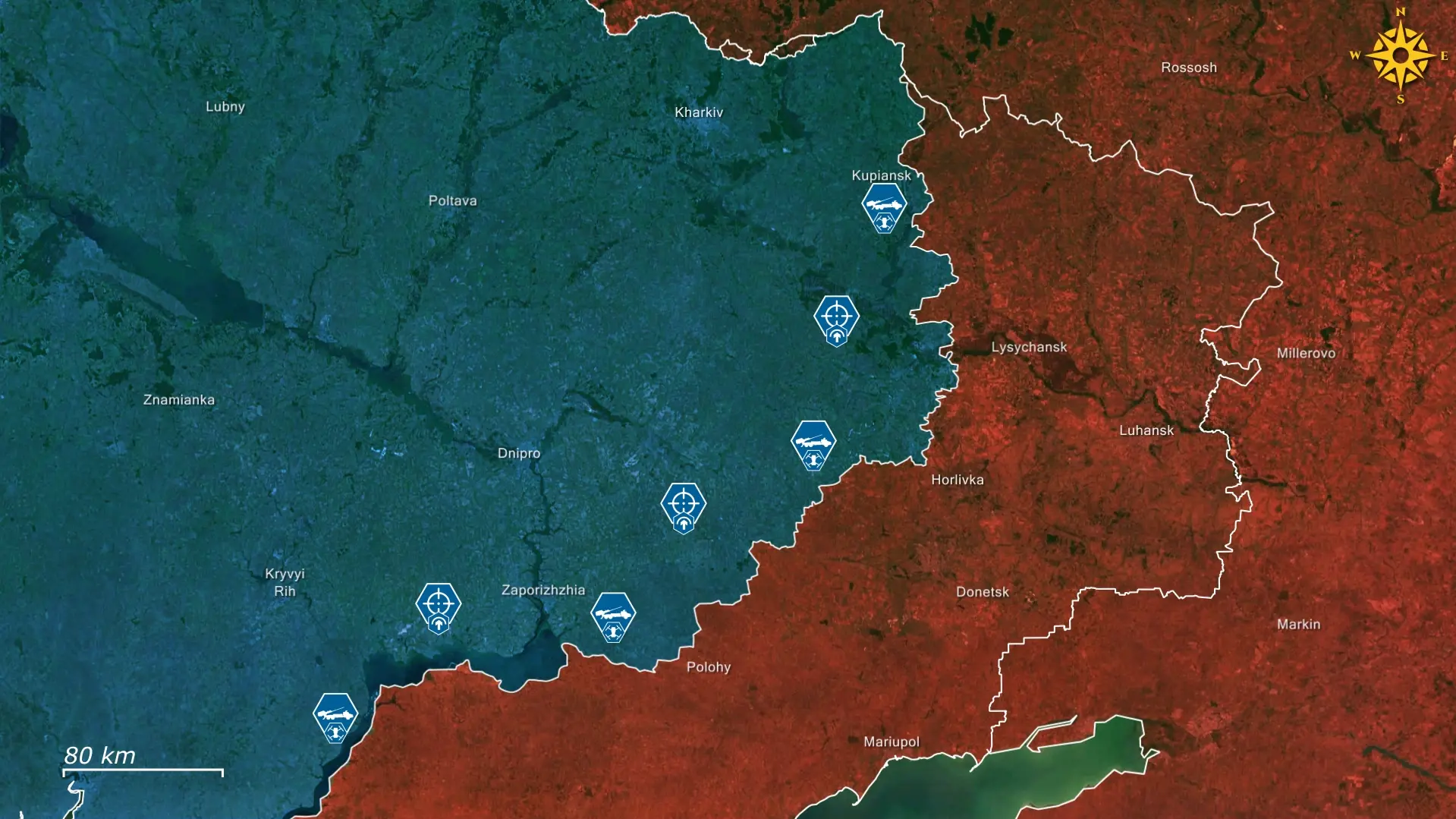
Maintaining effective artillery support in modern warfare is extremely important. Although drones can quickly and intelligently identify targets, their small size limits the amount of munitions they can carry, making it difficult for them to provide large-scale infantry support, destroy deep trenches, or sustain prolonged firepower. Moreover, operating drones successfully in adverse weather conditions and complex electronic warfare environments becomes even more challenging, which restricts their effectiveness and reduces their reliability. The Bohdana’s mobility, range, and drone-adaptation capabilities overcome these limitations, ensuring the combined-arms strategy remains effective.

.jpg)


Comments