

.svg)
Today, the biggest news comes from Ukraine.
Russia’s search for a reliable replacement for Starlink has turned into a cycle of hype, disappointment, and improvised fixes that keep collapsing under the weight of reality. However, the latest attempt to present as a breakthrough only reinforces how far Russia remains from restoring stable military communications.
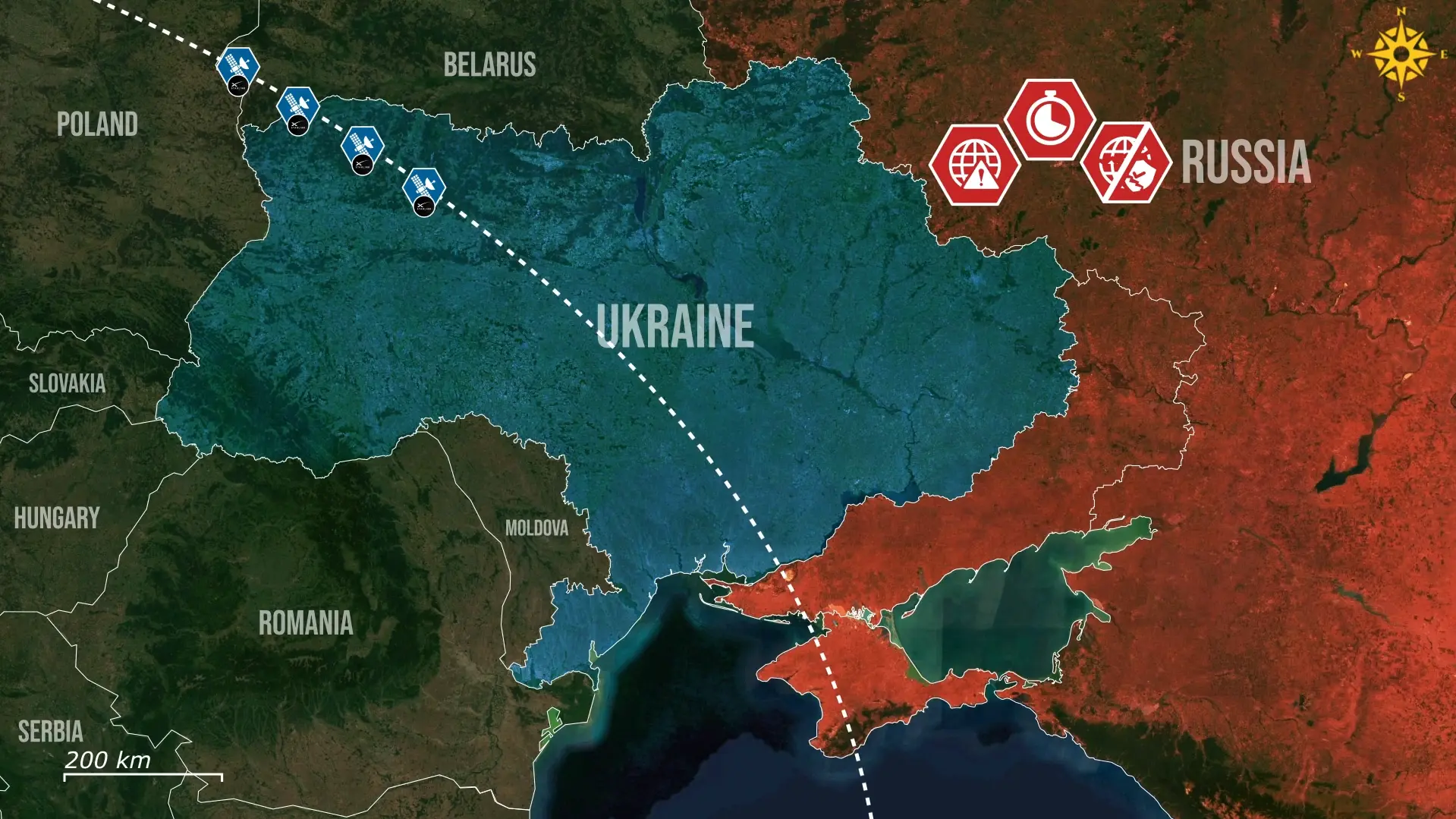
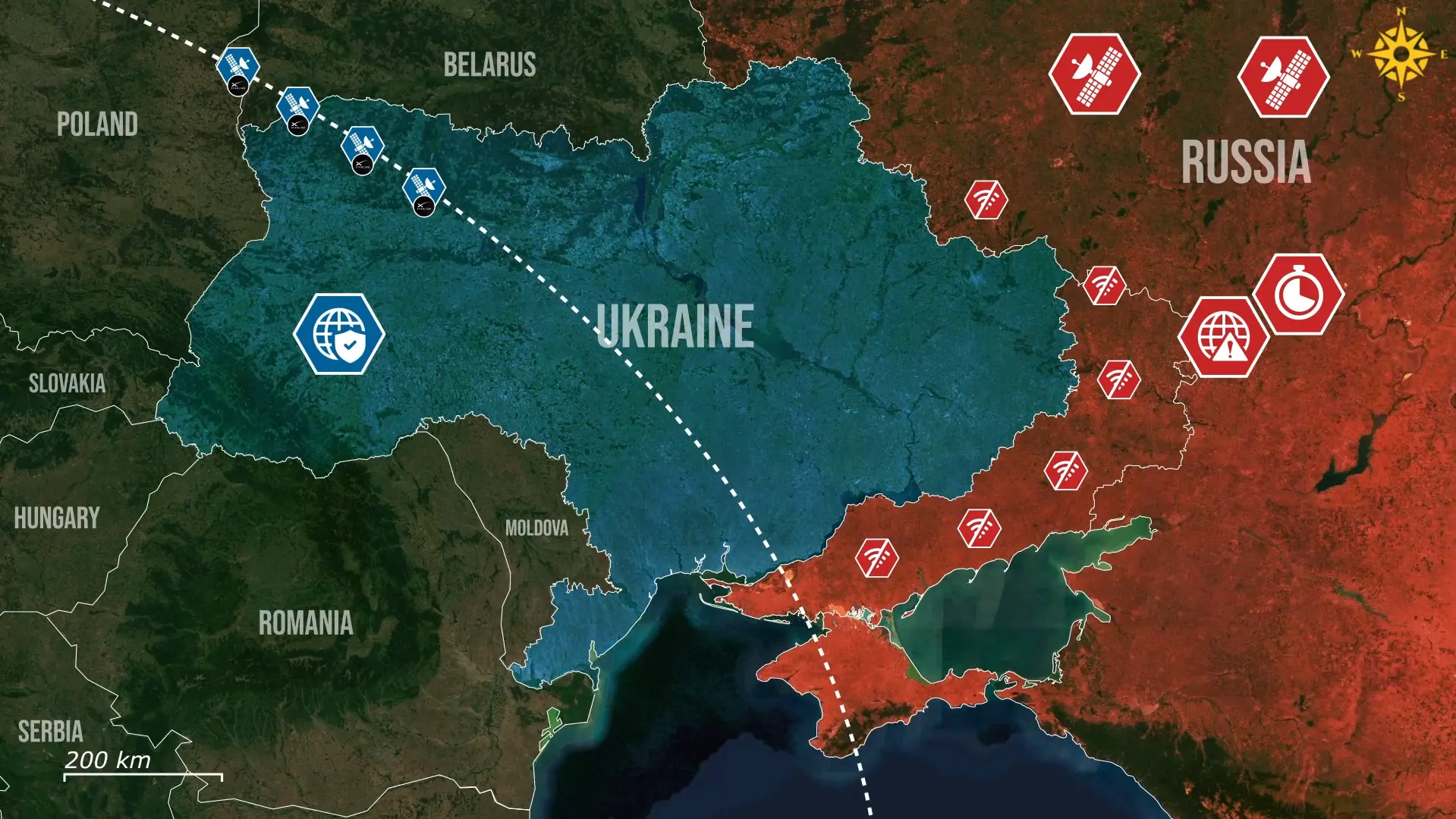
After losing access to Starlink inside Ukraine in February 2026, Russian forces still have no equivalent system, a gap affecting every aspect of their battlefield performance. Their first fallback was to rely on older geostationary satellite terminals, but these systems are slow to deploy, easy to detect, and frequently destroyed by Ukrainian drones.
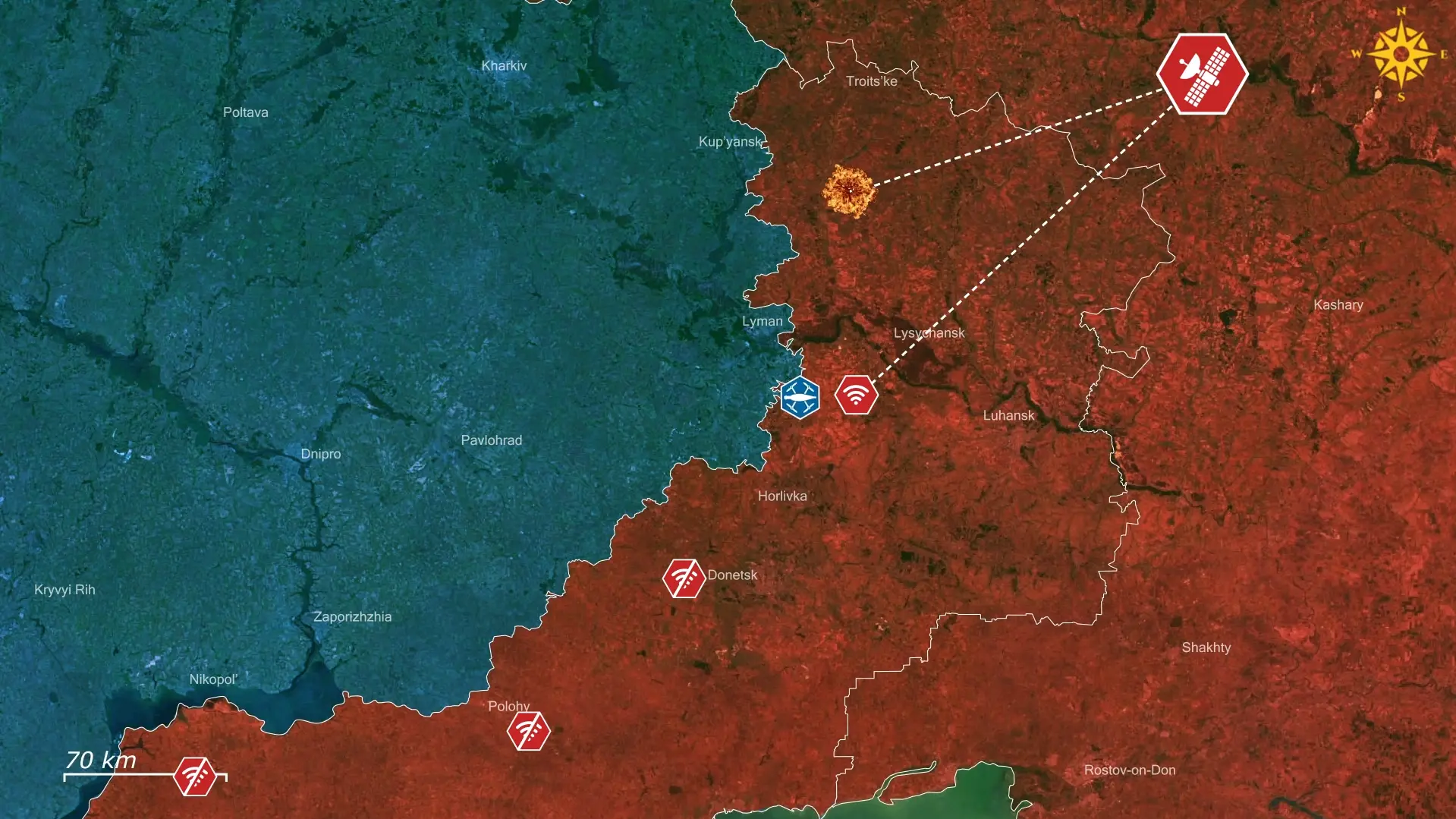
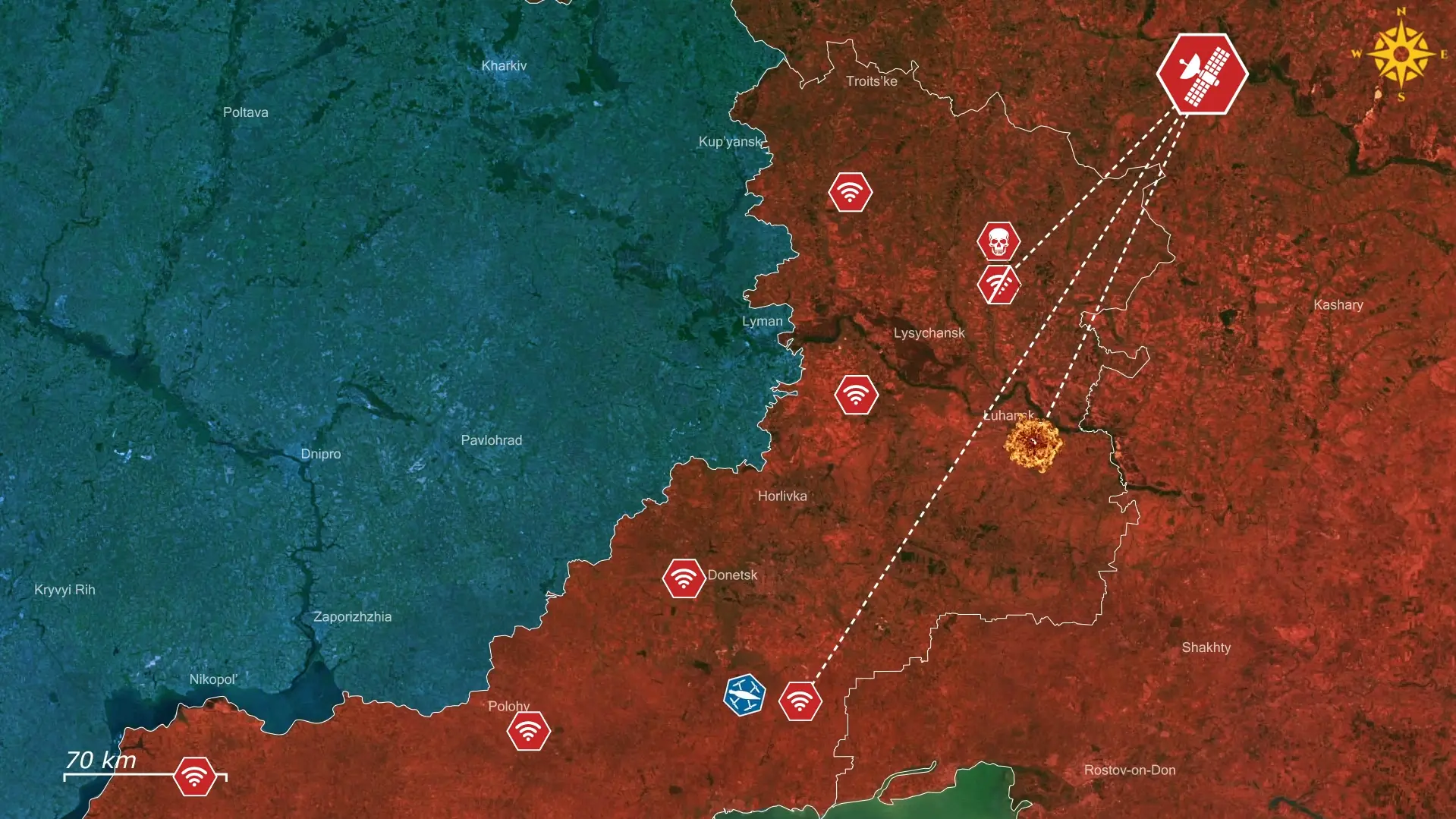
When these proved too vulnerable, Russian units placed the terminals far behind the lines and extended connectivity forward through Wi-Fi bridge repeaters, which repeatedly exposed the Russian units installing them to Ukrainian FPV.
Russia also tested a stratospheric balloon platform, intended to act as a drifting communications node at high altitude, but even Russian analysts noted it would be easily intercepted by S three hundred systems and therefore unsuitable for contested airspace. In parallel, Russia began launching satellites for the Rassvet low Earth orbit constellation, but the system remains in early development and will not be operational for years.
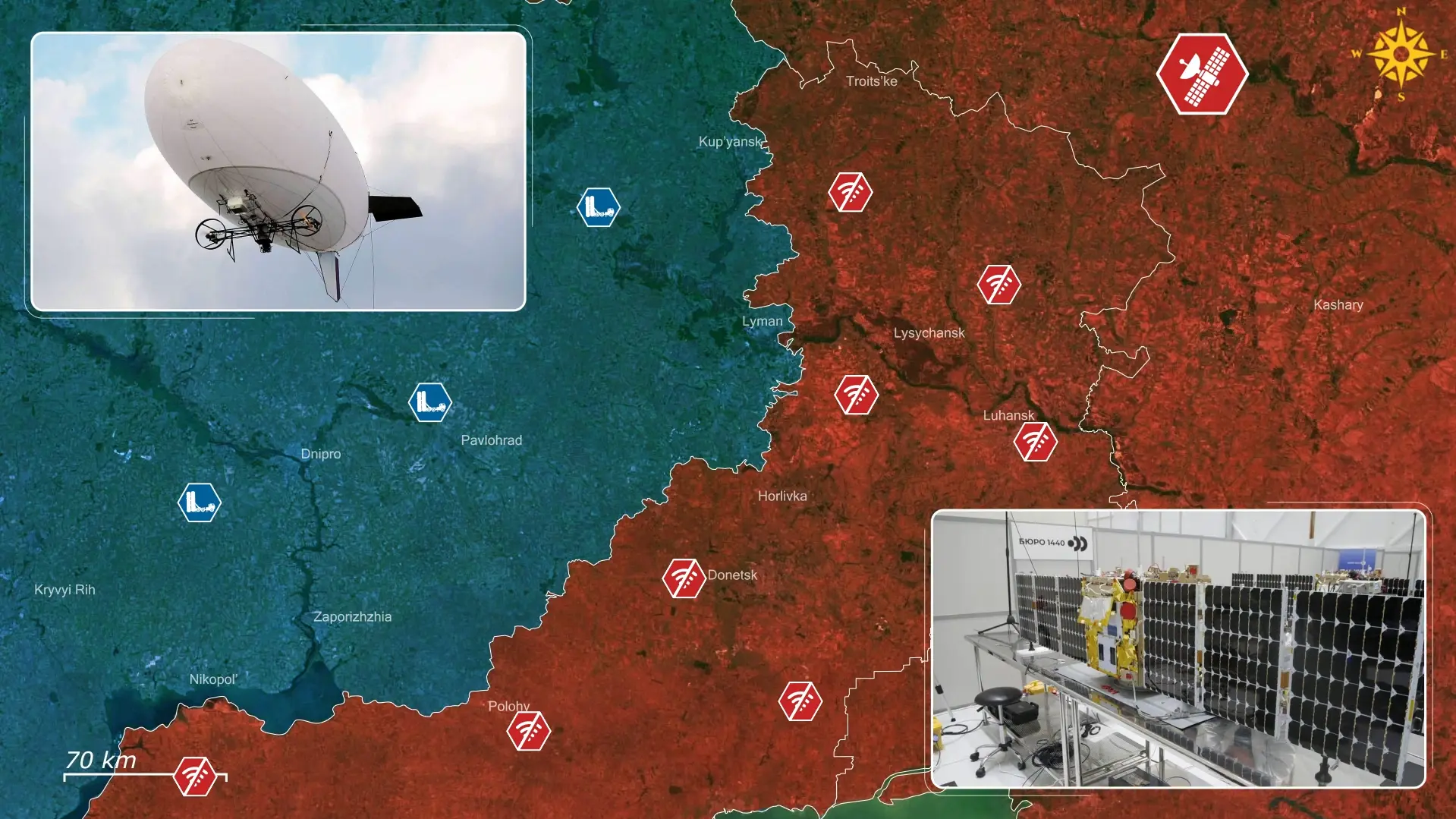
Now, Russian analysts and media have turned their attention to Spirit zero thirty, a compact satellite communication terminal promoted as a breakthrough. The system uses a much smaller thirty centimeter antenna instead of the older, bulkier terminals and features partial compatibility with Chinese networks. Unlike the older terminal, it can be deployed in under ten minutes and provides download speeds of up to fifty megabits per second and upload speeds of up to ten megabits per second, although latency remains high due to the geostationary orbit.
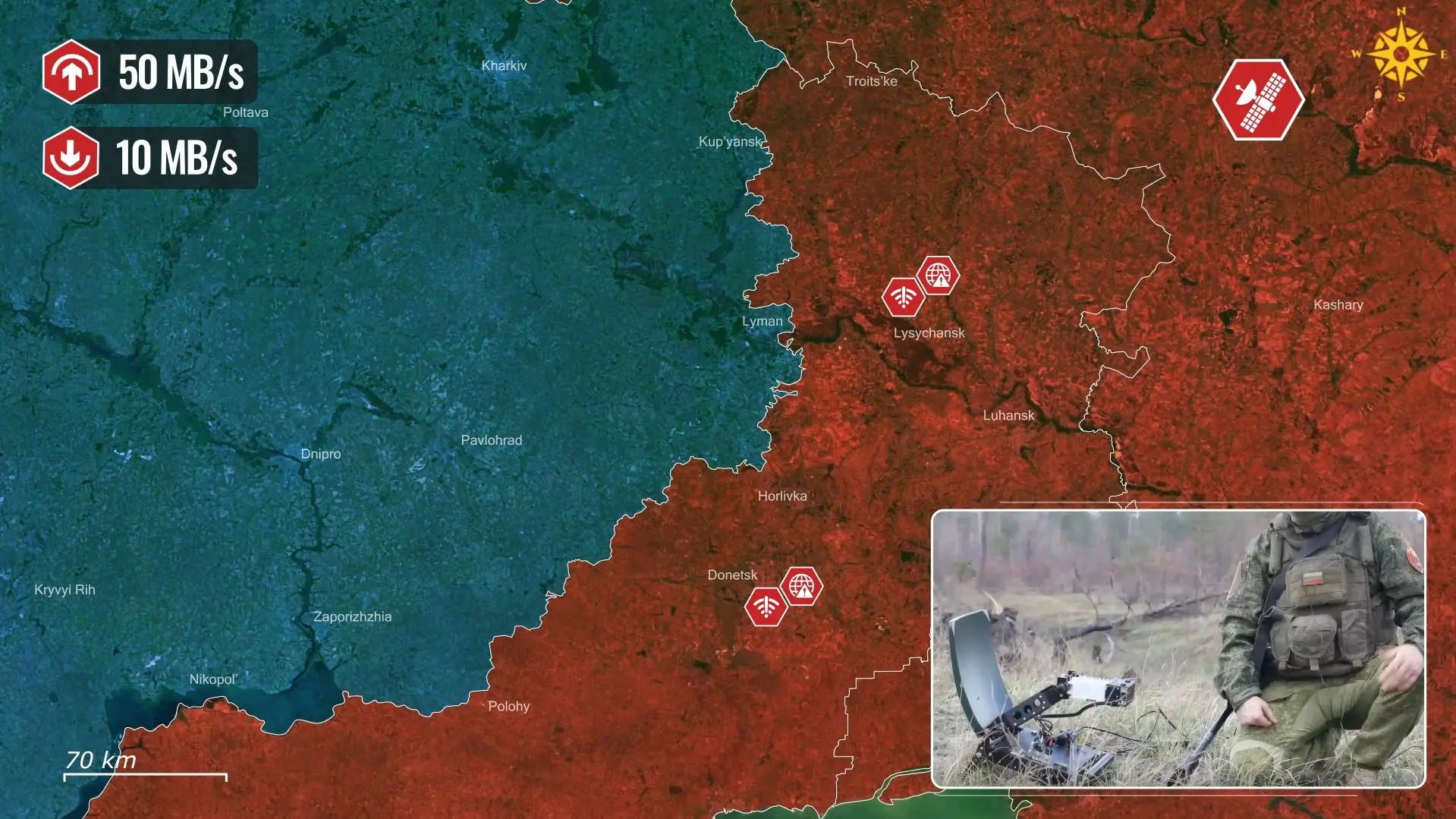
Spirit zero thirty was meant to replace Starlink by providing Russian units with a smaller, more survivable satellite terminal that could restore basic encrypted communications after the cutoff. It was introduced as a practical fix to this problem because its small antenna is harder to spot, and it connects to the same geostationary Russian satellites without requiring heavy equipment. In theory, this would allow Russian forces to push satellite connectivity closer to the battlefield, restoring the ability to transmit reconnaissance data to the artillery and coordinating units even when mobile networks were jammed.
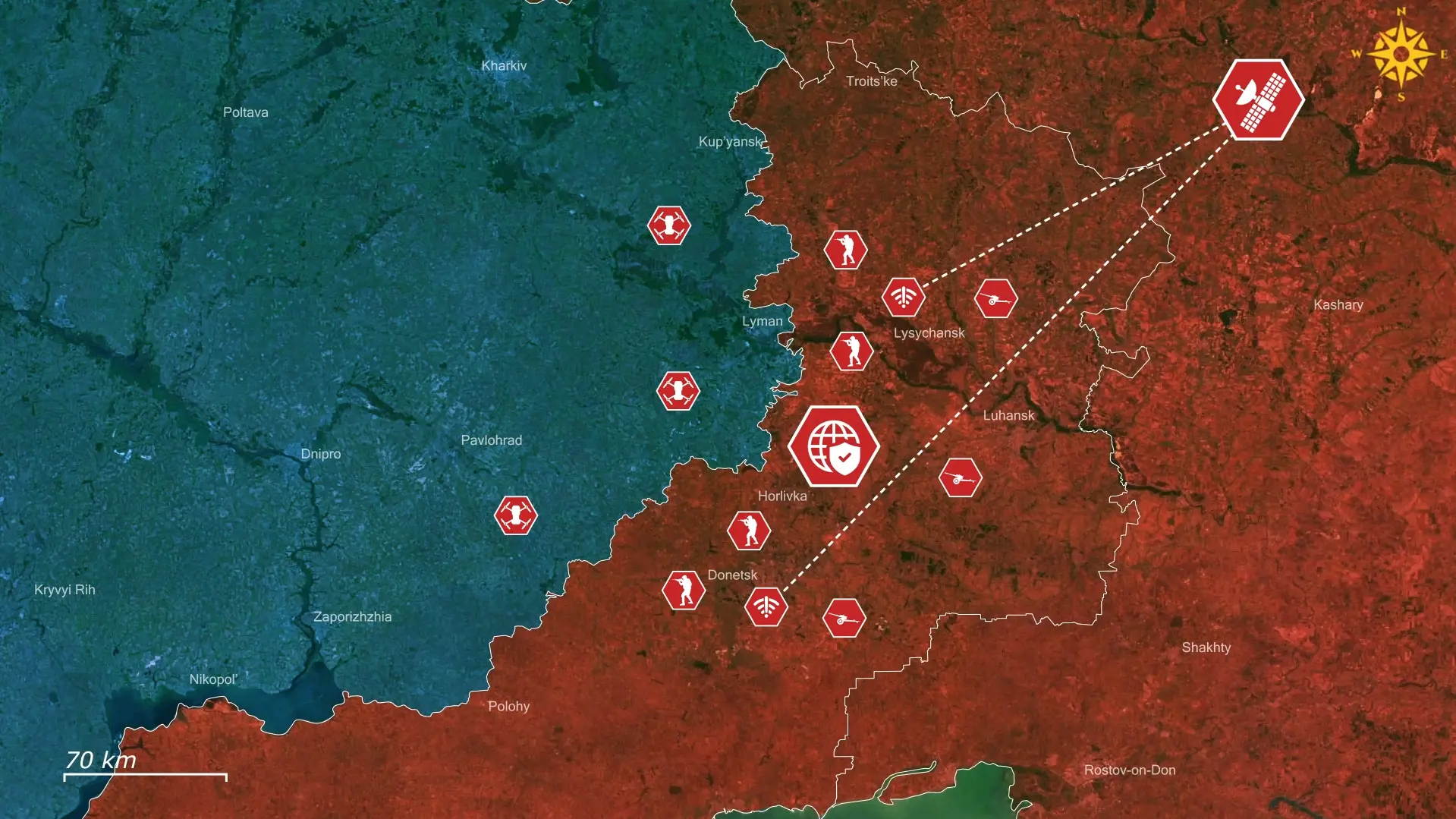
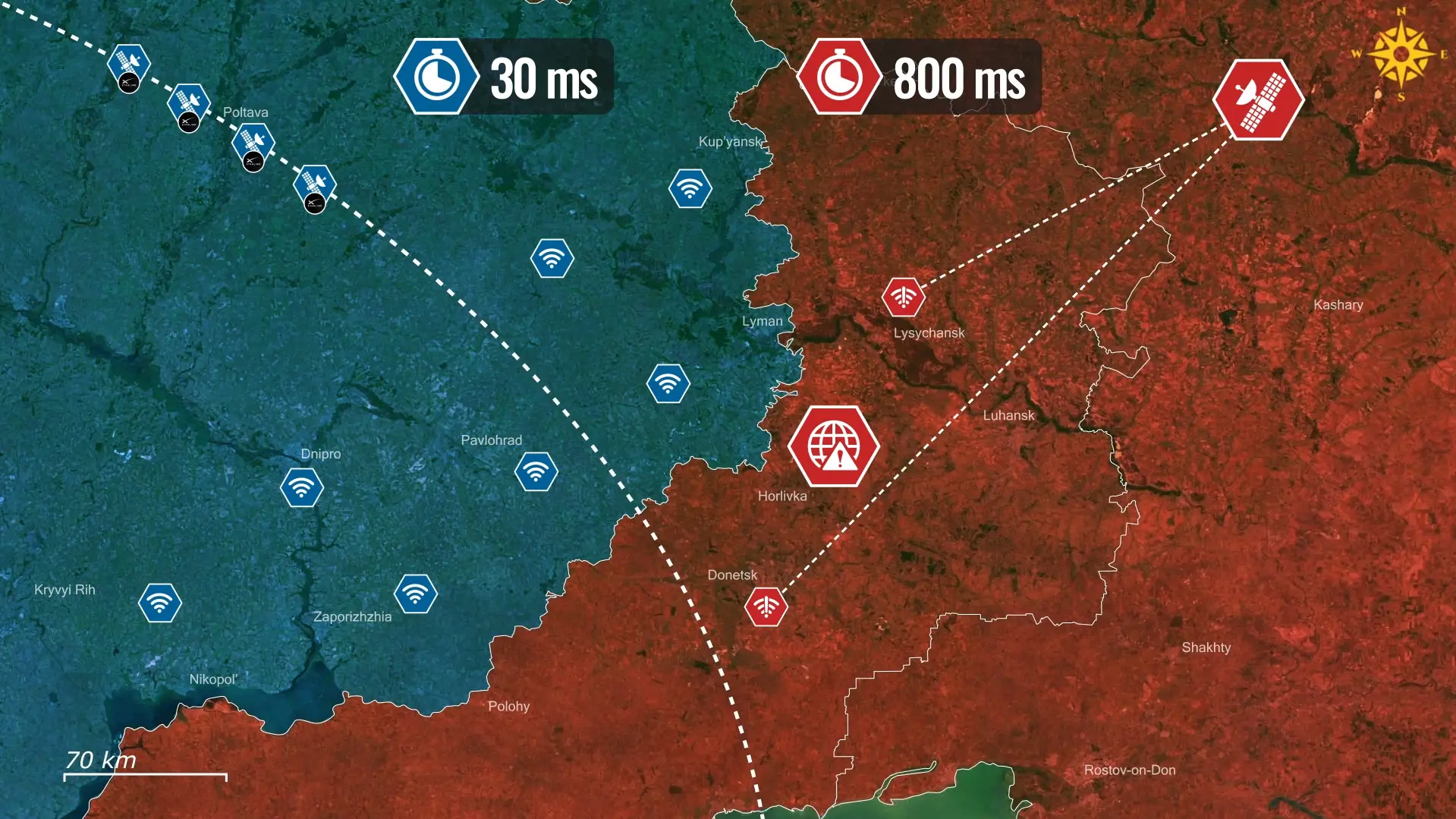
Despite the media enthusiasm, Russian military analysts familiar with satellite communications and frontline realities have made clear that they do not see Spirit zero thirty as a Starlink replacement. The technical limitations are structural, as Starlink operates via thousands of low Earth orbit satellites that provide global coverage and an average low latency of thirty milliseconds. Conversely, Spirit zero thirty connects to single geostationary satellites located thirty six thousand kilometers above Earth, which creates a latency of eight hundred milliseconds, much higher than that of a low Earth orbit system.
Furthermore, because these satellites were designed to serve Russia’s domestic communication needs, their strongest coverage is over Russian territory rather than over Ukraine. The system also lacks phased array antenna technology, which enables Starlink terminals to automatically track satellites. Instead, Spirit zero thirty requires precise manual alignment, which limits use on moving platforms and prevents real time drone control. Russian analysts have also noted that the limited number of available geostationary satellites, some of which are built with European components, constrains their capacity and future expansion.
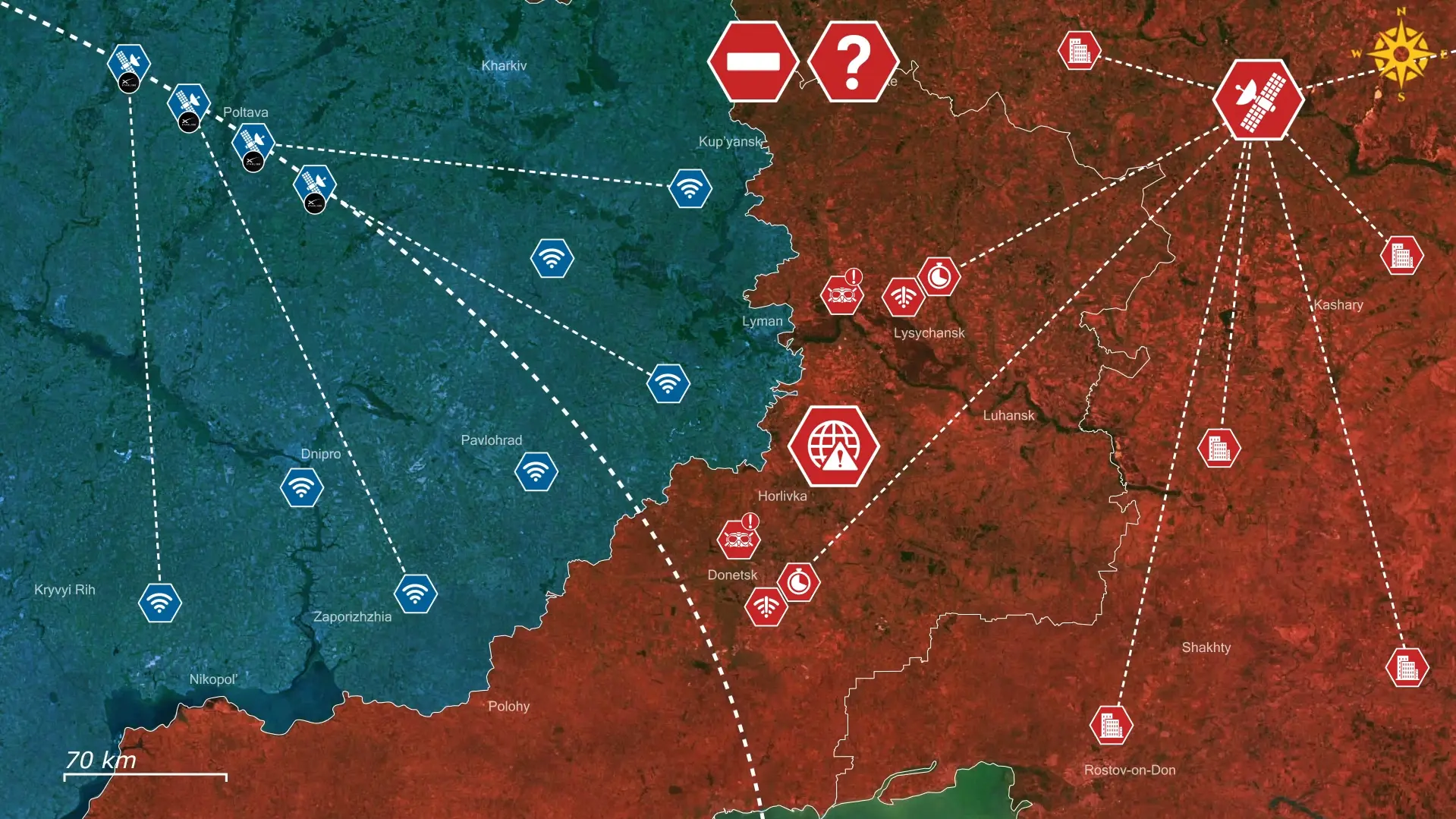
The shortcomings of Spirit zero thirty mean that Russian forces will again need to search for another solution.
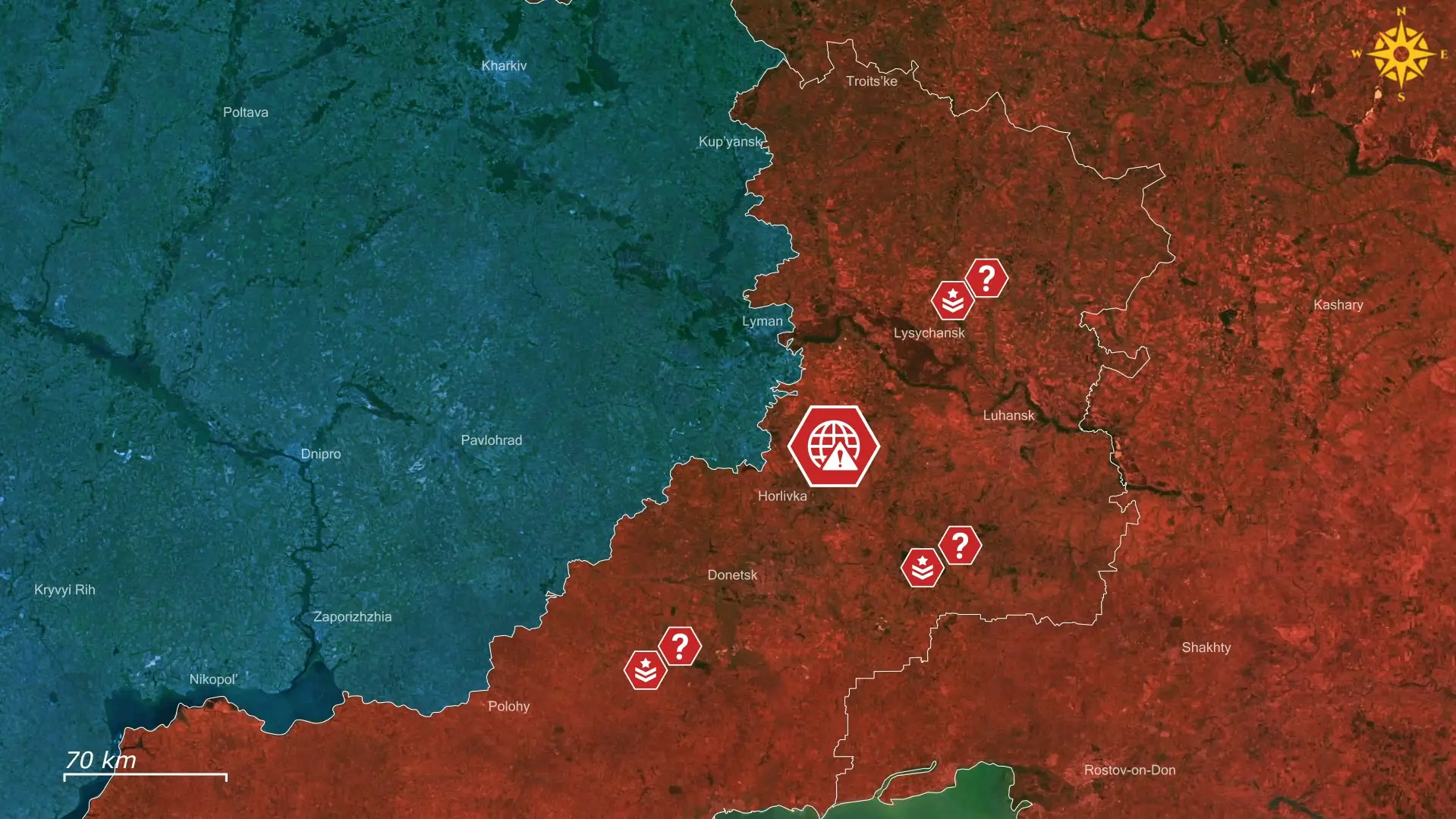
In the meantime, Russian units continue to rely on improvised methods such as climbing communication towers to install Wi-Fi repeaters or placing terminals in exposed positions. Ukrainian forces regularly publish footage of these Russian teams being targeted by FPV drones, highlighting the human cost of Russia’s communications gap.

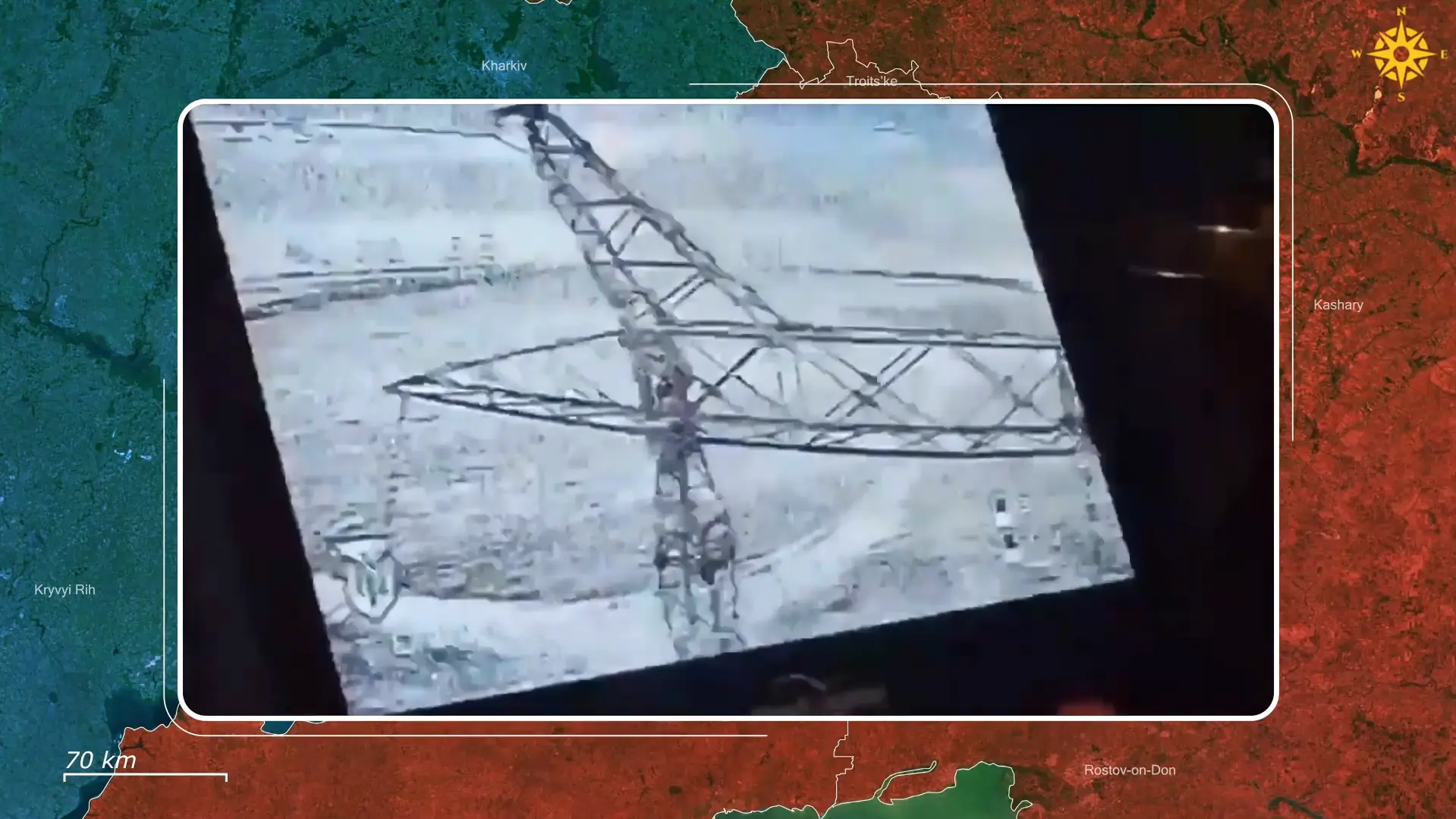
Overall, the emergence of Spirit zero thirty does not change the fundamental reality that Russia has not solved its military communications problem. The pattern remains unchanged, as each new system is introduced with optimism, only to reveal the same structural weaknesses once deployed in real battlefield conditions. The broader issue is conceptual rather than technical, because Russian leadership continues to search for a single device to replace Starlink rather than focusing on building a layered, resilient communications architecture. Until that changes, the cycle of temporary fixes and predictable failures will continue.

.jpg)



Comments