

.svg)
Today, there is important news from Armenia.
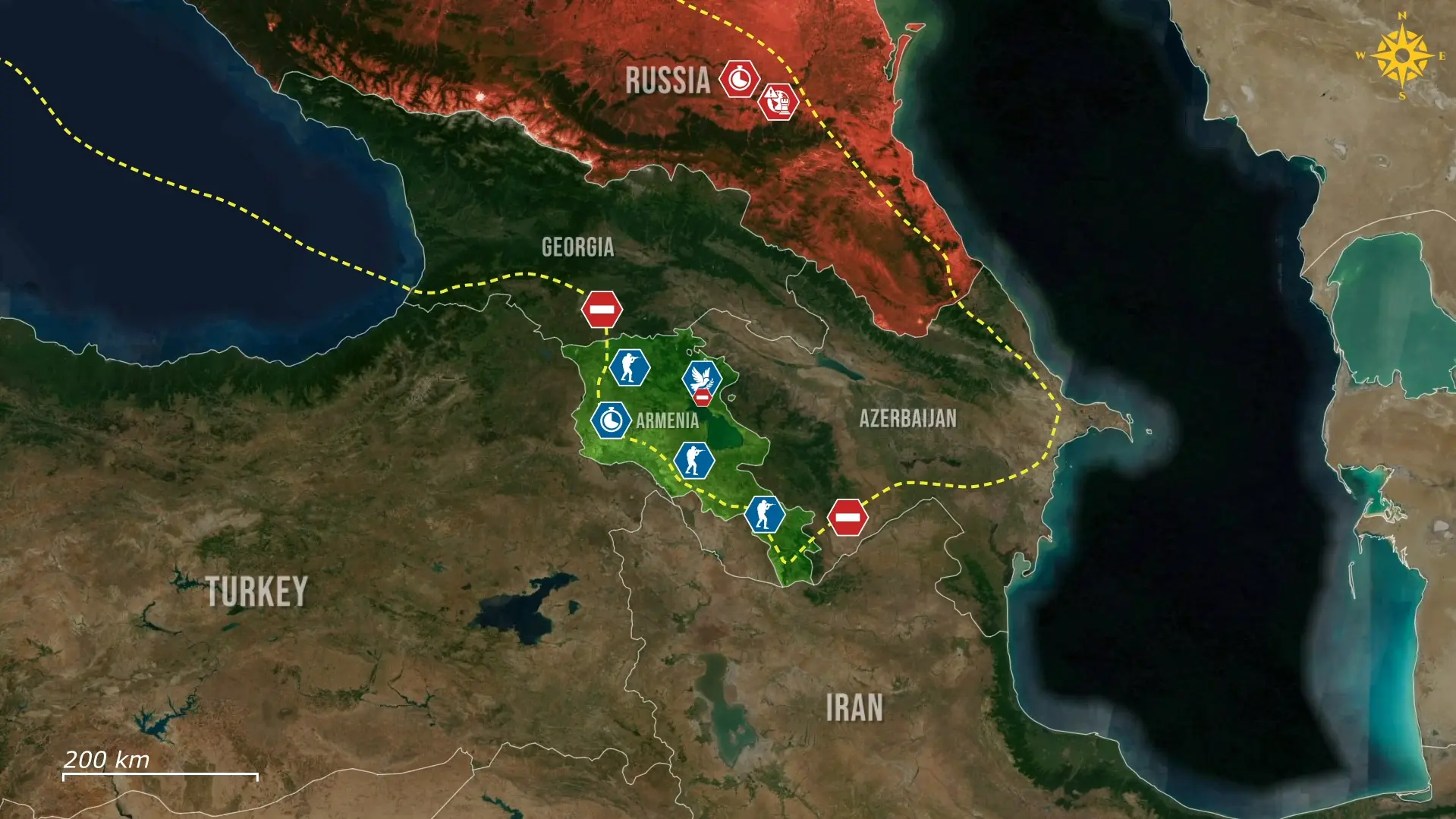
Here, Russia has openly warned that if Armenia keeps removing Russian military and strategic influence from its soil, Russia will respond with economic devastation. This marks a decisive escalation because after losing credibility as Armenia’s protector, Russia is now trying to preserve control by turning Armenia’s remaining dependence into a weapon, setting the stage for a direct confrontation.
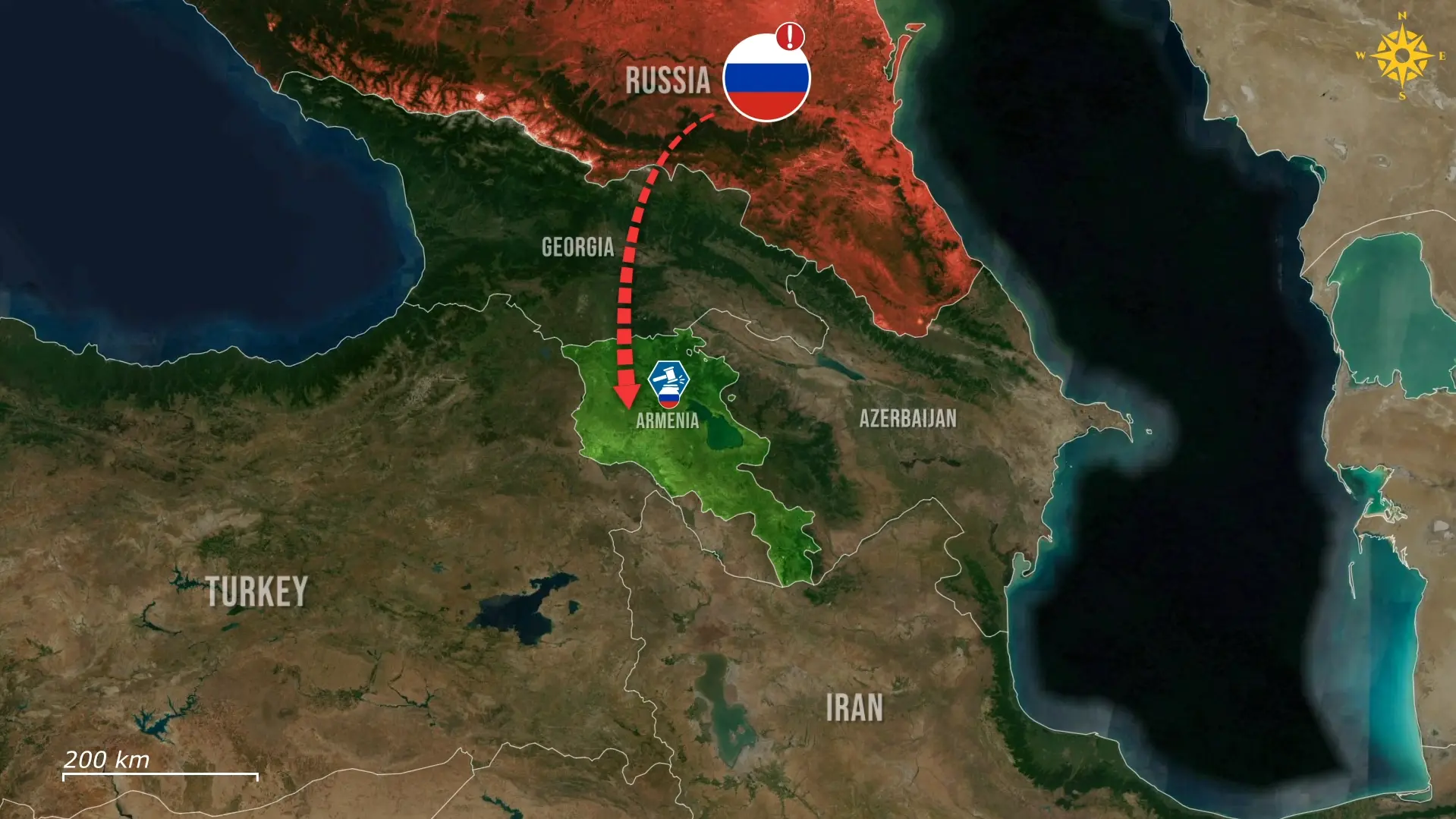
The latest escalation followed the Kremlin meeting between Vladimir Putin and Nikol Pashinyan, after which Russian Deputy Prime Minister Alexey Overchuk delivered the message in blunt form. Armenia was told it cannot move toward the European Union while keeping the benefits of privileged cooperation inside the Eurasian Economic Union. Putin reinforced that line by saying the two integration tracks are incompatible, making clear that if Armenia keeps forcing out Russian influence, Moscow will retaliate economically. That made clear that Russia was no longer trying to keep Armenia through cooperation, but by raising the cost of breaking away.
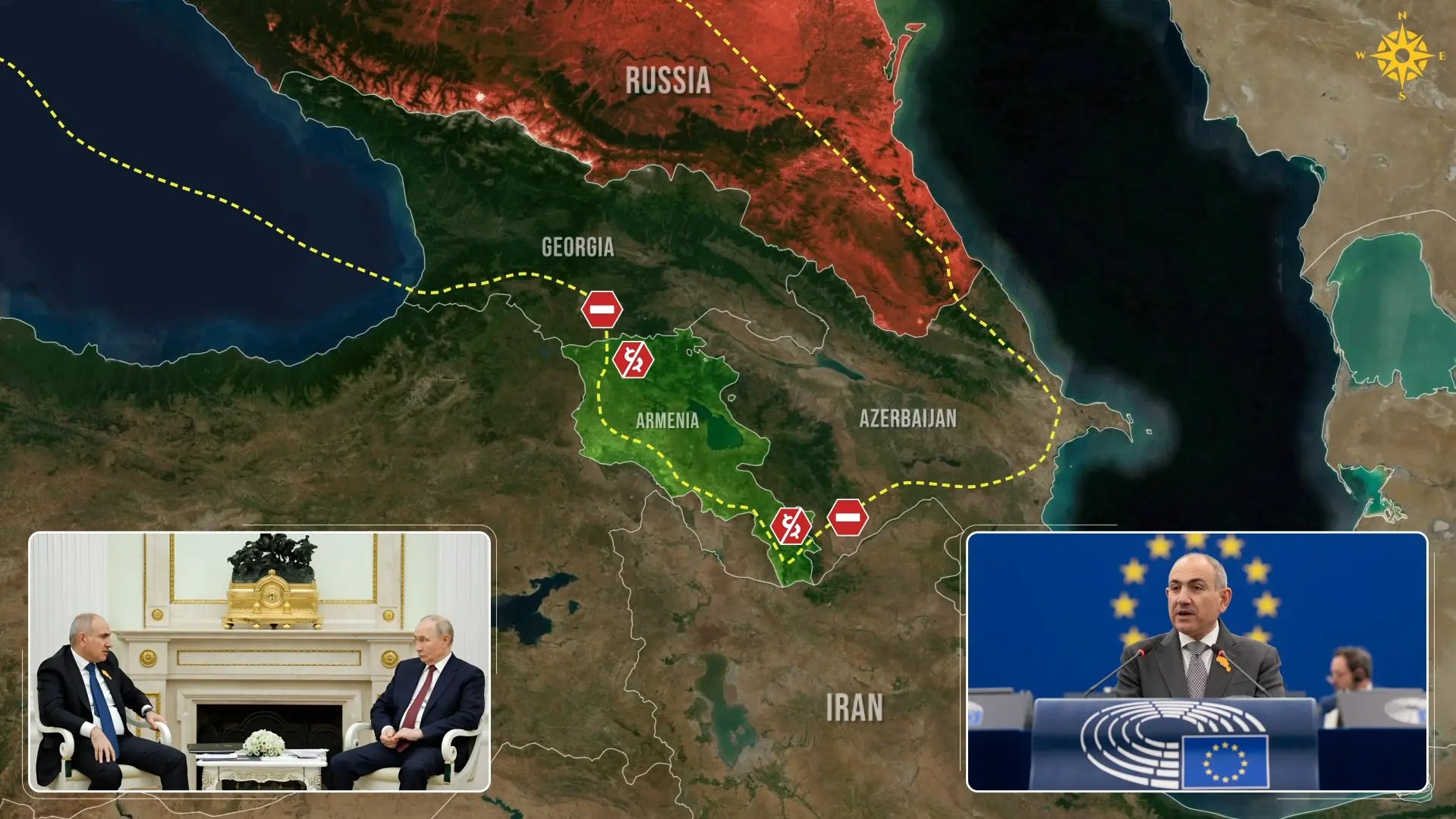
This pressure came after Armenia had already started removing Russian control on the ground. Russian border guards were pushed away from key checkpoints as preparations advanced for the possible opening of the Turkish border. For Moscow, this was a clear sign that Armenia was no longer just distancing itself politically, but removing Russian presence from a strategically important border and replacing it with its own control. From that point on, the Russian response shifted from pressure to open threats.
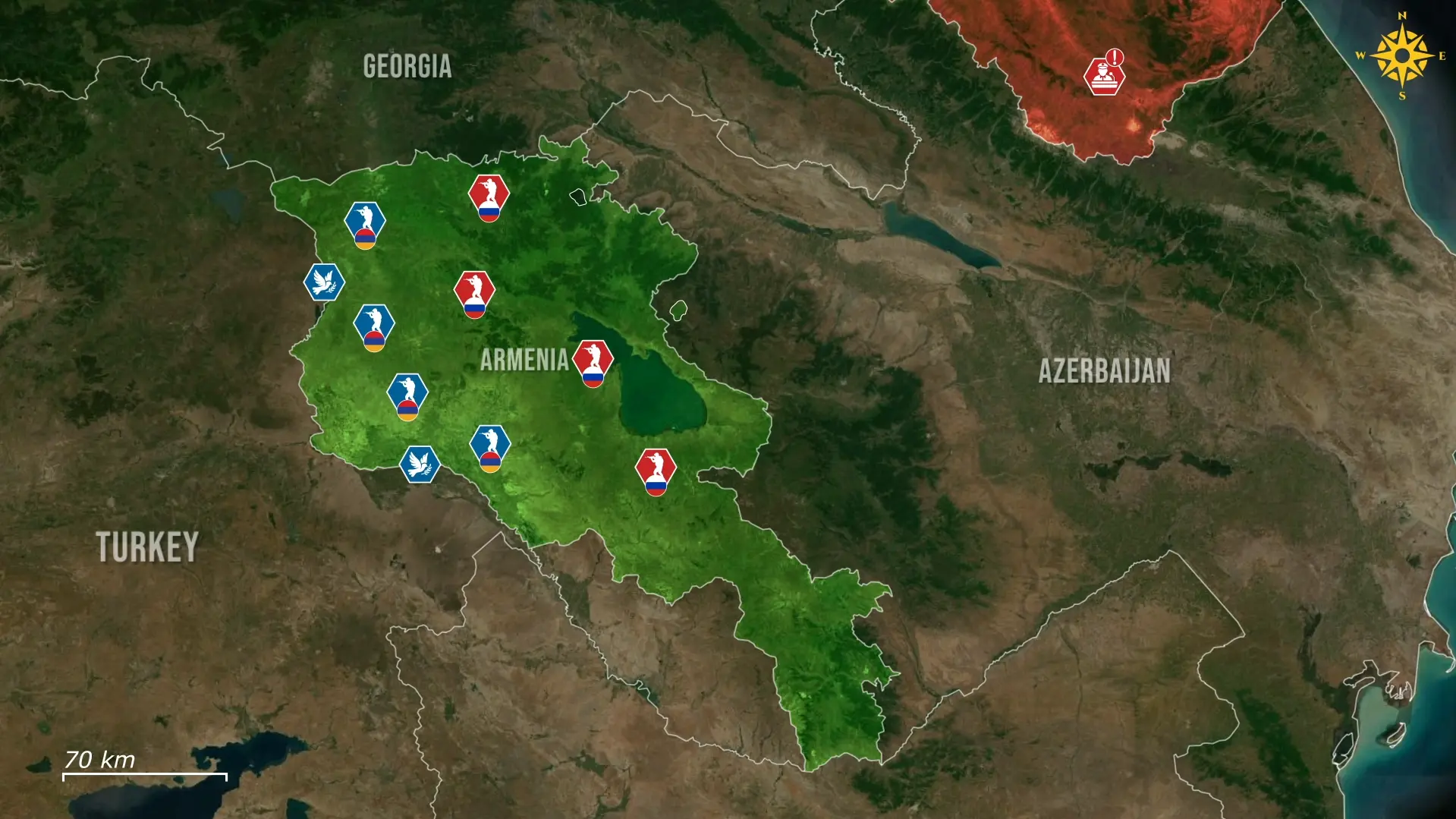
The next pressure point is the one hundred second Russian military base in Gyumri, where accusations of interfering with the election have turned the base into a direct political problem for Armenia.
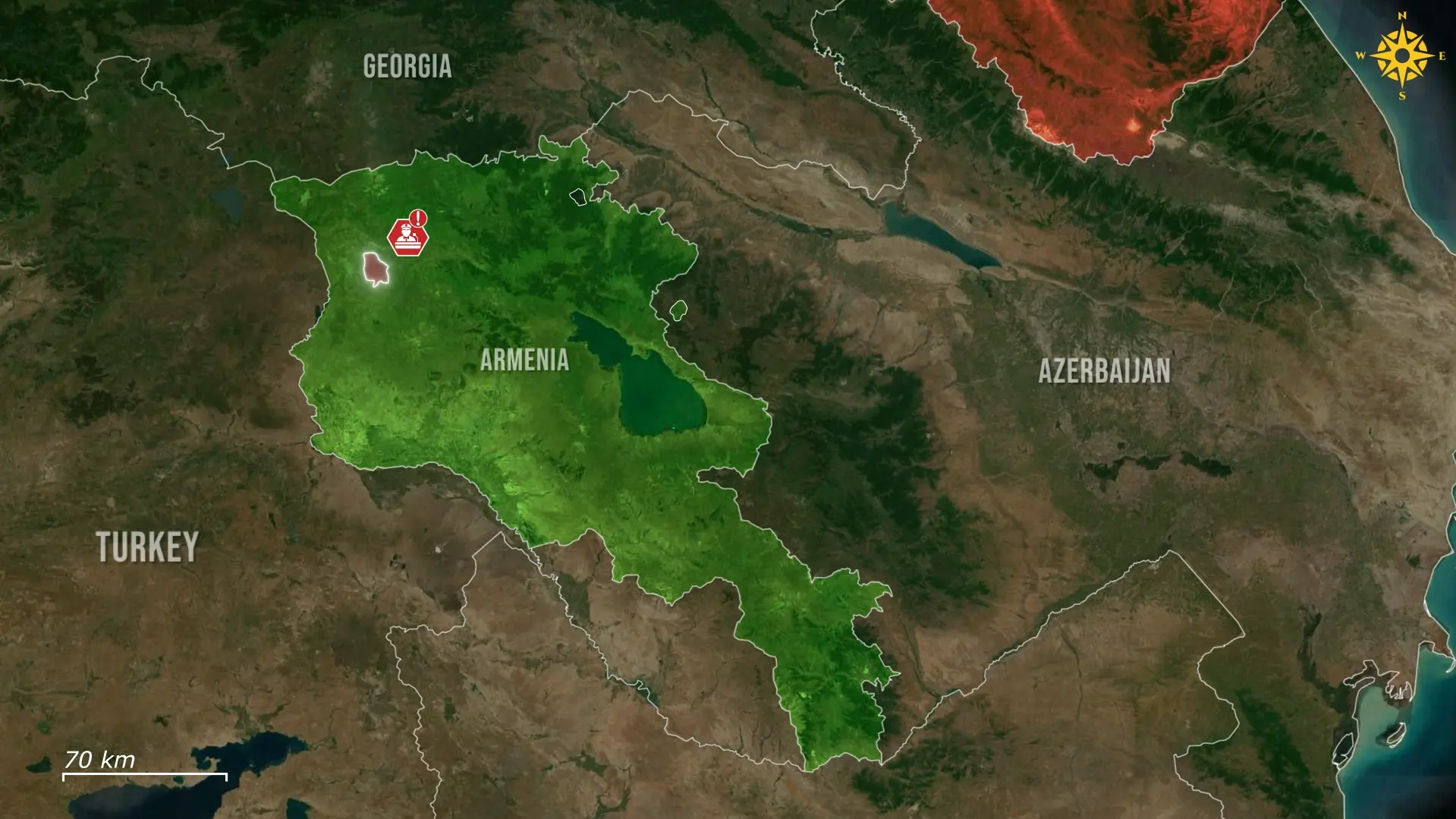
The base is one of Russia’s last military footholds inside Armenia, so losing it would mean losing one of the last ways Moscow can still directly influence what happens inside the country. Once its legitimacy erodes, the base becomes a liability Armenia may eventually try to remove.
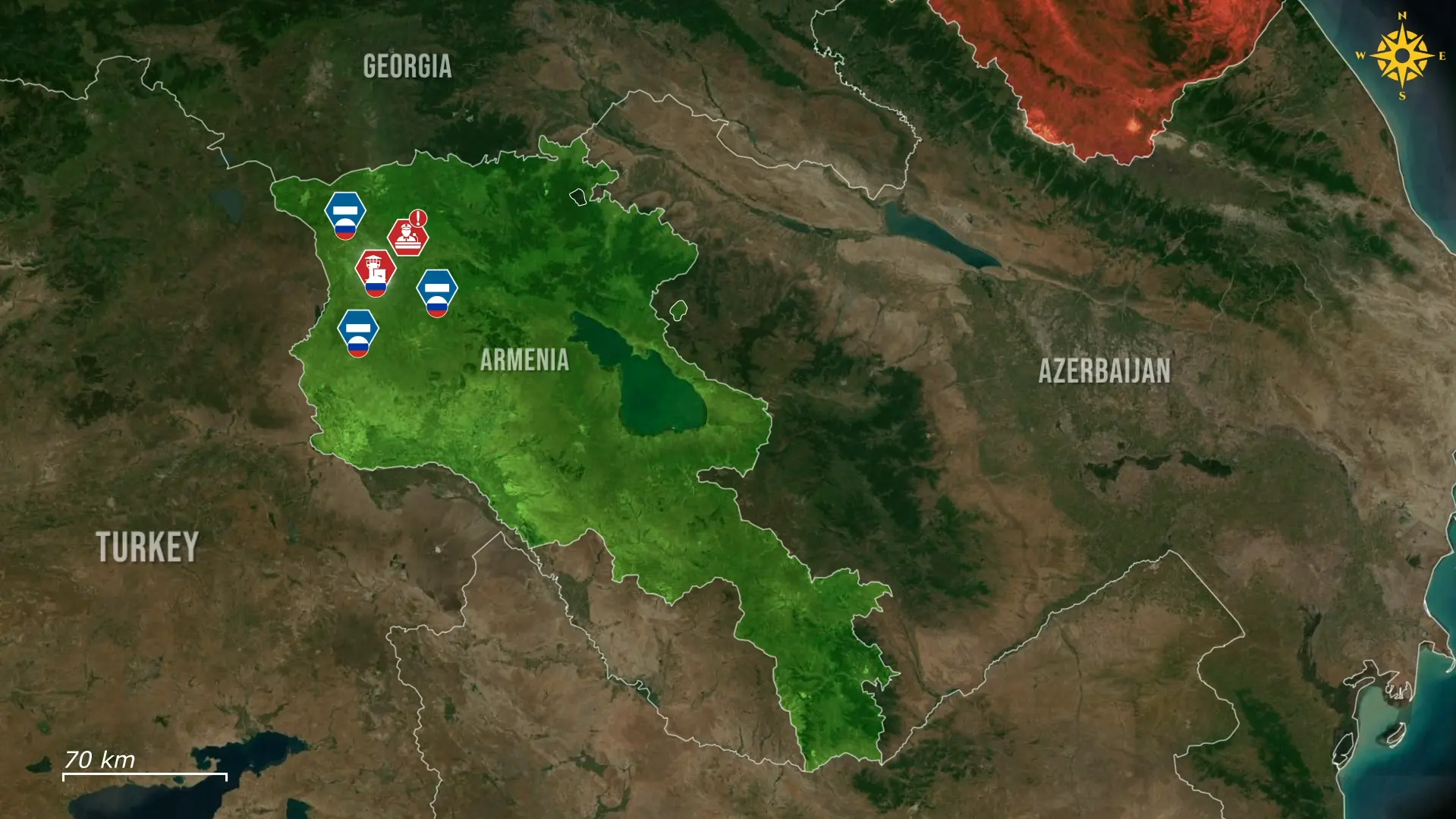
The reason Armenia is prepared to accept that confrontation lies in Russia’s failure during the Azerbaijani offensives and the collapse of Artsakh.
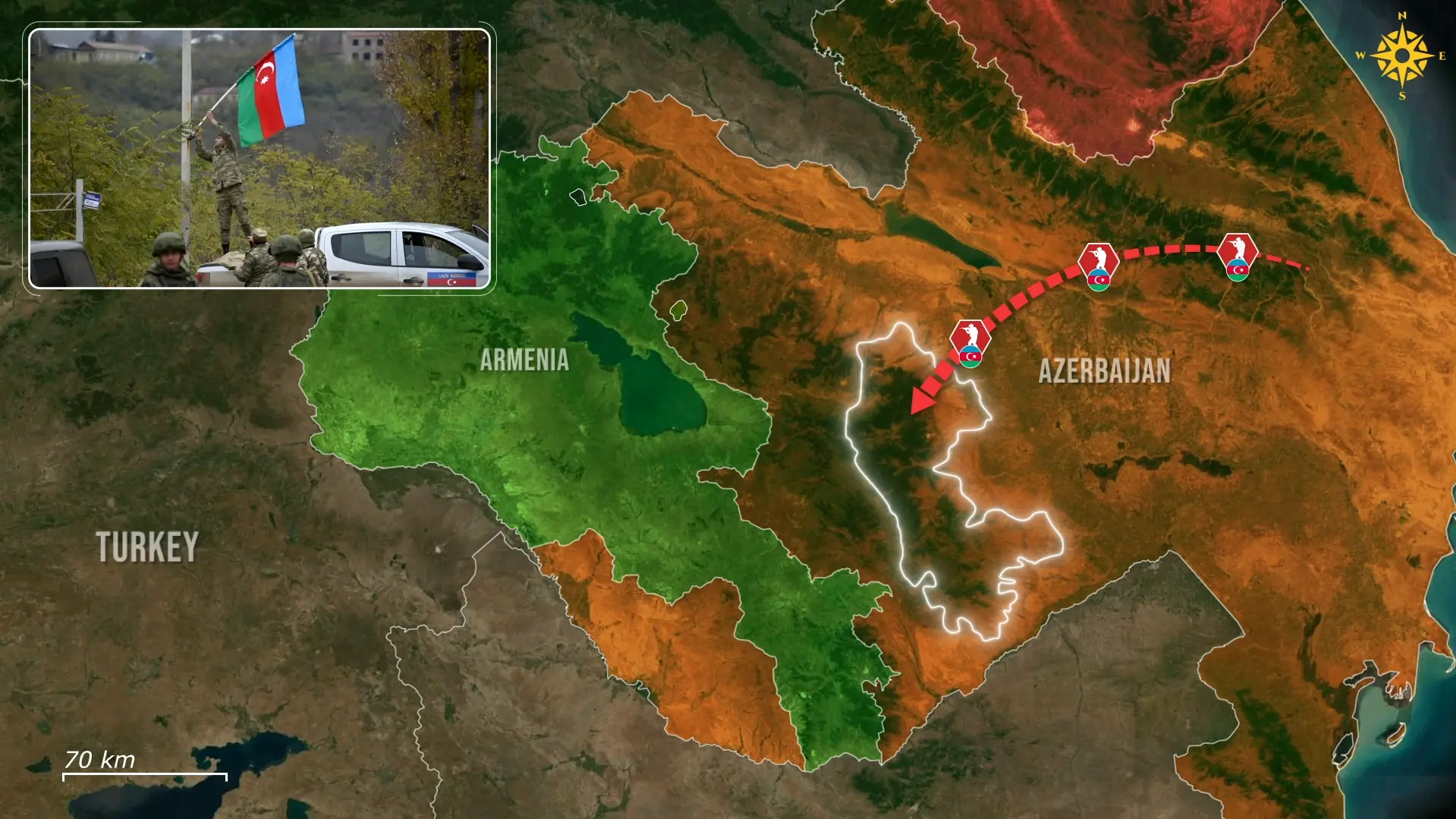
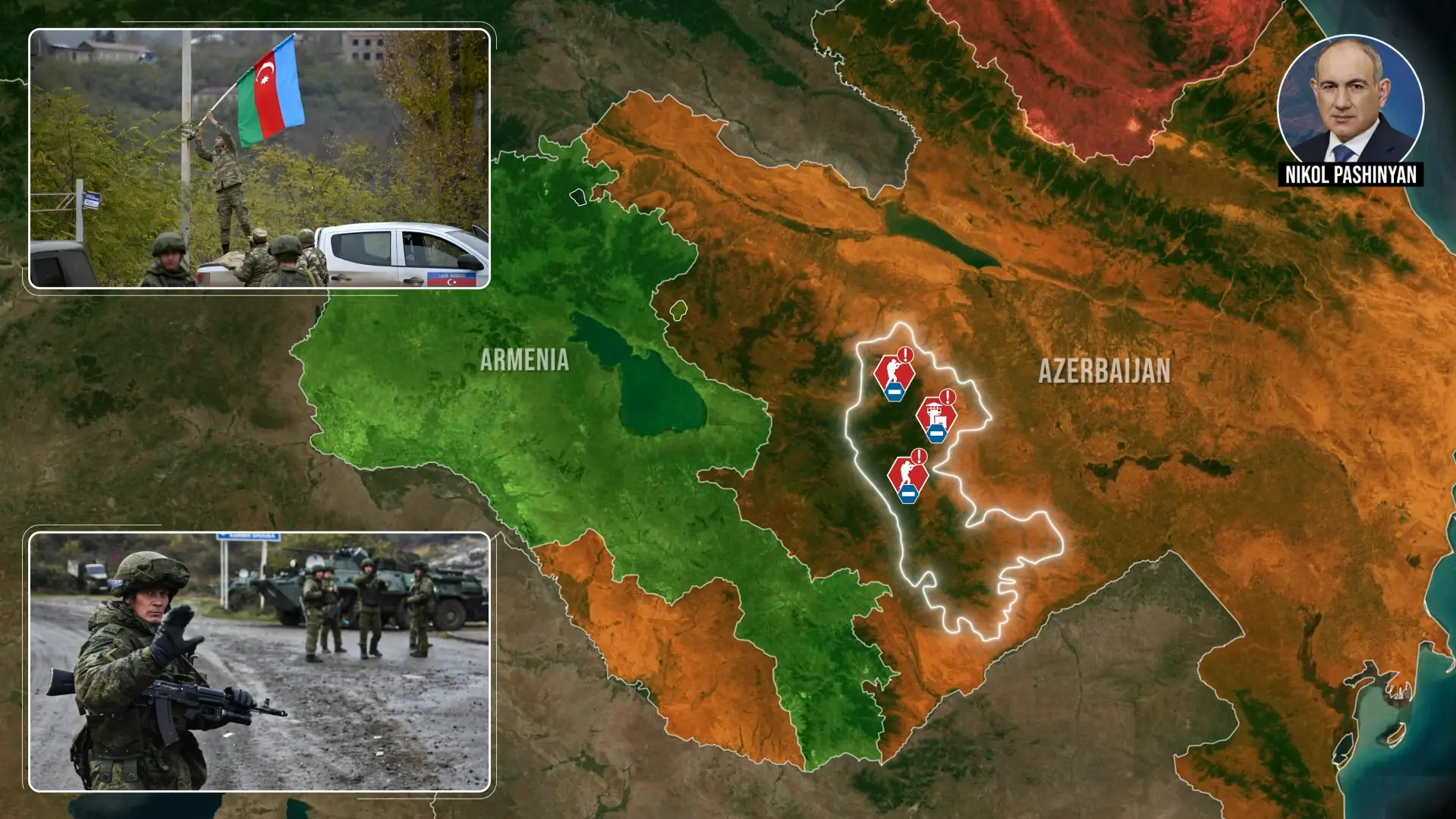
Moscow had troops, alliance mechanisms, and military infrastructure in place, yet those instruments did not produce meaningful protection when Armenia expected them to matter most. The Prime Minister of Armenia, Nikol Pashinyan pointed to the CSTO failure at the decisive moment, breaking the political bargain behind Russia’s presence in Armenia. After that, Russian troops no longer looked like protection, but like dead weight Armenia was still forced to carry.
Armenia has also already begun paying the economic cost of distancing itself from Russia. Trade turnover fell from roughly twelve billion dollars to about six billion dollars in two thousand twenty five, while imports from Russia dropped sharply as Armenia lost its role as a re-export channel. What matters is that this reduces Russia’s leverage, because Armenia is no longer as dependent on Russian trade as before. For Moscow, that creates urgency, because the longer this trend continues, the fewer tools it has left to pressure Armenia economically.
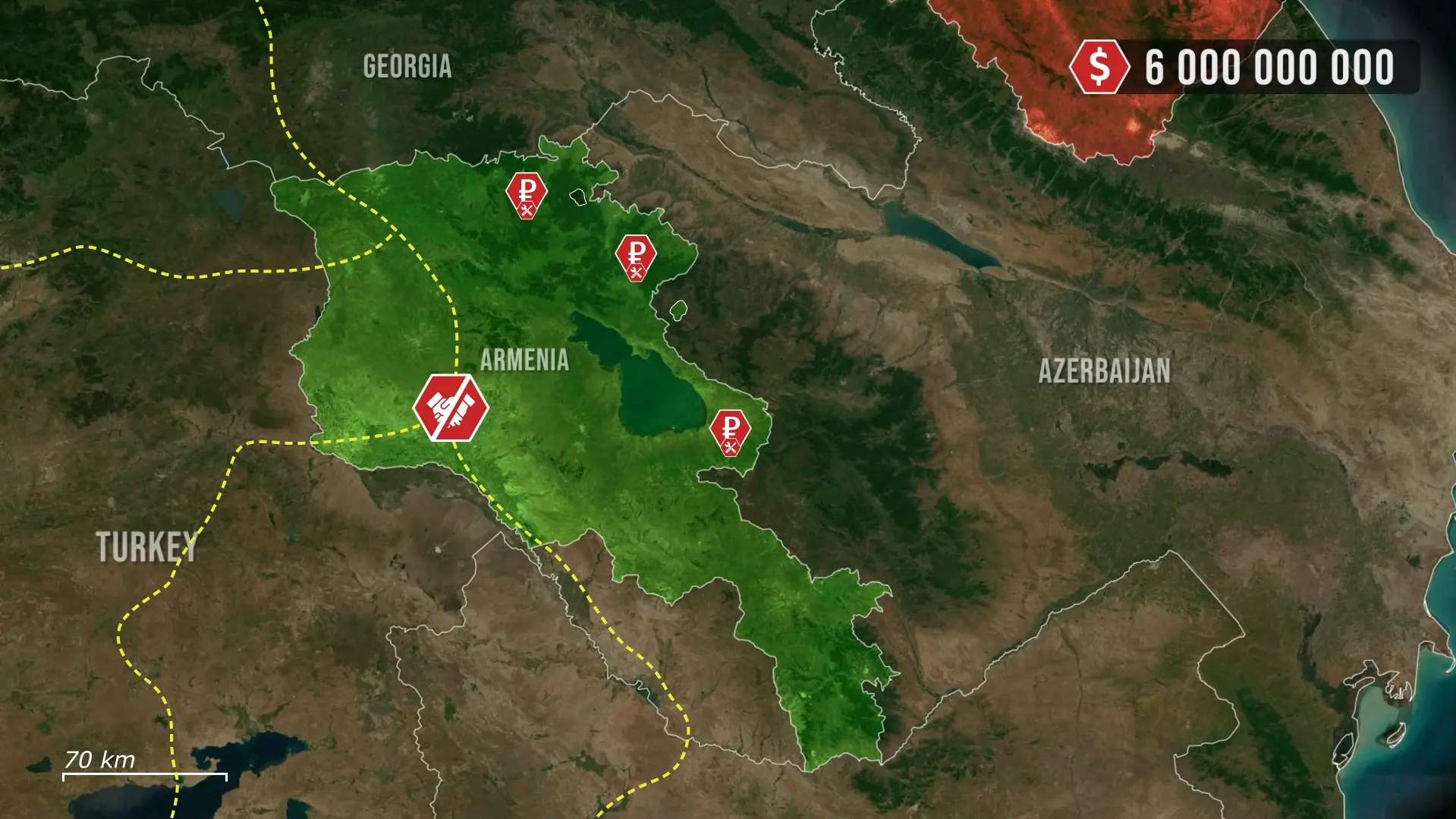
That is why the confrontation is shifting toward Russian controlled infrastructure and strategic assets inside Armenia. The case around Electric Networks of Armenia, together with moves against Russian linked holdings and the threat to take back the railway concession from the Russian side, shows an effort to strip Moscow of the instruments through which it can still shape Armenia’s energy system, logistics chain, and transit potential. Armenia is therefore not just responding to pressure, but trying to close the channels through which future pressure could be applied.
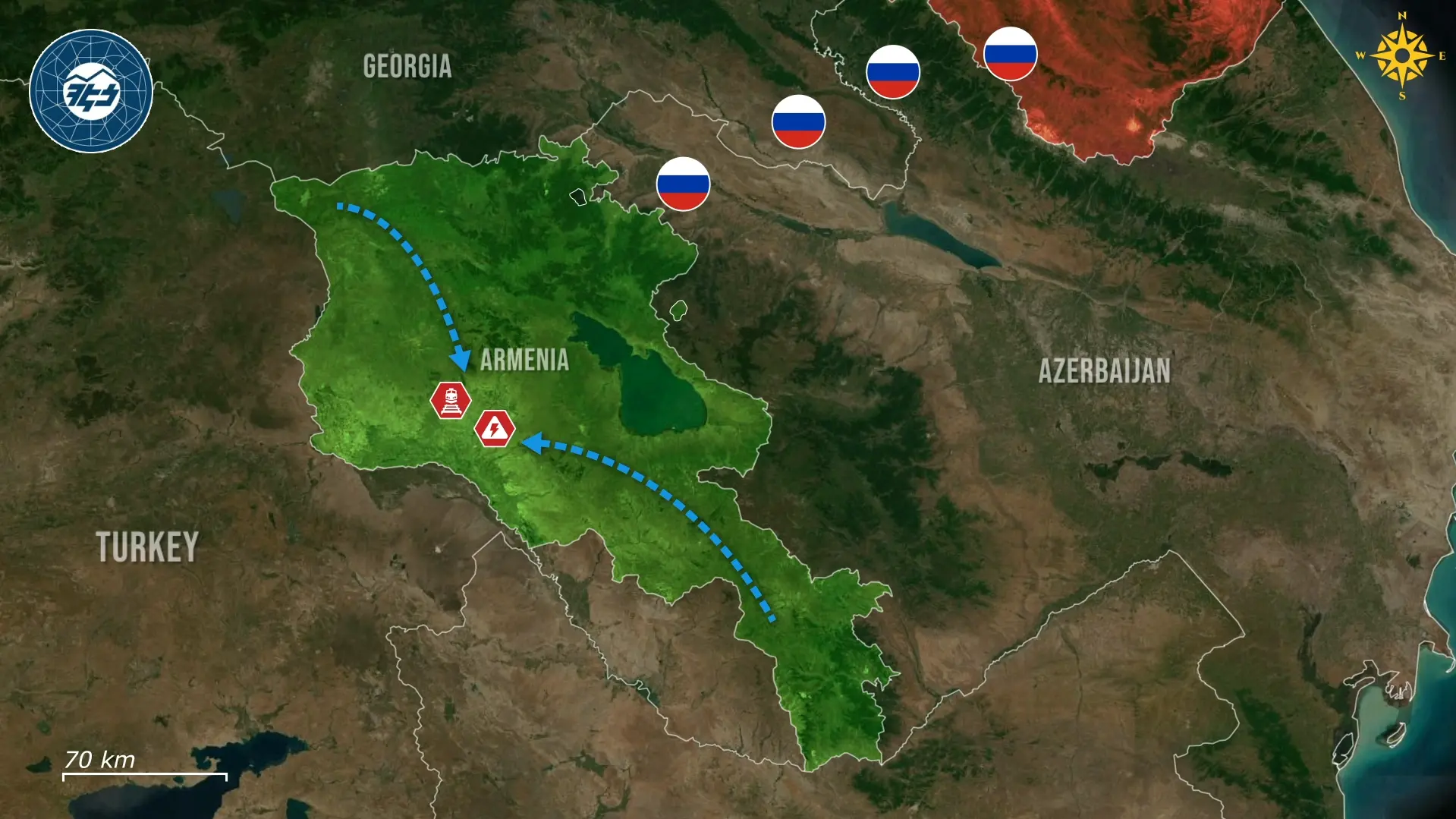
Russia is no longer trying to keep Armenia through alliance commitments, but through fear of the cost of leaving. What used to be sold as partnership is now exposed as dependence, and Moscow is making clear that once loyalty cannot be secured voluntarily, it will be enforced through pressure.
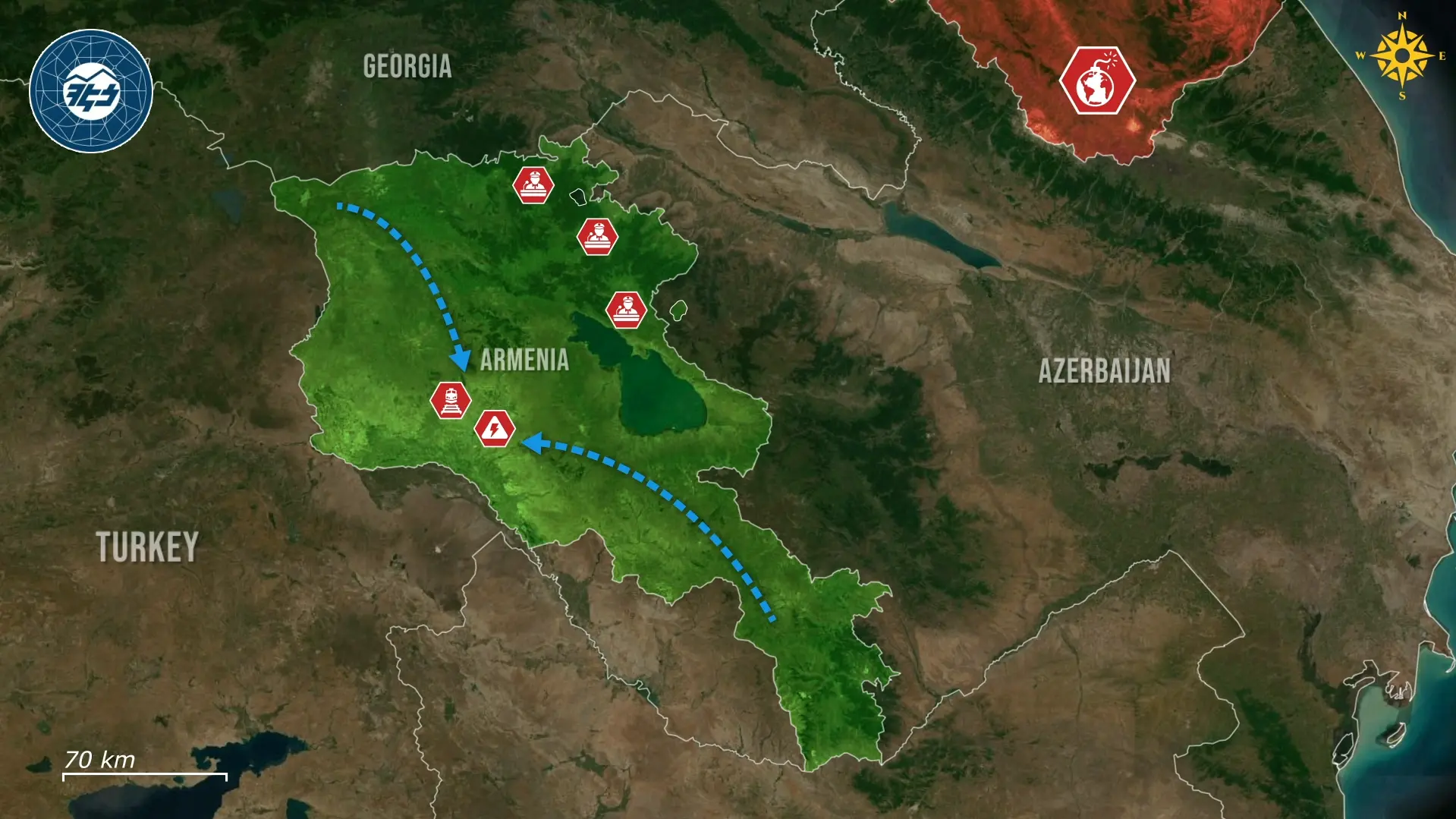
Overall, this standoff is likely to intensify because both sides now believe that delay works against them. Armenia sees continued dependence as an opening for future coercion, while Russia sees Armenian separation as proof that its hold over the South Caucasus is unraveling. That is why Russia is no longer trying to hold Armenia through cooperation, but through the cost it can impose for breaking away. The result is a direct standoff in which Armenia is trying to break free before Russia can make the cost of separation too high.

.jpg)

Comments