

.svg)
Today, the biggest news comes from Romania.
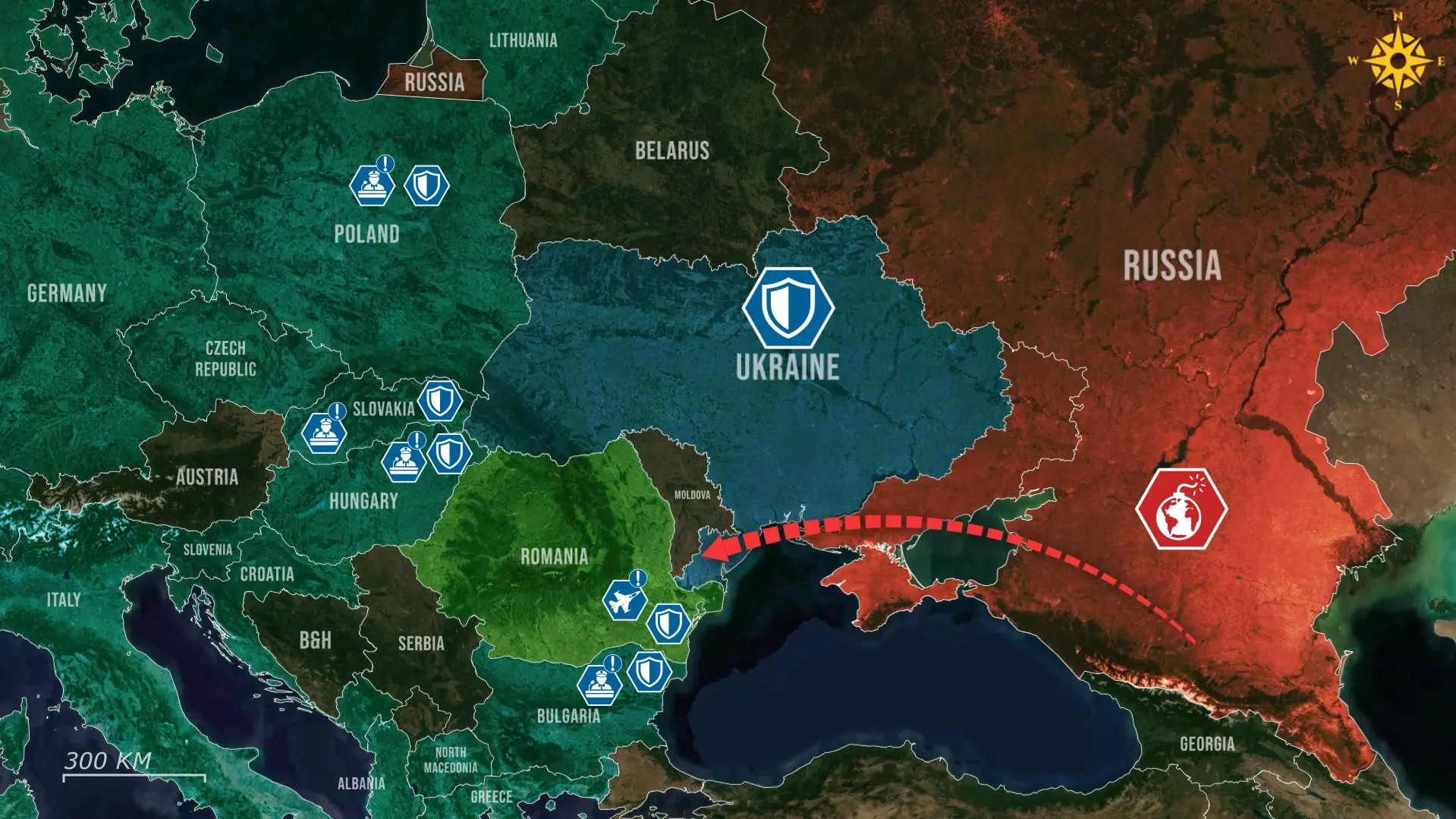
Here, repeated Russian incursions pushed the country to give pilots direct orders to shoot down Russian aircraft entering Romanian airspace. This decision not only shows that Romania had enough, but also sets a precedent that could make the next border violation far more dangerous.
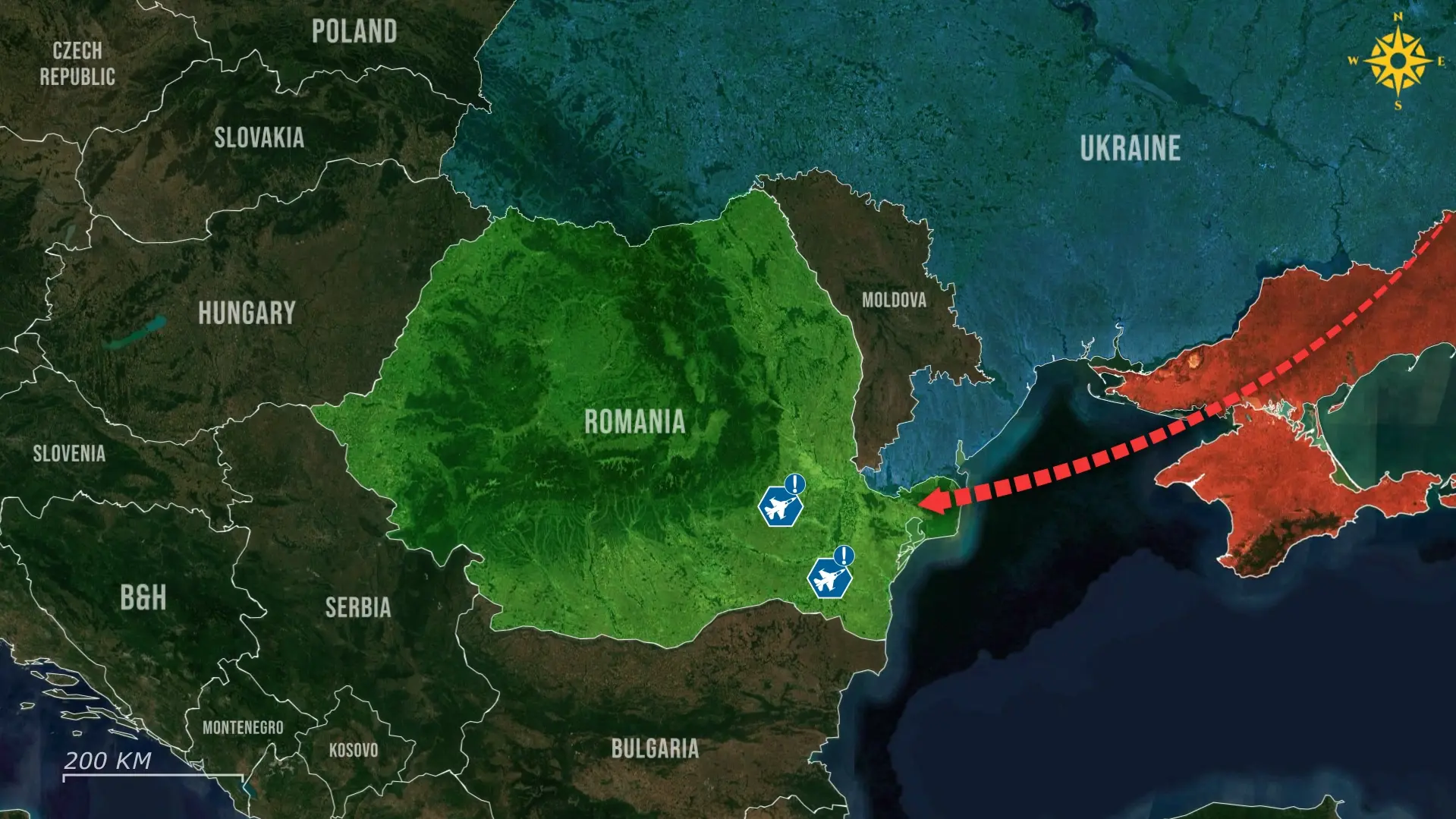
The immediate trigger came during a Russian strike on the Ukrainian port area near Reni, where Romanian authorities authorized engagement if Russian drones crossed the border. Two British Typhoons were present as part of a wider Nato mission, and later clarification from both Romanian and British officials confirmed that no drone was actually shot down. Radar contact was lost before any engagement took place, and one drone appears to have crashed on its own. Even so, the order marked a change, because Romania signaled for the first time that a future incursion could be met by force.
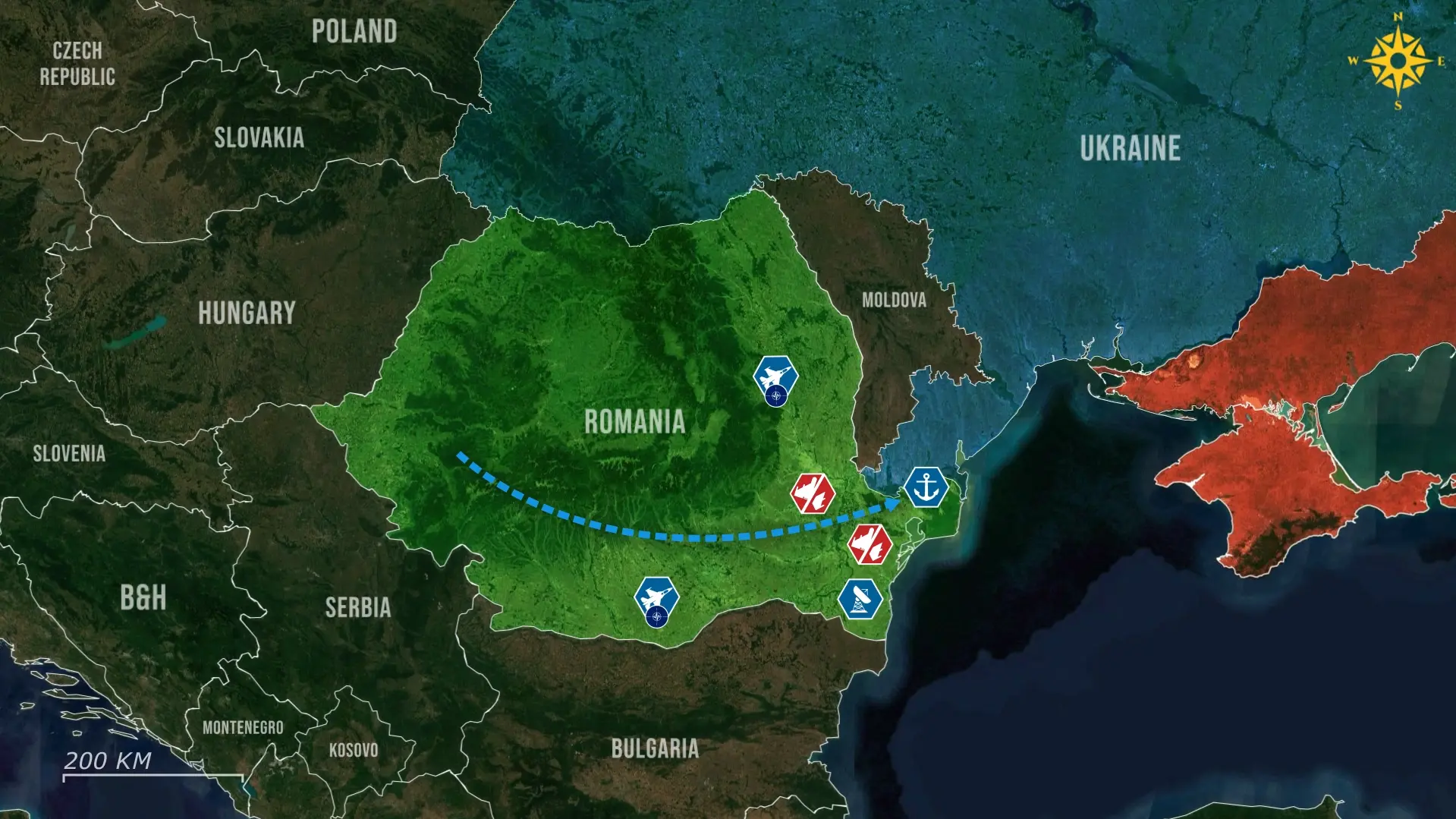
That shift followed repeated Russian drone violations during strikes on southern Ukraine, especially around the Danube corridor, where Russian attack routes run close to the Romanian border. The issue is no longer whether each case was accidental, but how often foreign drones can enter national airspace before restraint becomes ineffective.
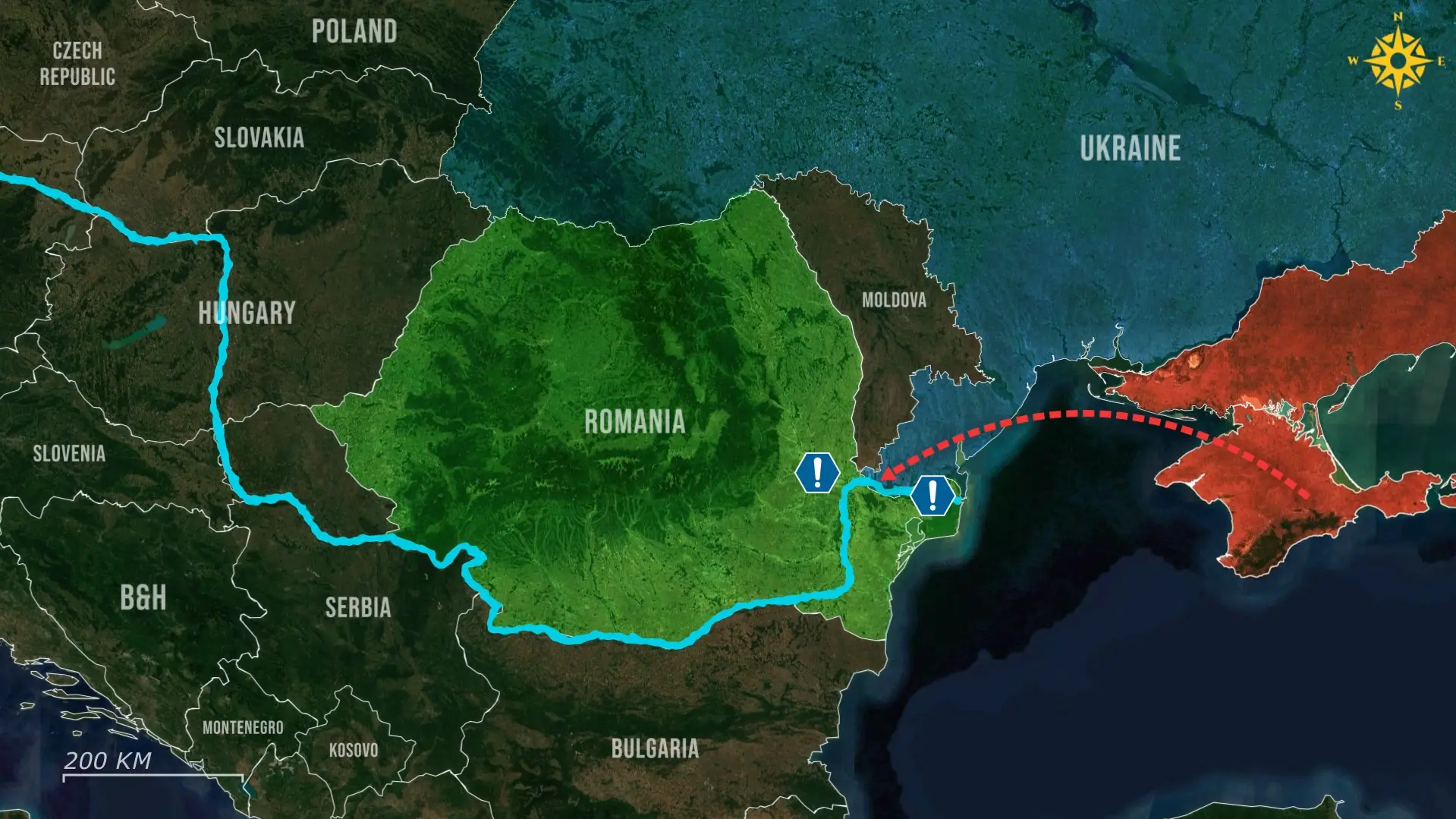
The latest cases explain why Romania reached that point, on April twenty fifth, during another major Russian strike, fragments from two drones were found on Romanian territory, one in Galati and another near Vacareni in Tulcea County. Romanian authorities carried out a controlled detonation of the debris, and Bucharest summoned the Russian ambassador, calling the incident a violation of sovereignty and a danger to civilians.
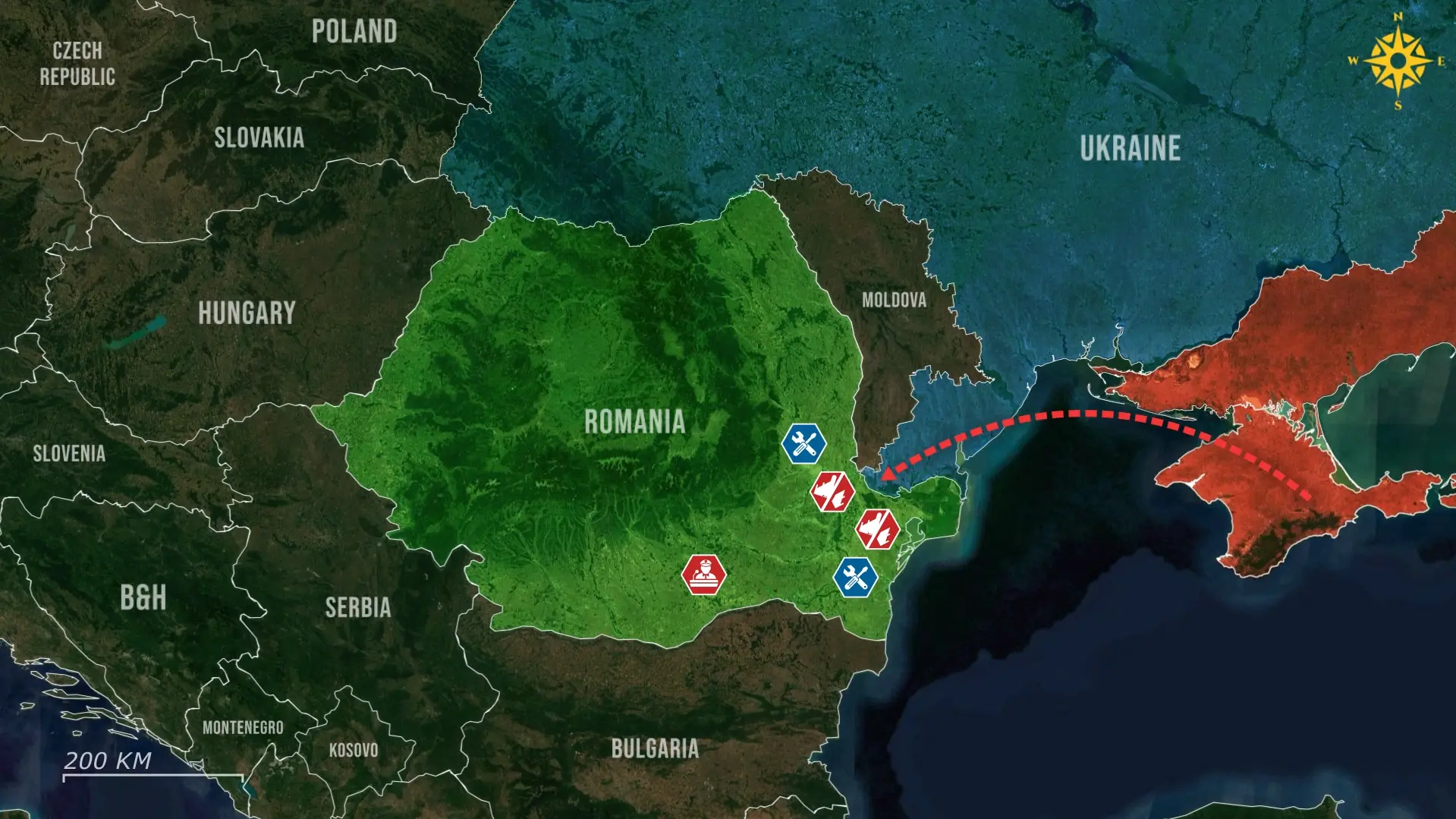
Earlier, on April seventeenth, a Russian drone reportedly flew sixteen kilometers into Romanian airspace before radar contact was lost, forcing search operations. There were also two more incursions in March and two in February, including one March case in which a drone was filmed flying low over a Romanian village.
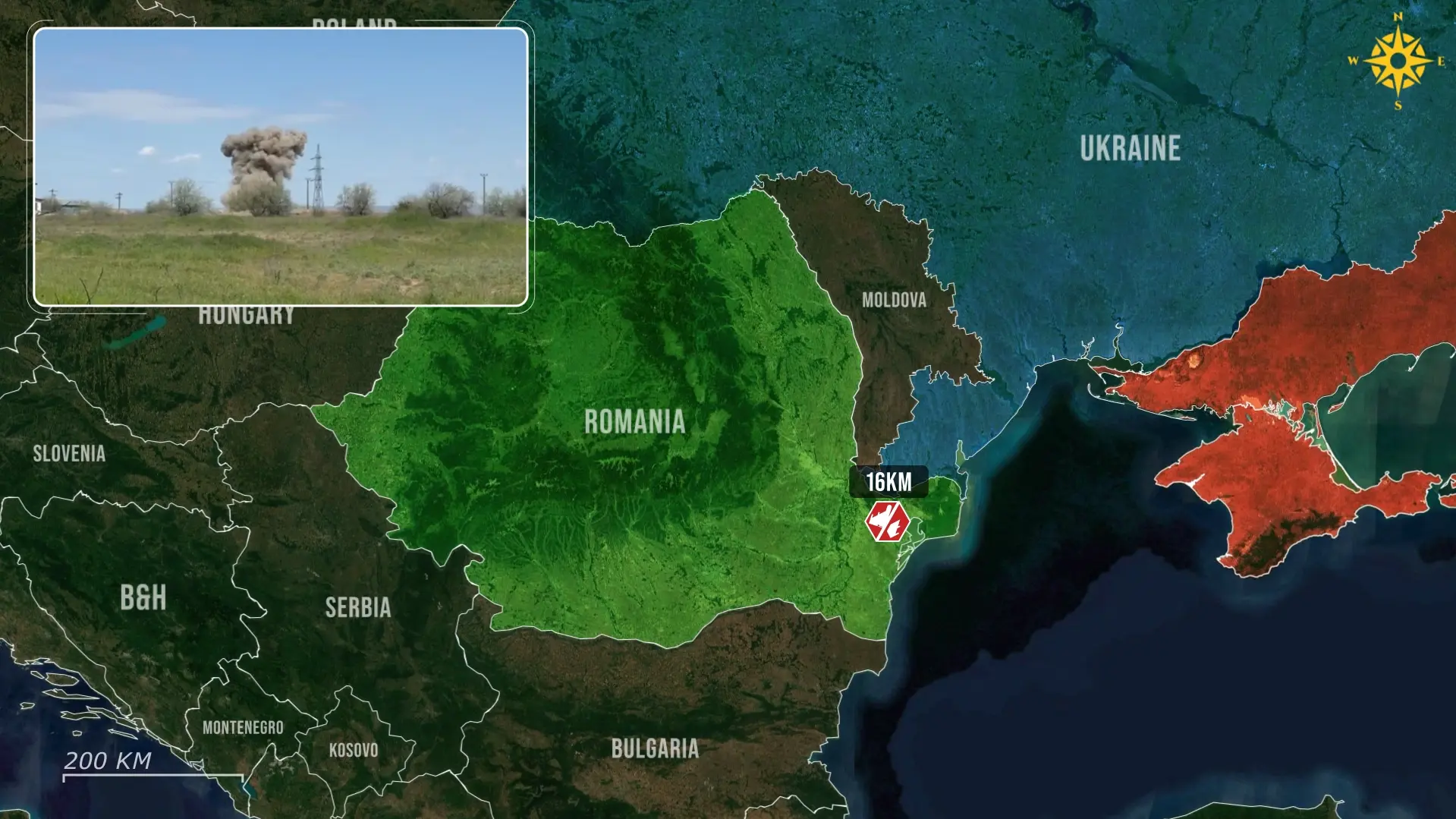
The Reni incident then added another case in which Romanian pilots were authorized to engage, showing how repeated violations had moved the issue from protest to active military planning.
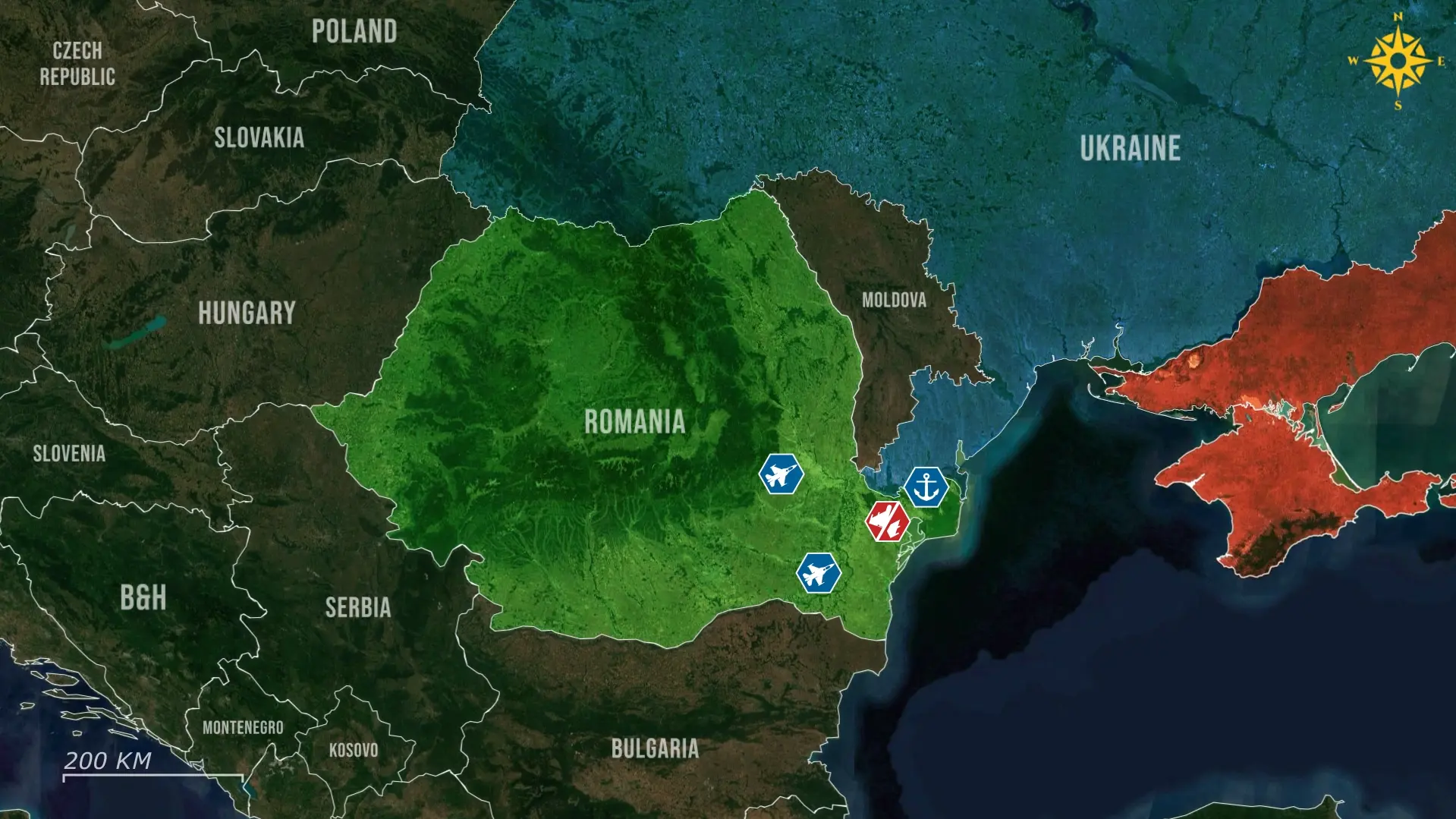
By striking close to the border, Russia is pushing neighboring countries toward a harder stance, because repeated incursions make continued restraint harder to justify. What begins as spillover from strikes on Ukraine becomes a direct security issue for the states living next to the war. Romania’s new shootdown order is part of that wider pattern, where countries that once relied on monitoring and protest are moving toward tighter rules of engagement and higher readiness.
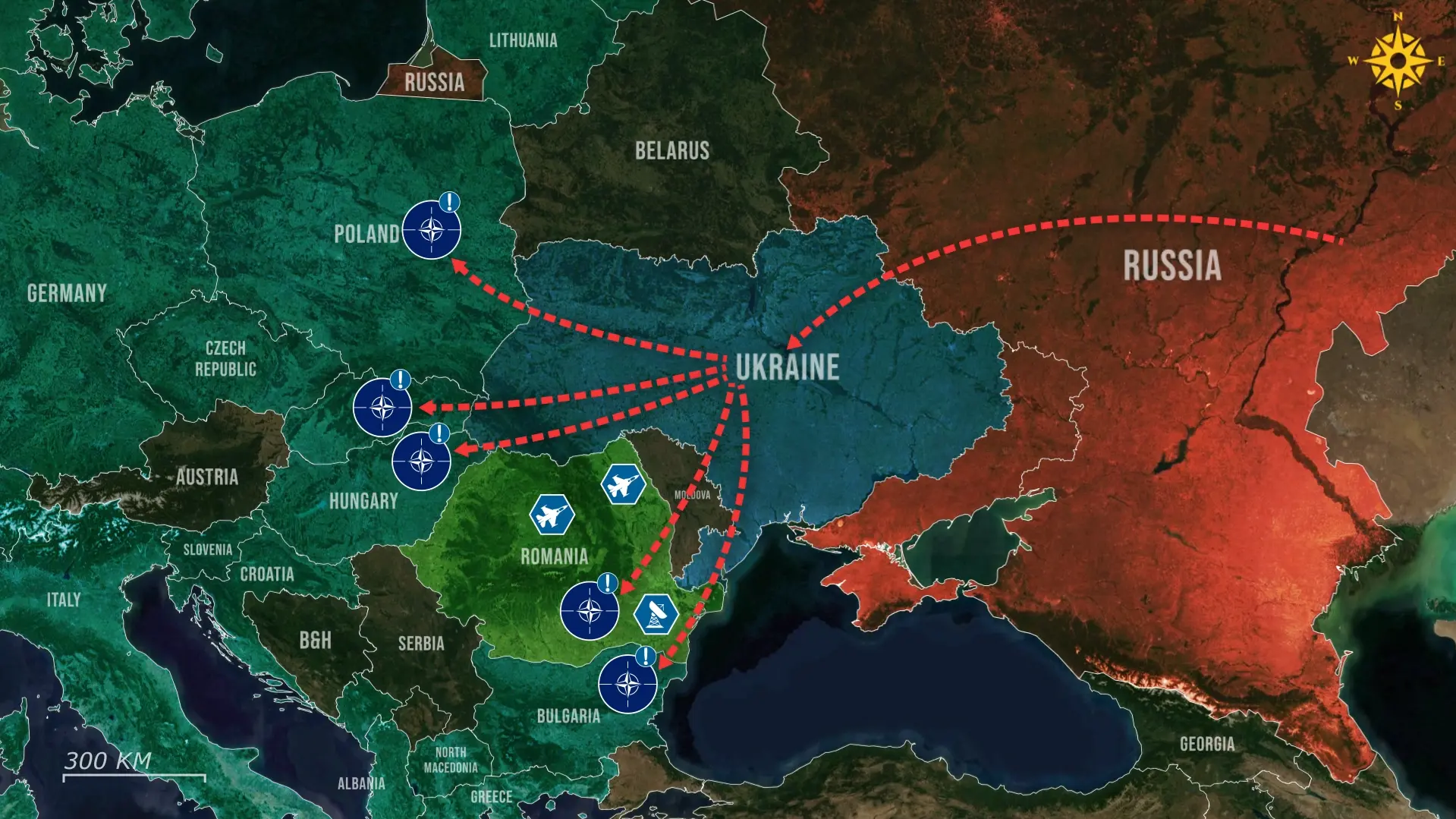
That pressure can also lead to more direct help for Ukraine, and in Romania’s case the clearest example is the decision to authorize engagement of Russian drones approaching or entering Romanian airspace during strikes on the Reni area. Even though no drone was ultimately shot down, that decision directly affects the battlespace around Ukraine’s Danube ports, because it raises the risk for Russian drones operating along that border corridor. In practice, measures taken by neighboring states for their own protection can also strengthen Ukraine’s defenses by making Russian strike routes near the border harder to use.
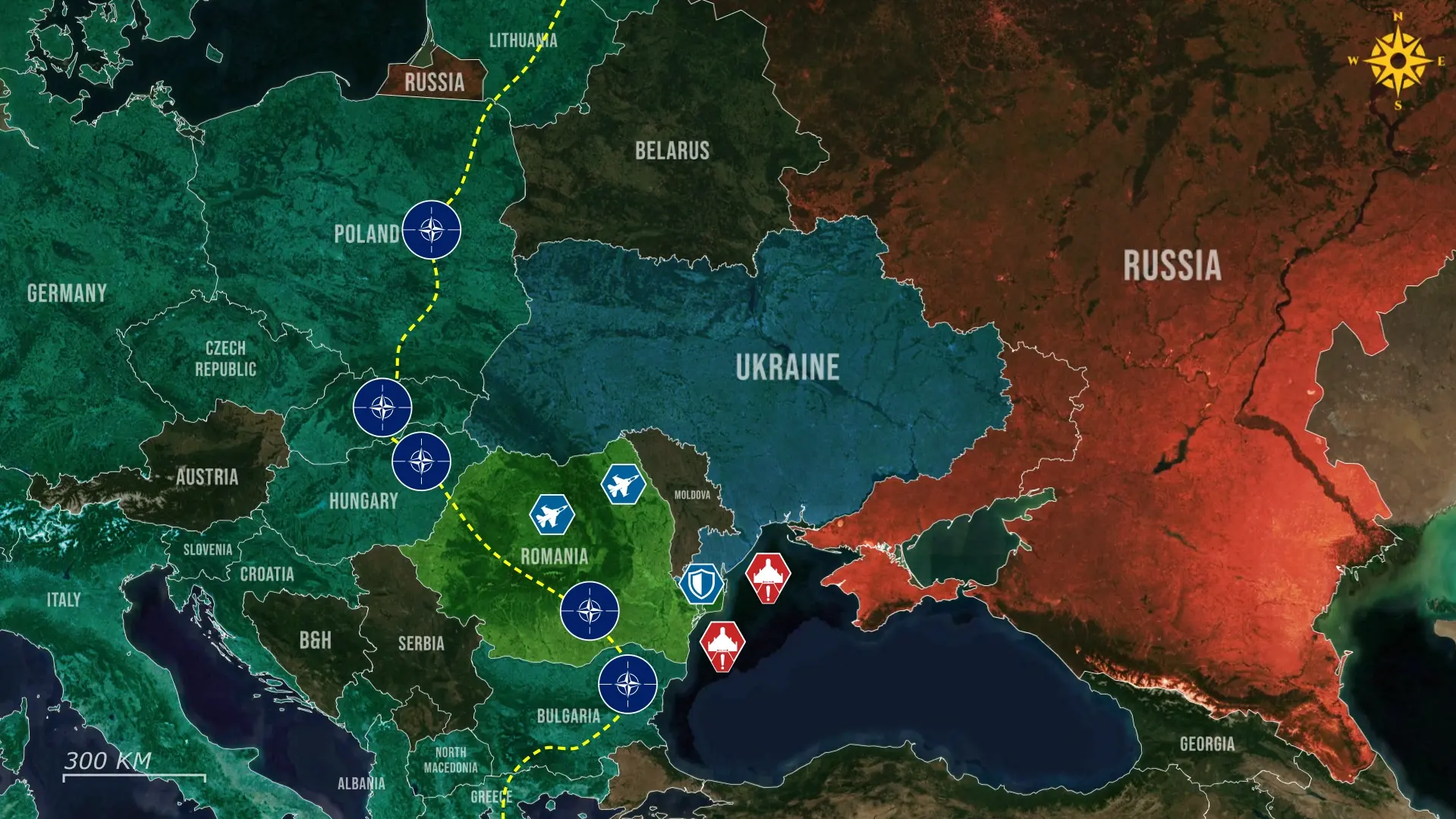
The indirect effect runs in parallel, as countries being pushed by Russia gain stronger political reasons to build a wider support structure for Ukraine on their own soil. In Romania’s case, the discovery and controlled detonation of drone debris, followed by the summoning of the Russian ambassador, shows how repeated incursions can turn a border violation into a wider political and security issue inside a neighboring state. That kind of pressure makes it easier for these countries to justify hosting training, logistics, repair work, and defense industrial activity linked to Ukraine on their own soil, while also backing larger assistance packages inside institutions like the European Union and Nato.
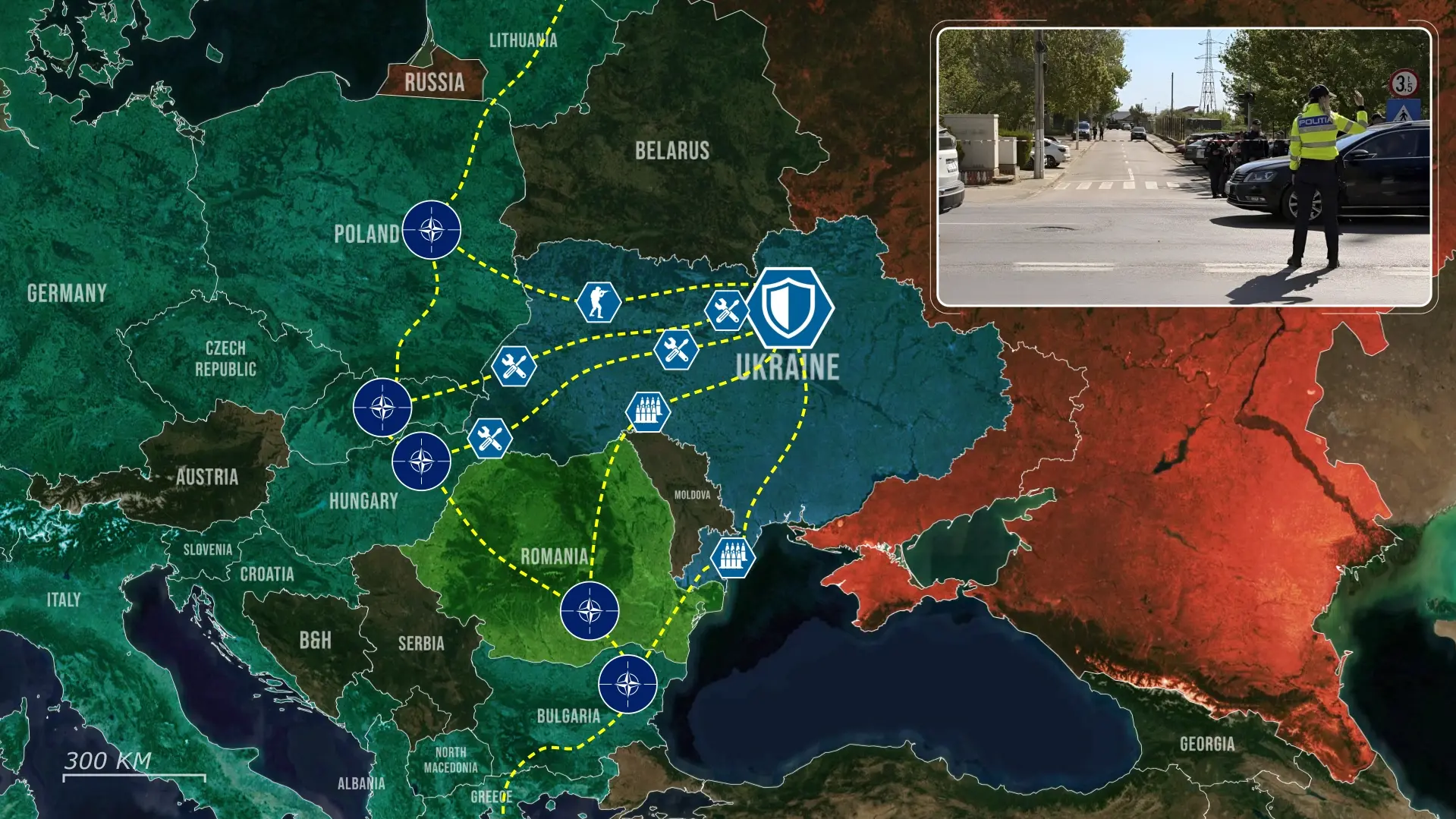
Overall, Romania’s shootdown order indicates that real change is occurring at the level of decision making, as border violations are starting to alter the rules under which Nato states respond. For Russia, this means that every future strike near the Danube carries a greater chance of triggering faster political and military escalation on the alliance’s eastern edge. For Ukraine, each step taken by neighboring states to protect their own airspace further reduces the room Russia can use to apply pressure from the border region. Moscow is therefore turning intimidation into a process that steadily tightens the regional response against it.

.jpg)



Comments