

.svg)
Today, the biggest news comes from Ukraine.
The war of the future is now often described as a war of drones, in which Ukraine is currently teaching and exporting countermeasures to allied countries struggling against Iranian UAV. However, Ukraine is not only exporting knowledge but also learning from the war in Iran, which, aside from drones, has been extensively fought with technologies in the field of space, lasers, and Artificial Intelligence.
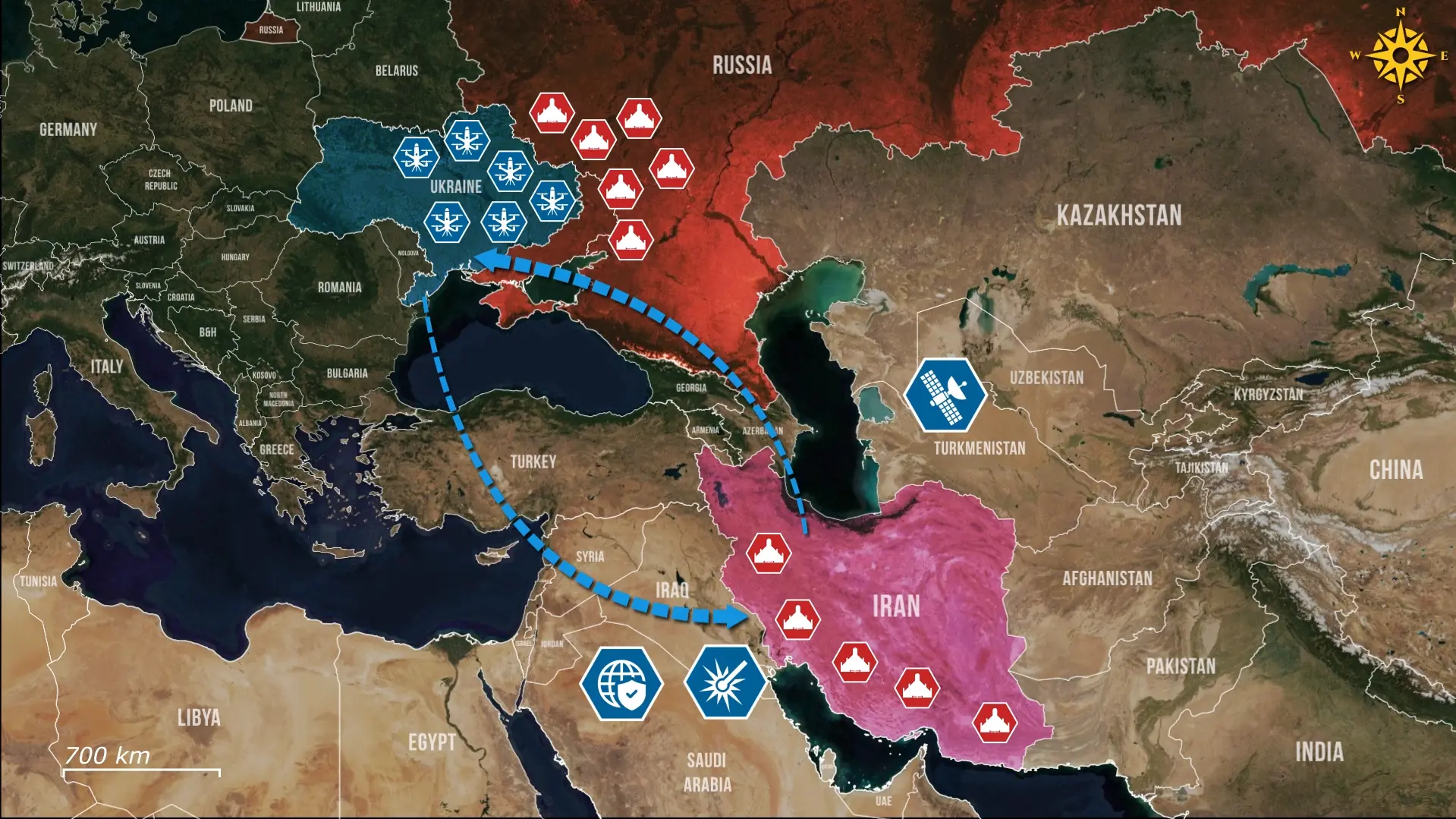
The war in Iran showed how the United States is using these new technologies in an interdependent manner, crossing a new warfare frontier and becoming a reference point for this new combat doctrine. This mirrors the way Ukraine has become a reference point for drone and counter drone warfare, which allowed Ukrainians to resist the prolonged Russian aggression and neutralize long range drones.
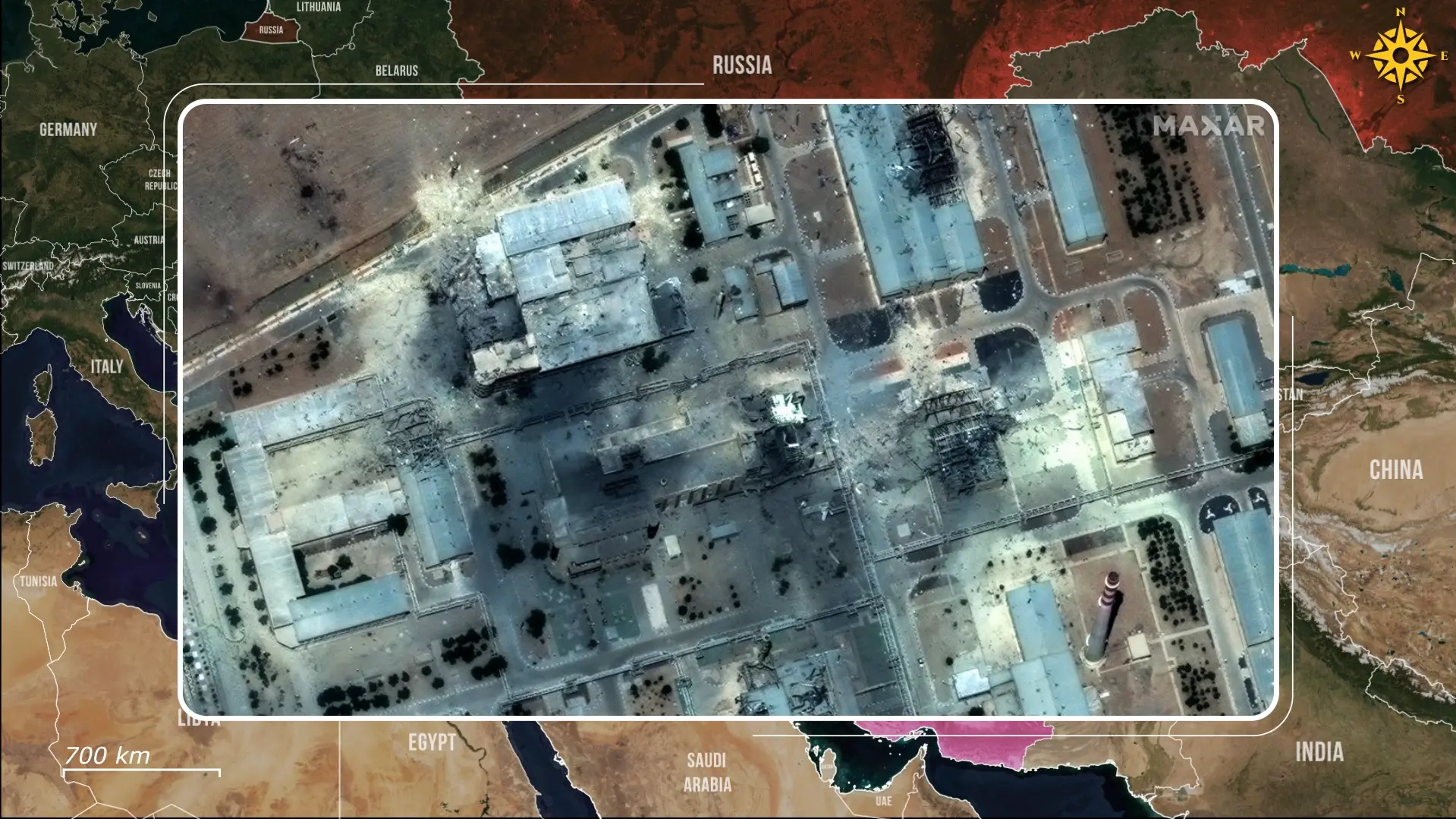
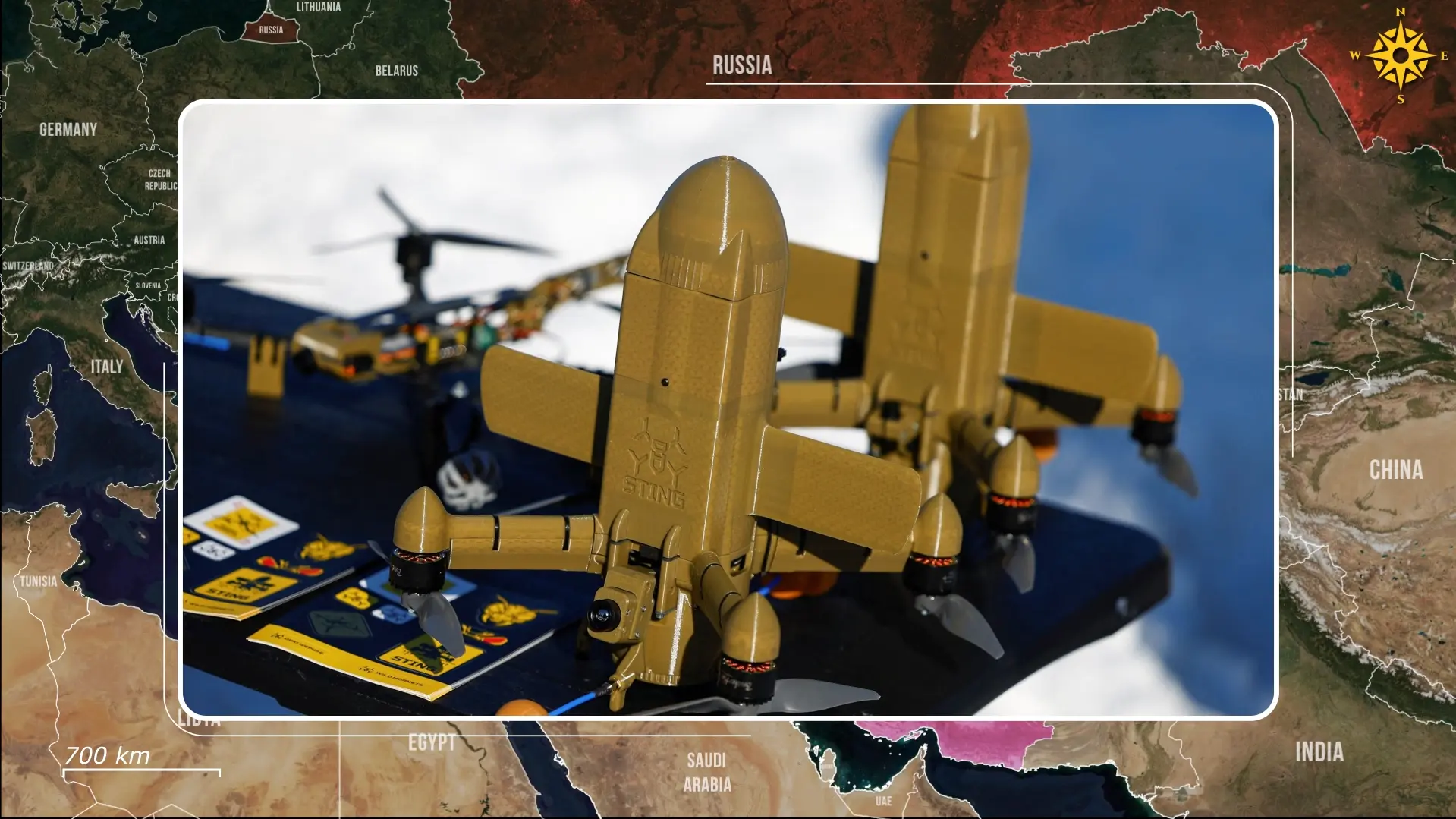
This experience brought Ukraine to the forefront in countering Iranian drones, which created havoc in the Gulf states and forced the United States to respond with very expensive air defense missiles. Yet the flow of knowledge is not one directional, as Ukrainian analysts are learning from the war in Iran how to improve their own defense as well.
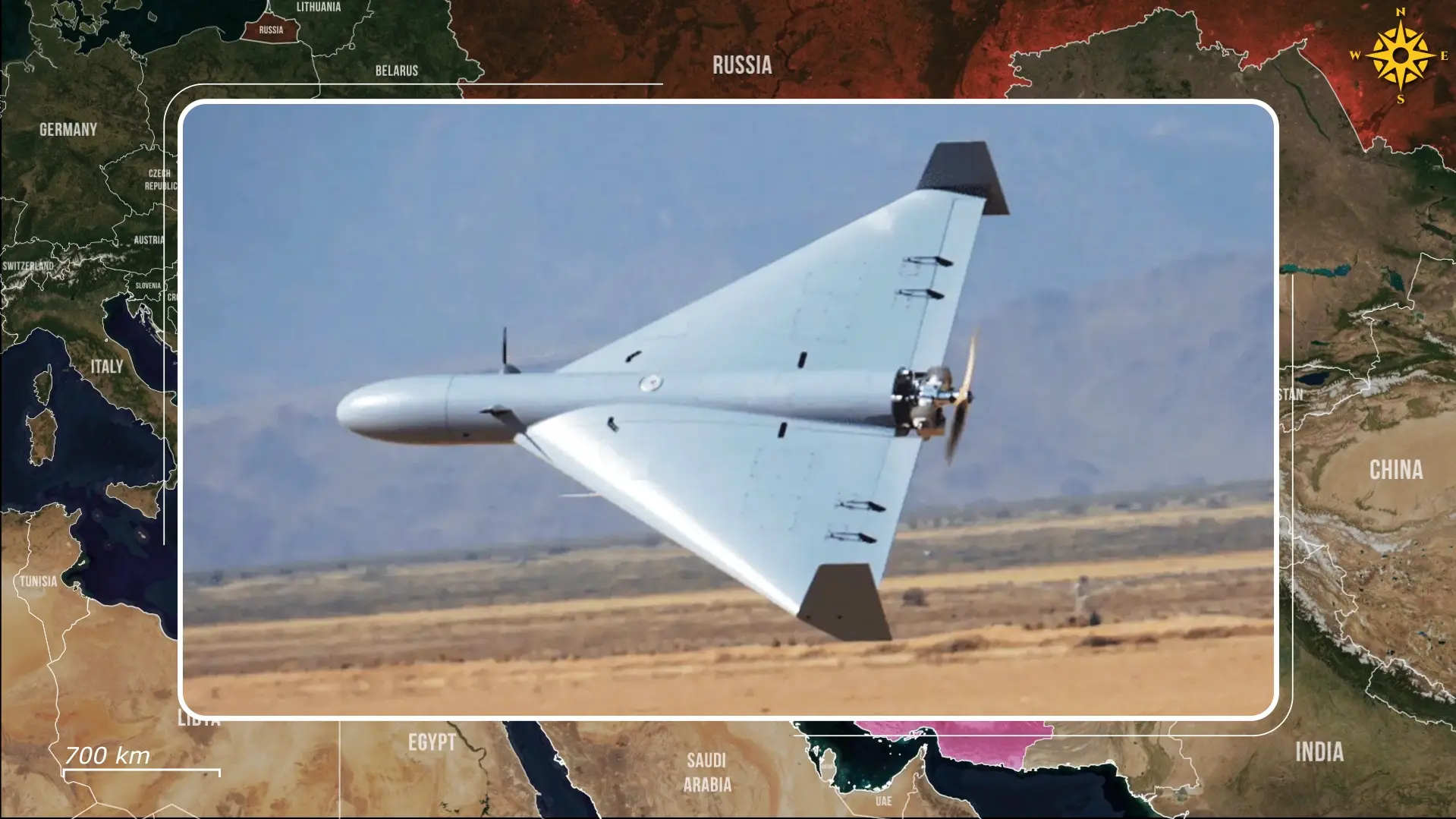
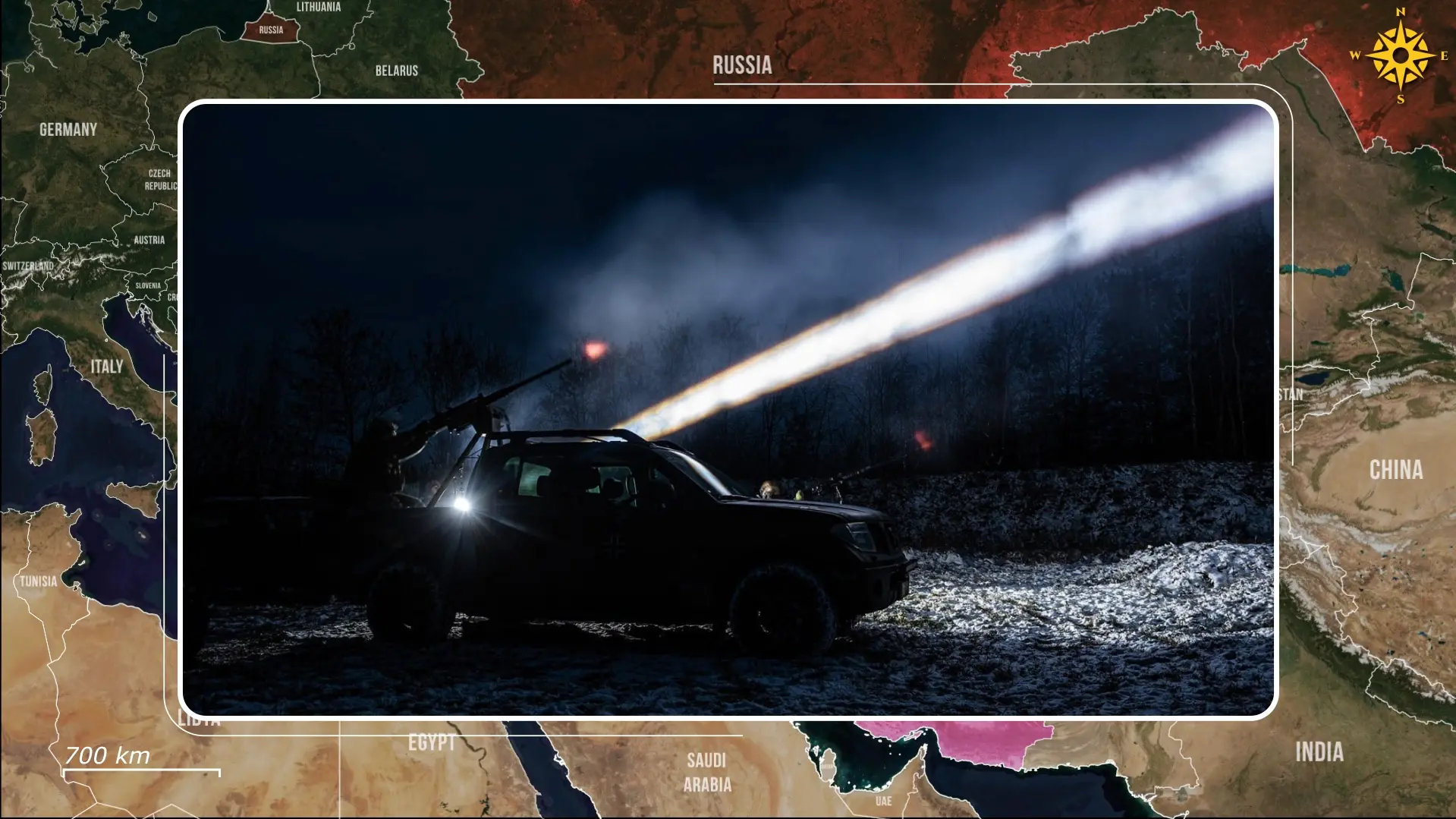
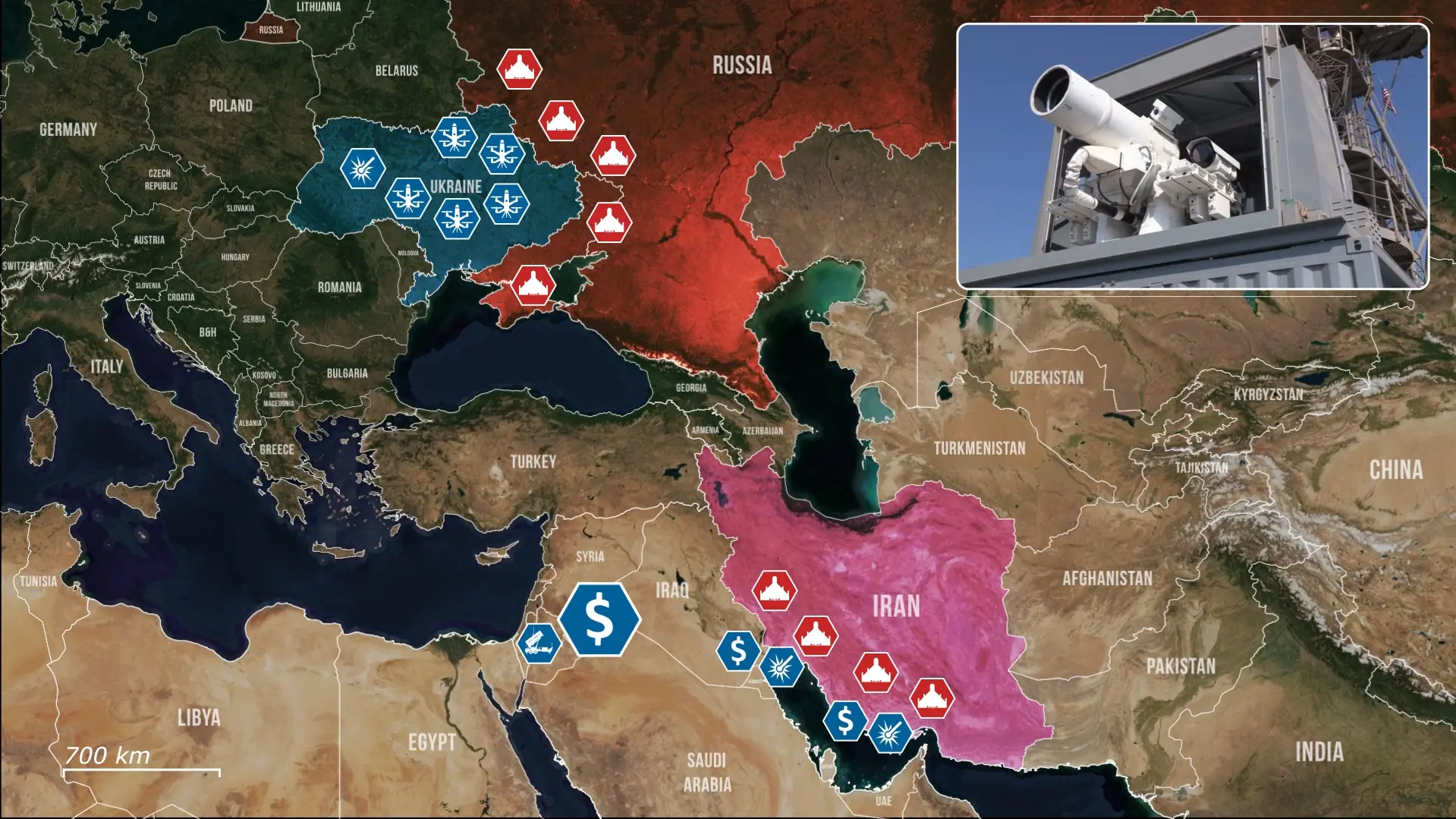
The introduction of lasers in the Iran war is one of the clearest indicators of how the cost rationale of air defense is changing. After using expensive Patriot missiles, the United States has used ship based high energy lasers to intercept Iranian drones and cruise missiles. The use of lasers makes the war of attrition against cheap drones much more sustainable, not only economically but also in terms of munitions, since they rely solely on electricity. Ukraine addressed the same problem by creating small interceptor drones to shoot down Russian Geran. Now, several Ukrainian research groups and defense partners are working on compact laser systems intended to supplement existing air defense layers.
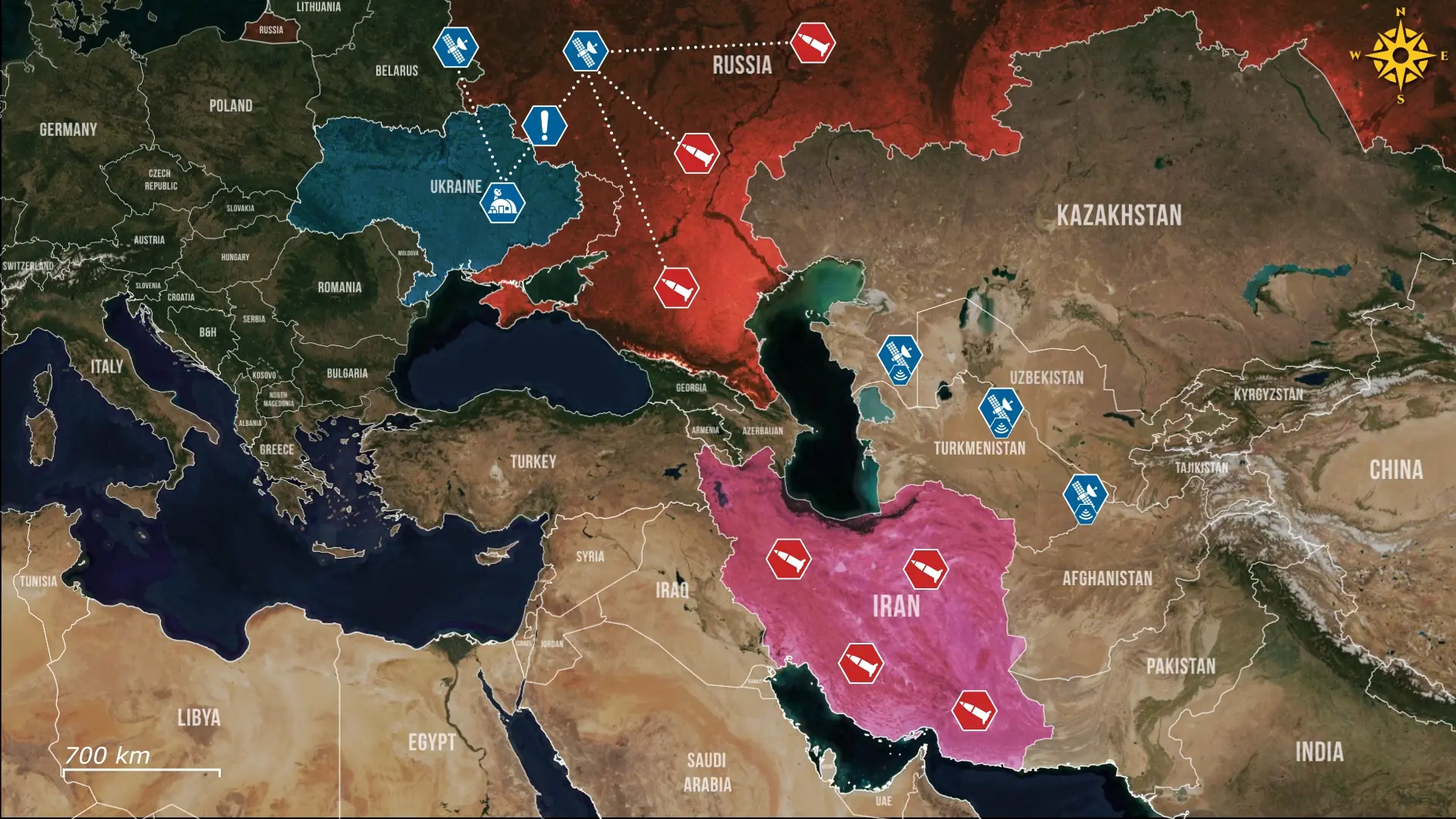
When it comes to space technology, Ukraine’s experience in the war has already shown how dependent modern defense is on satellites. However, the Iran war also showcased how reconnaissance satellites equipped with infrared sensors have been used to detect Iranian missile launches immediately. Even though Ukraine already relies on commercial satellite imagery and allies’ intelligence for situational awareness, this use of space derived data shows how it can be further integrated. This means creating a system that can collect satellite information and deliver it to command processes quickly enough to influence the battlefield, for example, by giving Ukrainian air defense units near instant alerts of missile launches.
Artificial intelligence is the most novel element visible in both wars. The United States used AI models such as Anthropic to sort through large volumes of reconnaissance data, highlight what matters, and produce short lists of targets. The use of AI can shorten decision times from hours or minutes to just a few seconds. For Ukraine, this can fill manpower gaps, accelerate decision making, and improve the allocation of air defense assets. AI plays a broader role than lasers because it shapes every layer of the war, from offensive to defensive actions, and its software can be updated faster than any hardware. This is why Ukrainian officials view AI integration as the most valuable lesson from the war in Iran and the most realistic domain in which Ukraine can rapidly advance.
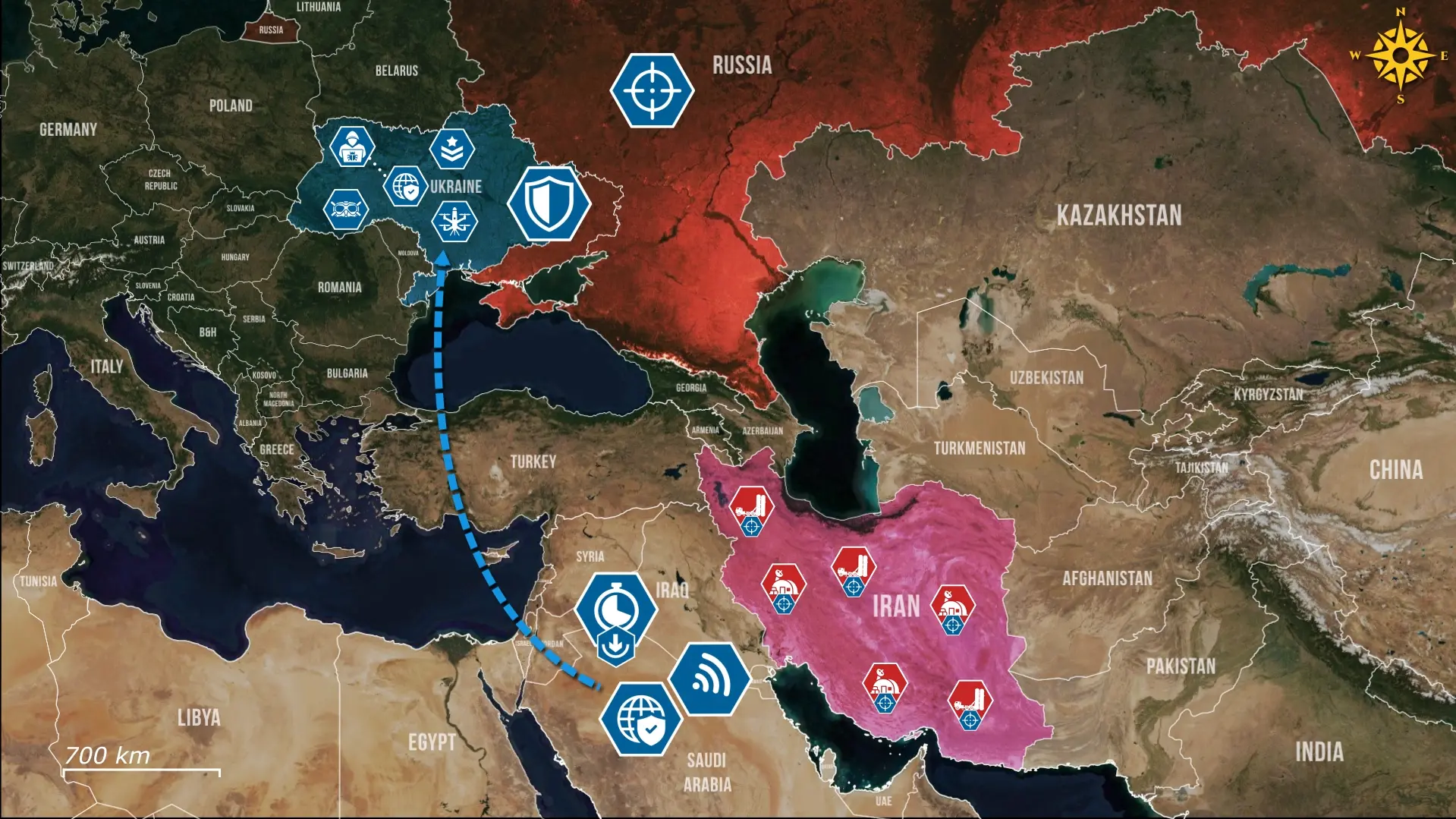
Understanding the importance of maintaining a technological edge, Ukraine is already moving in this direction. The A-one data center for AI, created with British support, is designed to integrate neural networks into UAV operations, artillery support, and high precision weapons. Its purpose is to automate prediction, targeting, and control functions that currently require large teams of operators. Furthermore, Ukraine has announced the creation of an AI enabled command center for air defense coordination with United States partners, aiming to build a national system capable of predicting incoming strikes and guiding autonomous interceptors.
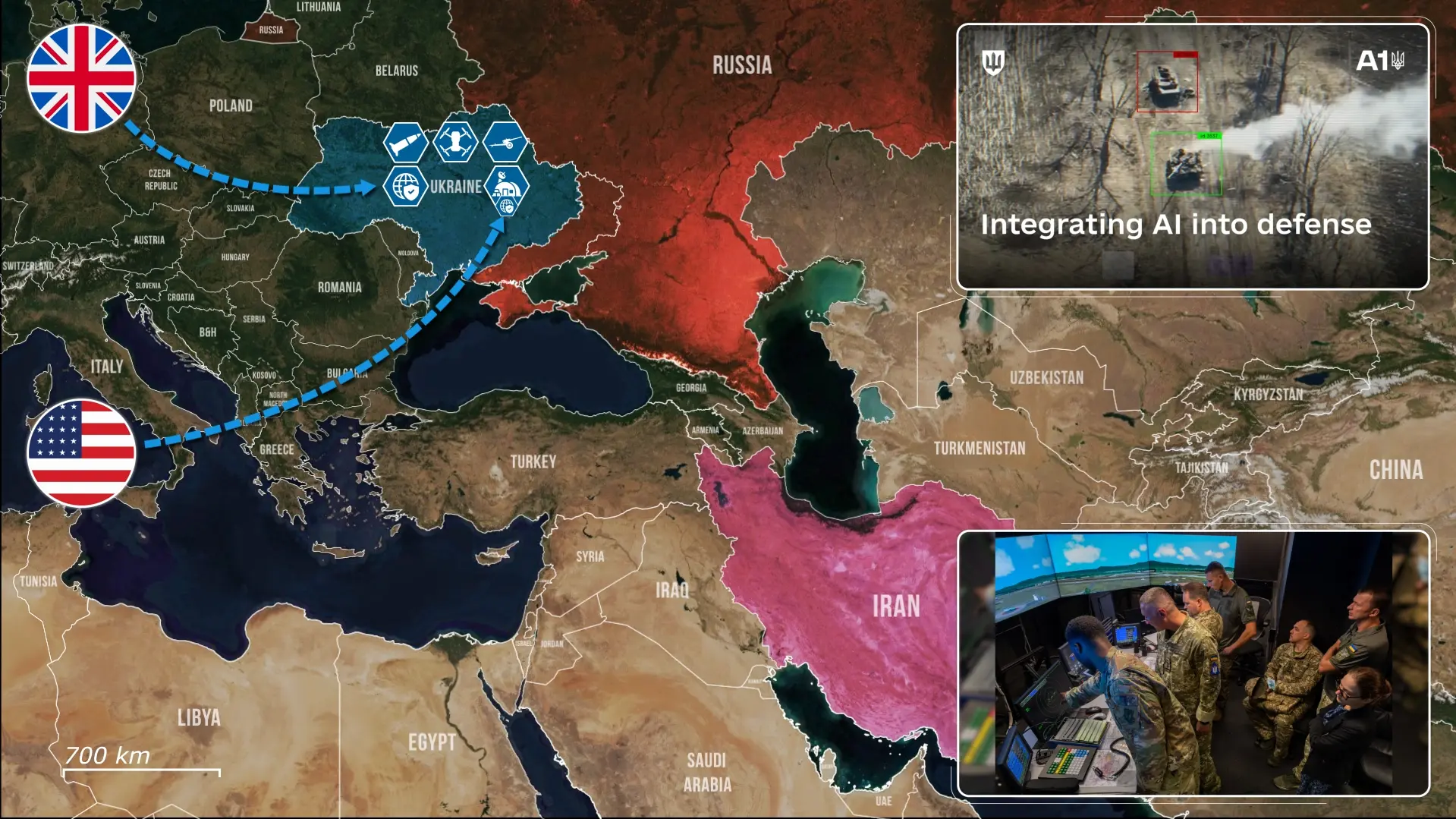
Overall, the Iran conflict offers new insights into how modern wars can evolve and which technologies can win them. Future wars will be decided by the speed at which states can absorb new technologies and turn them into a coherent strategy. Ukraine’s ongoing investments in AI command structures indicate that it is already adapting to this reality, as survival in modern conflict depends less on legacy strength and more on how quickly a country can reinvent its way of fighting.


.jpg)





Comments