

.svg)
Today, the biggest news comes from the Russian Federation.
Here, separatists have emerged again to stage a coup and try to secede from Russia. However, what followed was a brutal crackdown and forced exile, showing that only oppression can hold the country together now.
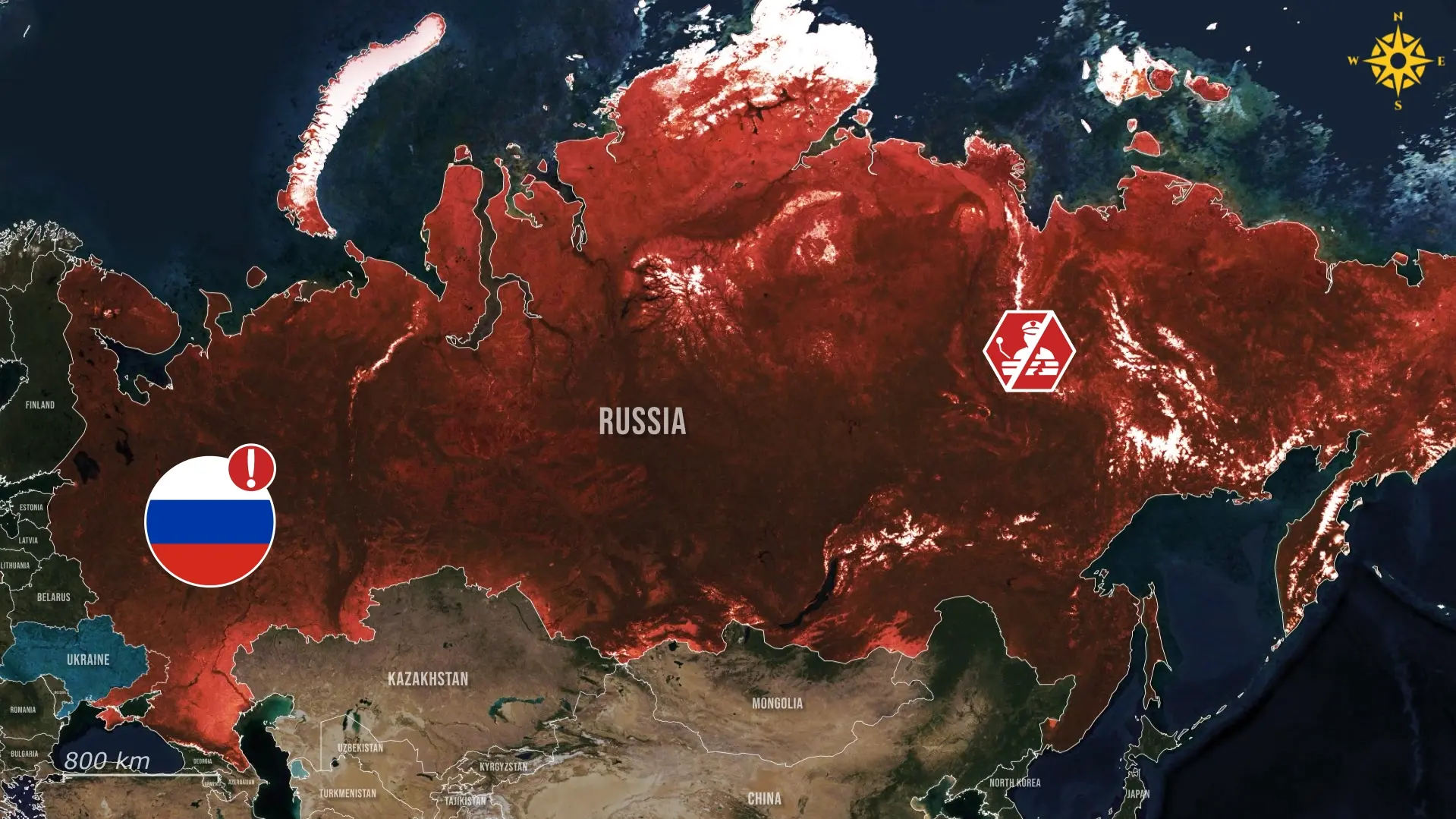
Recently, Alexander Ivanov, a former parliamentarian from Yakutia, initially built his platform around claims that the Sakha people lacked political and cultural freedom, framing issues of language and identity as evidence of systemic inequality. He escalated this position by publicly entertaining the idea of Yakutia’s secession and amplifying his message through symbolic gestures, including recorded statements at the Independence Monument, which recast a regional discourse into a more overtly political challenge to the Russian state. His activities moved beyond domestic advocacy as he began cultivating international visibility, using foreign media outlets, particularly in Turkey, to project his narrative outward and aligning himself with circles linked to Pan Turkist ideology.
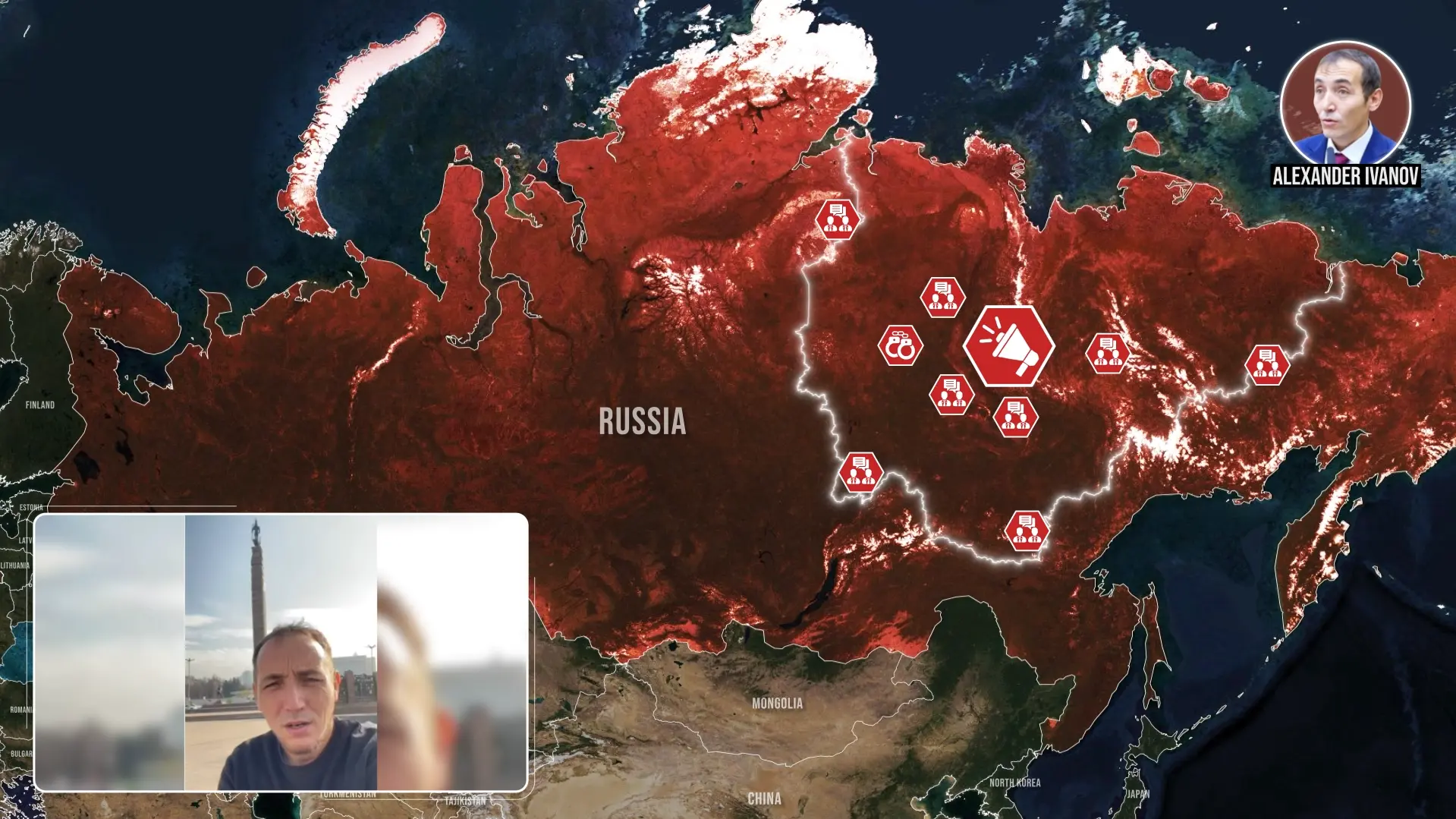
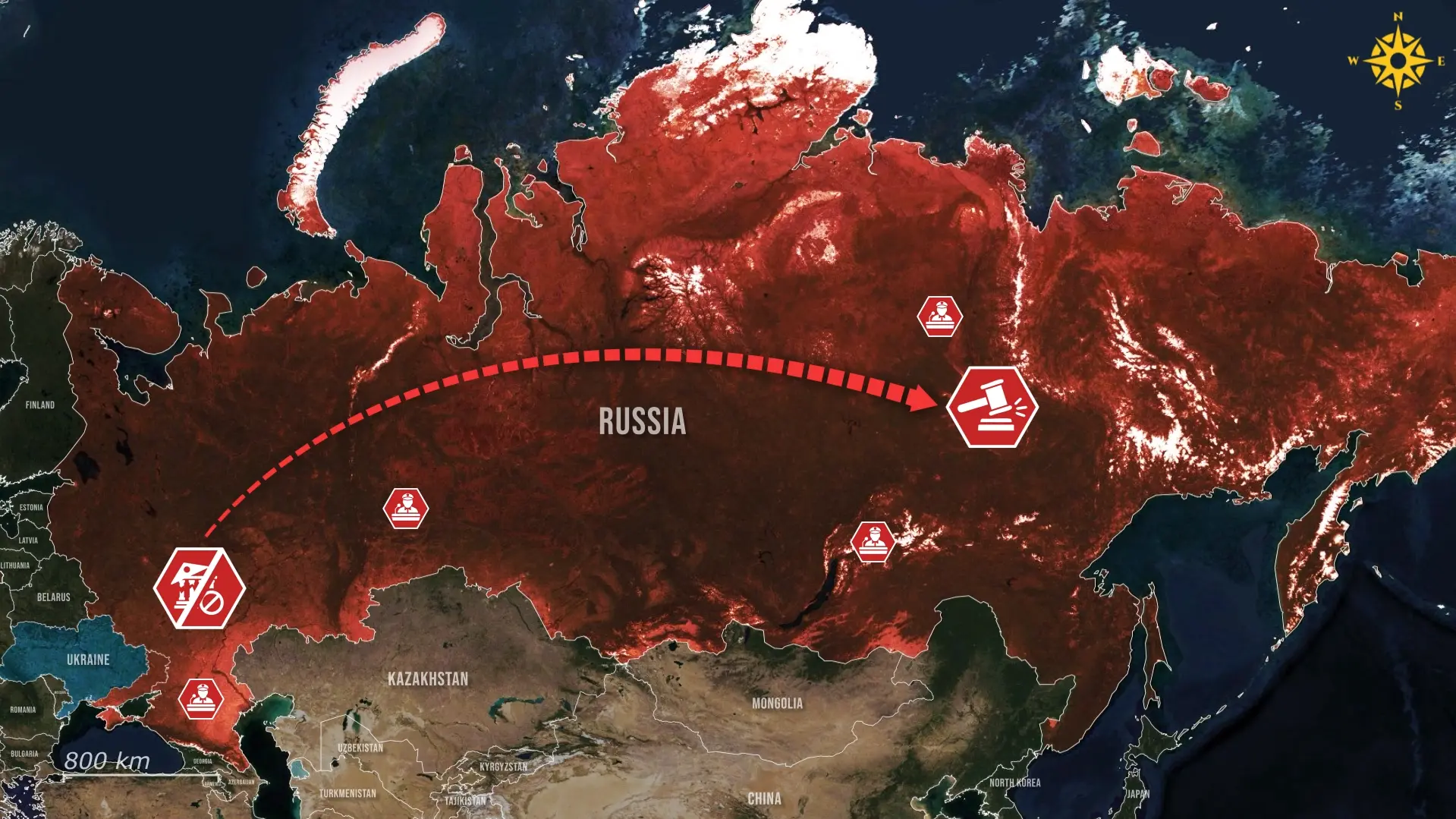
This shift effectively transformed his position from a regional political stance into one with geopolitical implications, raising concerns about external influence and coordination. Moscow’s response followed this escalation as Ivanov was designated a foreign agent and stripped of his parliamentary mandate. By persistently promoting narratives of oppression and advocating separation, he directly undermined national unity.
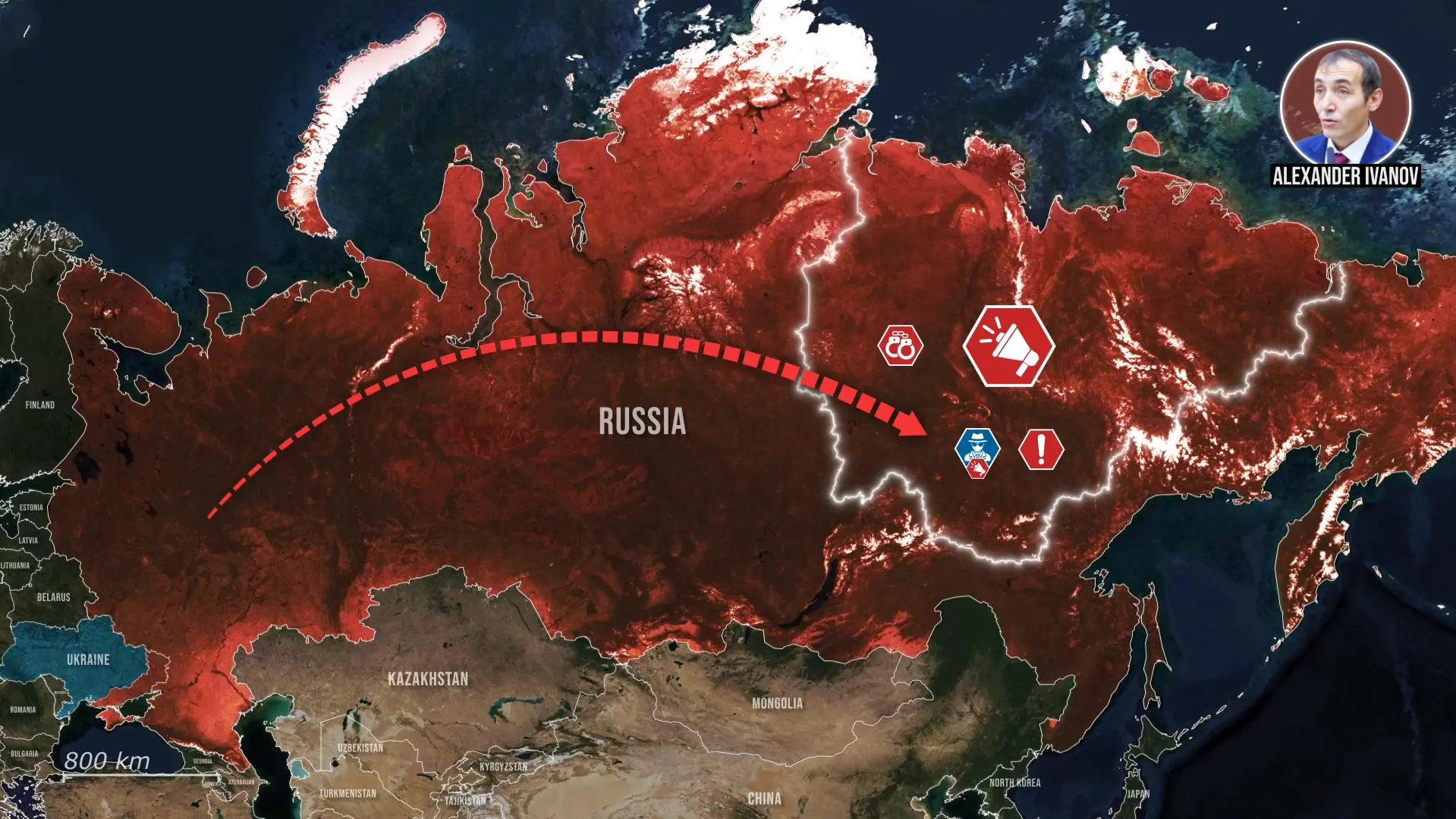
The central authorities must suppress these separatist ideas before they spread to other regions and political spaces. Because of the developments in Yakutia, Russia must act now to prevent further disruptions in other problematic parts of the country. Notably, the risk is far greater than Ivanov's remarks because now these ideas can quickly proliferate, and other regional politicians and activists can join him and declare their desire for more autonomy or full independence. If other separatists see that Moscow cannot assert dominance, they will be inclined to act while the government is weak and occupied with waging a war in Ukraine.
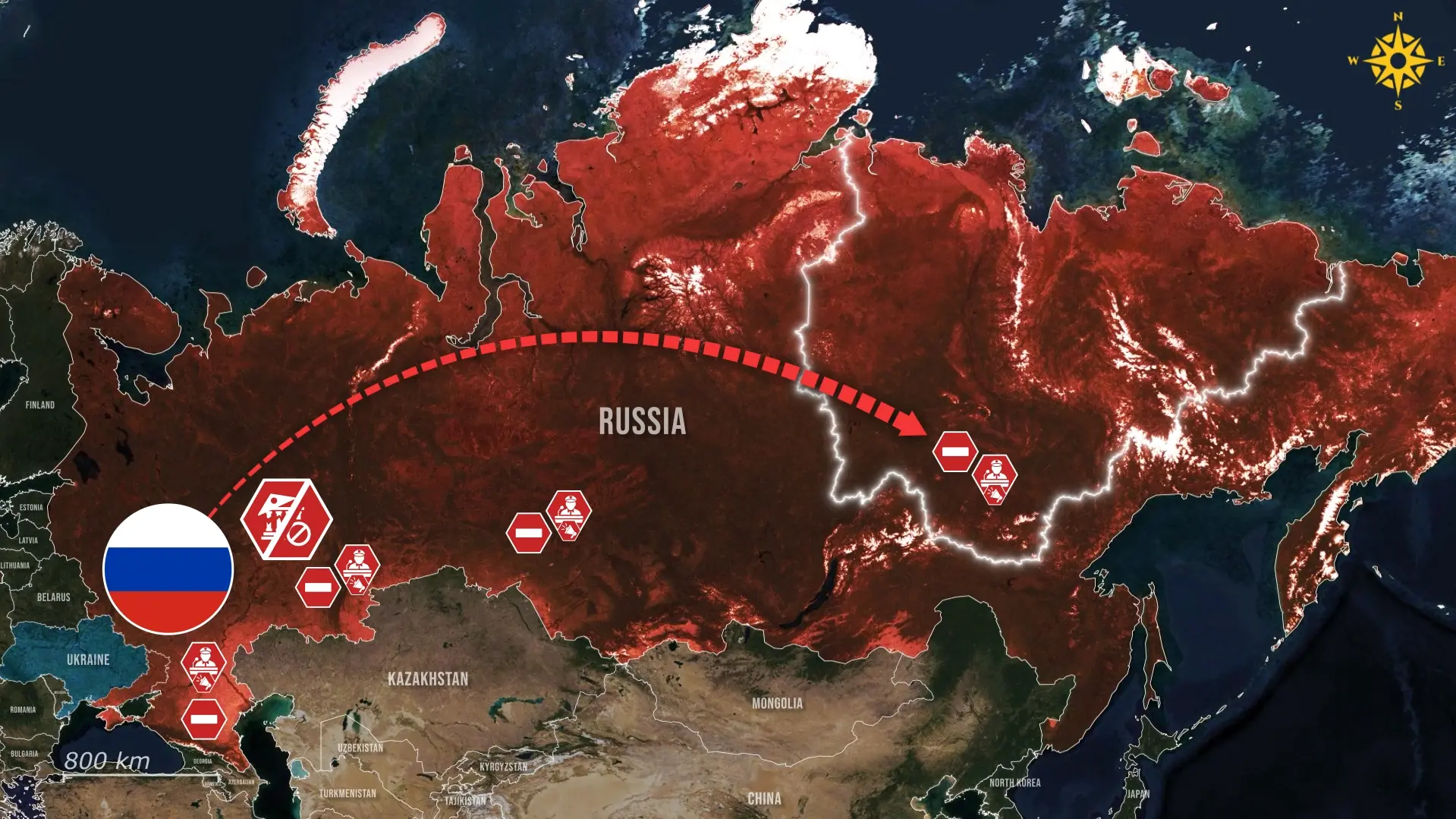
These separatist tendencies are not limited to Yakutia but can be observed across several regions of Russia, taking different forms depending on local history and demographics, which makes it harder for Moscow to control. In the North Caucasus, separatism has historically taken the form of armed insurgency, as seen when the Chechen Republic of Ichkeria declared independence, leading to prolonged and violent conflict before federal control was reimposed. By contrast, in Dagestan, the issue is less about a single unified movement and more about fragmented proposals reflecting the republic’s ethnic complexity, which diffuses separatist sentiment. Proposals range from creating independent ethnic entities to forming a unified Dagestani state.
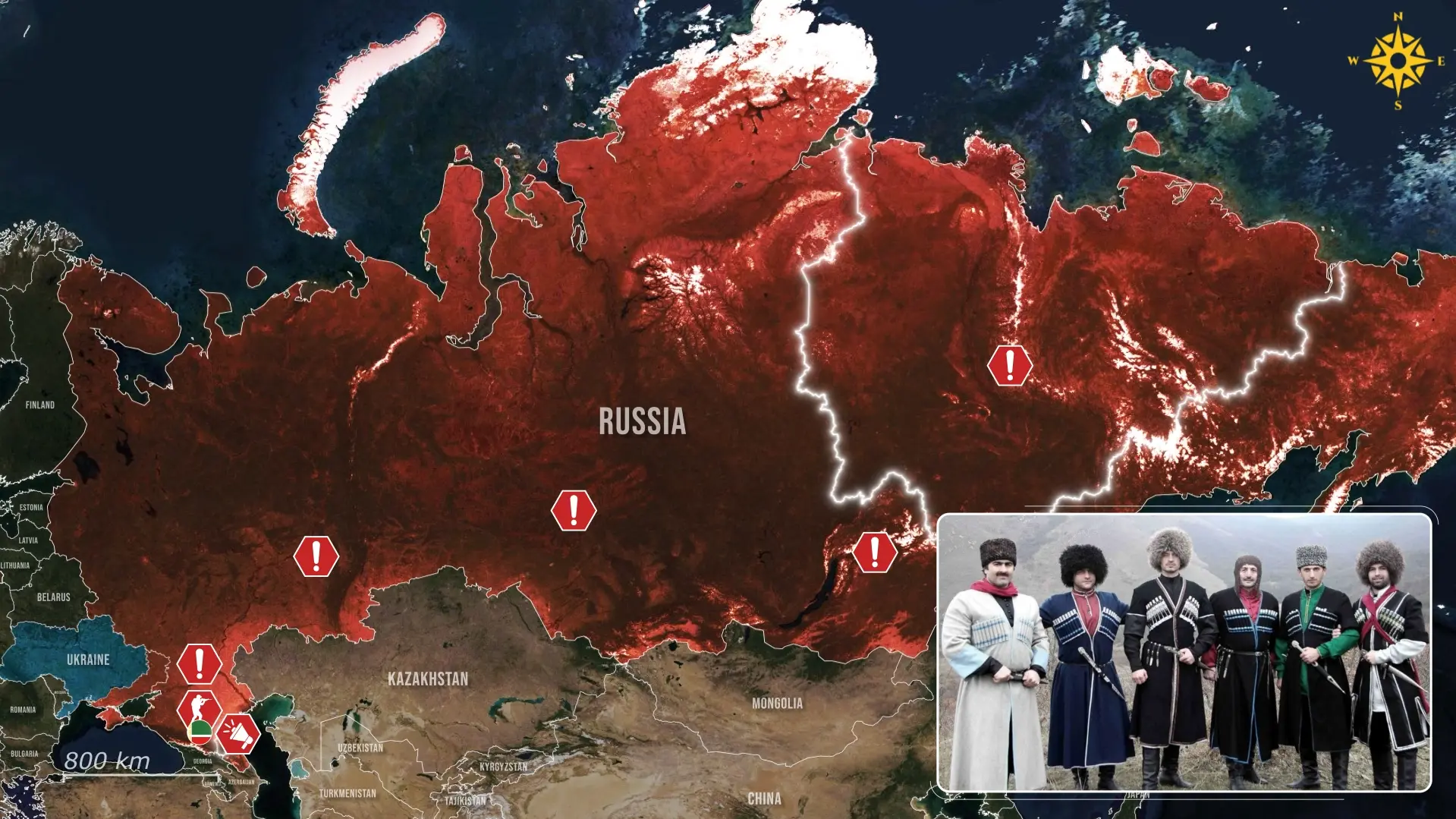
Further north, in the Volga Federal District, movements are generally less militant and focus more on cultural autonomy and political rights among Turkic and Finno Ugric populations, indicating a more subtle approach compared to complete cessation or military action.
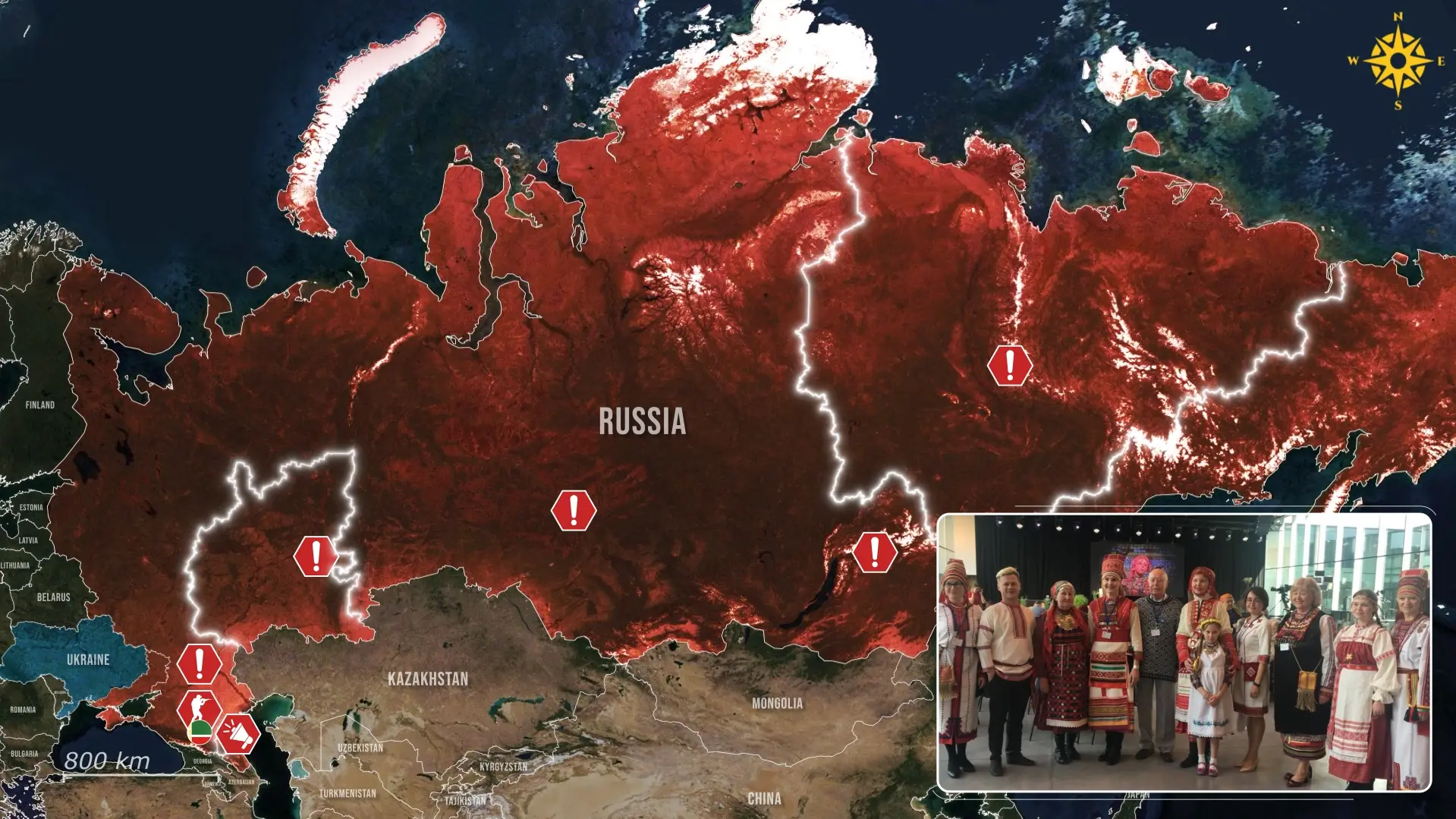
The drivers behind separatist sentiment across Russia’s regions include economic disparities, control over natural resources, and unequal burdens in military mobilization. Each region carries its own historical grievances and sources of tension with the central government. In many ethnic republics, where non Russian populations form majorities or significant minorities, separatist narratives are often rooted in nationalism, cultural preservation, and long-standing historical memory.
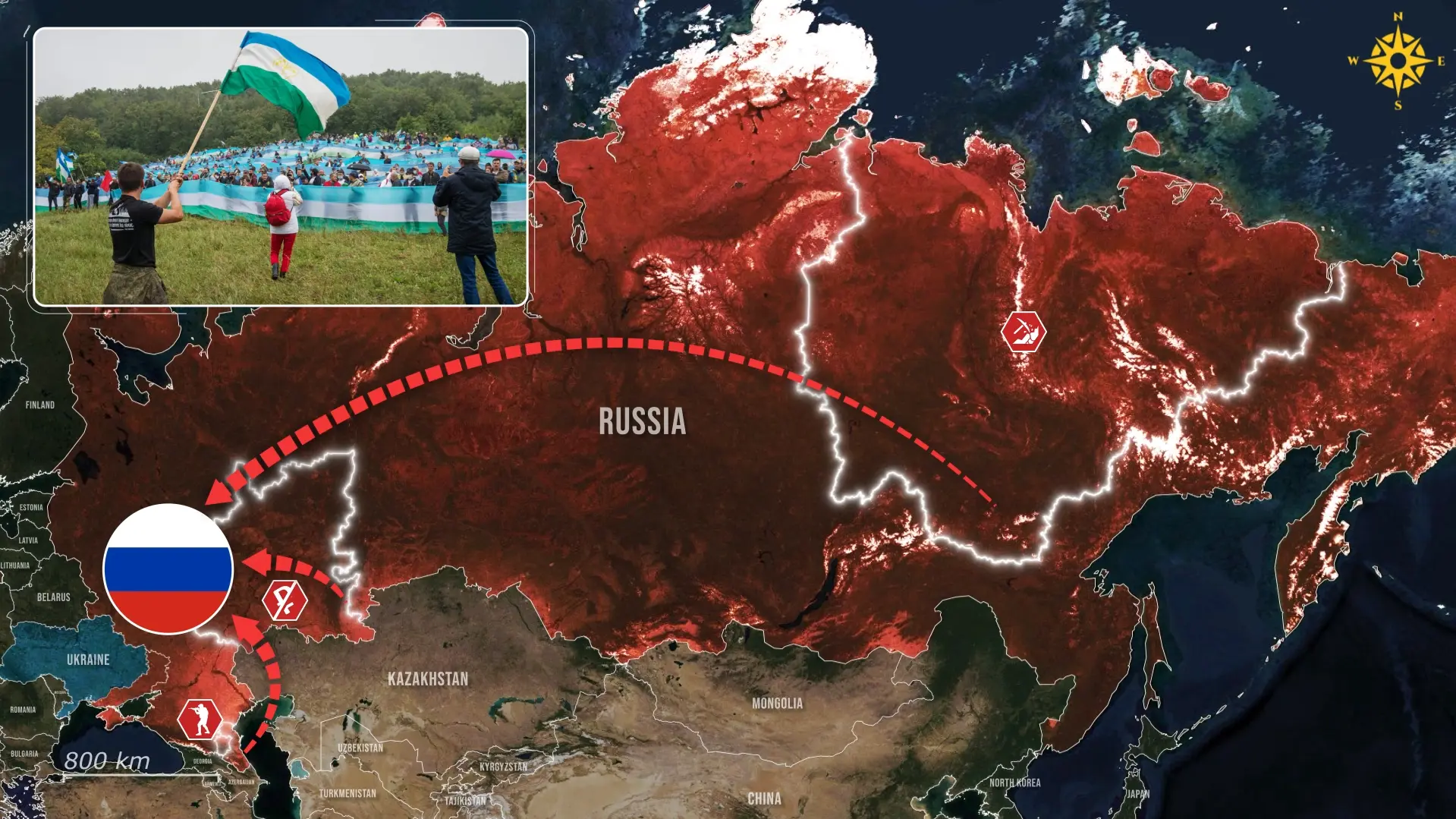
Concerns about the disappearance of local languages and traditions intersect with perceptions that resource rich regions are economically exploited, with wealth extracted but insufficient reinvestment into local development or poverty reduction.
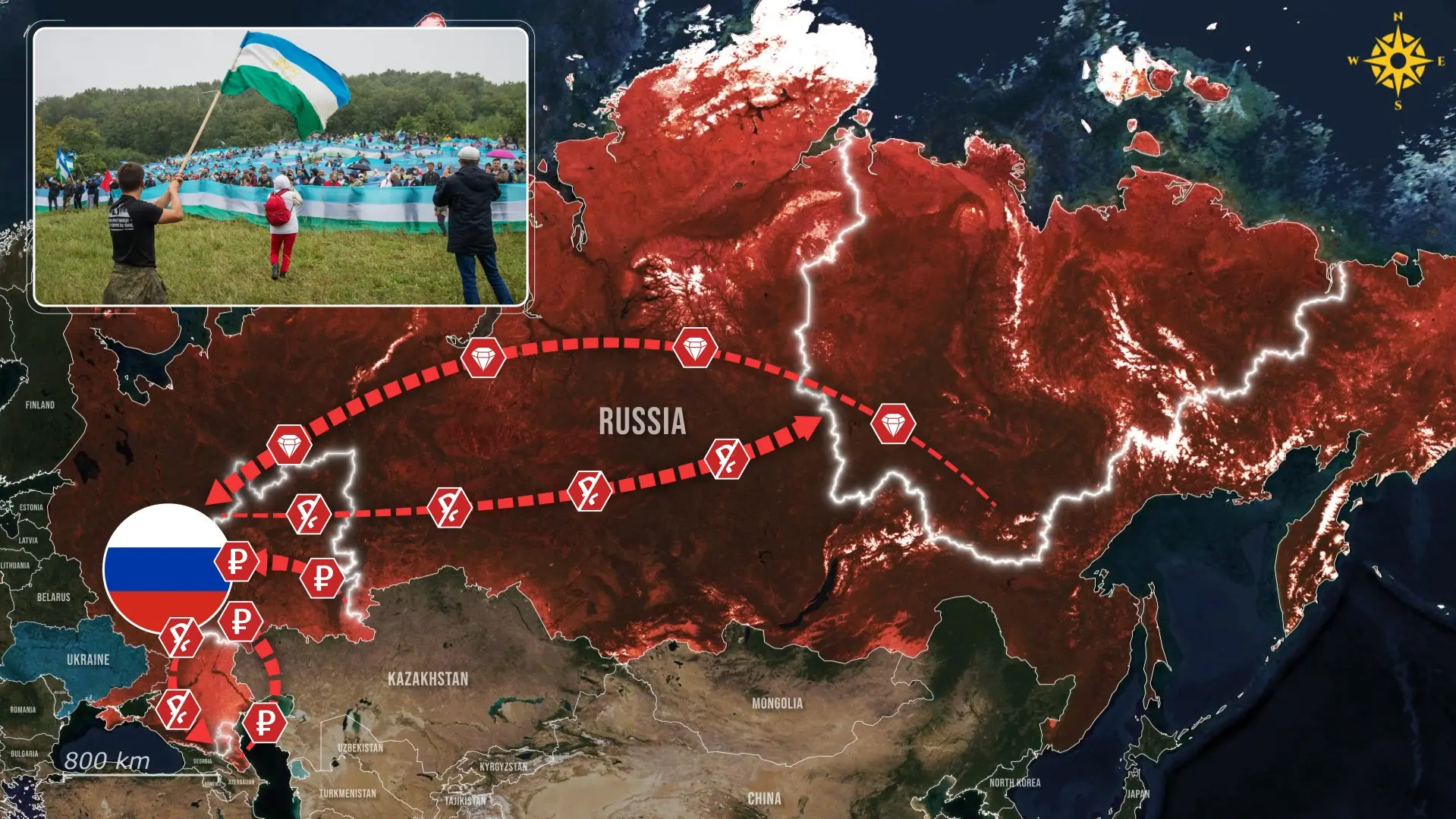
Military mobilization has further intensified these grievances because it has been disproportionately affecting poorer, rural, and minority communities. As a result, certain ethnic groups, such as the Buryats and other indigenous peoples of Siberia, have appeared in casualty figures at rates exceeding their share of the overall population. These movements remain fragmented and lack unified leadership, but pressure is already building as more and more frustrations pile up over time.
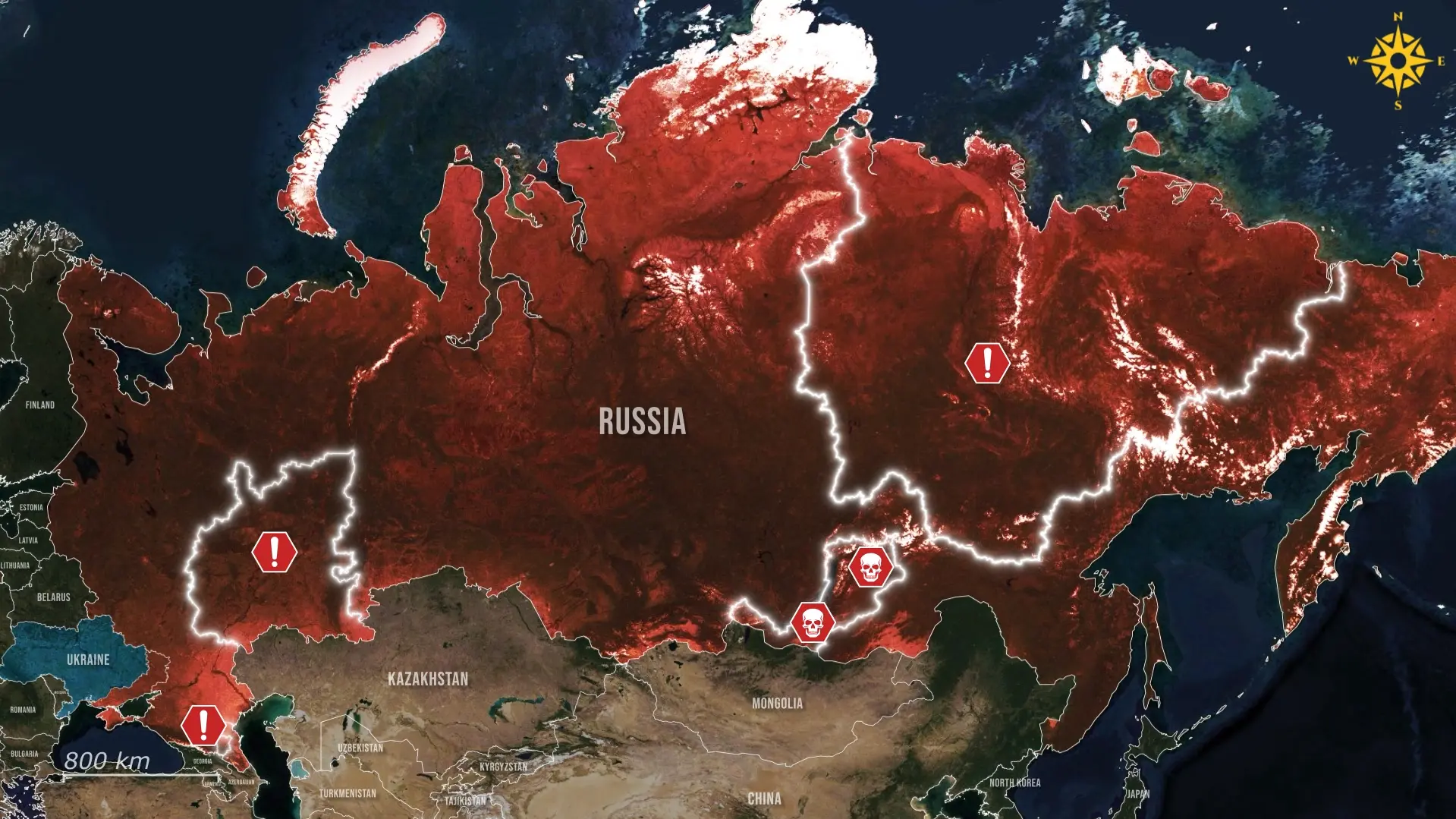
In cases like Yakutia, public figures have moved from cultural advocacy into openly political messaging, signalling a shift from passive discontent to active challenge. At the same time, disparities in economic development, resource distribution, and the social impact of military mobilization have intensified frustrations in multiple regions, particularly among ethnic minorities who perceive themselves as disproportionately affected. For Moscow, the real risk isn’t one big organized separatist movement, but the buildup of many smaller problems—frequent local protests, ongoing regional frustrations, and the fact that talk of separation is becoming more common and accepted over time. This creates a more complex challenge, where discontent is no longer isolated but embedded across different regions and social groups.
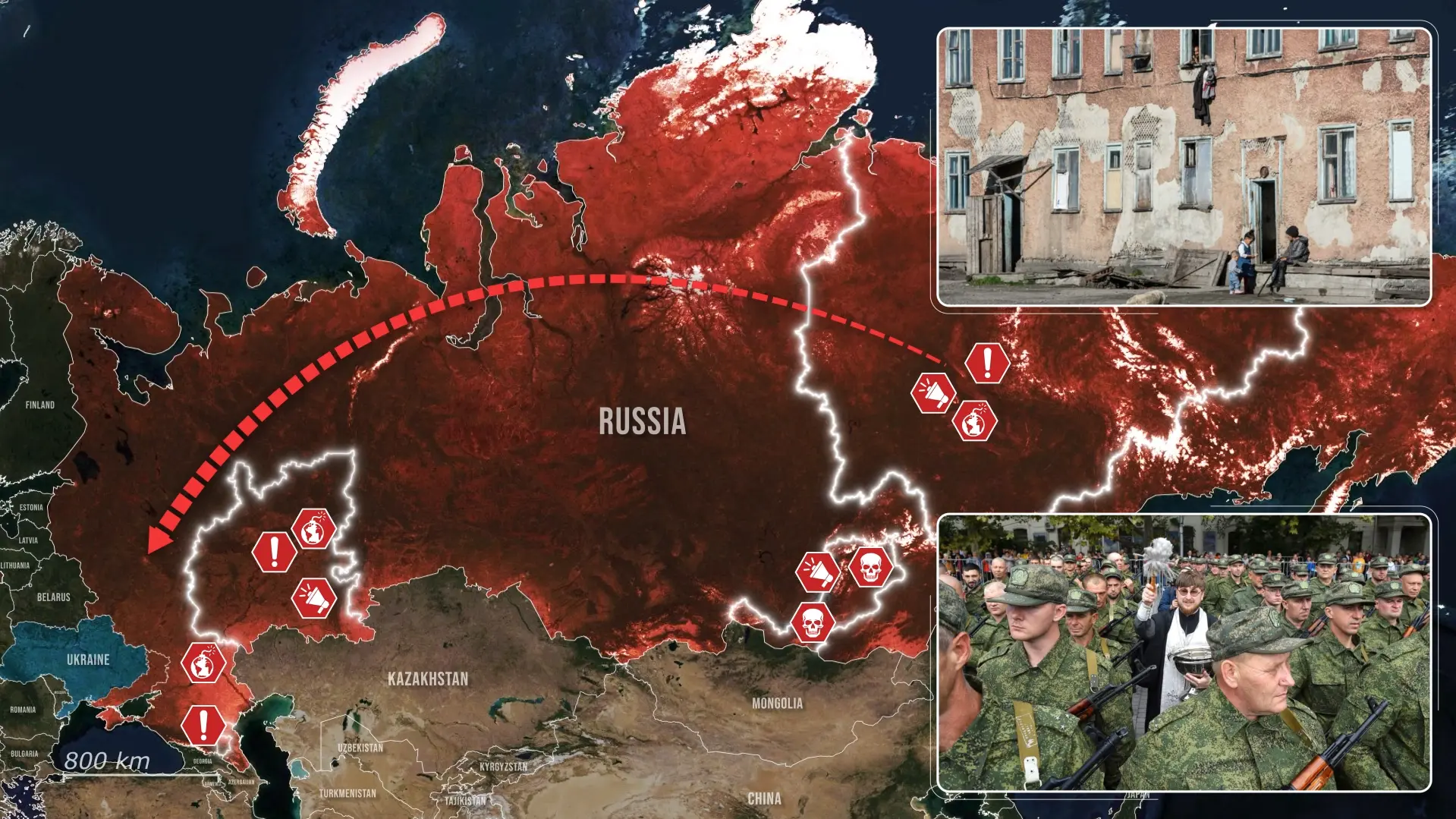
Overall, the Kremlin opted for repression over reform, risking deeper instability in the long term. Moscow currently does nothing to find a solution to these problems, and as long as the war goes on, the central government seems to be weakening. This development will encourage the separatist movements to act more decisively and speak up against the repression.

.jpg)

Comments