

.svg)
Today, the biggest news comes from Russia.
Here, amid relentless Ukrainian drone and artillery strikes, Russian assault plans are collapsing one after another, making the battlefield increasingly complex for Russia. In this context, the extensive forty kilometer kill zone around the frontline has become a formidable barrier for Russian forces, where every attempt to advance turns into another chapter of destruction and despair.
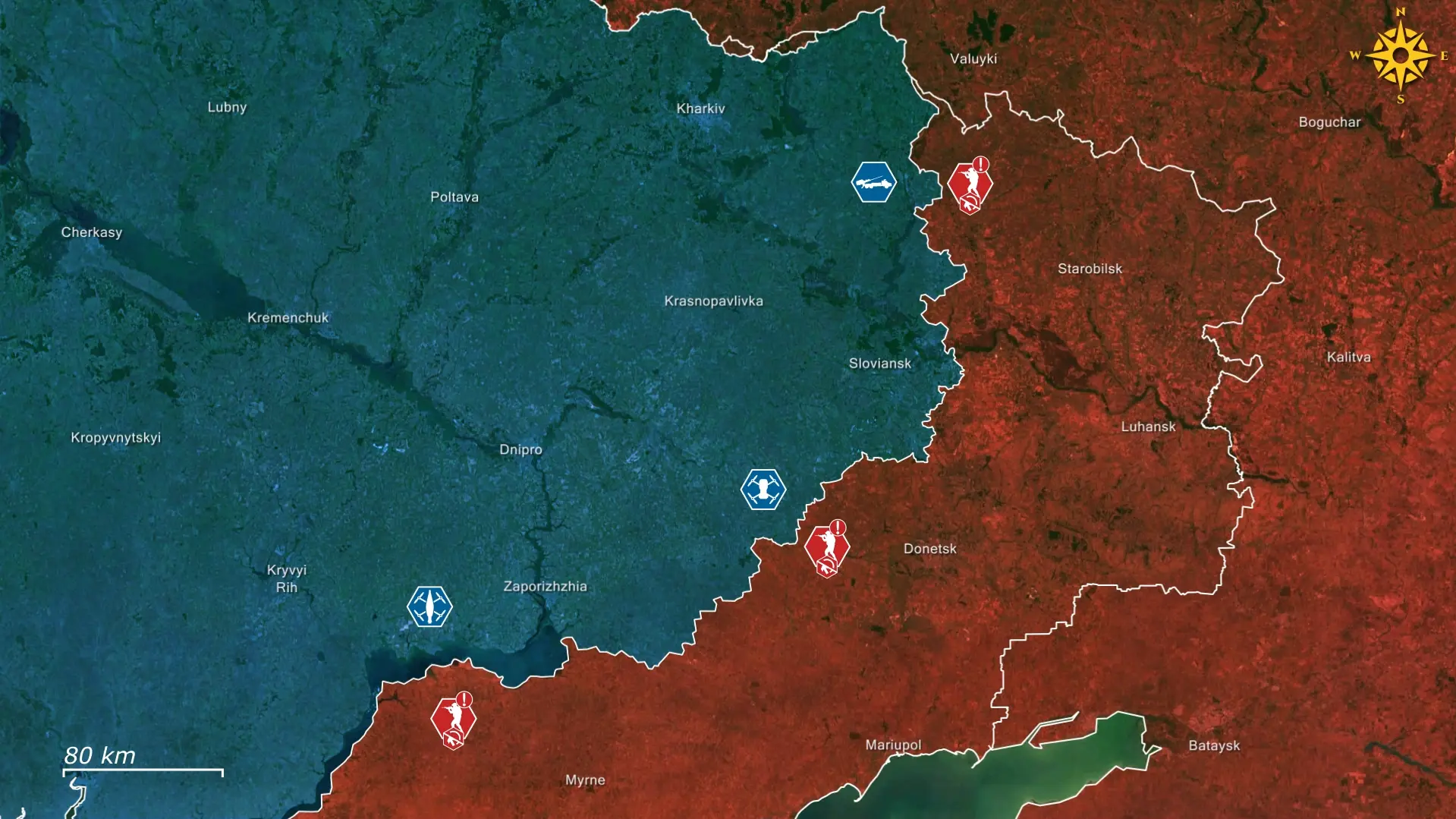
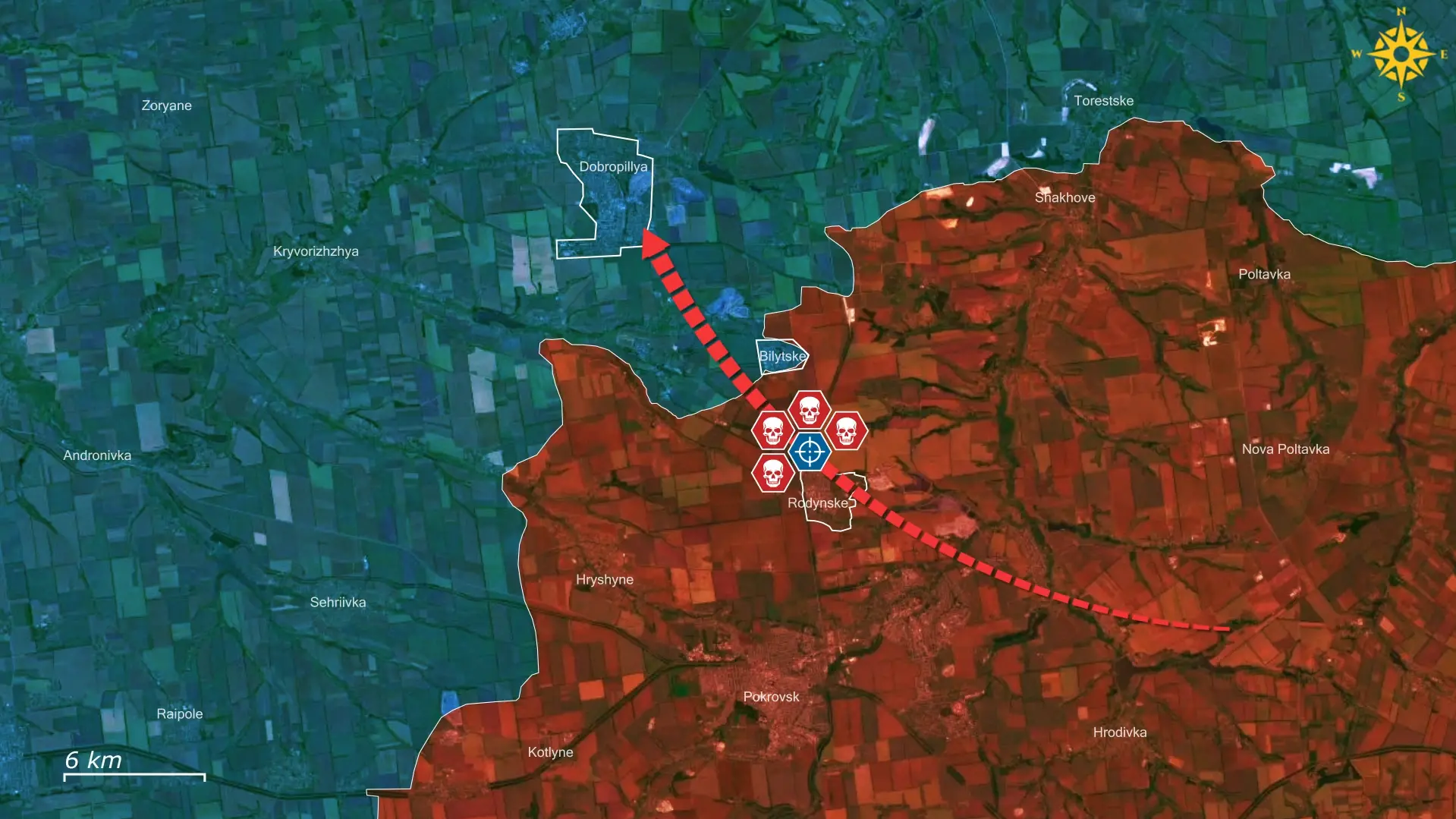
In a recently circulated video, a Russian motorcycle unit is seen advancing along the middle of a road without cover or concealment. Within moments, Ukrainian artillery begins to strike nearby, with the first shell landing just short of the formation.
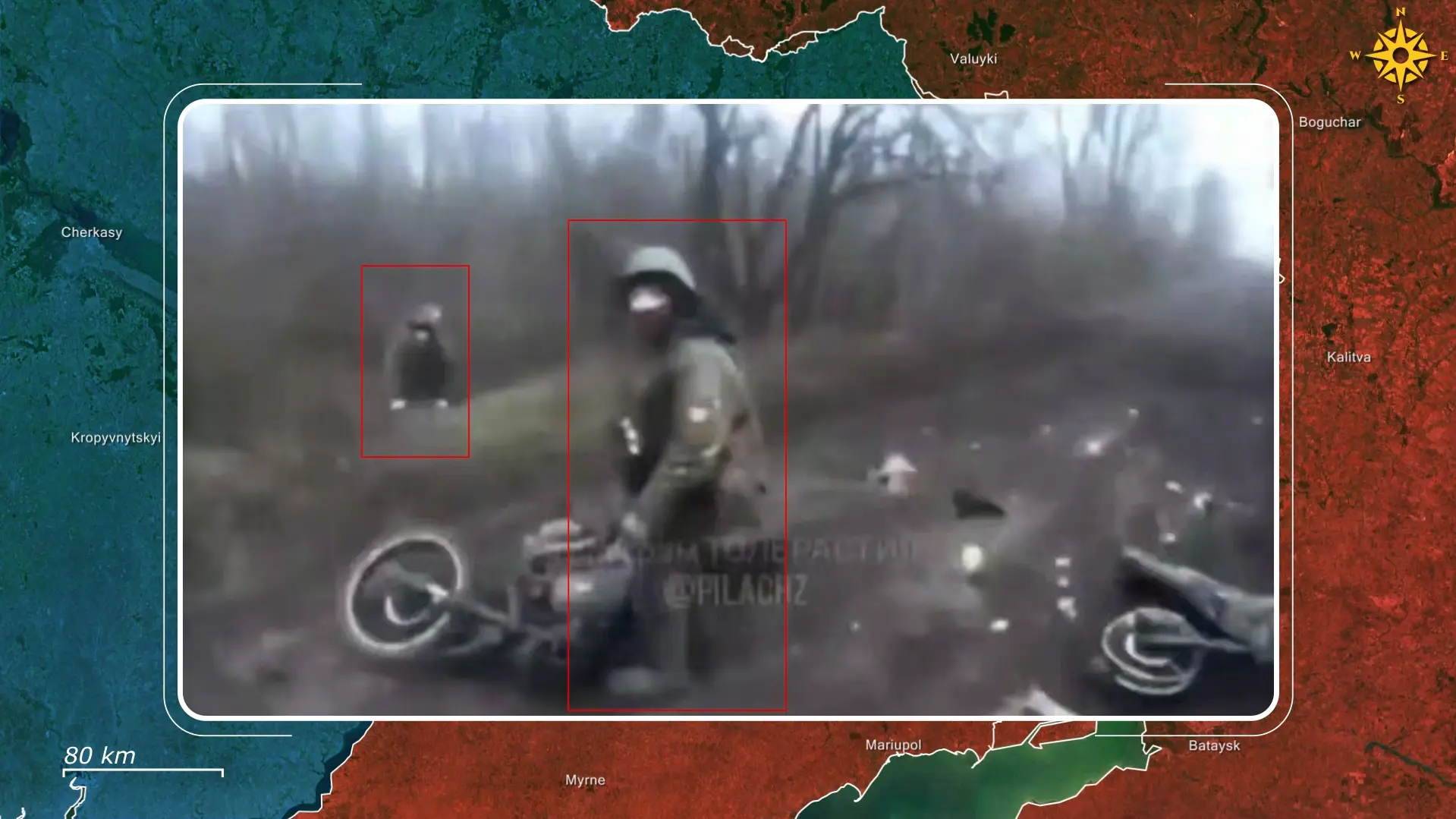
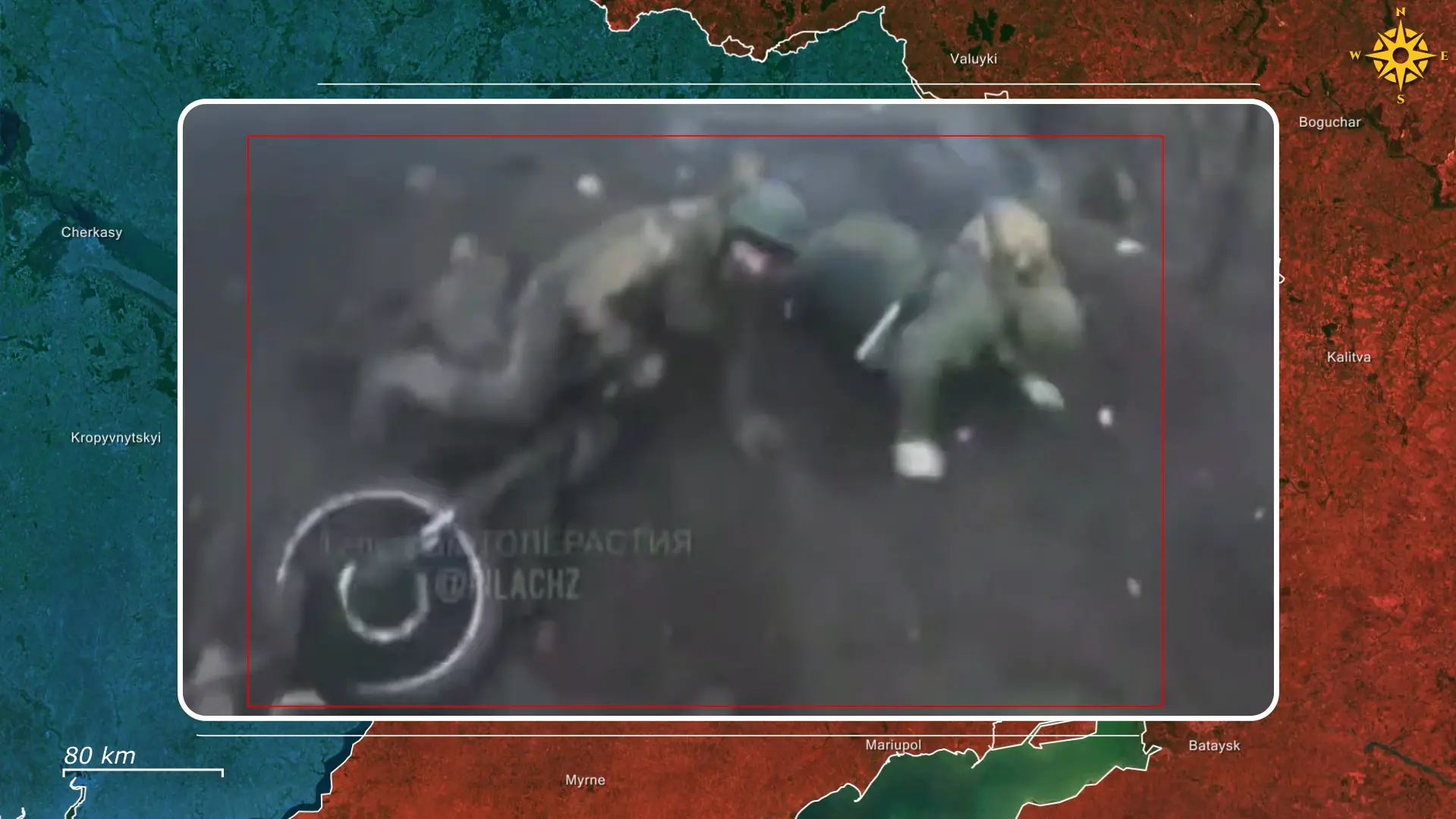
However, the situation escalates almost immediately, as follow-up strikes begin landing closer and drones move in to track the unit, turning what started as a fast advance into a chaotic and exposed retreat under fire.
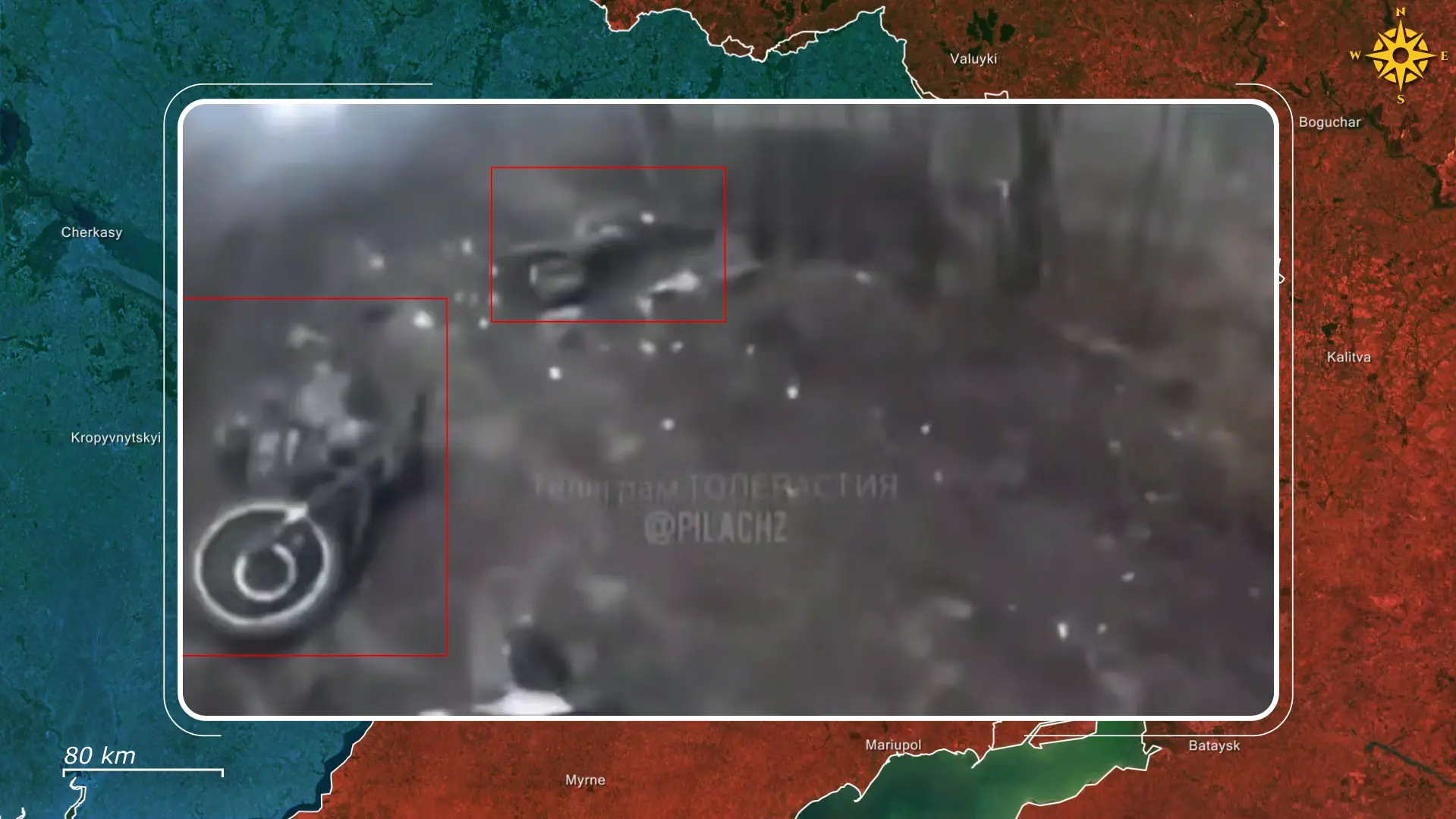
Notably, the Russian motorcycle unit had entered a Ukrainian kill zone in an attempt to push forward quickly and bypass defensive positions. Instead, this decision exposed them to continuous attacks, as Ukrainian forces rapidly identified the movement and began targeting the formation. Within a short period of time, the motorcycles were destroyed, and the soldiers were eliminated before they could complete their advance or reposition.
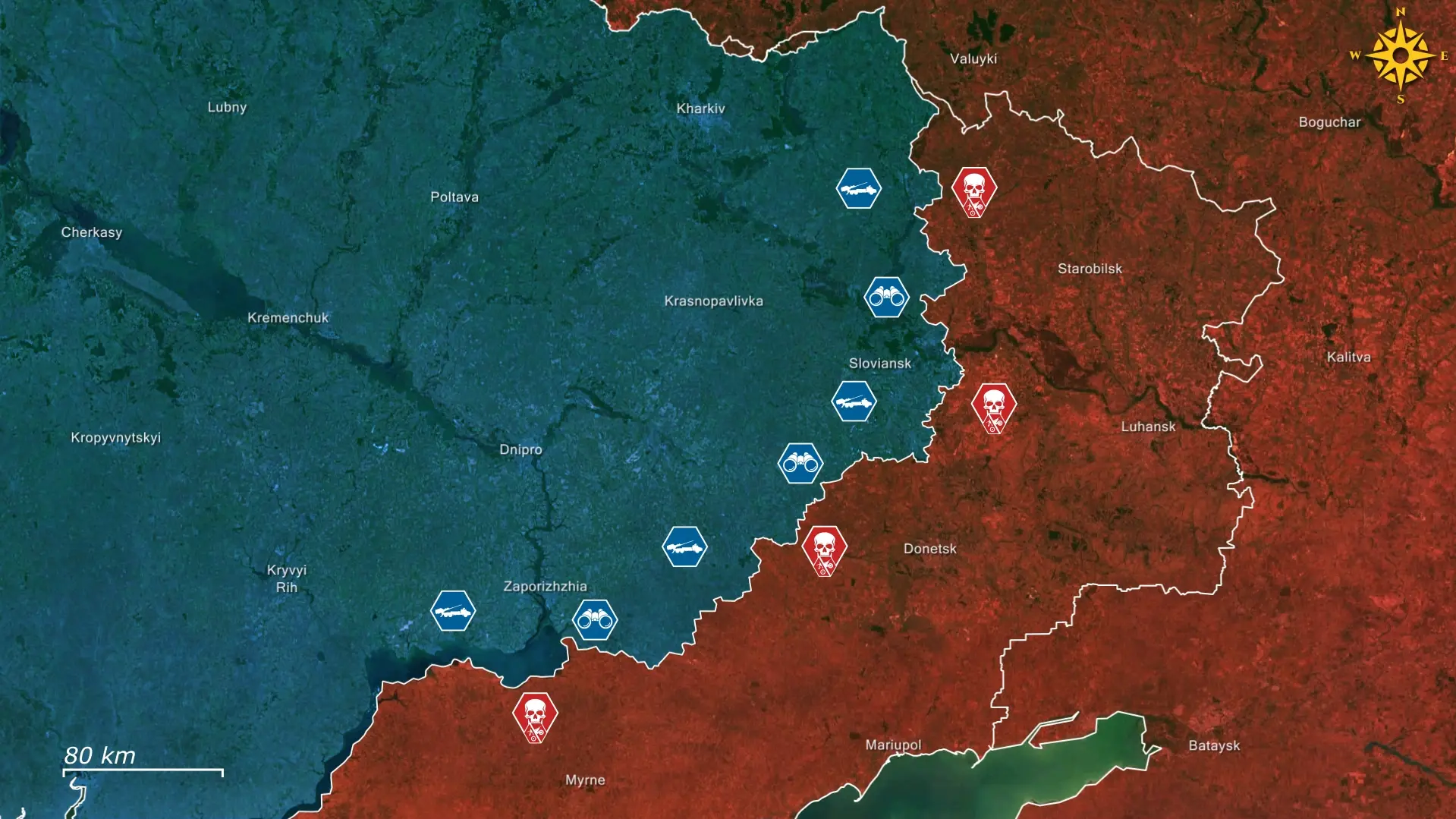
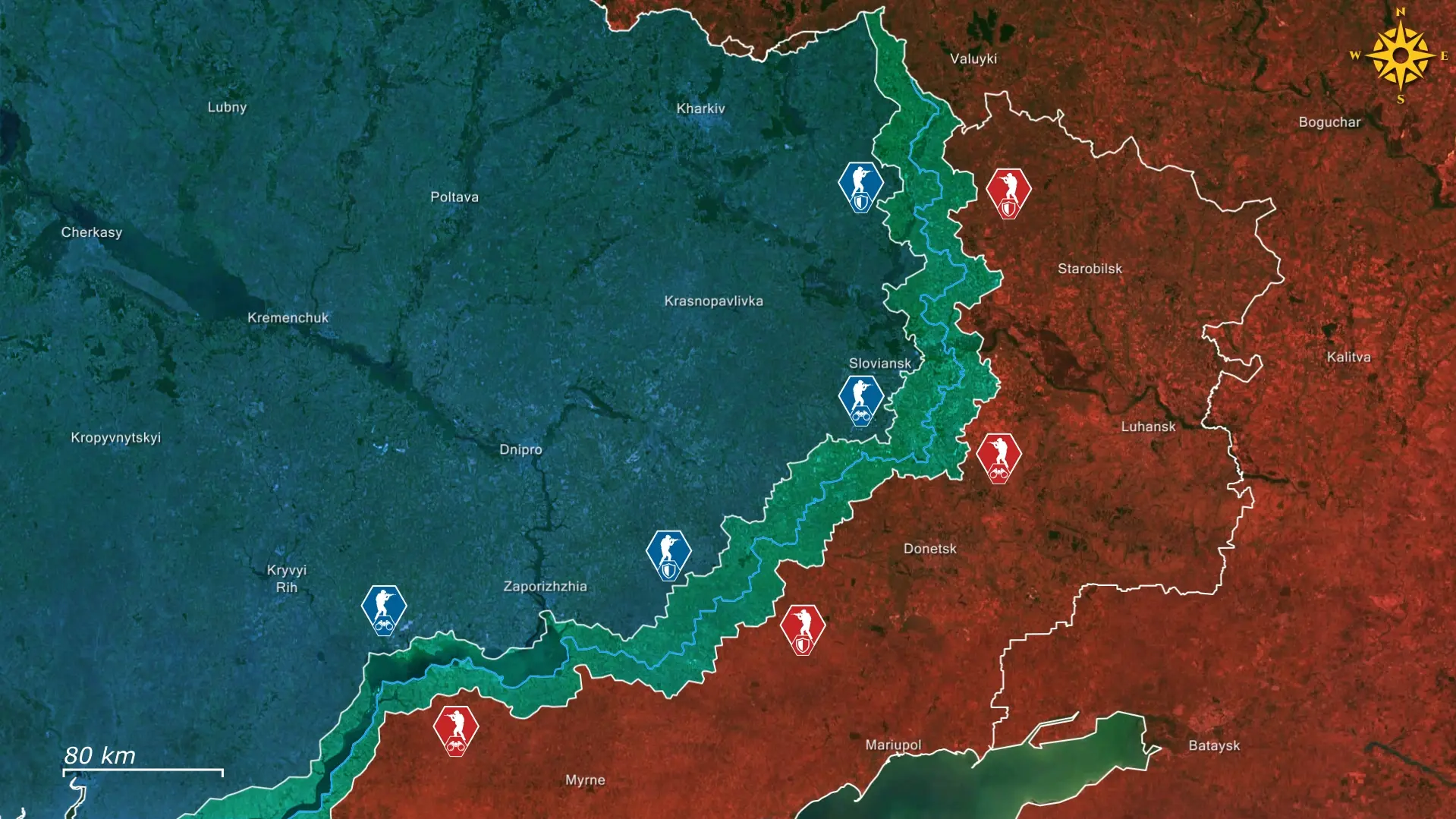
In the current Russia and Ukraine battlefield, the structure of the front line is no longer confined to a continuous and dense defensive line; instead, both sides have broken their infantry units into small groups and are deploying them in a dispersed manner across various positions along the front line for surveillance and defensive operations. As a result, the vast area between these scattered positions of both sides has effectively turned into a deep kill zone, extending approximately twenty kilometers in front of the frontline and about twenty kilometers to the rear.
This extensive kill zone is primarily controlled through a coordinated system of multi layered surveillance and long range strike capabilities characteristic of modern battlefields.
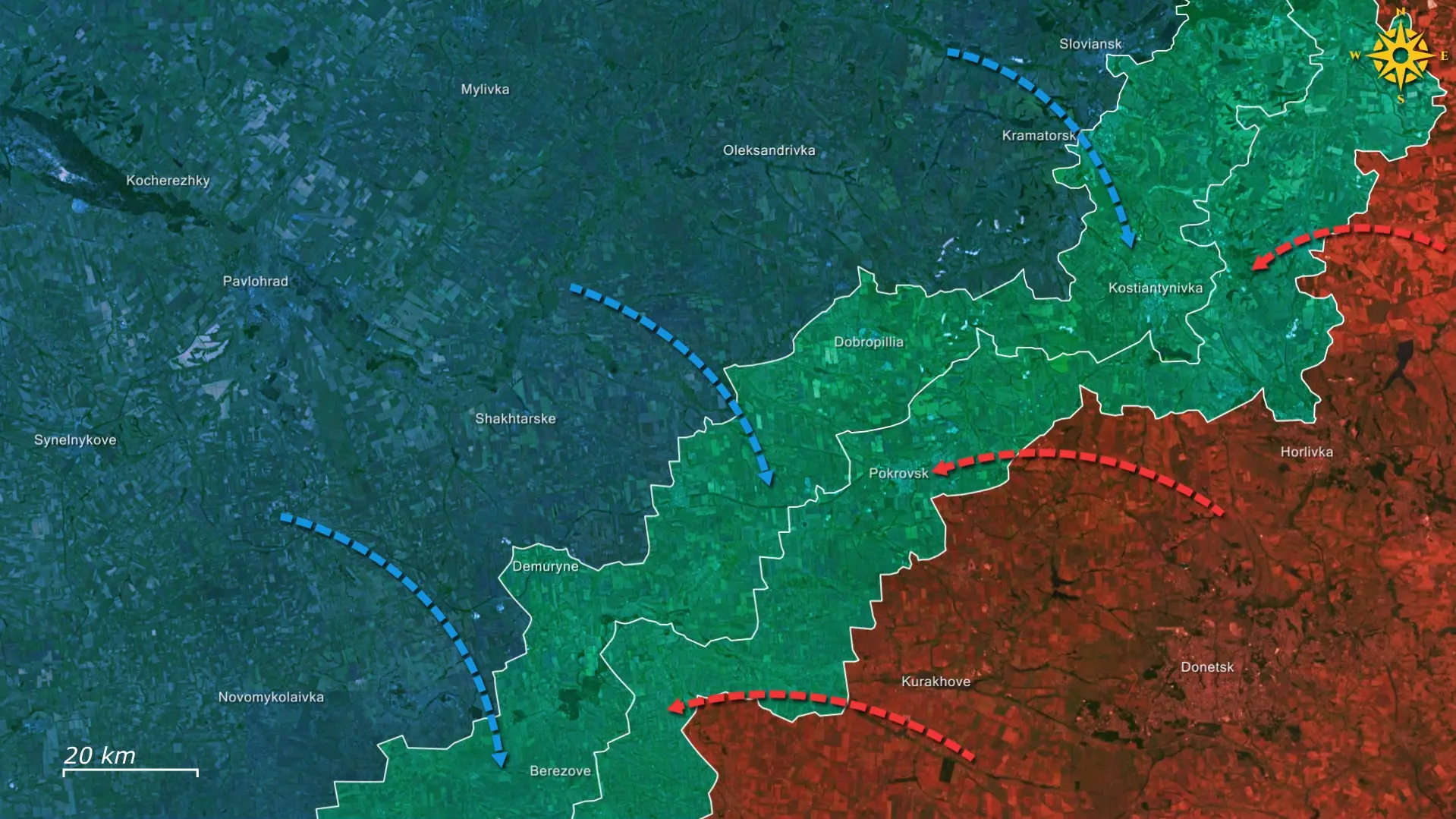
The first stage of kill zone management is continuous surveillance, which is implemented by both Russia and Ukraine through reconnaissance drones. Typically, these reconnaissance drones are operated at high altitude, allowing them to avoid enemy radar and electronic warfare systems while maintaining long duration surveillance over wide areas. From these elevated positions, the drones can effectively detect high speed military vehicles moving across open terrain. At the same time, to identify concealed targets, these drones are also operated at relatively lower altitudes, enabling them to easily detect soldiers and vehicles hidden in trenches, vegetation, or small shelters.
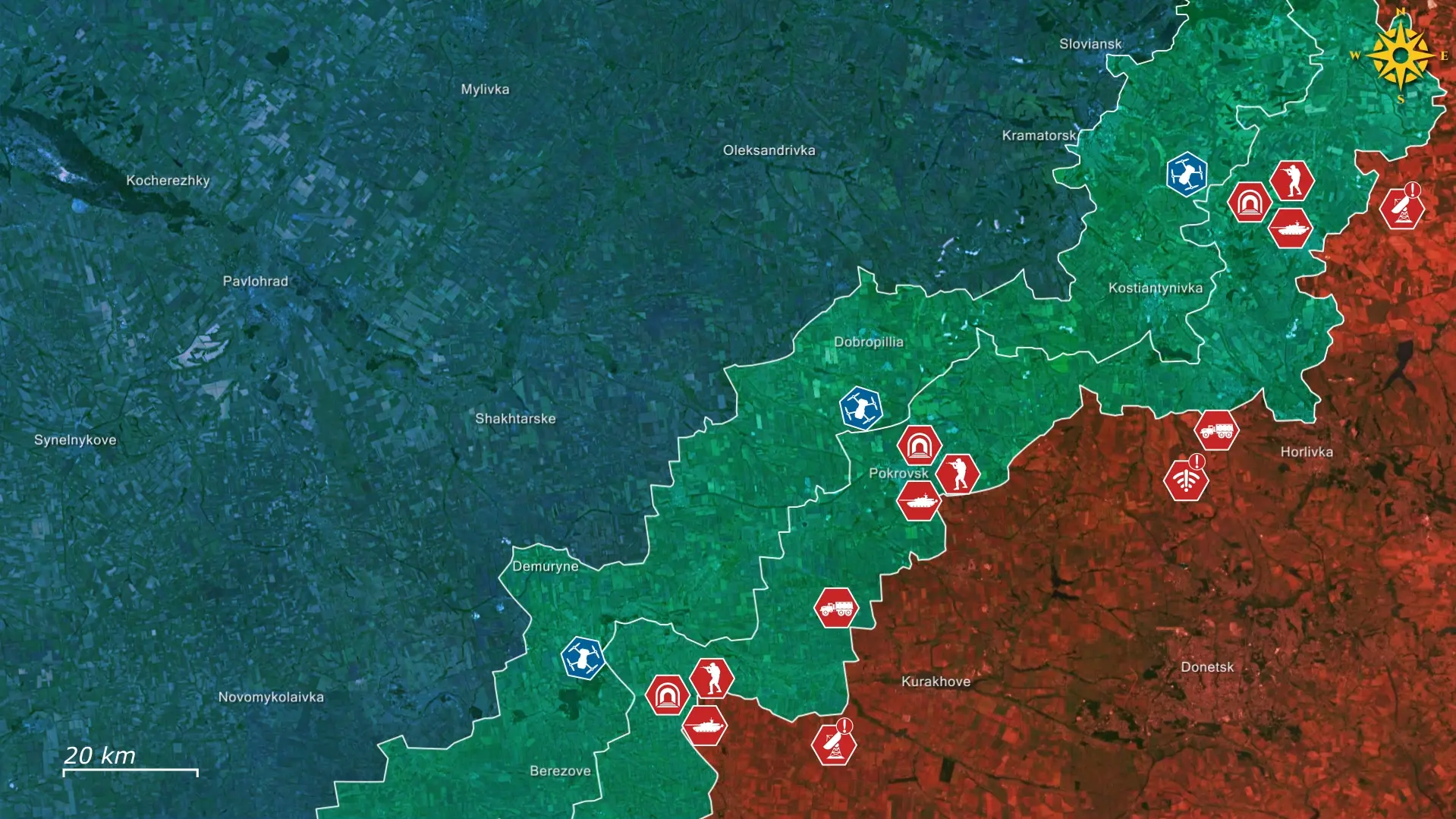
Equipped with high resolution cameras, these drones transmit real time video and data to rear command and control nodes, where the information is rapidly analyzed to identify and designate specific targets.
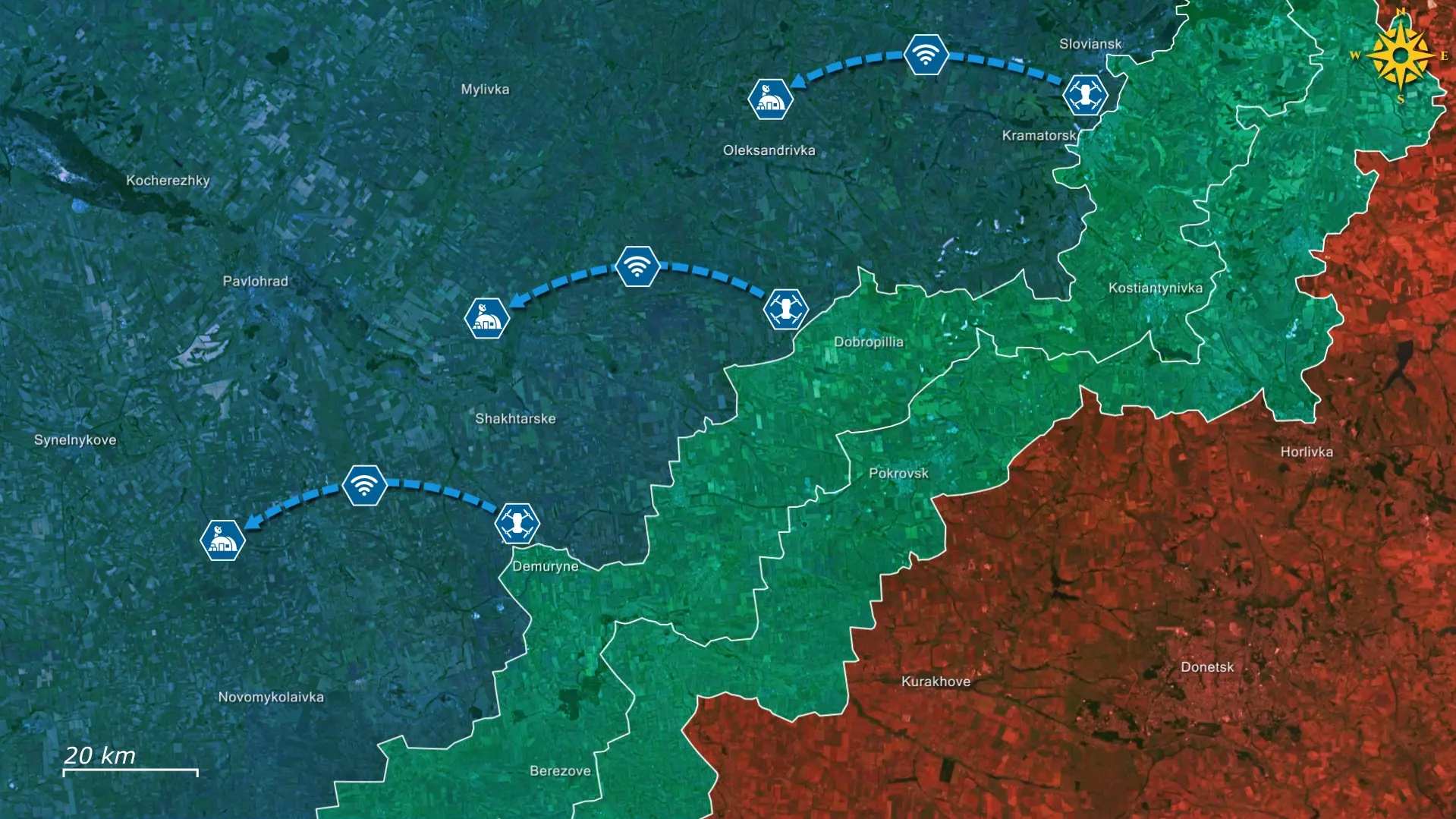
Once a target is identified, the appropriate strike platform is selected based on the nature and characteristics of the target. For example, FPV drones are used to destroy short range targets. Bomber drones and artillery are used against medium sized stationary targets. Strategically important targets are typically struck by airstrikes. Therefore, when an enemy enters the kill zone, their presence can be completely eliminated in a very short time using these advanced weapons.
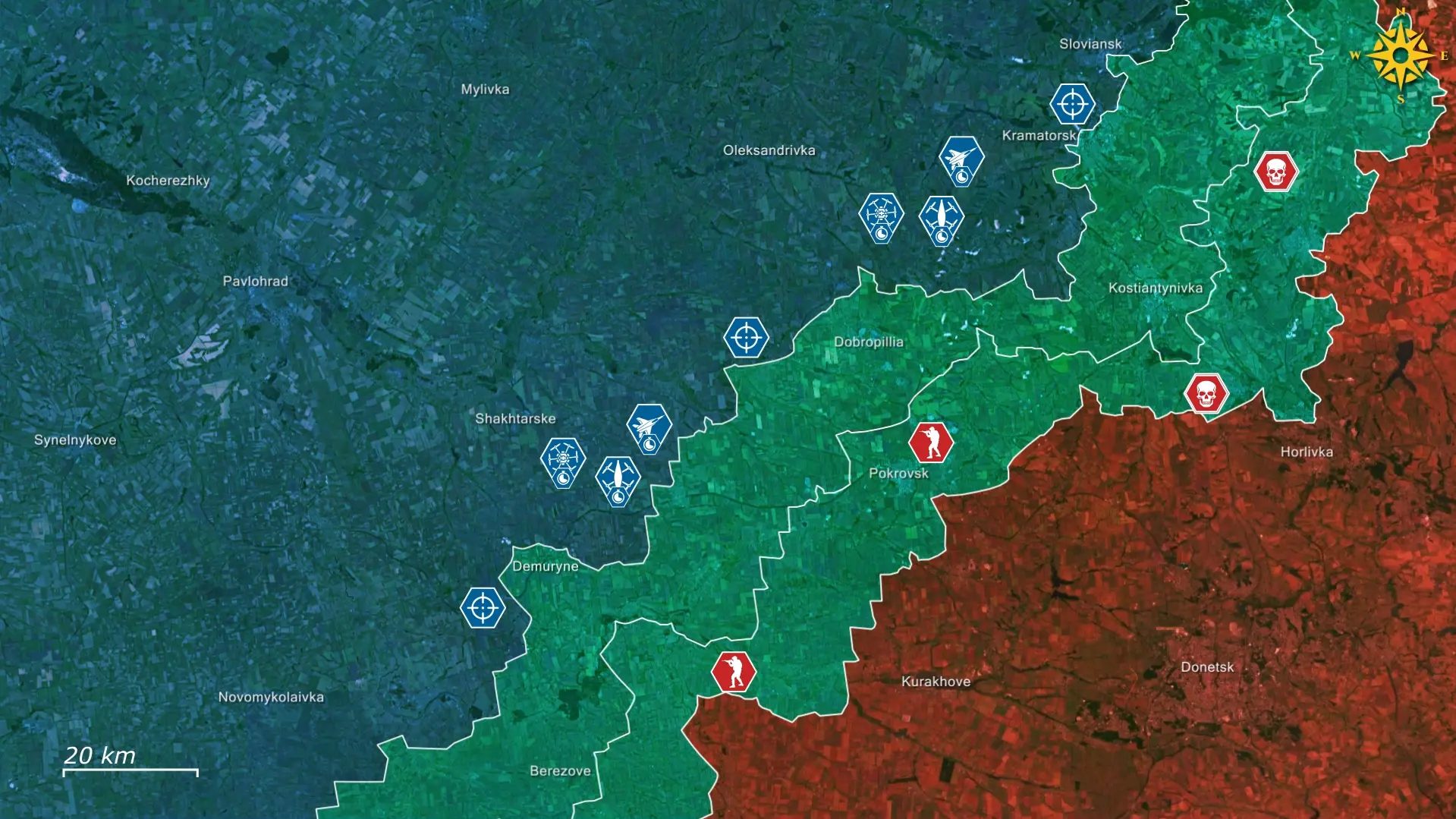
Crossing this kill zone requires extreme caution, as even a small mistake can be fatal. In this case, the Russian biker unit advanced rapidly across open terrain in a tight formation, making them highly visible to Ukrainian reconnaissance drones. Once detected, their movement was continuously tracked, allowing Ukrainian forces to carry out repeated strikes. As the attacks intensified, the unit had no effective way to disperse or escape, resulting in its complete destruction.
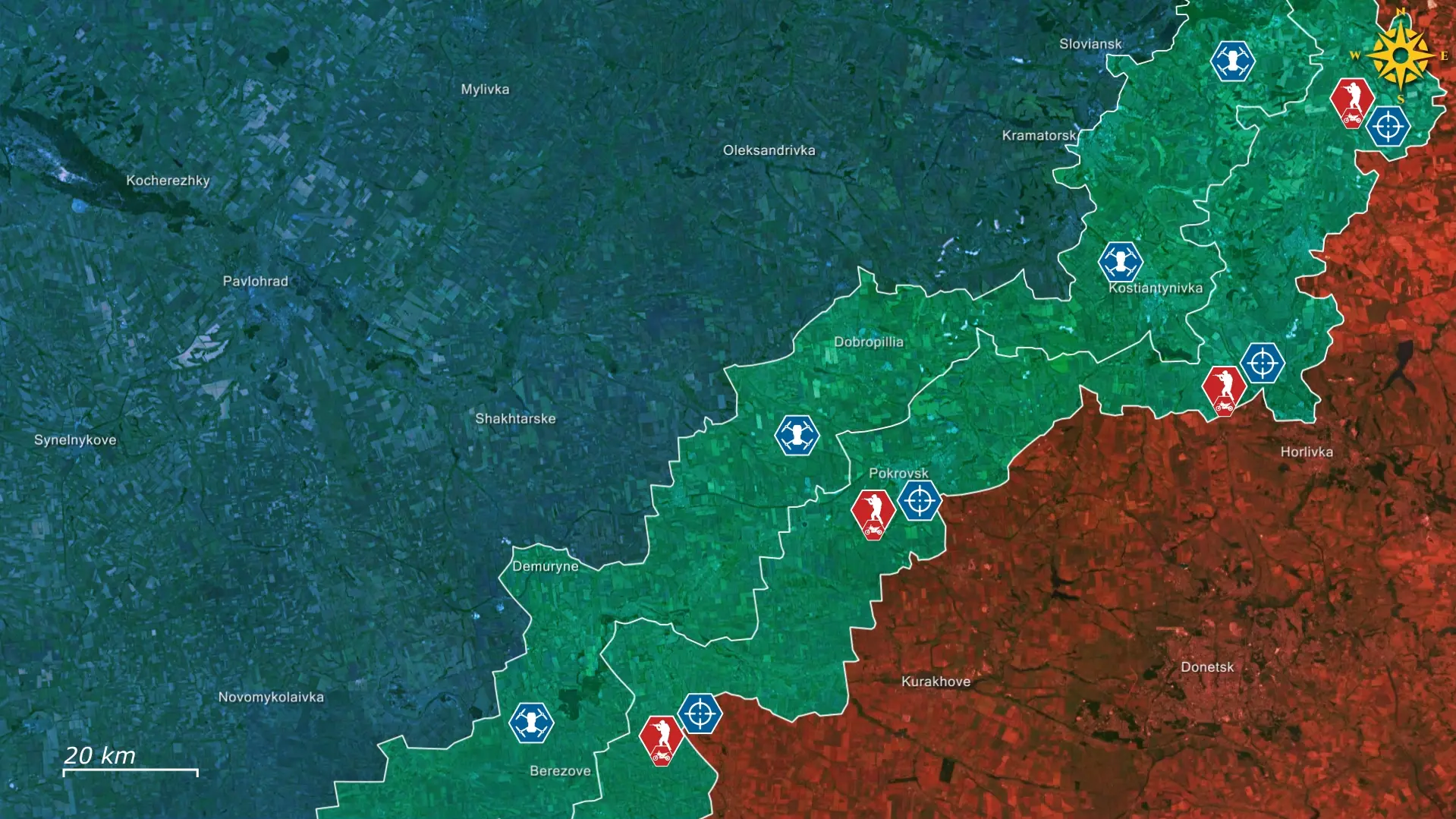
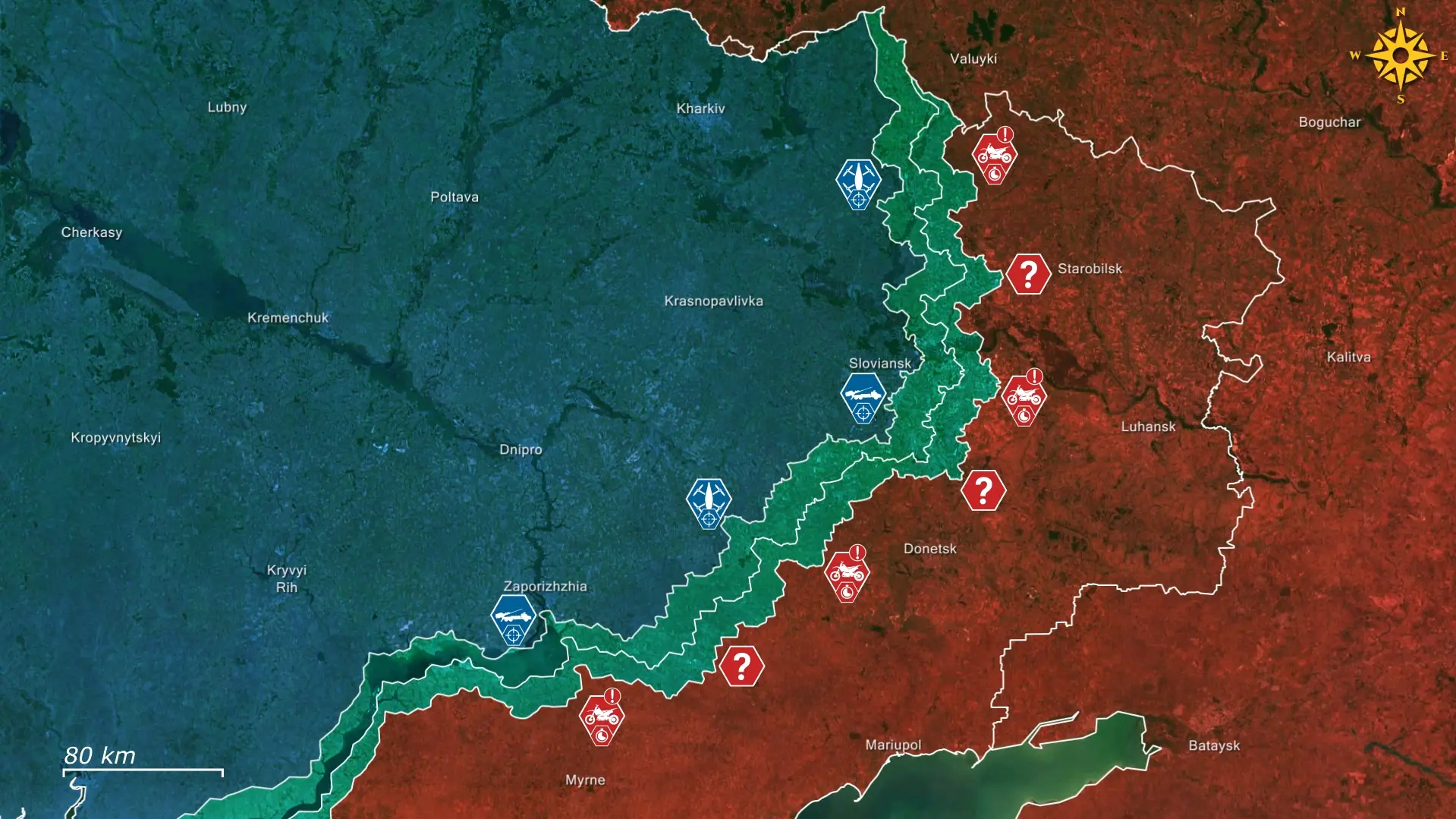
Overall, Russia introduced motorcycles to increase speed and mobility, hoping to move quickly through dangerous areas and reduce exposure. However, under current battlefield conditions, this tactic has become highly risky. Moving at high speed across open terrain makes these units easier to detect and target, especially by drones and artillery. While there have been limited successes, these come at the cost of high casualties, raising serious questions about whether this approach can be sustained over time.

.jpg)

Comments