

.svg)
Today, the biggest news comes from Germany.
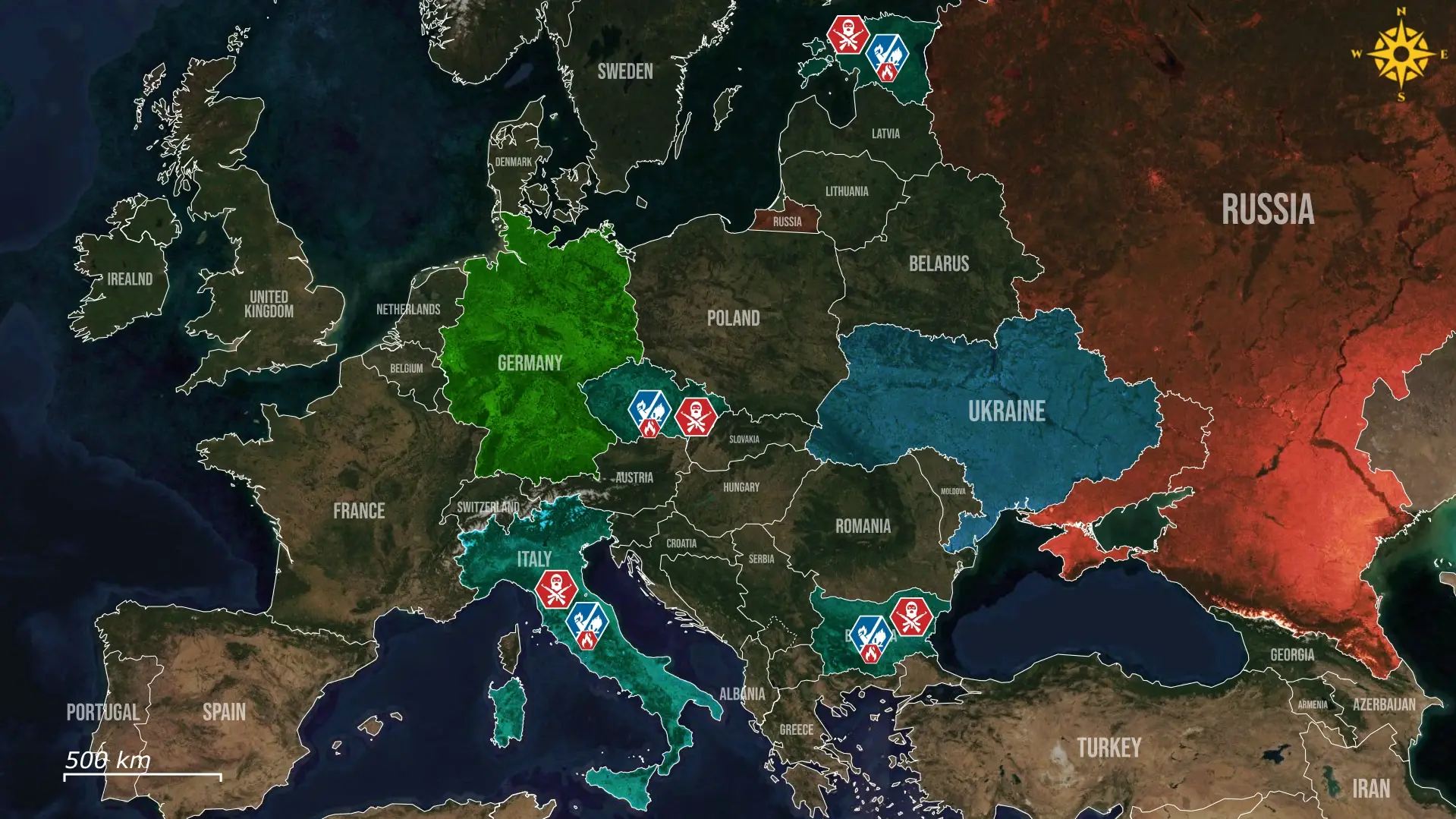
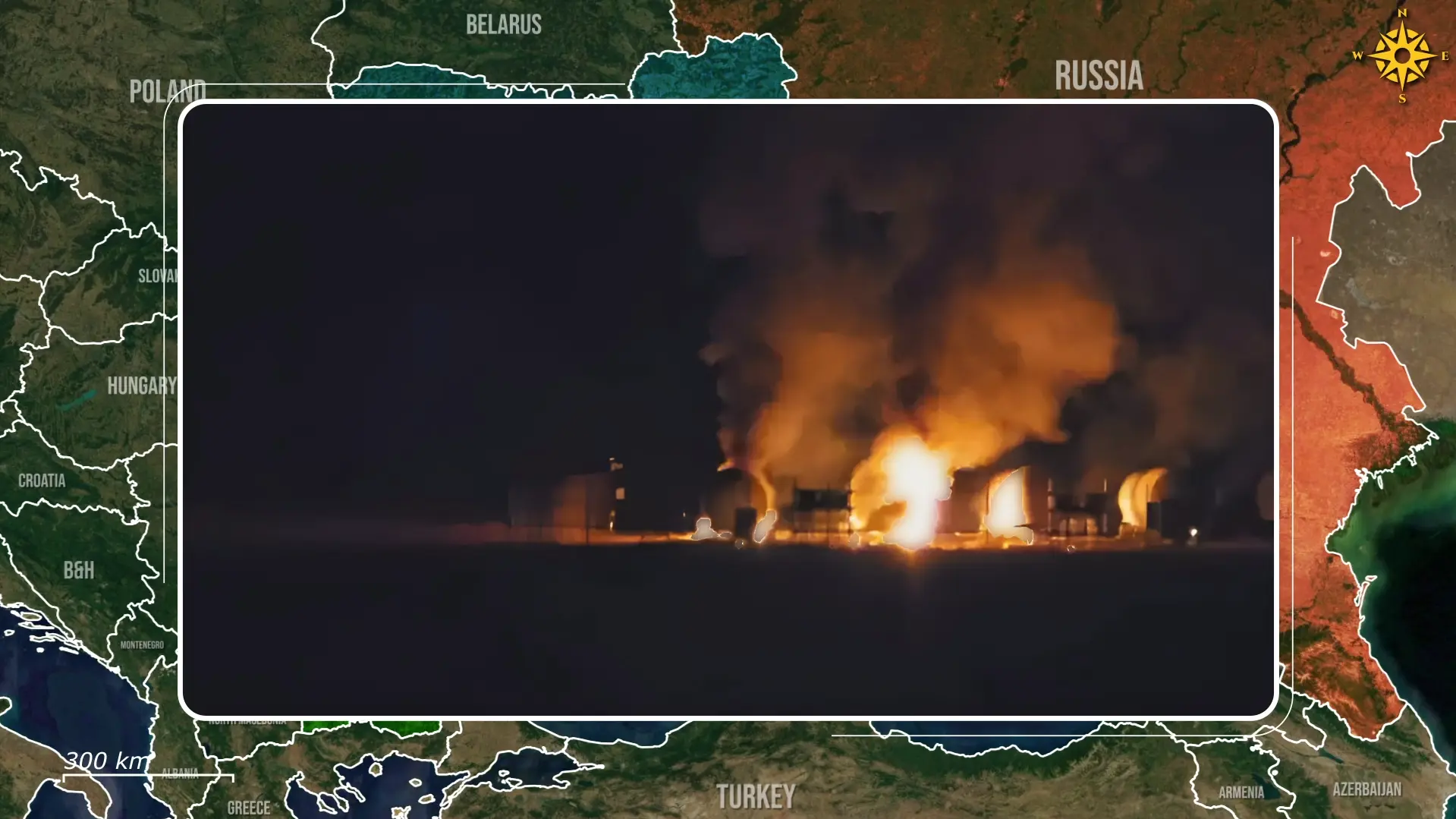
European factories are blowing up one by one as Russia appears to have launched a new wave of sabotage operations across the continent. In recent weeks, suspicious fires and explosions have struck defense and ammunition facilities in Estonia, the Czech Republic, Bulgaria, and Italy, raising growing concerns that Moscow is deliberately targeting Europe’s military industry. Investigators believe the Kremlin is increasingly relying on local criminal networks to carry out these attacks, allowing Russia to operate below the threshold that could trigger a direct Nato response under article five.
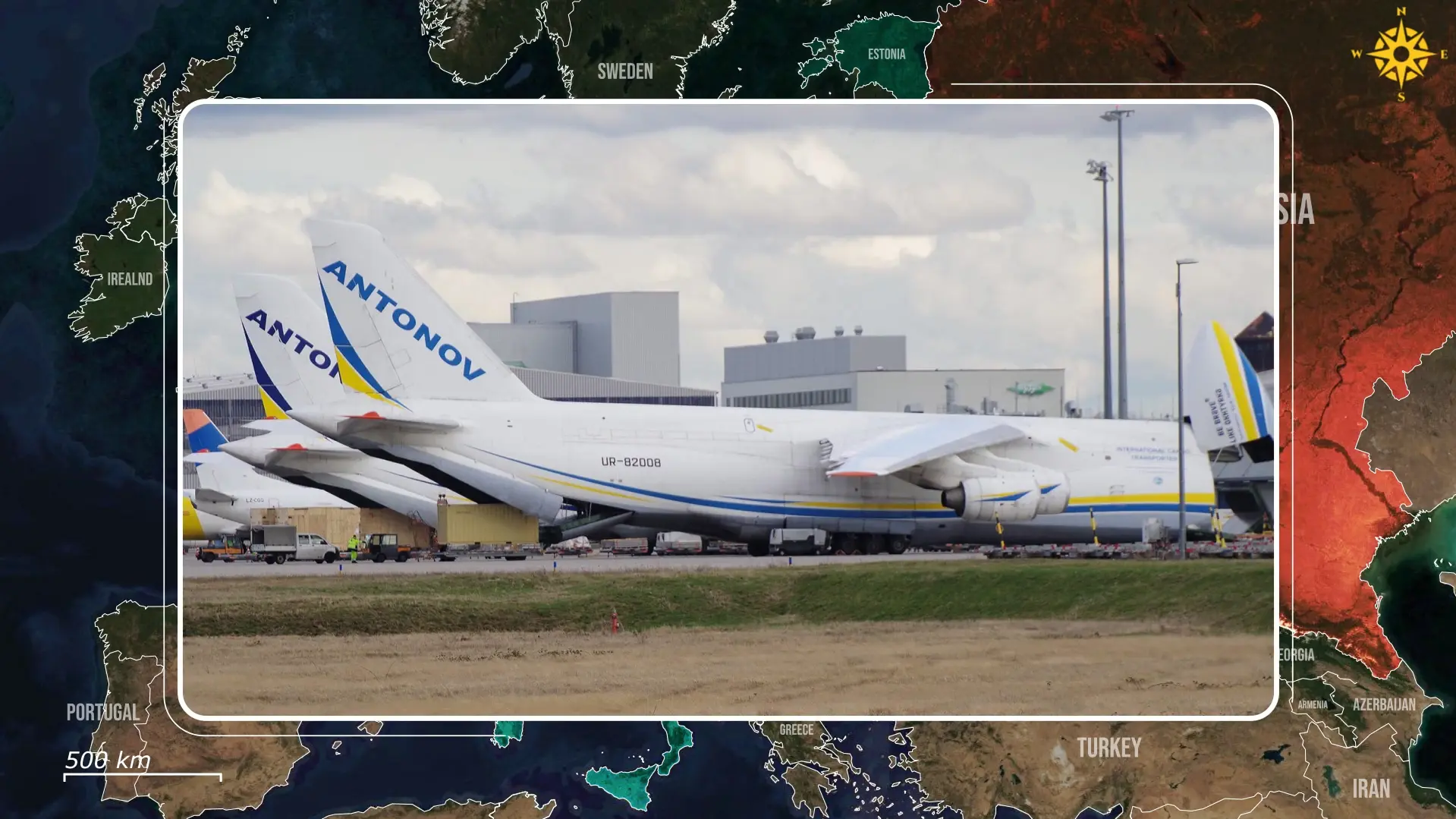
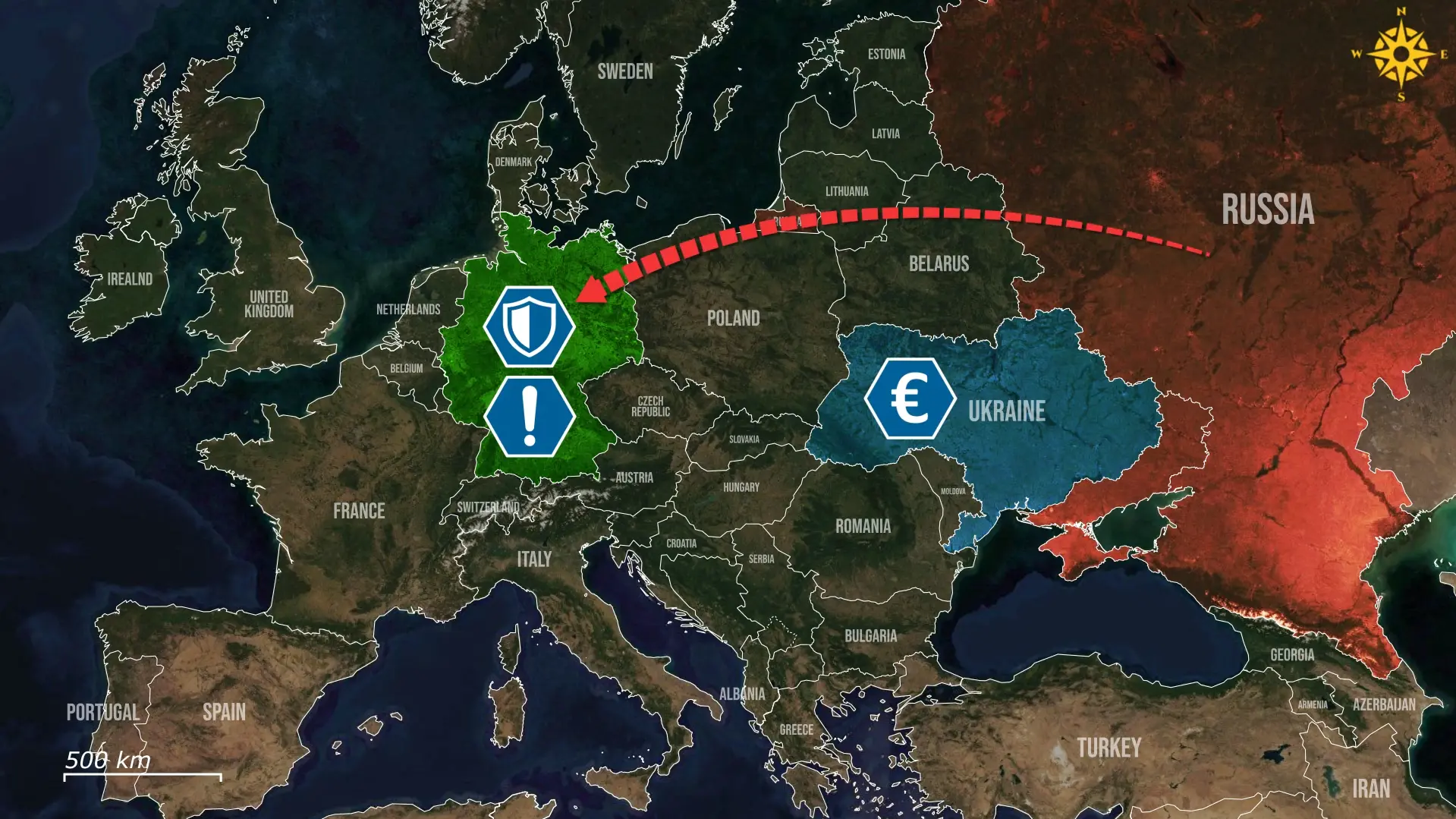
However, Berlin is preparing to formally blame Russia for an attempted drone attack at Leipzig Airport. On the fifth of August, an explosive-laden drone was discovered among Ukrainian Antonov cargo aircraft at the airport, which was carrying ammunition for Ukraine. Investigators concluded that the drone’s configuration, components, explosives, and detonation system pointed to Russian origins. The drone was specially modified to evade airport security, but its detonator malfunctioned, failing to blow up the Ukrainian plane. Authorities later found two additional drones nearby, which they defused before they could be used. Because Leipzig airport also serves German and Nato military logistics, the incident represents a major escalation, which is why Germany was determined not to stay silent about the attack.
However, in order to intimidate Germany and persuade them to stay silent, Putin referred to World War two. Notably, Putin marked September one, the anniversary of the start of World War two, by calling for the world to exclude any provocation of armed conflicts from international practice. He said he was convinced their work was moving in that direction, meanwhile, in reality, Russia continues its war against Ukraine.
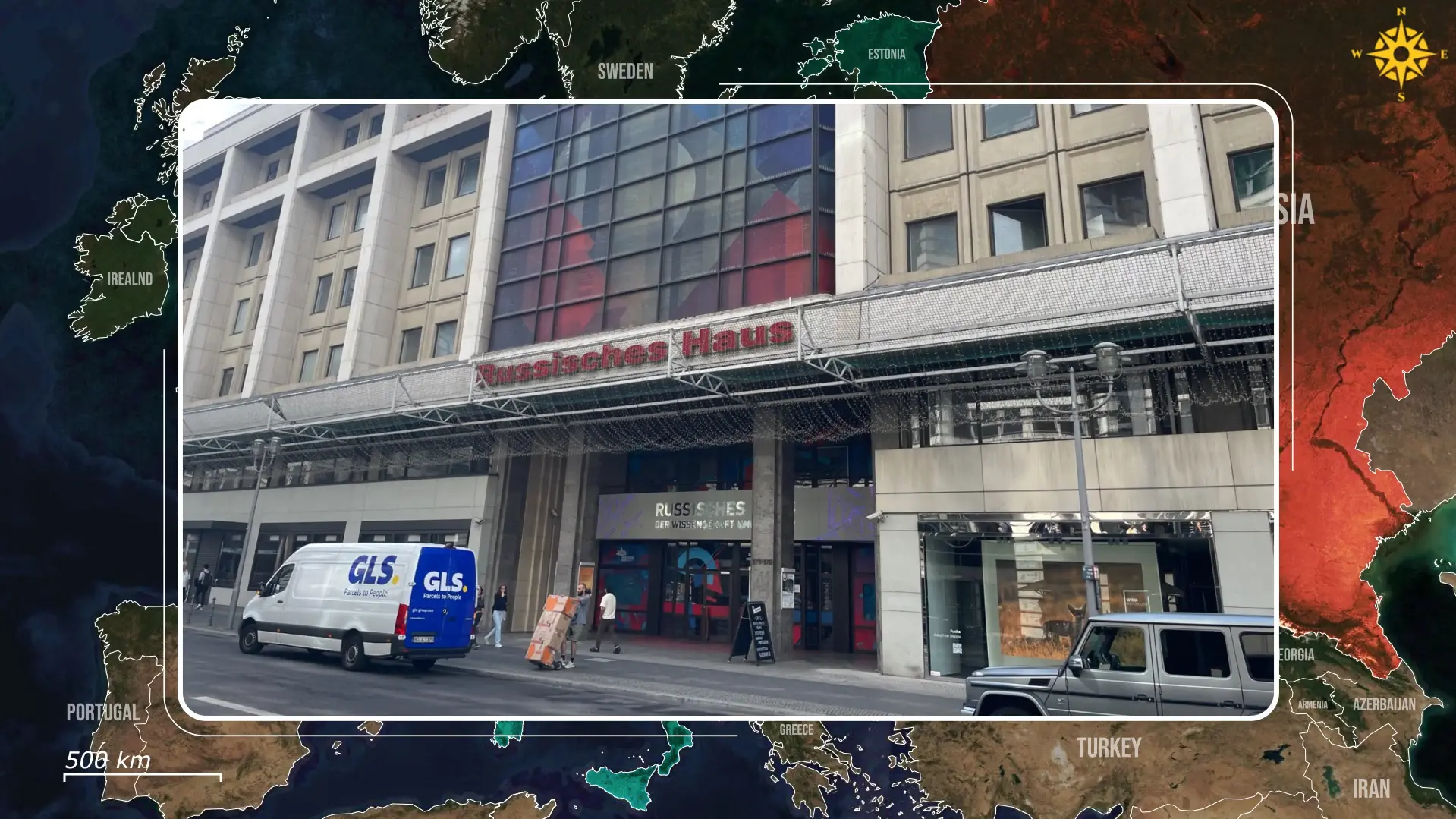
Despite Putin’s remarks, Germany didn’t back down and announced a set of measures targeting Russia. Germany formally accused Russia of orchestrating a drone attack on Leipzig Airport and closed the Russian consulate in Bonn. The agreement governing the activities of the Russian House in Berlin has also been terminated, and Germany will tighten border controls for Russian citizens entering the country.
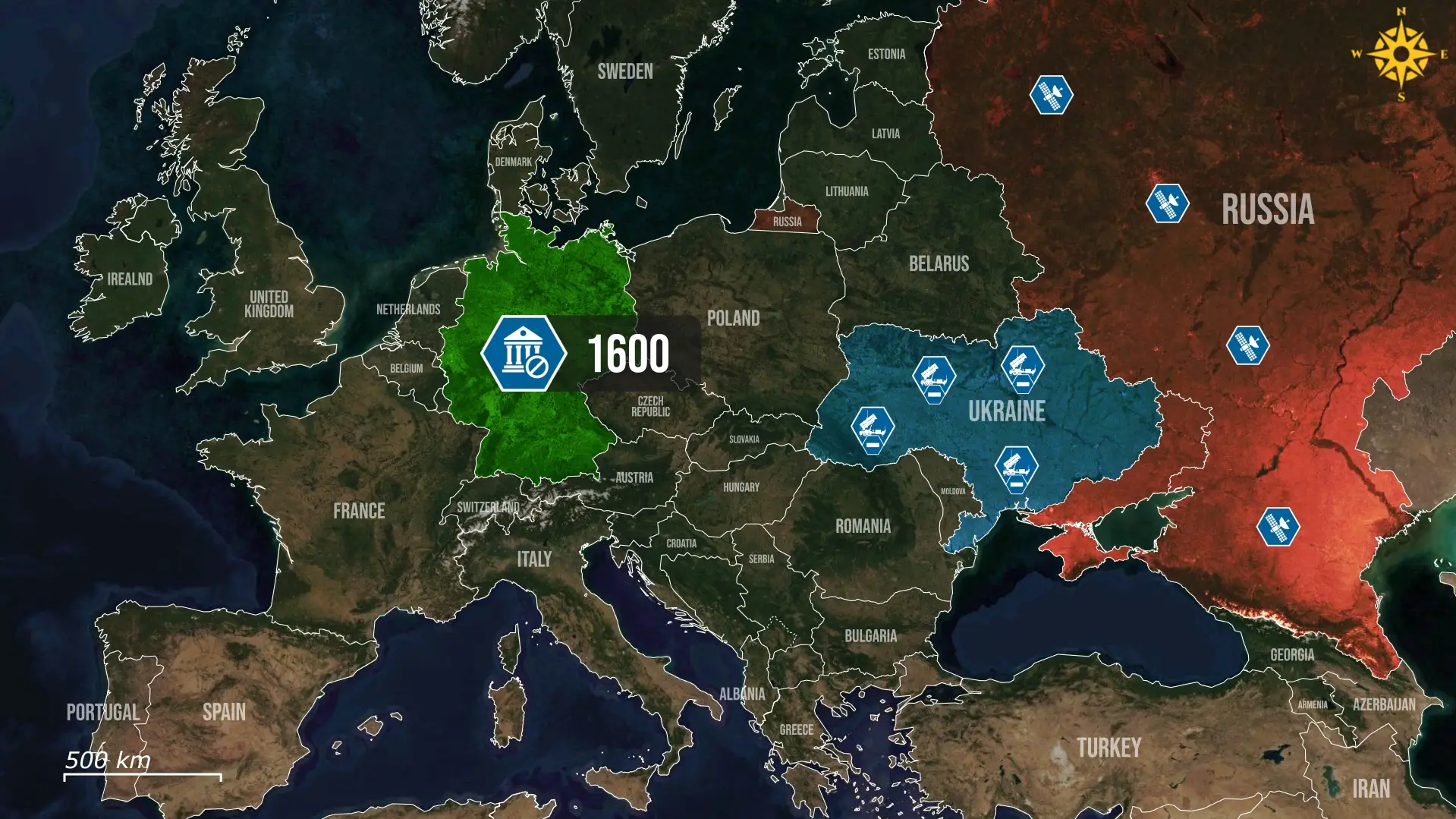
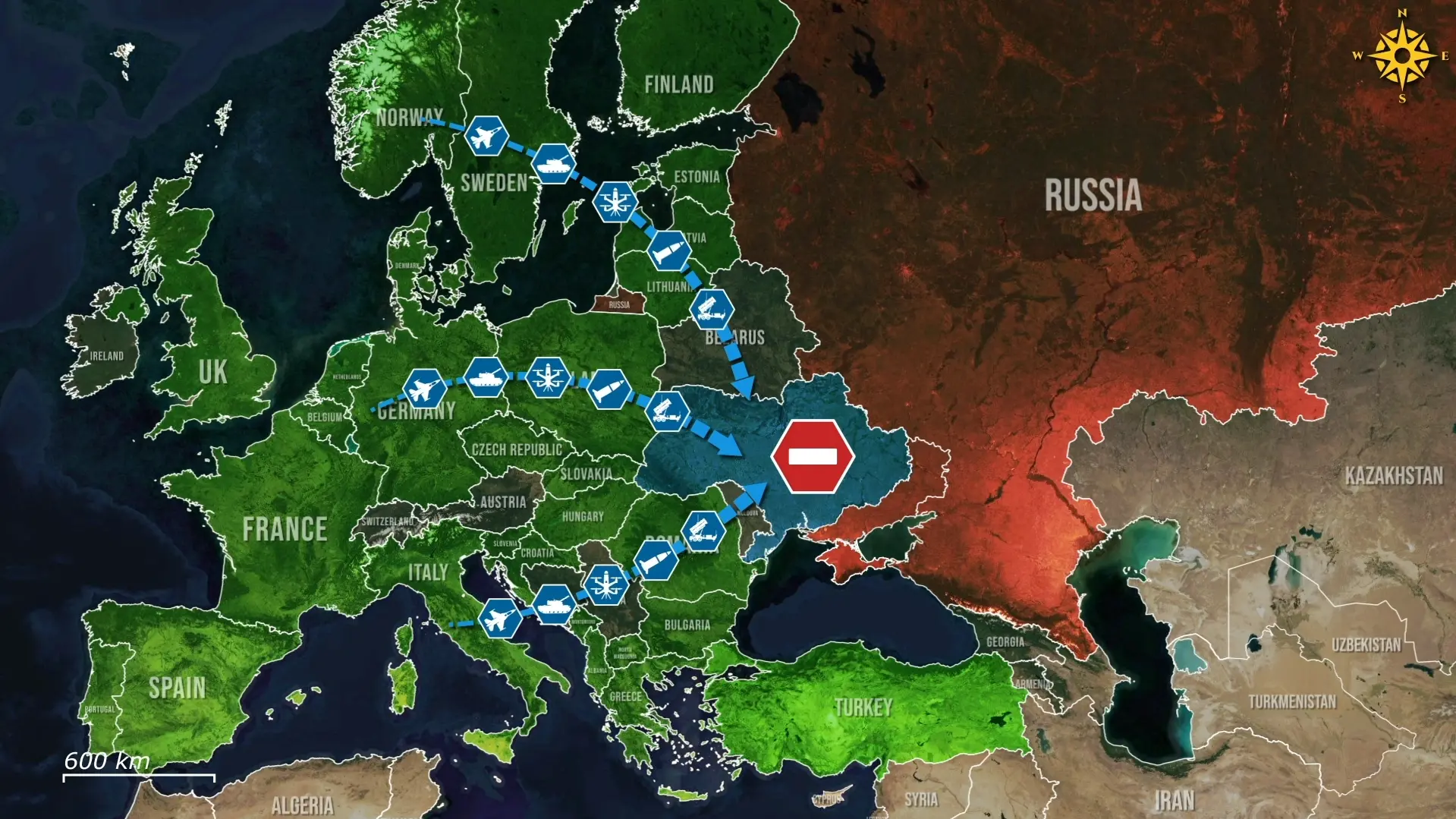
These measures aim to prevent Russian spies and intelligence officers from entering Germany disguised as civilians or under diplomatic cover. Berlin is also considering tougher sanctions on Russia, while the European Union is preparing a broader sanctions package. As a result of the preparations, EU member states have already received a proposal to sanction another one thousand and six hundred Russian individuals and entities. Additionally, Kyiv will receive additional Iris-T air defense missiles in September and several thousand strike drones in the near future. This will strengthen Ukraine’s air defenses before the winter and help to alleviate the pressure that the chronic interceptor shortage causes. Germany also plans to strengthen intelligence cooperation with Ukraine as part of its response to the incident.
As a response to these measures, Russians are now openly calling for strikes on German factories after Berlin accused Moscow of orchestrating the Leipzig Airport drone attack. Dmitry Medvedev threatened direct attacks on German military production facilities and even suggested that other places in Berlin could become targets. At the same time, Russian Foreign Minister Sergey Lavrov issued another warning, saying Moscow will consider European involvement in Ukrainian strikes against Russia as direct participation in the war. He claimed Nato and European Union countries are already trying to distance themselves from responsibility. With Moscow openly threatening European targets, the message is clear as Russia is signaling that further escalation is coming and Europe should prepare.
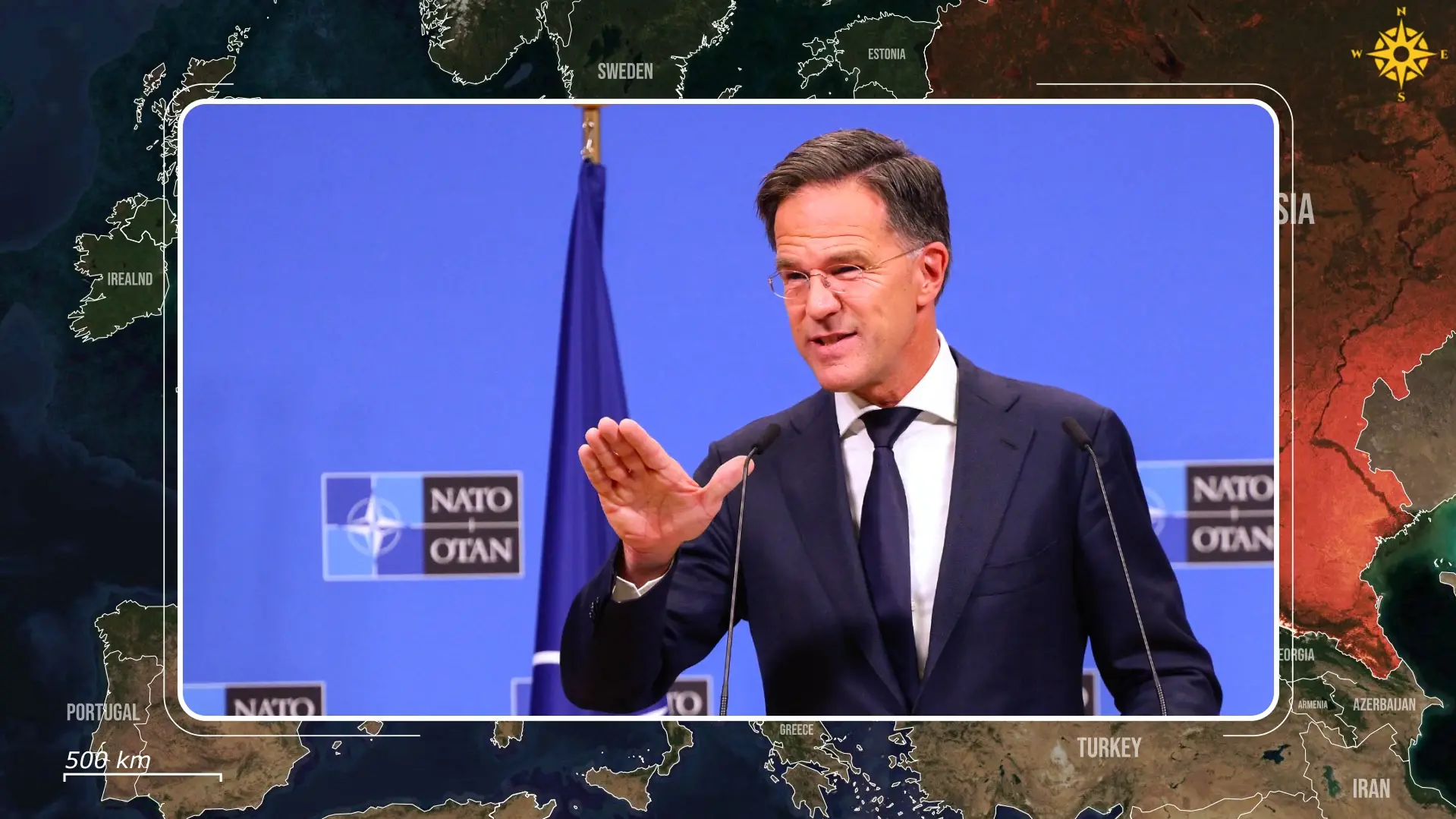
Overall, what is happening now goes beyond isolated acts of sabotage as Russia is testing how far it can pressure Europe without triggering a direct military confrontation, while Europe is slowly moving from warnings to retaliation. Germany’s response shows that this strategy is producing the opposite result because instead of backing down, European countries are strengthening cooperation with Ukraine and tightening defenses. If Moscow continues escalating, the real danger for them is that these hybrid attacks could gradually turn into a much broader confrontation and even more aid for Ukraine.

.jpg)

Comments