

.svg)
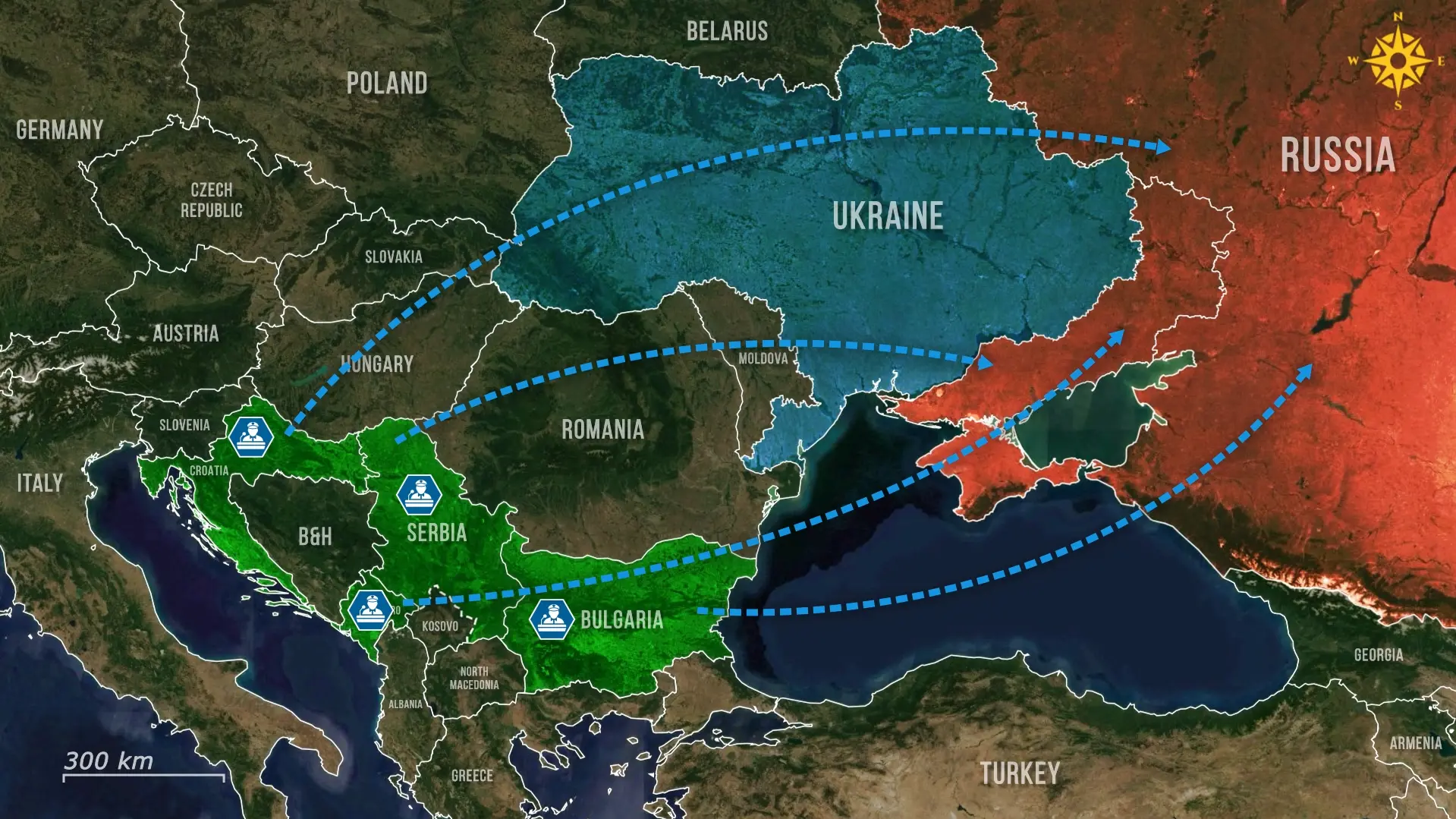
Balkan countries that disagree sharply over Russia and the war are nevertheless helping keep Ukraine armed, often through arrangements that receive little public attention and allow governments to avoid taking full political responsibility. Behind the region’s divided politics, weapons, ammunition, drone technology, and military expertise continue moving toward Ukraine, turning the Balkans into a more important part of the war effort than the public positions of its governments would suggest.
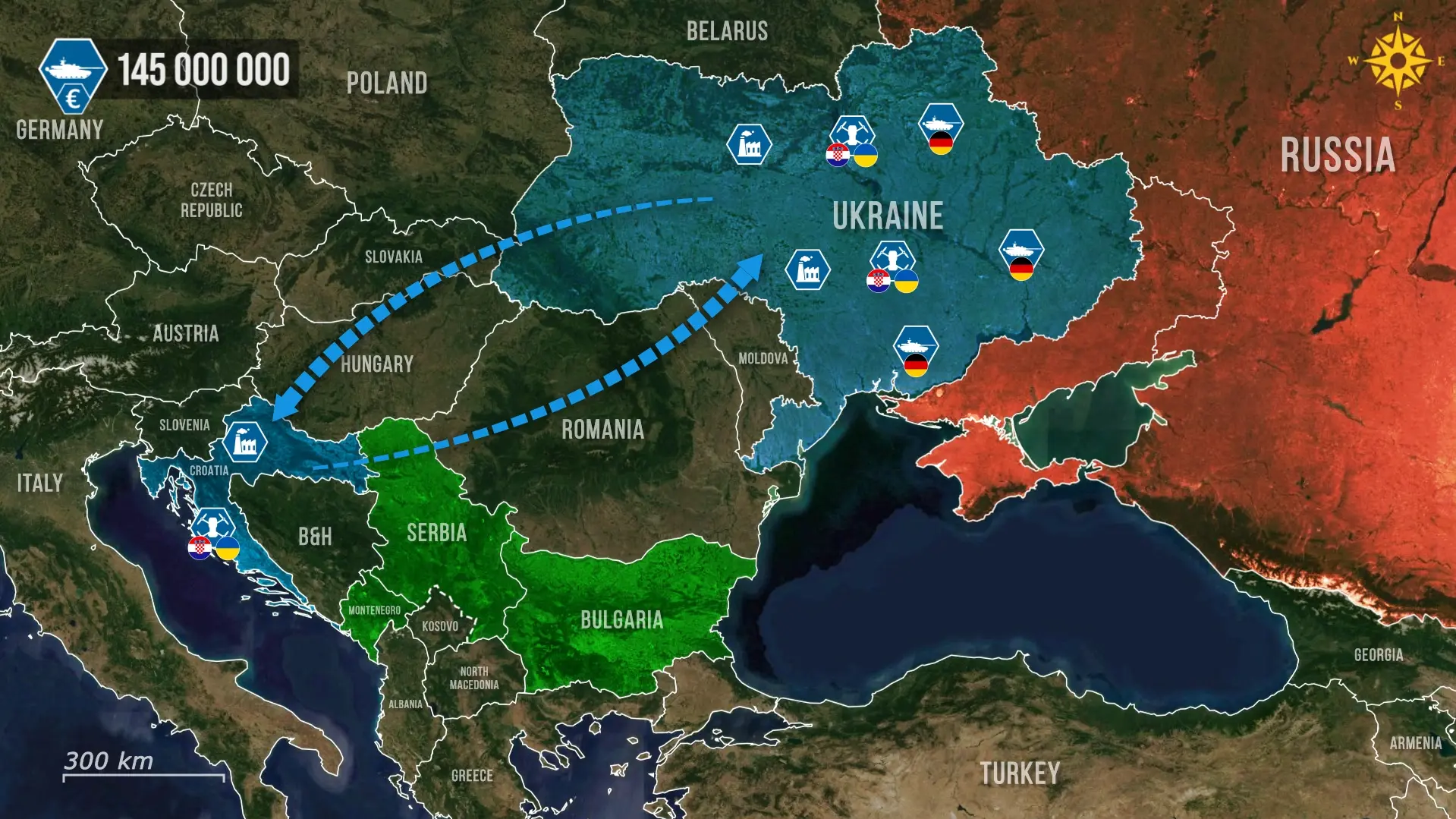
Croatia has taken one of the most direct approaches to supporting Ukraine among the Balkan states. In late two thousand twenty four, Zagreb transferred tanks and infantry fighting vehicles to Ukraine, together with spare parts and ammunition, under an arrangement with Germany. The transfer was valued at about 145 million euros. Croatia has also moved beyond equipment deliveries by developing closer defense-industrial ties with Ukraine. In two thousand twenty five, Croatia and Ukraine expanded cooperation between their defense industries, with Croatian and Ukrainian companies working toward joint production of drones and related components. In two thousand twenty six, Croatian company Orqa and Ukrainian manufacturer General Cherry launched joint drone component production in both countries. Croatia’s role is therefore shifting from transferring equipment already in its stocks toward helping Ukraine expand its own defense production capacity, particularly in the rapidly developing drone sector.
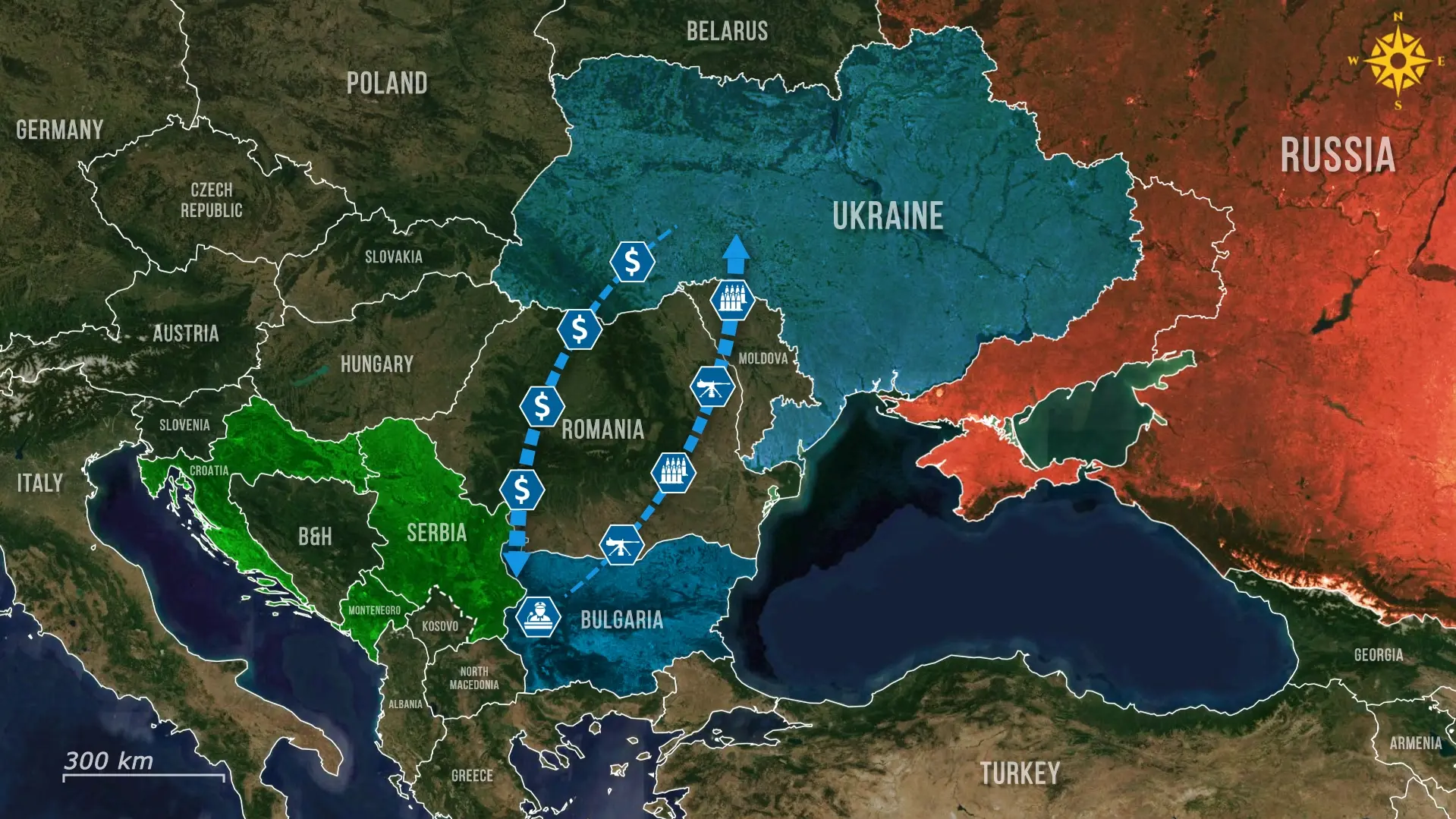
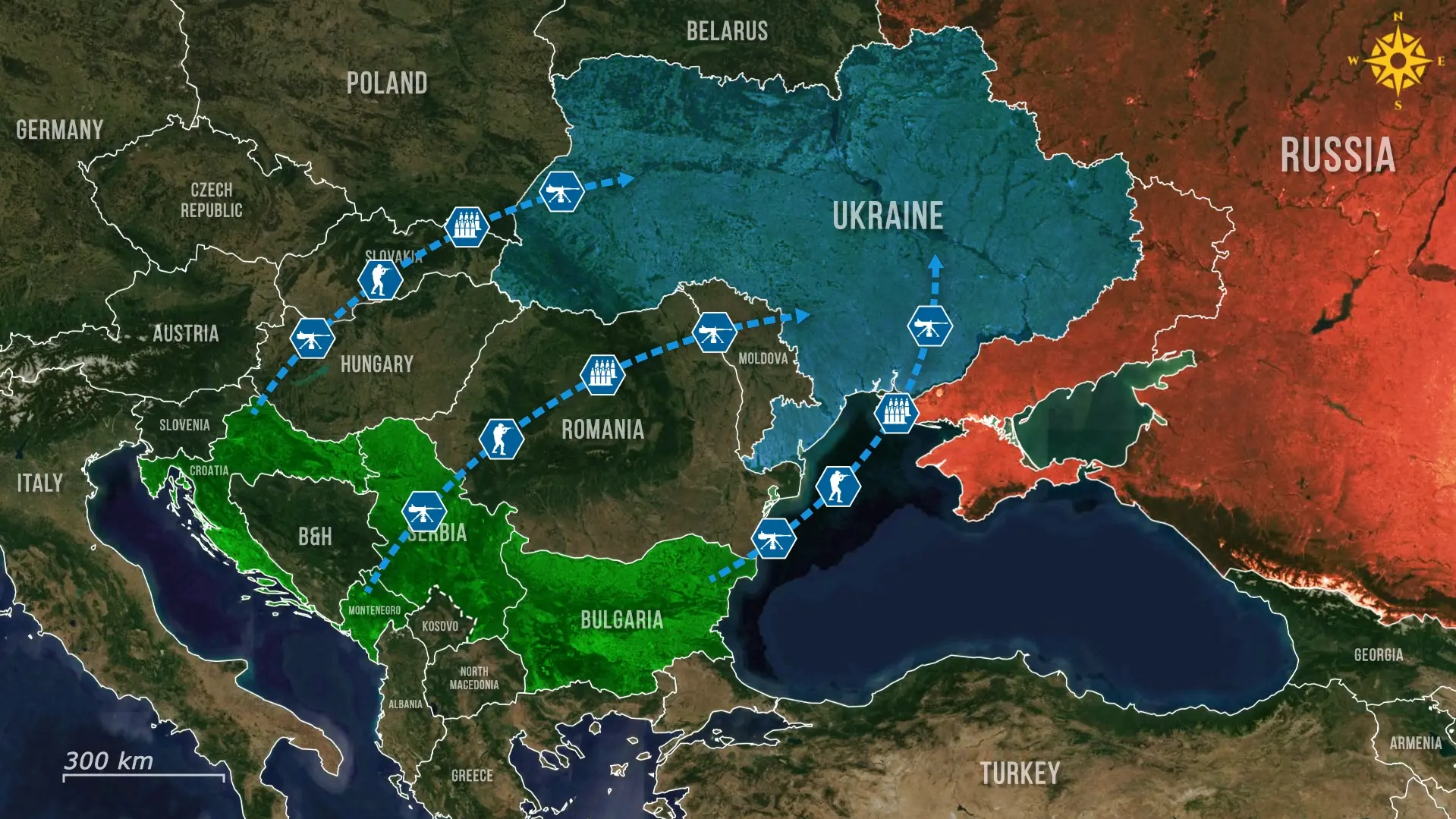
Bulgaria became an important source of weapons and ammunition despite political divisions in Sofia initially making direct deliveries controversial. In two thousand twenty two and two thousand twenty three, Bulgarian weapons were largely exported through intermediaries and neighboring countries, such as Romania, before reaching Ukrainian forces. This allowed Bulgaria’s defense industry to support Ukraine without openly presenting the country as a direct supplier. The policy later became more explicit, with Bulgaria approving military aid packages containing weapons and ammunition, while direct exports to Ukraine increased sharply. In June two thousand twenty six, Bulgaria halted further donations from army stocks, but its commercial defense industry can still sell ammunition to Ukraine, preserving the country’s role as an important source of military supplies.
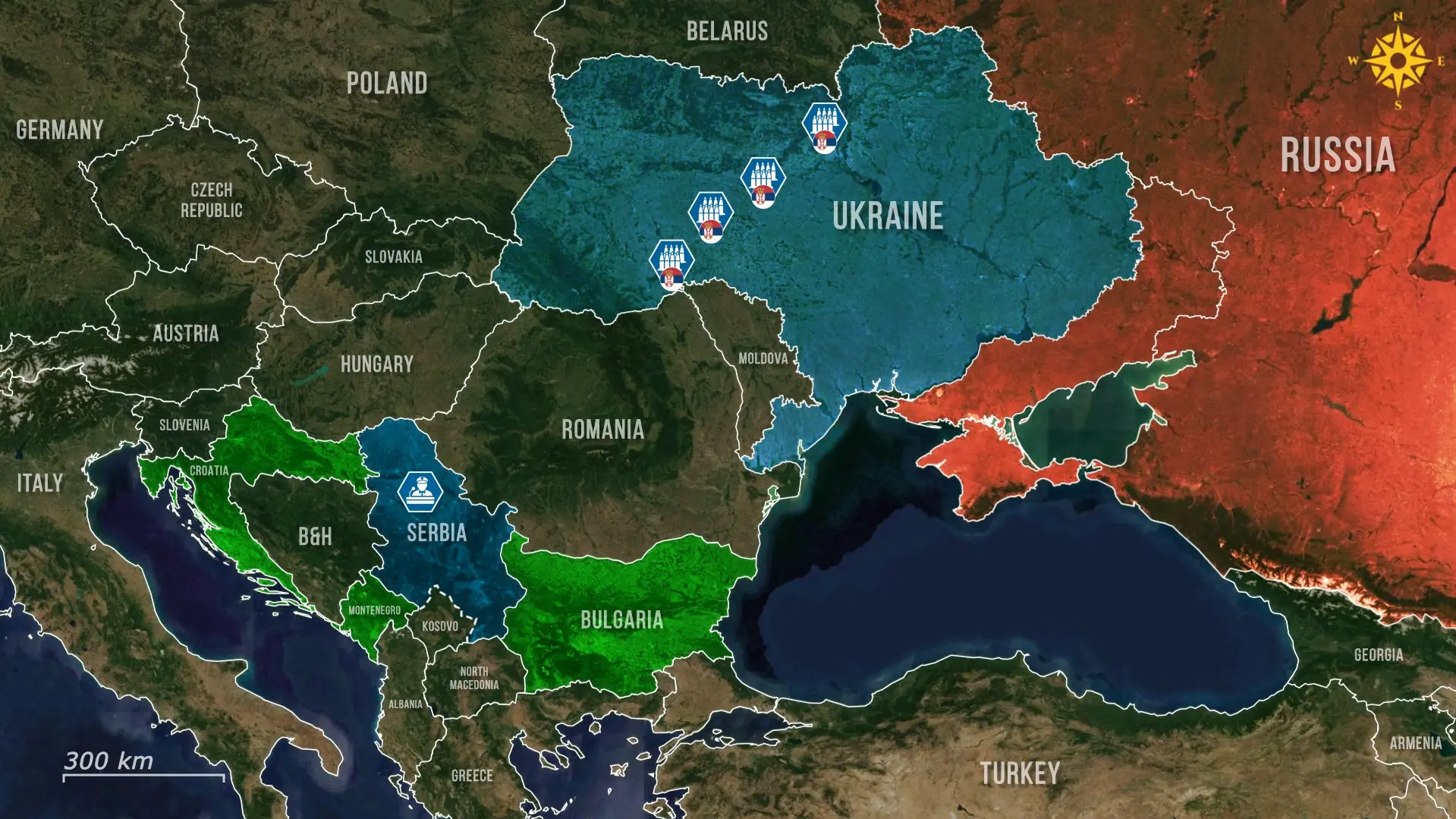
Serbia maintains an officially neutral position on the war and avoids presenting itself as a direct supplier to Ukraine. Belgrade has refused to join Western sanctions against Russia while continuing to sell Serbian made ammunition to foreign buyers. However, much of this ammunition appears to reach Ukrainian forces through intermediaries. A two thousand twenty four Financial Times investigation estimated that Serbian ammunition worth around eight hundred million euros had reached Ukraine indirectly since two thousand twenty two. Serbia says it sells legally to countries such as the Czech Republic, Poland and other buyers, leaving their final use to those governments, while Russian authorities have accused Serbia of supplying Ukraine through intermediaries. This arrangement allows Ukrainian forces to access Serbian produced ammunition without requiring Belgrade to openly abandon its stated policy of neutrality.
Montenegro has a much smaller defense industry than Croatia, Bulgaria or Serbia, limiting its ability to provide large quantities of weapons and ammunition. Its contribution to Ukraine therefore relies more heavily on military training and participation in allied missions. Montenegro has provided military assistance since two thousand twenty two and later joined Nato’s Security Assistance and Training for Ukraine framework. In November two thousand twenty five, its parliament approved the deployment of Montenegrin personnel to help train Ukrainian forces in Nato member states. Through this mechanism, Montenegro contributes to building Ukraine’s military capacity rather than providing large quantities of equipment itself.
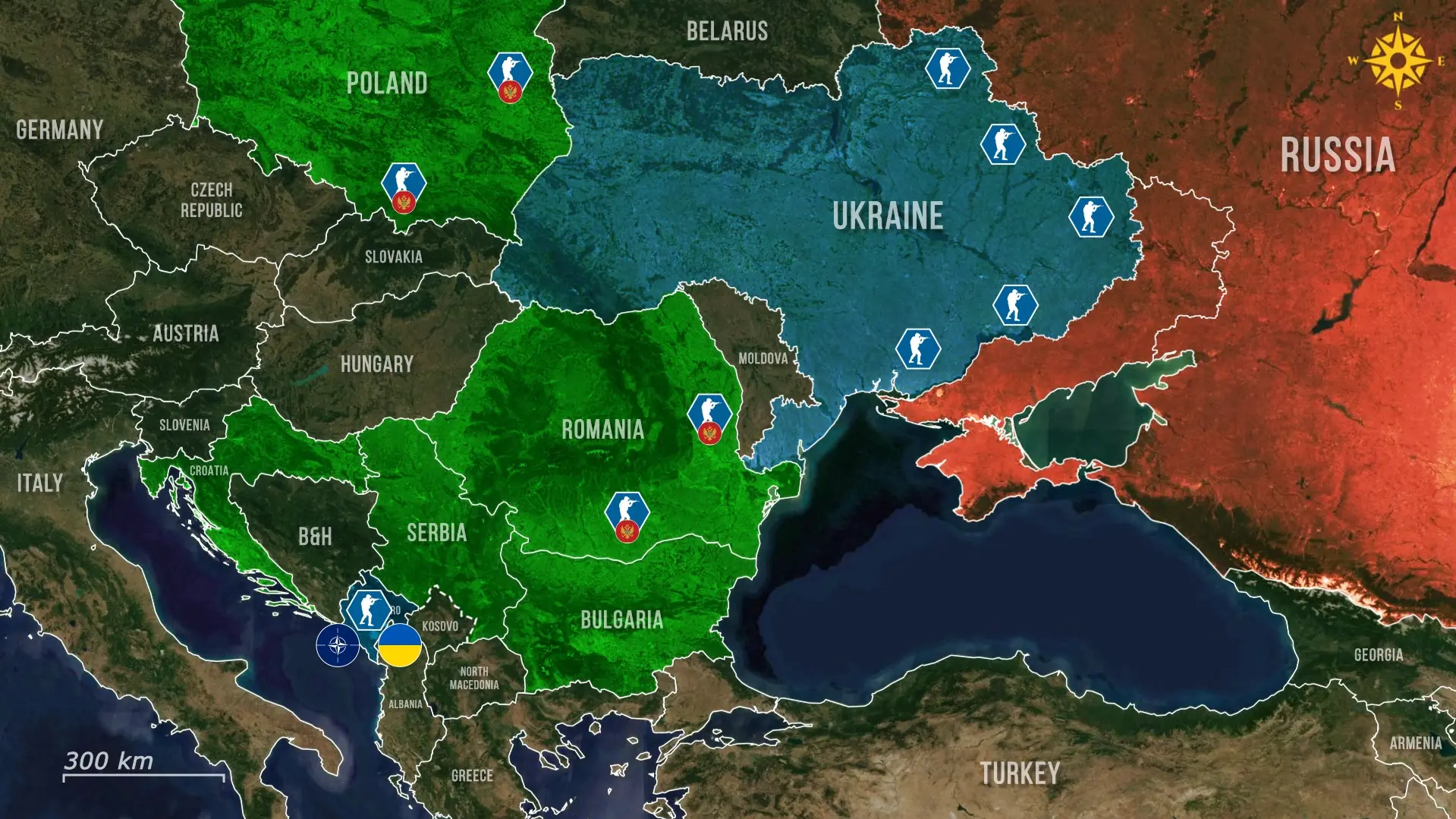
Overall, the importance of Balkan support lies in its distributed nature, as assistance reaches Ukraine through separate channels that can continue operating even when individual governments reduce direct military aid. This makes the wider network more resilient, because commercial ammunition sales, defense industrial partnerships, and military training can sustain support when government held stockpiles or political willingness to donate decline. As existing weapon stocks across Europe are gradually depleted, Ukraine will depend increasingly on continuous production and a steady supply of trained personnel to maintain its military capabilities. The Balkans can therefore remain a lasting component of Europe’s military supply system, with their defense industries and armed forces contributing to Ukraine’s ability to sustain the war over the longer term.
.jpg)

Comments