

.svg)
Today, the biggest news comes from the Pokrovsk direction.
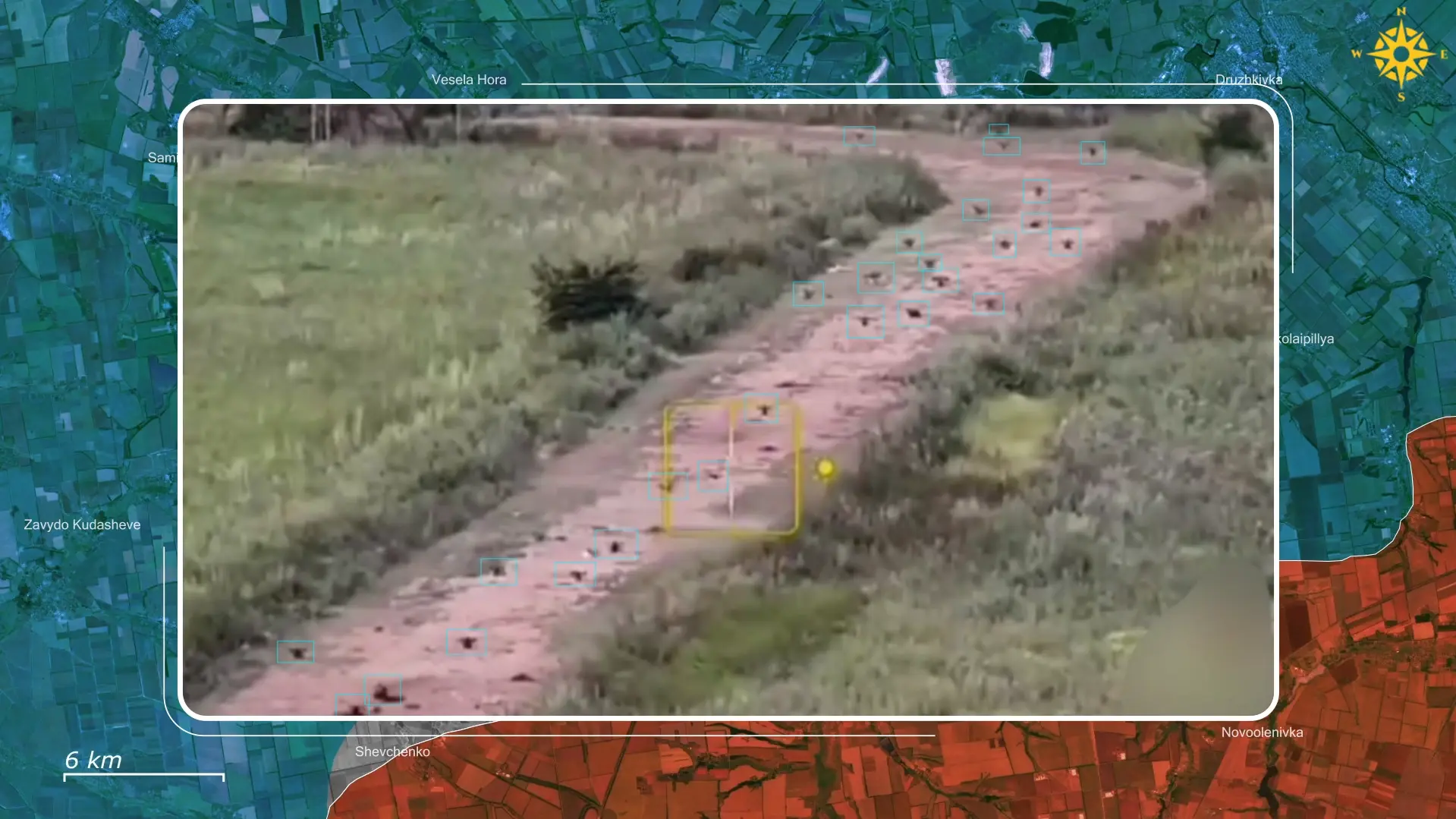
Recently released footage by the Ukrainian Rubizh brigade shows a small stretch of land filled to the brim with killed Russian soldiers. The brigade states that Russian forces have tried to infiltrate the area in small groups but are consistently failing to make any progress. The unit reports that in this small area alone, they have killed over one-hundred enemy Russian soldiers.
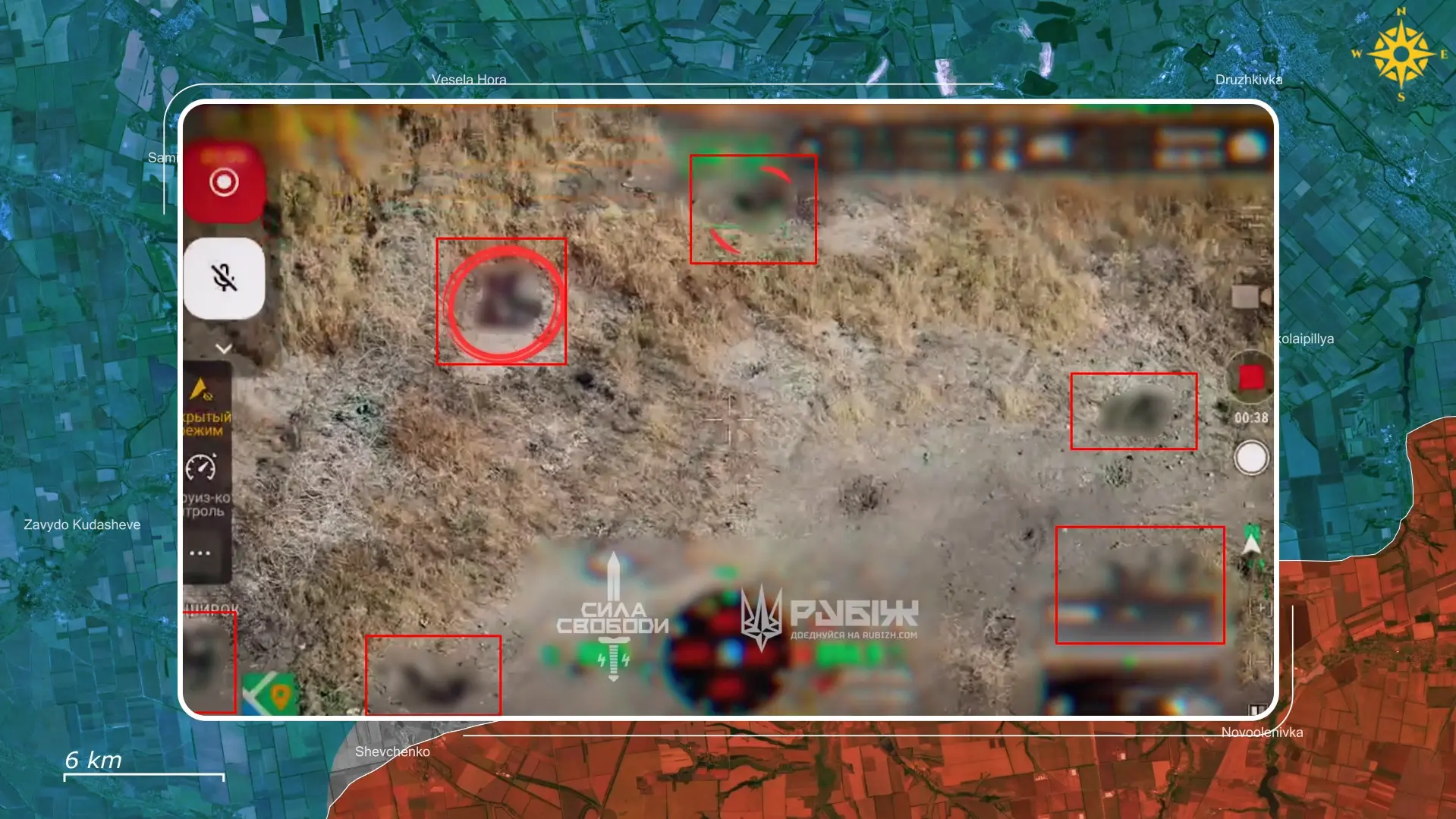
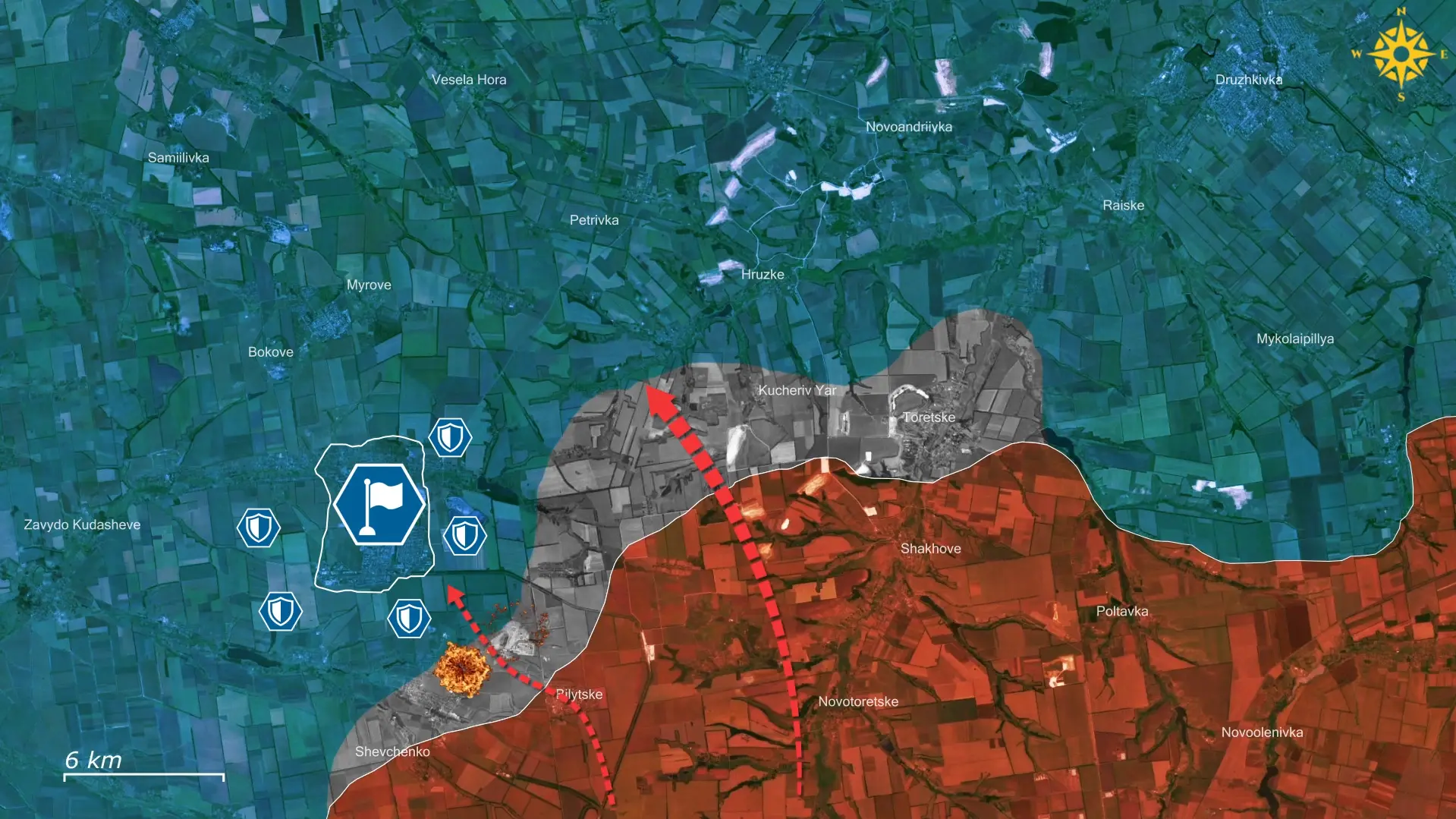
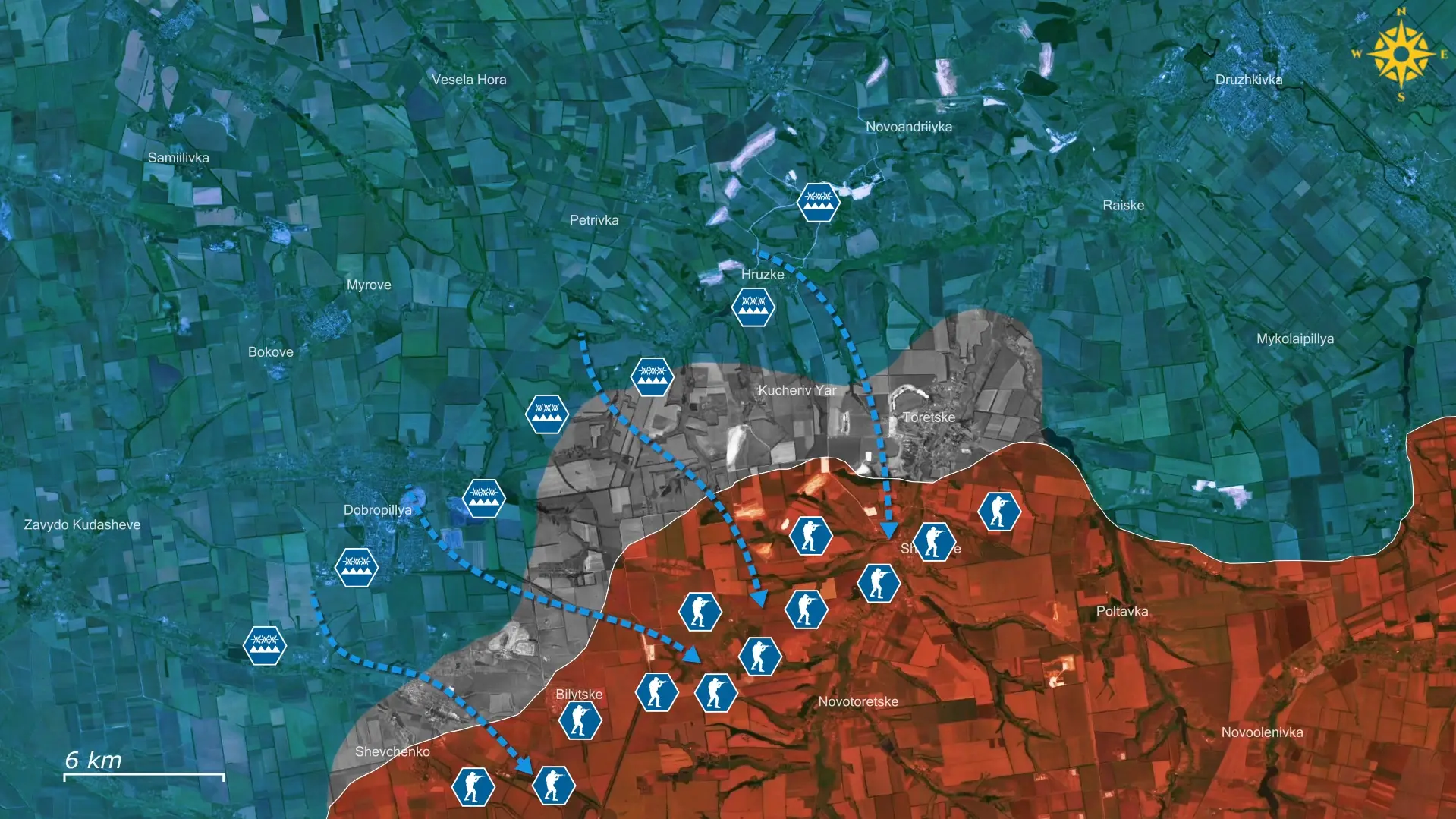
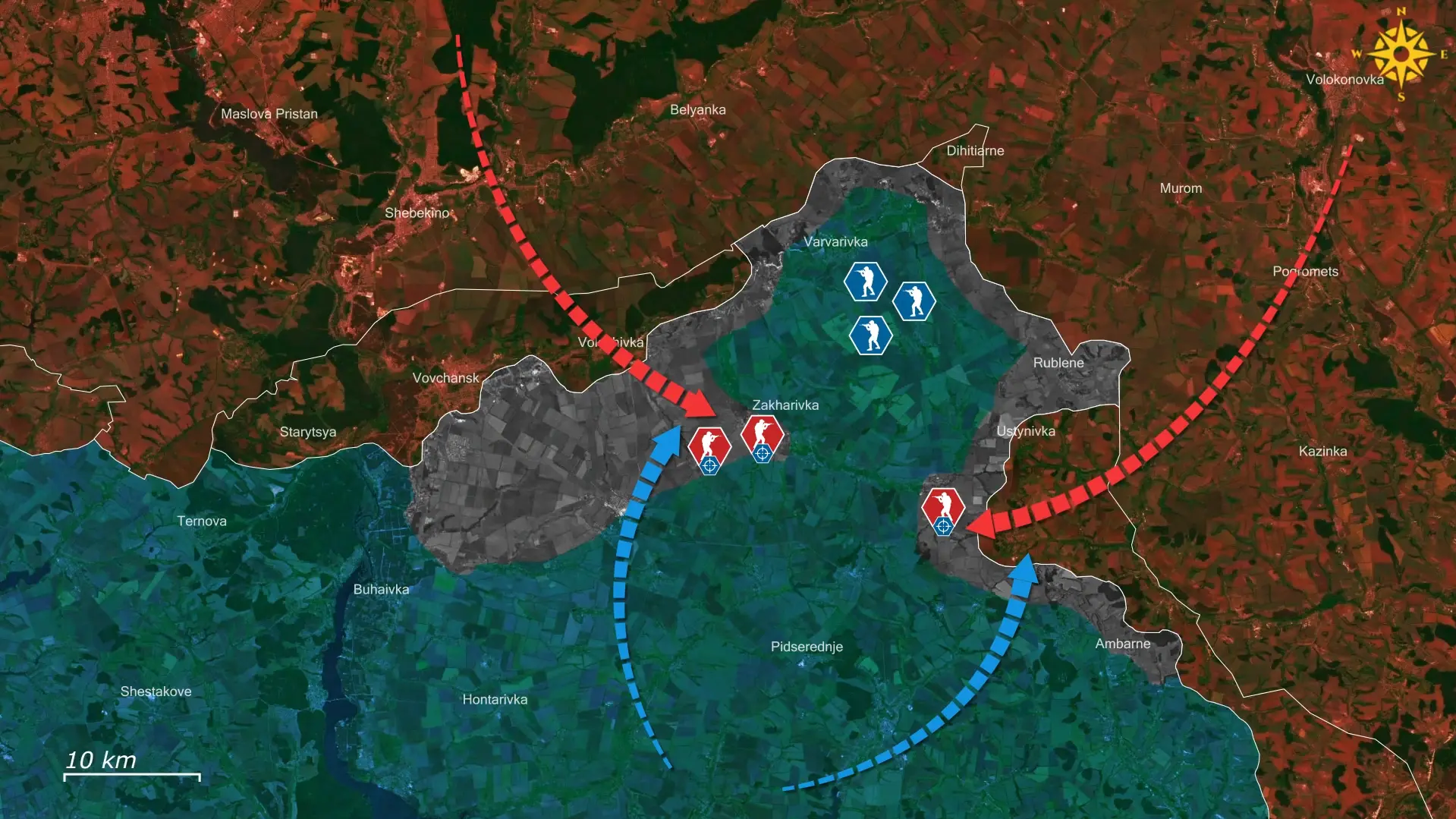
For the past six months in this sector, Russians have been repeatedly trying to penetrate deeper into Ukrainian lines and again break through the Ukrainian defense line. Doing so would move them closer to surrounding Dobropillia from the east, the last major Ukrainian stronghold in Western Donetsk. After failing to break into Dobropillia from the south directly, Russians see outflanking as their only viable option left, outside of overcommitting all of their reserves and leaving nothing left to take advantage of the breakthrough.
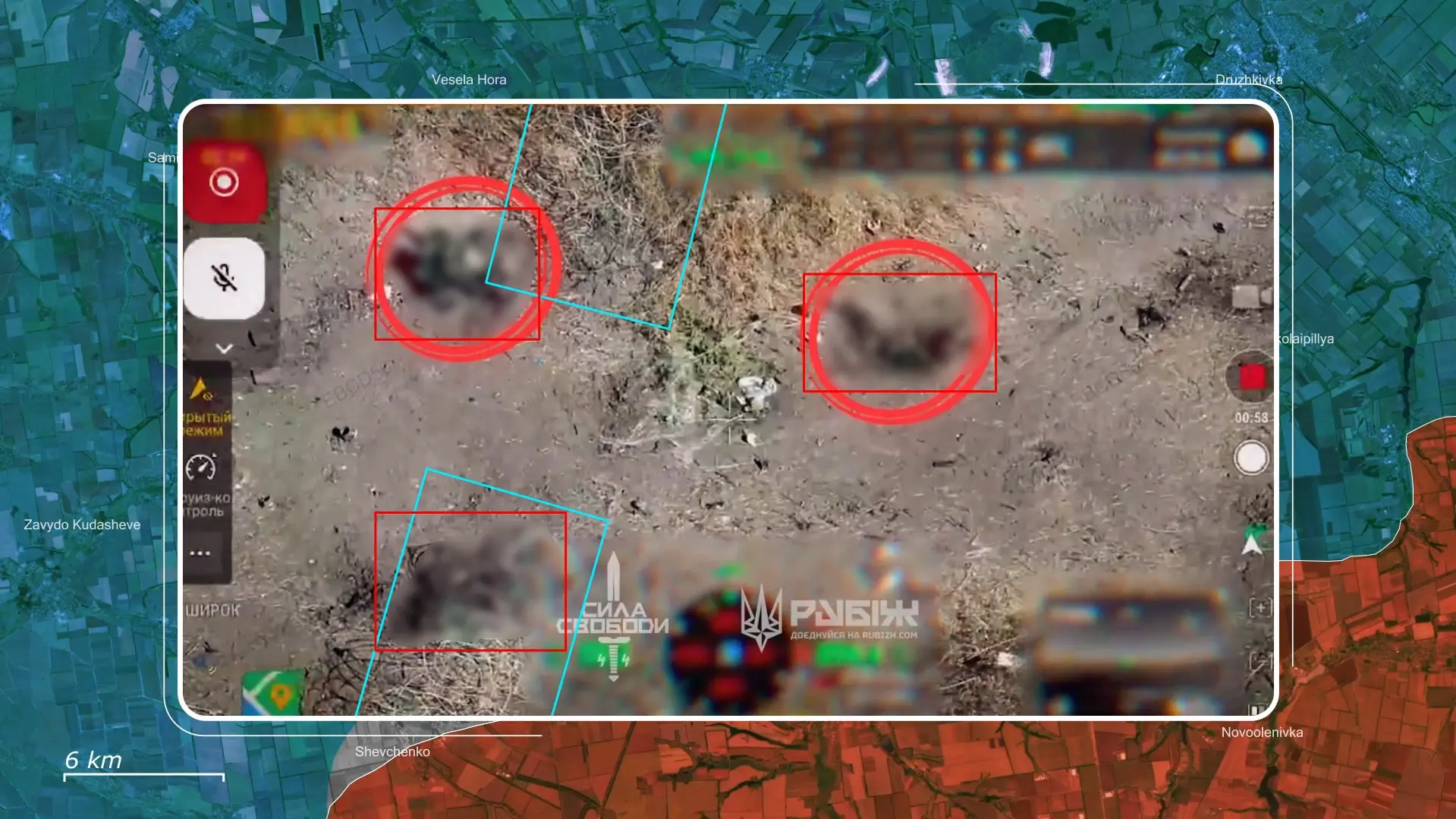
However, in the video shared by the Rubizh brigade, we can see exactly why the Russians are failing here on the flanks. The footage shows that the killed Russian soldiers are piled up against lines upon lines of concrete blocks and razorwire defenses. Interestingly enough, we can see in the footage that in trying to cut open a path through the razor wire, Russian soldiers themselves created a narrow corridor that Ukrainians were able to concentrate their fire onto; inadvertently creating the exact kill zone that resulted in the disastrous losses for the Russians.
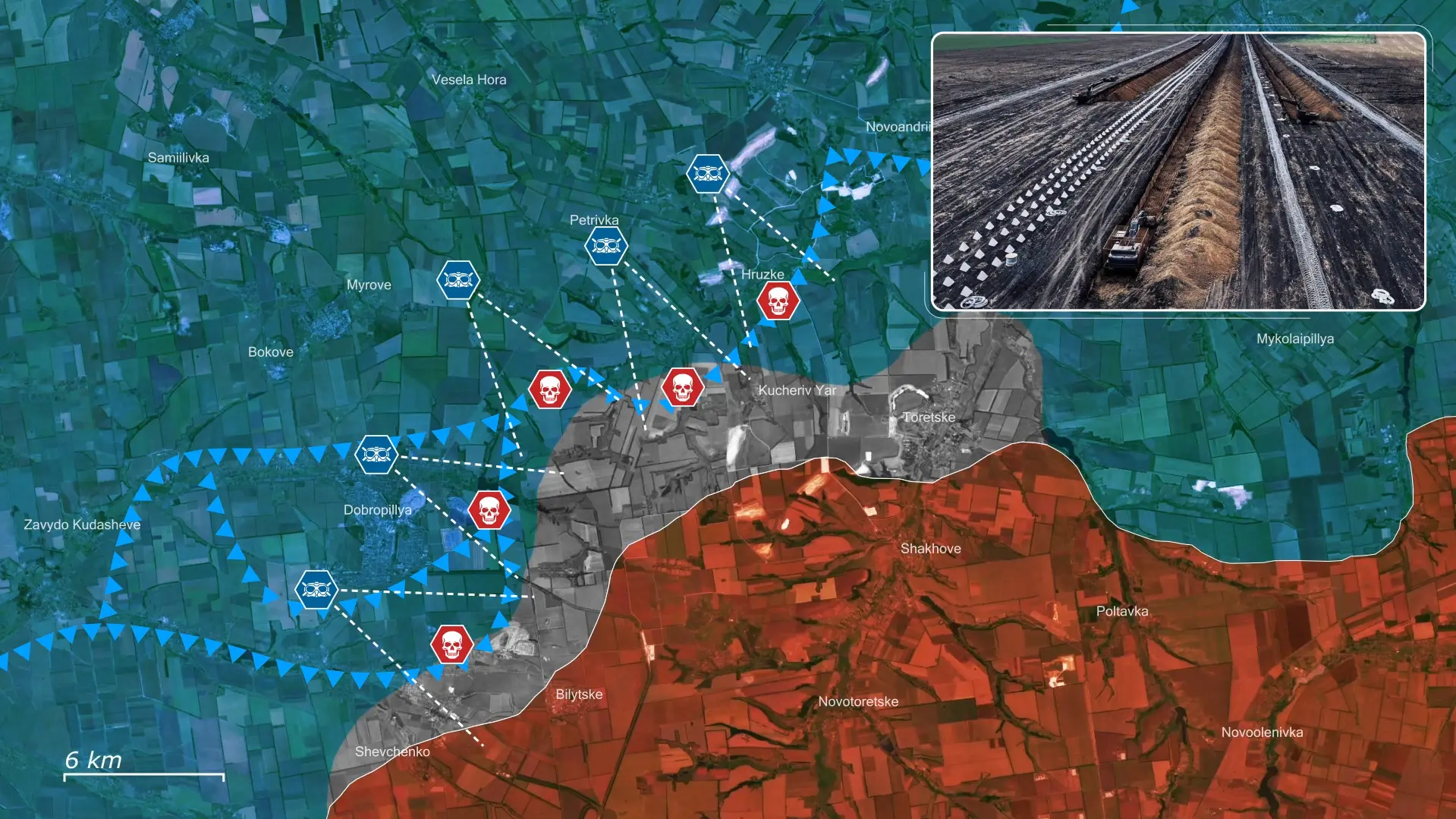
Namely, Ukrainians have constructed an extensive defensive line made up of engineering obstacles placed in depth. In some places, the line reaches as deep as six layers of barbed and razor wire, dragon’s teeth, and anti-tank ditches. All of these defenses are able to counter both Russian armored and infiltration assaults, meant to slow down and delay enemy movement to allow Ukrainian defenders the time to eliminate all of the threats. These areas where Russian movement is slowed down and concentrated to one spot are then exploited to the maximum effect and turned into killing fields. Footage shared by the Russian side last month already shows around one-hundred Ukrainian drones waiting in ambush along only a small stretch of road. These drones lay in ambush along viable and known Russian infiltration routes in standby mode to save battery, coming into action and striking the enemy soldiers once they come into view.
With the Azov Corps commander taking full responsibility for this sector, these Ukrainian tactics are being implemented with increasing frequency. Notably, Ukrainian forces report that when these tactics are applied correctly, they allow them to eliminate sixty Russian soldiers for every Ukrainian soldier lost in combat. These devastating losses in exchange for minimal territorial gains are gradually wearing out Russian reserves and combat capabilities, undermining Russian offensive posture and momentum as well as their defense. The undermining of Russian defensive posture through exhausting their manpower reserves is extremely important if we remember that currently the Skala assault regiment has been transferred to this sector, has been placed under Azov command, and is currently spearheading operations to unblock critical defensive positions in front of Dobropillia. Ensuring that Ukrainian defenses do not budge against Russian assaults ensures that Ukrainians have a secure staging ground to launch their counterattacks from, increasing the chances that Ukrainians will be able to turn the tide in the Pokrovsk direction as well.
Overall, Russians have failed to find a way into the Ukrainian fortress town of Dobropillia, and are losing hundreds of men in narrow chokepoints in trying to outflank it. Ukraine’s modernized engineering obstacles designed to counter exactly Russia’s most important tactics of mechanized assaults and infiltrations are proving extremely effective at holding the enemy at bay. As Russians are unlikely to admit that they are unable to advance, even more Russian reserves will be sacrificed in the Ukrainian kill zones north of Pokrovsk. As these losses accumulate to a breaking point, Ukrainians will be able to take advantage and retake the initiative in this sector as well, continuing a trend being seen in more and more places along the Ukrainian front lines.
.jpg)

Comments