

.svg)
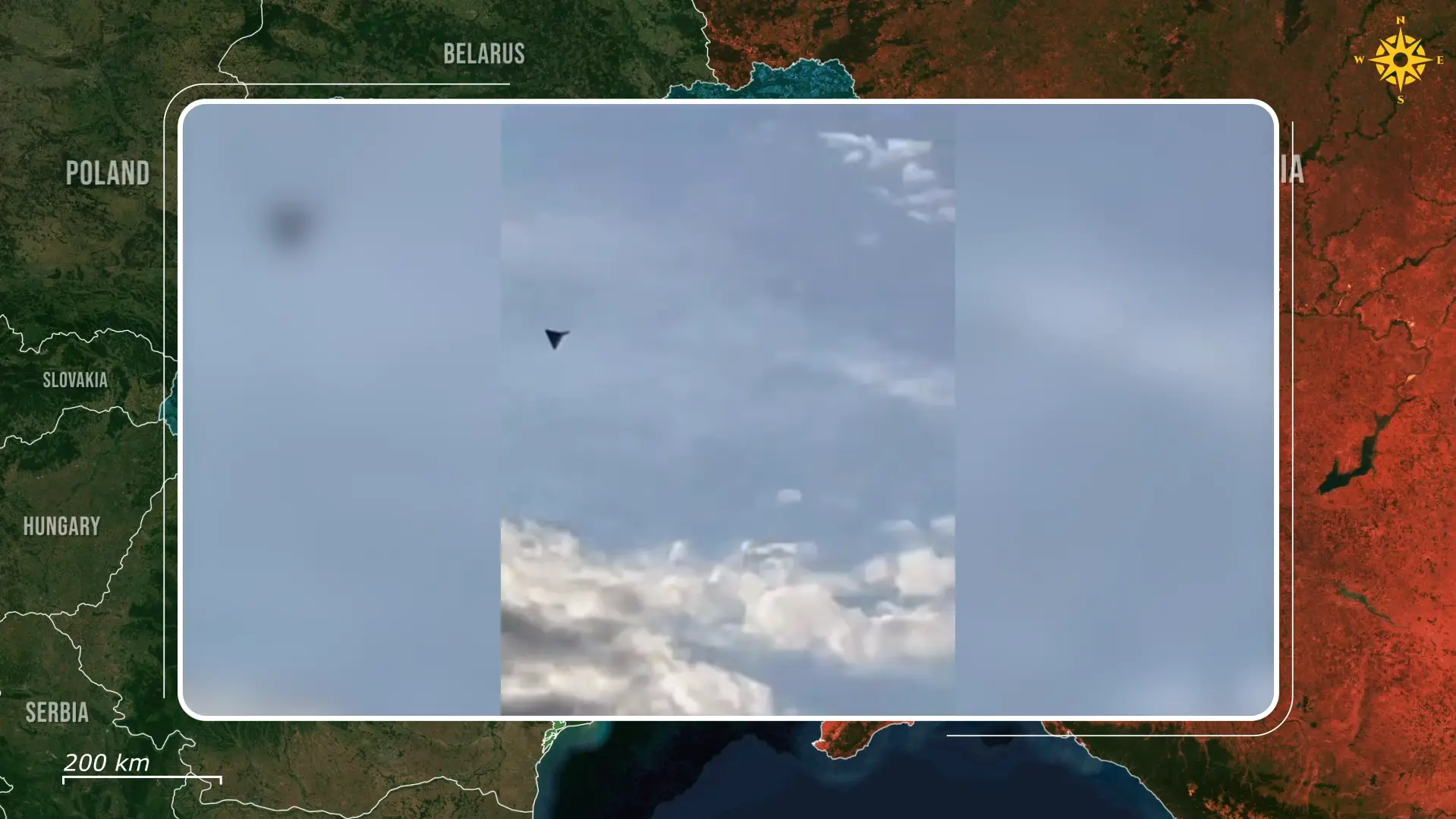
The latest footage of a Russian Geran drone shows it moving at high speed before abruptly changing direction by one hundred and eighty degrees. The maneuver points to a significant change in the weapon’s flight characteristics and highlights how the latest Geran variants are becoming faster and more maneuverable than their predecessors. The maneuver demonstrates a level of agility that is greater than the earlier, slower variants of the Geran. Those drones largely relied on predictable flight paths and massed attacks to overwhelm Ukrainian air defenses.
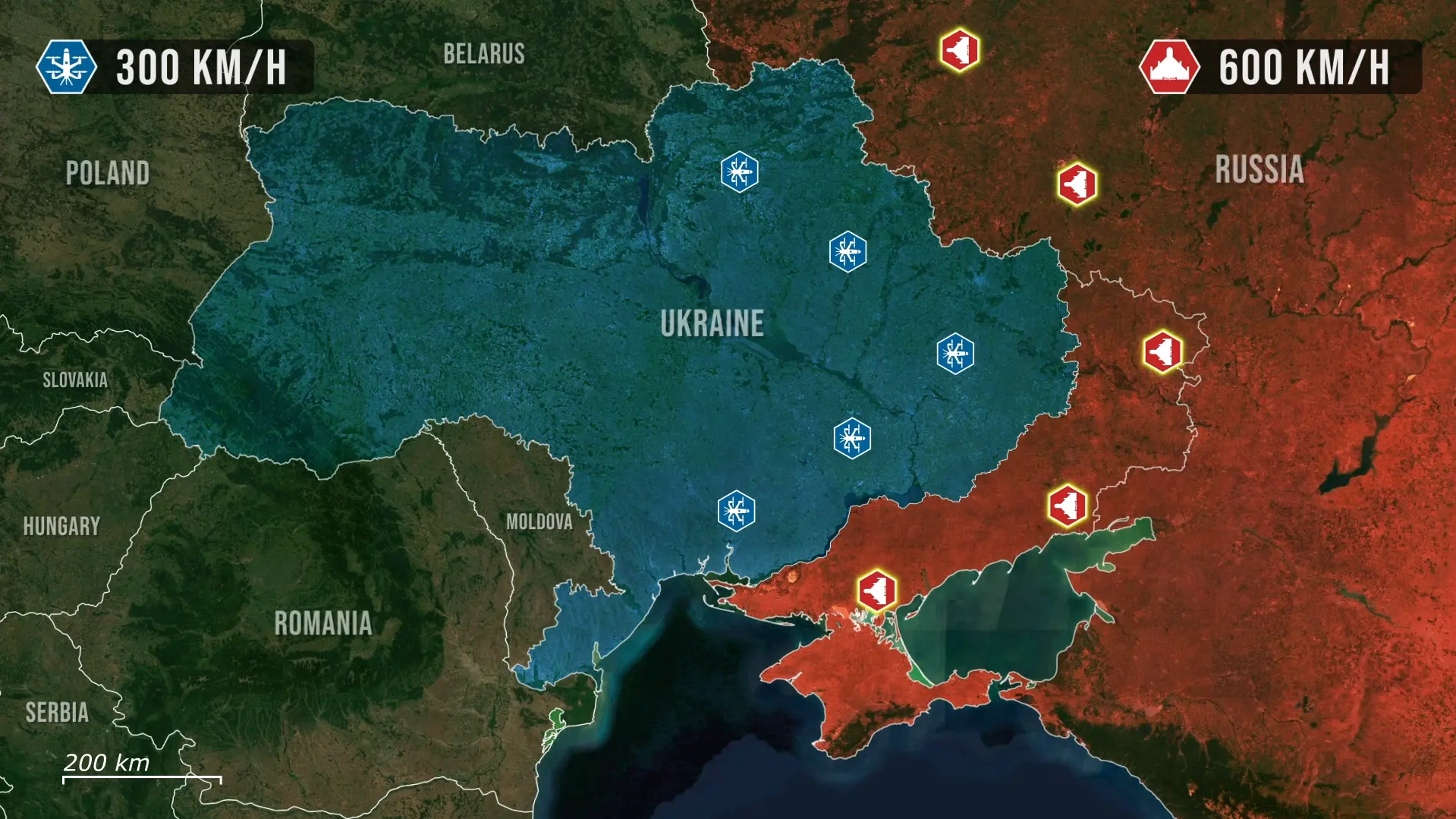
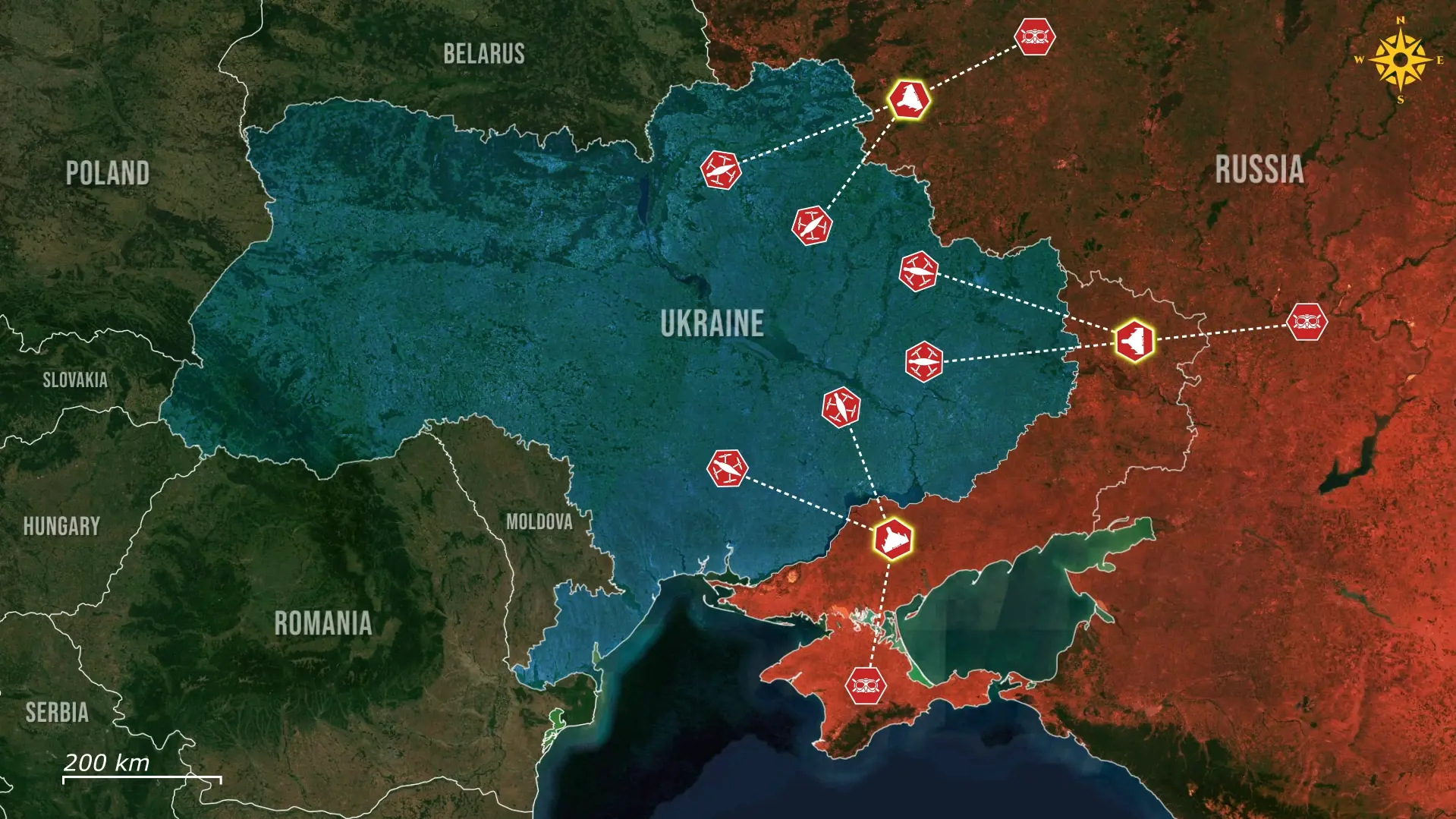
The change appears to be driven by Ukraine’s growing ability to intercept conventional Gerans with cheaper systems. Ukraine has developed interceptor drones capable of reaching roughly three hundred kilometers per hour, creating a cost effective response by allowing Ukraine to intercept relatively cheap Gerans without using much more expensive air defense missiles. To counter this threat, Russia began introducing jet powered Geran variants with significantly higher speeds. These drones can reportedly reach up to six hundred kilometers per hour, giving them a substantial advantage over the slower interceptors designed to pursue earlier models. A three hundred kilometers per hour interceptor may simply struggle to catch a Geran capable of flying at up to six hundred kilometers per hour, allowing the drone to outrun the systems designed to pursue it. By adding speed, Russia is adapting the Geran to undermine Ukraine’s cost-effective interception method rather than relying solely on mass attacks.
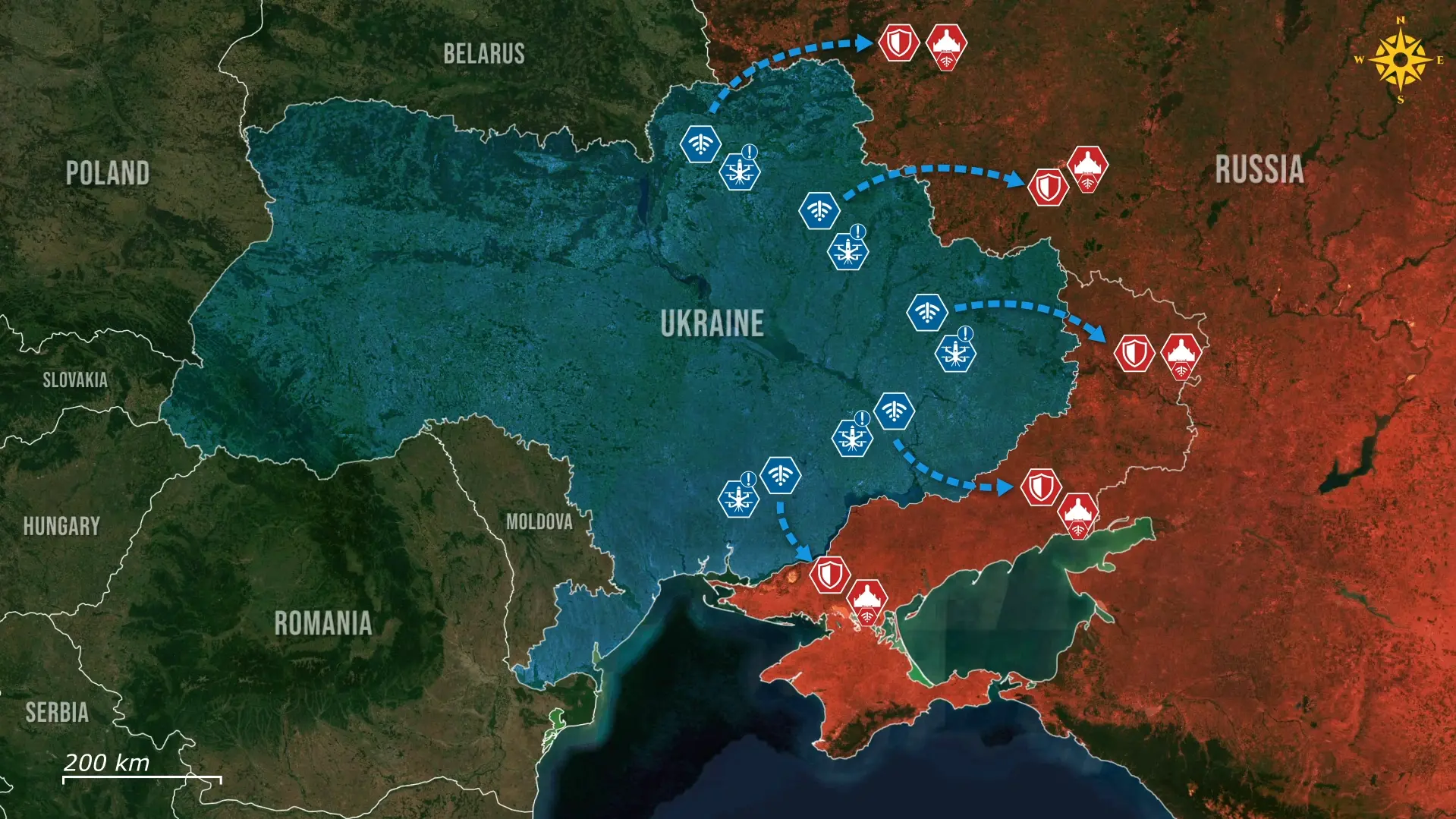
Speed is only one part of the Geran’s evolution, as the newer variants are also being equipped with systems designed to make them harder to detect and intercept. Some Gerans have reportedly been fitted with onboard electronic warfare systems designed to disrupt the control and navigation links used by Ukrainian interceptor drones, making it harder for those interceptors to guide themselves toward the target. The upgraded guidance system reportedly gives newer Gerans greater resistance to jamming and improves their ability to maintain accurate navigation when Ukrainian electronic warfare attempts to disrupt their satellite navigation signals. Optical modules also give some Gerans a visual means of identifying and engaging targets, adding an element of terminal guidance that was absent from earlier variants. Together, they indicate that Russia is developing Gerans as increasingly sophisticated platforms rather than treating them simply as inexpensive one-way attack drones.
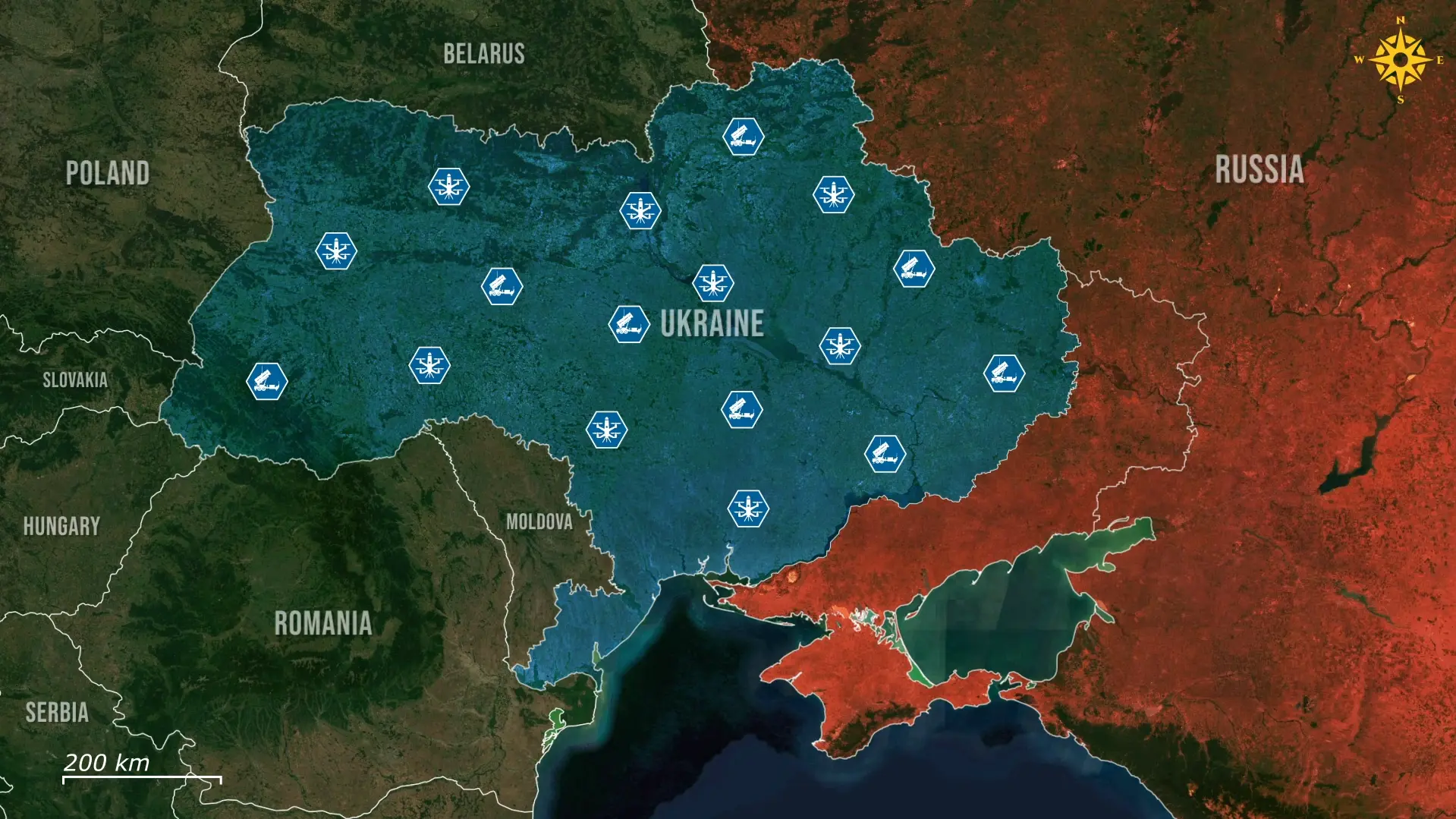
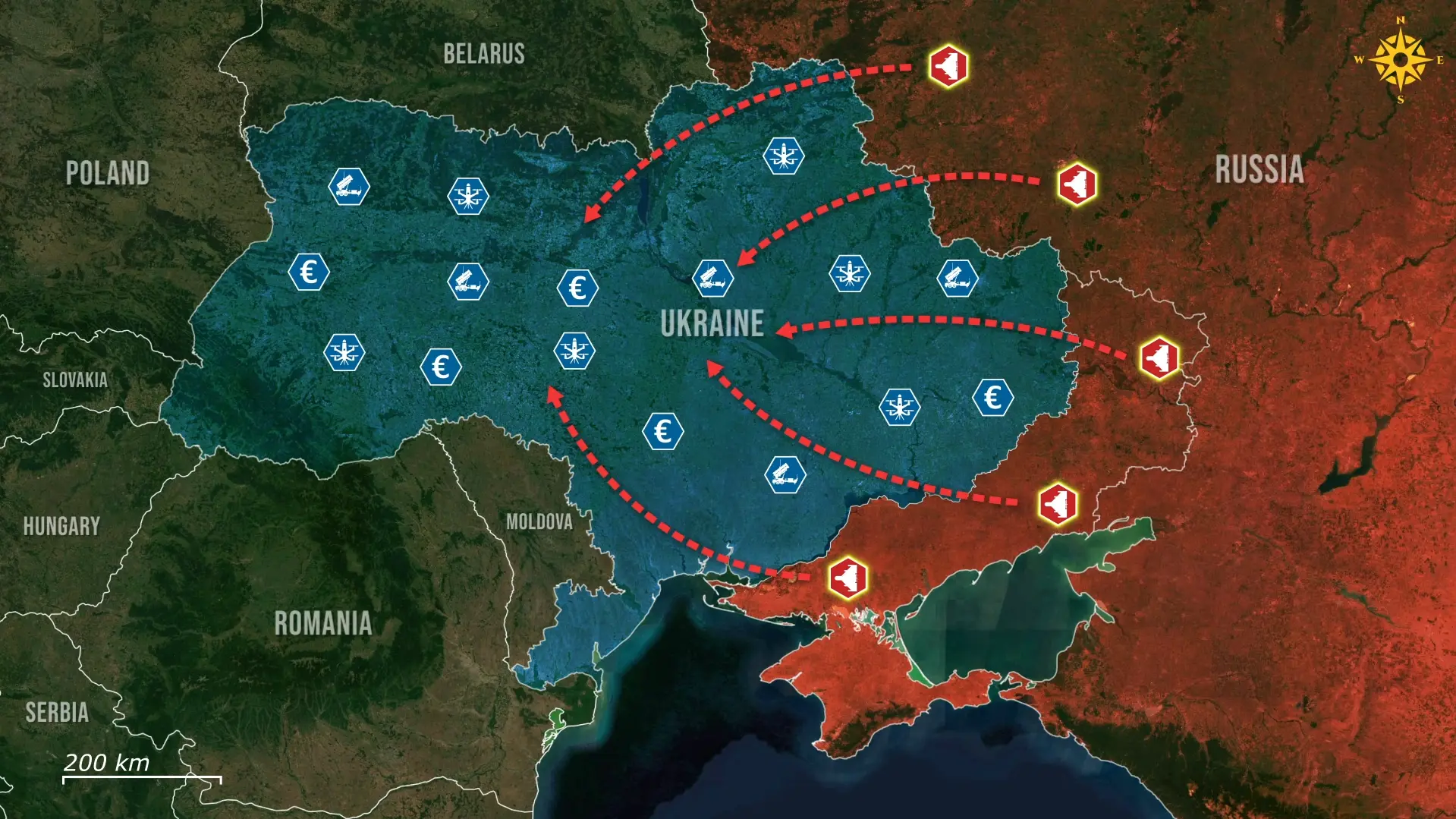
The increased speed is also being matched by a significant operational reach. In August, a Russian jet-powered drone reportedly reached the Rivne region in western Ukraine for the first time, demonstrating that these variants can operate far from their launch areas. Other reports have indicated a range of up to nine hundred and sixty kilometers. At that distance, the potential coverage would extend across roughly ninety six percent of Ukrainian territory. The significance of the reported range is that jet powered Gerans could potentially expand the geographic area that Ukrainian air defenses must be prepared to cover. To counter faster and longer range drones, Ukraine may need to rely more heavily on conventional air defense missiles, which are considerably more expensive than the drones they are intended to destroy.
The evolution of the Geran is also extending beyond its own flight and strike capabilities. Recent footage and reports indicate that some variants are being adapted as modular platforms capable of carrying additional equipment or even other drones. One reported configuration involved a Shahed type drone carrying two FPV drones, which could potentially be released closer to the target area. Other developments point to the use of Gerans as signal relays, extending communications between drones and operators over greater distances. This modular approach allows Russia to adapt the same platform to different missions without developing an entirely new airframe for each role, increasing the operational value of every Geran deployed.
Overall, Russia’s modifications are turning the Geran from a relatively simple mass produced drone into a more adaptable and survivable strike platform. Together, these changes are shifting the balance from a simple numbers game toward a more demanding contest in which each Geran is harder to intercept and requires a more tailored defensive response. This evolution also shifts the cost equation, as Ukraine must respond to faster, longer range, and more difficult to intercept drones with increasingly sophisticated and expensive defensive systems. The broader implication is that Russia is not simply producing more Gerans, but systematically evolving the platform to preserve its effectiveness as Ukrainian countermeasures improve.

.jpg)


Comments