

.svg)
Today, the biggest news comes from the Russian Federation.
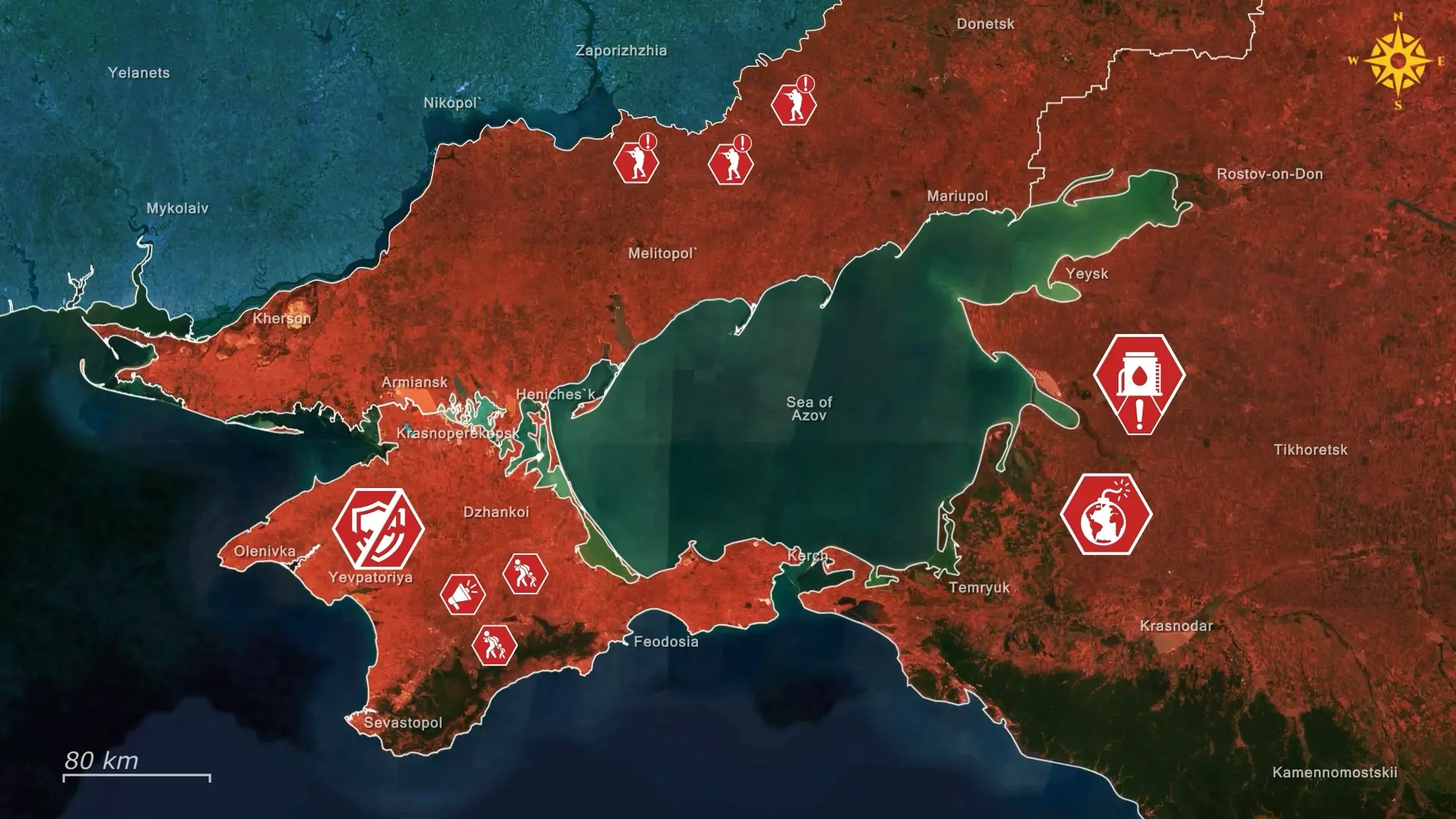
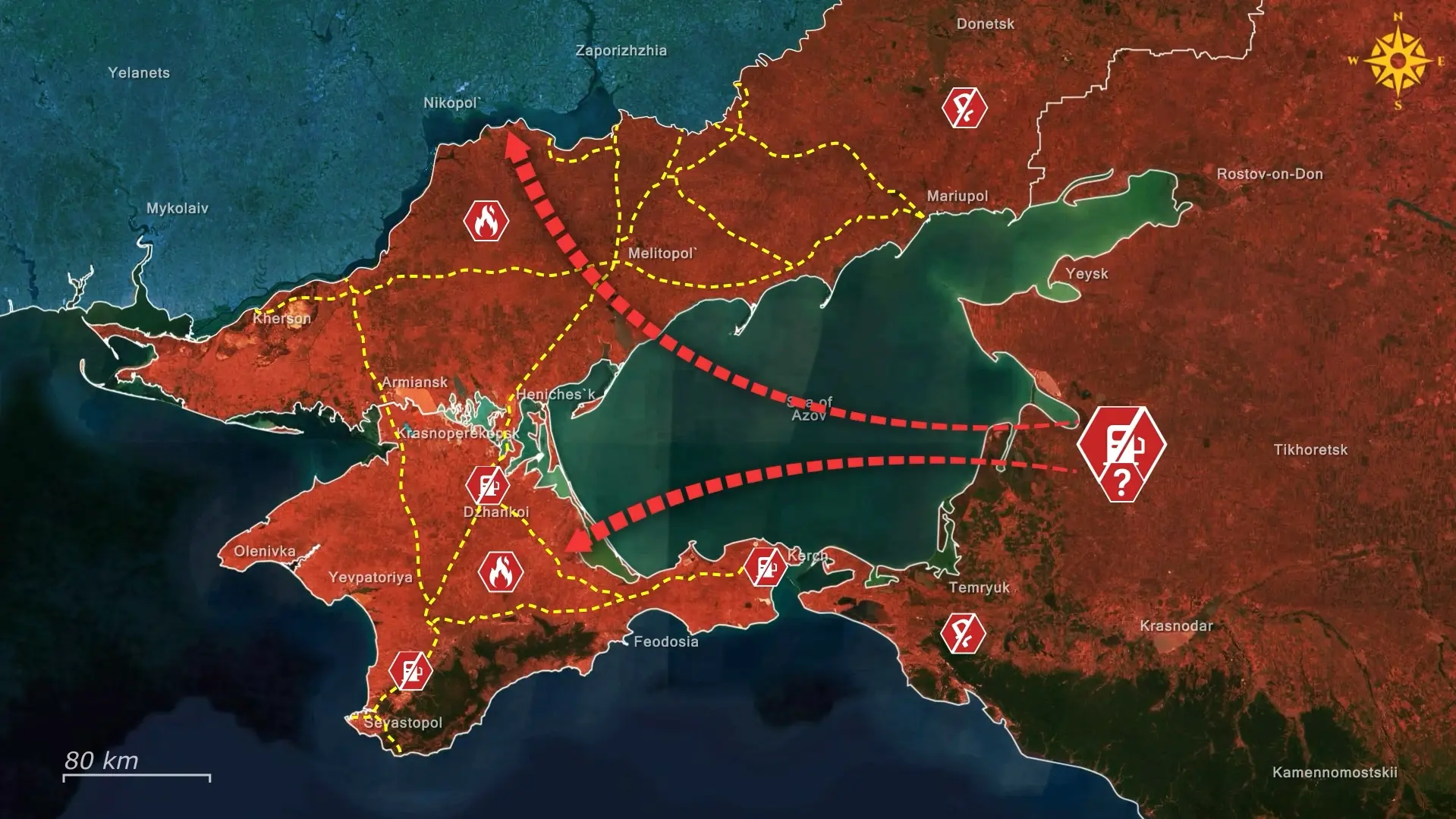
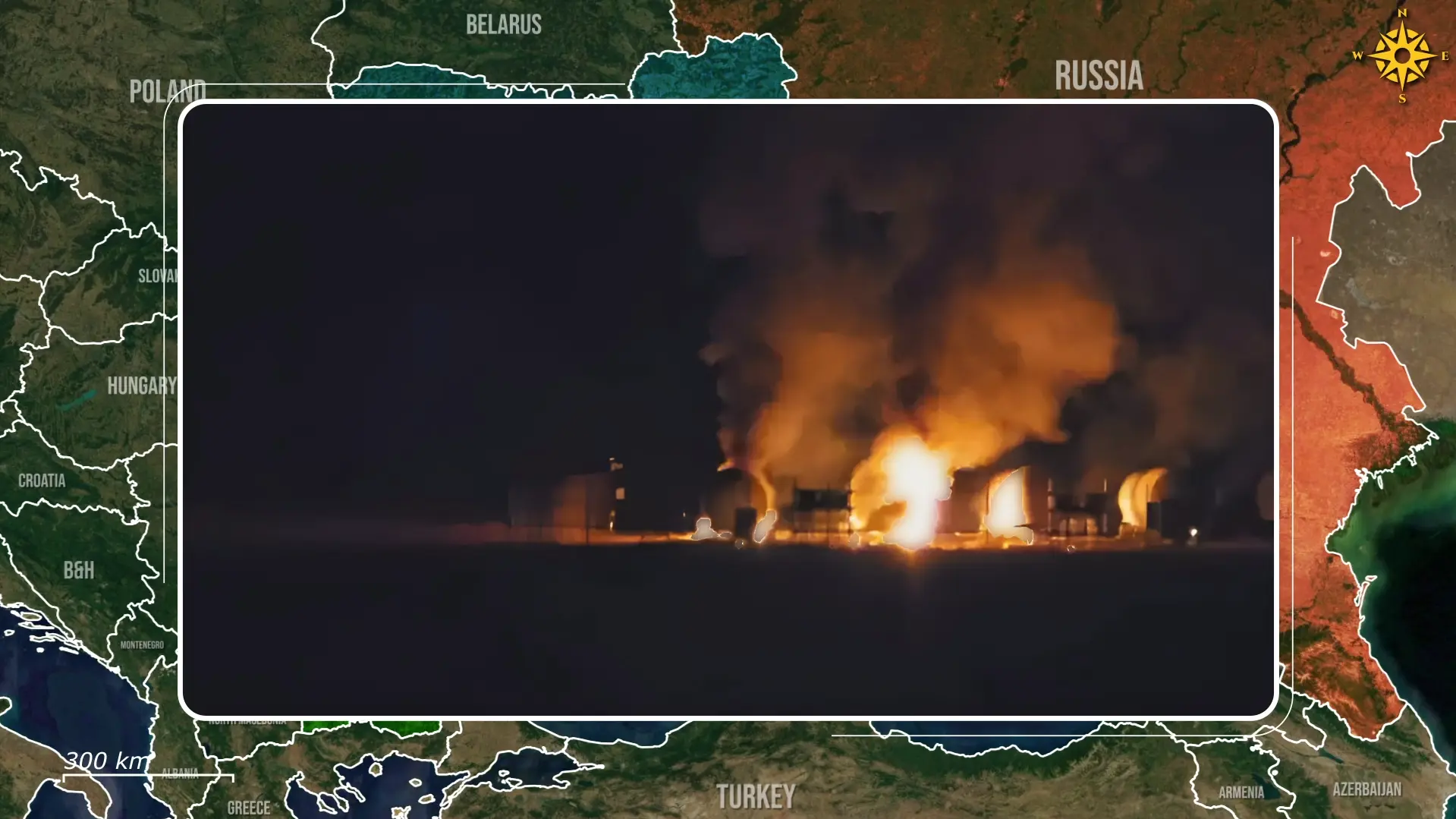
The first signs of serious agricultural disruption are already visible in Crimea, where farmers are warning that the current harvest period could fail because fuel shortages are preventing them from using farm machinery. Tractors, combines, and farm trucks all depend on a steady supply of diesel, so when fuel runs out, farmers can no longer continue harvesting even when crops are ready to be collected. This is already happening as parts of the Crimean peninsula face severe fuel shortages, with gas stations running dry, major retailers restricting sales, and some agricultural operations stopping because they cannot refuel their machinery. Russian authorities have acknowledged that strikes on infrastructure are creating fuel shortages, while Ukrainian attacks have repeatedly targeted fuel storage and distribution facilities across Crimea. That disruption is especially damaging during harvest, because even a short interruption can cause permanent losses once ripe crops remain in the fields long enough to be damaged by weather, moisture, or over-ripening.
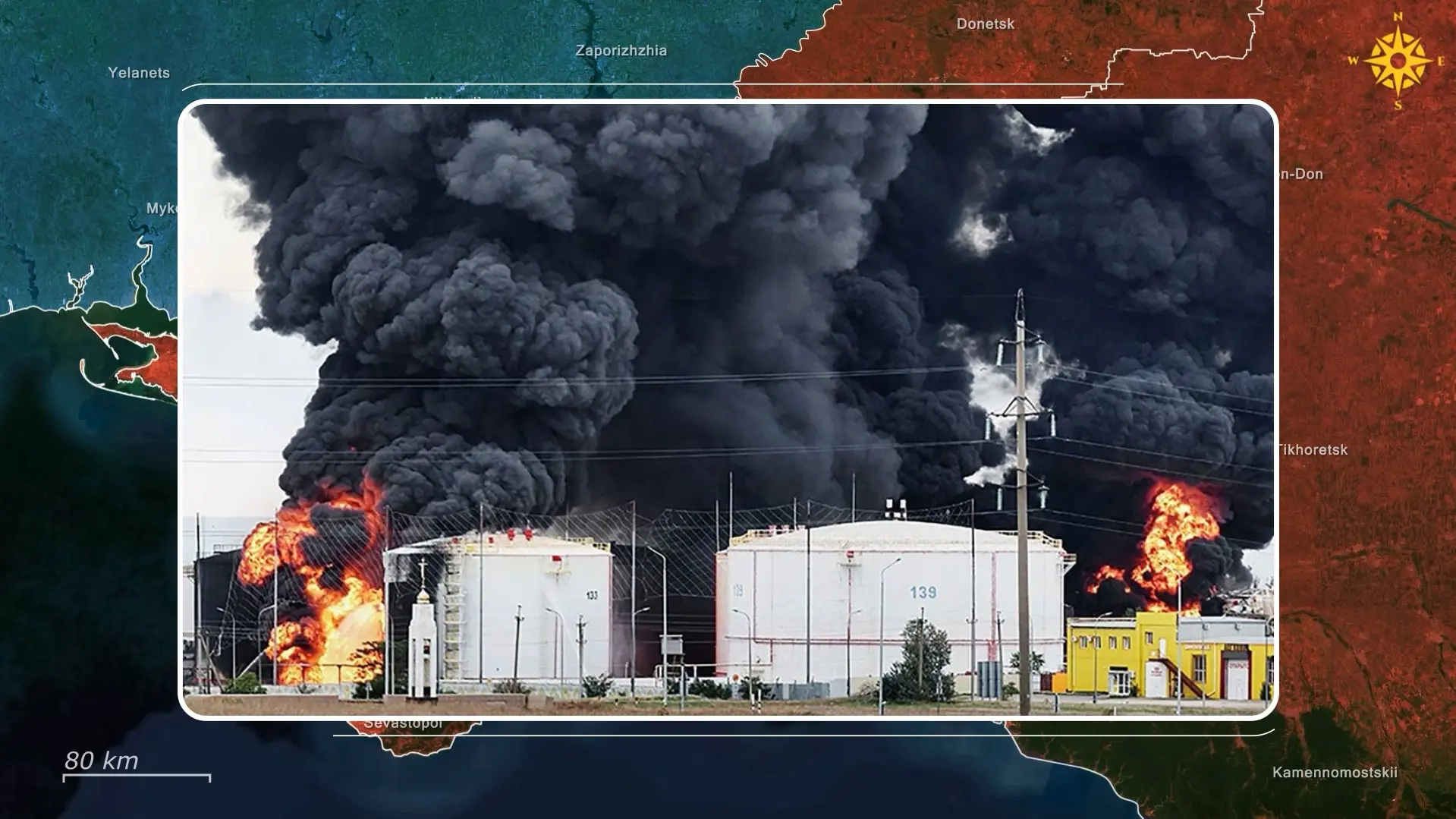
The same fuel crisis is also hitting the much larger agricultural regions of Rostov, Krasnodar, and Stavropol, which together produce around twenty percent of Russia’s grain. Disruption there could therefore affect grain supplies and food prices across the country rather than remaining a local problem in Crimea. Farmers in Rostov describe workers spending half a day waiting for fuel, while diesel prices have risen sharply and supplies have become harder to secure for the tractors and combines working the fields.
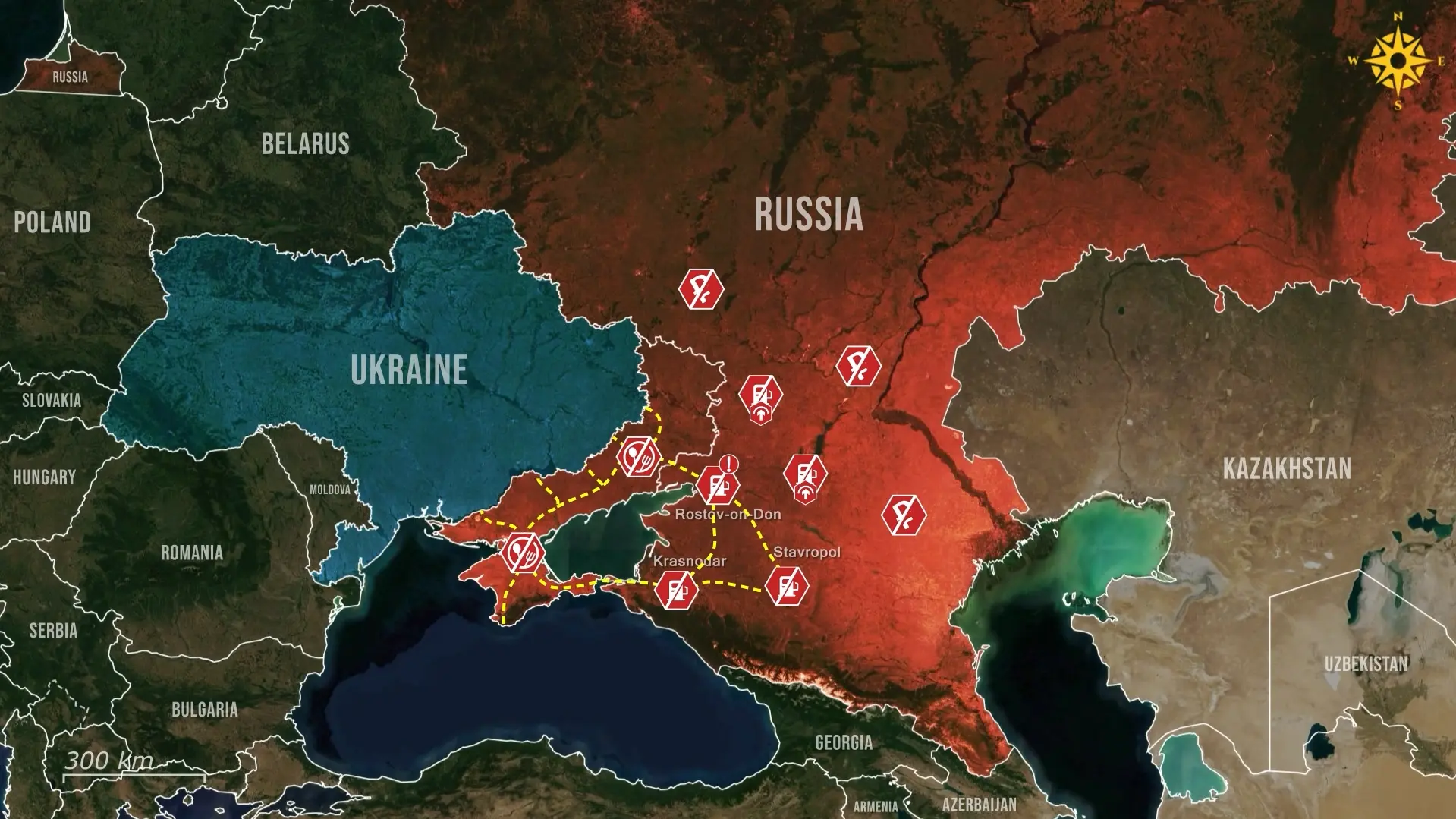
Similar shortages have also been reported in Voronezh, Lipetsk, Tambov, Sverdlovsk, Bashkortostan, and Yakutia, extending the fuel shortage across several major farming areas at once. By the beginning of July, Russia had harvested only around one point three to one point five million hectares, compared with more than four million hectares at the same point last year, although weather also contributed to the slower start. In Rostov alone, agricultural representatives estimate that missed harvesting windows could cause crop losses of up to fifteen percent.
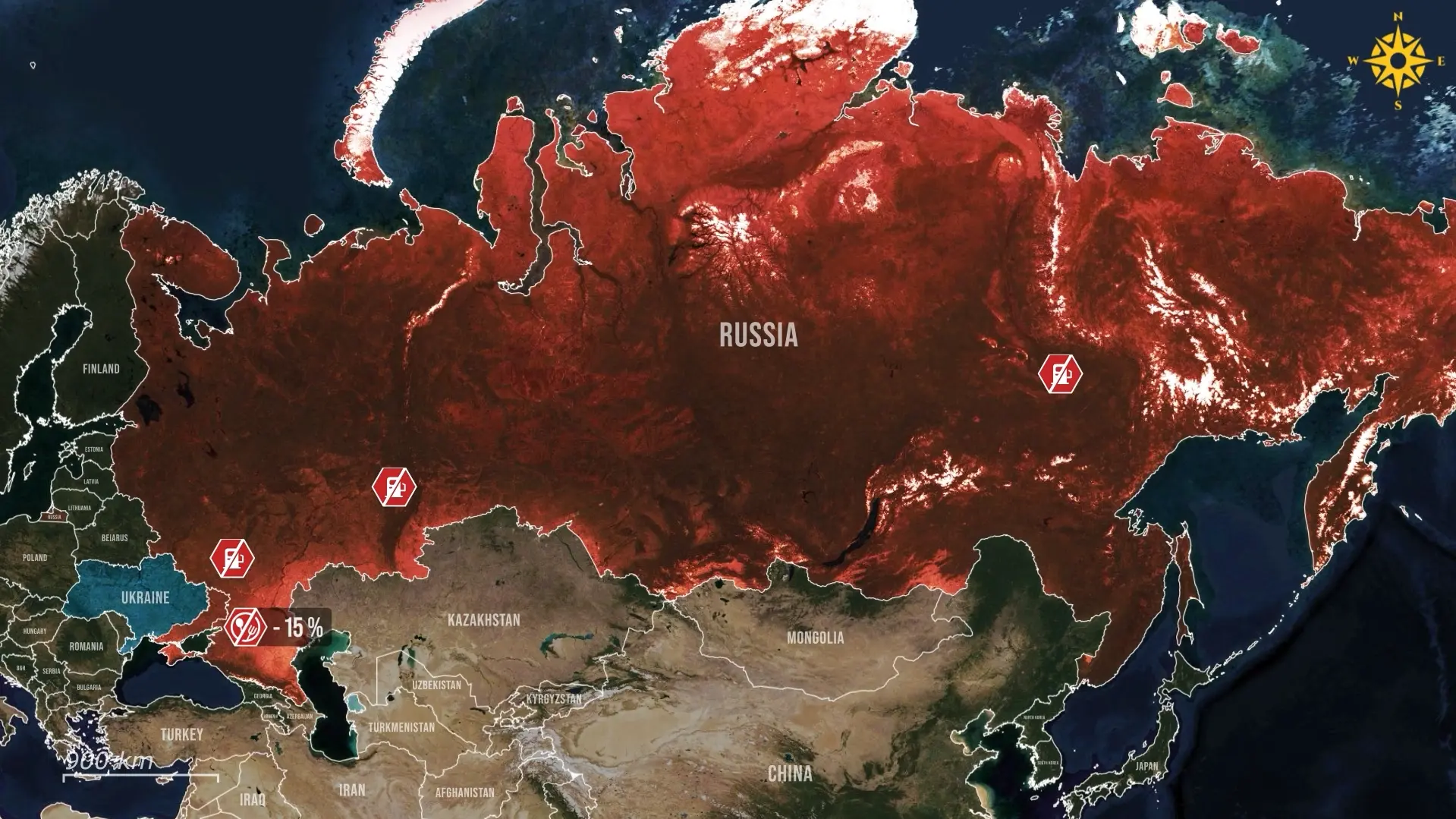
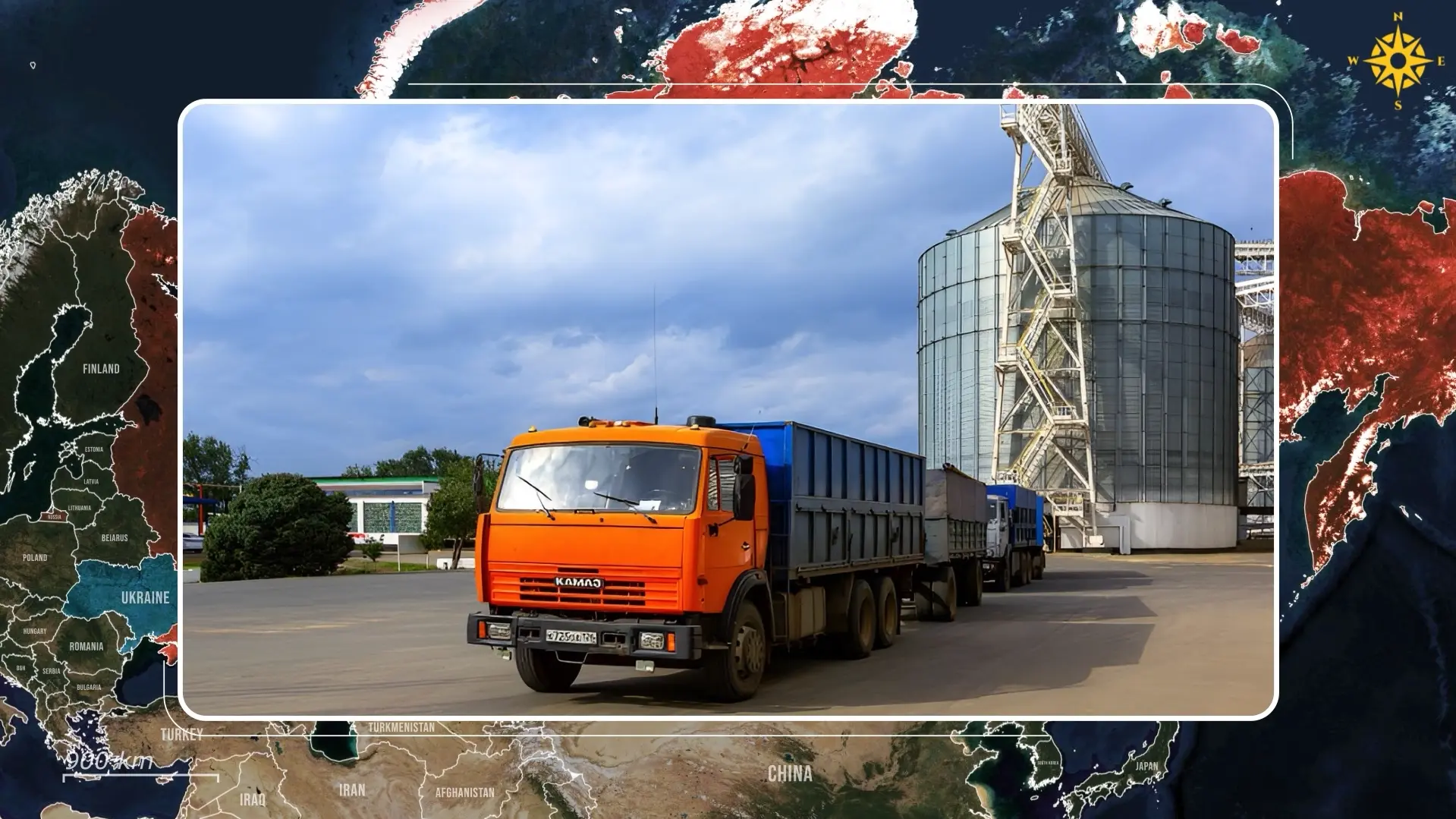
Failed harvests across several regions would not leave Russia without food overnight, but they would make everyday life more expensive by reducing available supply and pushing up the price of basic necessities. Russia is already dealing with persistent inflation, with consumer prices going up four point six seven percent since the start of the year by the end of August, while official data suggests continued price increases for basic food products. If farmers bring in less grain, sunflower seeds, and other crops, food producers have less raw material to work with, while transport and processing also becomes more expensive when fuel is scarce. Food producers and retailers then have to cover those higher costs, which pushes up the price of basic products such as bread, meat, and dairy.
This also connects directly to Ukraine’s wider strategy of making Crimea harder and more expensive to hold while also increasing the cost of continuing the war for Russia. Ukrainian strikes on fuel infrastructure are already creating shortages that affect transport, agriculture, and daily life across the peninsula, forcing Moscow to spend more resources keeping Crimea supplied while also supporting its armed forces on the peninsula. As food and fuel become more expensive, ordinary Russians are forced to spend more of their income on basic needs, making the war harder to separate from daily life. At the same time, Moscow has to decide how to use limited fuel supplies, whether to prioritize the military or redirect more fuel toward farmers, transport, and civilian demand. Sending more fuel to the army leaves less available for the economy, while shifting supplies back to civilians makes it harder to support Russian forces and keep Crimea functioning. That choice helps Ukraine pressure both sides at once, making Crimea harder to hold while giving more Russians reasons to resent the war and the state that keeps it going.
Overall, the fuel crisis exposes how dependent Russia’s war effort is on the same infrastructure that keeps the civilian economy functioning. Every major disruption forces Moscow to choose whether the scarce fuel capacity should support the war or keep the economy and Crimea running. That gives Ukrainian strikes a wider impact, because damage to one part of Russia’s fuel system can quickly spread into other parts of the economy at the same time. The deeper this pressure goes, the harder it becomes for Moscow to keep the war going without weakening either its military operations or stability at home.
.jpg)

Comments