

.svg)
Today, there is interesting news from Moldova.
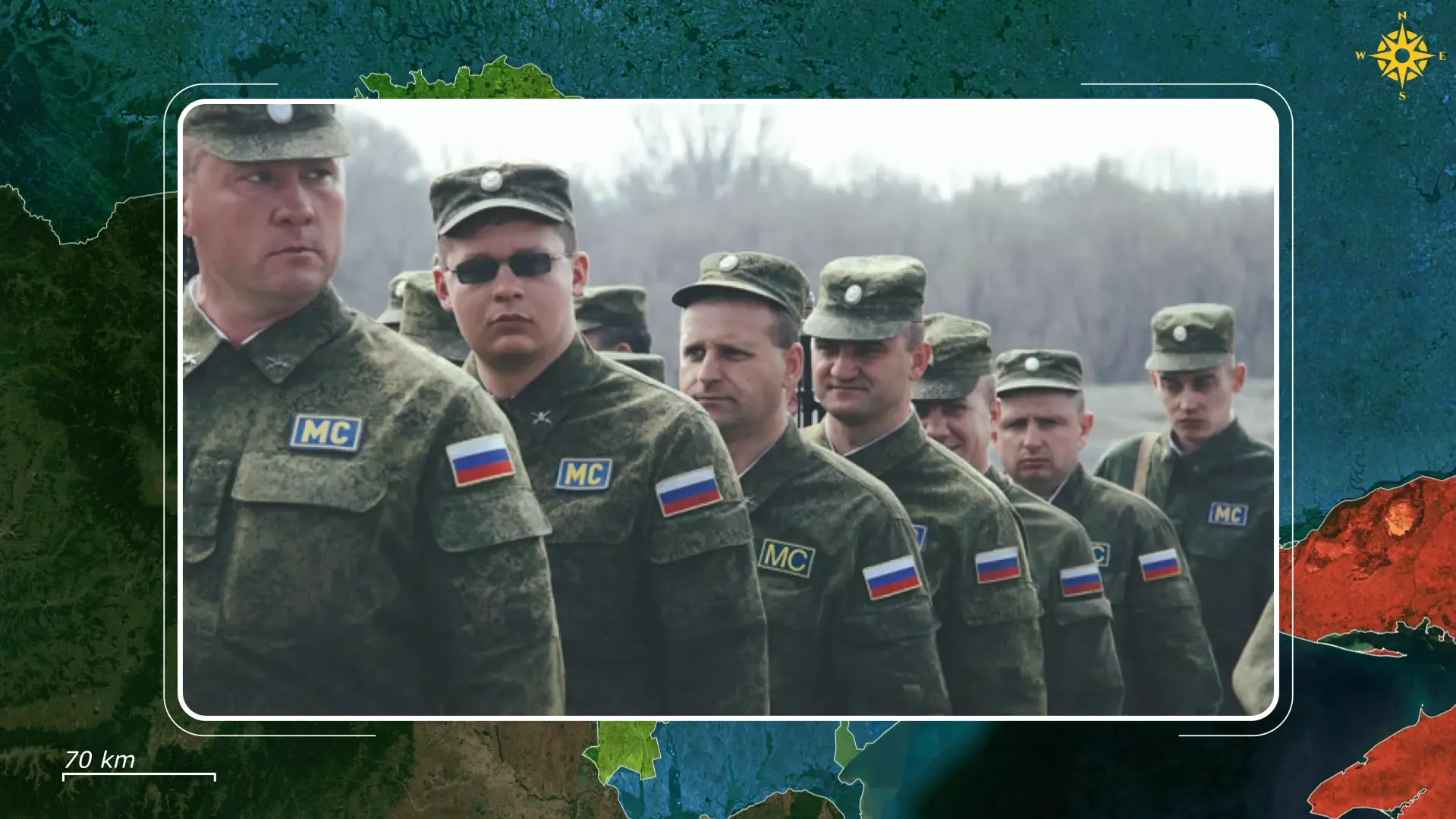
Here, the escalation has reached a decisive turning point, as Moldova is now officially set their plan in motion to reintegrate the Russia-controlled separatist region of Transnistria. The Moldovans have already taken the first step and trapped the highest-ranking Russian generals in one place.
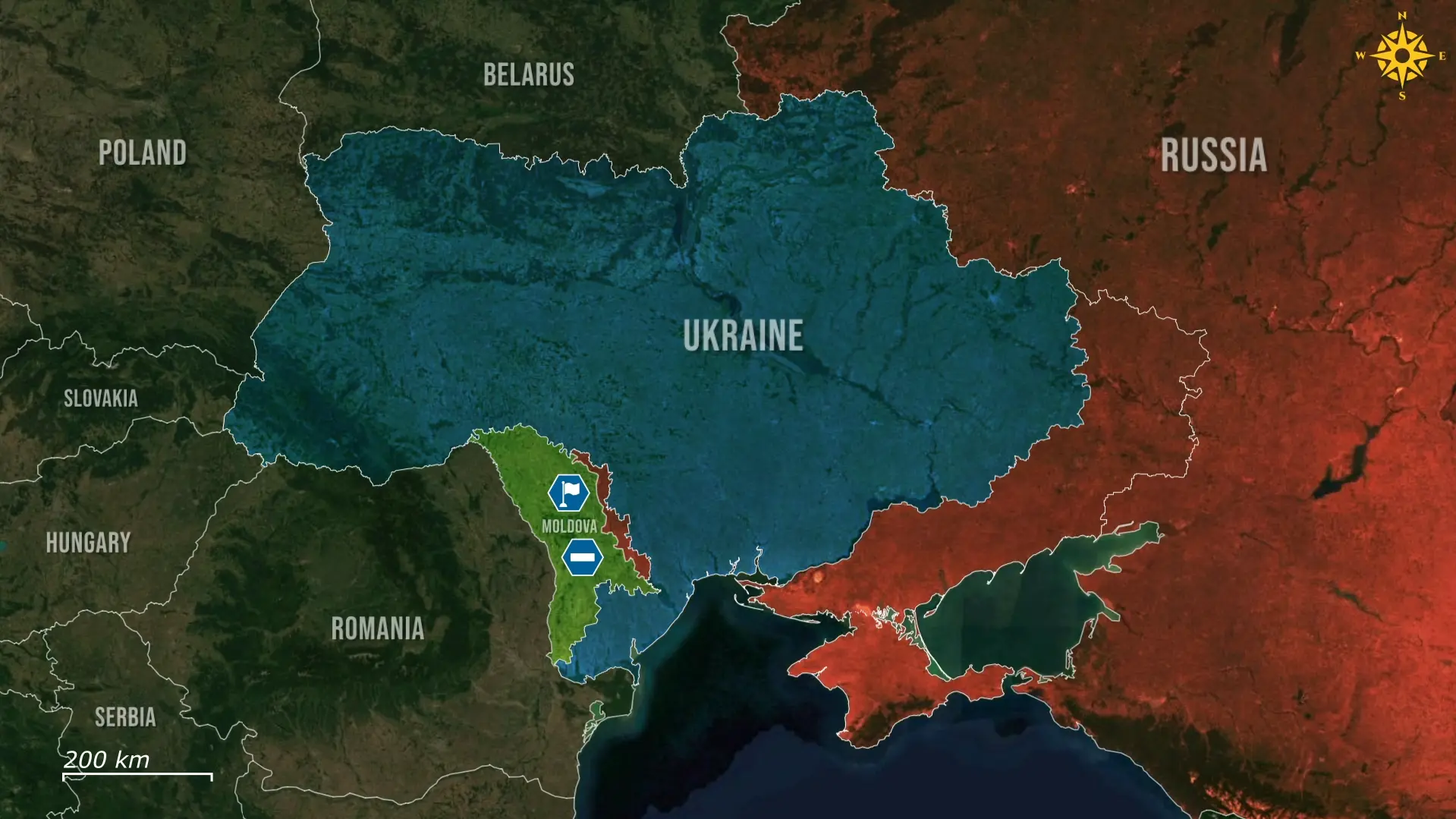
In a bold and unprecedented move, Moldova declared the command of the Operational Group of Russian Forces in Transnistria persona non grata, including commander Dmitry Zelenkov and his top deputies
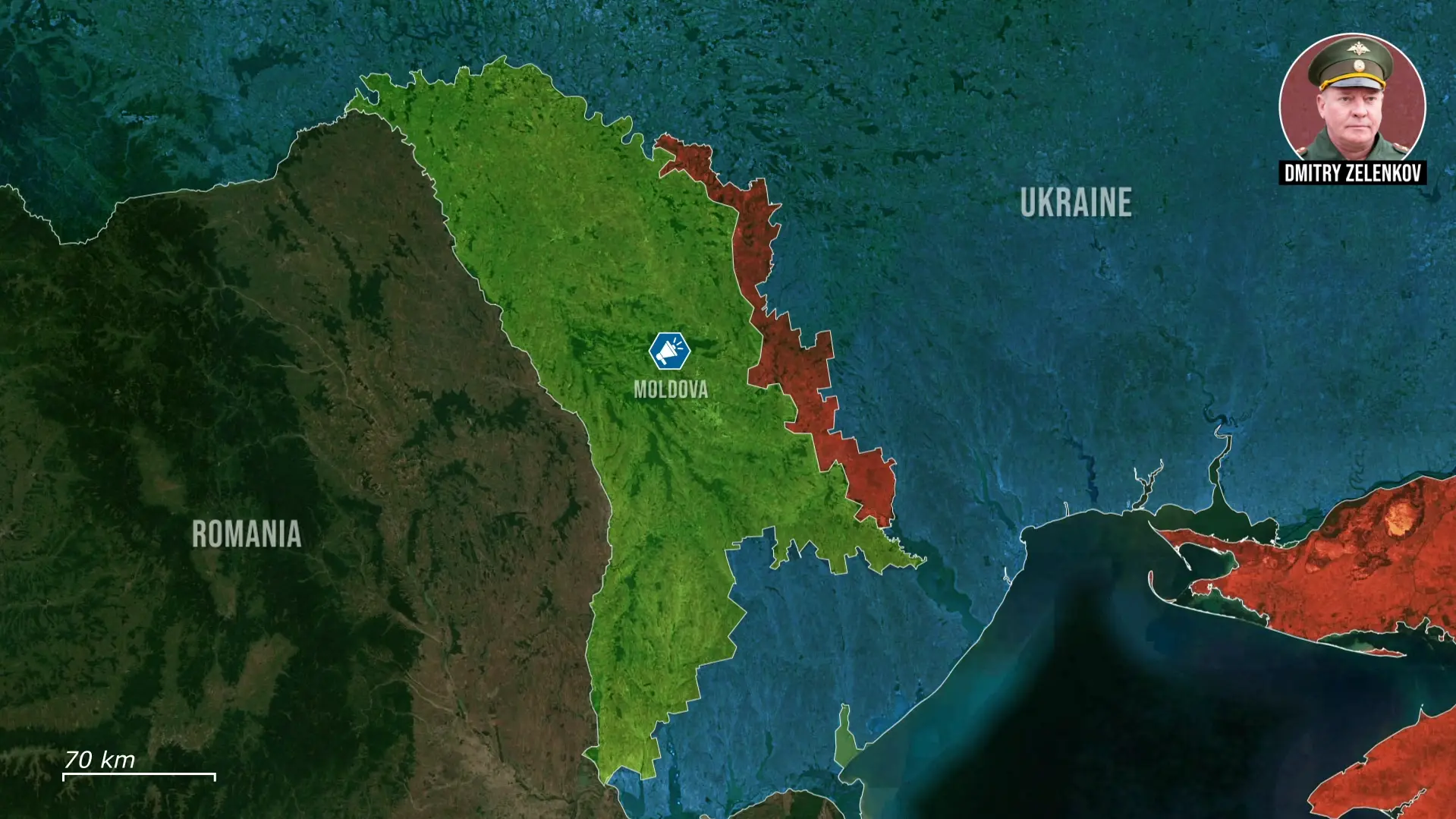
This decision immediately restricts their freedom of movement, if they attempt to leave Transnistria through Moldova, they face detention, deportation, and a permanent ban from re-entering. If they try leaving through Ukraine, this will lead to their immediate destruction, meaning the Russian command is now locked inside the breakaway region, unable to rotate, travel, or operate normally. Moldovan authorities made it clear that Russian troops are illegally stationed on their territory, and their presence will no longer be tolerated or facilitated.
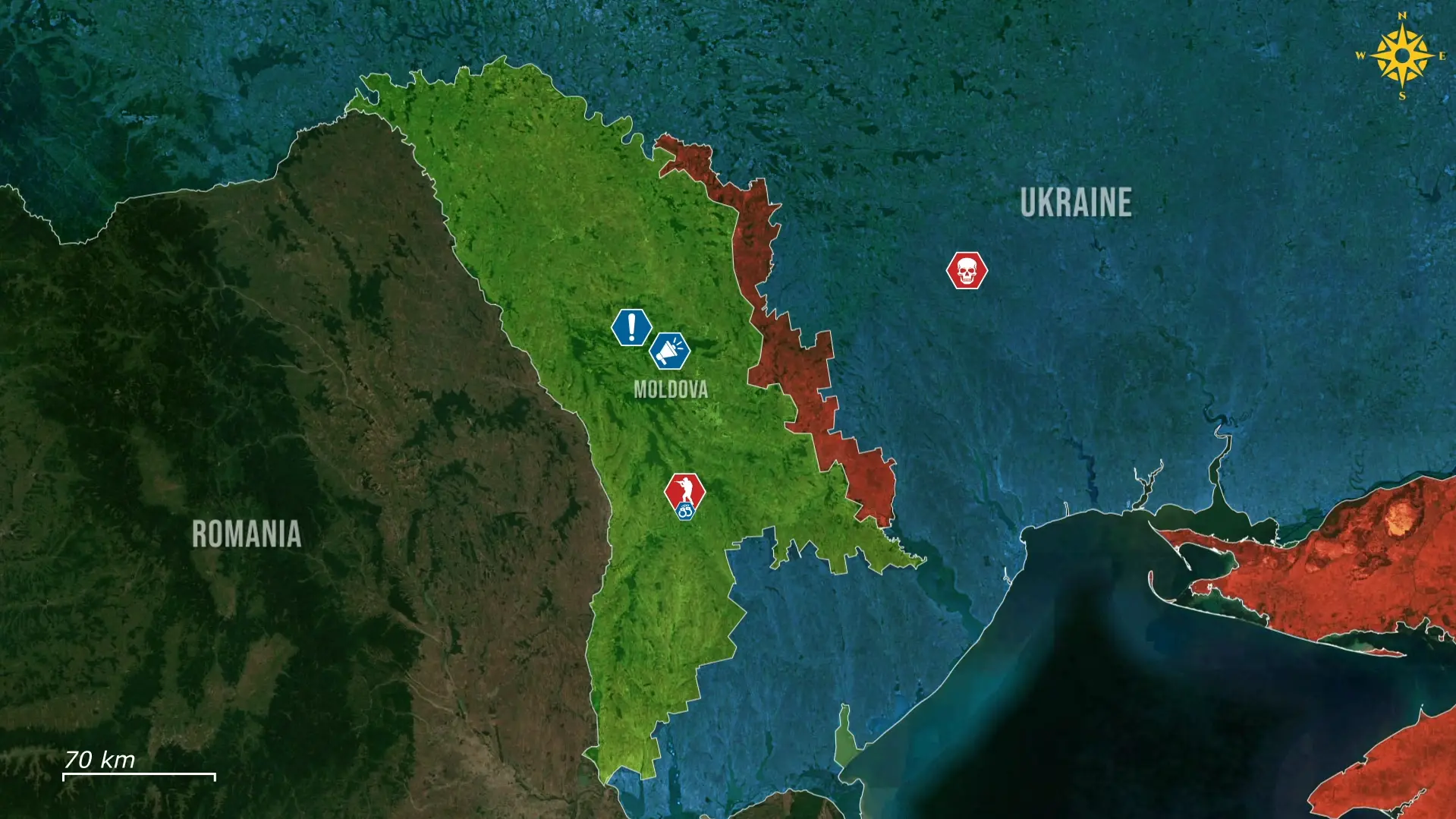
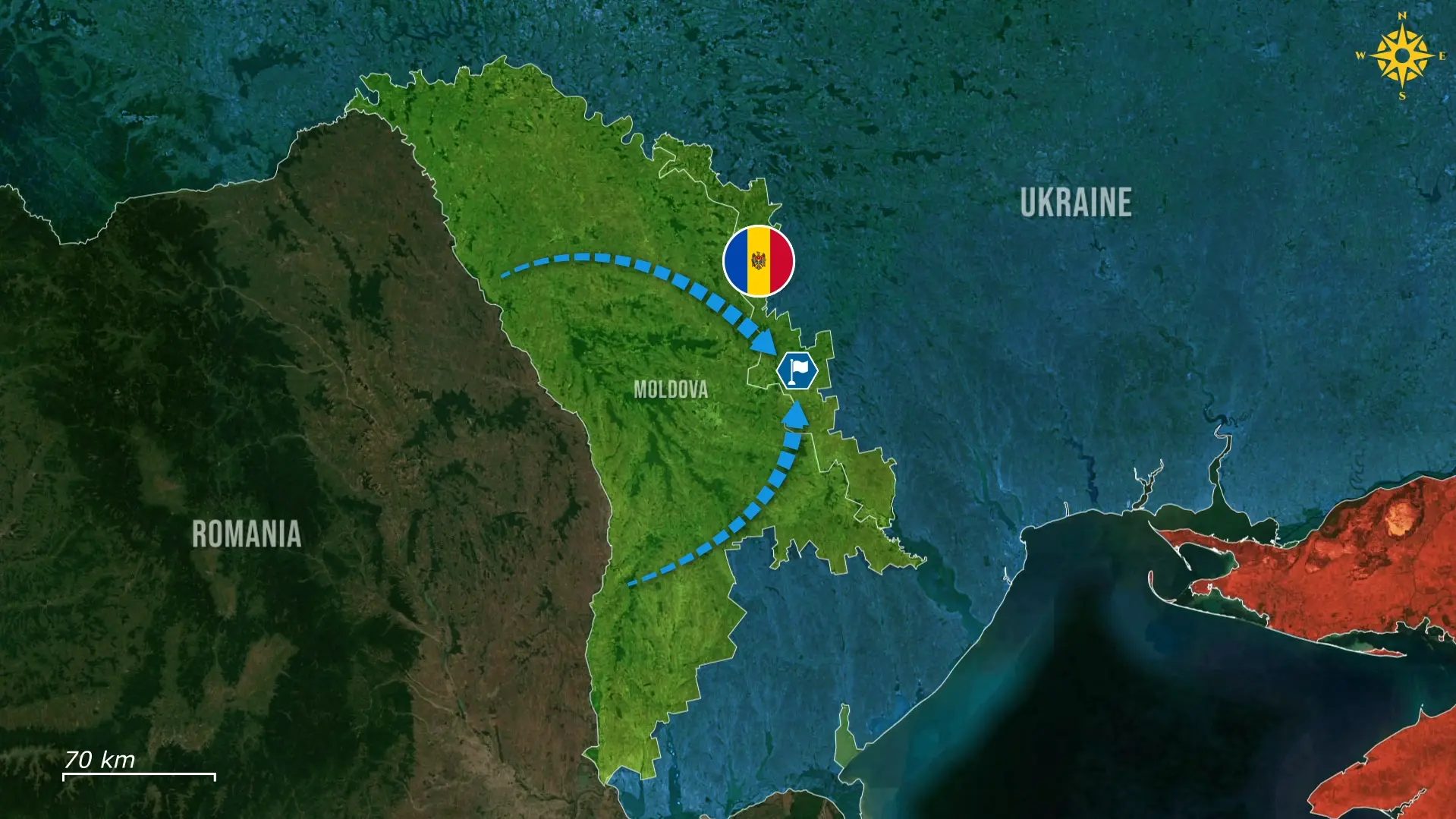
This move is not isolated, but part of a broader strategic shift, as the Moldovan government has already drafted and presented a comprehensive reintegration plan for Transnistria to their Western partners in Brussels, outlining a long-term path to restore control and reunify the region.
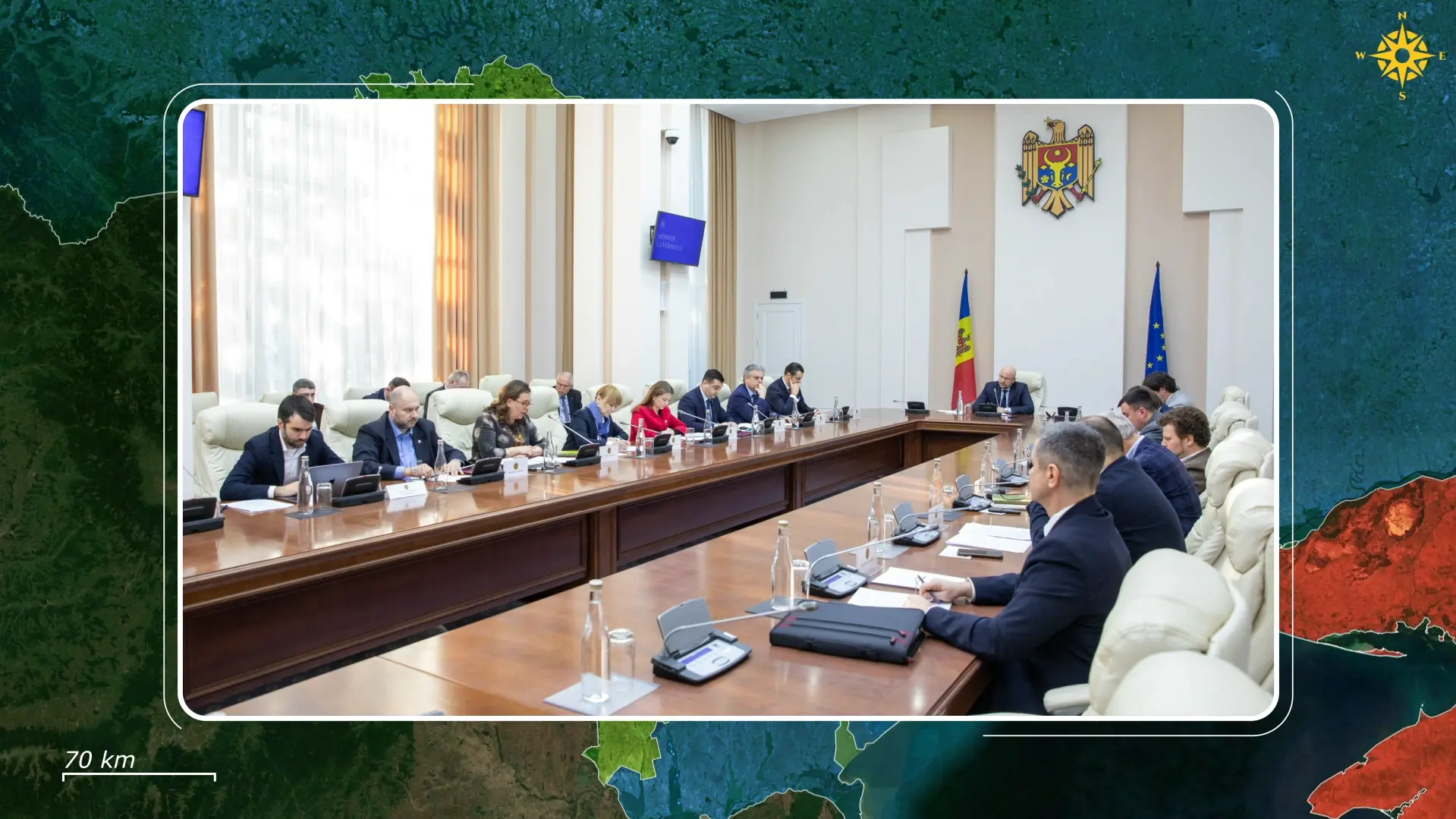
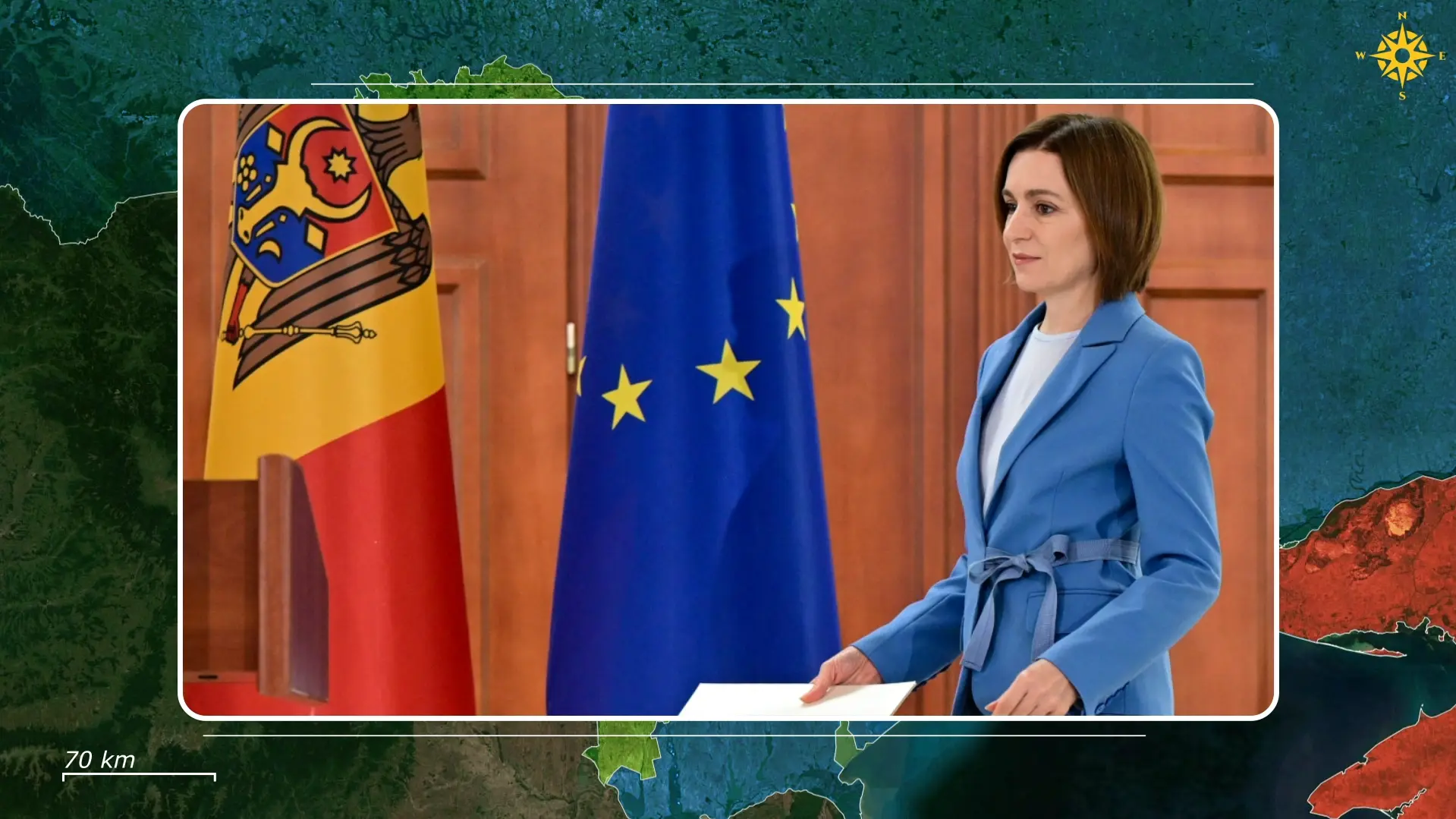
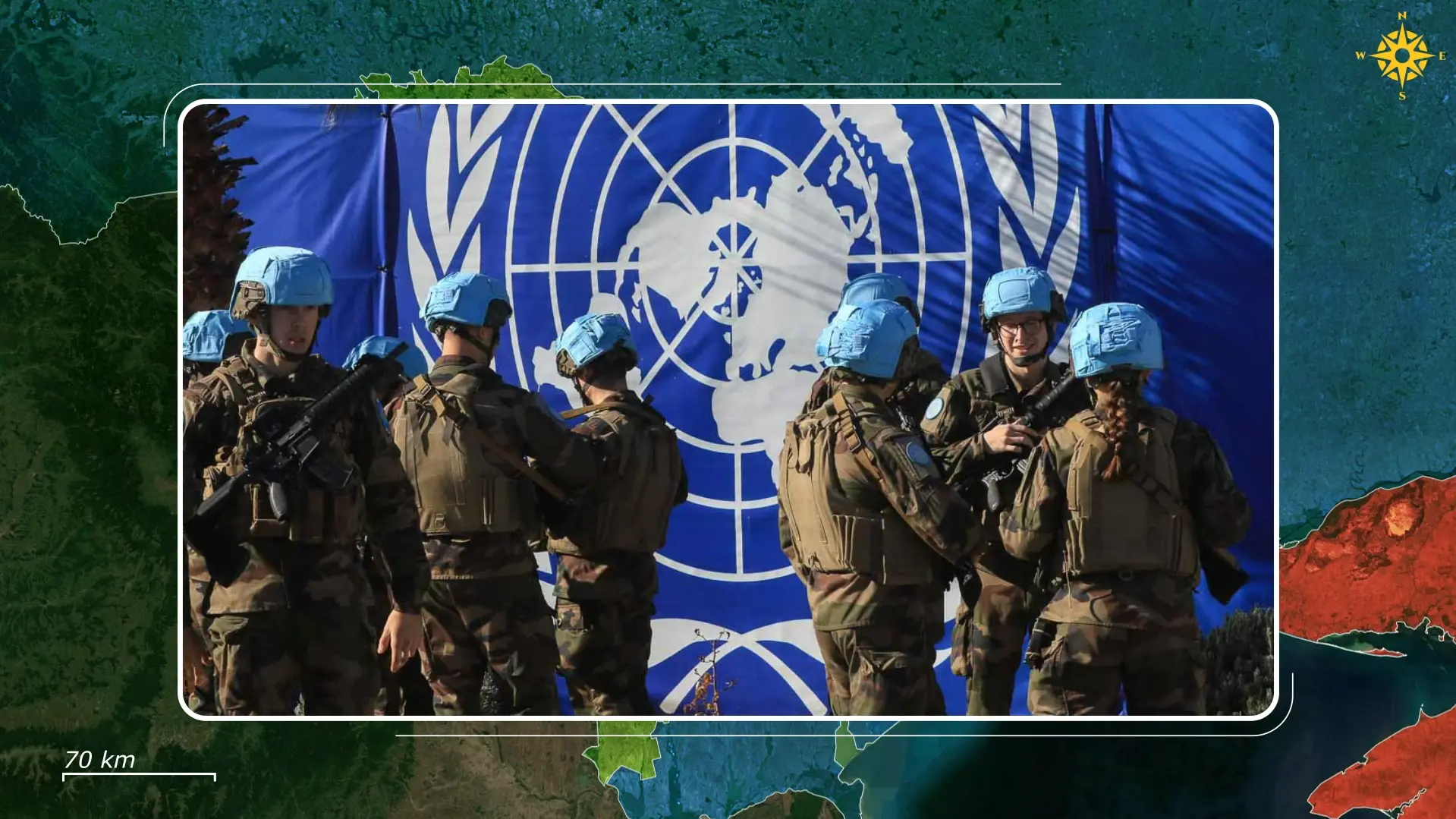
The plan is built on peaceful but firm principles and conditions: full demilitarization, withdrawal of Russian forces, and democratization. It proposes replacing the current Russian-backed peacekeeping format with an international civilian mission that would oversee the transition and gradually hand authority back to Chisinau.
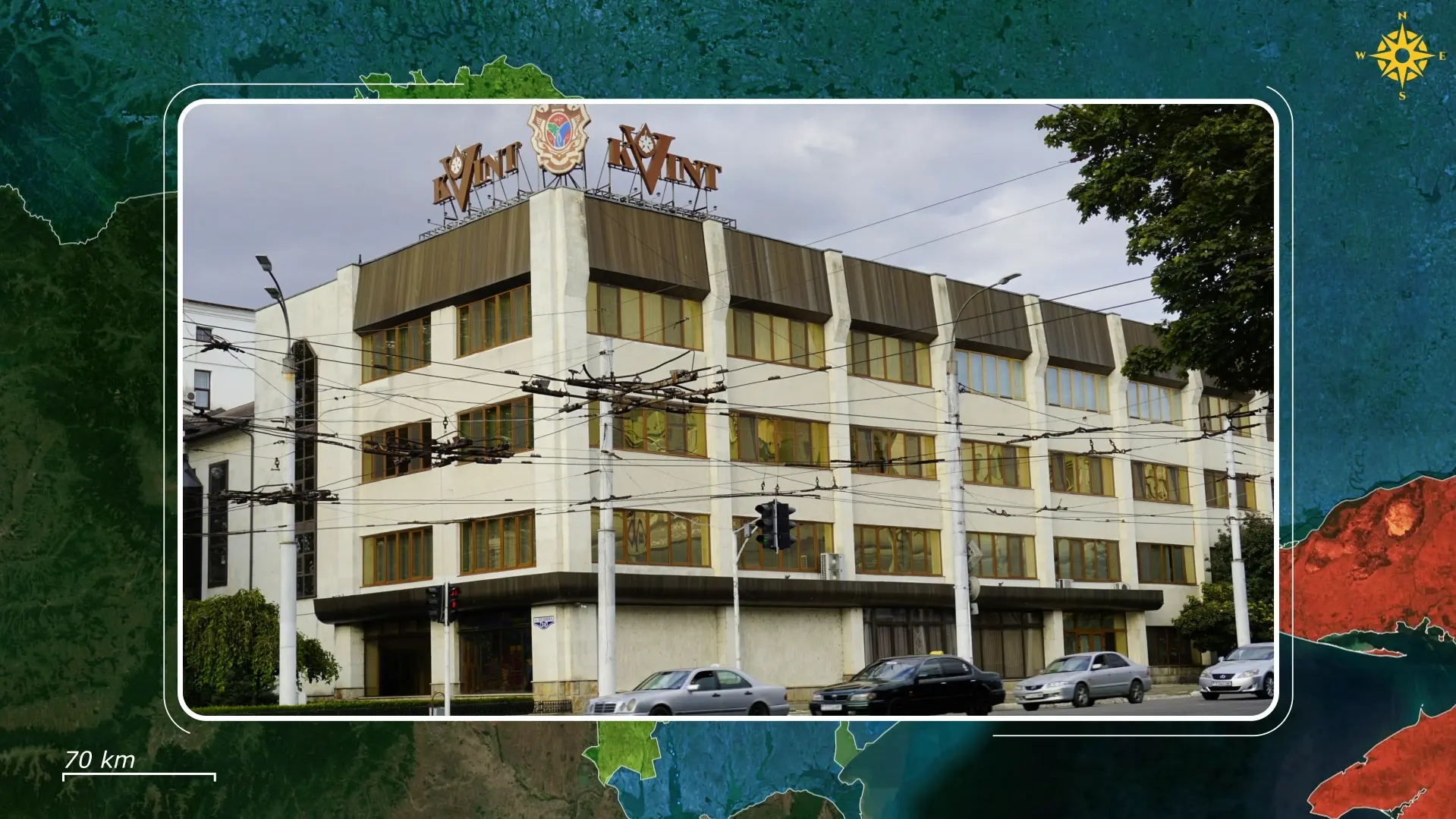
Economically, the strategy envisions unifying fiscal, customs, and trade systems, effectively tying Transnistria’s struggling economy to Moldova and its improving ties with the European Union. With guarantees for residents and a phased integration timeline extending toward 2038, Moldova is no longer managing a frozen conflict but actively preparing to resolve it.
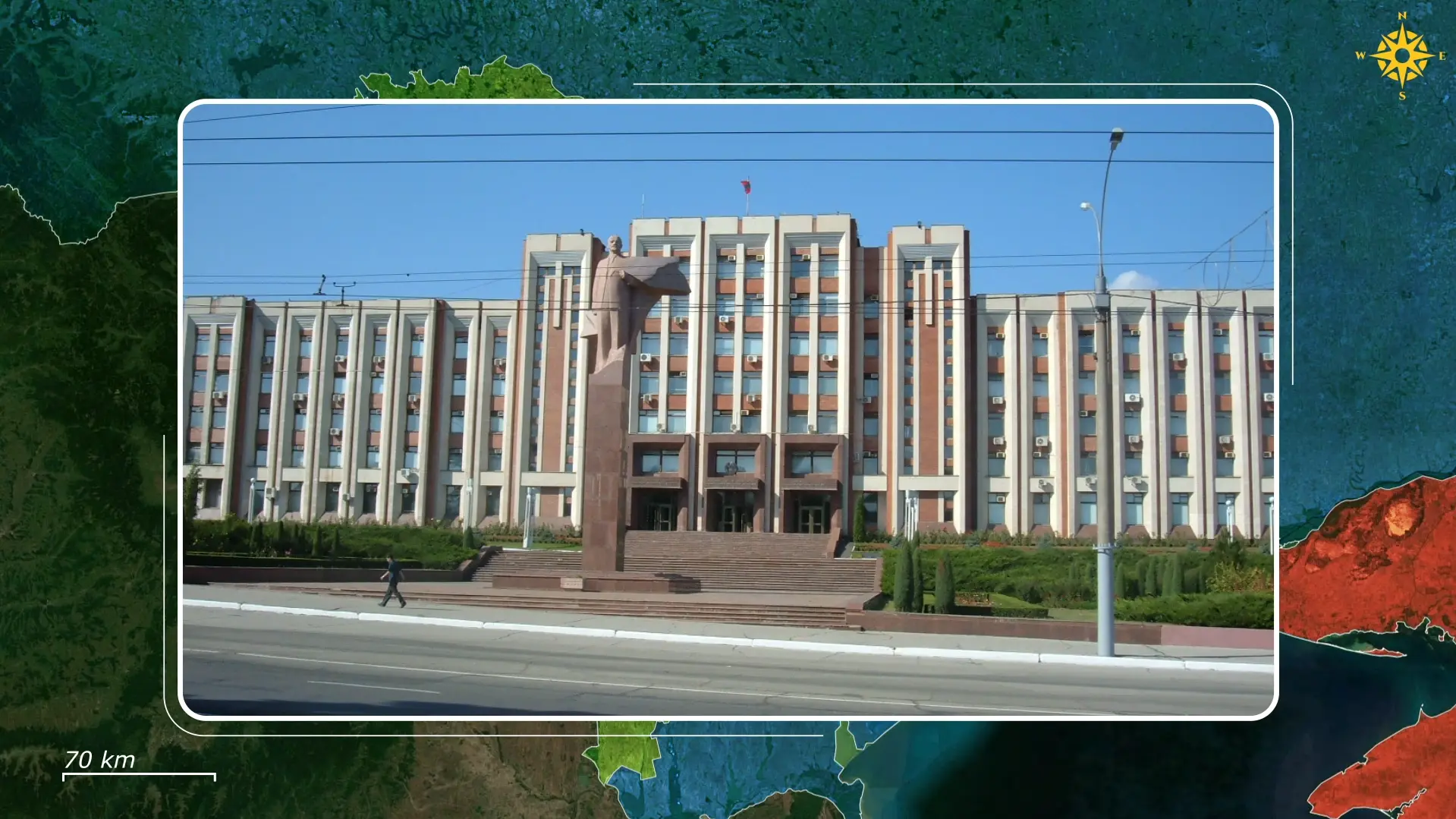
By blocking the movement of key officers, Moldova has struck at the core of the Russian operational viability in Transnistria, as removing the Russian contingent is a major prerequisite for the transition to happen peacefully. Without rotation, personnel remain stuck indefinitely, leading to exhaustion, declining morale, and eventual breakdown in command efficiency. Experienced officers cannot be replaced, and specialist roles begin to degrade over time. This is not just a personnel issue, as it directly affects Russian decision-making, discipline, the ability to respond to crises, and to create tension in the wider area.
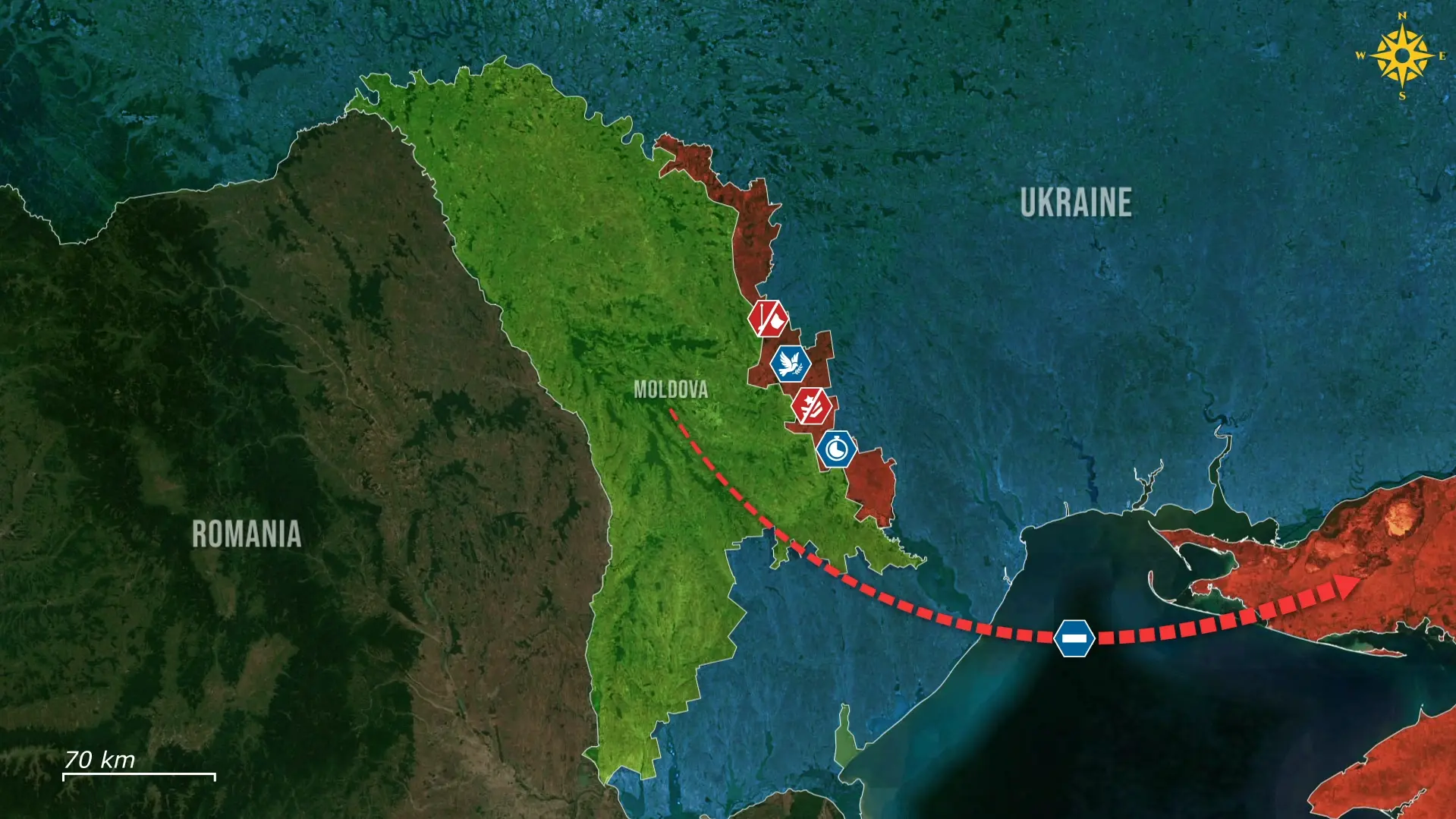
At the same time, the inability to reinforce the contingent strips it of its deterrent value. A military presence that cannot be strengthened in an emergency is no longer a credible threat. Any escalation would immediately expose that Moscow cannot rapidly deploy additional troops or equipment into Transnistria, transforming the Russian force from a pressure tool into a static liability.
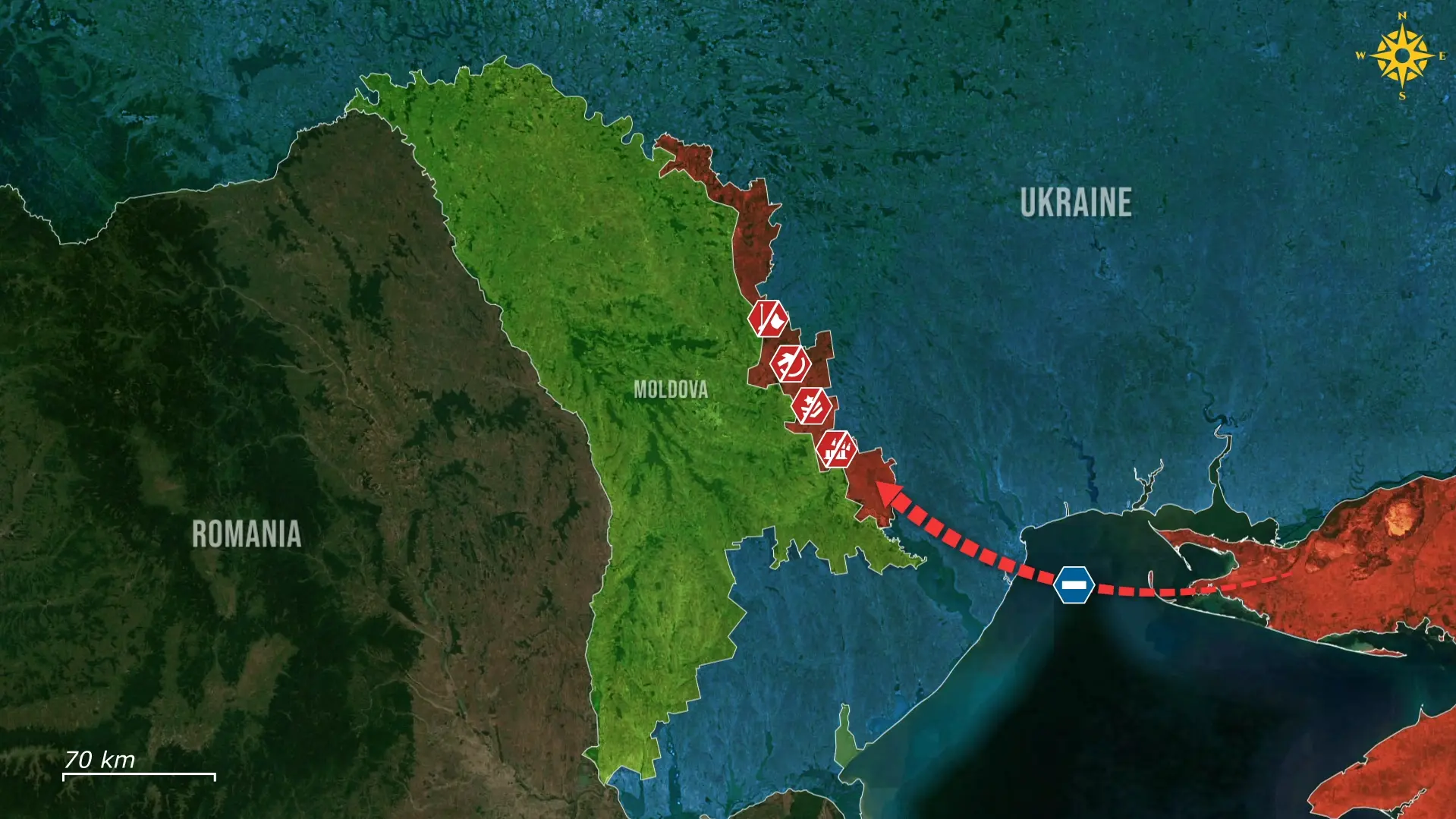
Logistics further compounds the problem for the Russians, as access routes are restricted, making supply lines fragile and unreliable, and the contingent unsustainable. Over time, this will lead to shortages of ammunition, fuel, spare parts, and even basic provisions, declining the operational readiness and the overall combat capability of the Russian forces.
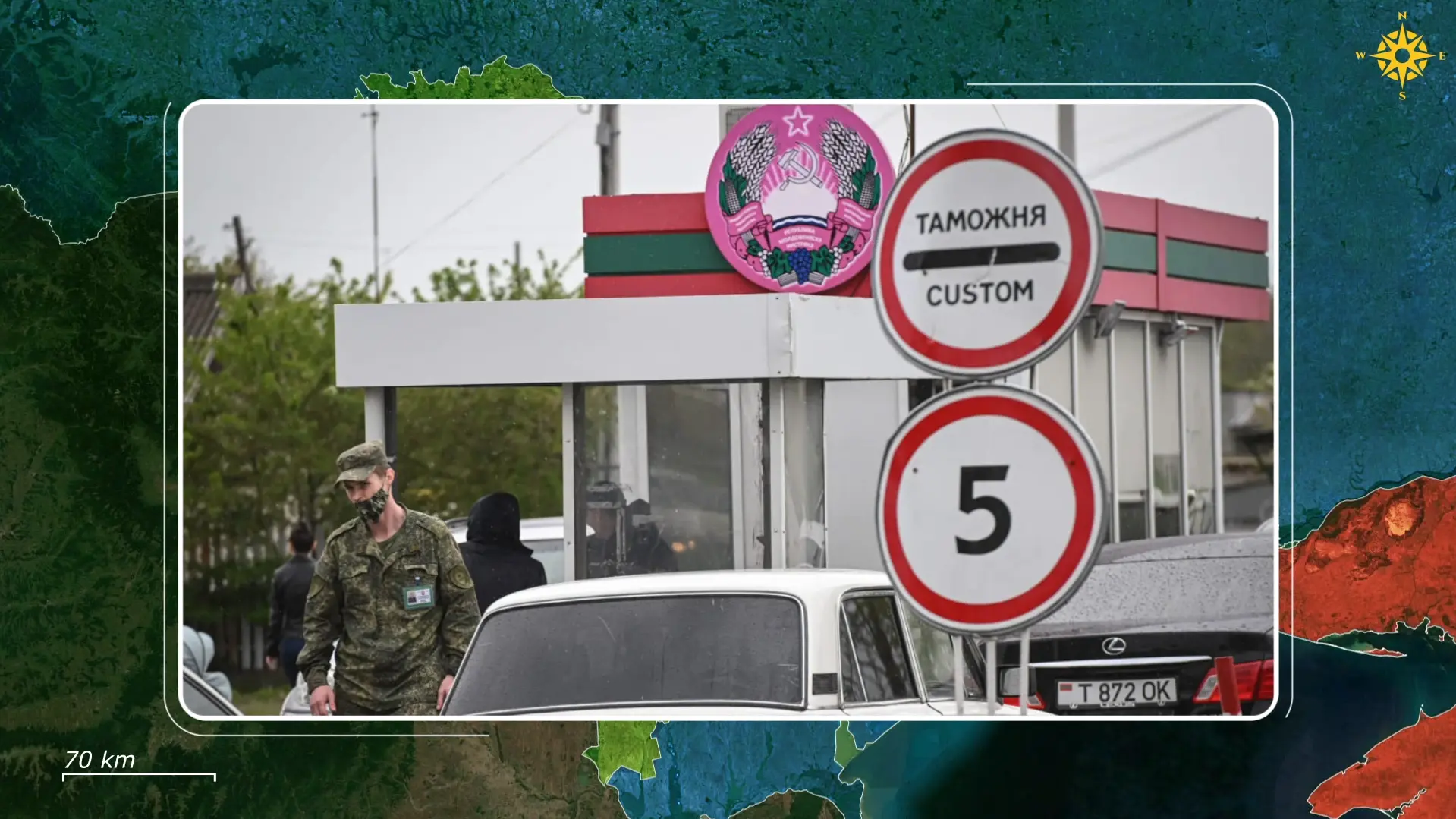
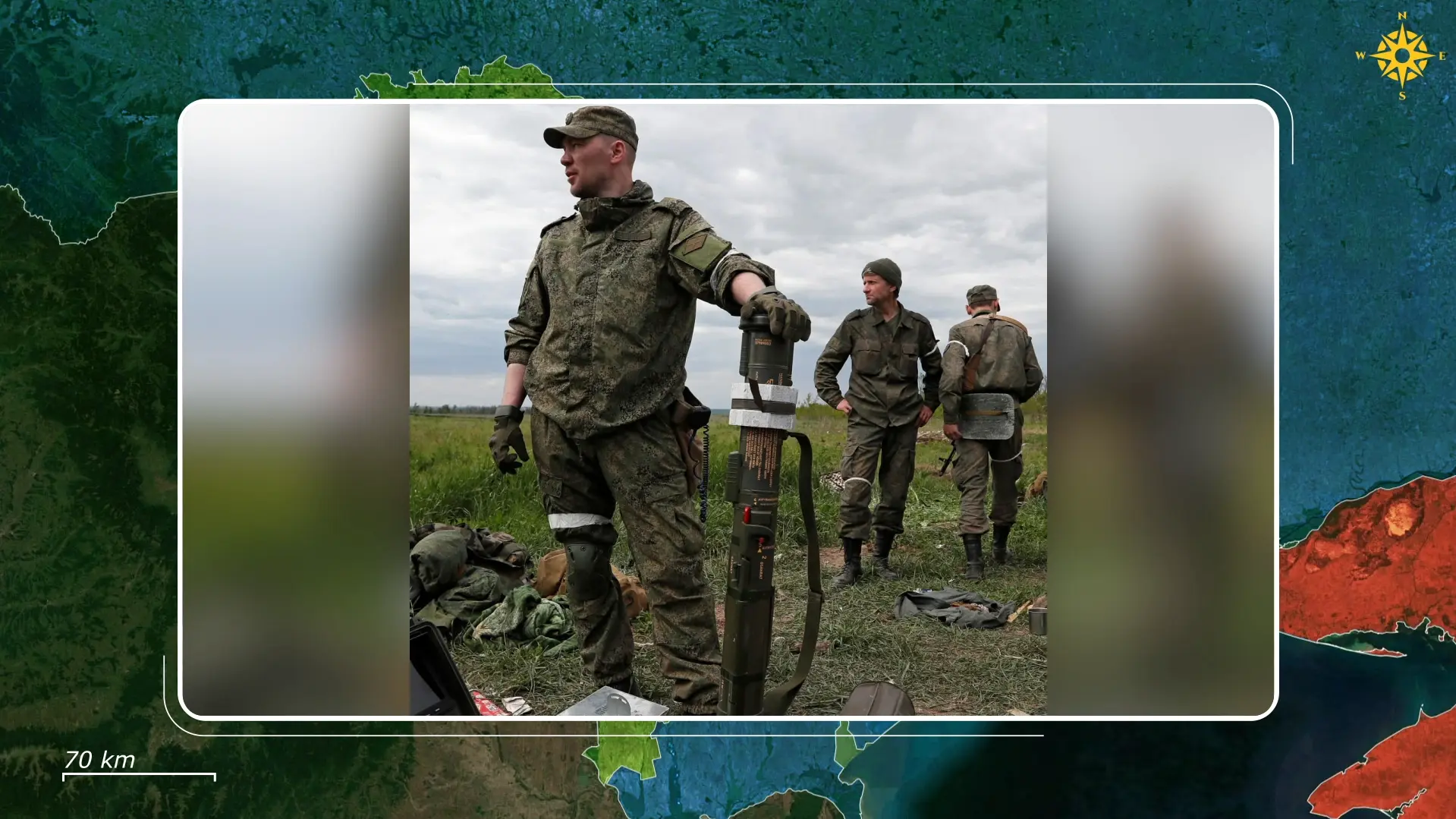
Taken together, these factors fundamentally alter the balance of power, as the presence of Russian troops no longer provides leverage—it drains resources, weakens influence, and exposes vulnerabilities.
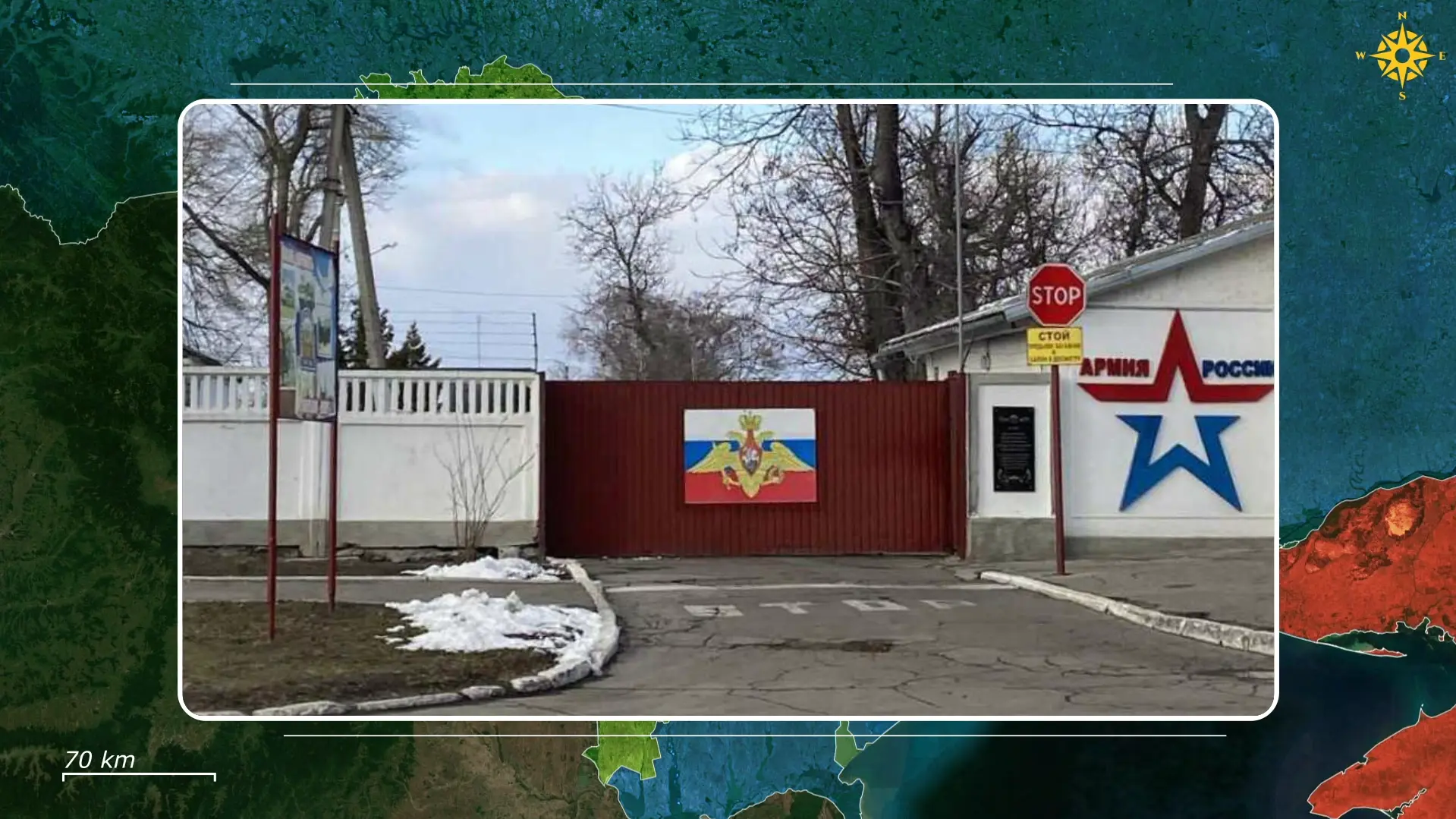
Equally important is the restriction on withdrawal, as it effectively traps the Russians, both militarily and politically. Moscow cannot easily extract its personnel without negotiating with Moldova, creating a scenario where its own troops effectively become hostages to the situation, severely limiting Russia’s flexibility and damaging its image.
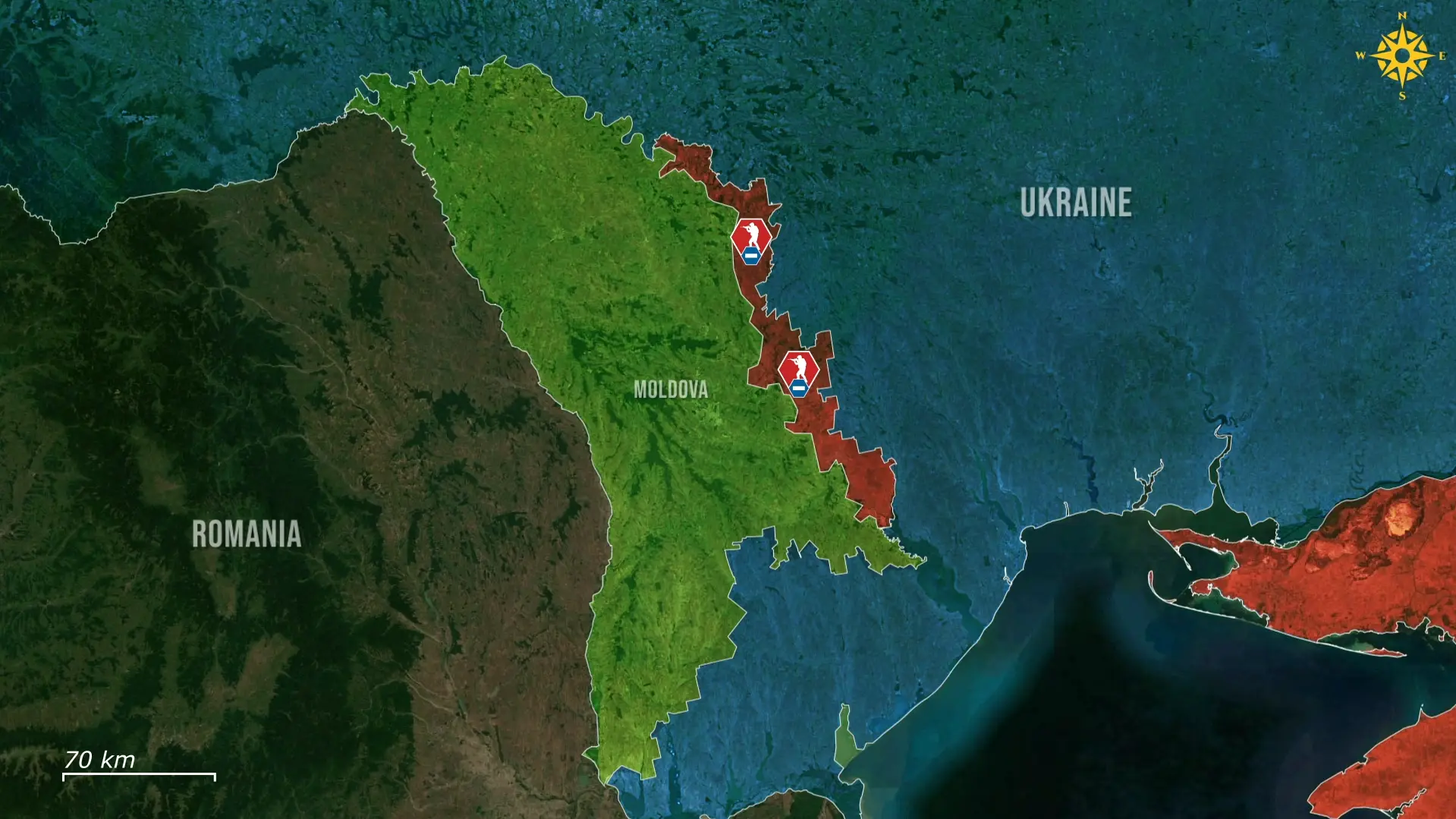
This would ease peaceful reintegration through an eventual deal where Russians are left to leave, and in exchange, Russia stops interfering with Moldovan independence.
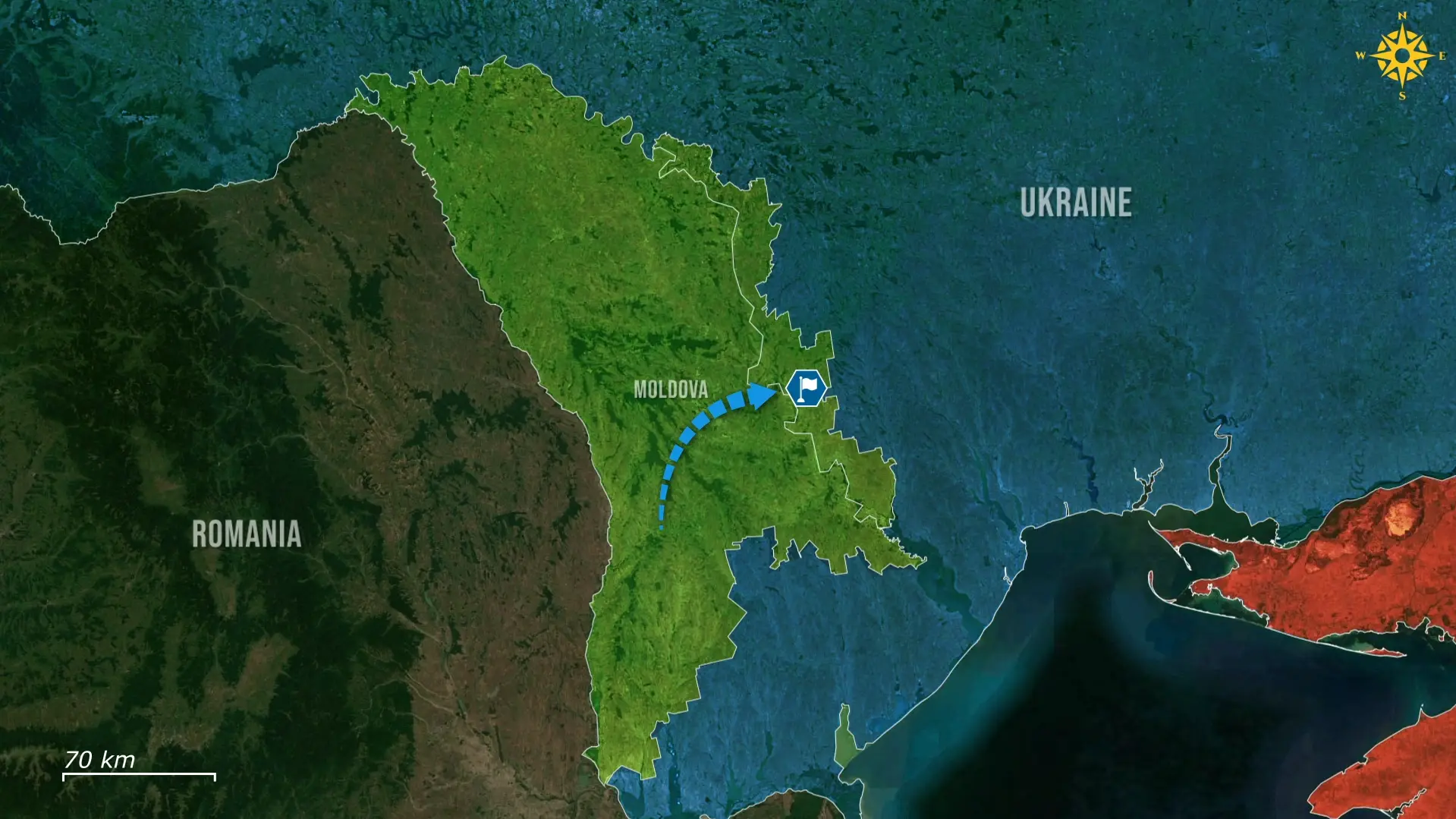
Overall, Moldova has effectively turned Transnistria into a strategic trap, and what was once a forward Russian outpost used to pressure Moldova and influence the region is now a strategic dead end. Chisinau is applying controlled, incremental pressure, steadily eroding the value of Russia’s presence without triggering direct confrontation.
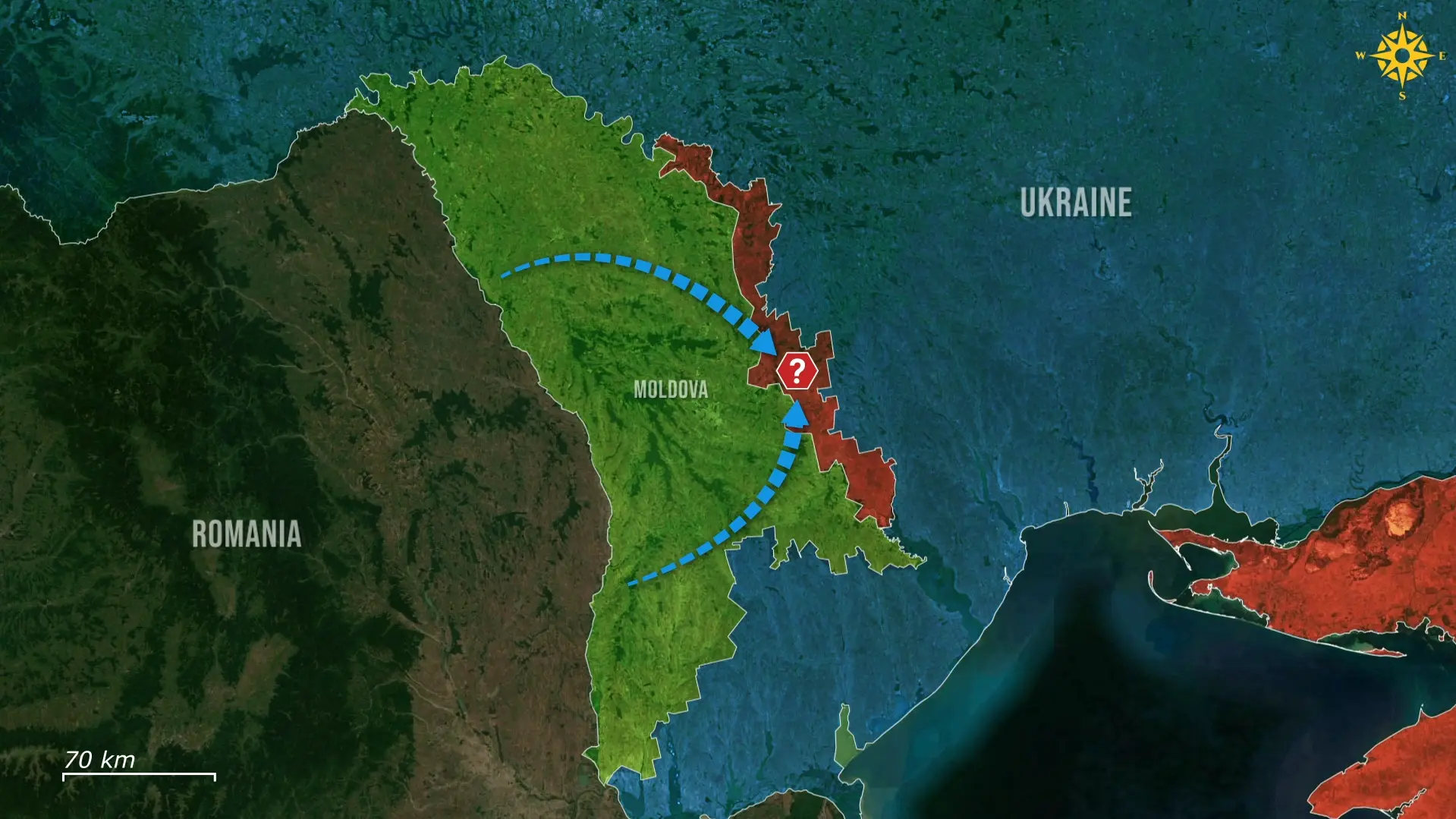
Over time, the isolated contingent becomes irrelevant, unable to influence events or support Russia’s broader objectives, and by first restricting and isolating the Russian military presence, Moldova is laying the groundwork for full reintegration.
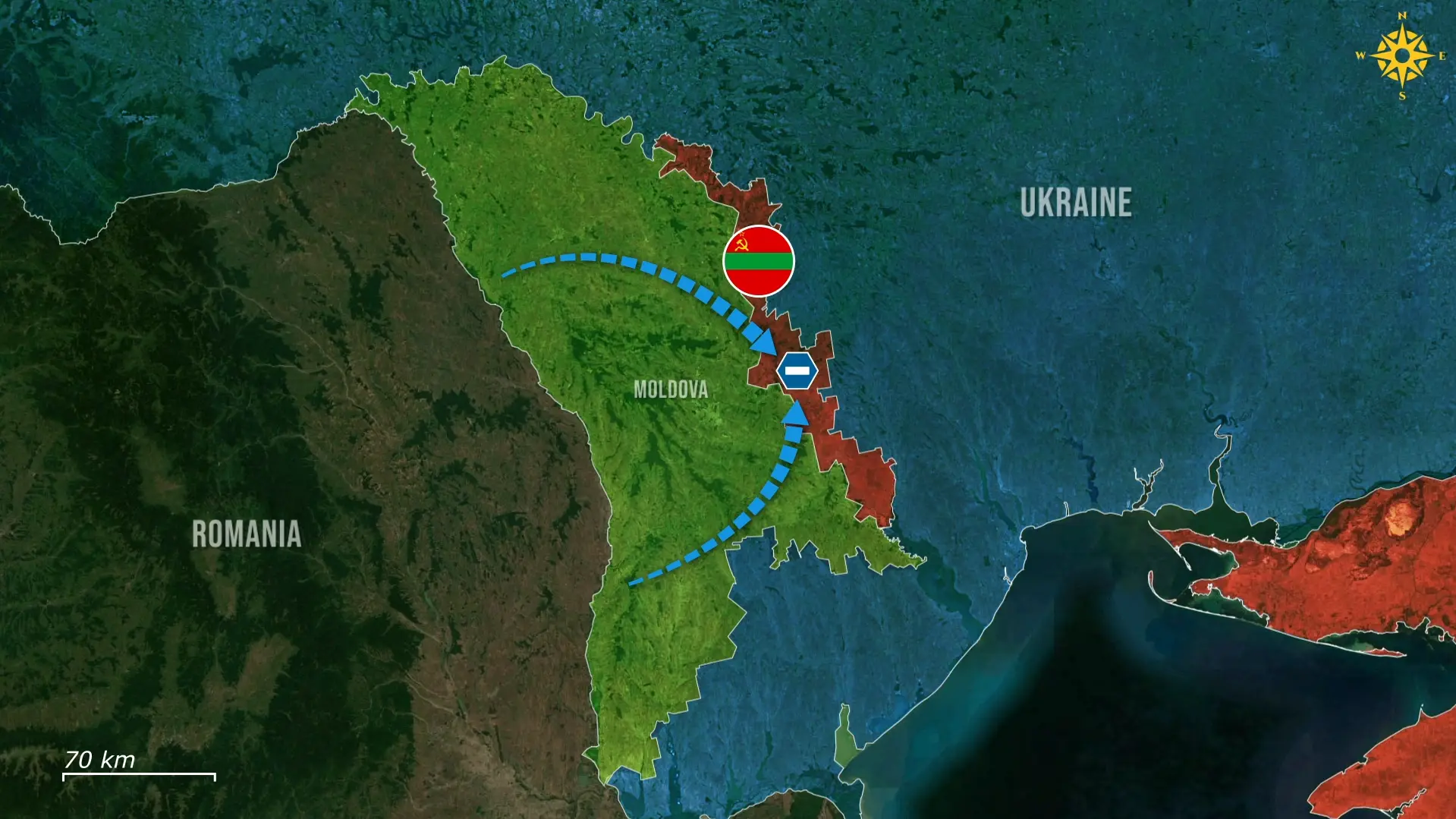
Step by step, the conditions are being created for Russia’s eventual withdrawal, transforming a long-standing frozen conflict into a strategic process that now clearly favors Moldova.

.jpg)

Comments