

.svg)
Today, the biggest updates come from Russia.
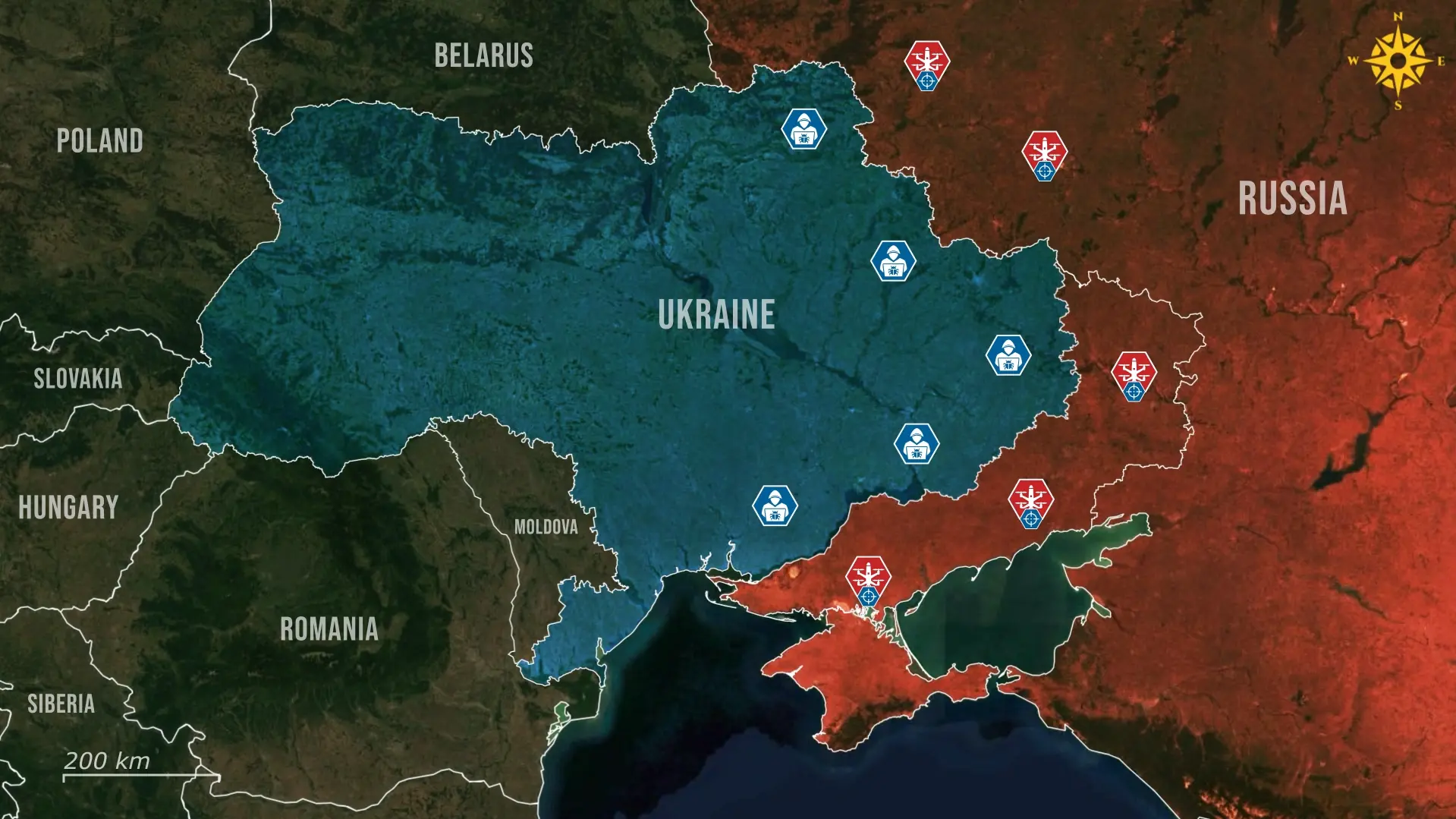
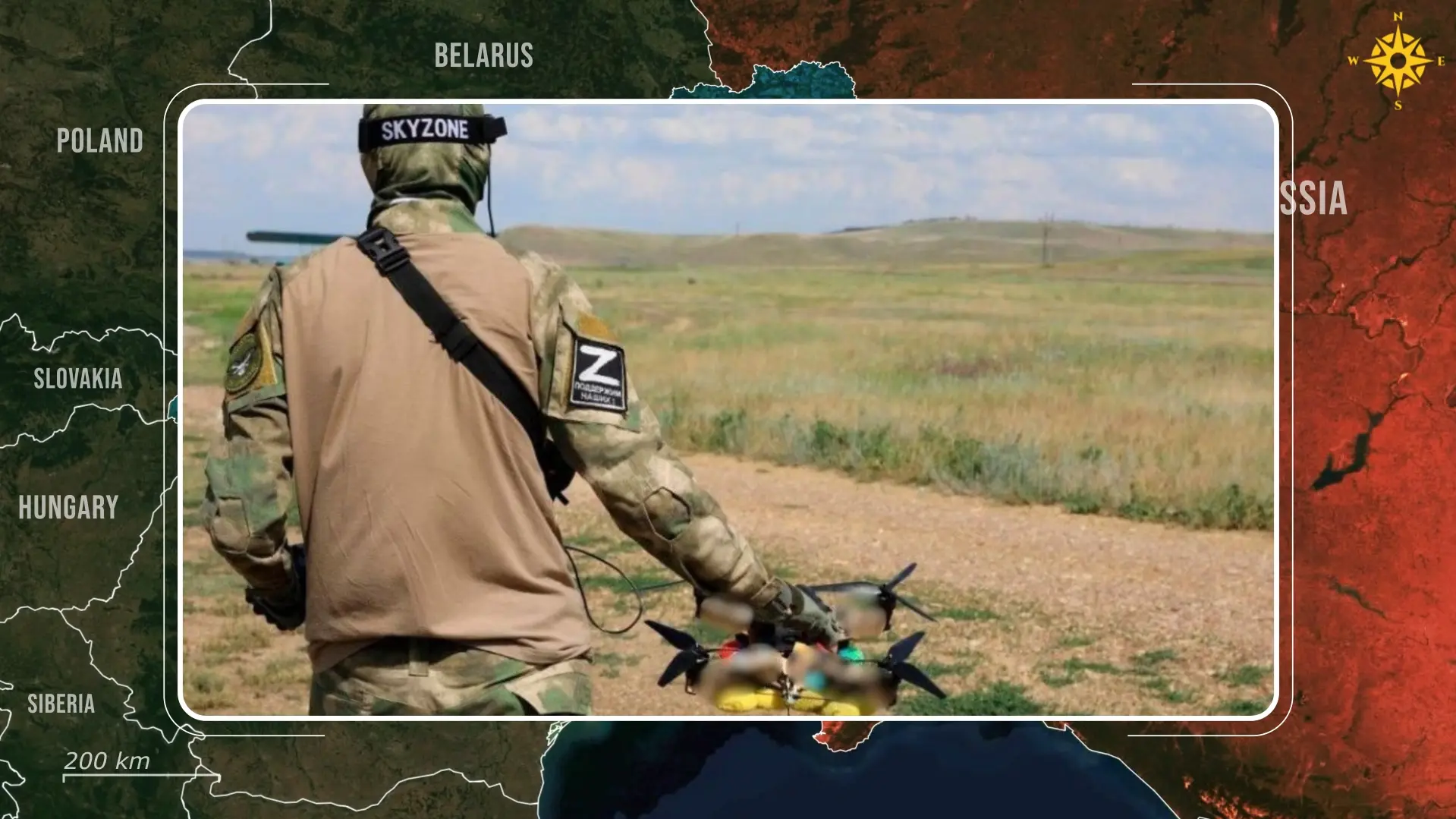
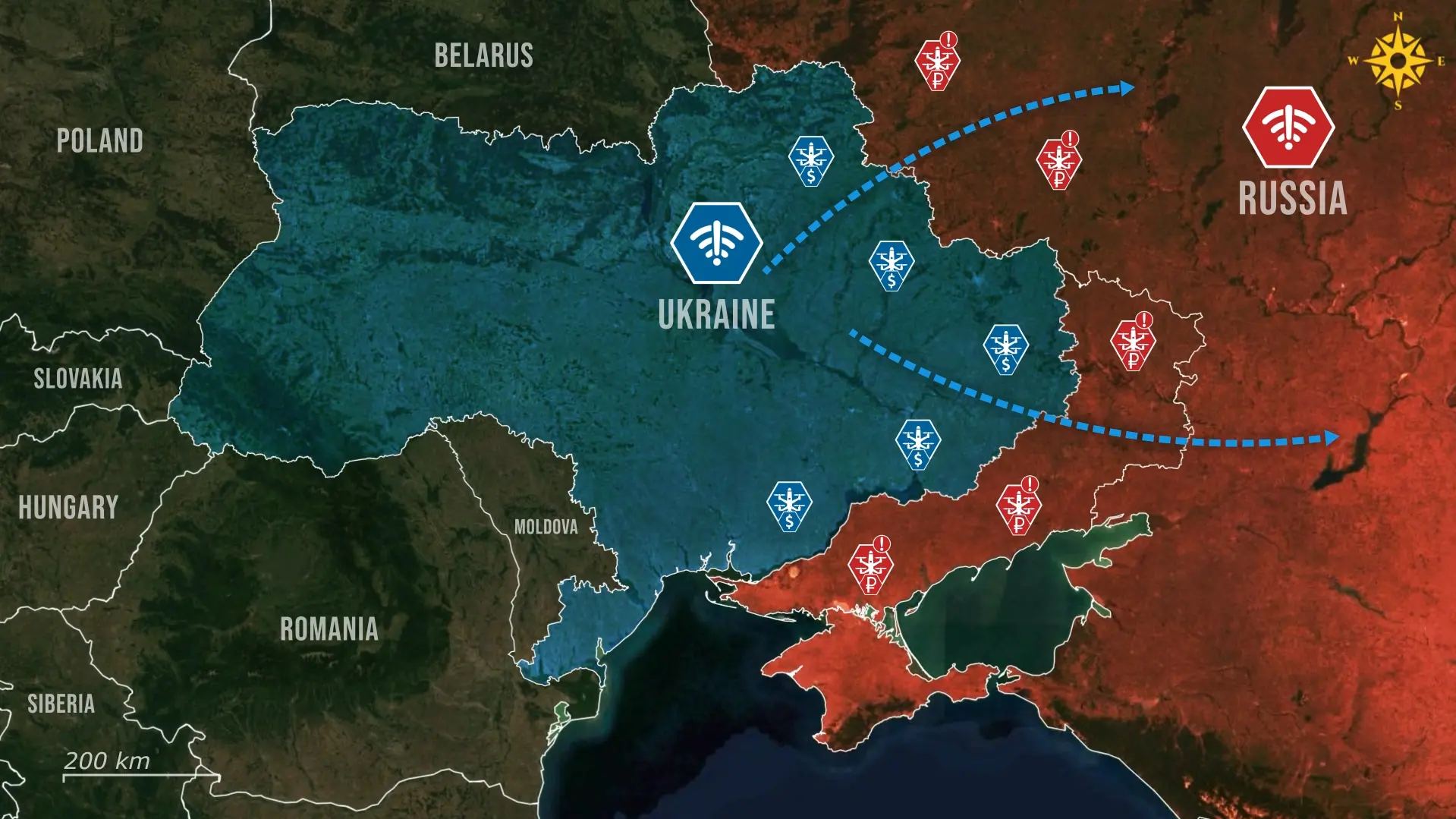
Here, a new phase in the drone war is taking shape as both sides adapt to an increasingly contested electromagnetic environment. Against expectations of continued imbalance, Russia is beginning to field interceptor drones, signaling a shift that could challenge Ukraine’s current advantage.
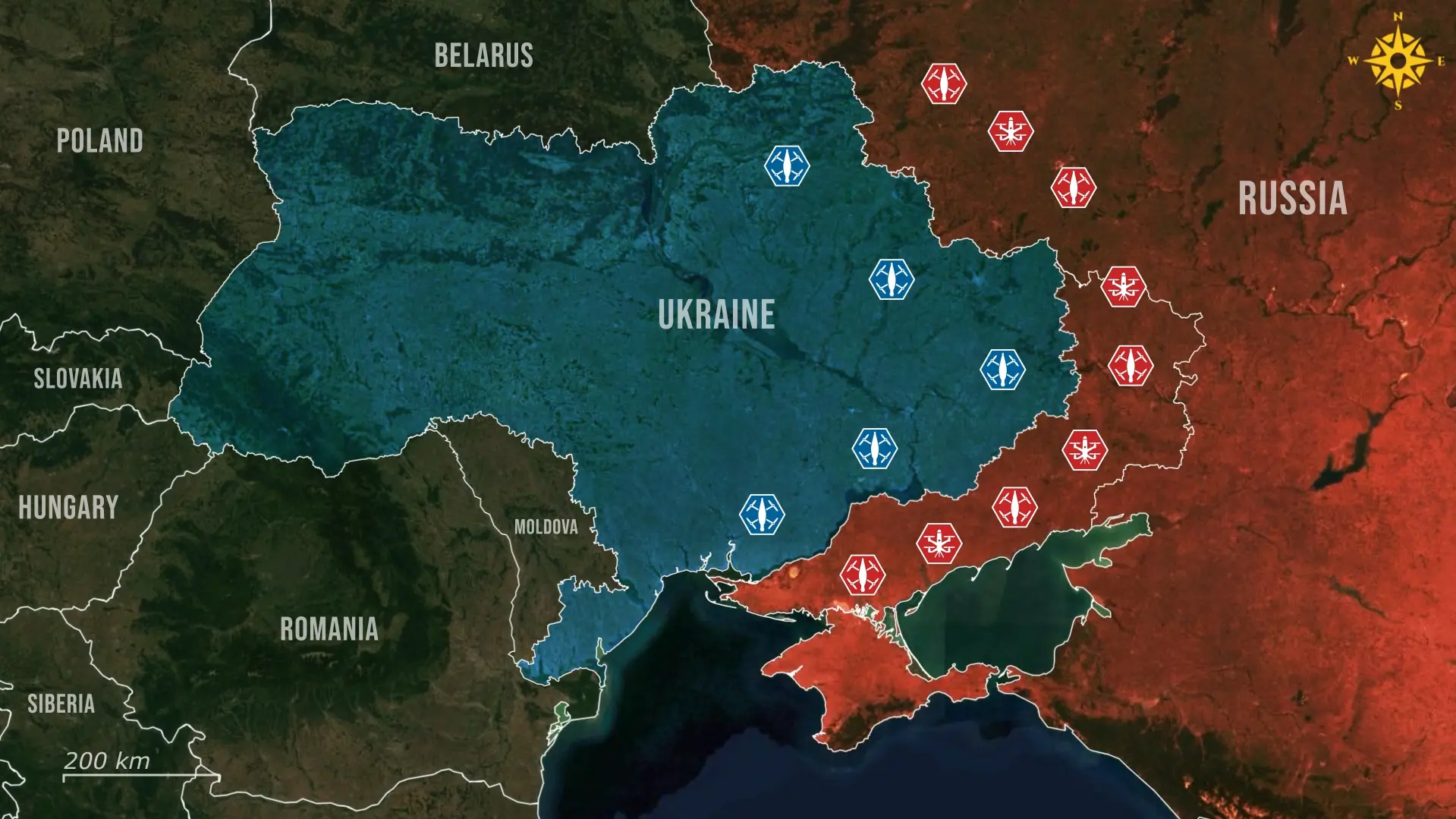
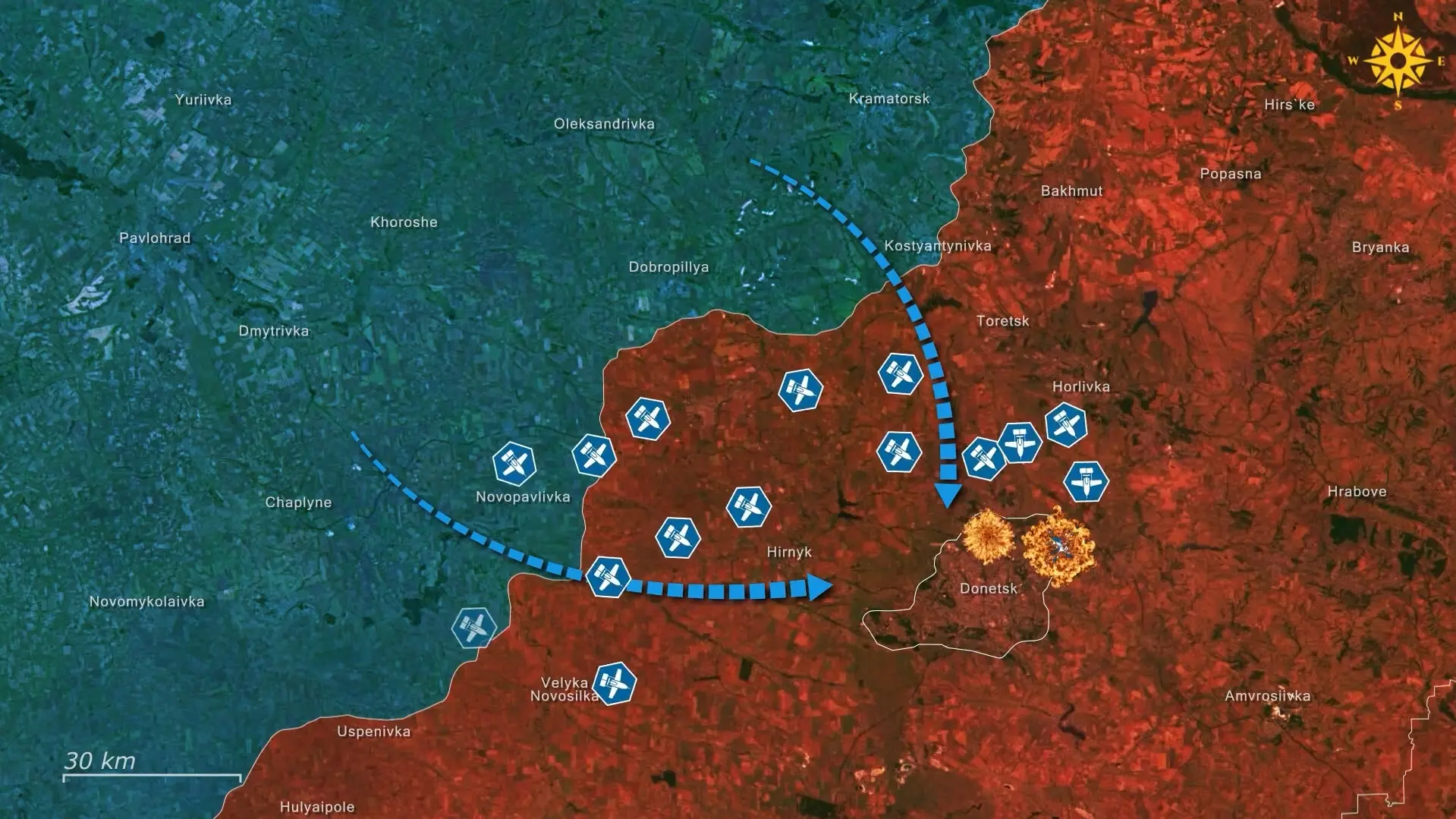
Recently, Russia has begun deploying interceptor drones to directly counter the growing volume of Ukrainian UAV shaping the battlefield. This marks a notable shift, as Moscow moves beyond passive defenses and adapts toward the same low cost aerial interception model that has allowed Ukraine to neutralize a significant share of incoming threats, with drone interceptors now accounting for a substantial portion of air defense engagements.
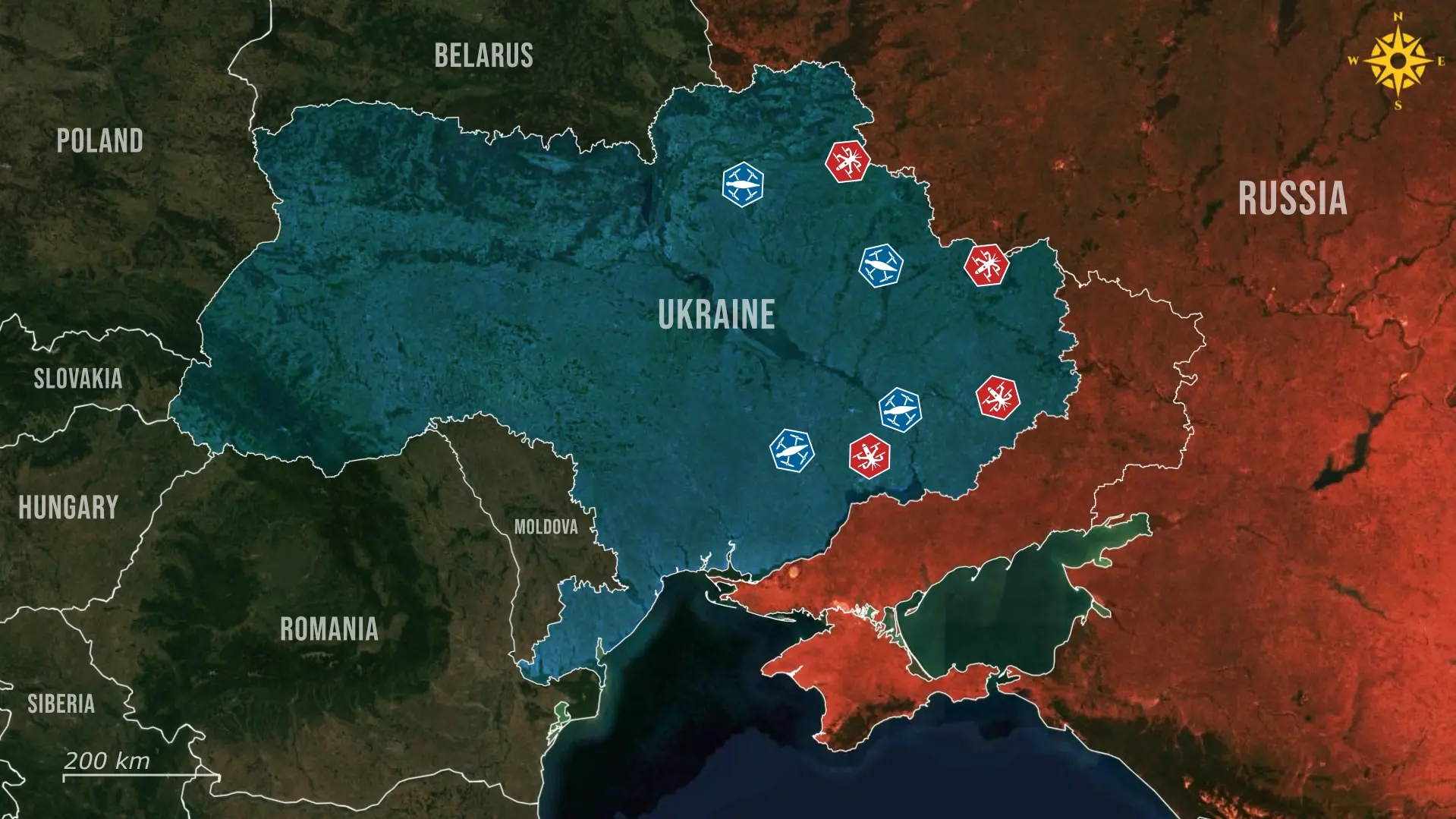
The move reflects mounting pressure from sustained Ukrainian drone operations, which have forced Russian forces to process and respond to constant aerial incursions in real time. As interceptor drones redefine the economics of air defense, Russia’s adoption signals both recognition of this shift and an attempt to close the gap in a rapidly evolving domain.
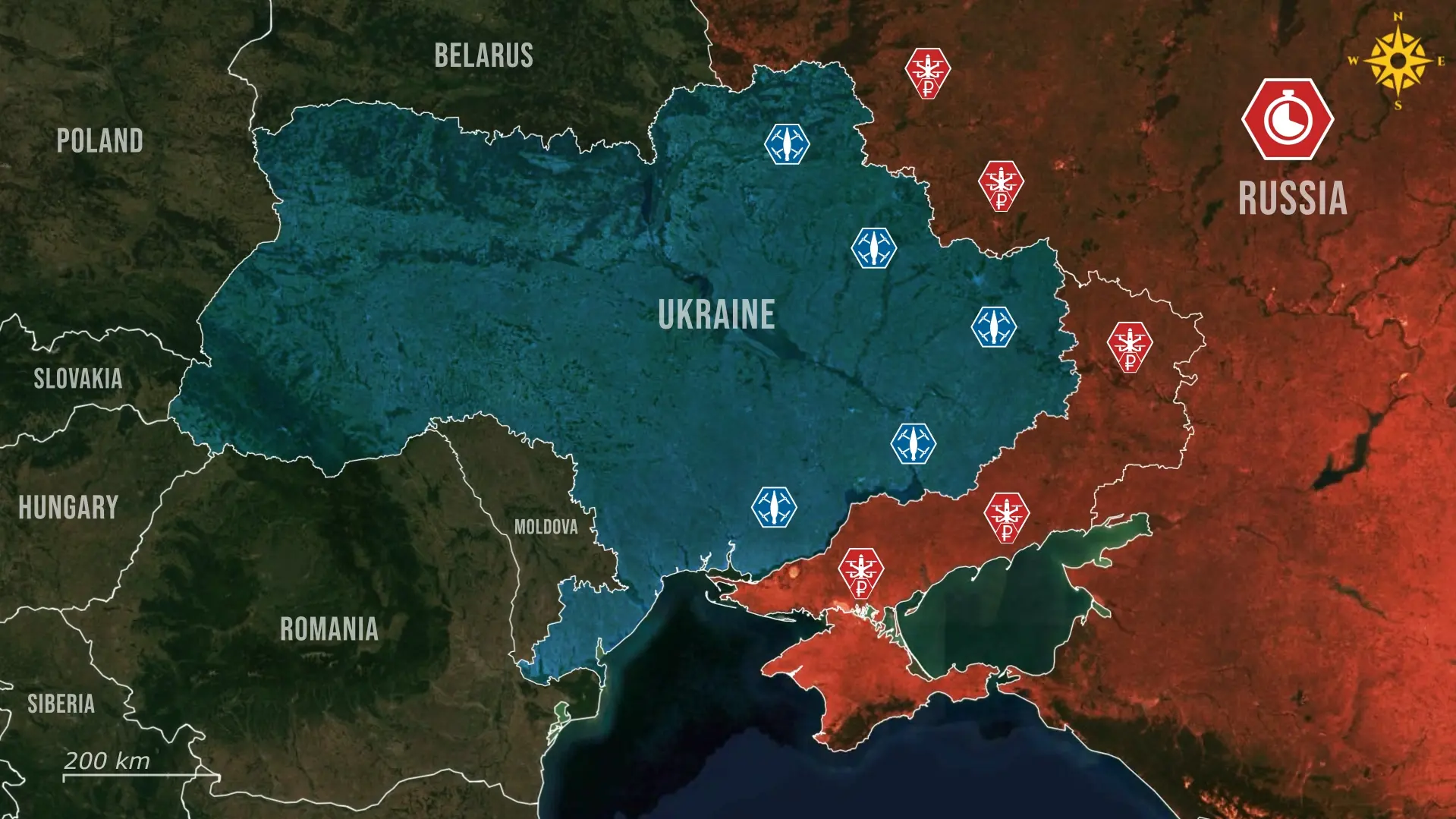
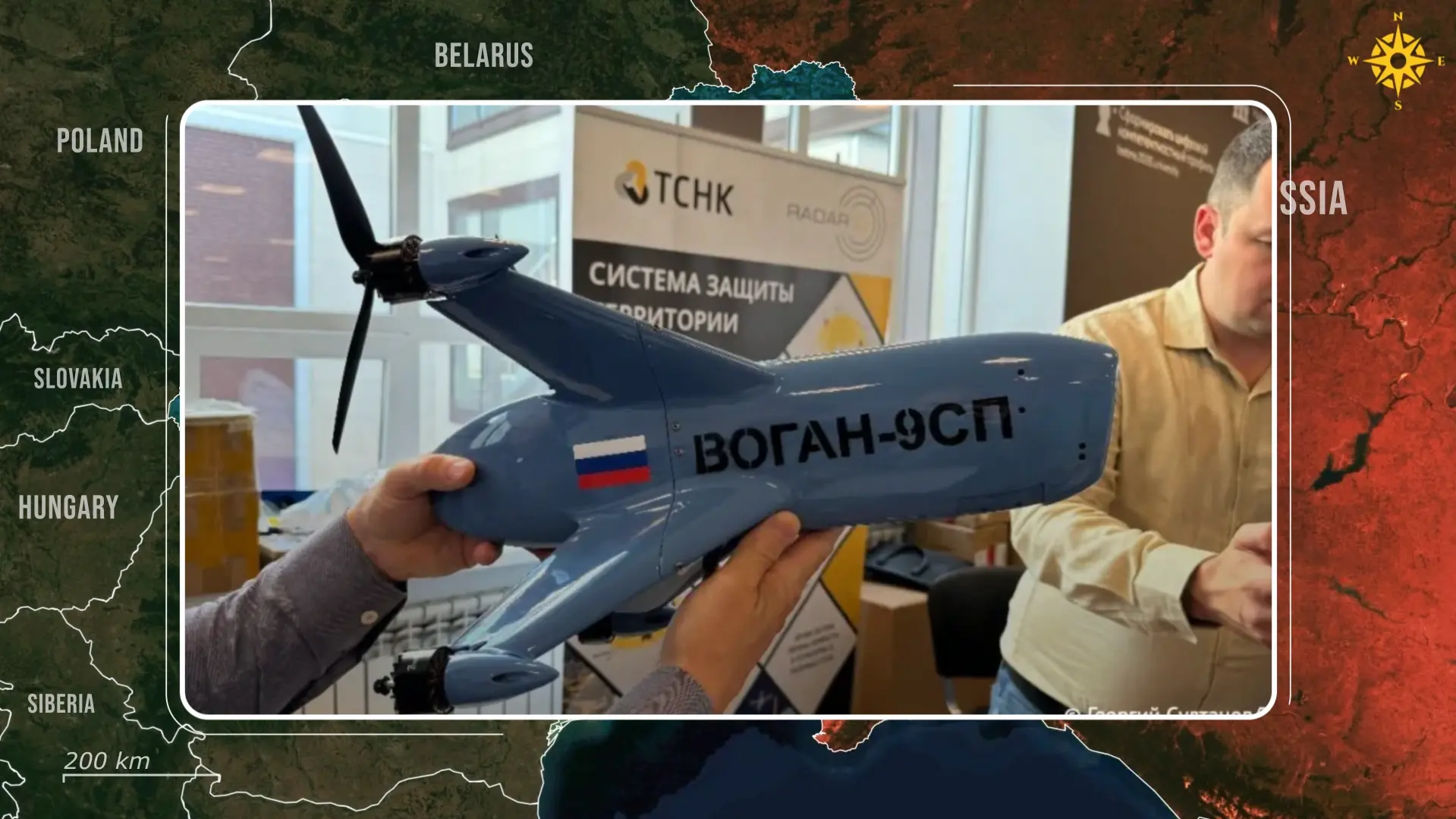
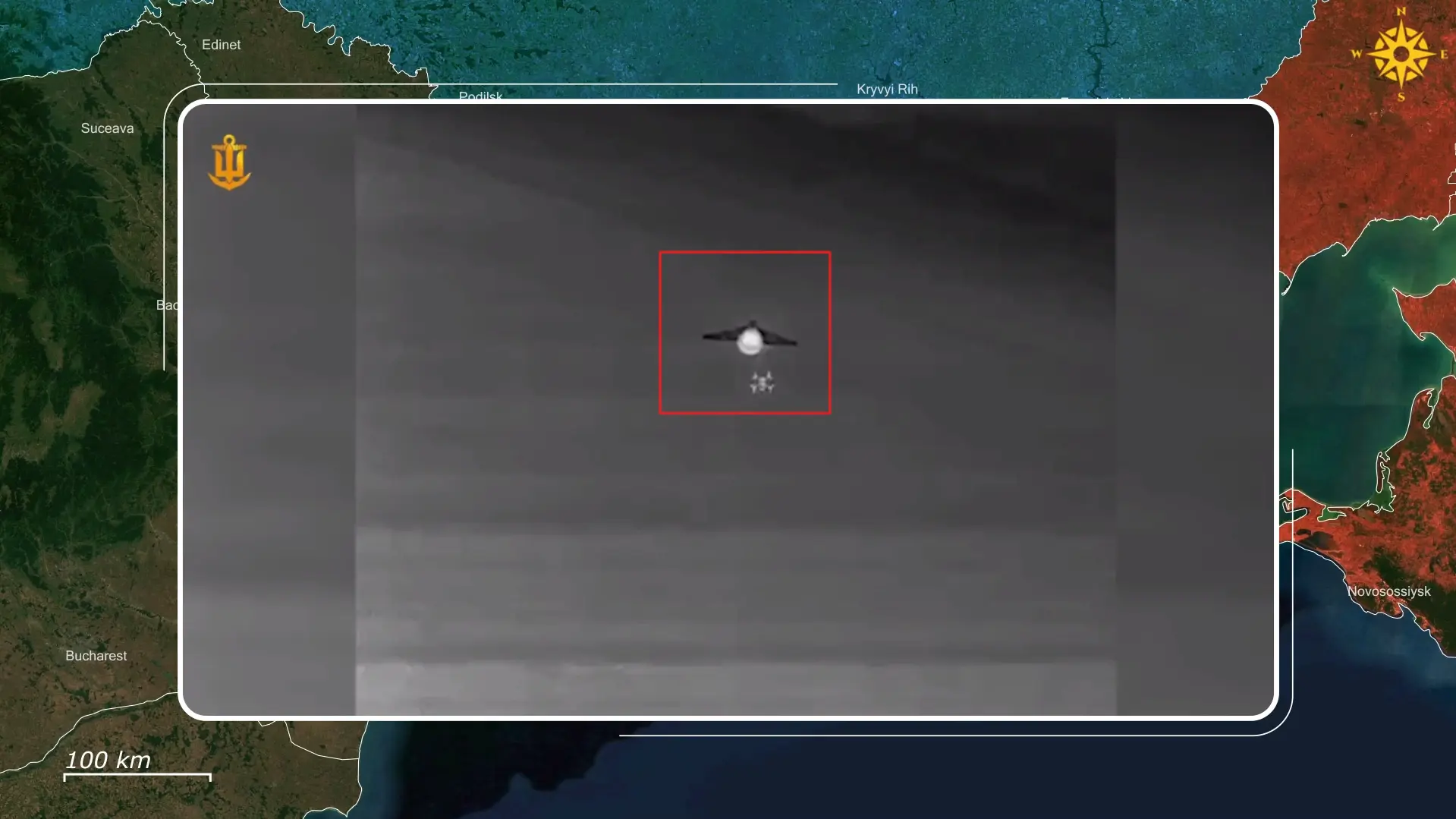
The origins of these interceptor drones point clearly to Ukrainian innovation, as Russian designs mirror concepts first proven effective on the opposing side. Ukrainian forces have relied heavily on modified FPV drones adapted for air to air roles, alongside more specialized platforms built specifically to hunt reconnaissance and strike UAV.
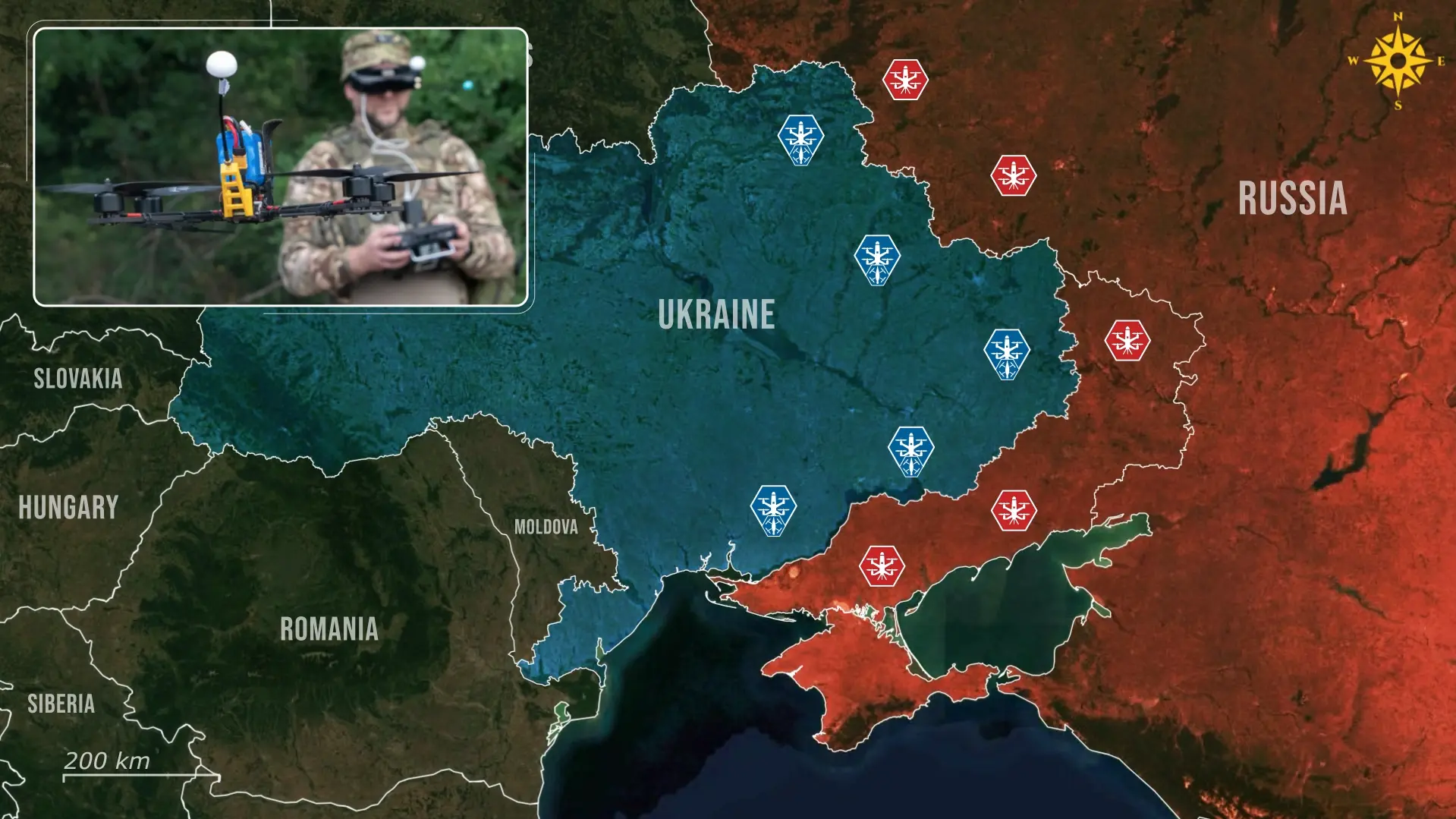
Russia is now replicating this dual approach, combining agile FPV style interceptors with dedicated anti drone systems designed for higher endurance and targeting stability. This reflects a process of rapid battlefield adaptation, where effective ideas are quickly observed, copied, and redeployed to meet immediate operational needs.
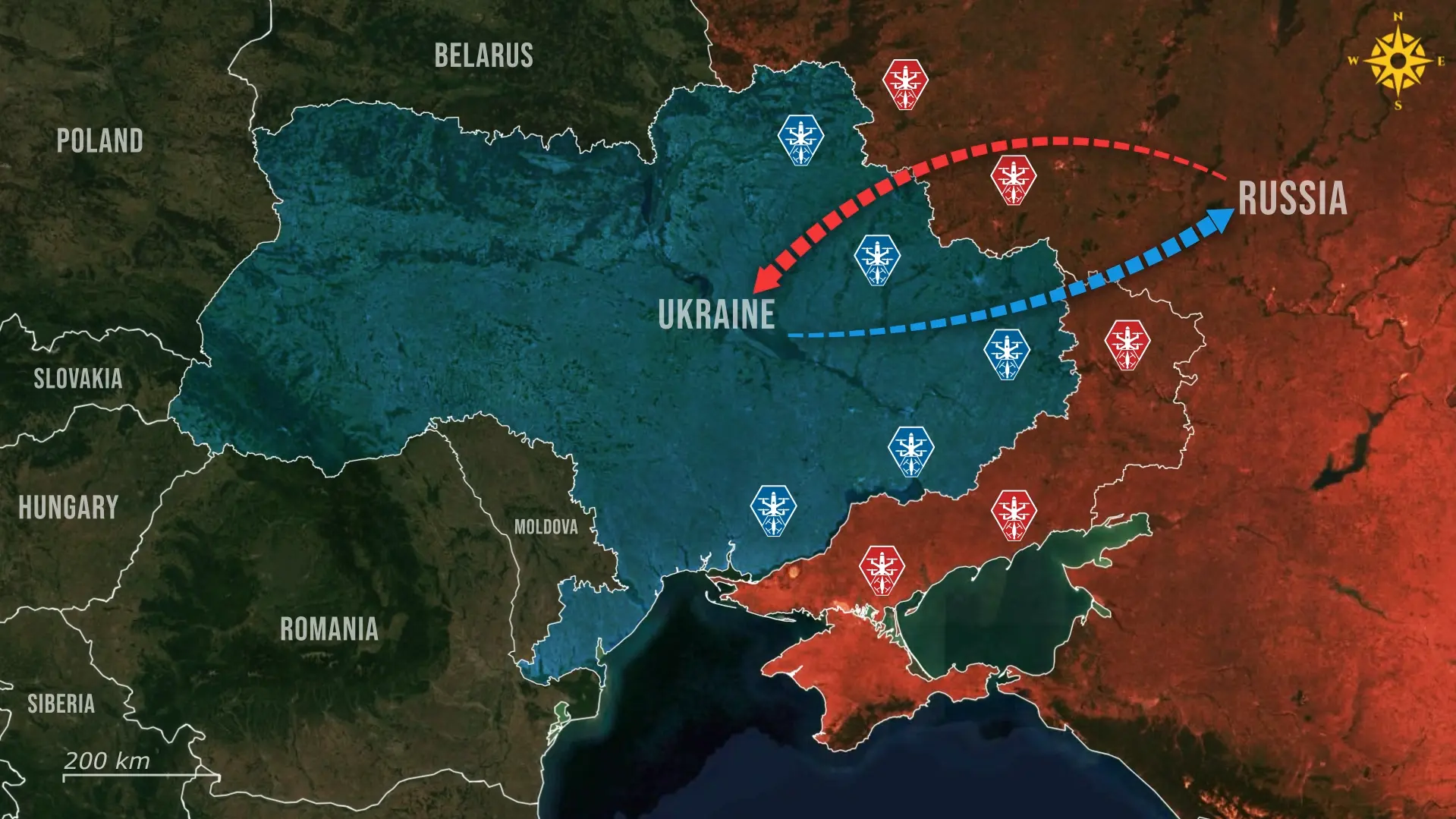
These interceptor drones are built for speed and rapid reaction in contested airspace. Their low cost allows frequent launches, enabling units to respond to repeated Ukrainian UAV incursions without expending scarce air defense missiles.
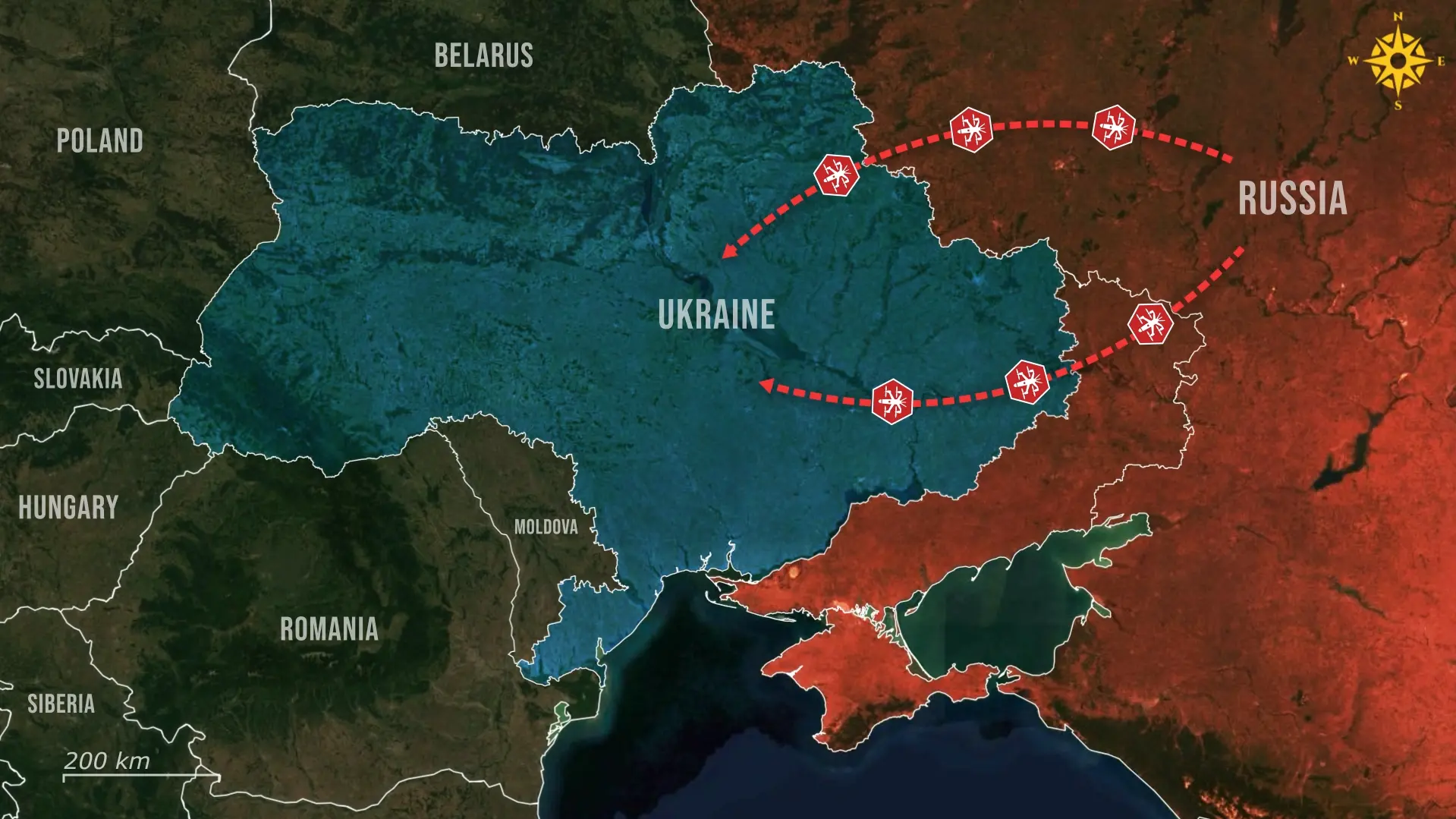
Designed for direct engagement, they can intercept reconnaissance and strike drones midair, shortening the response cycle between detection and attack. Their small size and maneuverability allow operators to pursue agile targets that would be difficult to engage with traditional systems. However, their effectiveness depends on stable communication links, as operators must maintain control and video feed throughout the interception, making performance highly sensitive to disruptions in the electromagnetic environment.
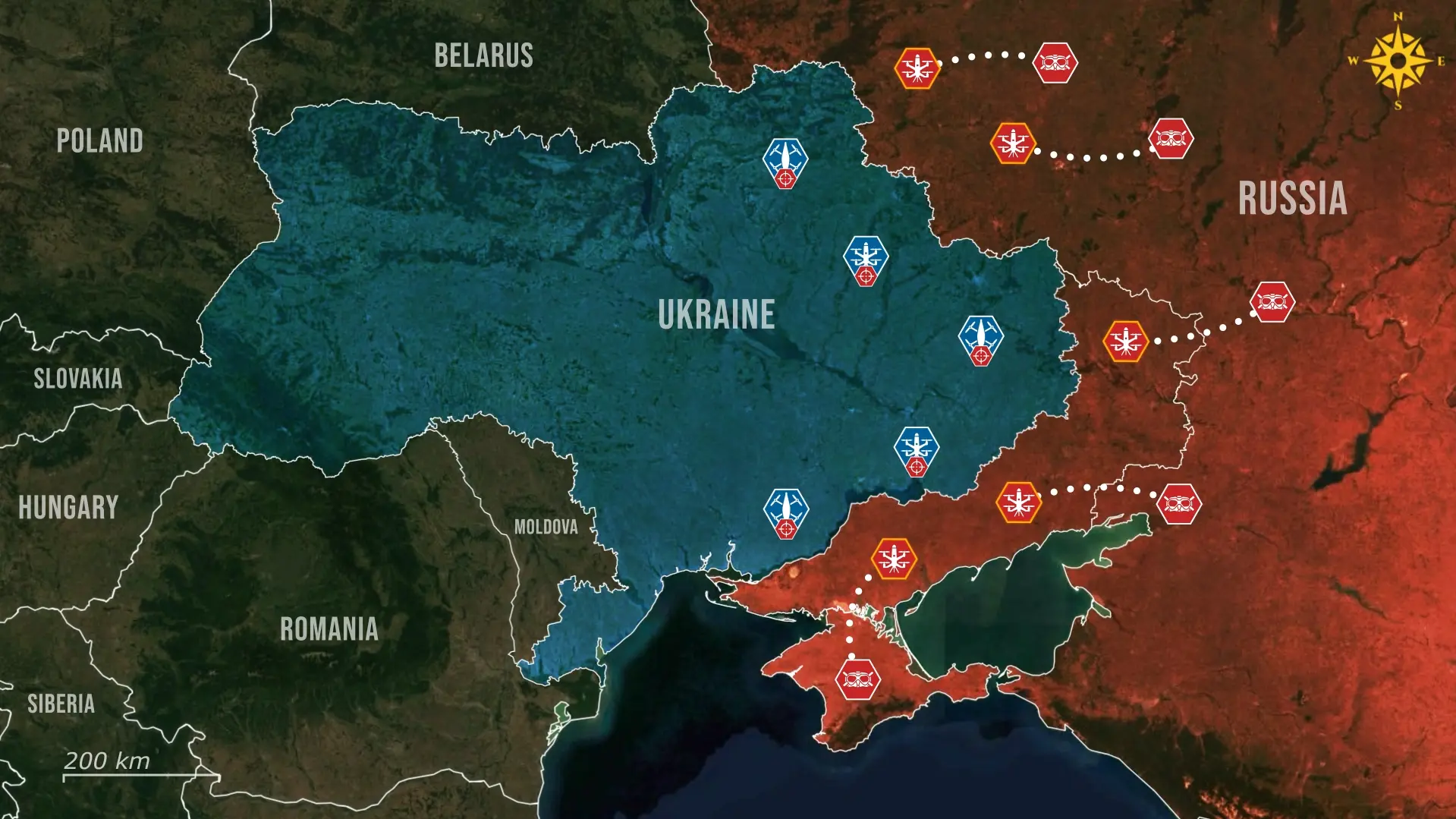
Despite their potential, current Russian interceptor drones face a critical limitation rooted in their operating frequencies. Many of these systems rely on control and video transmission bands that are already heavily targeted by Ukrainian electronic warfare, resulting in a lowered performance.
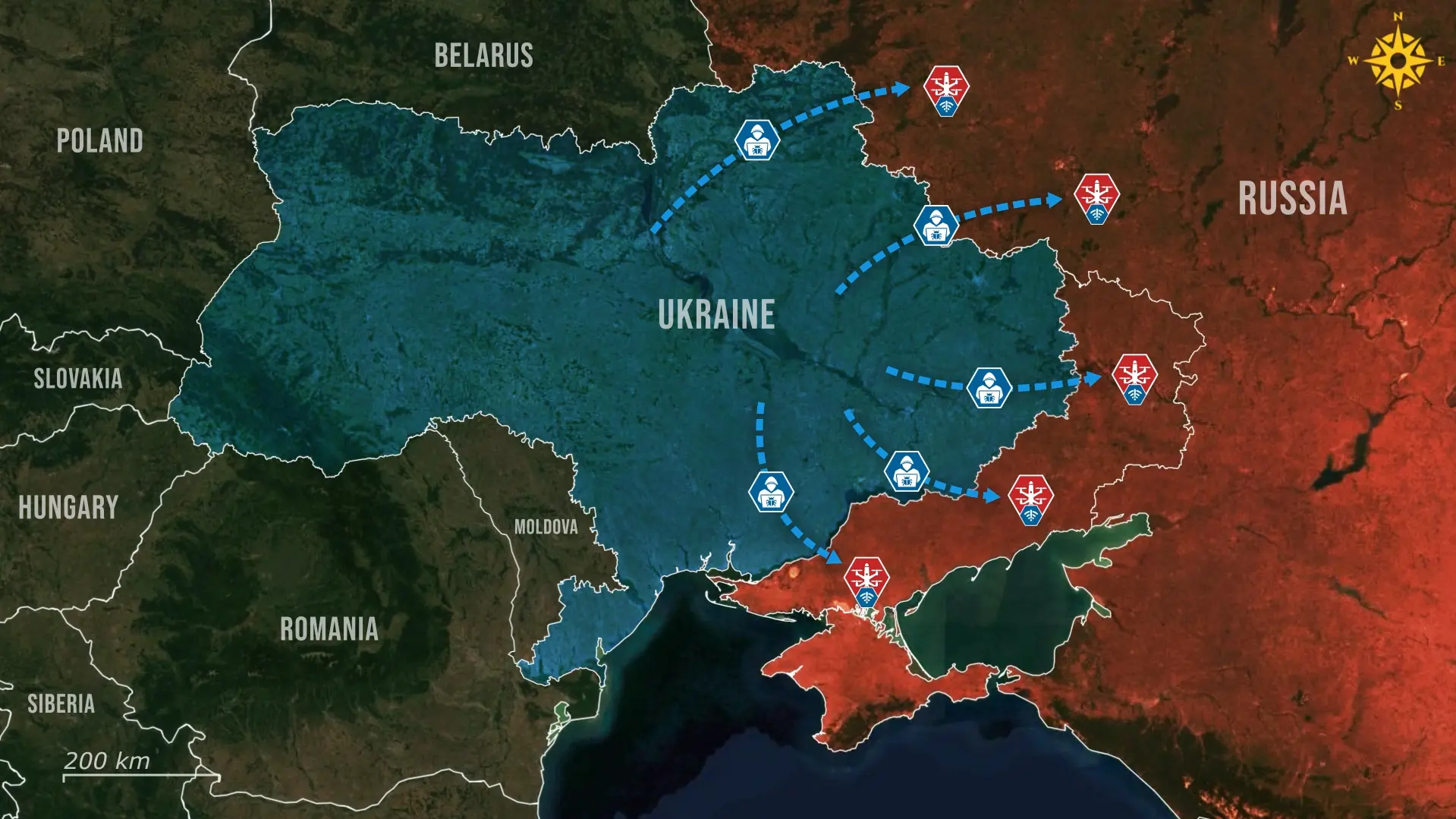
This leads to signal disruption, degraded control and frequent mission failure. This overlap places the drones in a contested spectrum where maintaining a stable link becomes increasingly difficult under active jamming conditions. As a result, interception attempts can be delayed, misdirected, or entirely aborted, reducing overall effectiveness and exposing a structural weakness in how quickly these systems have been adapted and fielded.
Beyond technical constraints, the rollout of these interceptor drones is hindered by structural inefficiencies within the Russian system. Deployment and adaptation remain shaped by centralized control, where decision making flows through rigid command layers rather than frontline initiative.
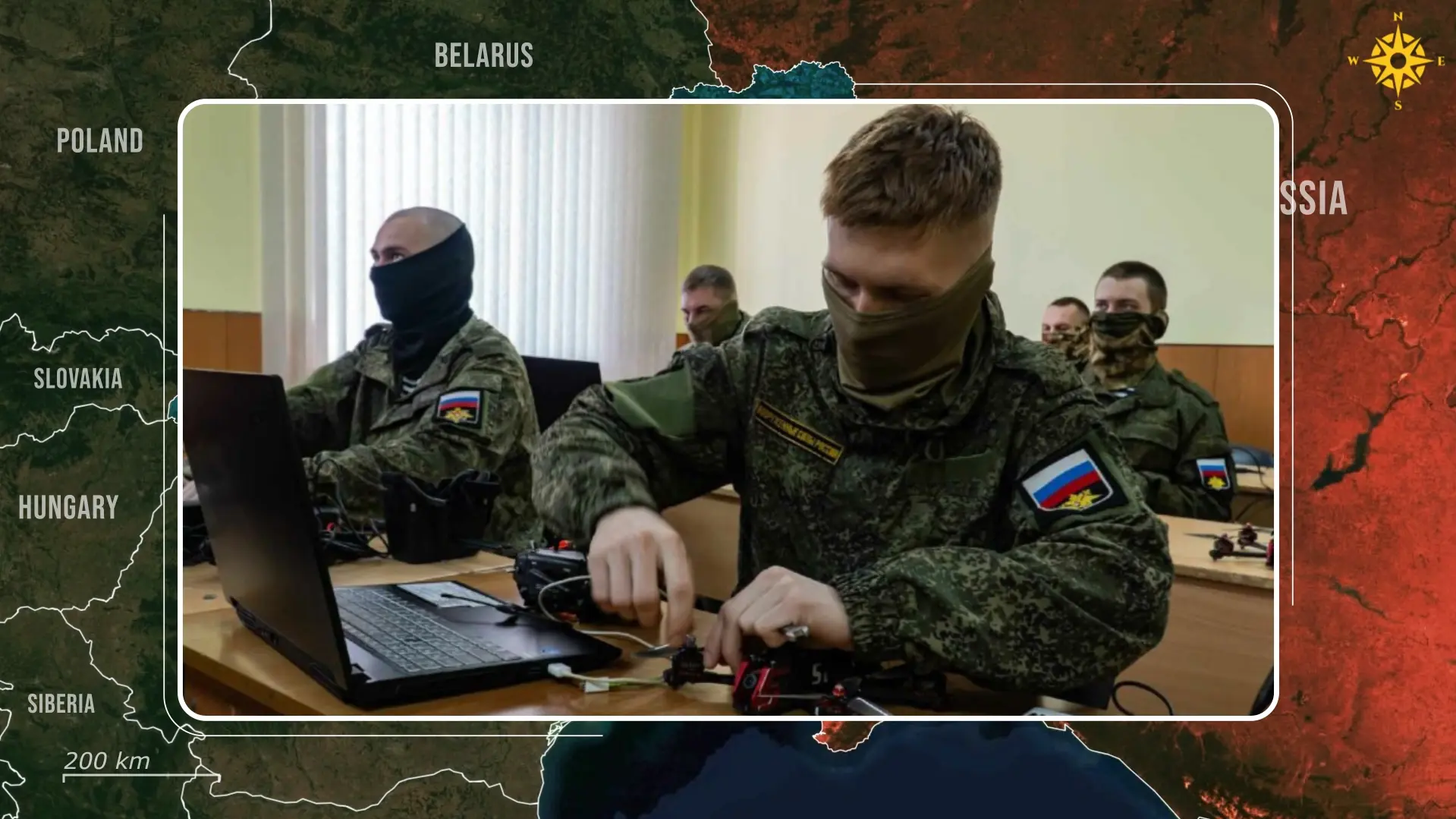
This slows the feedback loop between battlefield experience and design improvement, limiting how quickly units can adjust tactics or modify equipment. In contrast to more decentralized models, this bureaucratic approach restricts experimentation and delays scaling effective solutions. As a result, even workable concepts struggle to reach consistent operational maturity, reducing their immediate impact despite clear demand at the tactical level.
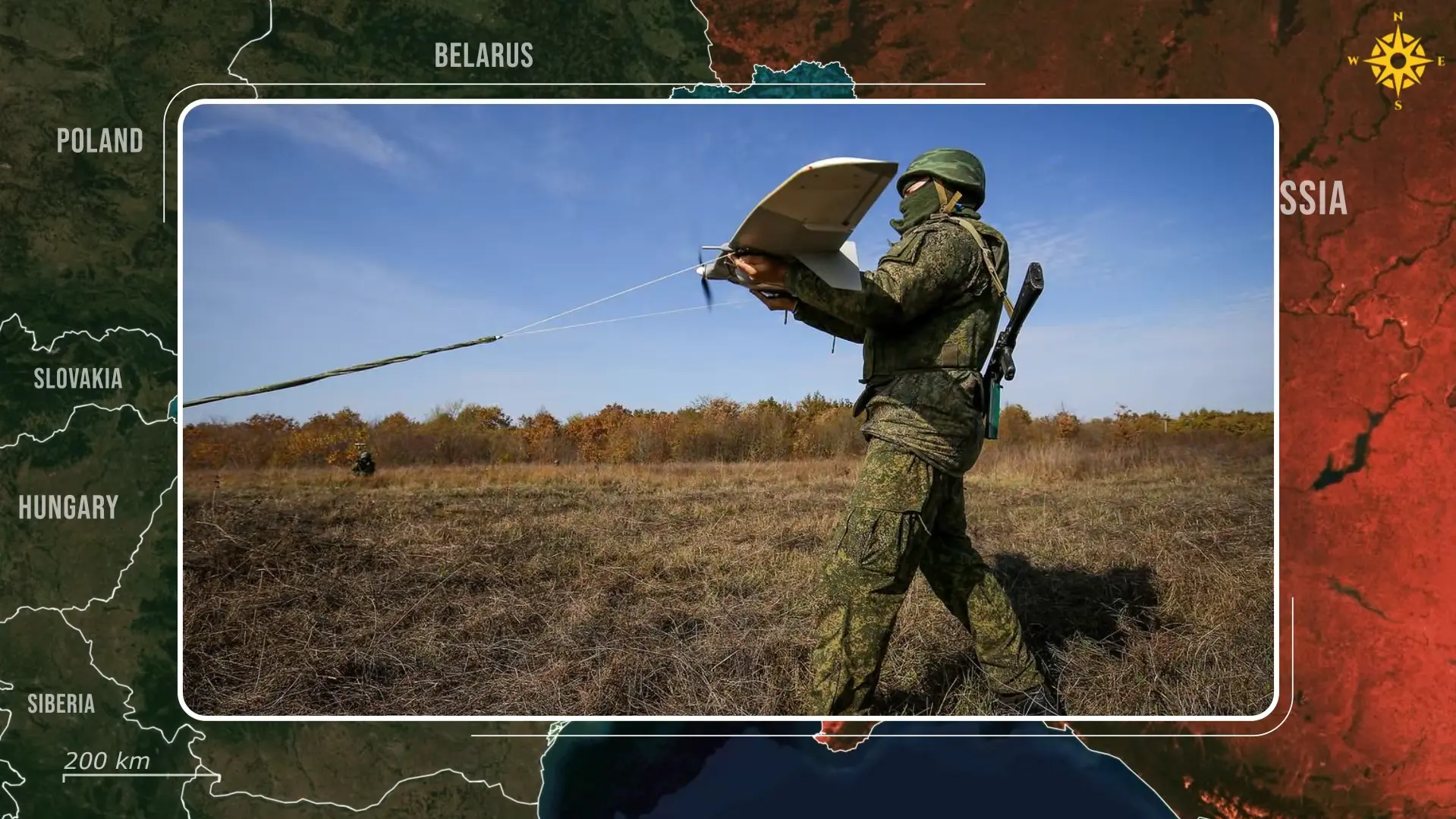
Overall, the emergence of interceptor drones on both sides confirms that lowcost aerial interception is becoming a permanent feature of the battlefield. What matters now is not adoption, but how effectively these systems are integrated into combat under real electronic warfare pressure. Russia’s reliance on centralized processes limits how quickly performance gaps can be identified and corrected in practice. This leaves Ukraine with a structural advantage in sustaining momentum, where continuous adaptation reinforces battlefield effectiveness over time.

.jpg)

Comments