

.svg)
Today, the biggest news comes from Russia.
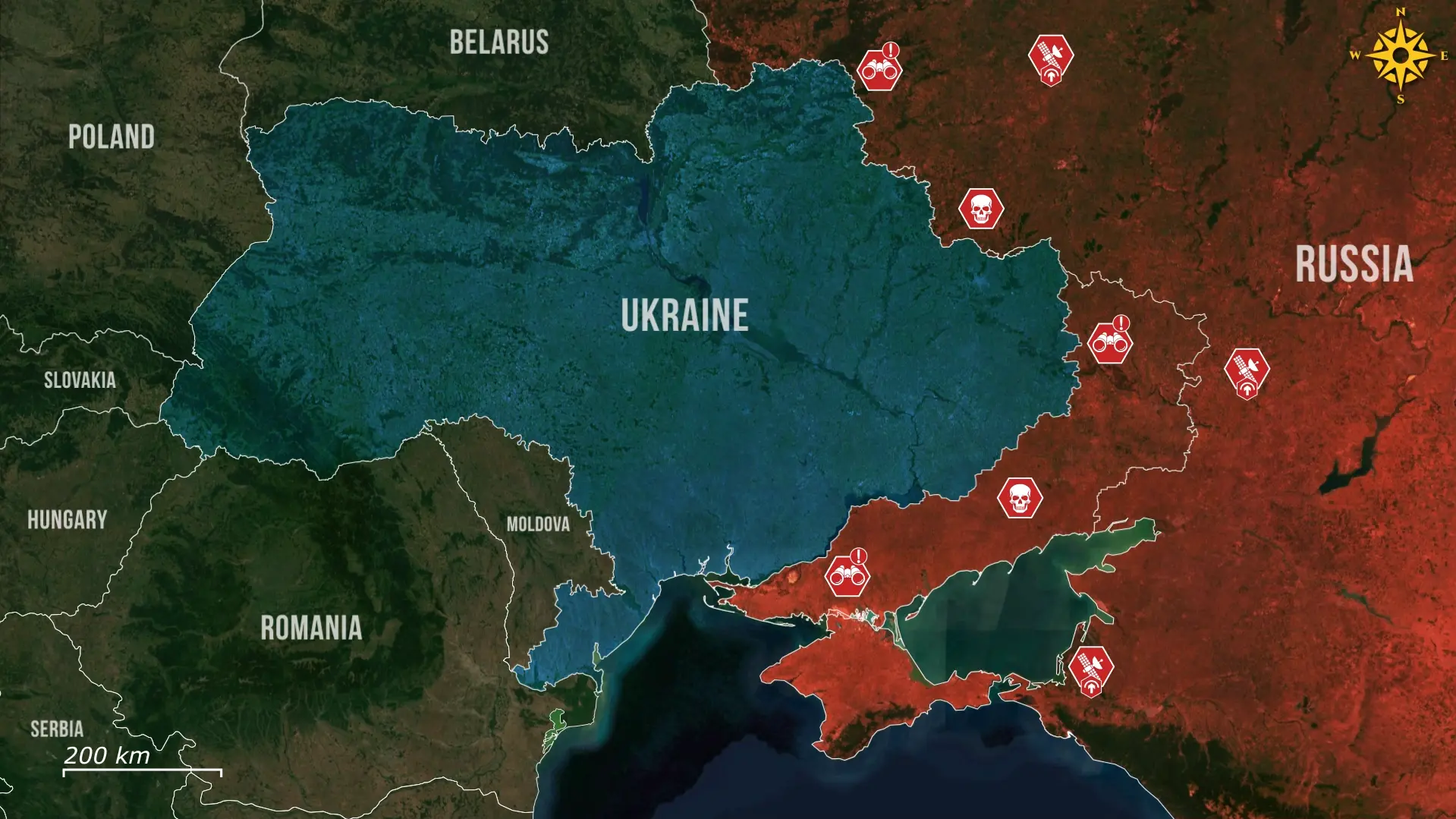
Here, Russia’s weaknesses in satellite-based surveillance have repeatedly been exposed, forcing Moscow to suffer heavy troop losses on the battlefield. In this context, Russia has launched a highly advanced and potentially dangerous new spy satellite into space, which could change the equation of global surveillance.
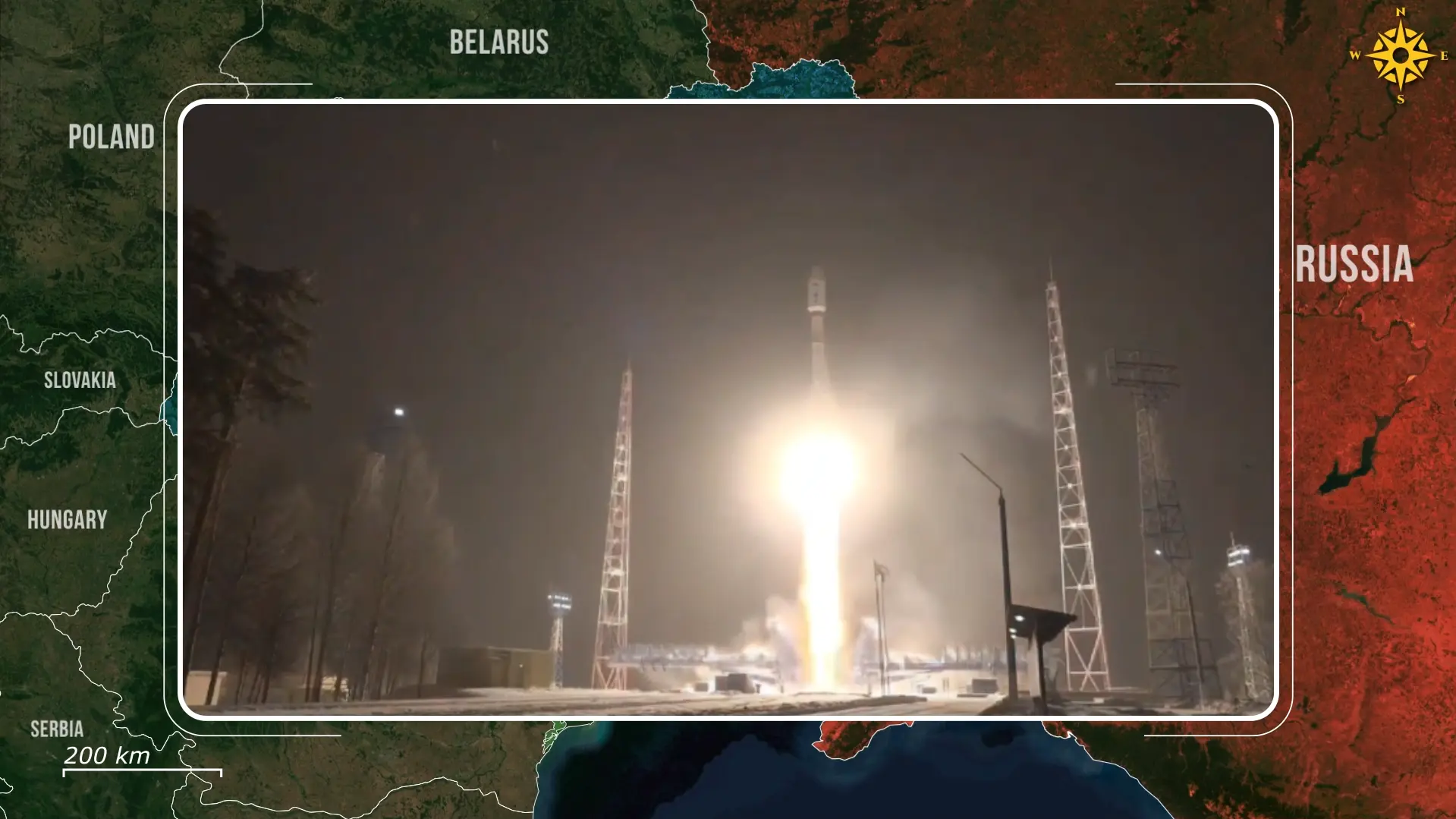
Last December, Russia launched a new Radar reconnaissance satellite into space from the Cosmodrome in Arkhangelsk northern Russia. The launch marked the sixth Soyuz mission of two thousand twenty-five, bringing Russia’s total number of launch missions that year to seventeen.
The newly launched Radar reconnaissance satellite from Russia is known as Obzor R. It was designed by one of Russia’s leading organizations for medium-class rockets and spacecraft manufacturing.
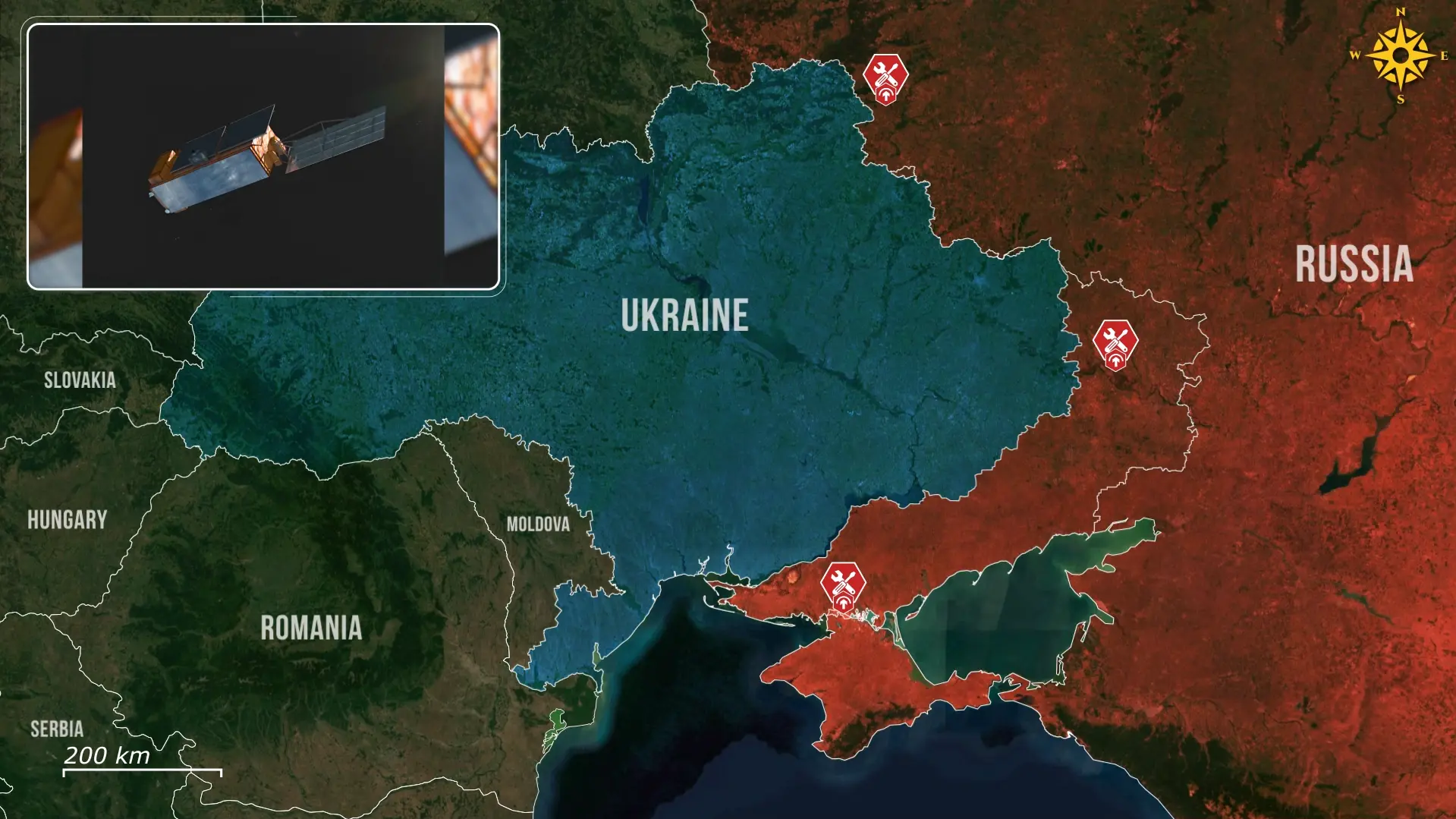
The new satellite will play an important role in space-based surveillance capabilities. This satellite is capable of producing highly detailed and precise maps of the Earth’s surface. Russian officials claim that this is to perform a range of important functions, including monitoring environmental and human induced emergencies, identifying geologically hazardous processes, and supporting mineral resource exploration. However, it can also be used for border surveillance and strategic reconnaissance, giving it a significant secondary military role. Since the Obzor R satellite was launched under the authority of the Russian Ministry of Defense, many analysts believe that its actual operational focus is likely to be predominantly military in nature.
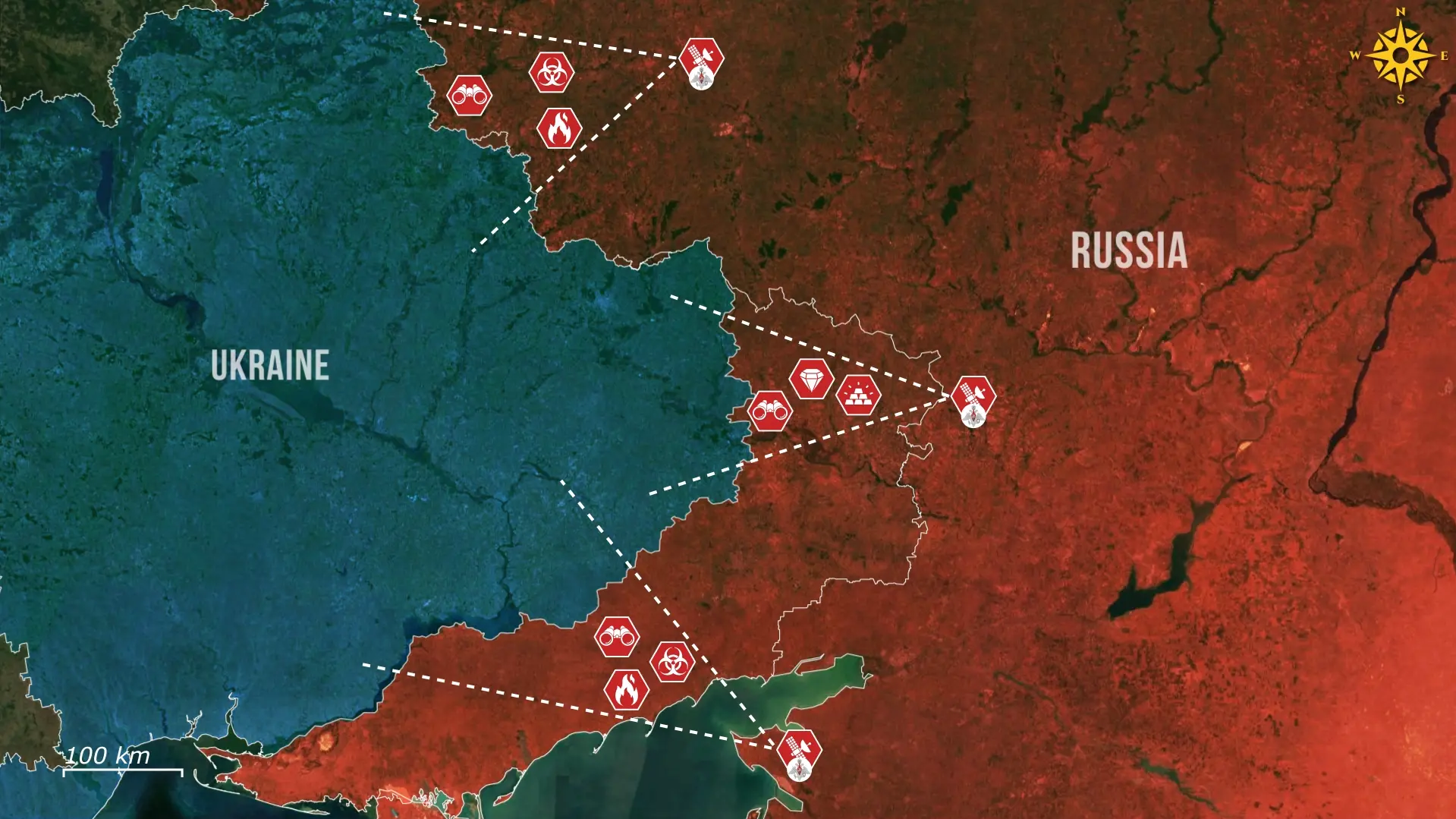
Russia’s Obzor R radar satellite has been placed at an altitude of about six hundred fifty kilometers above Earth. According to the manufacturer’s information, this satellite is equipped with a Kasatka R radar, which is capable of capturing sharp and highly detailed images even in adverse conditions such as clouds, smoke, and rain.
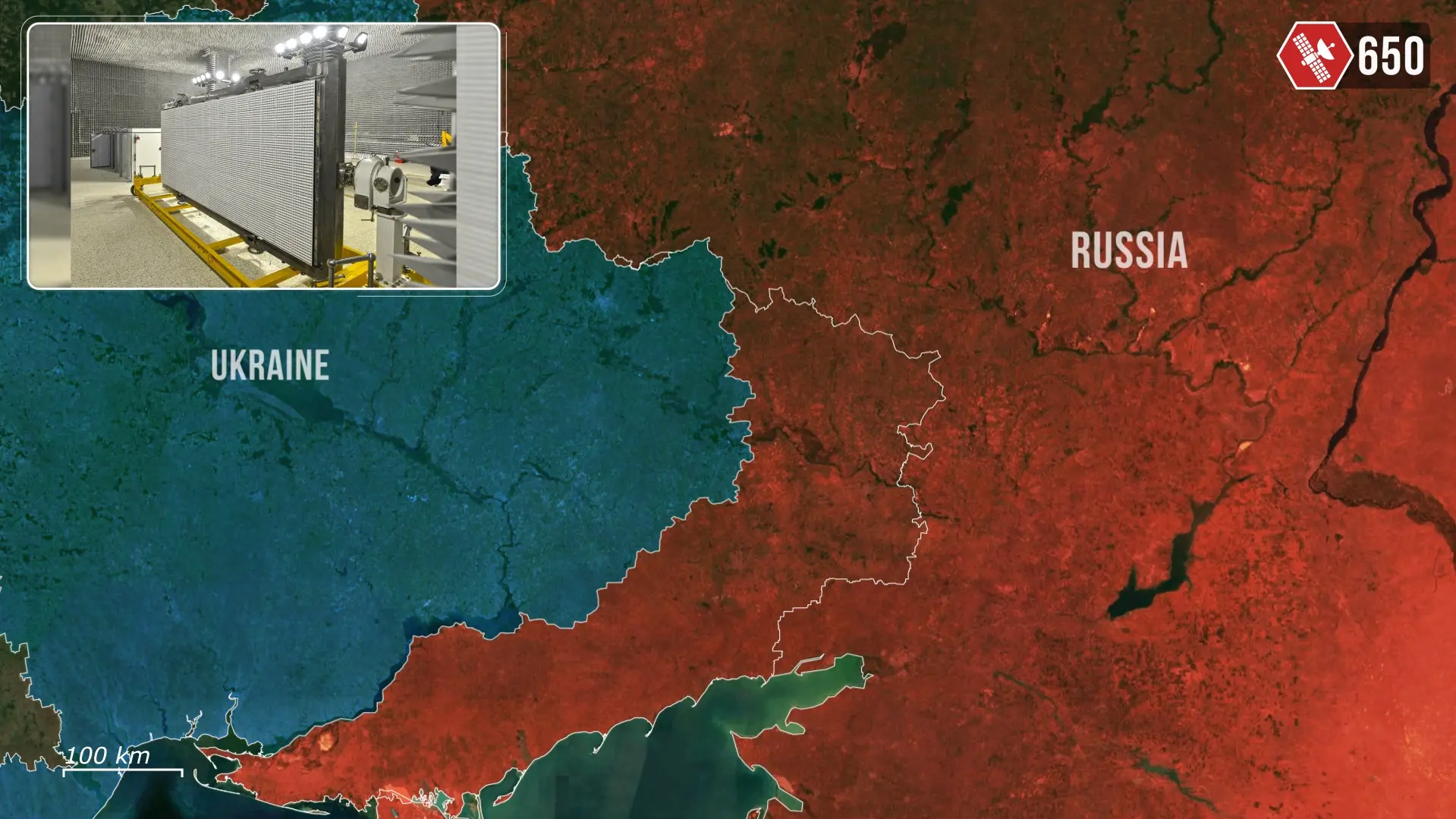
With a spatial resolution of approximately one meter, Russia can more effectively monitor and analyze the movement of Ukraine’s transport routes, logistics hubs, and defensive positions with its help, significantly enhancing Russia’s operational capability in warfare. In addition, this radar system is designed in such a way that it can withstand jamming or signal interference and is capable of rapidly changing its operating mode through software control.
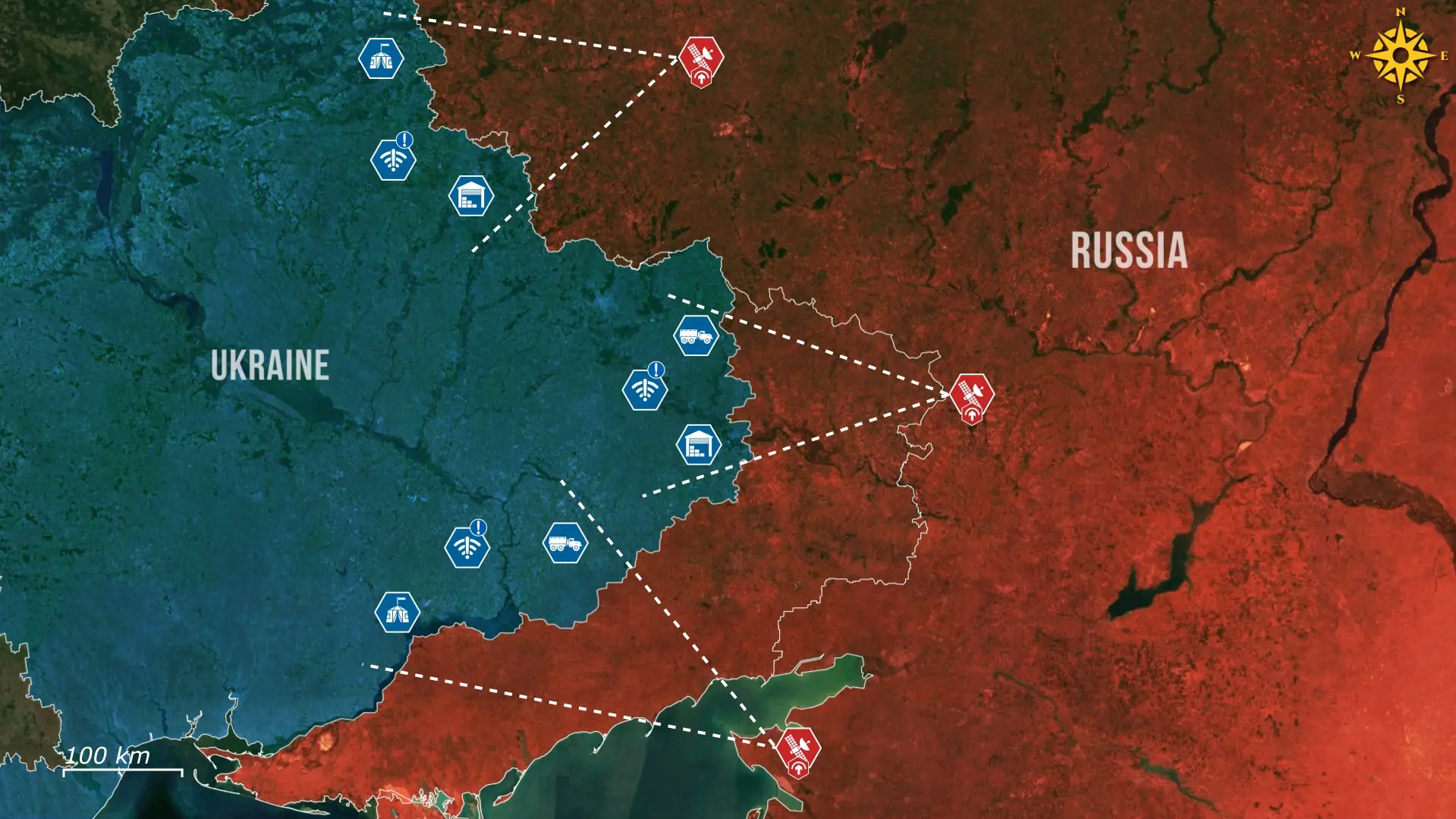
As a result, it will be able to provide uninterrupted information in the battlefield of Ukraine without any major disruption, assisting Russian troops in making effective and rapid decisions even in complex combat situations.
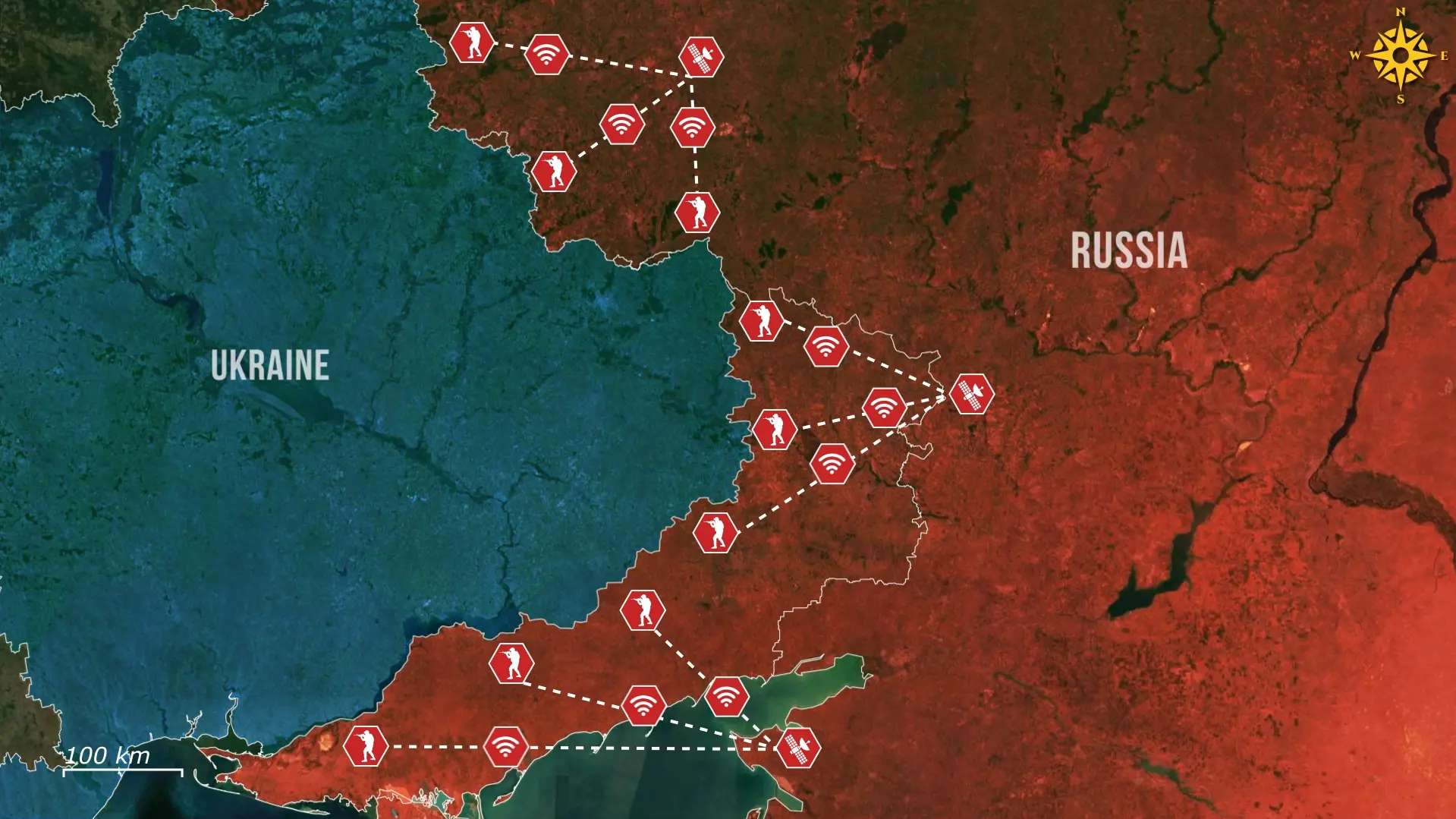
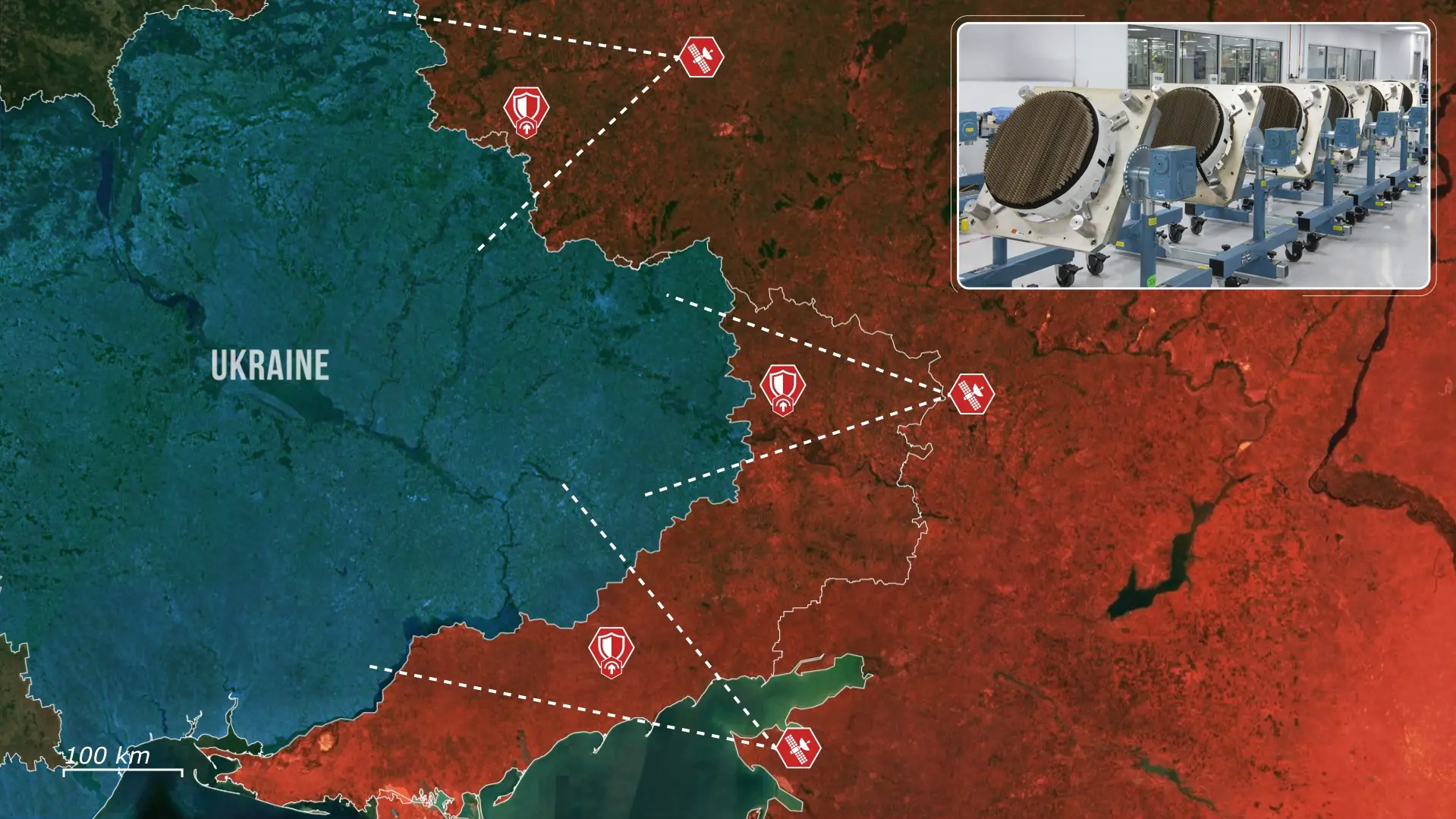
Furthermore, the Obzor R satellite uses an Active Electronically Scanned Array antenna, which operates through digital beamforming technology. This allows the satellite to monitor different areas flexibly without mechanically rotating its antenna. Through this capability, Russian forces can receive early warning about potential threats from surrounding areas, significantly enhancing their ability to prevent attacks.
According to data from the Ukrainian investigative outlet Texty, among the various Russian satellites in orbit, only seven carry optical reconnaissance cameras capable of detecting objects as small as zero point three meters, necessary to identify critical infrastructure with a relatively high level of accuracy. Data from the World Meteorological Organization indicates that Russia is planning to launch a total of four Obzor R satellites; two more this year and another in two thousand twenty-seven.
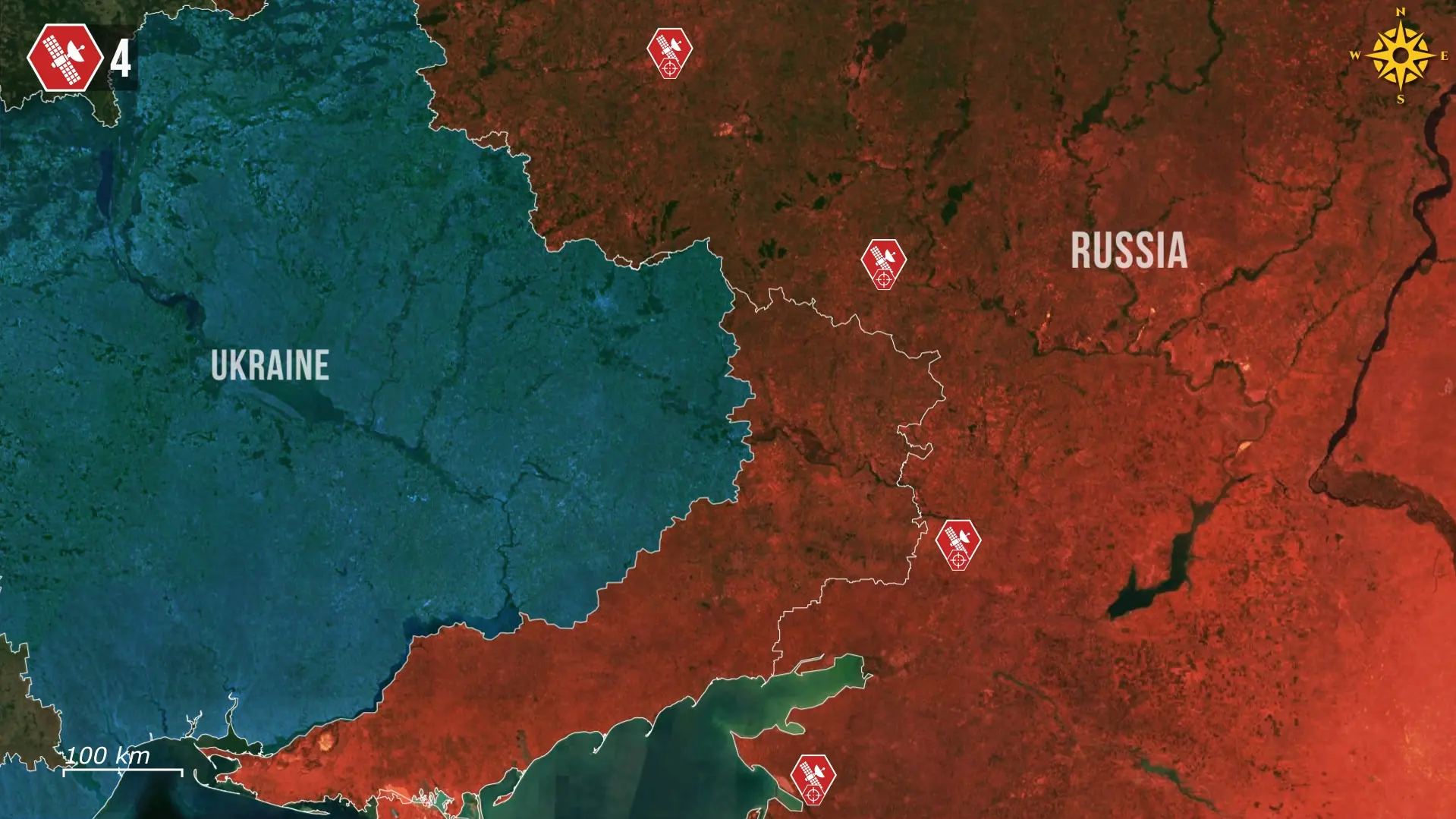
As most of Russia’s current active satellites in low Earth orbit are relatively old, the country is attempting to address this capability gap through the new Obzor R satellite series. Given that the Obzor R satellites have an operational lifespan of approximately five years, Russia’s successful deployment of all four planned satellites would enable it to maintain a fully operational constellation, thereby ensuring continuous and reliable Earth observation capabilities. However, the international sanctions, restrictions on technology imports, and economic pressures arising from the Russia and Ukraine war may significantly impact the implementation and scheduling of this satellite program.
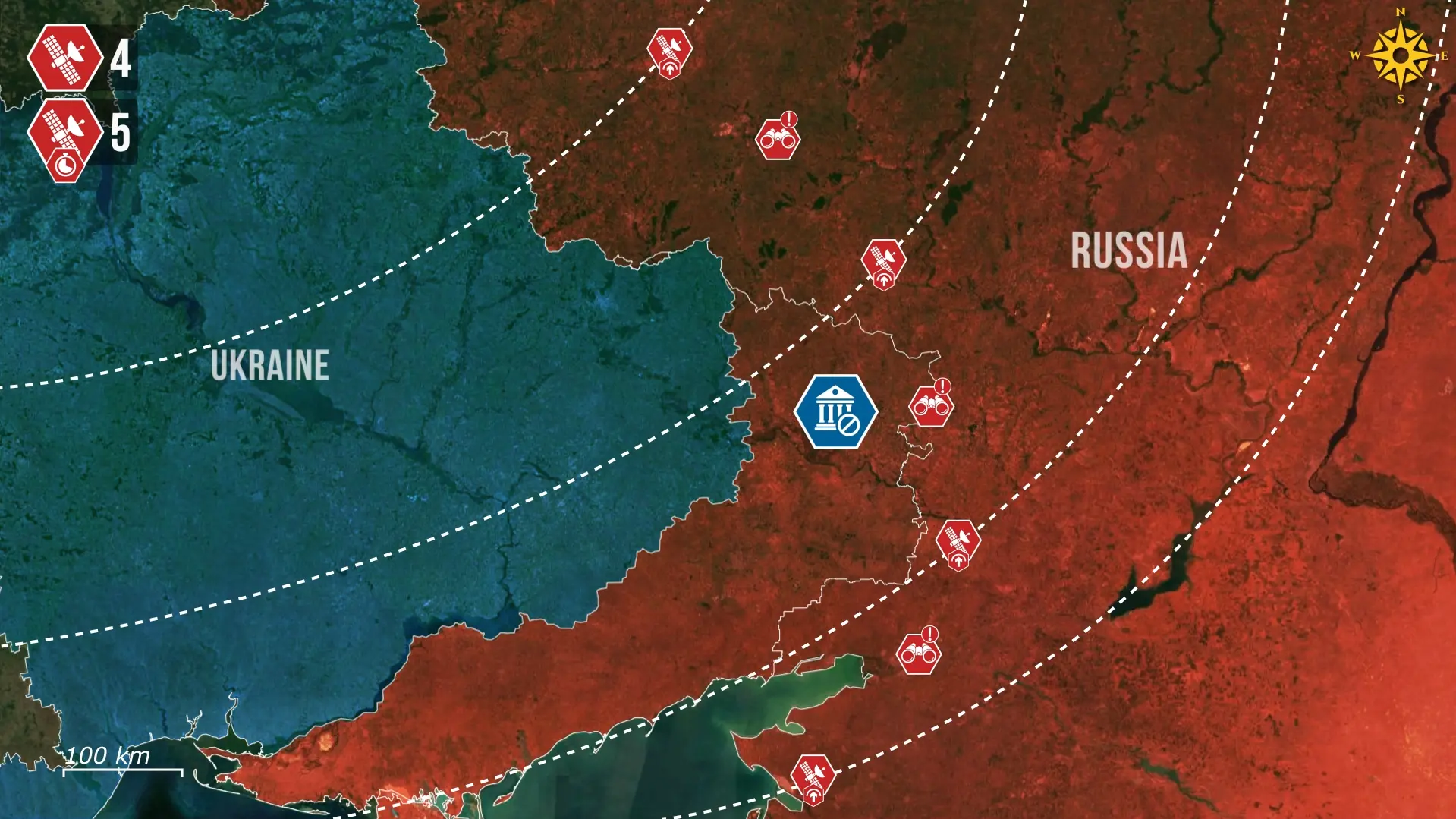
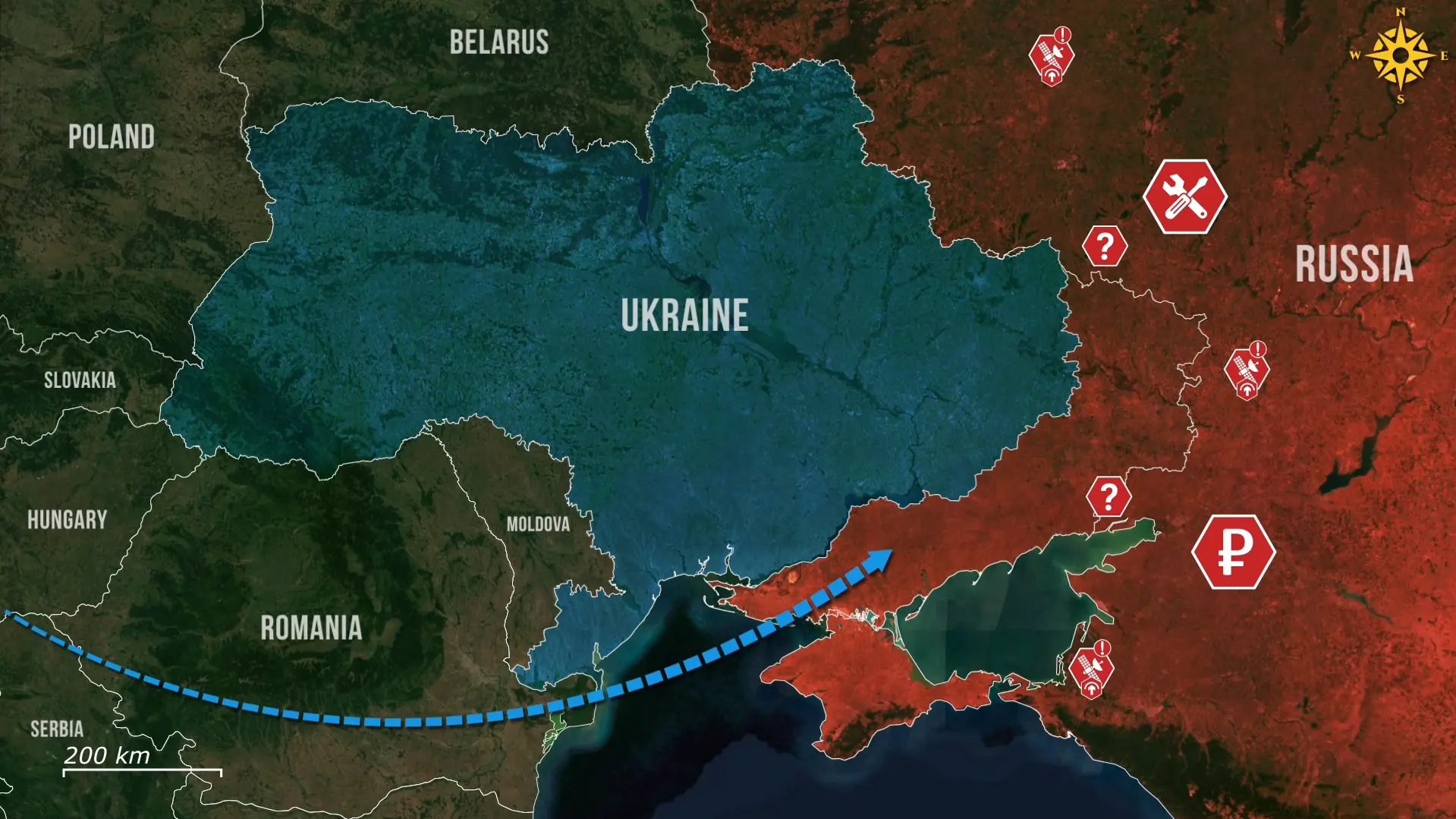
Overall, Russia has successfully placed the Obzor R satellite into a Sun synchronous orbit, which is regarded as an important advancement in the country’s space capabilities. However, according to the World Meteorological Organization, the satellite’s operations have not yet begun, making it impossible to accurately assess its real-world performance at this stage. In addition, due to restrictions caused by Western sanctions and limited access to essential components, there is even a chance that the satellite has encountered certain technical issues, leaving it dead in space. Ultimately, Russia’s effectiveness in this quiet space competition will depend on how successfully it can overcome its internal technological and economic challenges.

.jpg)



Comments