

.svg)
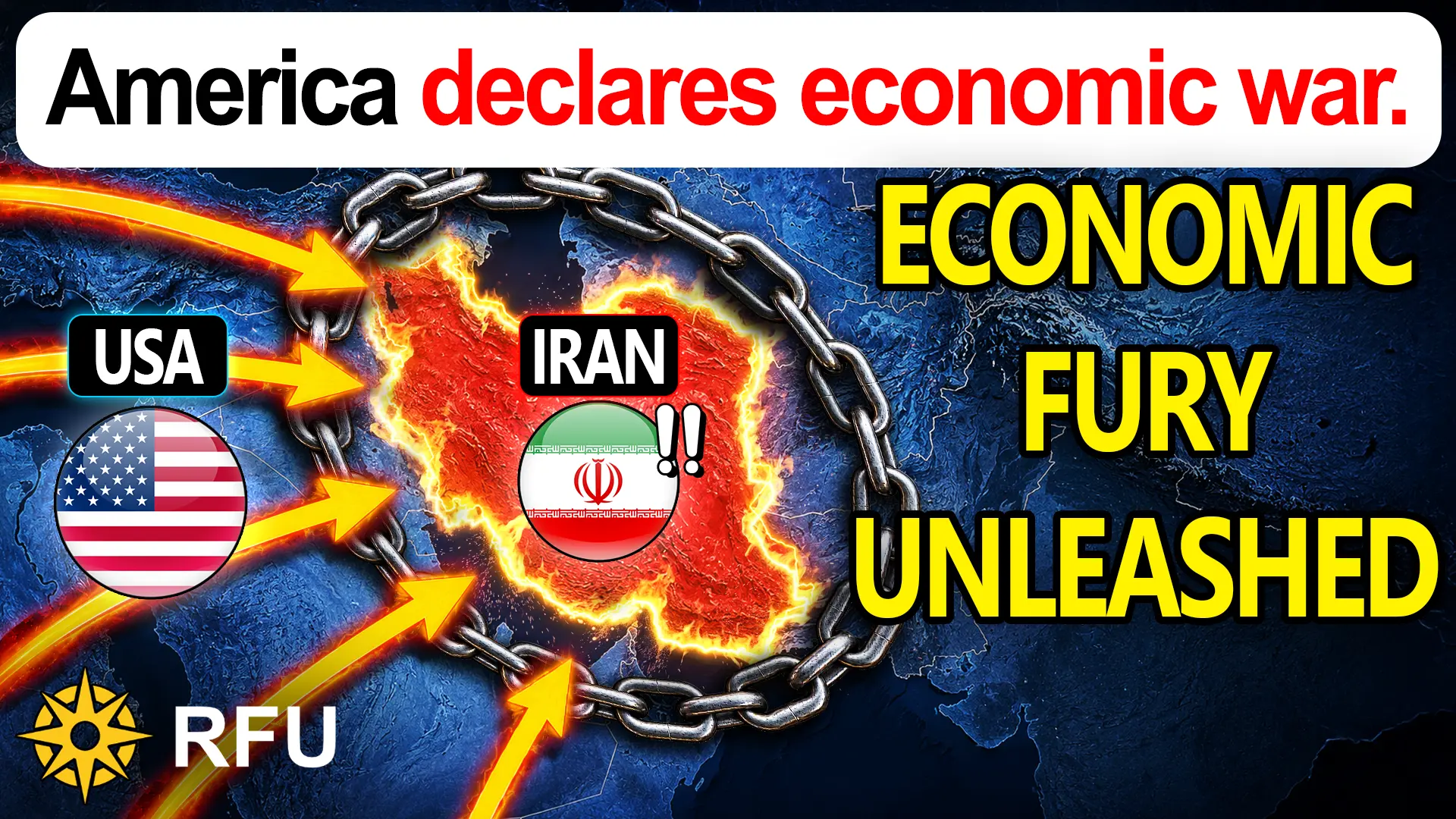
The United States has abandoned airstrikes on Iran in favor of a full-scale economic war
The transition of the United States toward an aggressive naval blockade under the "Economic Fury" campaign marks a structural pivot from kinetic strikes to maritime economic coercion aimed at reopening the Strait of Hormuz. By systematically intercepting commercial shipping and severing hydrocarbon export routes, naval interdiction has inflicted severe revenue deficits on Tehran, depriving the regime of billions in vital energy revenue. In response, Iran exploits its geographic control over the Strait of Hormuz to restrict maritime transit, weaponizing elevated global energy prices to exert reciprocal economic pressure on import-dependent nations. This confrontation underscores a fundamental structural asymmetry in sociopolitical endurance, contrasting Washington's electoral vulnerability to fuel inflation against Tehran’s capacity to suppress domestic dissent through state repression. Consequently, the theater has solidified into a protracted war of economic attrition, where strategic victory depends on whether authoritarian resilience can outlast the domestic political sustainability of the United States.


0 Comments