

.svg)

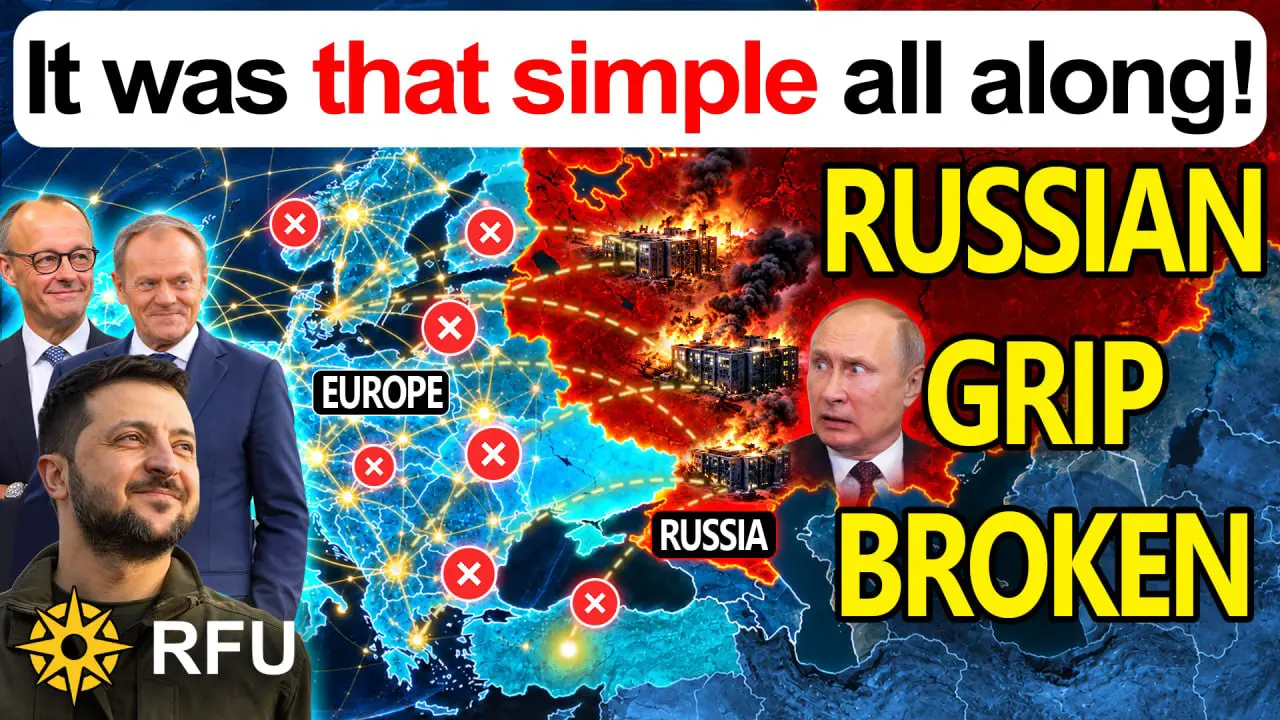
Russia refused the energy ceasefire, now Ukraine is making them pay
Ukraine’s targeted deep strikes against major refining complexes—including Omsk, Salavat, and Ukhta—and critical transport nodes like the Samara pumping hub have shifted energy interdiction from peripheral disruption into a structural assault on Russian operational sustainment. By reducing domestic refining capacity by up to fifty percent, these precision drone strikes simultaneously sever the logistical fuel corridors feeding front-line forces and turn Russia from an exporter into an import-dependent petroleum market. This systemic destruction directly collapses Moscow’s prospective seven-billion-dollar diesel export windfall under proposed sanctions-relief frameworks, as Russia physically lacks the operational capacity to meet delivery quotas without intact refining and transshipment infrastructure. Consequently, Kyiv has exploited downstream industrial fragility to neutralize the Kremlin’s attempt to convert tentative diplomatic energy arrangements into a liquid financial lifeline for its war effort. By tying front-line mobility directly to vulnerable rear-echelon industrial assets, Ukraine imposes a persistent strategic dilemma that forces Moscow to choose between domestic energy stabilization and operational maneuver tempo.




0 Comments