

.svg)
Today, the biggest news comes from Russia.
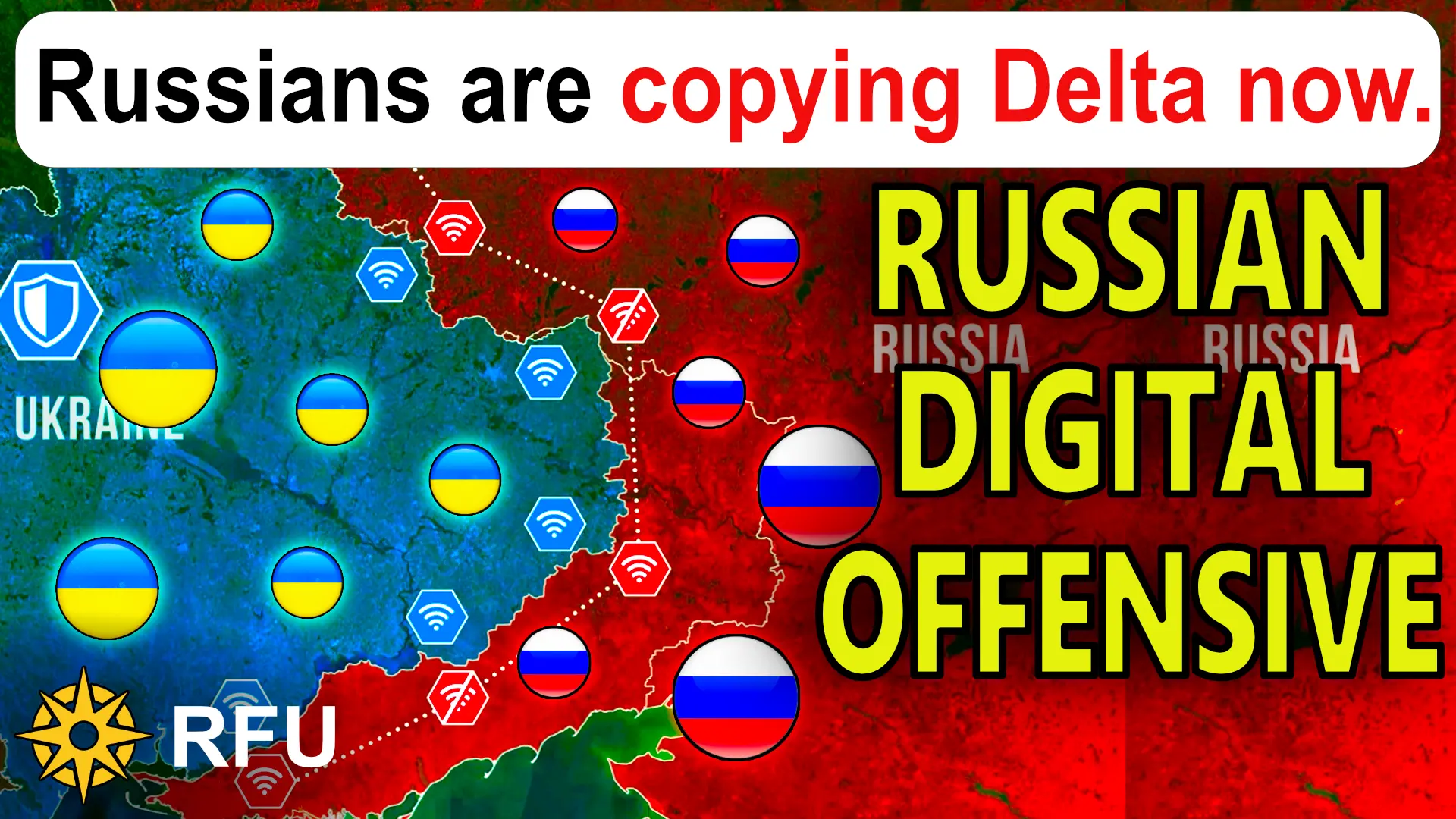
The Russian army has unveiled its own version of one of Ukraine’s most effective tools for coordinating strikes, trying to copy a battlefield system that helped Kyiv gain advantage at the frontline. If the Russian copy begins to work as intended, it could reduce the time between spotting a target and hitting, allowing Russia to compensate it falling behind.
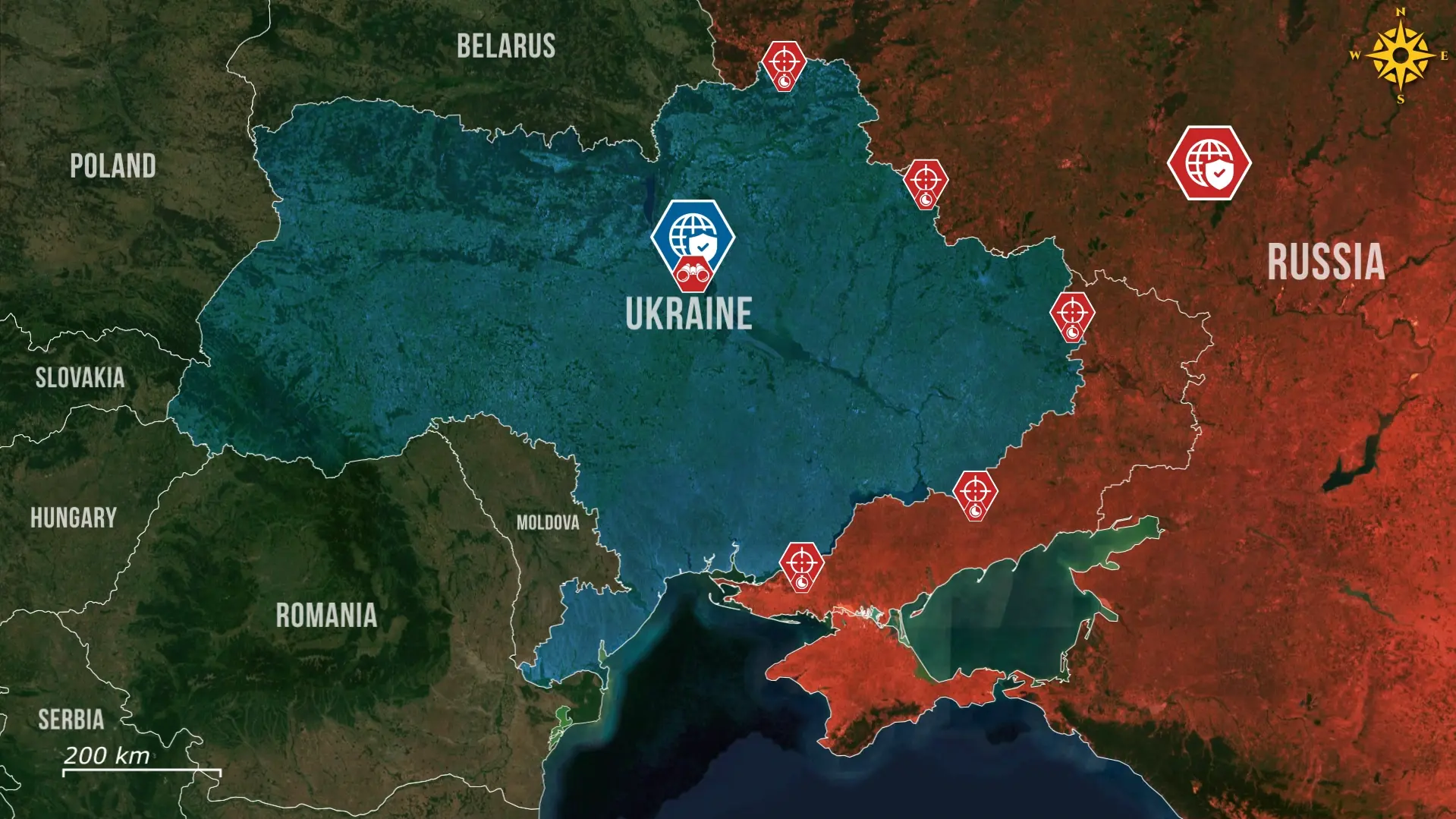
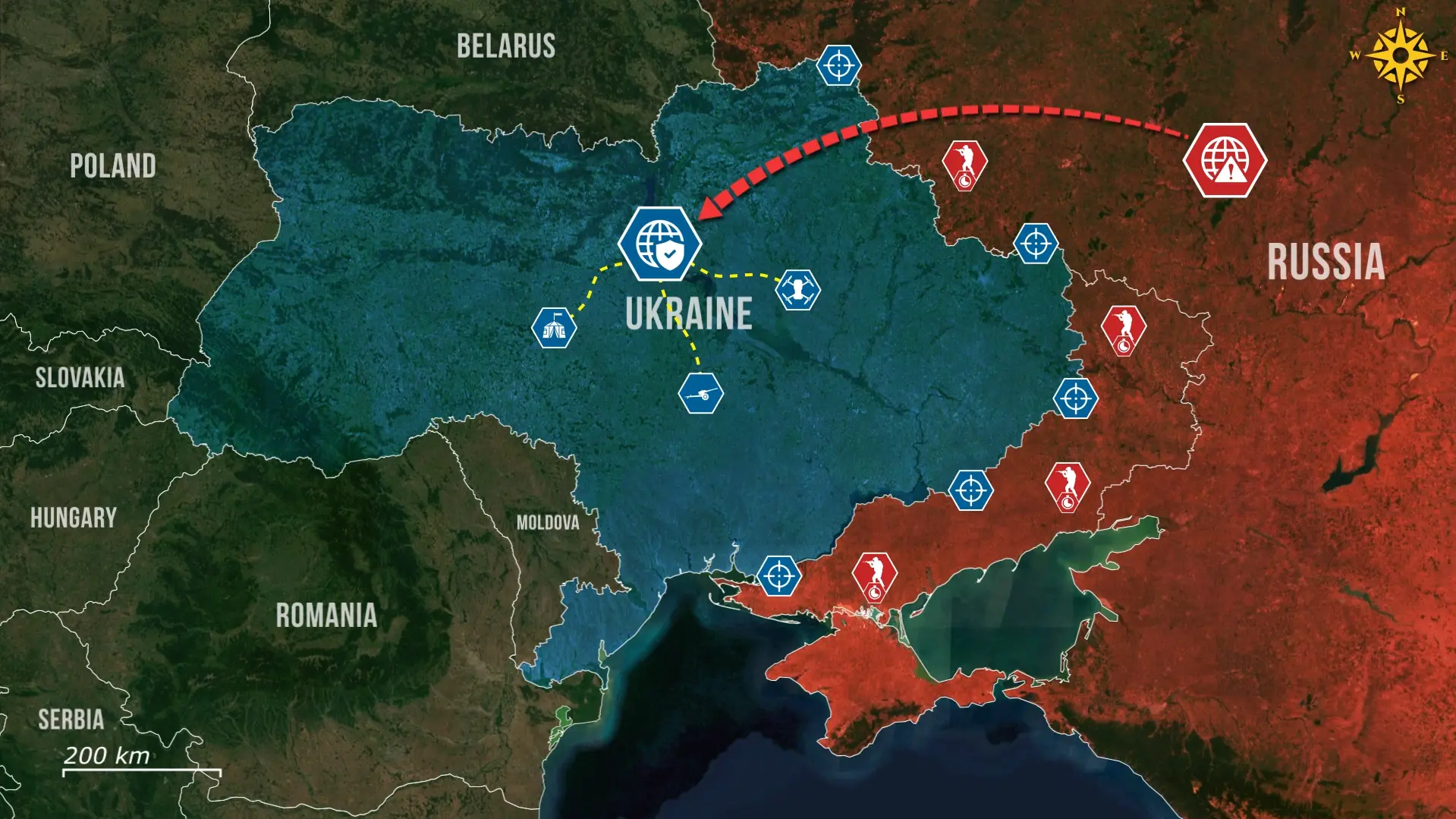
Delta is Ukraine’s revolutionary digital system for moving target data from reconnaissance units to command posts and then to the units that can strike the enemy. That gives Ukraine a practical advantage, because a target spotted by a drone can be passed faster to artillery or another strike asset, reducing the reaction time significantly. That speed led to better results for Ukraine and bigger losses for Russia, making Delta important enough for Russia to imitate, as its value cannot be underestimated anymore.
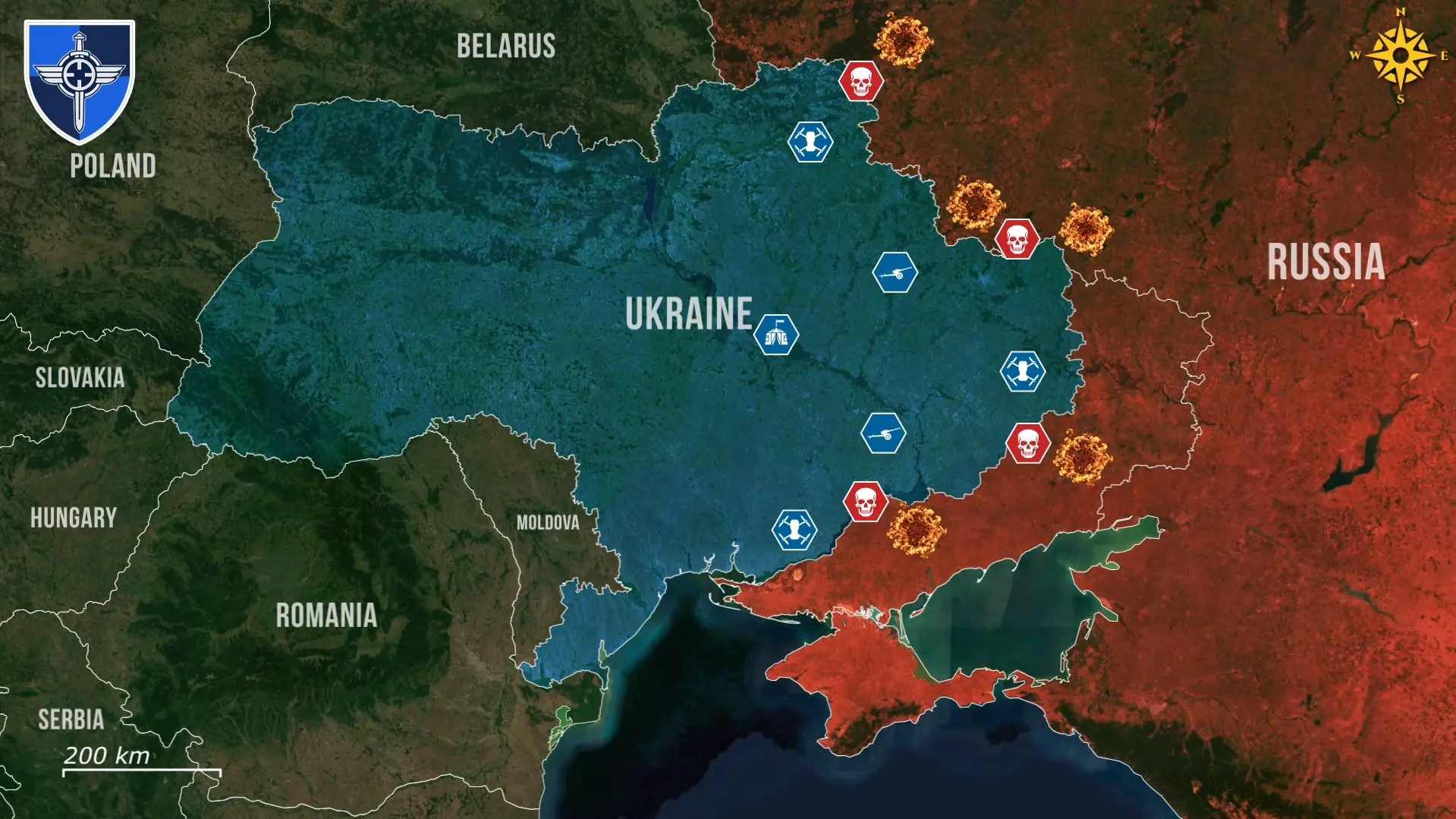
That value became clear in the recent visit by German Defense Minister Boris Pistorius to Ukrainian command posts, where he was shown Delta already being used in combat management at the front for operational planning, reconnaissance, logistics, strikes, and the coordination of different drone types inside one command structure. In practice, that means information can move through one unified flow system from drone operators identifying a target, to command elements assigning the response, to the strike unit carrying it out, and then back again as the result is confirmed. Showing its effectiveness to a key European defense partner demonstrated that Ukraine had already integrated Delta into routine battlefield use and turned it into a working combat process.
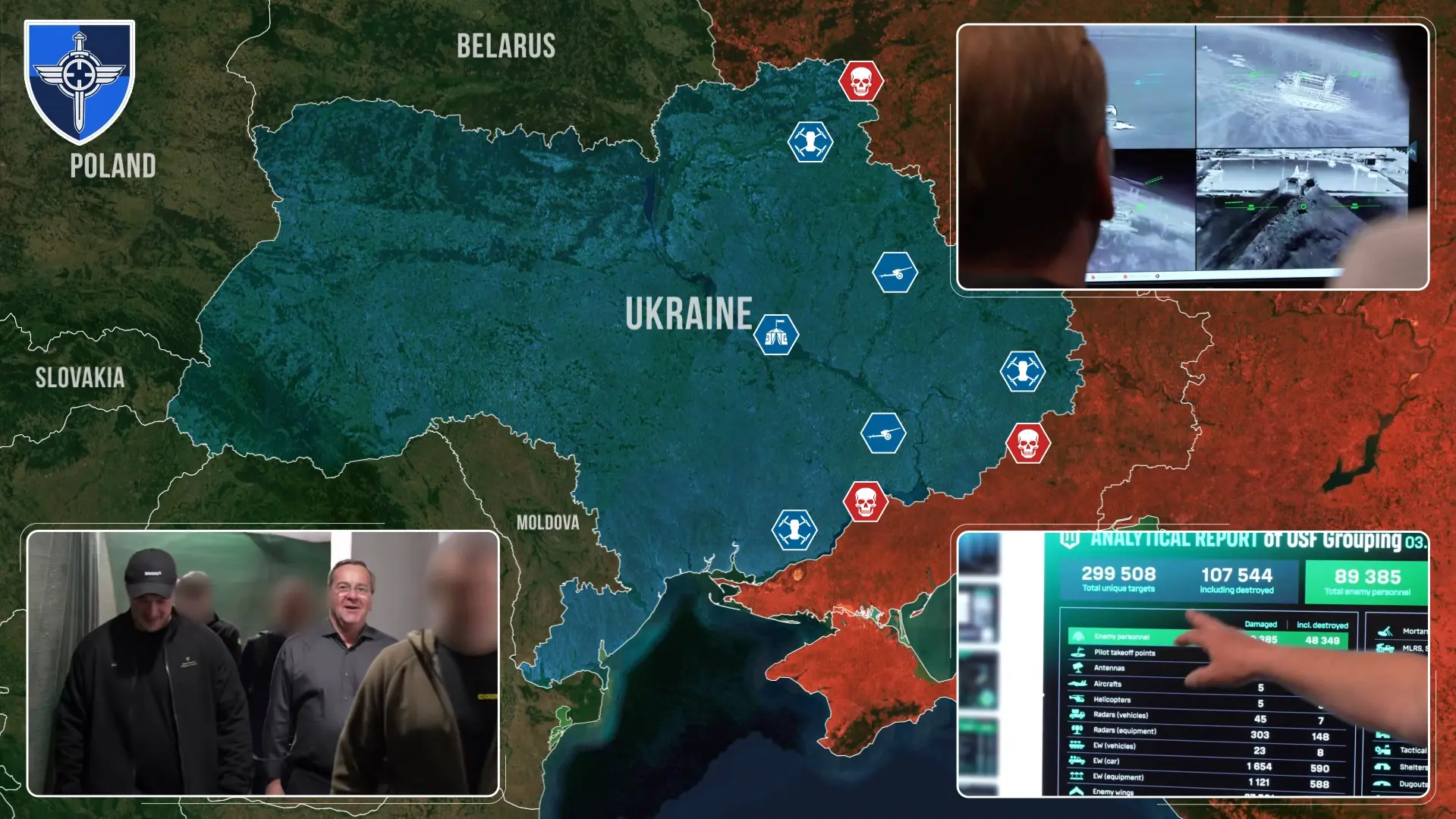
After Ukraine proved how fast coordination can produce real battlefield effects, Russia began visibly pursuing its own version of the same method. Russian sources recently circulated footage from a combat training center showing a tablet with a digital battlefield map designed to shorten the time from target detection to fire. The system appears built to collect reconnaissance input on one map, pass that information to command elements, and then feed target updates and corrections to the units carrying out the strike. In practice, it is meant to do for Russian forces what Delta did for Ukraine: cut time out of the kill chain by linking drone reconnaissance with strike capability inside one digital workflow. The Russian system is part of a project called Svod, which suggests a broader effort to build a functioning Russian battlefield management system that can close the gap to Ukraine.
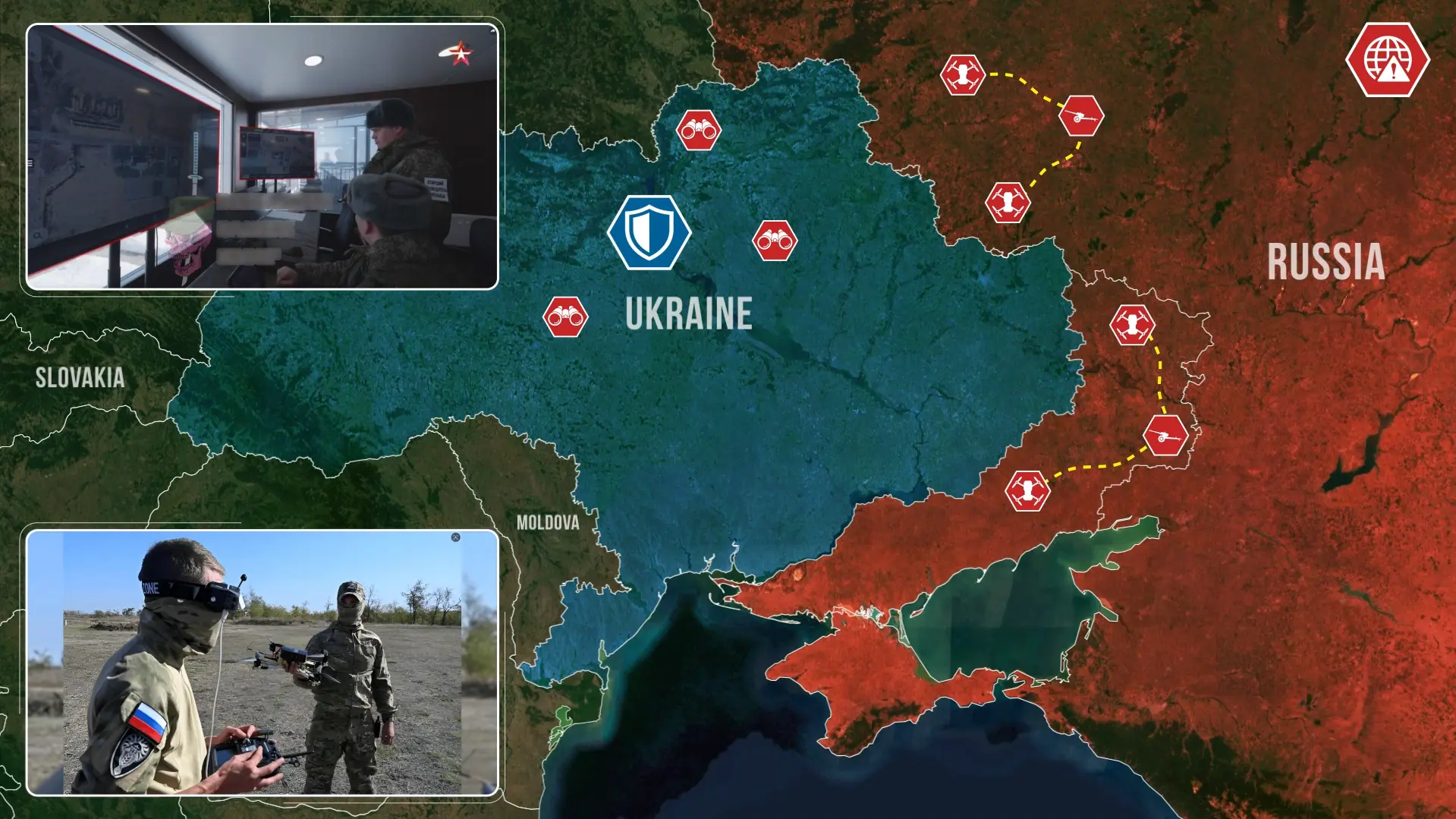
The main difference between the two systems is that Ukraine’s Delta is already functioning inside real frontline command routines, while the Russian analogue remains at the testing stage. The gap is therefore not only in development, but in how quick Russia can integrate this kind of system across combat units.
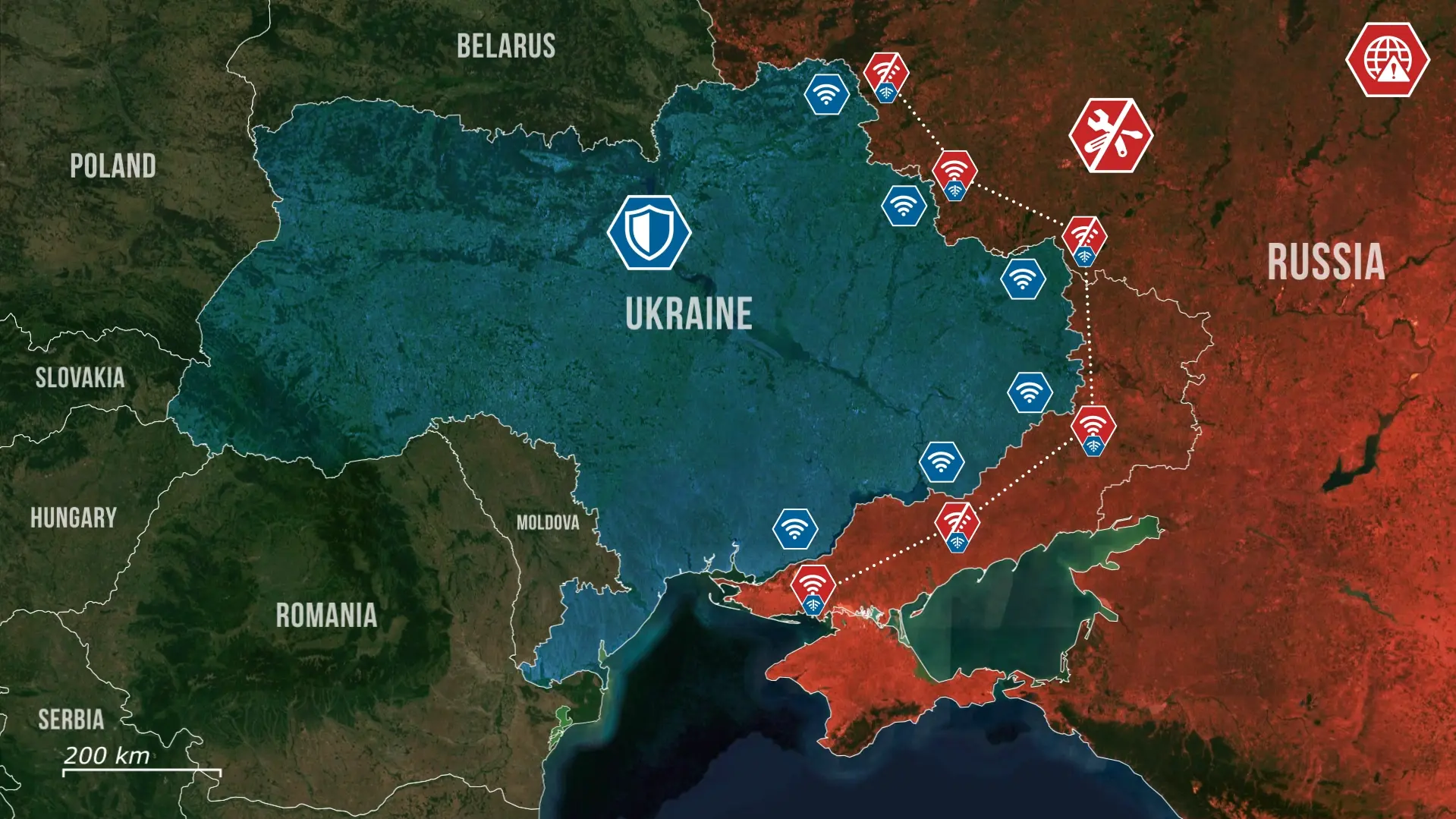
The main weakness in the Russian attempt to copy Delta is the connection that has to move target data from detection to strike without delay. Russia has built some digital links, but communication between units is still uneven, the battlefield is crowded with competing signals, and too much still depends on manual coordination, which makes a system like this harder to use across the battlefield. Under heavy electronic warfare, those weaknesses can slow the handoff from drone to command post to firing unit, and the system begins to lose the very speed factor it was meant to achieve. That is why Russia can copy the concept on paper more easily than to be sure of its battlefield effect, because the real advantage comes from making that chain work reliably under pressure.
Overall, Russia’s move shows that battlefield management systems are becoming a decisive part of how both sides will fight, due to their effect on the frontline. The fact that Moscow is now copying Delta is itself proof that Ukraine changed the logic of combat by showing that faster links between drones, command posts, and fire units can produce battlefield advantage. If Russia manages to absorb that lesson, some sectors of the front could become more dangerous through faster strikes and tighter coordination, even without a dramatic change in weapons. The next phase will therefore be shaped by adaptation, because the advantage will belong to the side that improves its system faster and turns it into the basis for future offensives.
.jpg)

Comments