

.svg)
Today, the biggest news comes from Ukraine.
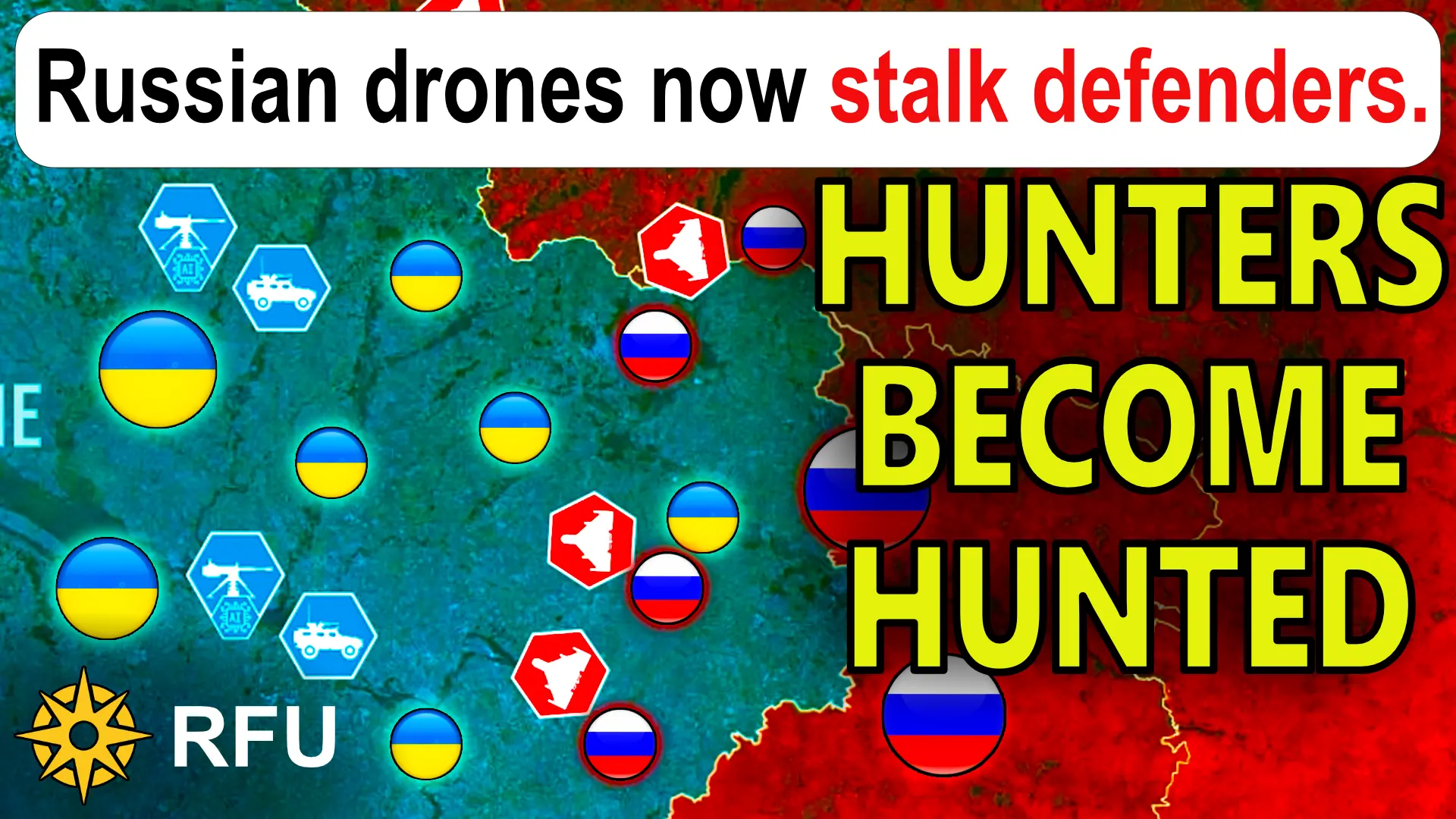
Ukraine’s mobile air defenses have become so effective that Russian Shahed drones are now trying to hunt the very units designed to destroy them. However, this change of tactic exposes how increasingly desperate Russia has grown as Shahed losses climb to unsustainable levels.
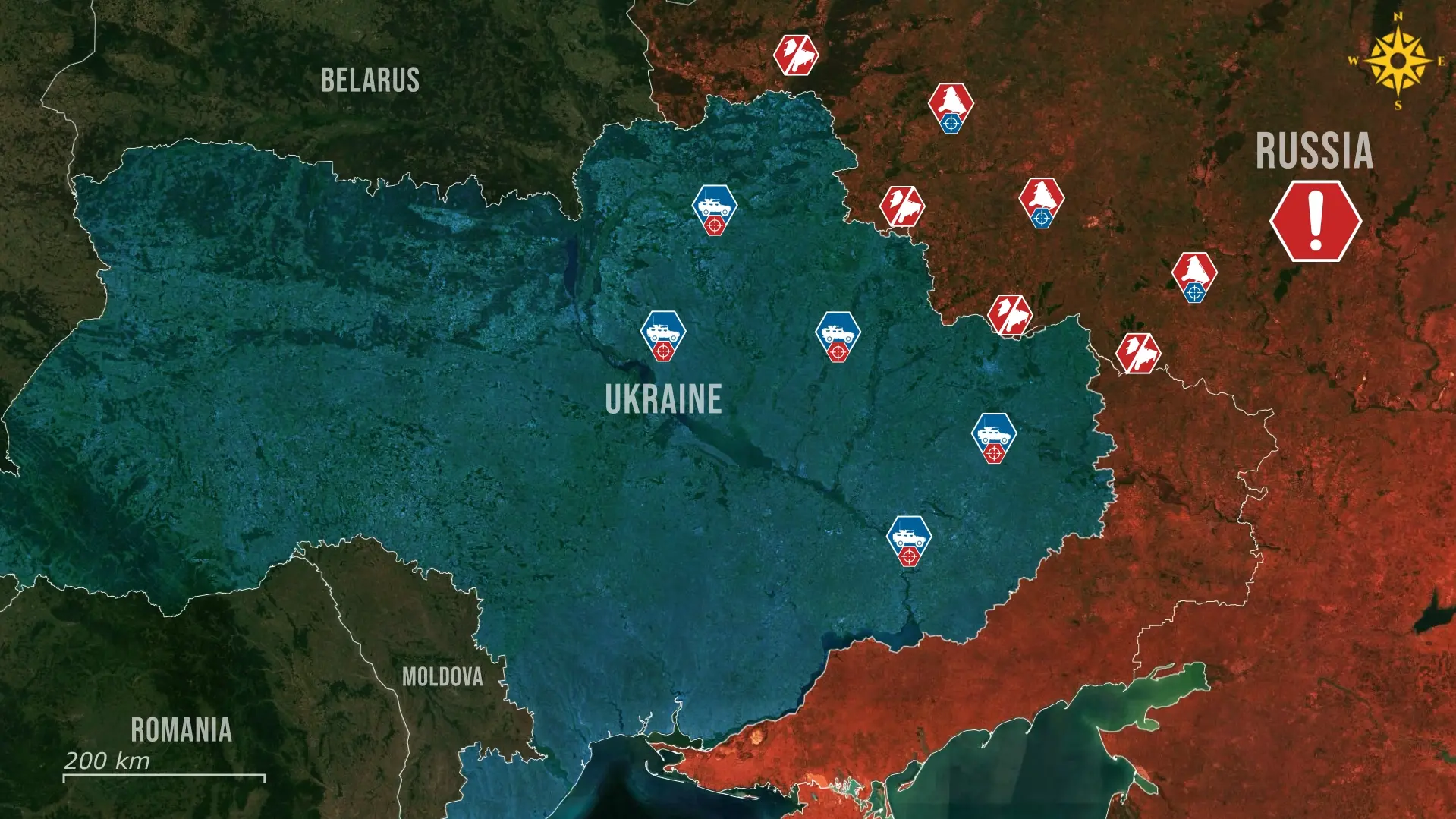
Recently, more footage has appeared of Russian Shahed drones attempting to locate and strike Ukrainian mobile air defense groups. These Ukrainian units move constantly, fire quickly, and relocate before Russian forces can target them.
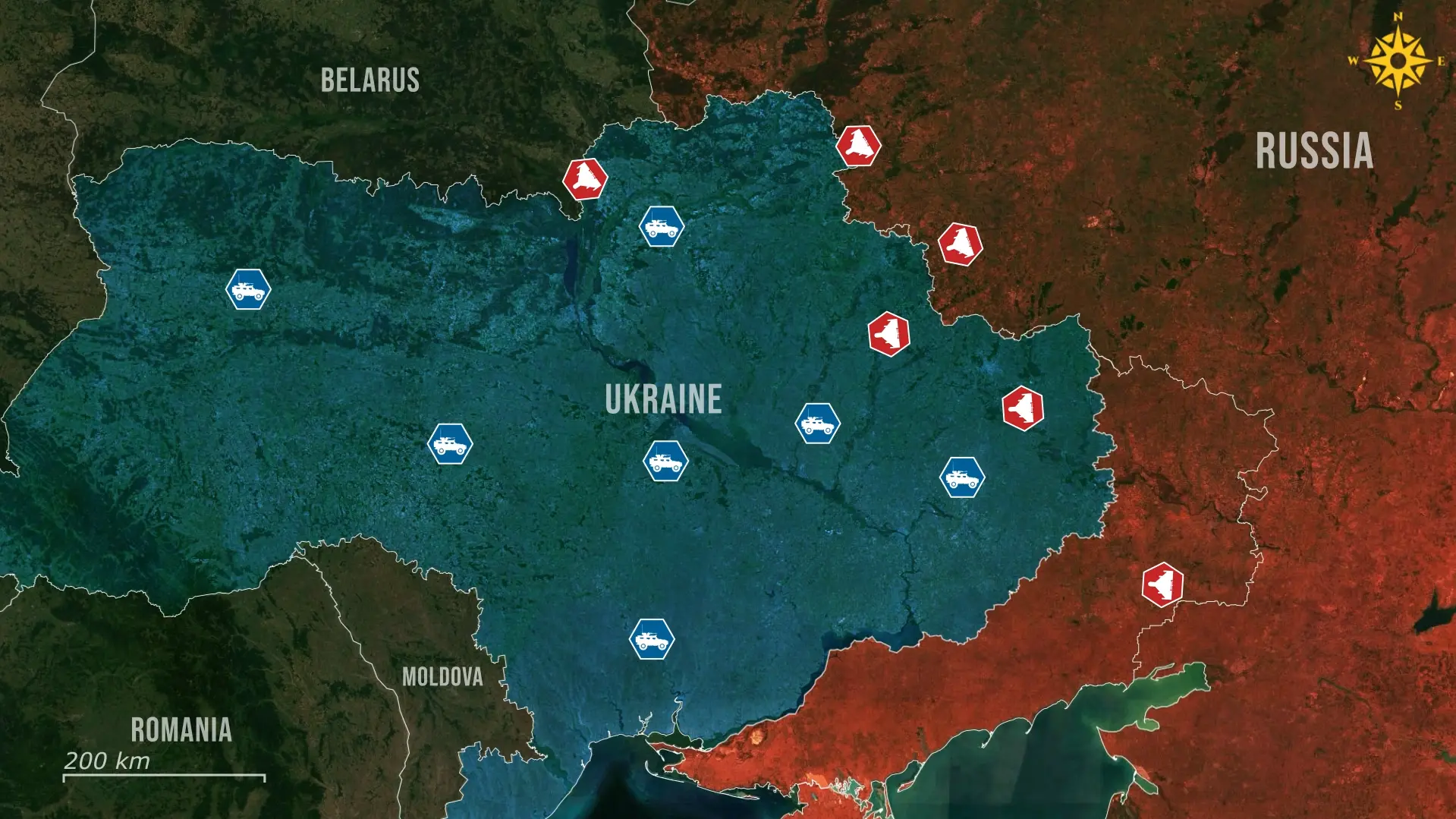
Ukrainian mobile air defense groups operate more like roaming ambush teams than static air defense batteries. Their strength lies in their rapid deployment, as they move along carefully planned routes, often using civilian or lightly armored vehicles equipped with heavy machine guns or cheap missiles, thermal sights, and searchlights.
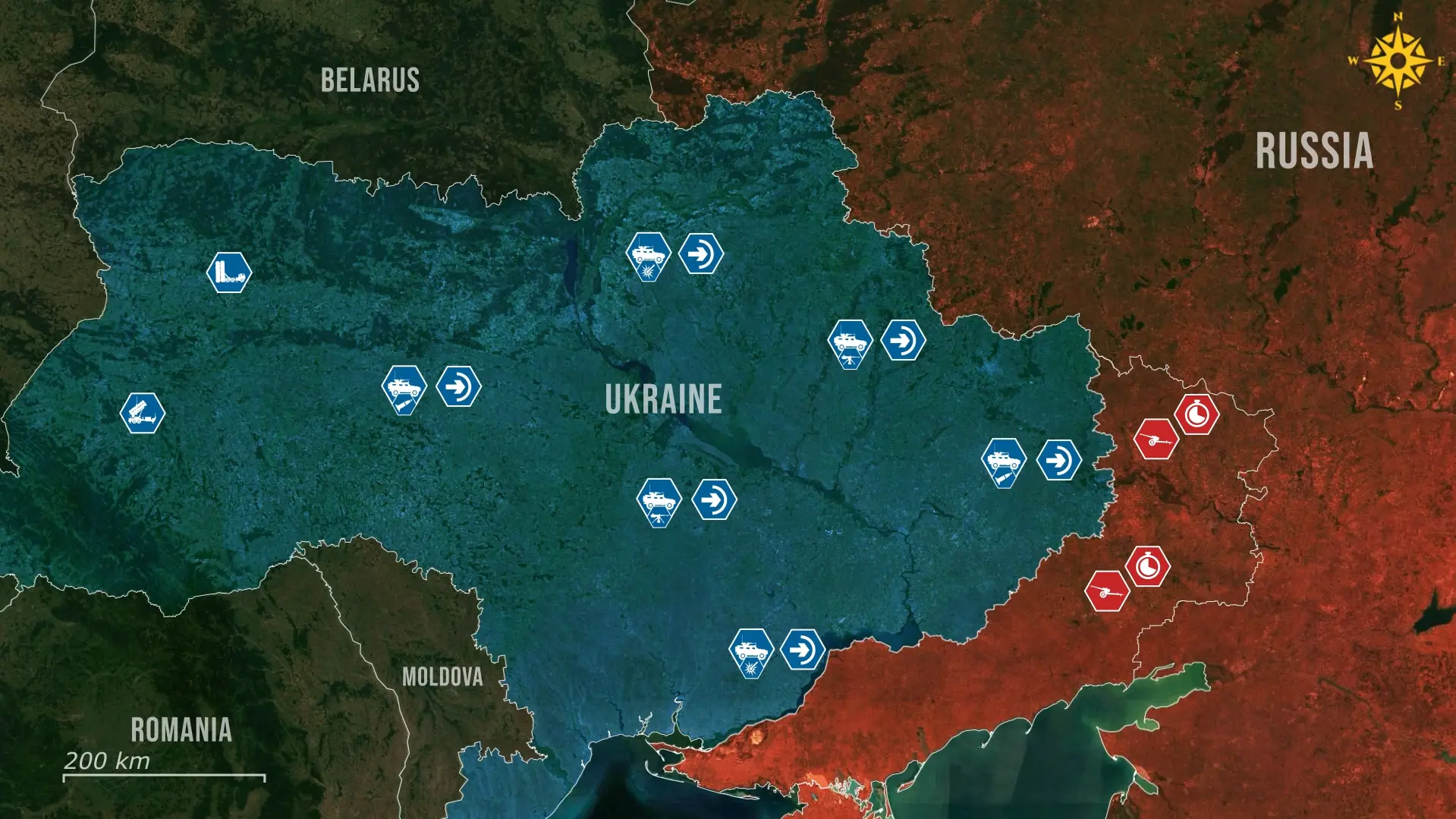
A typical team receives early warning from radars or observers, drives to an intercept point, fires a short burst at the incoming Shahed, and immediately relocates before Russian forces can triangulate their position and adjust the flight path of the other Shaheds.
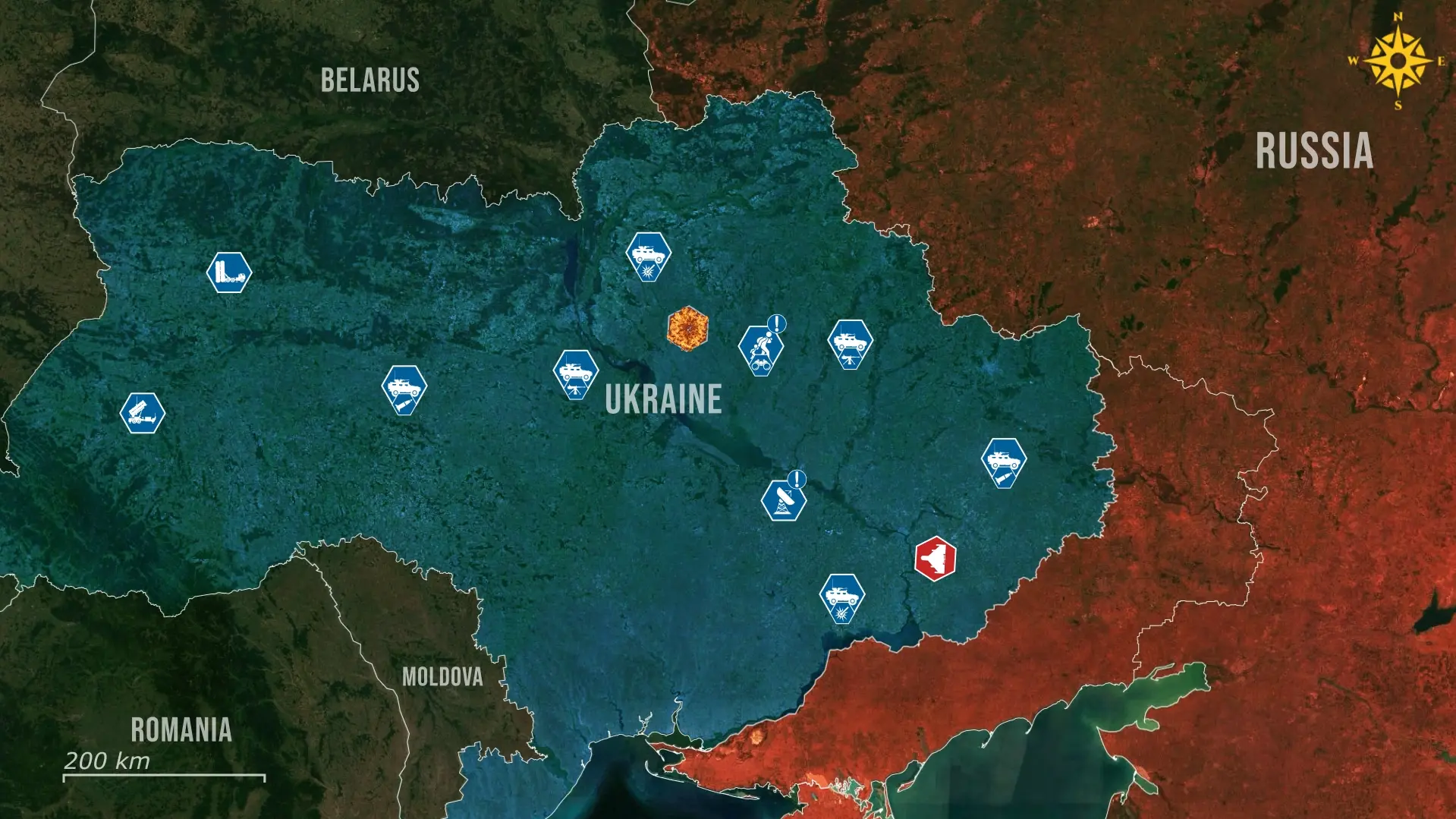
Now Russia is trying new and more desperate countermeasures, as instead of using Shaheds solely as one way strike drones, they are now also used as roaming scouts that search for these mobile Ukrainian air defense groups to strike and eliminate the threat to the larger drone wave.
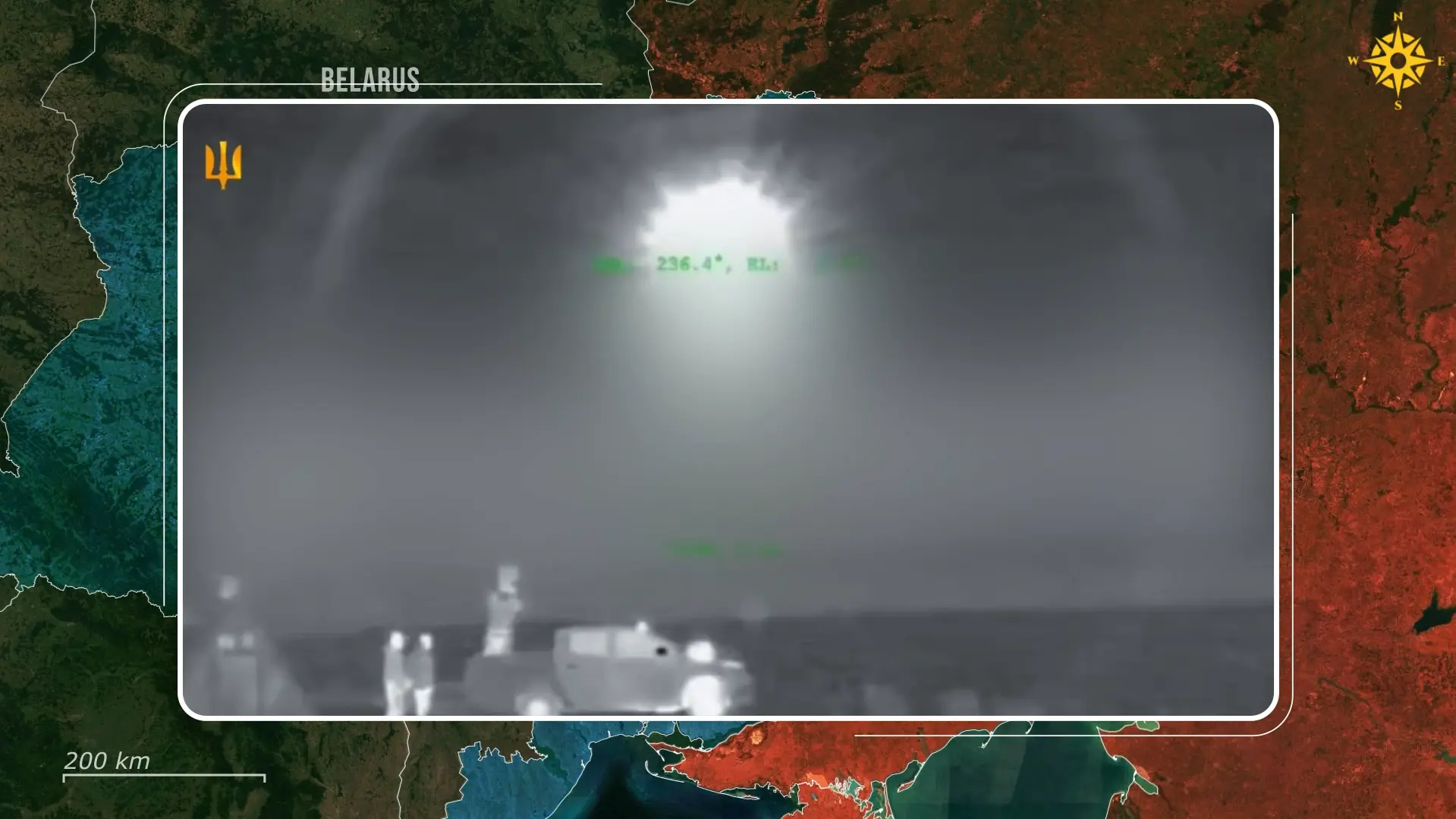
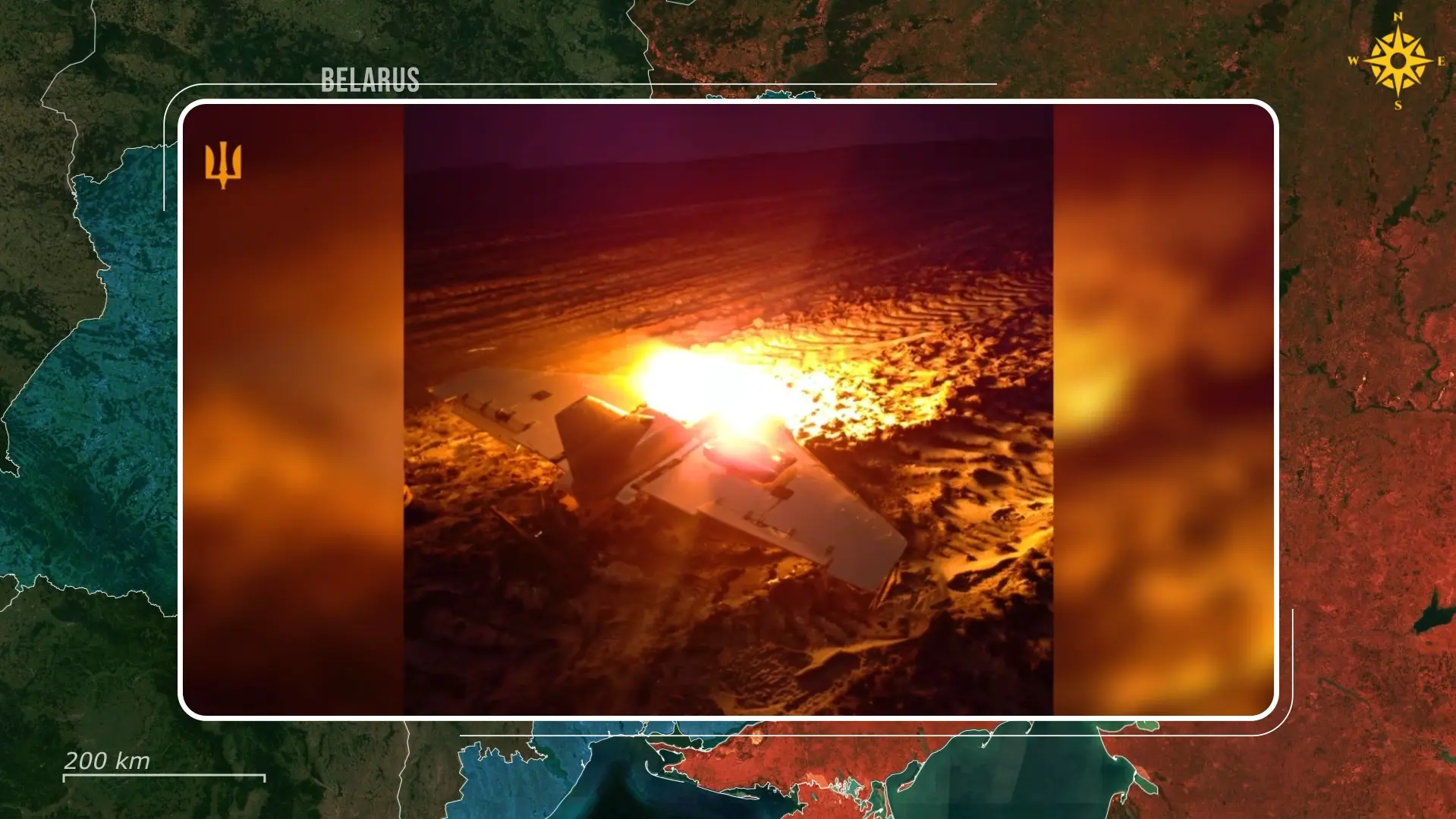
The result is a reversal where the drones designed to attack Ukrainian cities are now stalking the systems that have been destroying them at unprecedented rates. In fact, Ukraine’s mobile air defense groups have grown into one of the most cost effective defensive tools for countering Russian long range attacks, reaching over nine hundred units strong.
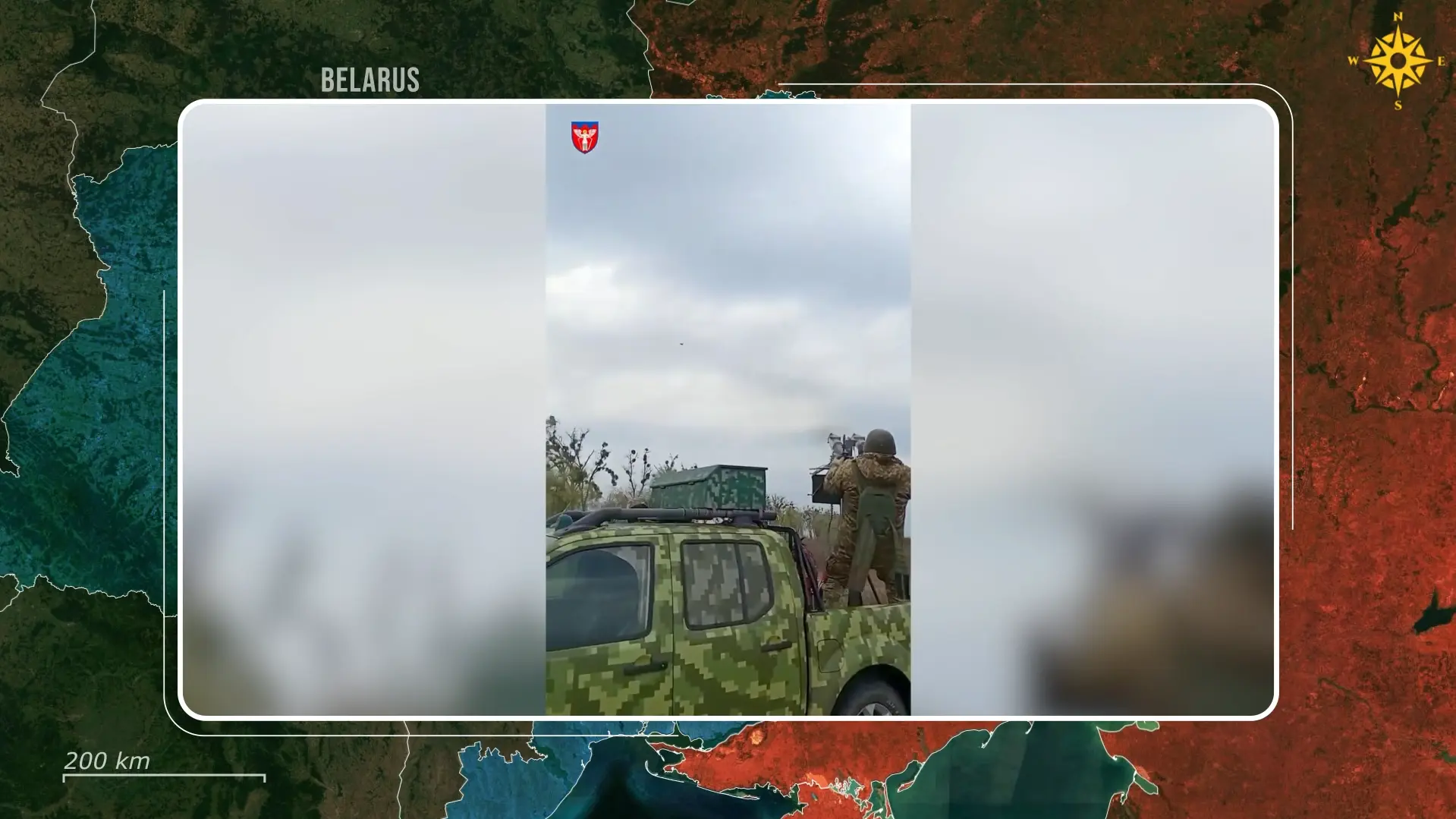
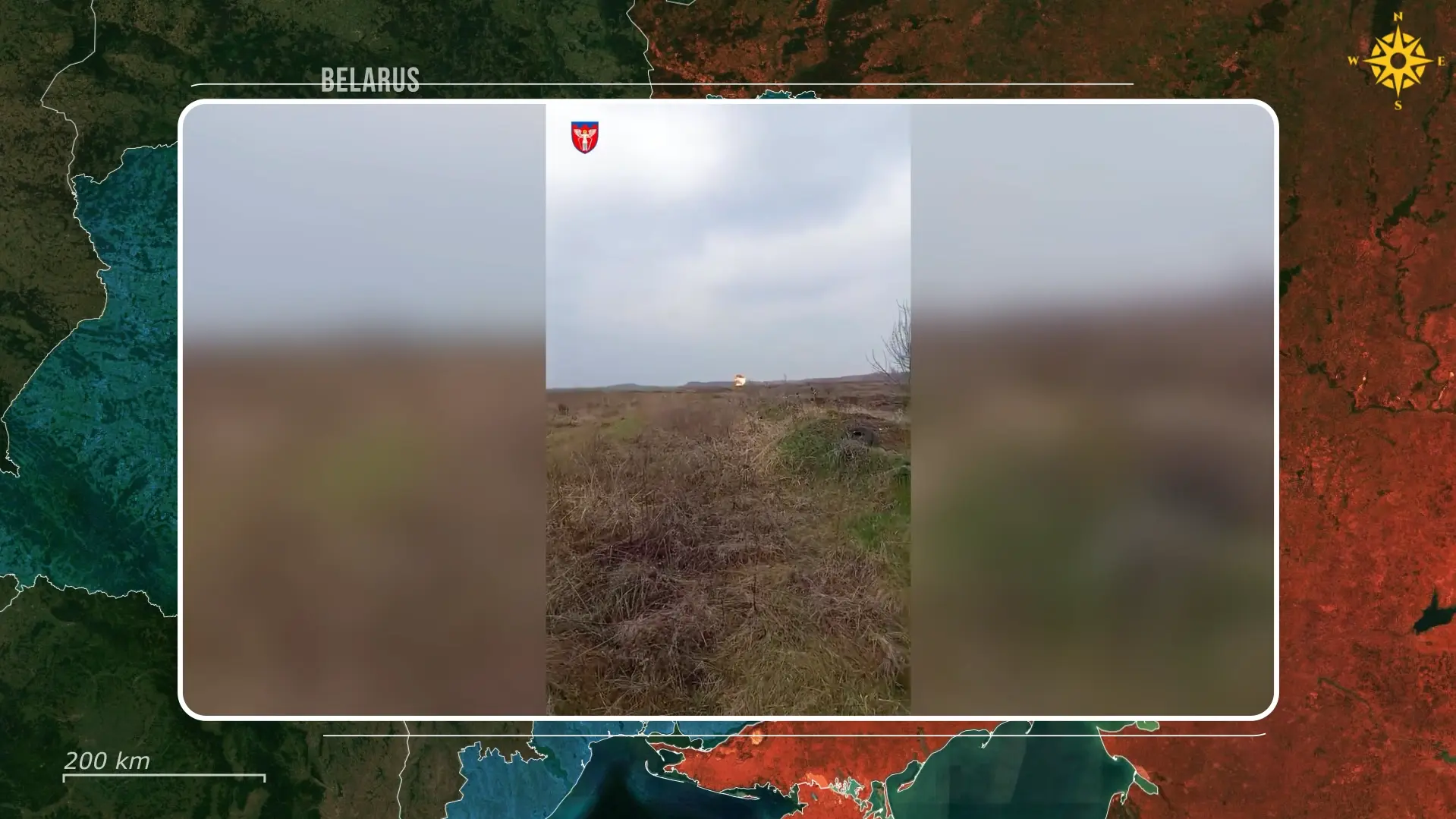
According to Ukrainian Air Force data and independent monitoring groups, Ukraine has shot down the overwhelming majority of Shaheds launched in recent months, with the mobile defense group being responsible of up to fifty-five percent of the interceptions. This level of attrition is not sustainable for Russia, and even if Shaheds are cheaper than missiles, they are not disposable at the scale Russia is losing them. Every destroyed drone represents lost money, lost time, and lost pressure on Ukrainian infrastructure, fronting Russia with a strategic problem.
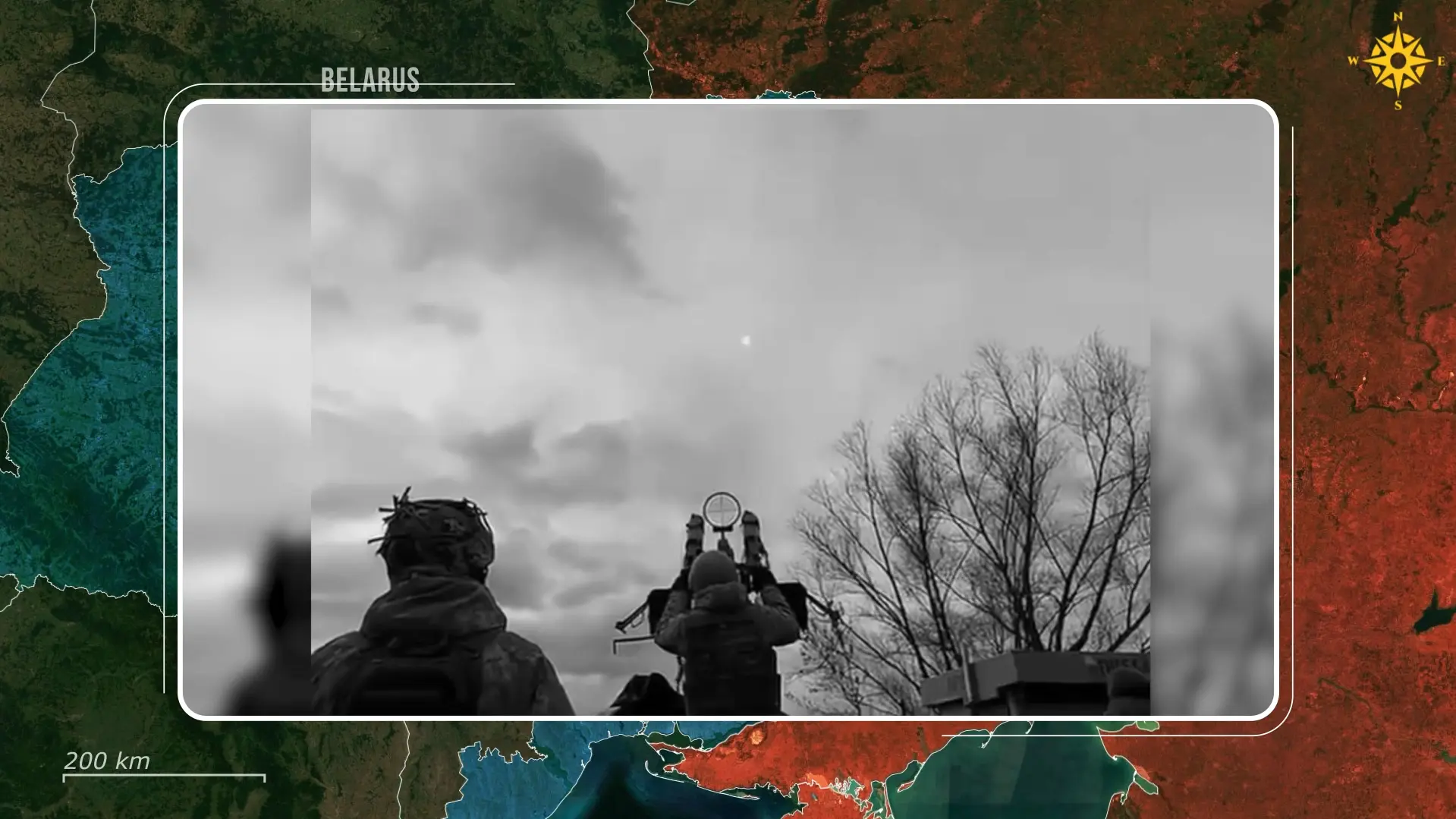
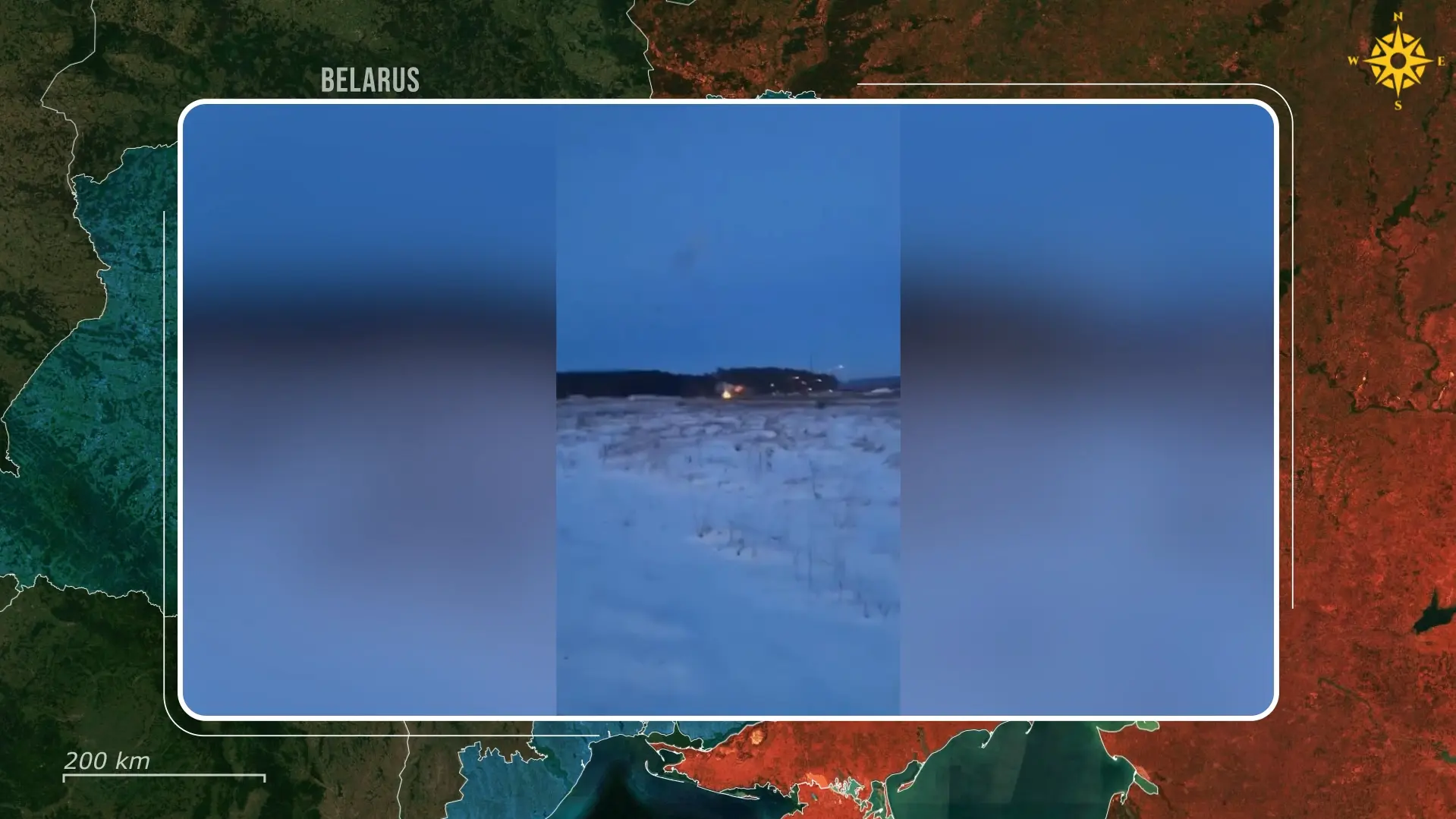
However, turning Shaheds into hunter killers also forces Russia into a difficult tradeoff, as the drones must be equipped with either more advanced and expensive targeting systems, or they must be manually guided toward Ukrainian air defense units.
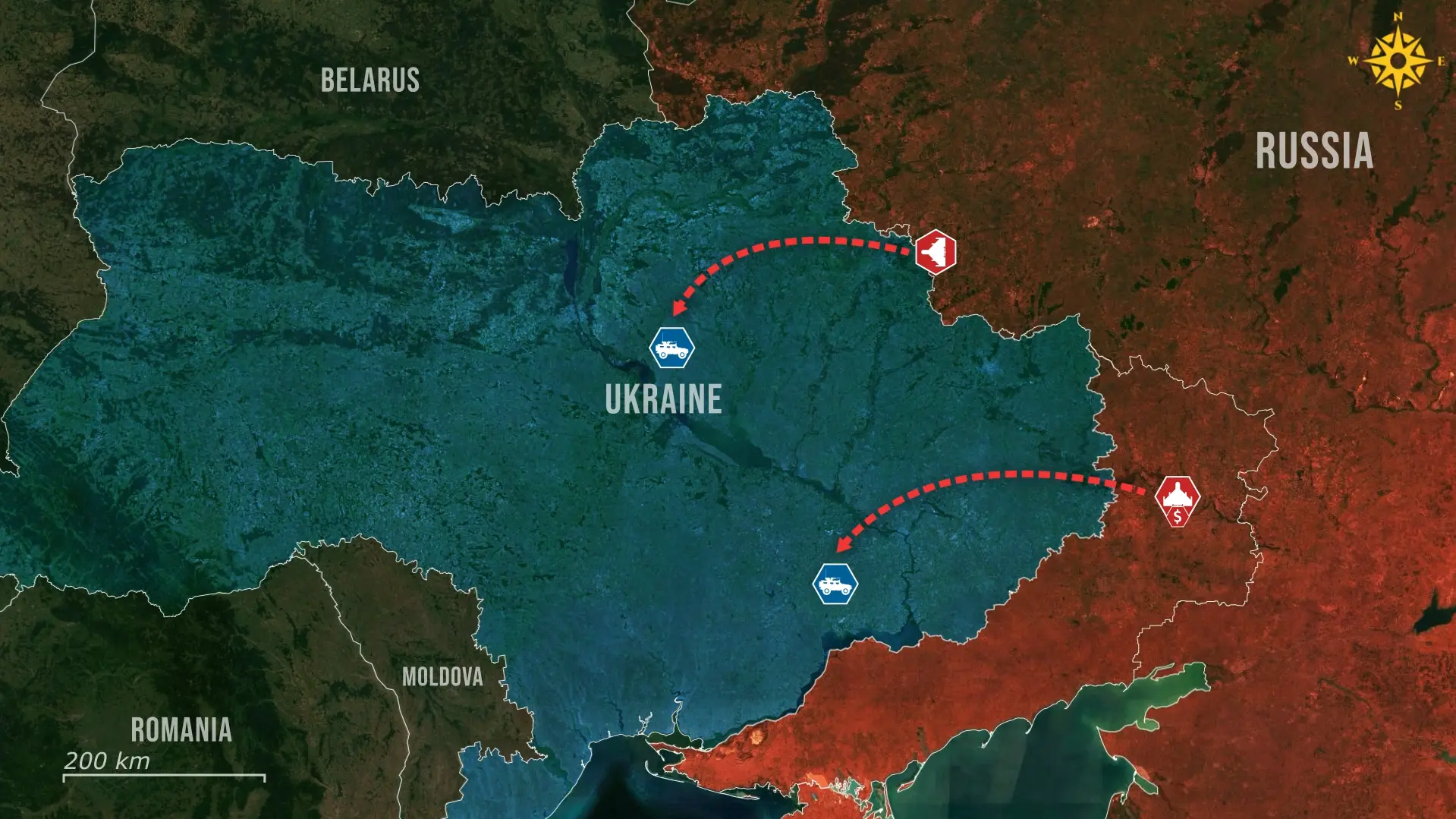
Available reporting suggests Shaheds are not likely equipped with sophisticated onboard sensors capable of autonomously identifying mobile air defense vehicles, but instead rely on direct manual control. This solution introduces new challenges, as operators depend on a narrow field of view and low resolution video, which makes identifying a camouflaged or moving target extremely difficult. But the main vulnerability of manual control remains jamming, as once the operator loses control, the drone is lost. Finally, the more time a Shahed spends searching for a target at low altitude, the more likely Ukrainian forces are to detect and destroy it.
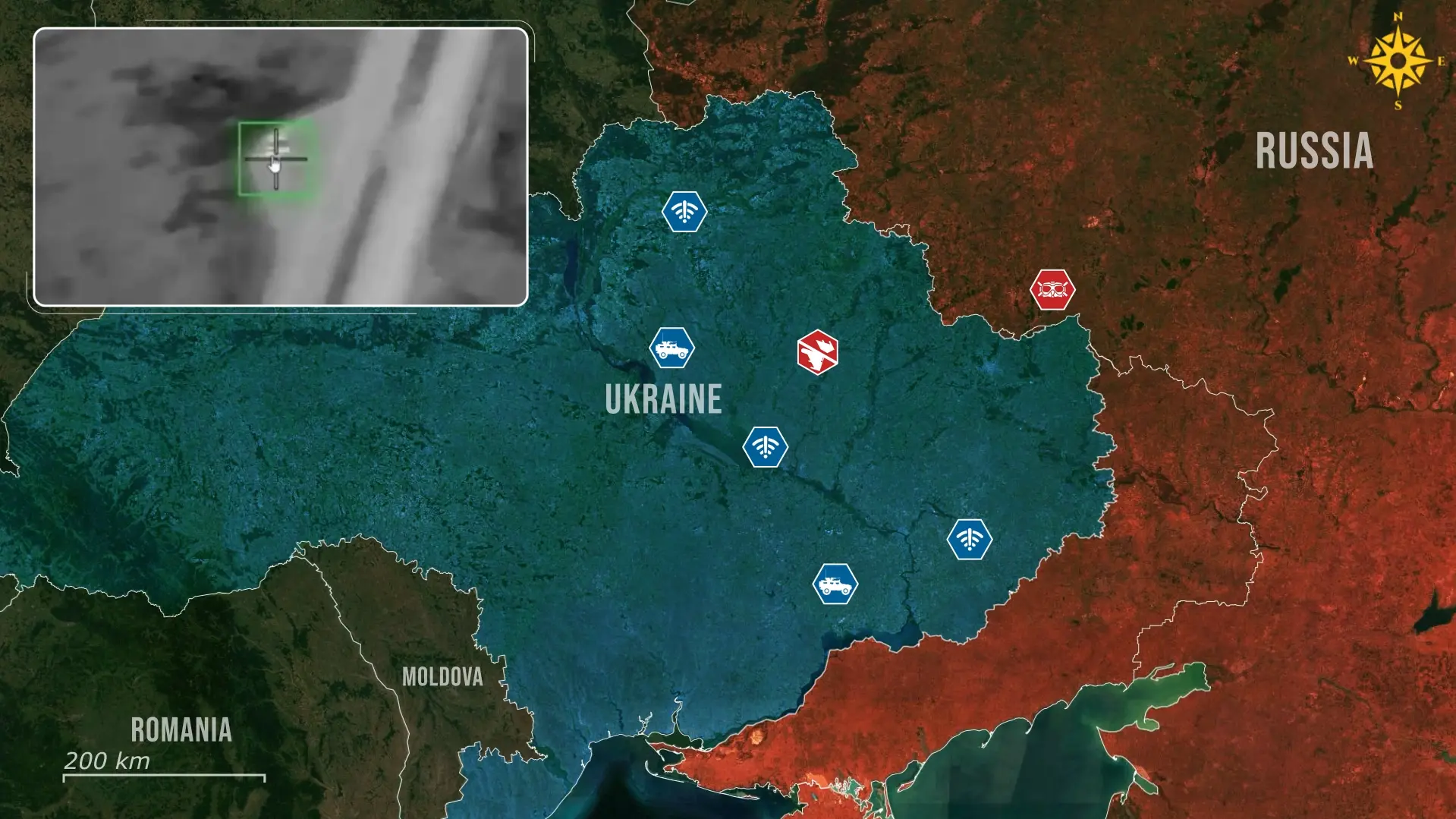
Nonetheless, Ukraine has already begun adapting to this new threat. Ukrainian engineers have developed AI guided automated machine gun turrets, such as the Sky Sentinel system, designed specifically to shoot down Shaheds. The commander of Ukraine's unmanned air defense systems confirmed that a Sky Sentinel turret had been used in combat six times and destroyed six Shaheds, demonstrating both accuracy and reliability.
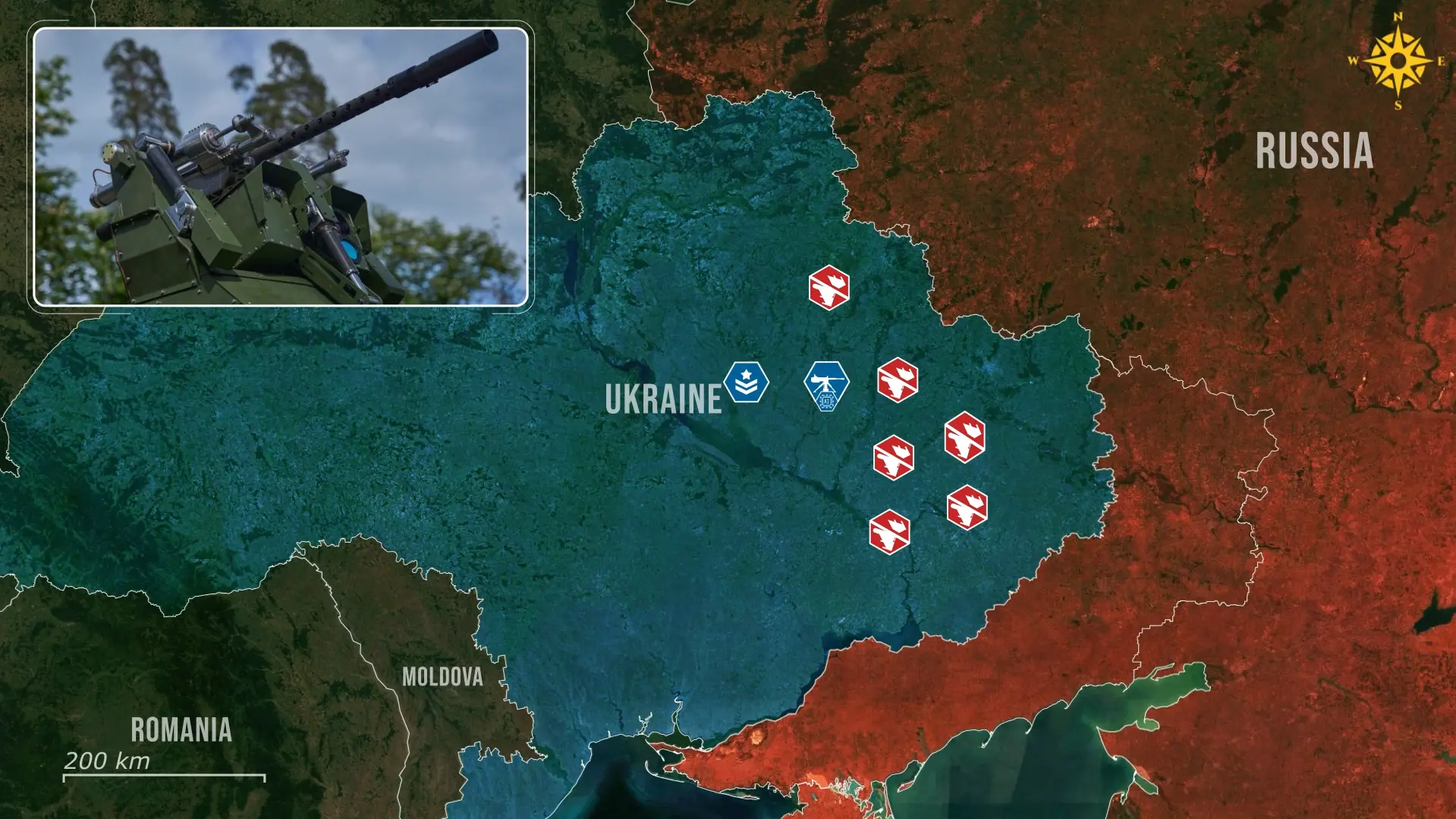
These turrets can be mounted on mobile platforms, preserving the agility that makes Ukrainian air defense groups so difficult to target. While automation reduces the risk to personnel that the hunter-killer Shahed tactic seeks to exploit, since operators no longer need to manually track and fire on incoming drones. Instead, AI handles detection and engagement, which makes the targeting often more accurate allowing Ukrainians to shoot down more drones, as well as stay in the fight by successfully engaging the Shaheds coming for them directly.
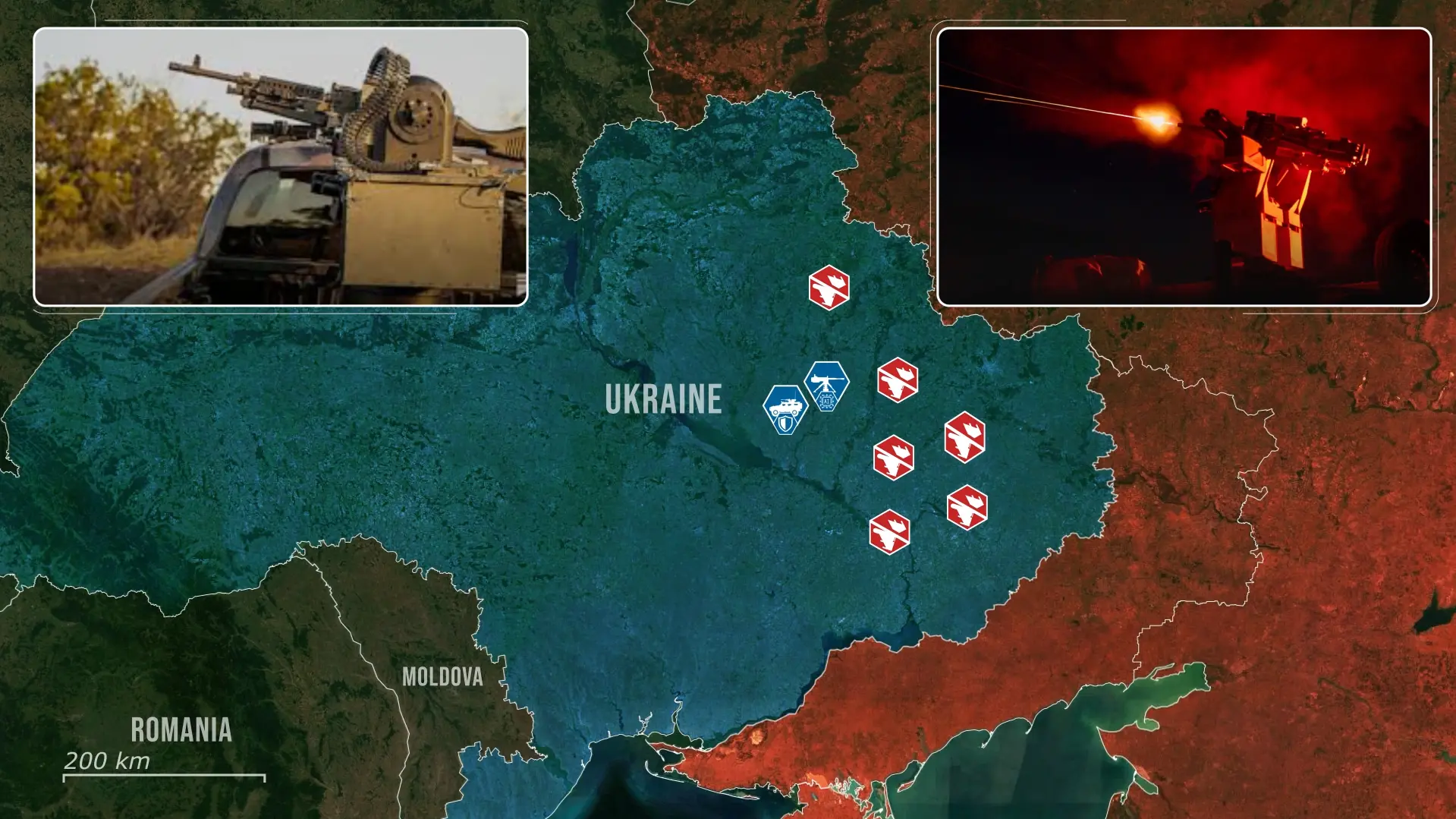
Overall, the latest Russian tactic to hunt the Shahed drone hunters represents the latest attempt to neutralize the effective Ukrainian countermeasures with limited effect. As Ukraine keeps converting Russian pressure into technological innovation, Russia burns through drones without gaining any significant advantage.
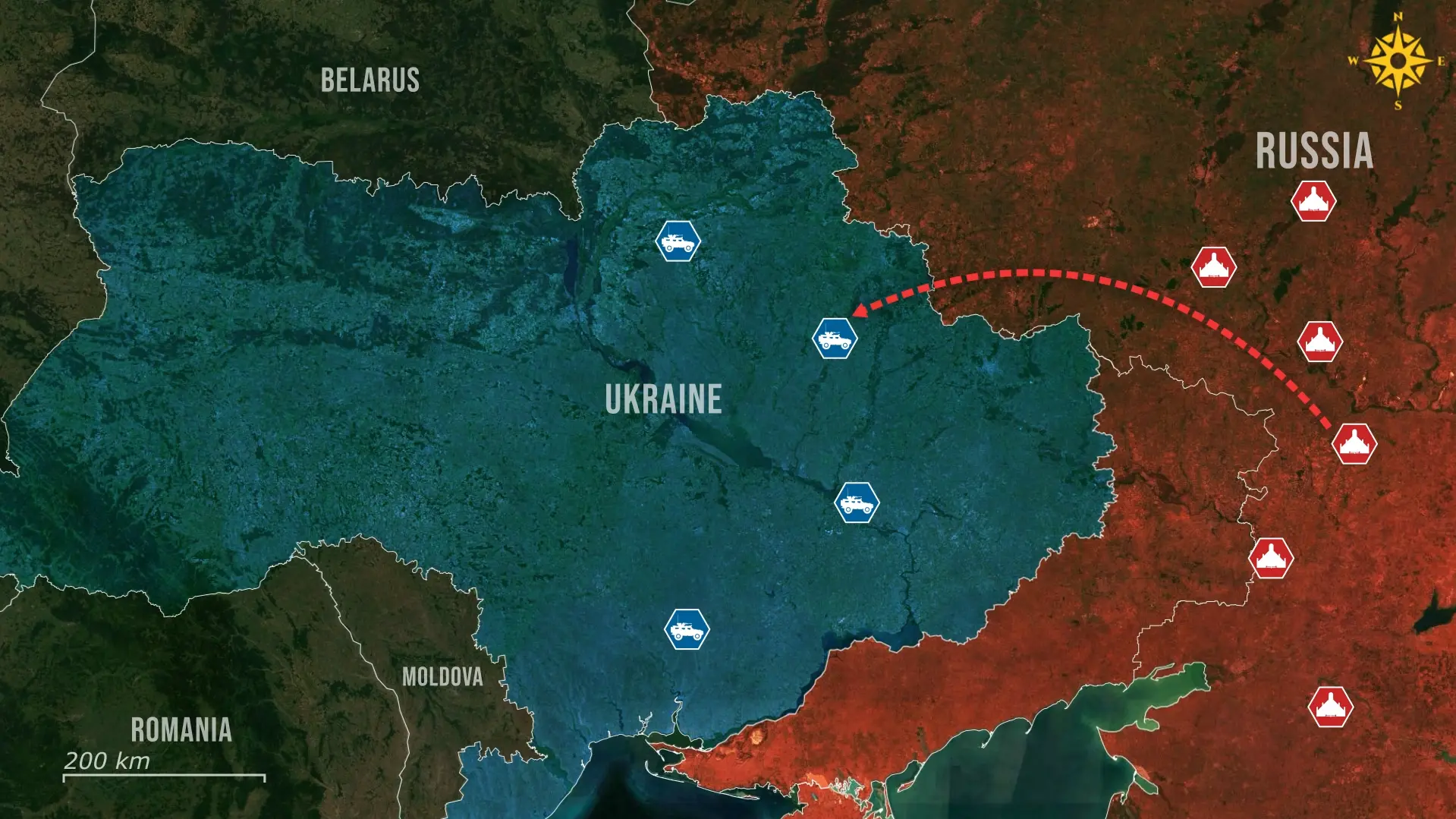
In this case, while Russia hoped that turning Shaheds into hunters would disrupt Ukraine’s defenses, the tactic has only accelerated Ukraine’s move toward automation, making Shahed attacks even less effective.

.jpg)


Comments