

.svg)
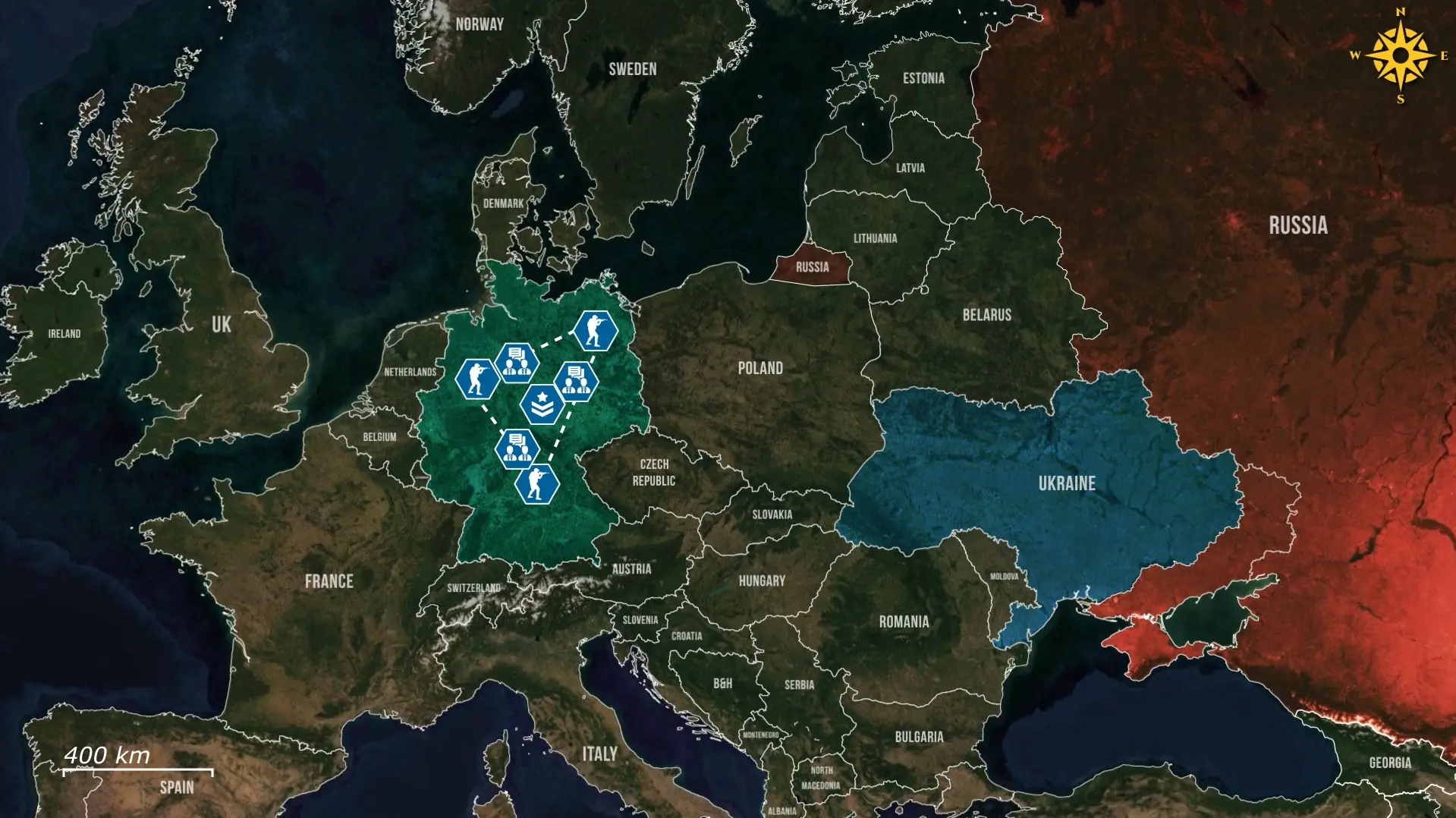
Today, the biggest updates come from Germany.
In the evolving landscape of modern warfare, where unmanned systems dominate the skies and reshape every engagement, Germany is forging the infantry soldier of the future. The soldier of past conflicts is being replaced by a connected one whose survival and success now hinge on revolutionary technology that could determine the outcome of battles.
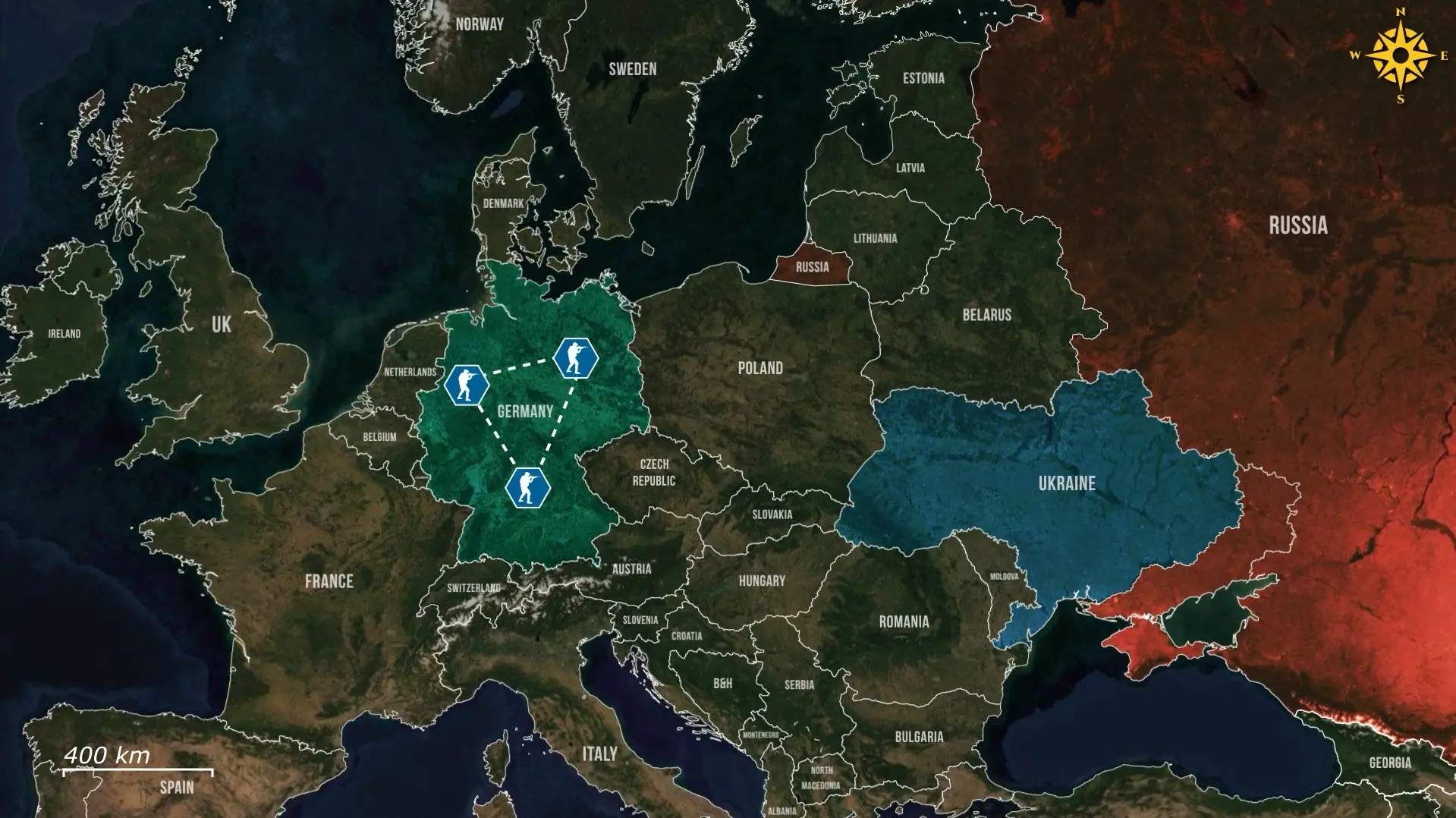
Recently, the Bundeswehr awarded a major contract to modernize existing equipment and deliver additional platoon-level kits. This builds on years of development to create a fully integrated soldier system. The core idea is to equip infantry for operations on a modern battlefield, where each soldier becomes connected within a larger digital force, while operating under and with both hostile and friendly drones in the air. The design addresses demands for better situational awareness and effectiveness when operating outside of accompanying vehicles.
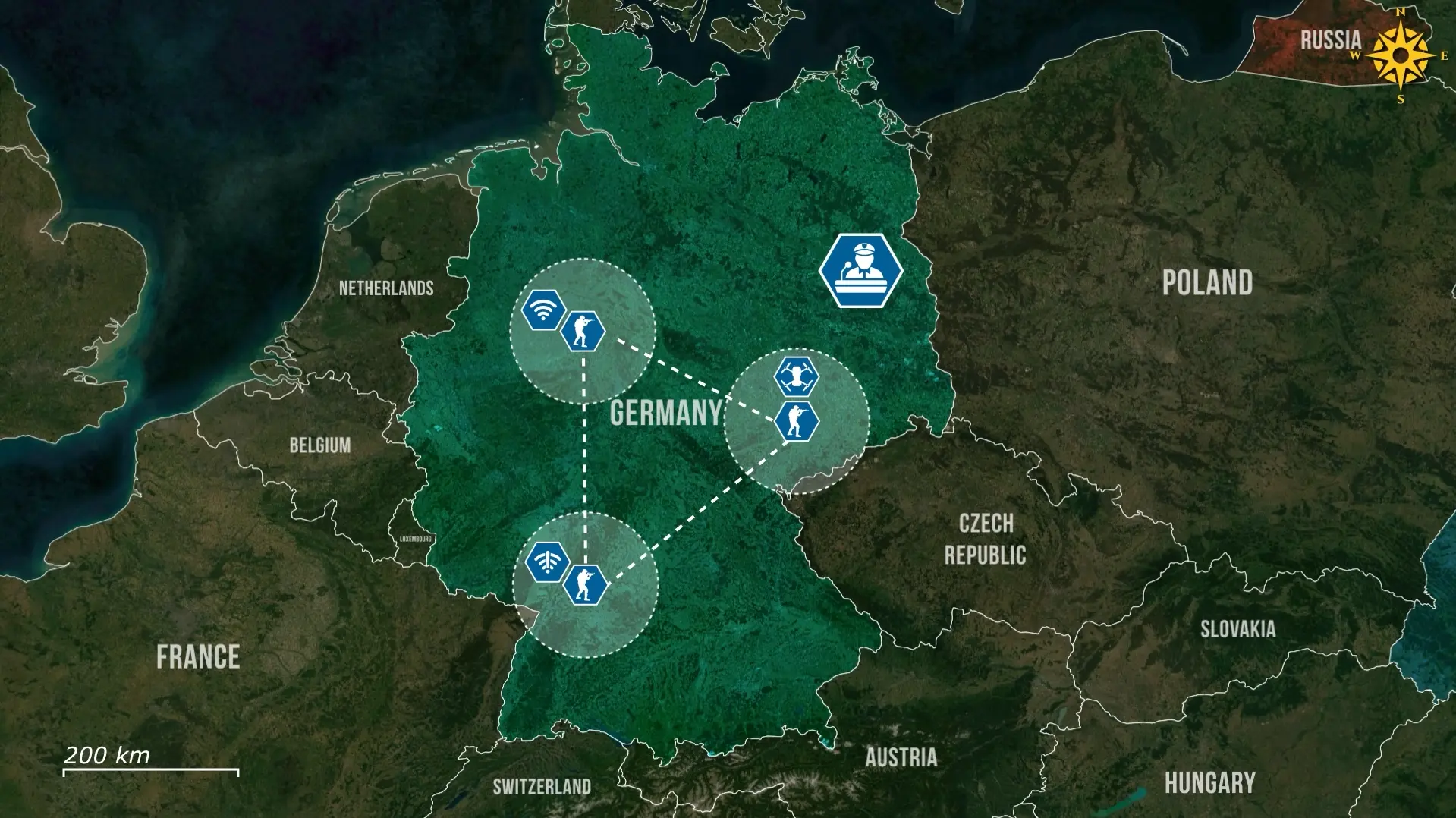
They integrate a new radio into each soldier’s kit as the main source of squad communication. With this update, squad members can speak and listen at the same time while sharing relevant information, such as positions of the enemy, in real time, with commanders and leaders carrying an additional radio for longer-range platoon communications.
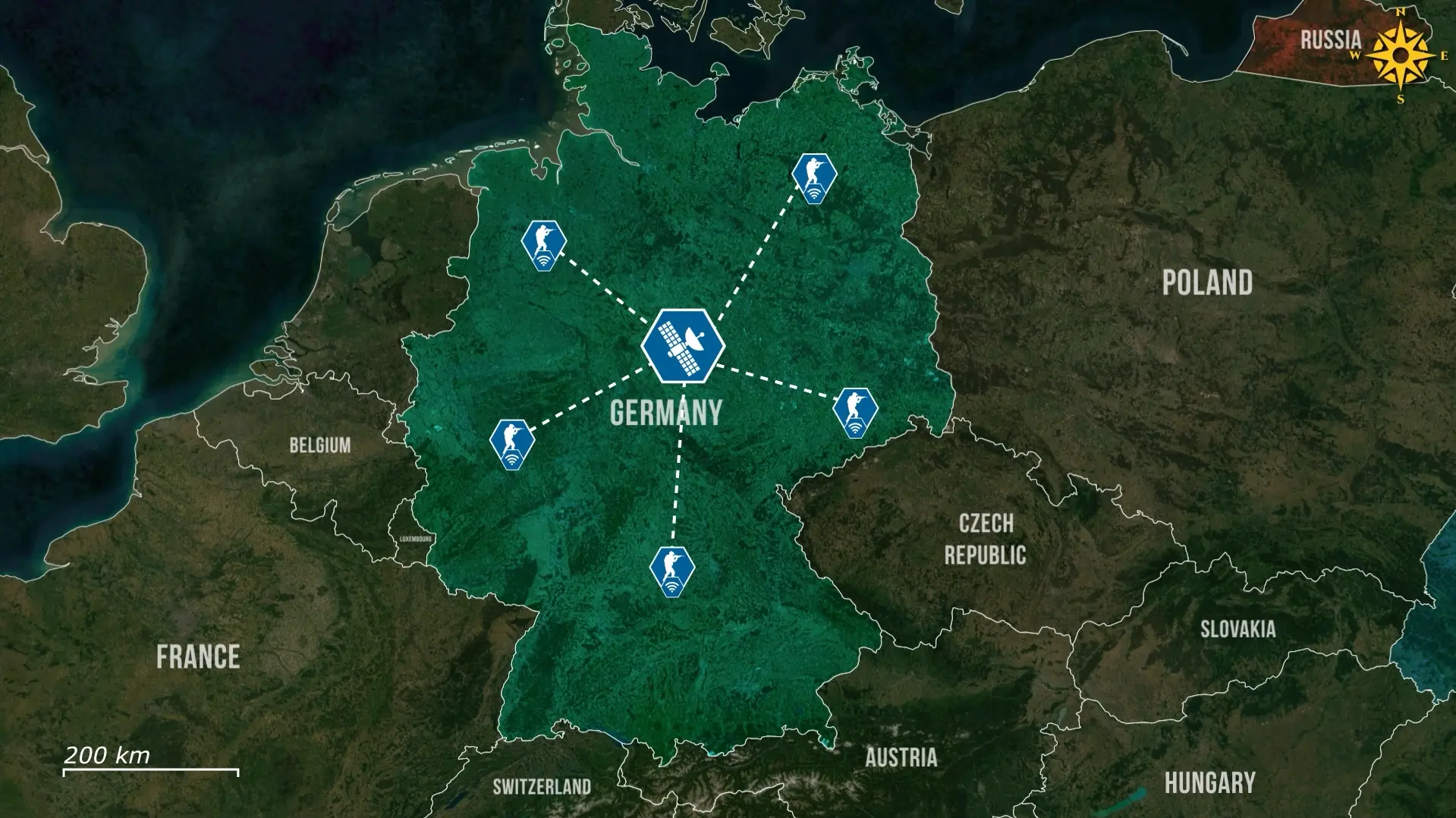
The radio supports GPS based force tracking, allowing commanders to view a live map of where forces are on the battlefield, significantly improving their operational awareness and decision-making ability. This setup enables networking across the unit and it turns individual soldiers into active participants in a digital picture of the battlefield.
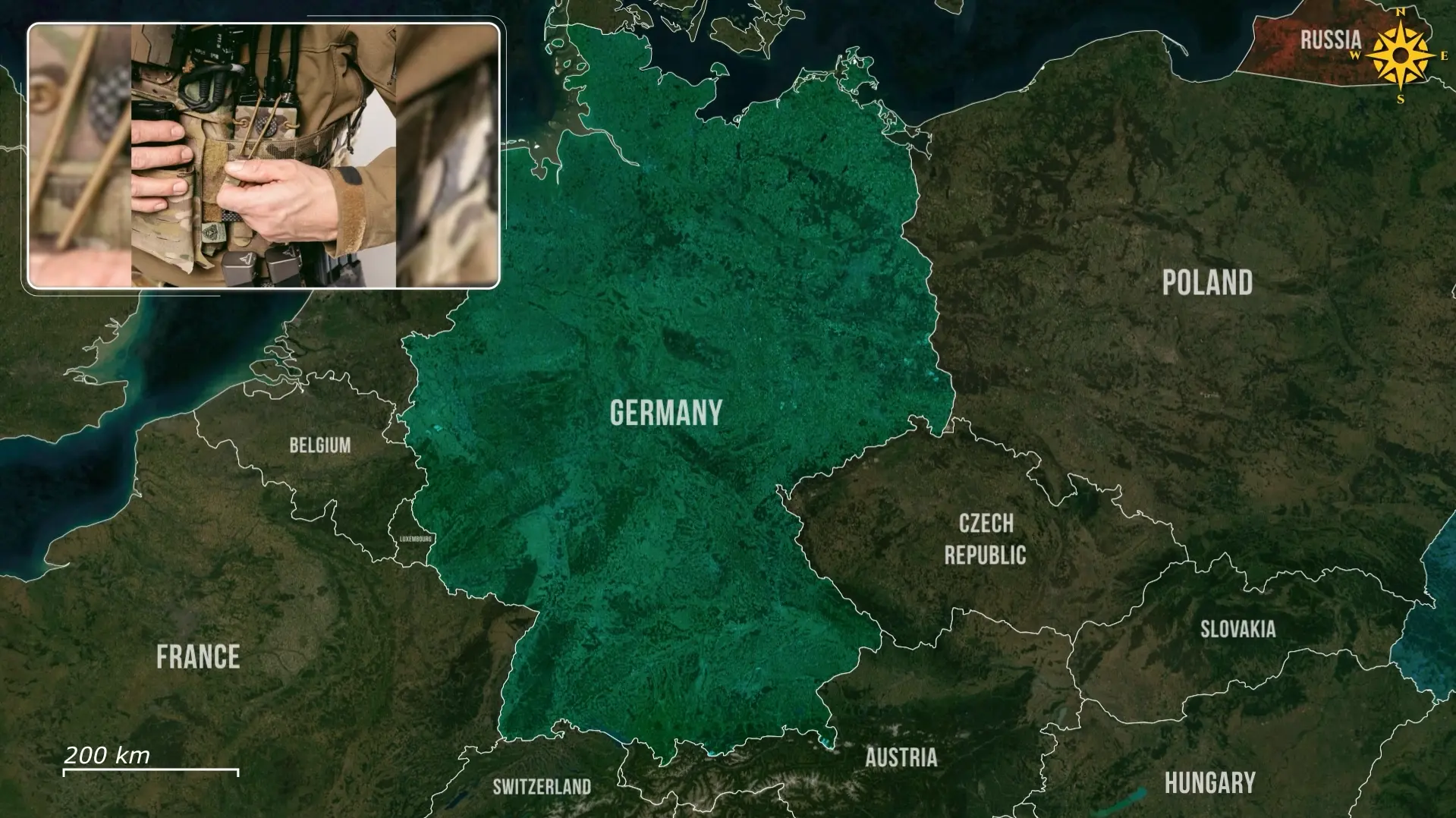
The new kit also redesigns the soldier’s vest to increase ammunition capacity, with engineers moving the main radio to the rear of the body armor. This change frees up space along the sides of the vest, allowing soldiers to carry more magazines and grenades within quick grabbing distance. The updated ballistic protection also reduces vest weight by three kilograms. This allows infantry soldiers to sustain longer engagements in a lighter fashion, which the German army expects to be of high importance in environments dominated by drones, where resupply may be delayed or outright impossible for a given time.
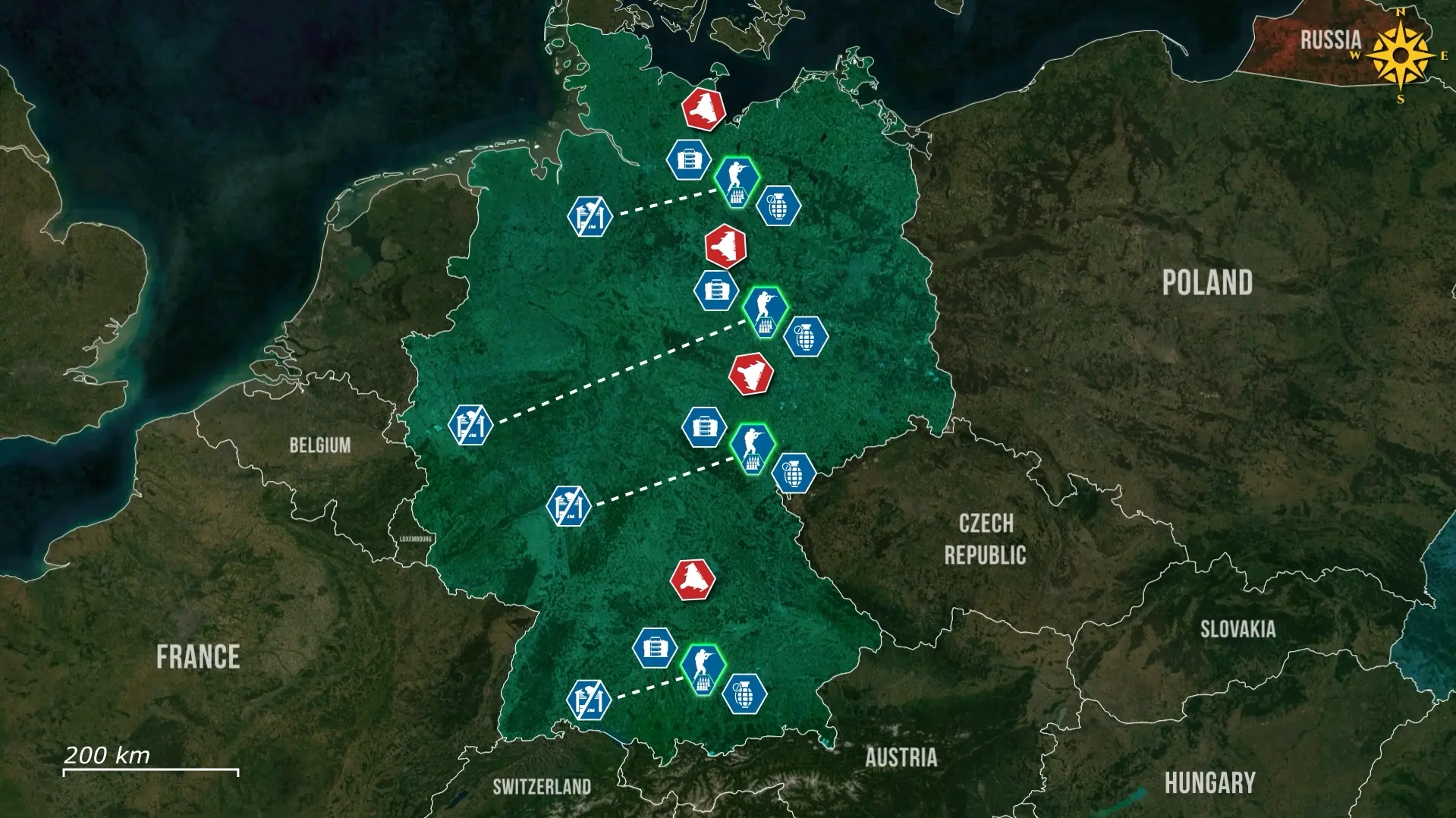
A new update is also the addition of a portable drone warning system to every soldier’s kit. This compact device scans radio frequencies and alerts the wearer to approaching drones, providing early warning against small commercial and professional military drones that dominate the war in Ukraine.
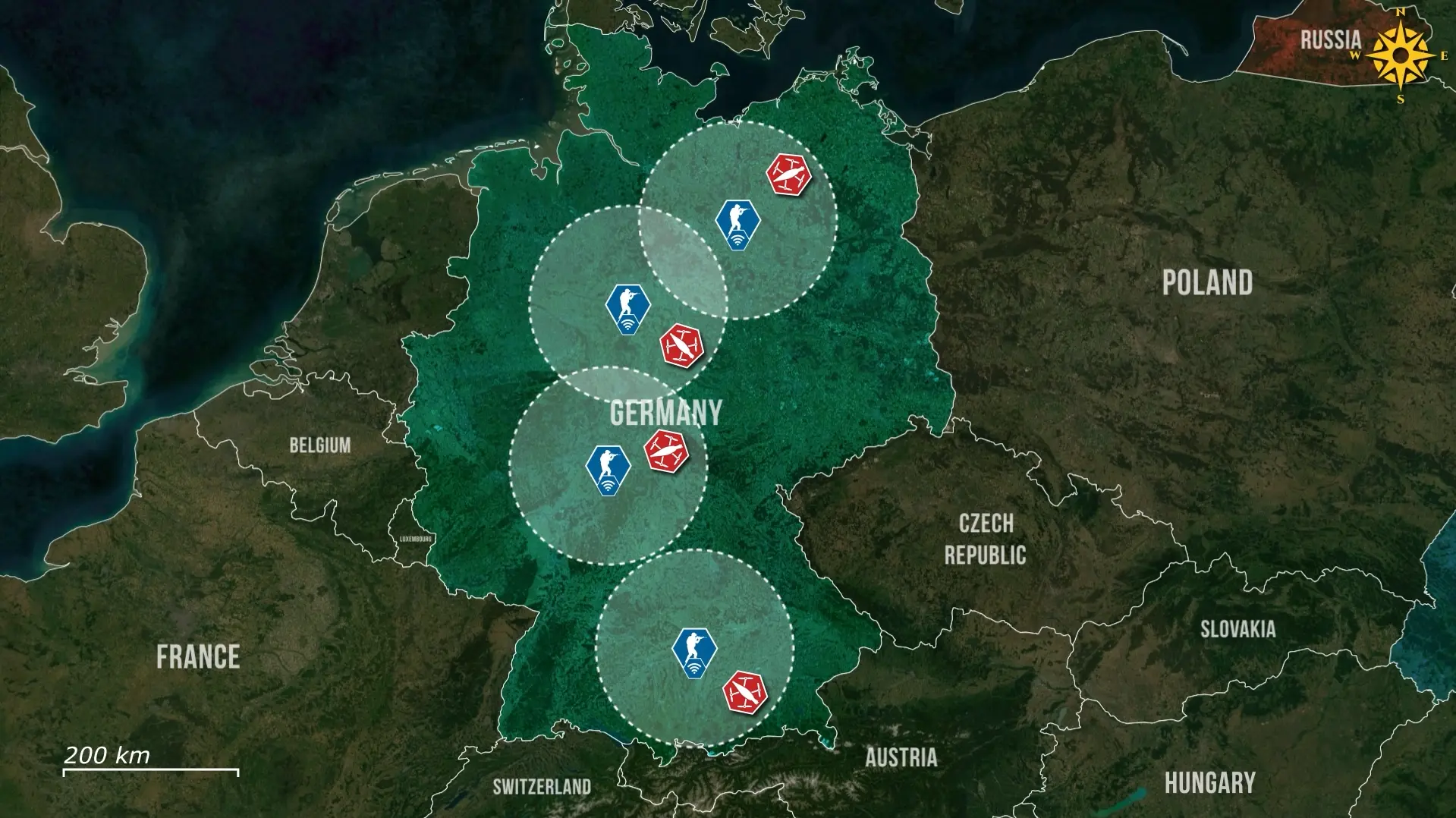
New helmet-mounted sensors also detect laser beams aimed at the soldier, warning the soldier that they are being targeted by a rangefinder or laser sight. These new sensors create awareness of both aerial threats and ground targets, helping future German infantry to spot dangers faster and stay alive.
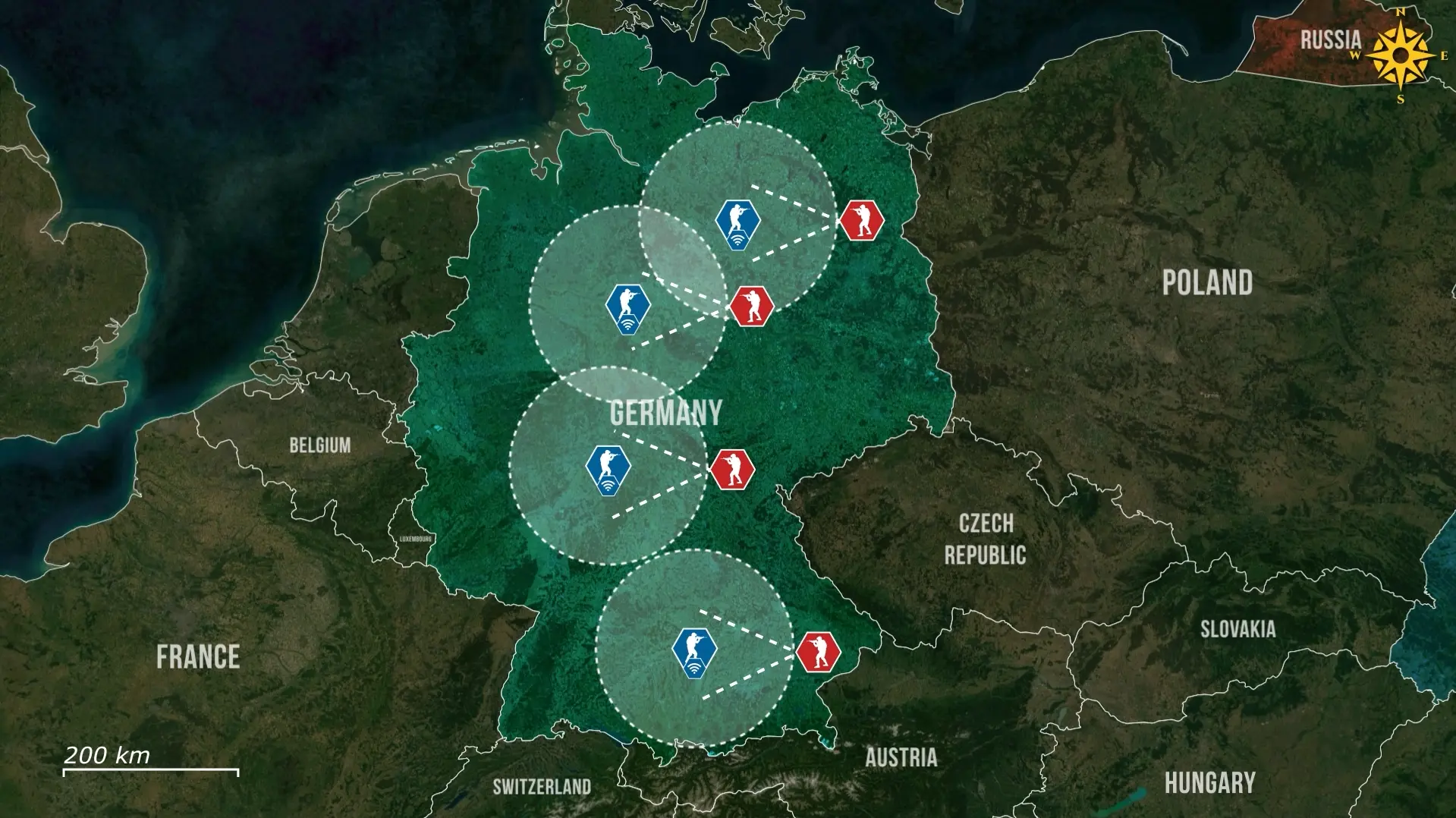
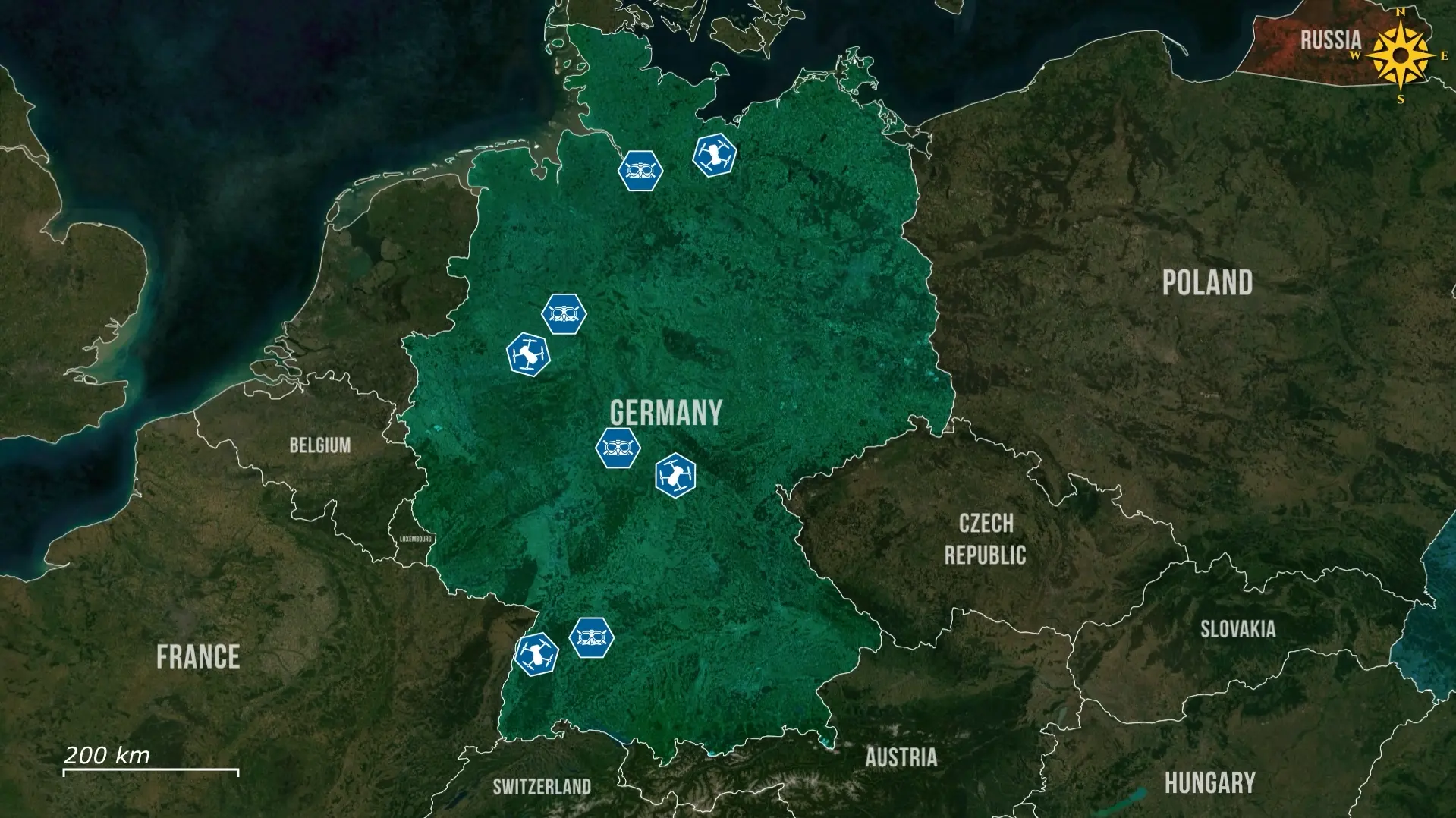
Another important update is the addition of a portable drone controller, capable of operating small reconnaissance or even strike drones. Operators use intuitive joysticks and buttons to launch, fly and direct drones while viewing live video and sensor feeds on the screen.
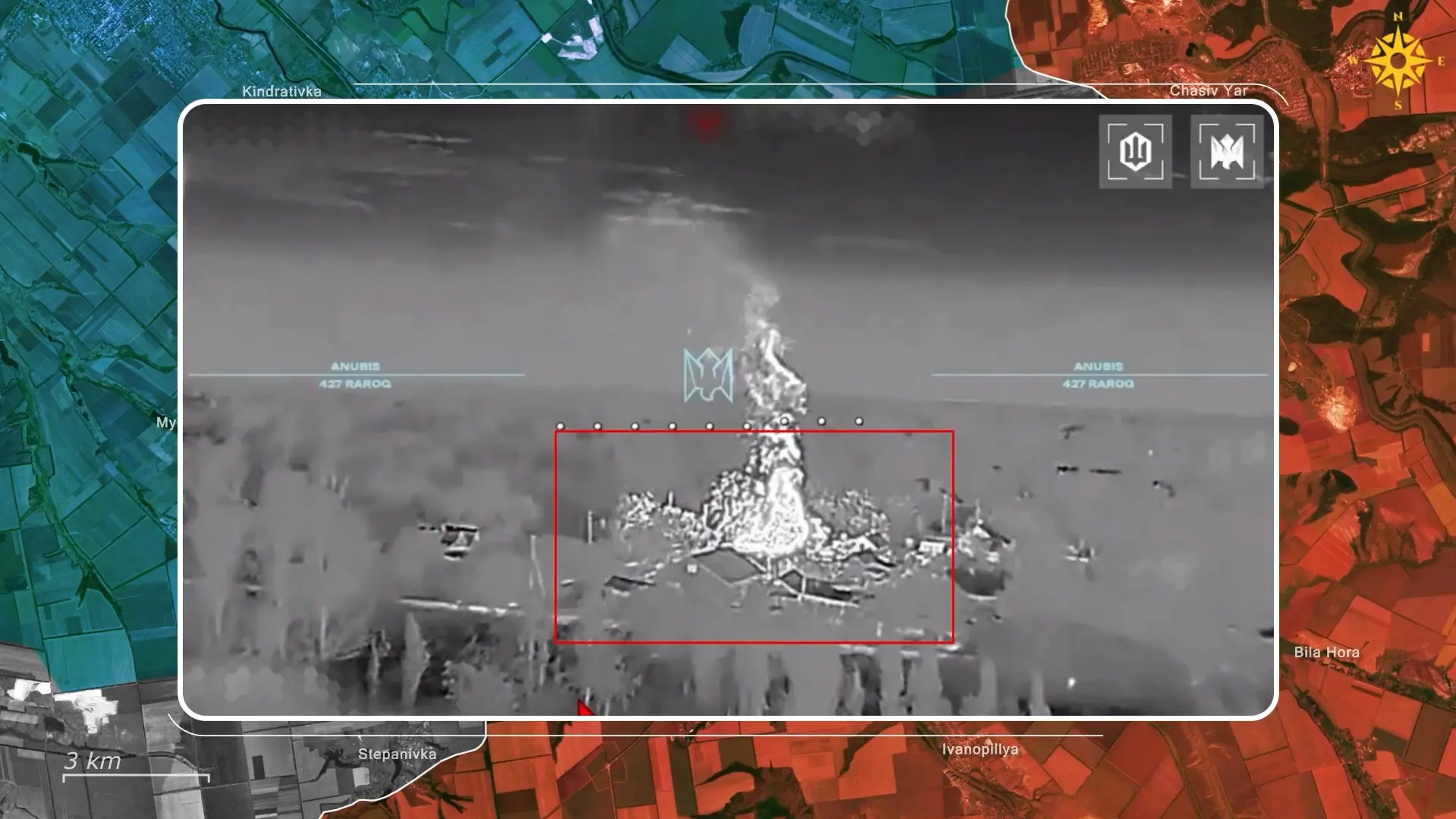
The controller links wirelessly to the squad radio network and it feeds drone imagery straight into a shared battlefield picture, which is accessible to every connected soldier. This capability lets infantry gather real-time intelligence beyond their direct line of sight, allowing them to gain a follow enemy movements during a firefight live, and coordinate of fire without waiting for support from different units; as Ukrainian special forces are already showcasing in Ukraine.
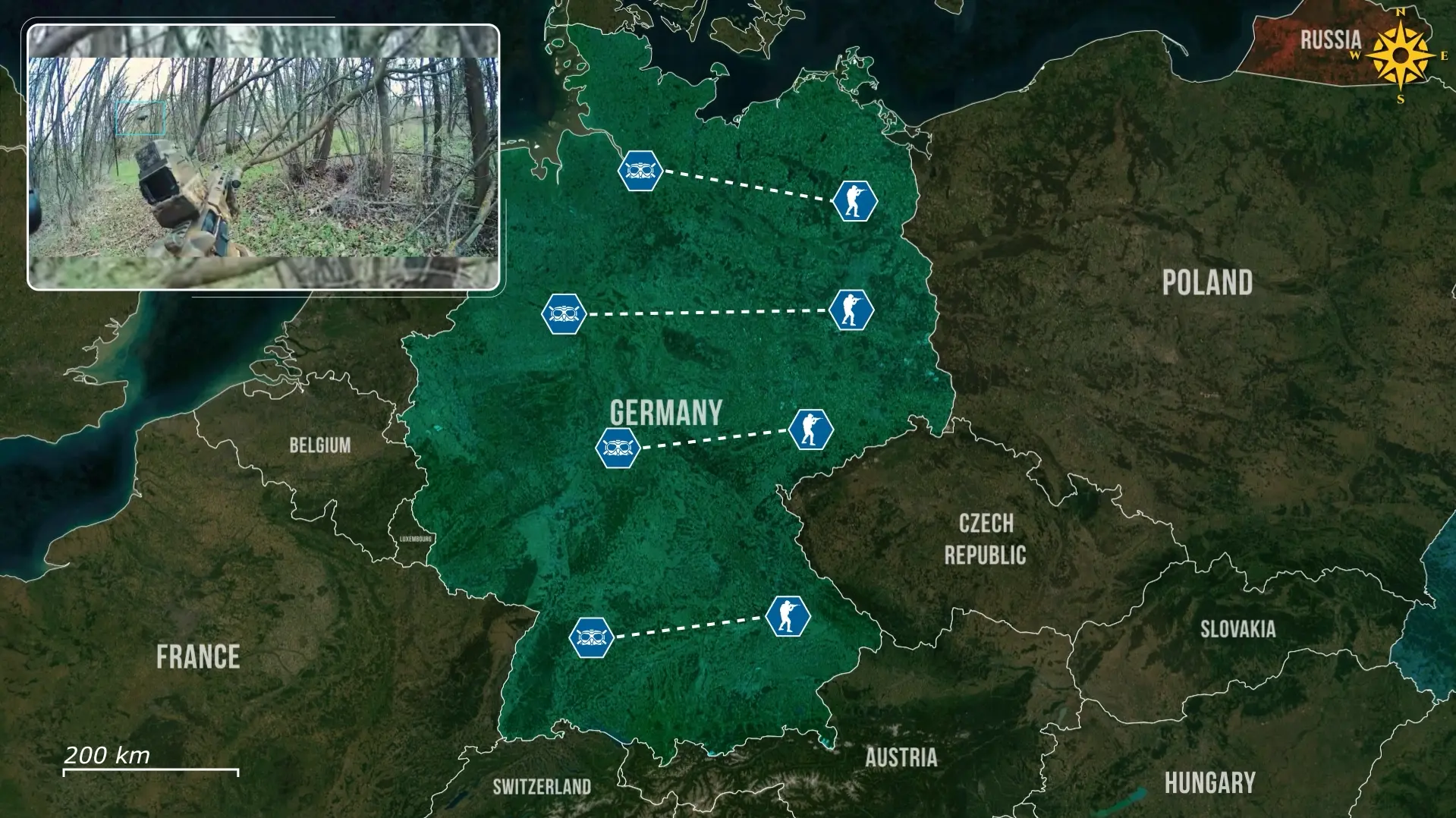
In Germany’s vision of future combat, a commander identifies an enemy position through drone reconnaissance and directs the nearest squad to engage it. As the unit advances, reconnaissance drones provide updated intelligence while a smaller drone scans ahead for threats.
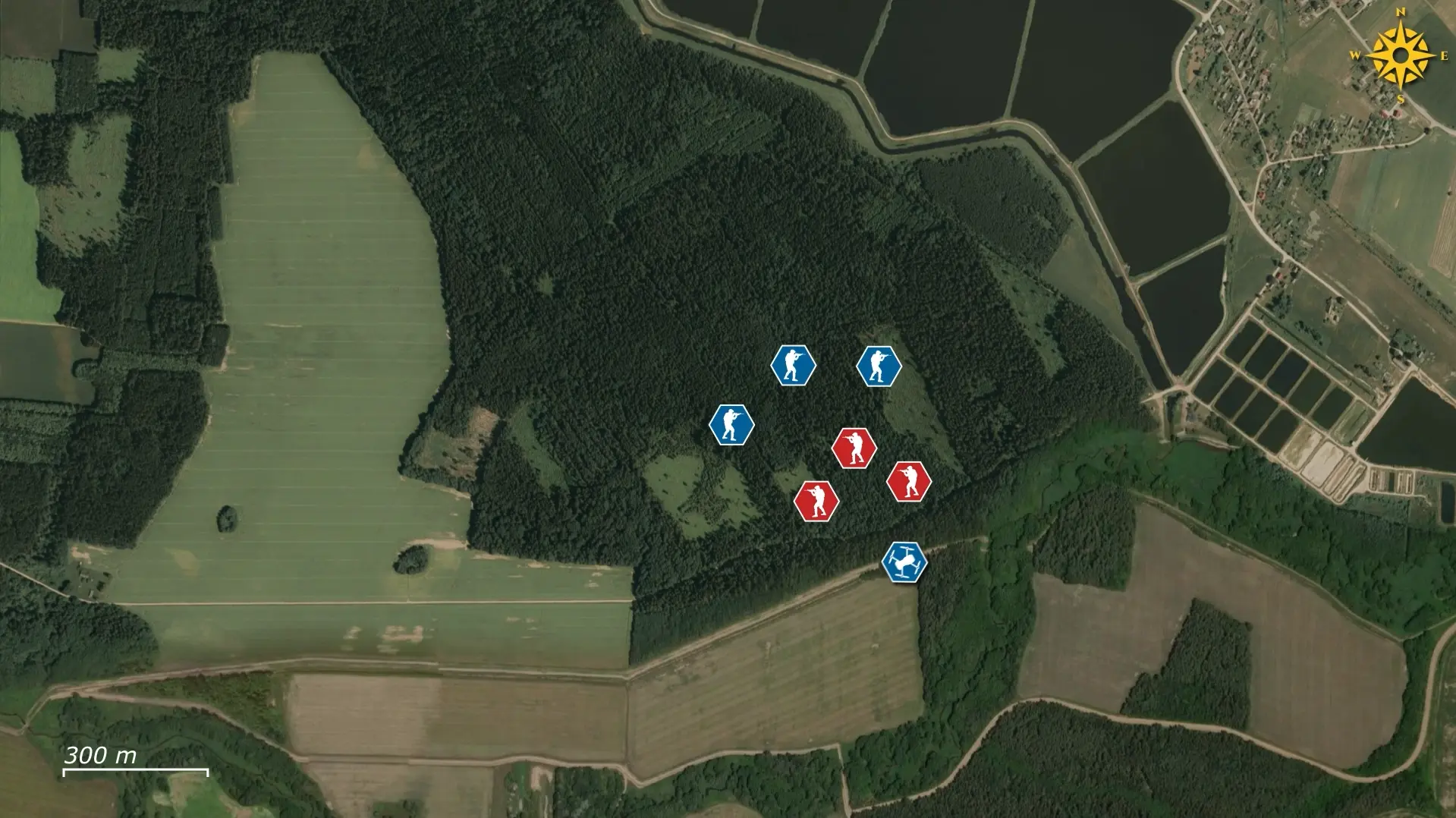
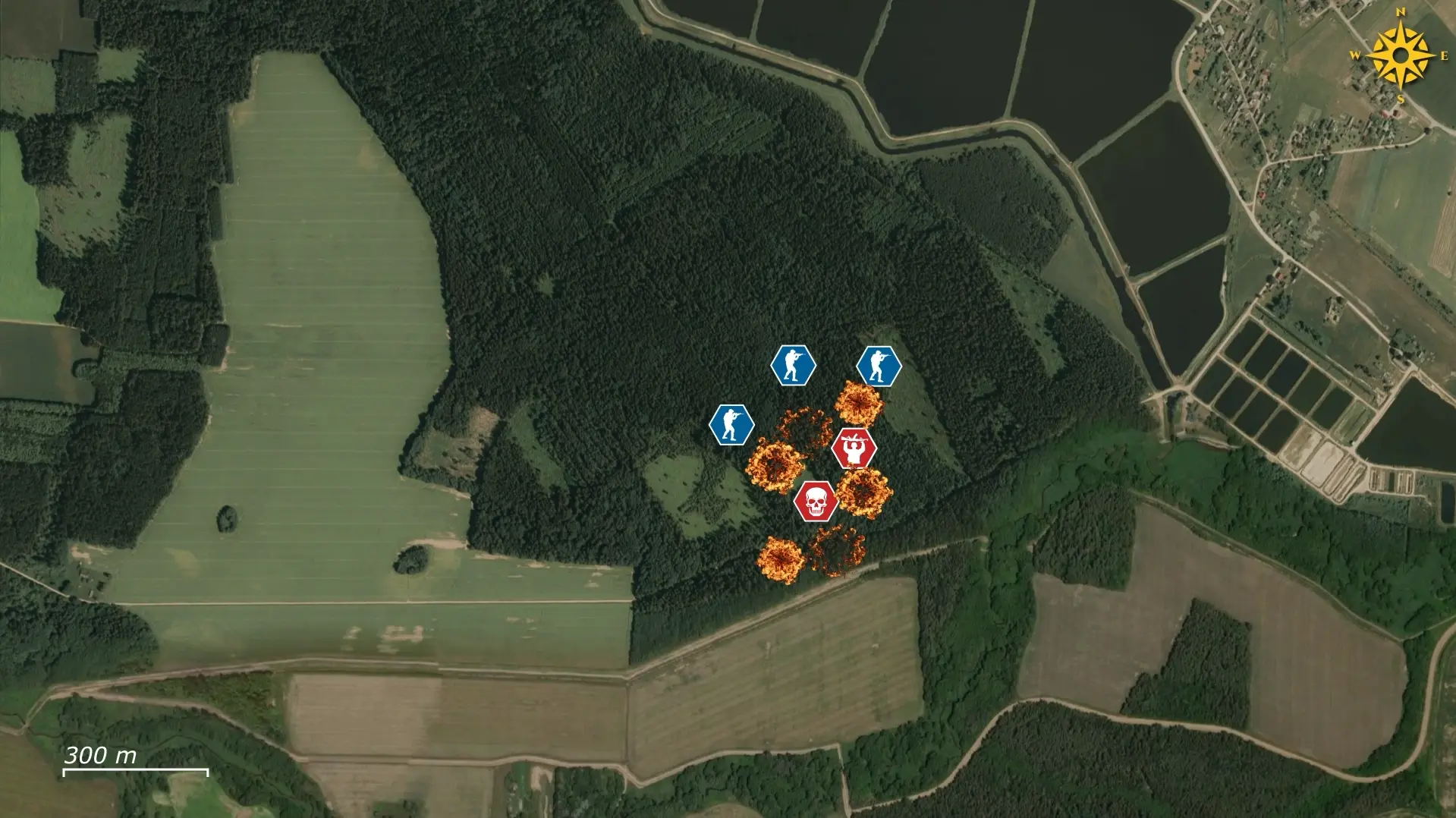
Three enemy soldiers are detected before they can react, allowing the squad to coordinate suppressive fire and a kamikaze drone strike. When hostile FPV drones appear, detectors provide early warning, enabling the soldiers to reposition, destroy the threat, and maintain control of the engagement.
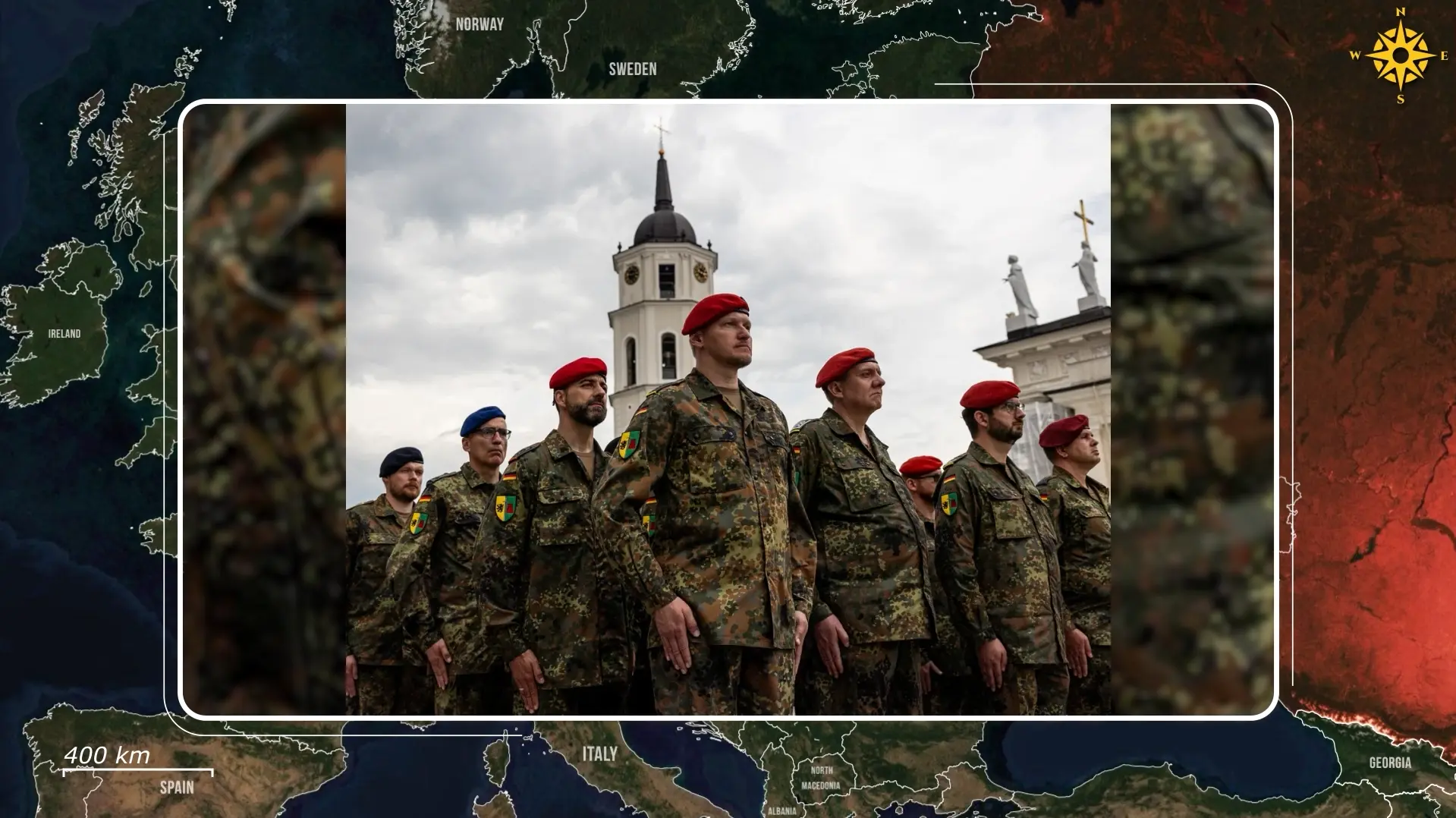
Current plans call for equipping an additional eight thousand six hundred German soldiers with the new kit between two-thousand-twenty-seven and two-thousand-twenty-nine. However, the equipment will evolve through real-world use, components that break or underperform will be upgraded, while new lighter and better materials or technologies become available.
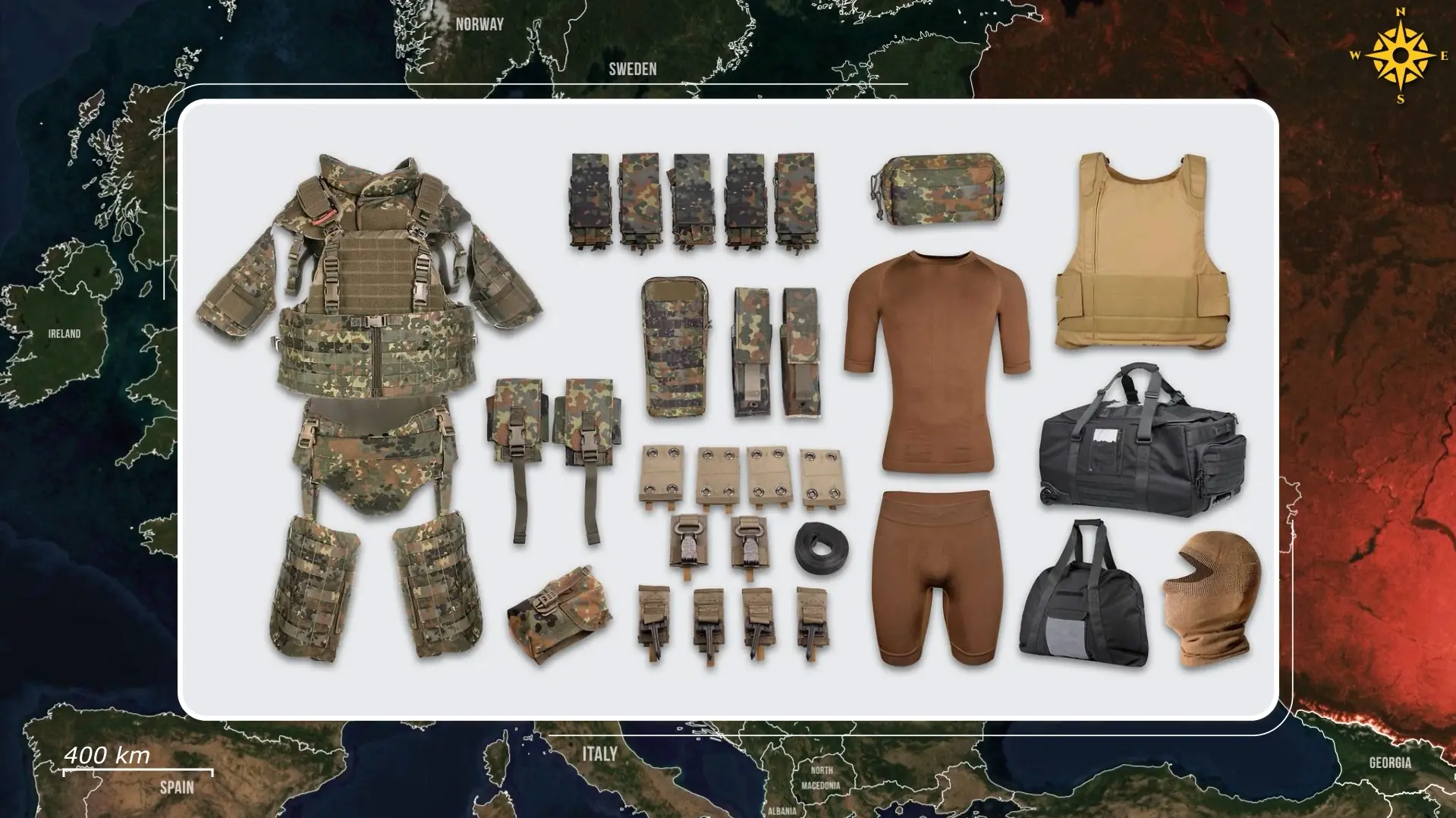
If the system proves successful in exercises and operations, the Bundeswehr can rapidly scale it further under the existing framework agreement with Rheinmetall. This iterative approach keeps the soldier kit relevant against the new realities of the fast-changing modern warfare.
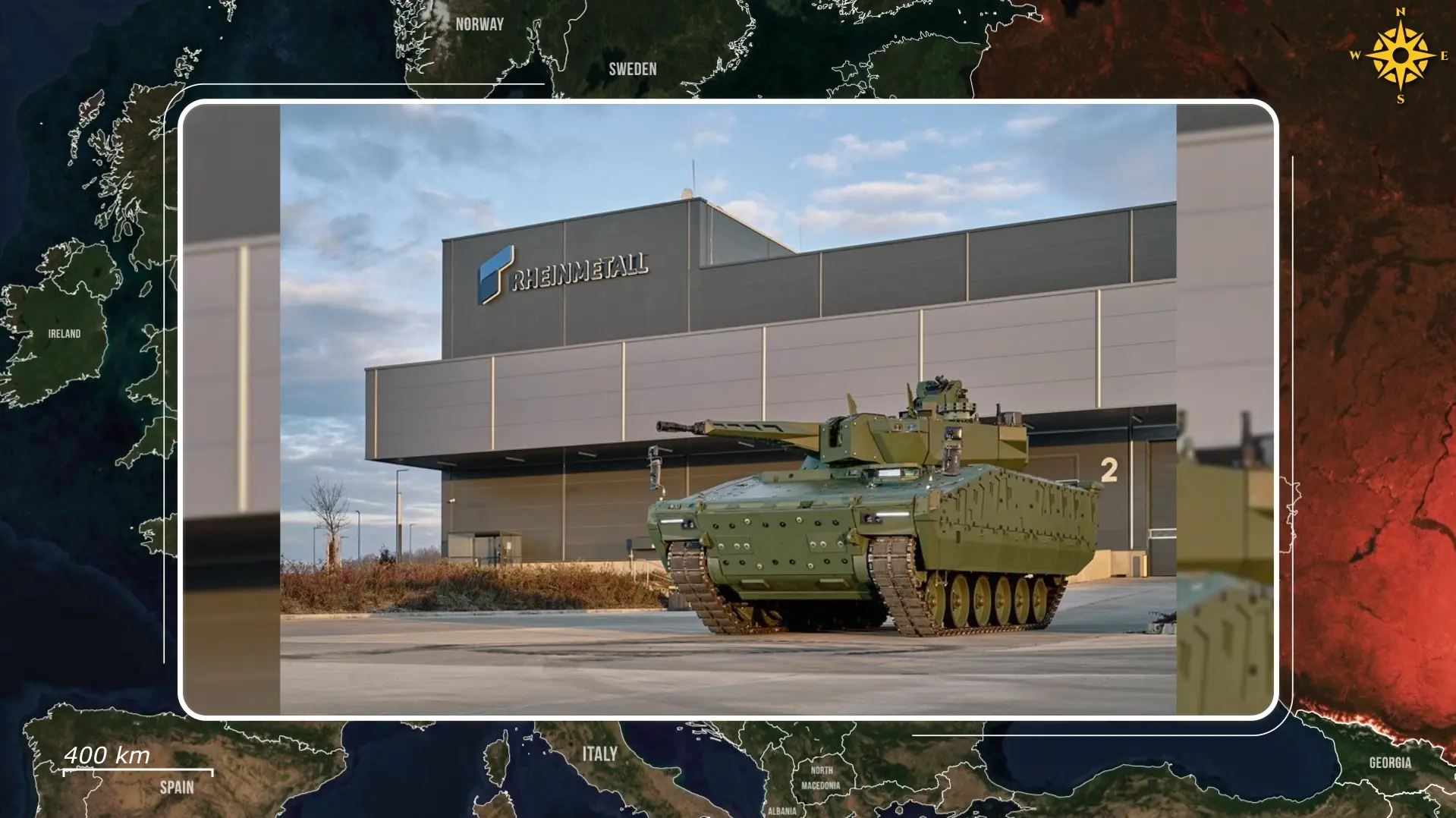
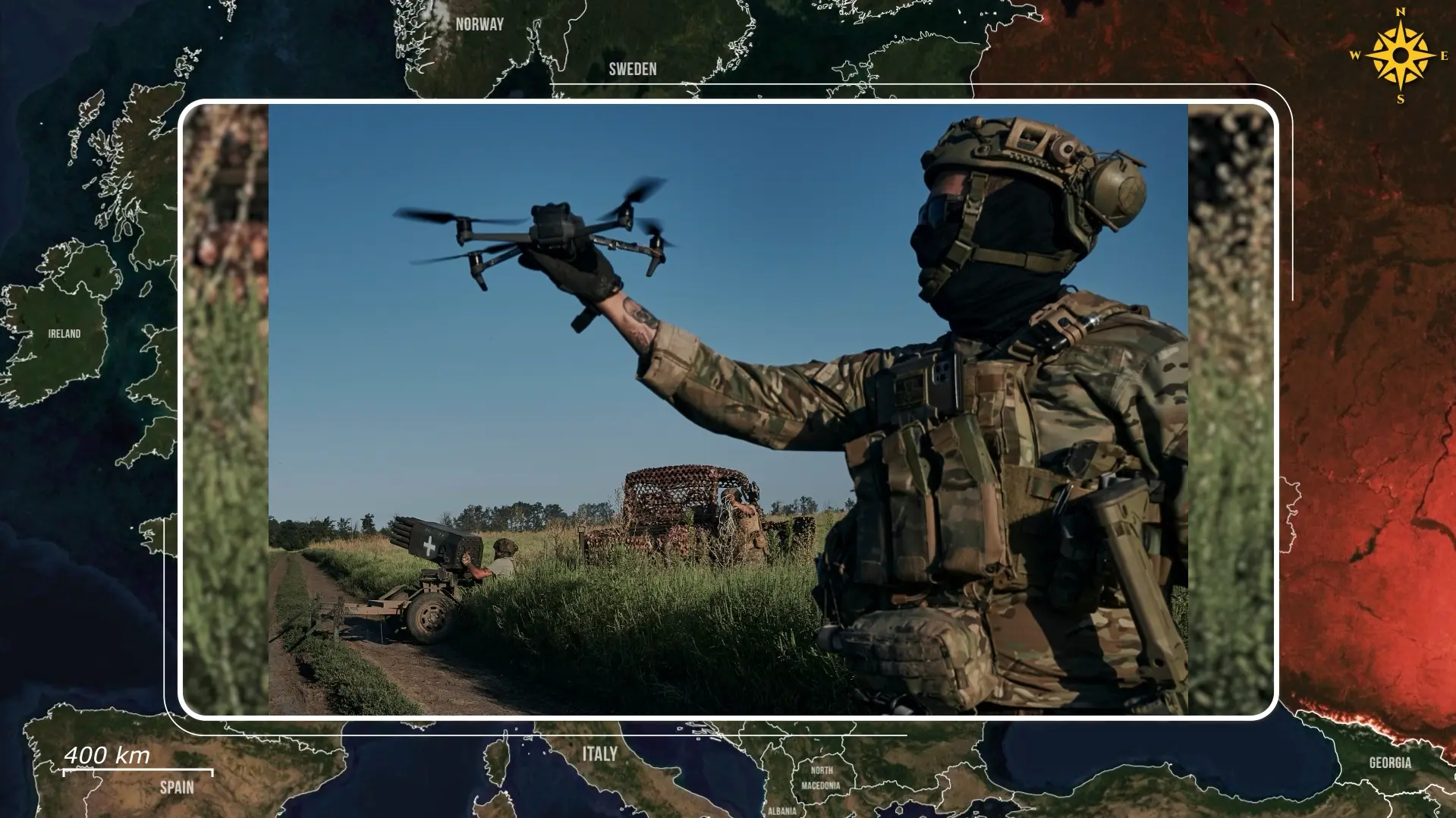
Overall, Germany’s effort reflects a shift from viewing infantry as individual fighters to treating them as nodes in a wider network of sensors, drones and communications. This changes the goal of equipment from protection and firepower alone to awareness, coordination, and speed of decision-making. The increasing role of drones also pushes commanders toward real-time battlefield management, where live GPS tracking and constant data feeds allow them to monitor unit positions. In that sense, the soldier of the future is defined less by what he carries, and more by how effectively he connects and acts within this system.

.jpg)


Comments