

.svg)
Today, the biggest news comes from Ukraine.
Here, Japanese kamikaze interceptors developed with Ukrainian partners are now being used against Russian aerial targets in the war. As Japanese drones are already appearing in combat over Ukraine, Russians are beginning to panic that foreign drone projects are increasingly becoming the new battlefield reality.

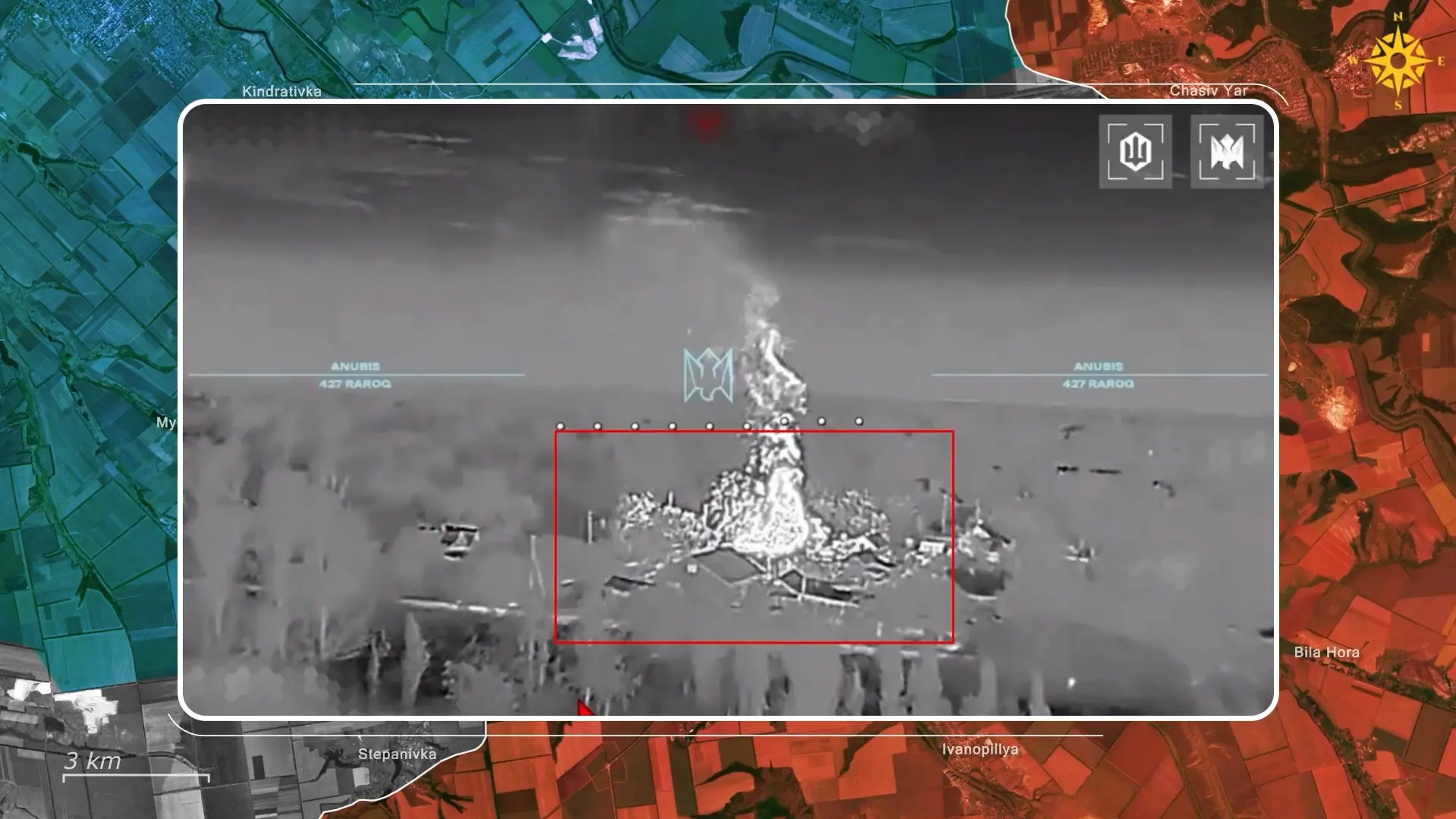
Recent footage shows a Japanese interceptor drone closing in on a Russian Shahed from above until the two are almost touching. The video cuts out at the final moment, but the sequence makes clear that the kill is achieved by direct contact at very short range.

Japan is not officially at war with Russia, but its technology is now being used against Russian aerial targets in Ukrainian airspace.

The drone in the footage is the Terra A1 interceptor, developed by Japan’s Terra Drone together with Ukraine’s company Amazing Drones. That arrangement allows Japan to avoid direct state weapon transfers while still entering the war through private sector cooperation. Its reported cost is about two thousand five hundred dollars per interceptor, which makes it far cheaper than traditional air defense solutions and much more realistic to use at scale.

Japanese investment has already expanded beyond Amazing Drones to another Ukrainian firm, WinnyLab, with Terra A1 serving as the short-range interceptor already seen in combat and Terra A2 as a longer-range platform now being produced under the Terra Drone brand. Together, they give the partnership one system for short range interception and another for longer range engagements, instead of relying on a single drone for every role.

Japan is investing in this relationship because Ukraine is now the most active drone battlefield in the world, and Ukrainian companies and operators have practical experience that no peacetime military can reproduce.

For Tokyo, those lessons are directly relevant as it tries to build stronger interceptor systems, longer range drones, and dedicated military structures for unmanned warfare inside its own defense establishment.

This includes real-time interception tactics against mass drone attacks, as well as how to scale low-cost systems to counter high-volume threats. Ukraine gives Japan real wartime knowledge about how drones are used, adapted, and scaled under constant combat pressure.
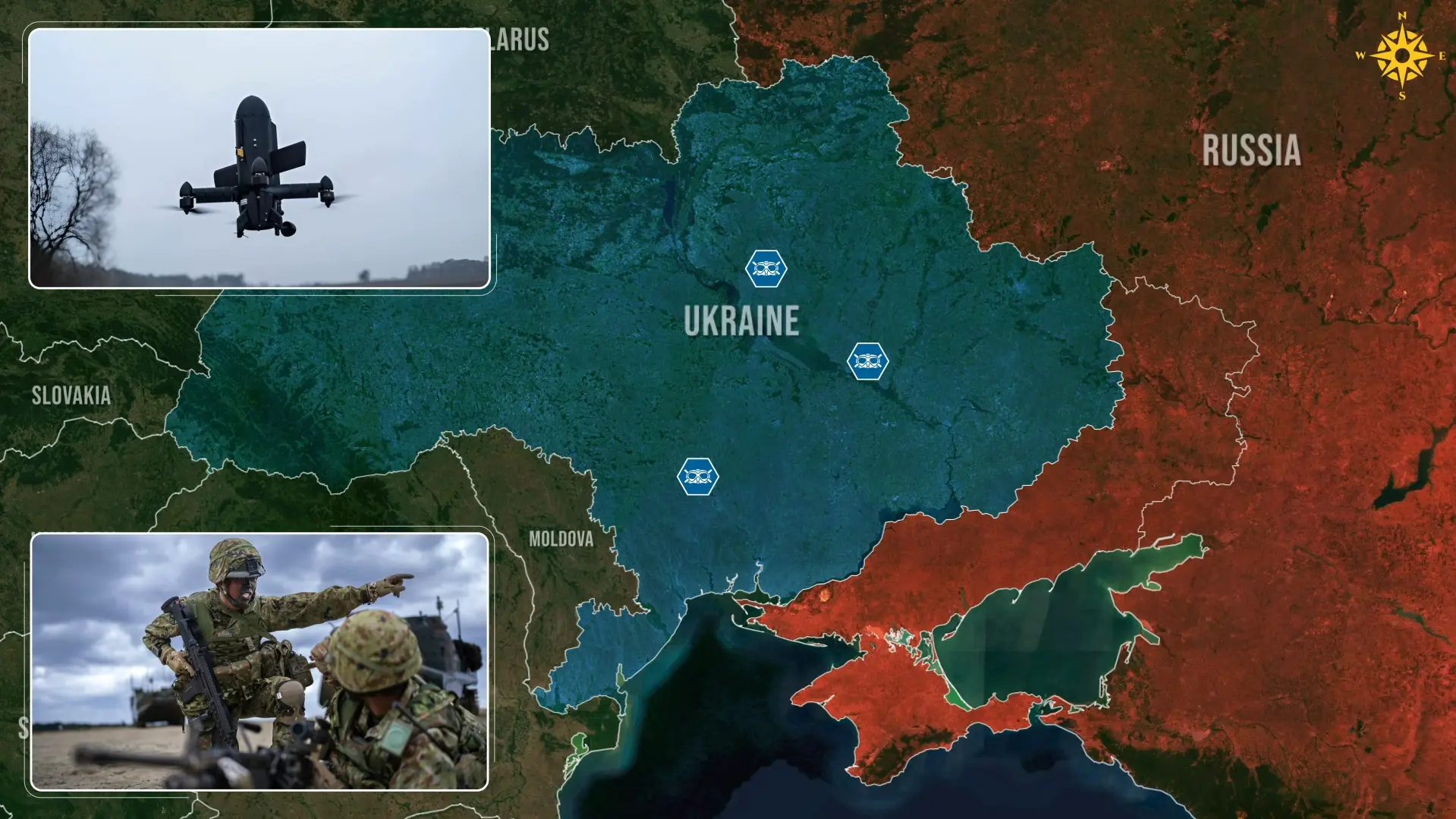
The cooperation is also moving beyond private industry, as Ukraine has publicly said it is ready to share battlefield drone experience with Japan and deepen cooperation with its unmanned systems. At the same time, Japan has eased arms export restrictions, giving Ukraine more grounds to seek Japanese funding for air defense and making deeper defense cooperation easier to discuss. Ukraine also wants Japanese financing for air defense development in order to reduce reliance on limited Western missile stocks, while Japan’s policy shift could open the way for broader military support later. Taken together, these steps show that Japan is not only investing in Ukrainian drone production, but is also building a wider framework for long term defense cooperation.

Russia is reacting because Japanese investment is expanding Ukrainian drone production now, while also giving Japan access to the wartime lessons behind it. Ukraine already uses long range drones to strike deep into Russian territory, with Ukrainian officials recently citing a reach of about one thousand seven hundred fifty kilometers. Japan is much closer to Russia’s Far East, with Sapporo and Vladivostok only about seven hundred seventy kilometers apart by air, so Moscow has reason to watch closely if battlefield tested drone knowledge starts feeding into Japan’s own long range unmanned programs.

That would not create an immediate second front, but it would mean Russian planners have to think about drone pressure from the west through Ukraine and about stronger unmanned capabilities on the Pacific side as well. In practice, that could force Russia to spread its air defenses more widely and plan for threats beyond a single operational direction. This is why Russia summoned the Japanese ambassador and called the investments hostile, arguing that they are strengthening systems already being used against Russian targets rather than remaining ordinary commercial projects.

Overall, this cooperation shows that Ukraine is no longer just receiving support, but actively exporting battlefield drone experience to other countries.

Japan is turning that experience into its own unmanned capabilities, while Ukraine gains funding and production scale in return. This means the war is no longer confined to one battlefield, but is now shaping how drone warfare develops globally.


.jpg)

Comments