

.svg)
Today, there is dangerous news from the Persian Gulf.
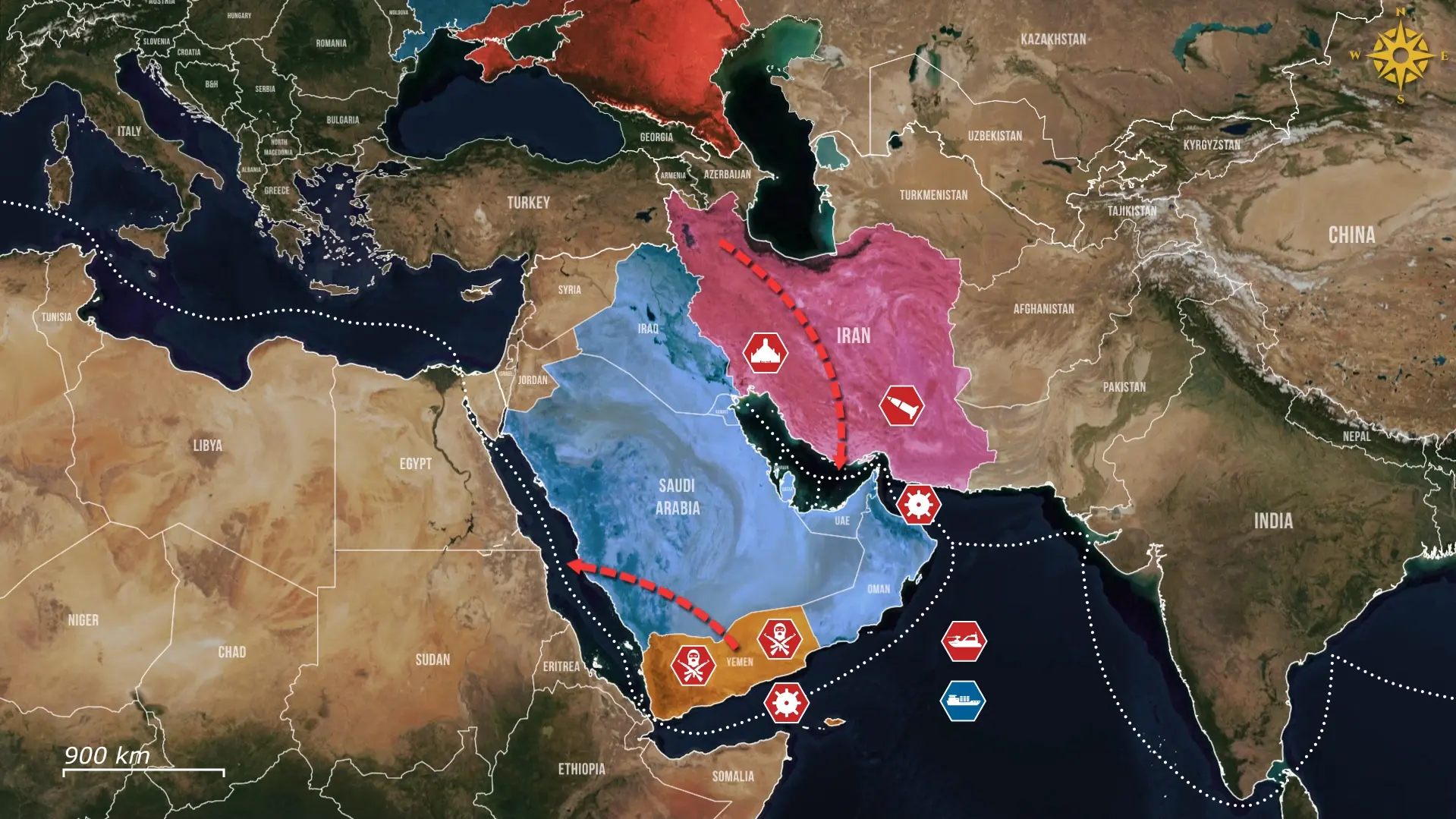
Here, Iran is threatening to target the underwater cables that carry data traffic between Gulf states, Asia, and Europe. Any strike on them would disrupt the backbone of the global internet and damage a system far harder to restore than oil shipments through the Hormuz Strait.
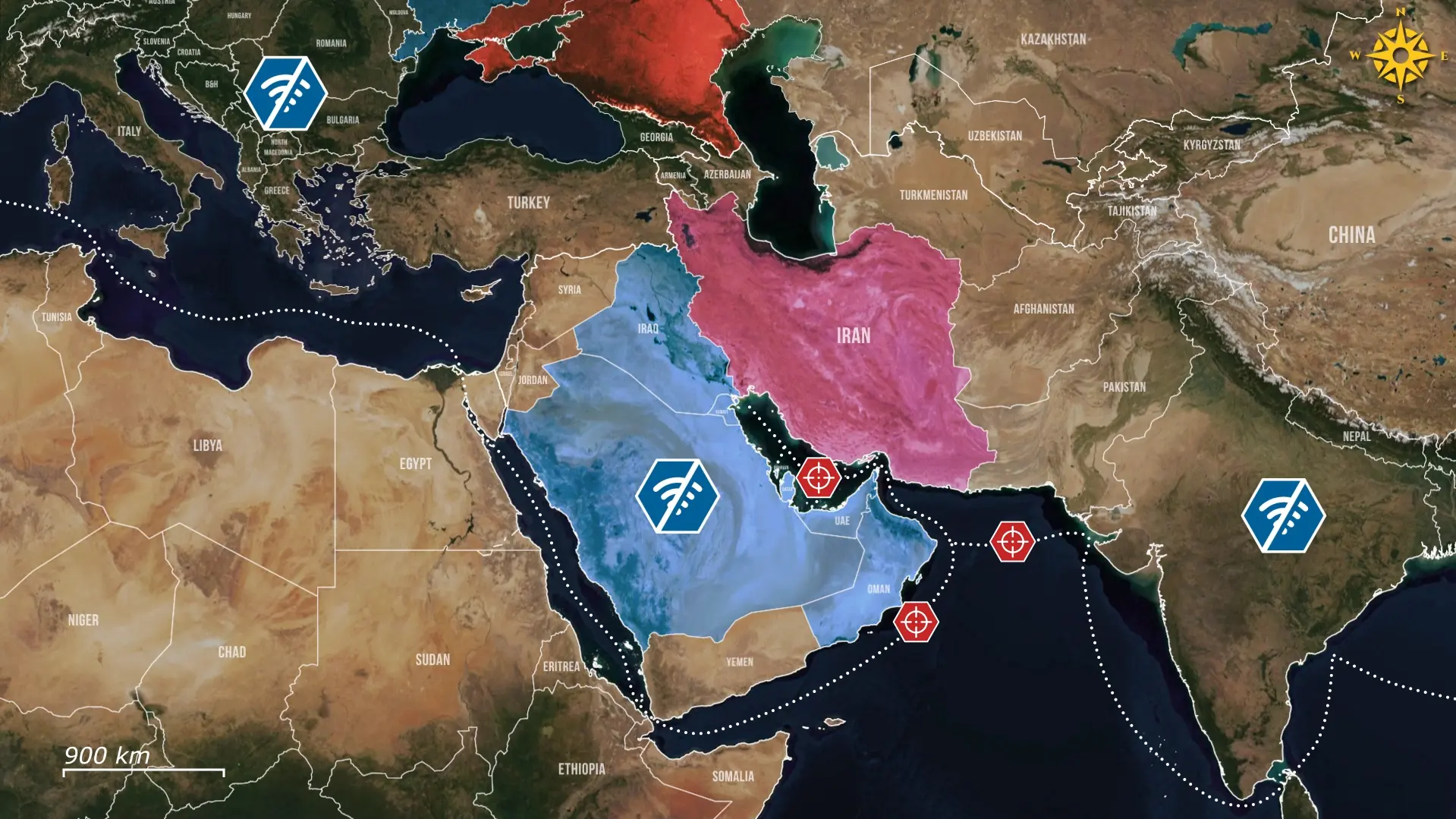
Iran can turn its geography into leverage because several major telecommunications cables pass through the Strait of Hormuz, and other key lines are concentrated in nearby Omani waters. In practice, that gives Iranian forces a way to threaten the cable routes that keep communication systems running. The scale of the danger becomes clearer once we look at what these cables actually carry, as they handle the high volume international data traffic that keeps cross border payments moving, cloud services such as storage, digital platforms, and business software reachable, and state networks linked to the outside systems used for coordination and secure communications.
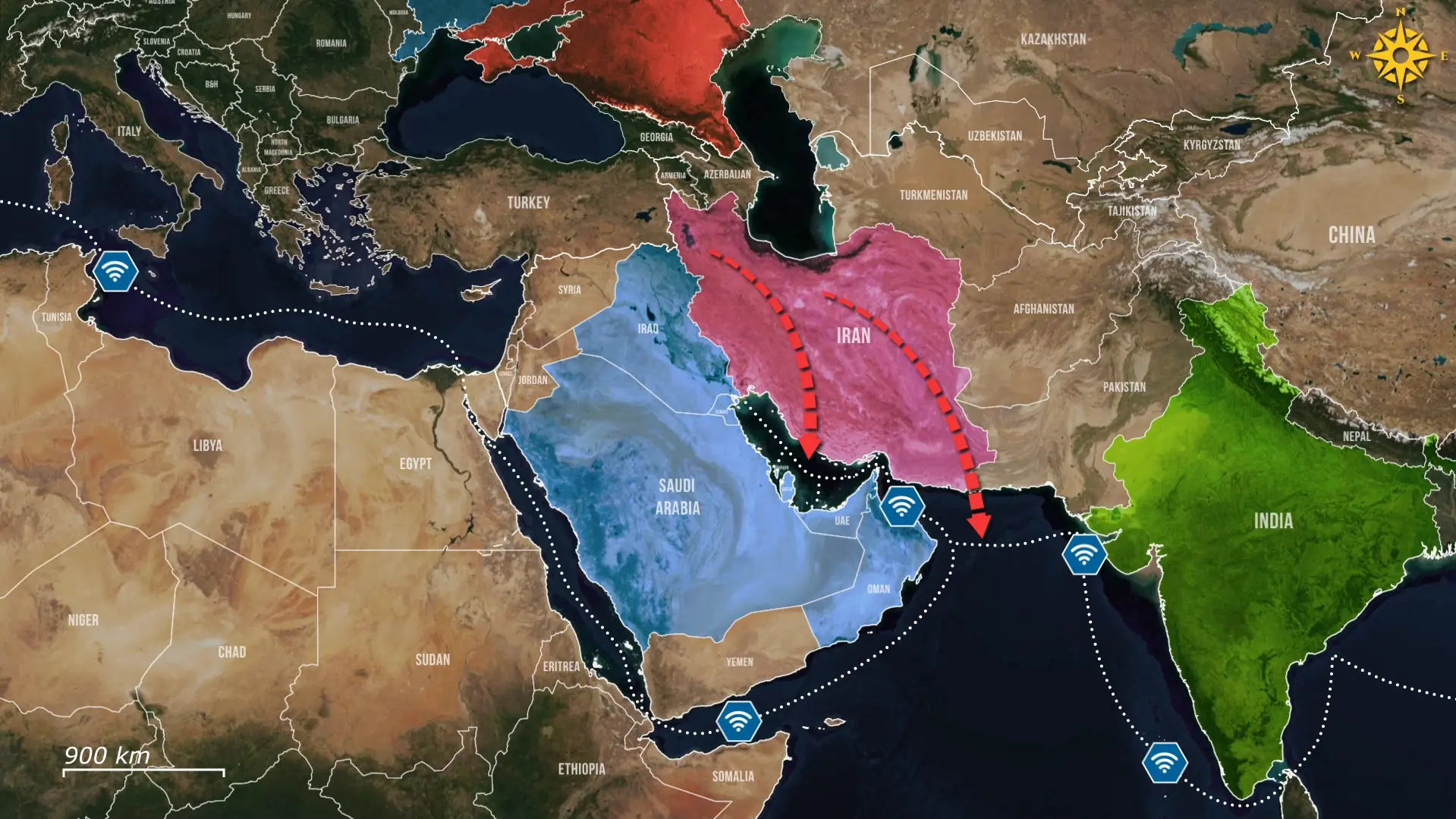
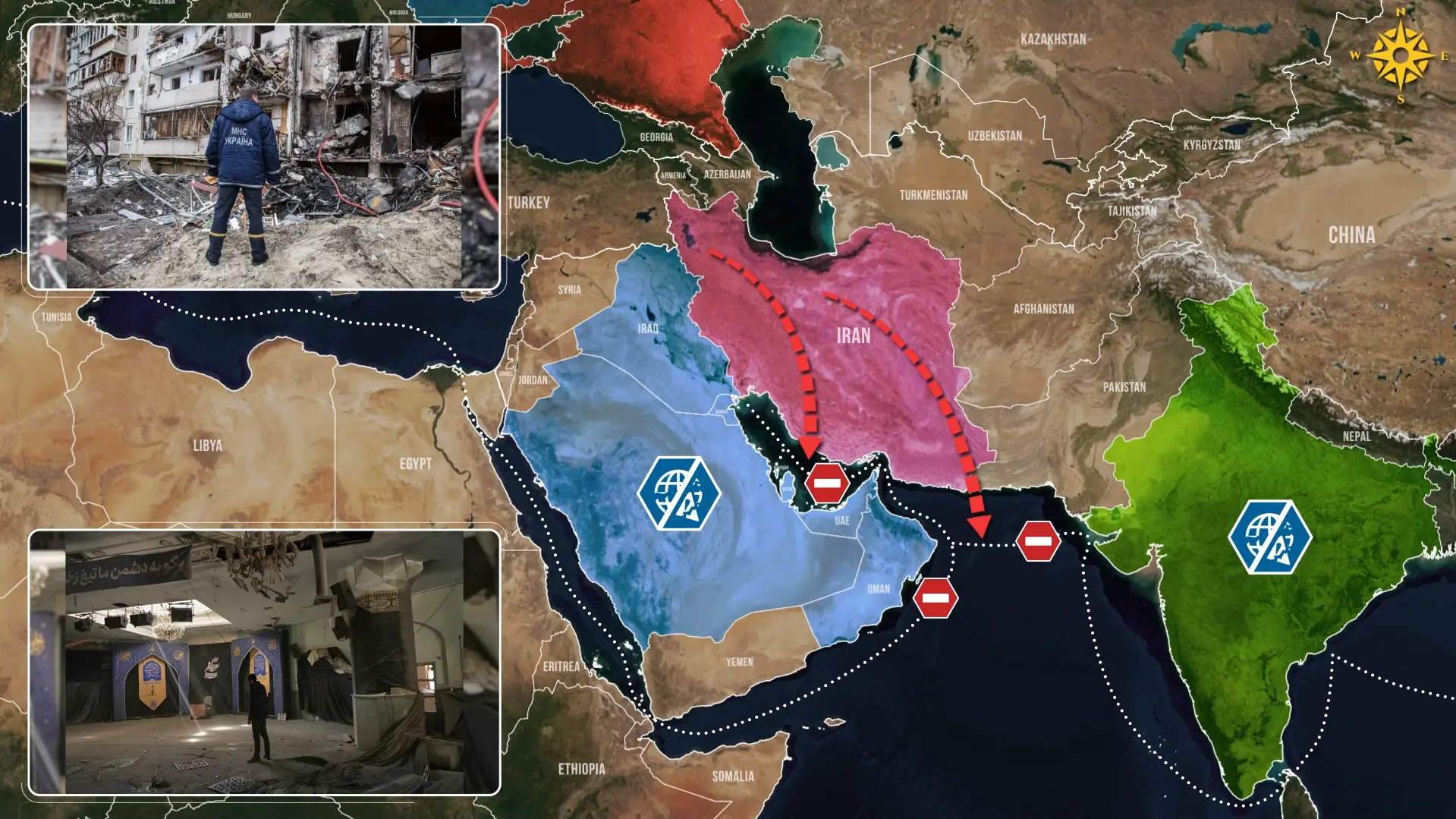
If cables in Hormuz were cut, Gulf states and India would be the first to suffer, as they would have to force traffic onto fewer backup routes, making the network more fragile. This scenario reflects a method already used in modern warfare, where the target is not only military positions, but the infrastructure that keeps states functioning. In that sense, Iran would be following Russia’s footsteps by treating undersea infrastructure as a strategic weak point and using their eventual disruption to affect finance, communications, logistics, and military coordination far from the point of attack itself. The aim is not simply to damage one single object, but to create major issues across a whole network of systems.
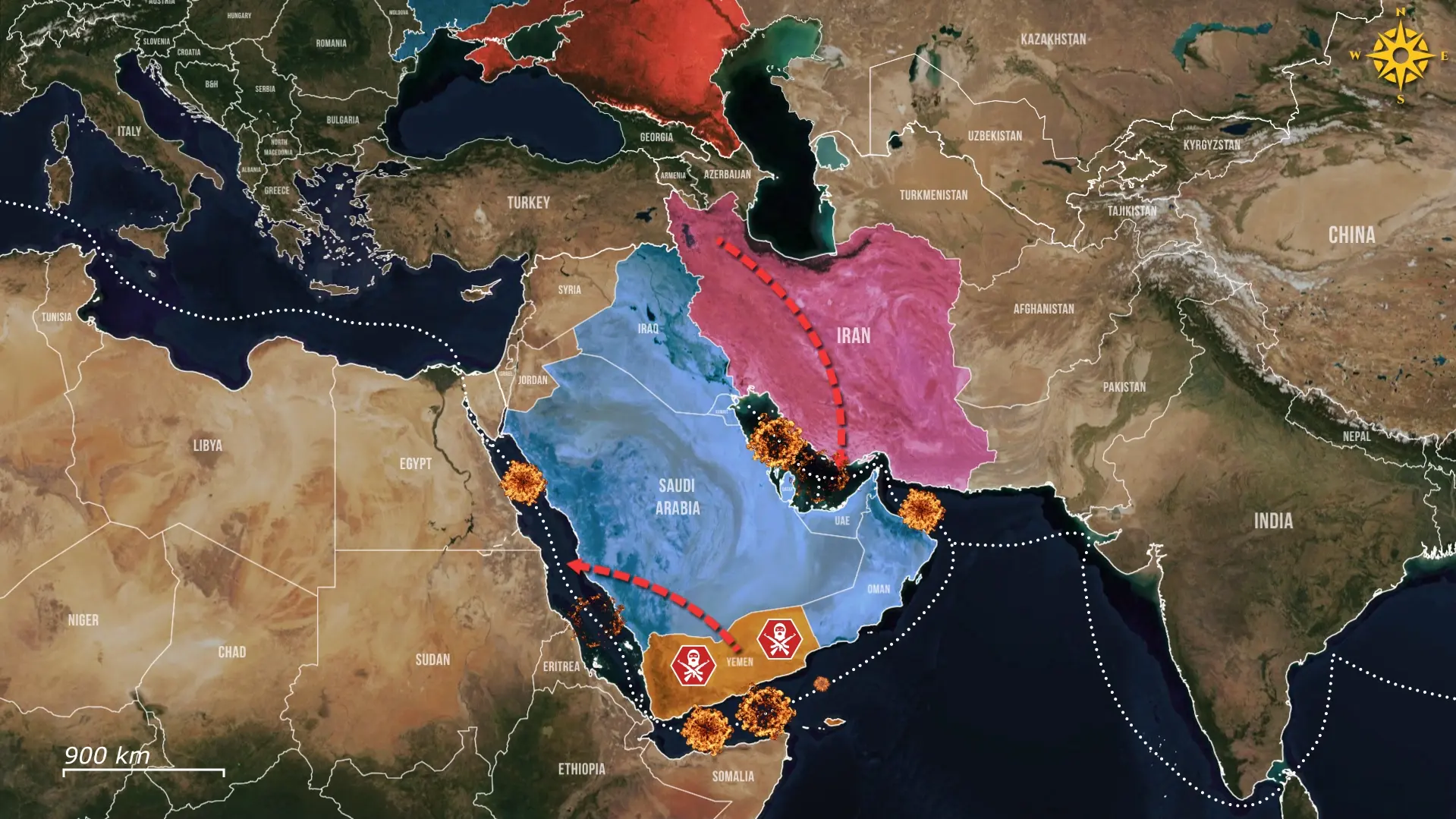
Additionally, the threat is not limited to the Persian Gulf, because Iran’s Houthi allies are positioned near Bab el Mandeb, another chokepoint through which both shipping lanes and undersea cable routes pass. That raises the possibility of pressure being applied at two maritime bottlenecks at once, with Iran focused on Hormuz and its proxy network adding pressure in the Red Sea. If disruption spreads toward the Red Sea, the effect will widen sharply because that corridor carries a much larger share of the data moving between Asia and Europe, and the result would be a broader loss of speed, stability, and reliability across the globe.
Even limited damage to any of the underwater cable routes can have disproportionate effects, as additional danger would come afterward due to the location of these cables and the difficulty of fixing the damage. Repairing undersea cables depends on specialized ships that can locate and lift the line, permission to work safely in the area, and calm enough conditions to carry out precise technical work at sea. In active conflict, each of those conditions becomes harder to secure, as Iran will aim to prevent any repairs. Repair ships will be unable to enter the area at all because the waters could be under threat from missiles, drones, mines, or naval interception.
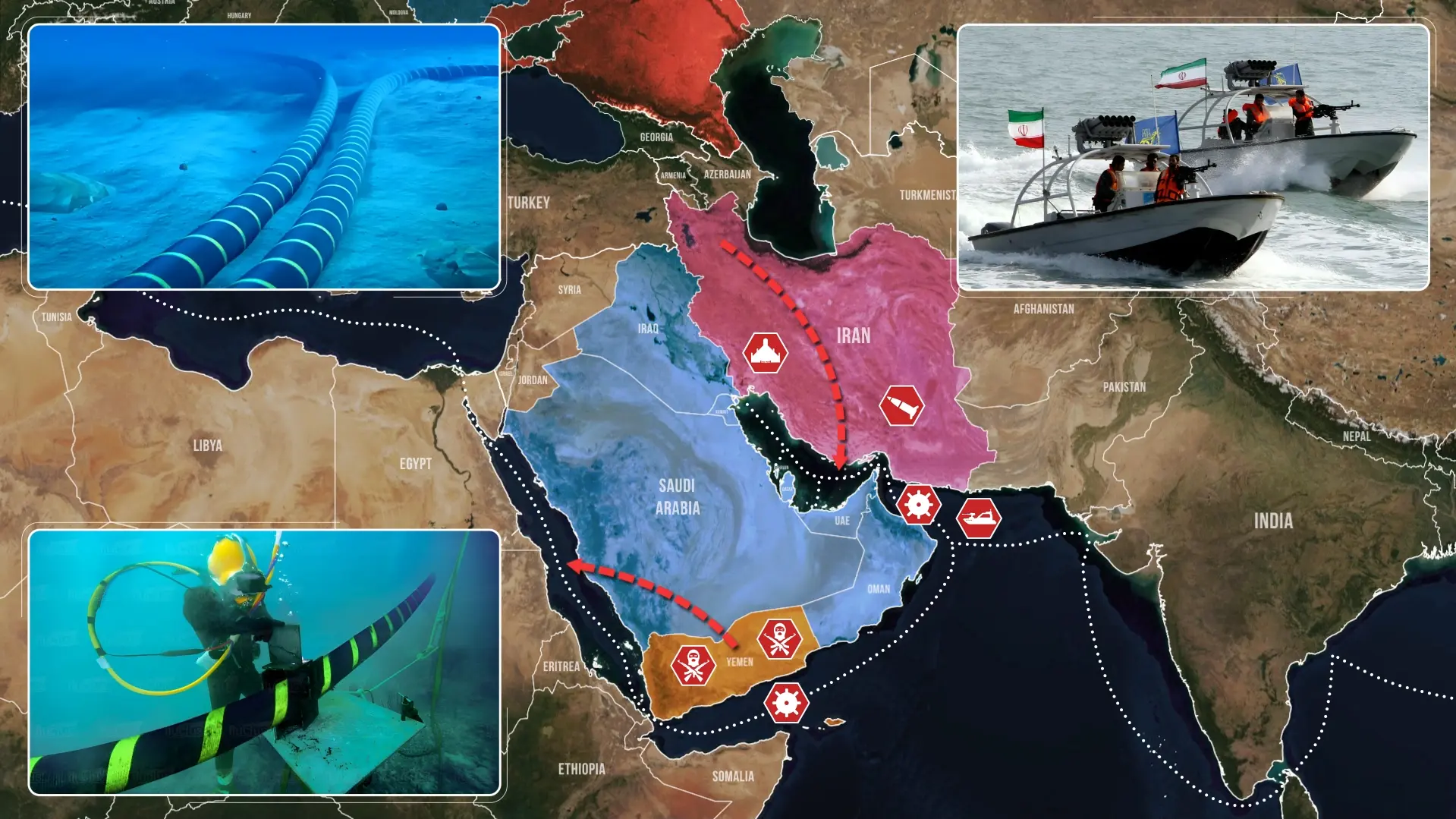
Even if a vessel reaches the site, repair crews would still need enough security and time to locate the damaged section, lift it from the seabed, splice it, and lower it back into place, and each stage could be disrupted by renewed military activity or even just the risk of another strike.
This is already happening in the region, as Alcatel Submarine Networks has suspended work on the Two-Africa Pearls undersea cable project, a major international data route backed by Meta, because the war in Iran made operations too risky to continue.
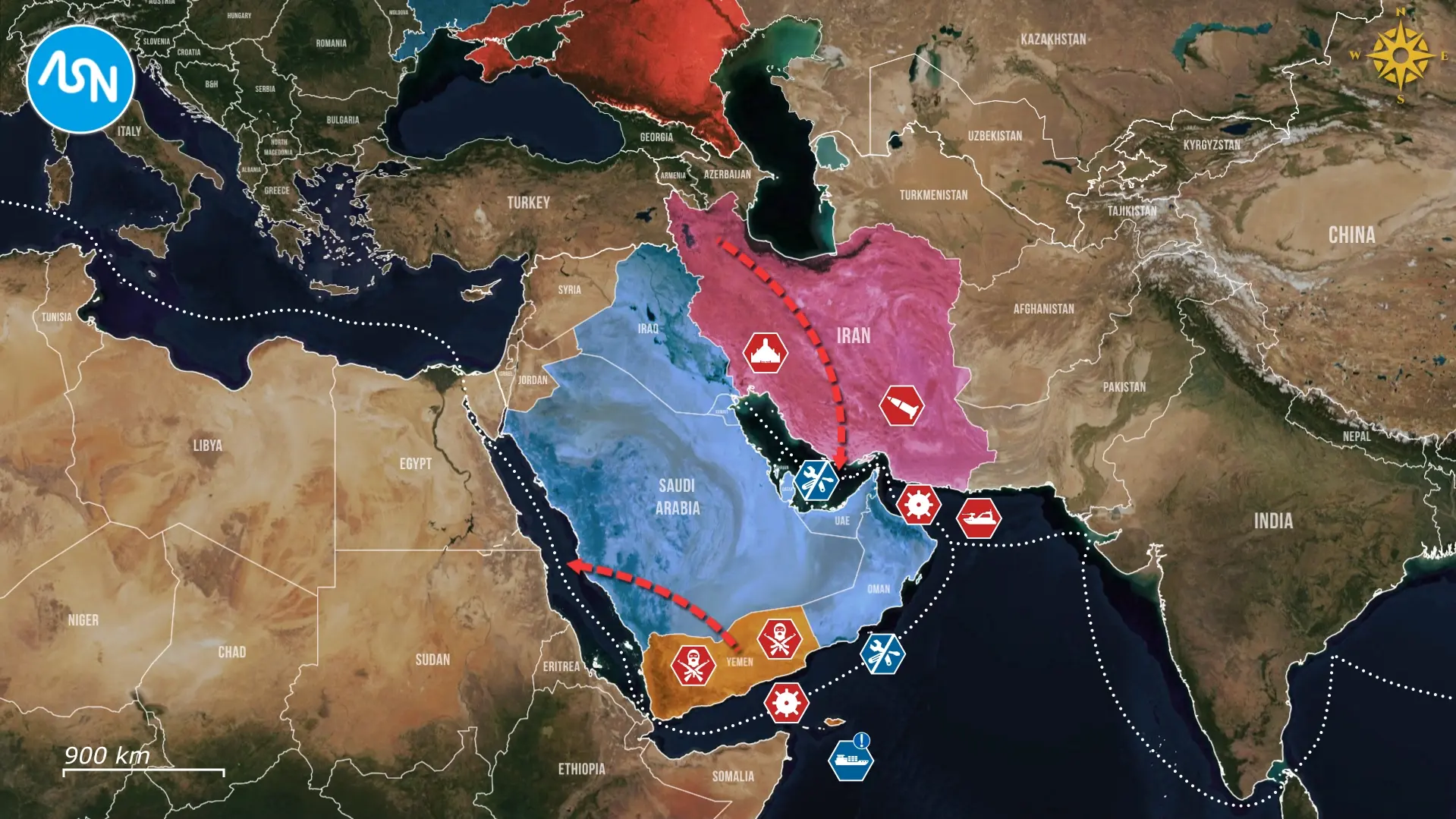
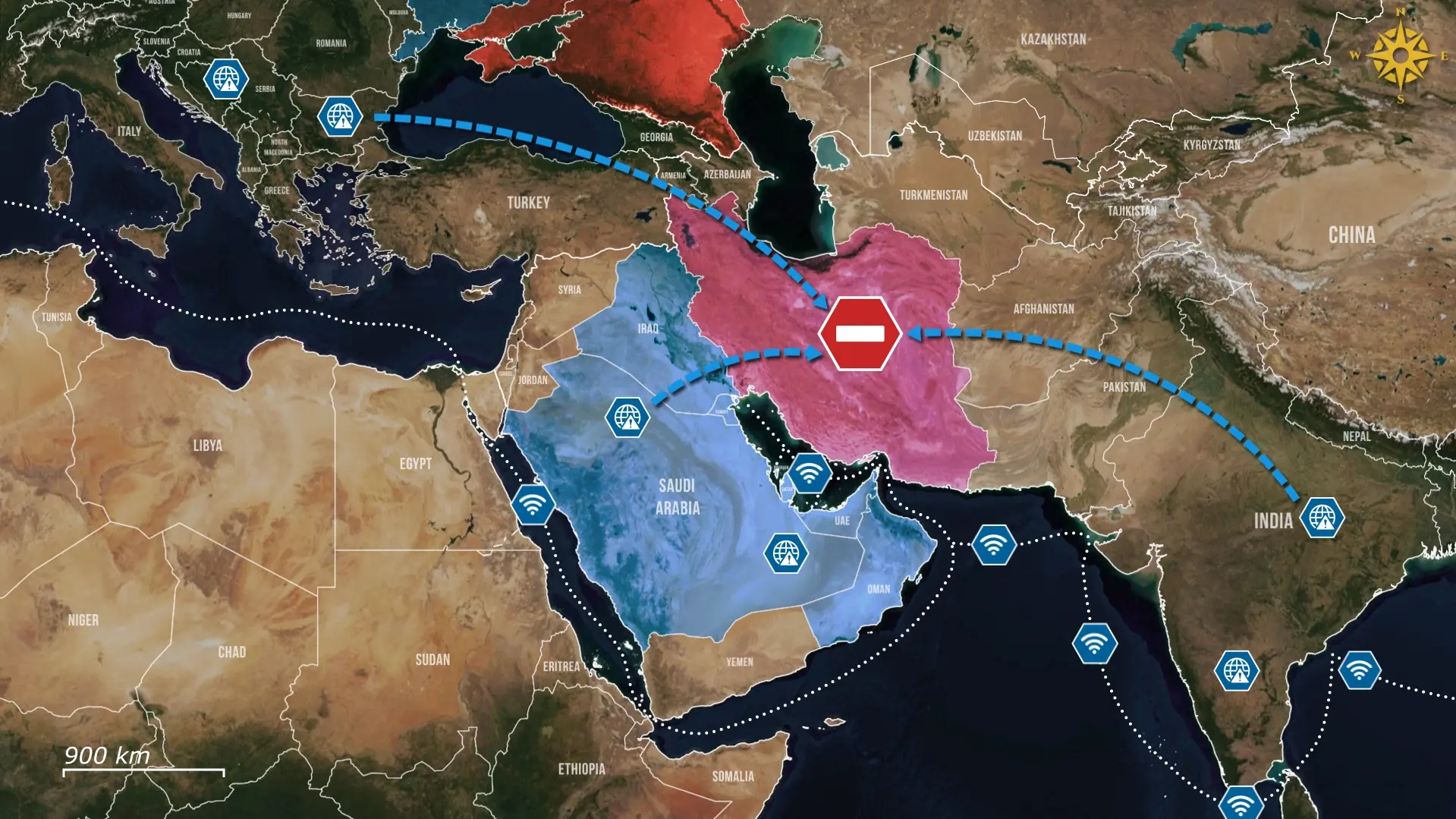
Overall, Iran is still refraining from cutting underwater cables because the impact of such a move could potentially lead to greater escalation, as it would simultaneously affect multiple countries and companies, which in turn would trigger a much stronger political, military, and economic response against the Iranian regime on a global scale. At the same time, cutting undersea cables would represent a far greater escalation than striking a single port, base, or isolated target, as the consequences would extend well beyond one location. However, once the threat becomes real, traffic can be rerouted through alternative cable systems or overland networks, which does not eliminate the disruption but significantly reduces its overall effect, even if performance remains degraded.

.jpg)

Comments