

.svg)
Today, the biggest news comes from Ukraine.
The prolonged Russian invasion is pushing Ukraine towards an acceleration of AI-driven warfare, leveraging its large amount of wartime data. However, this transformation also exposes new vulnerabilities that Russian analysts are proposing to exploit, fearing the risks of a fully AI-integrated Ukrainian army.
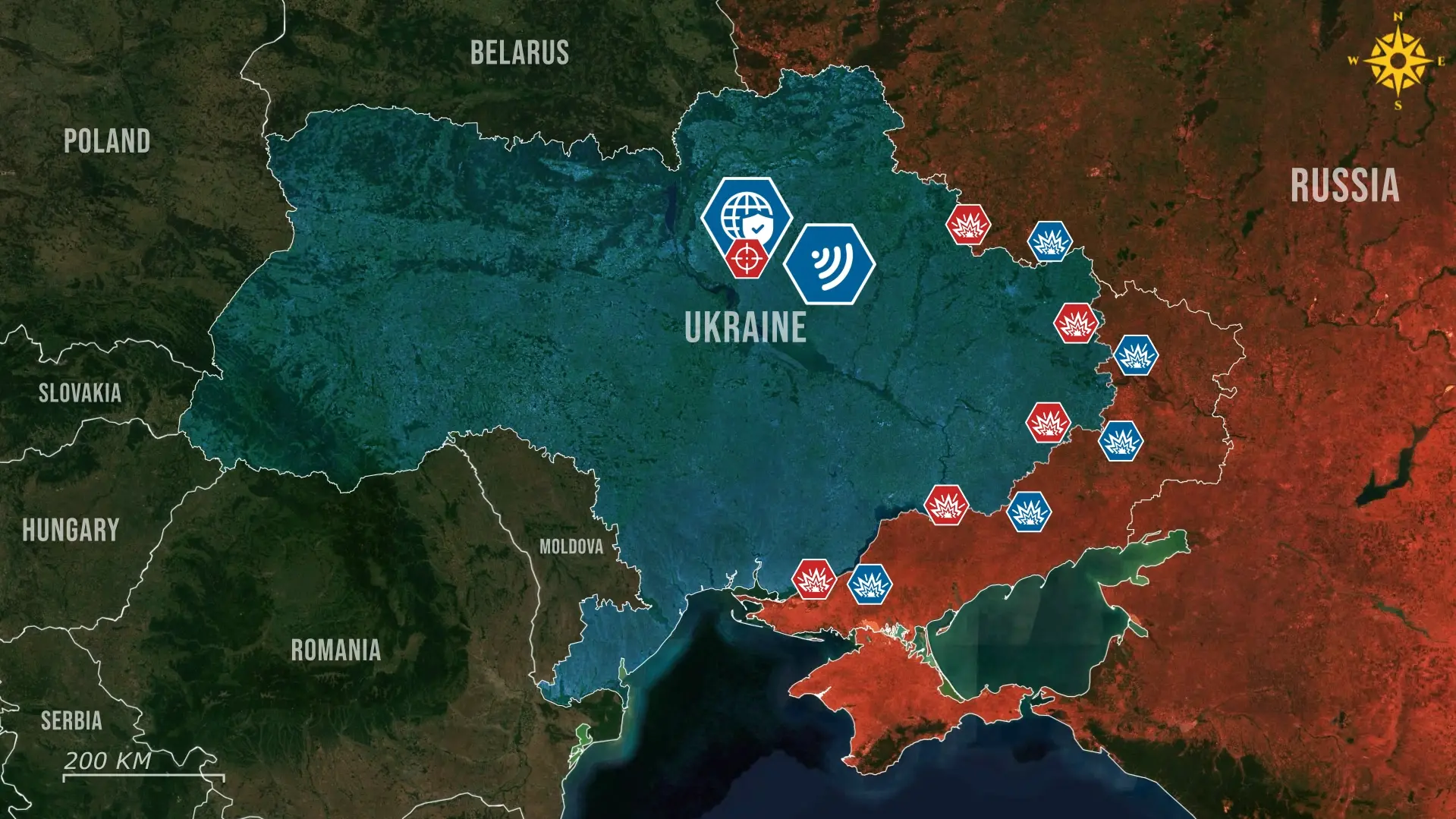
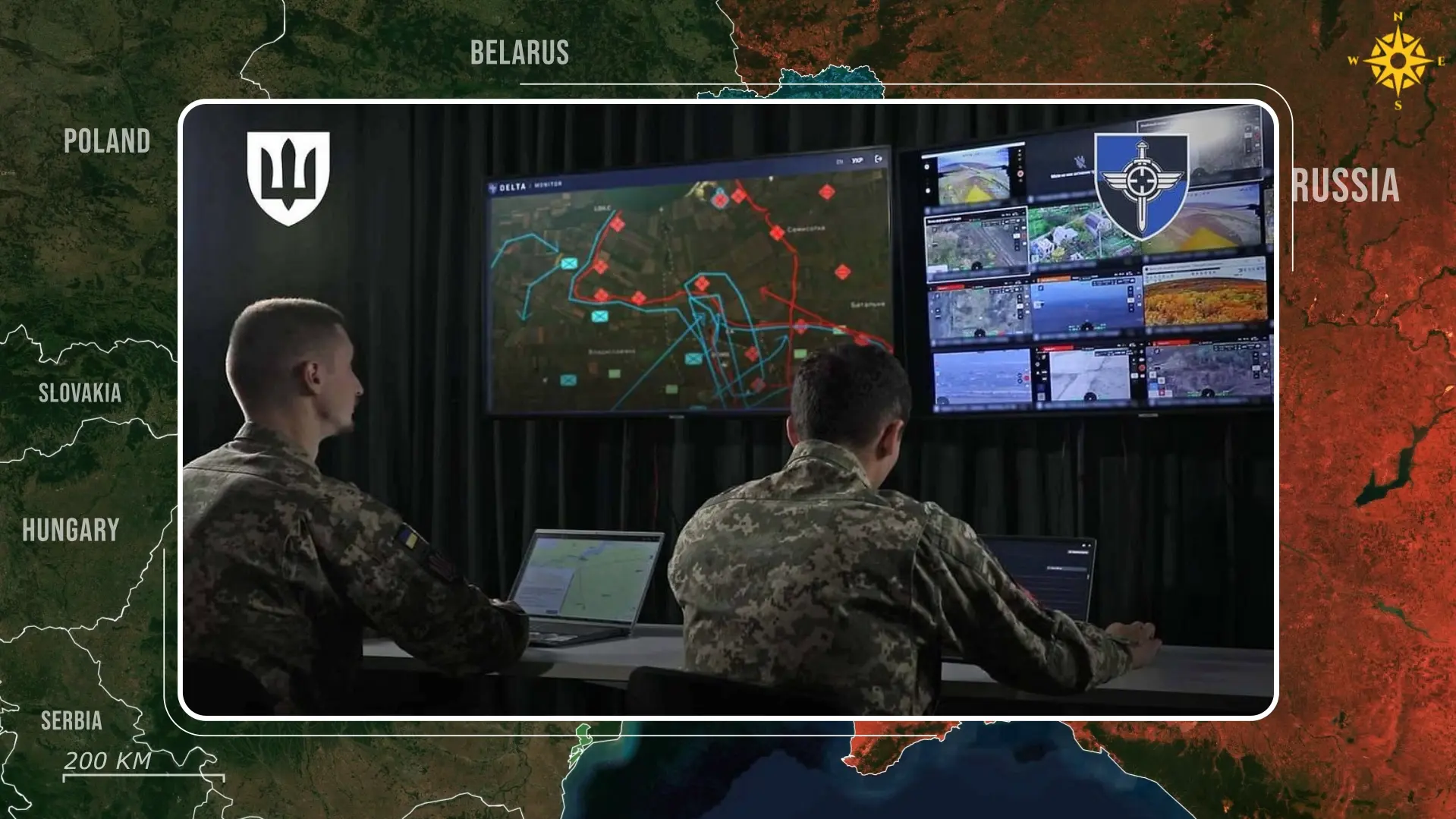
Ukrainian military analysts have been examining the recent conflict in Iran, where coordinated strikes and rapid targeting cycles relied on AI retrieved data. The results have encouraged Ukraine to build its own AI infrastructure, most visibly through the A-one Defense AI Center.
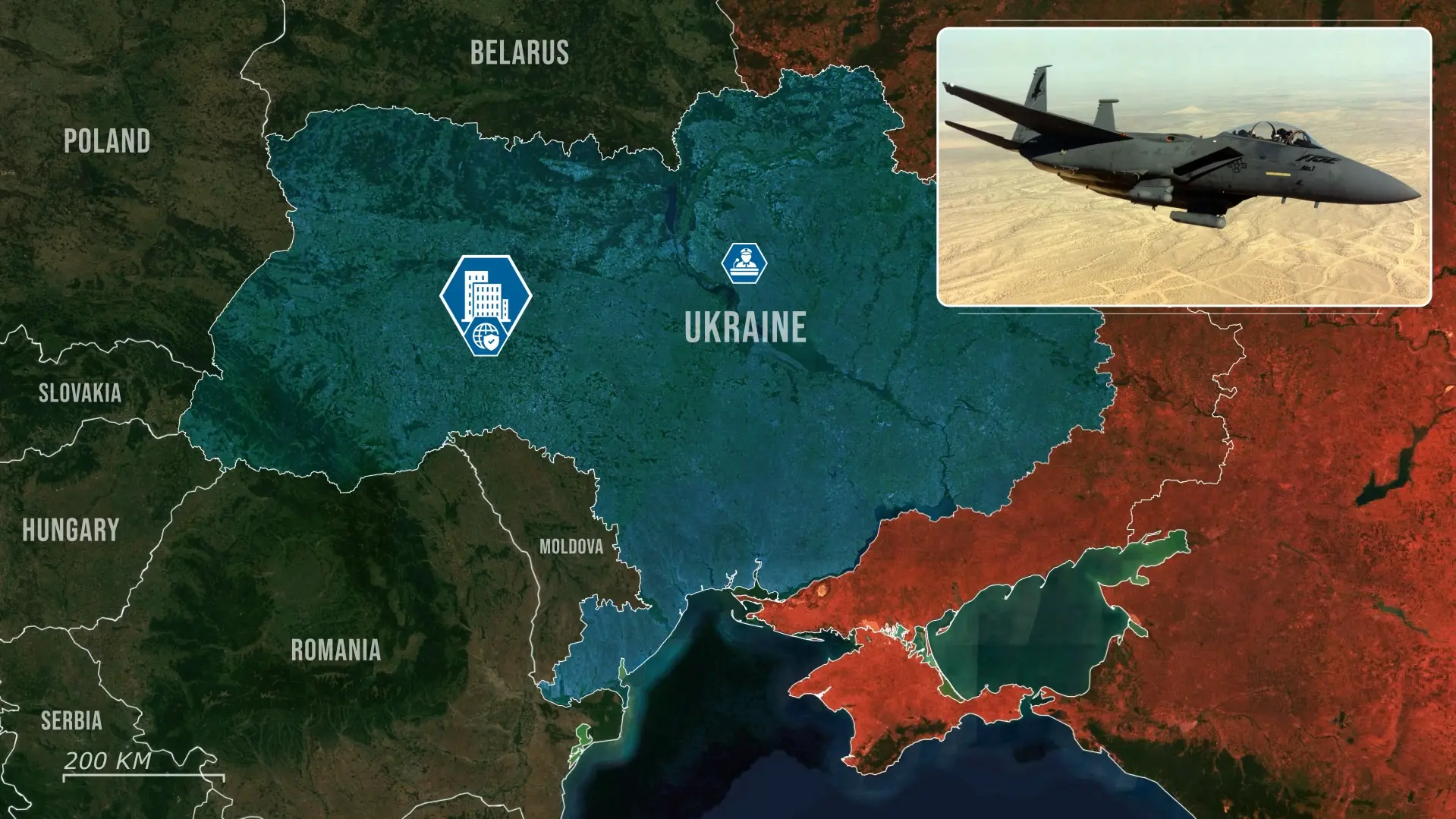
The center, planned by the Ministry of Defense with support from the UK, aims to turn Ukraine’s wartime data into another edge over the Russian army. Its teams work with combat data intelligence, autonomous drones that operate without GPS, and simulations that test new concepts before they reach the front.
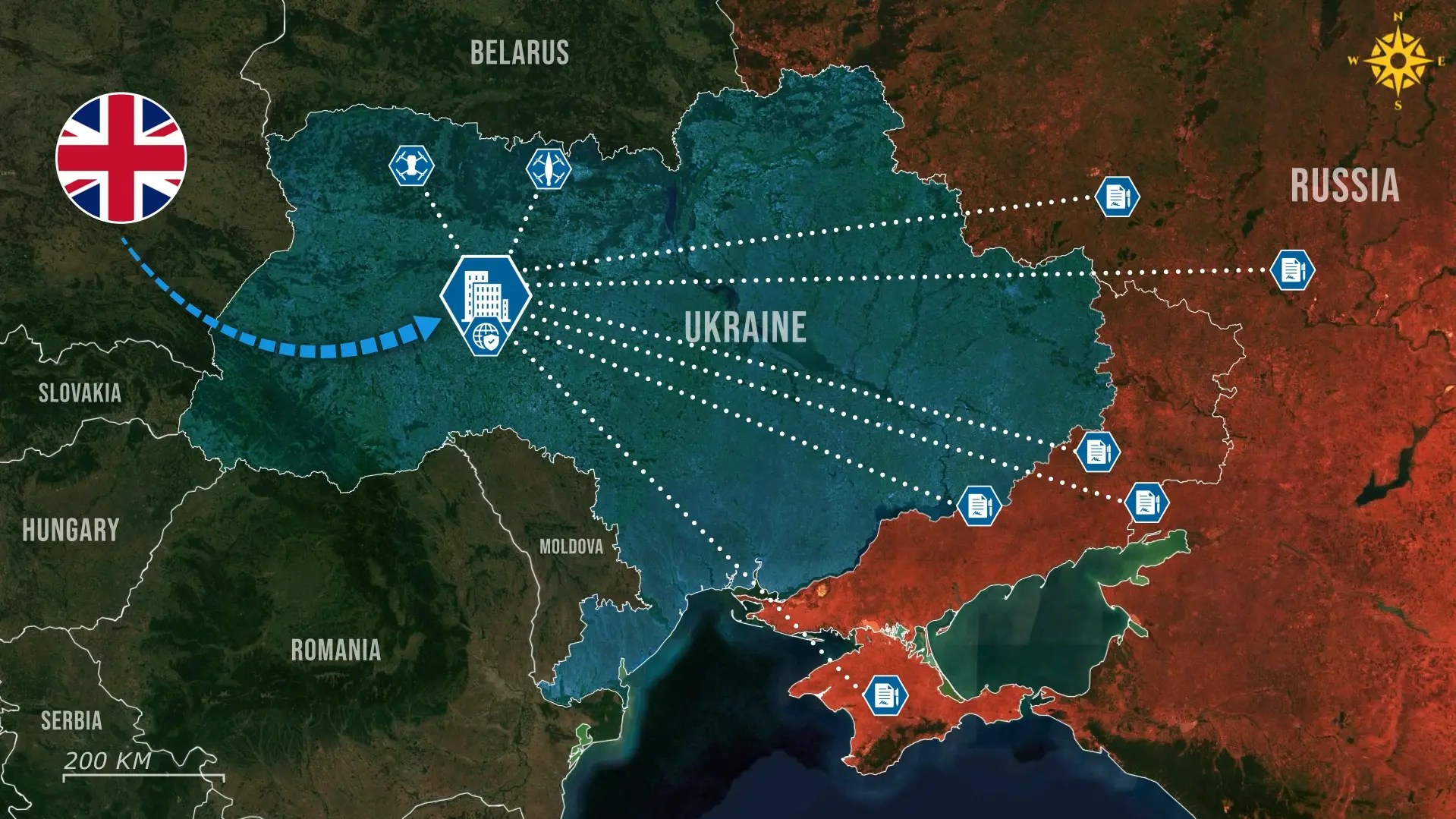
The center also creates AI tools that remove the paperwork and multi‑layer approvals that currently slow procurement and logistics. By automatically validating requests, predicting shortages, and routing supplies directly to units, it turns a major administrative bottleneck into a fast, responsive support system.
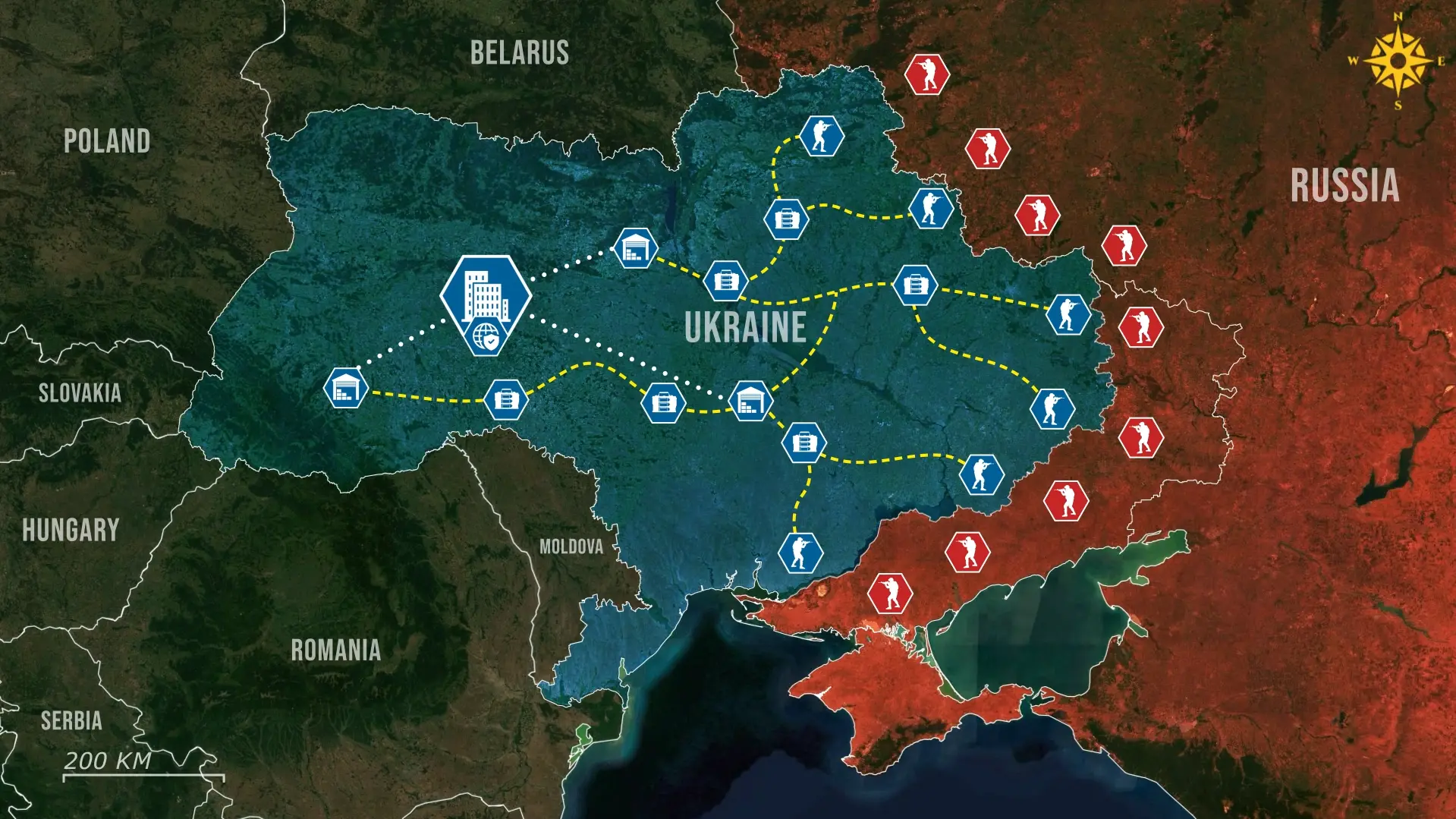
Meanwhile, Ukraine also signed an agreement with Palantir to build an AI powered Data room capable of predicting incoming strikes and guiding autonomous drone interceptors. It works by gathering all the warning signals that normally arrive through separate channels into one system that can recognize a threat sooner and point interceptors in the right direction. The system is expected to become operational within the next few months and is designed to serve as the backbone of a nationwide autonomous air defense network. Together, these projects show how Ukraine is trying speed up every process efficiently, using AI to counter Russia’s numerical advantages.
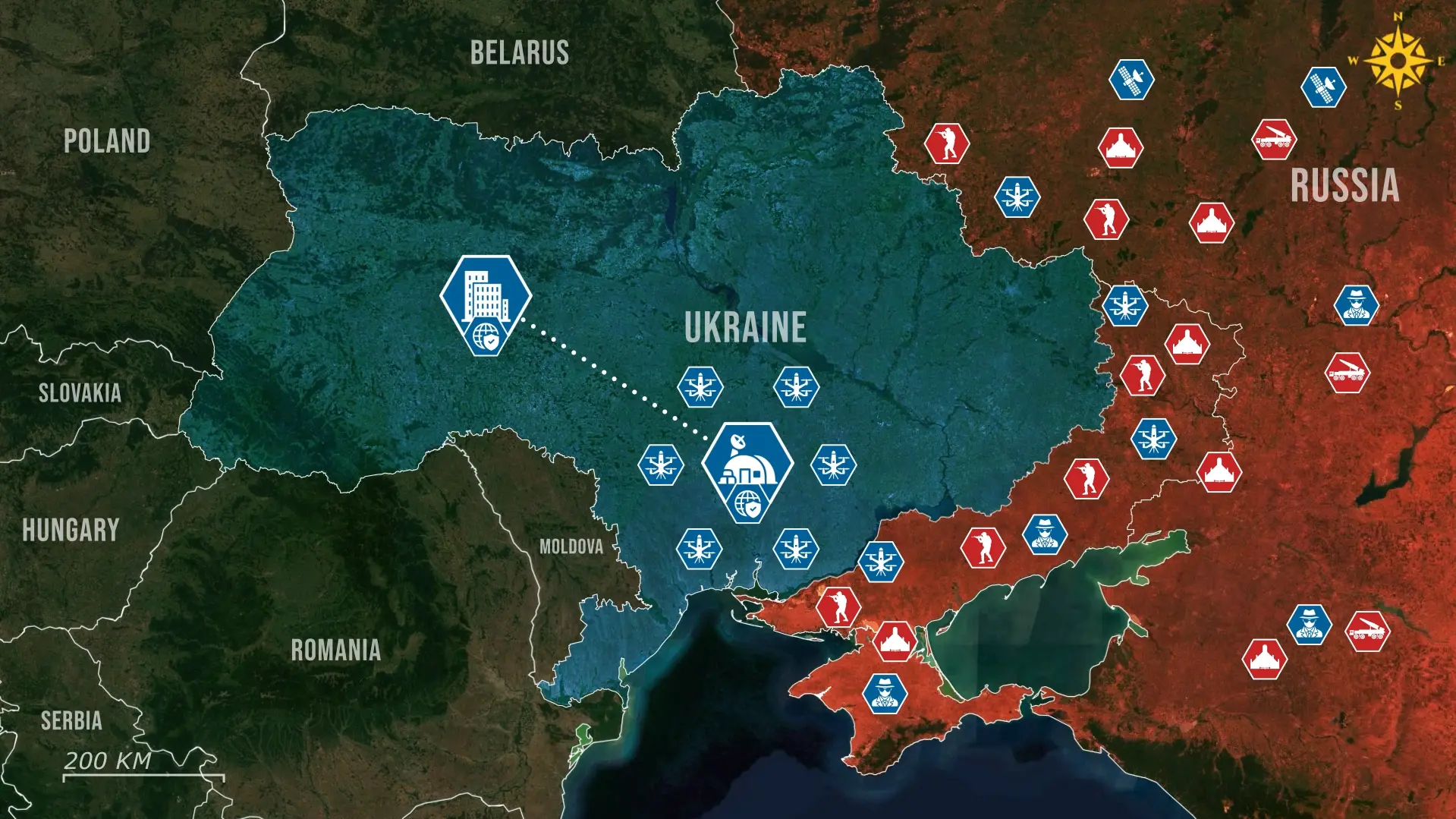
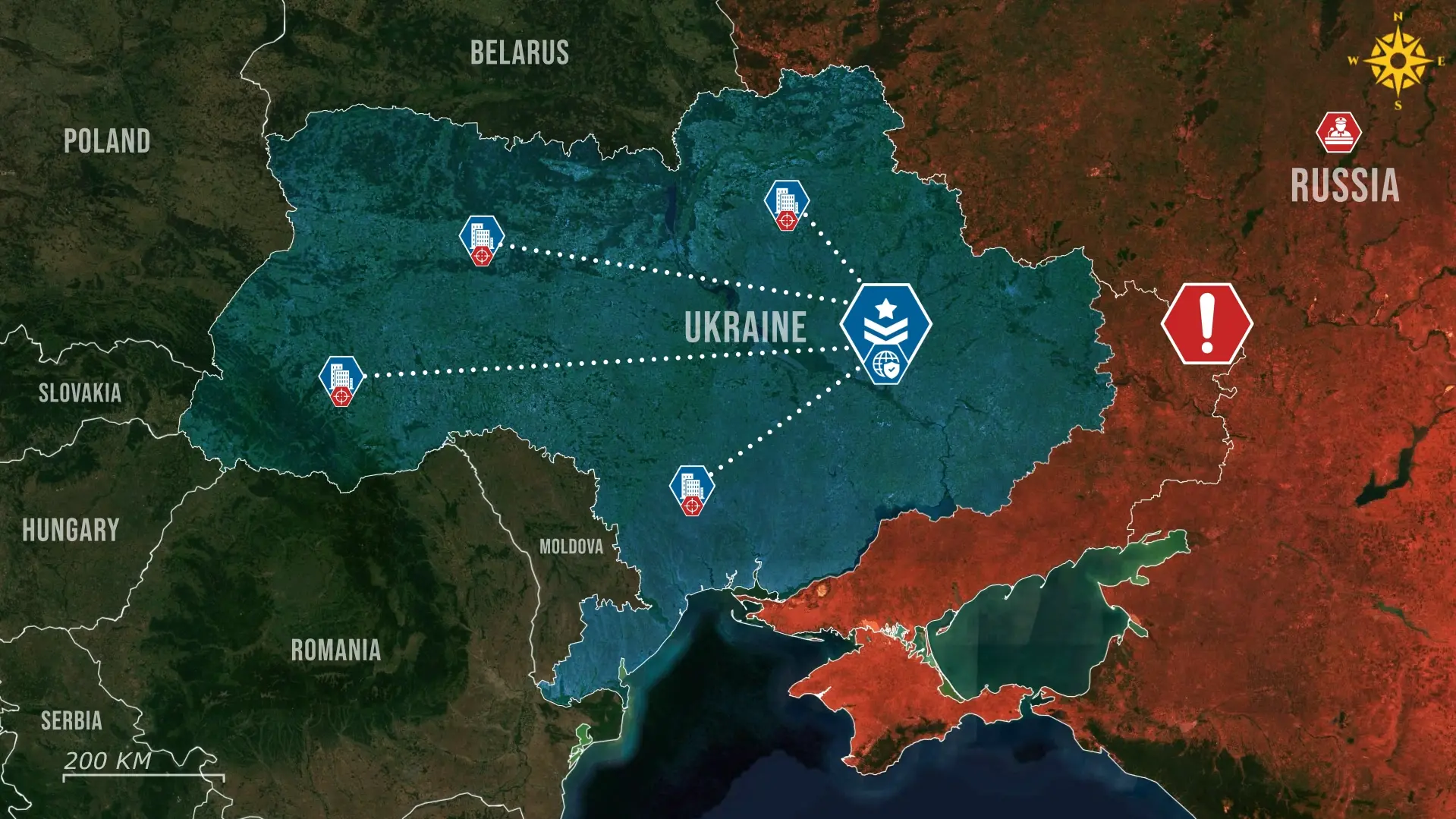
However, building these systems requires more than algorithms, as they depend on large data centers capable of storing and processing vast amounts of information. Ukraine’s civilian data centers, such as De Novo, Giga-Center, and Tech-Expert keep the country’s digital infrastructure running, but they are not sufficient for a full military AI ecosystem.
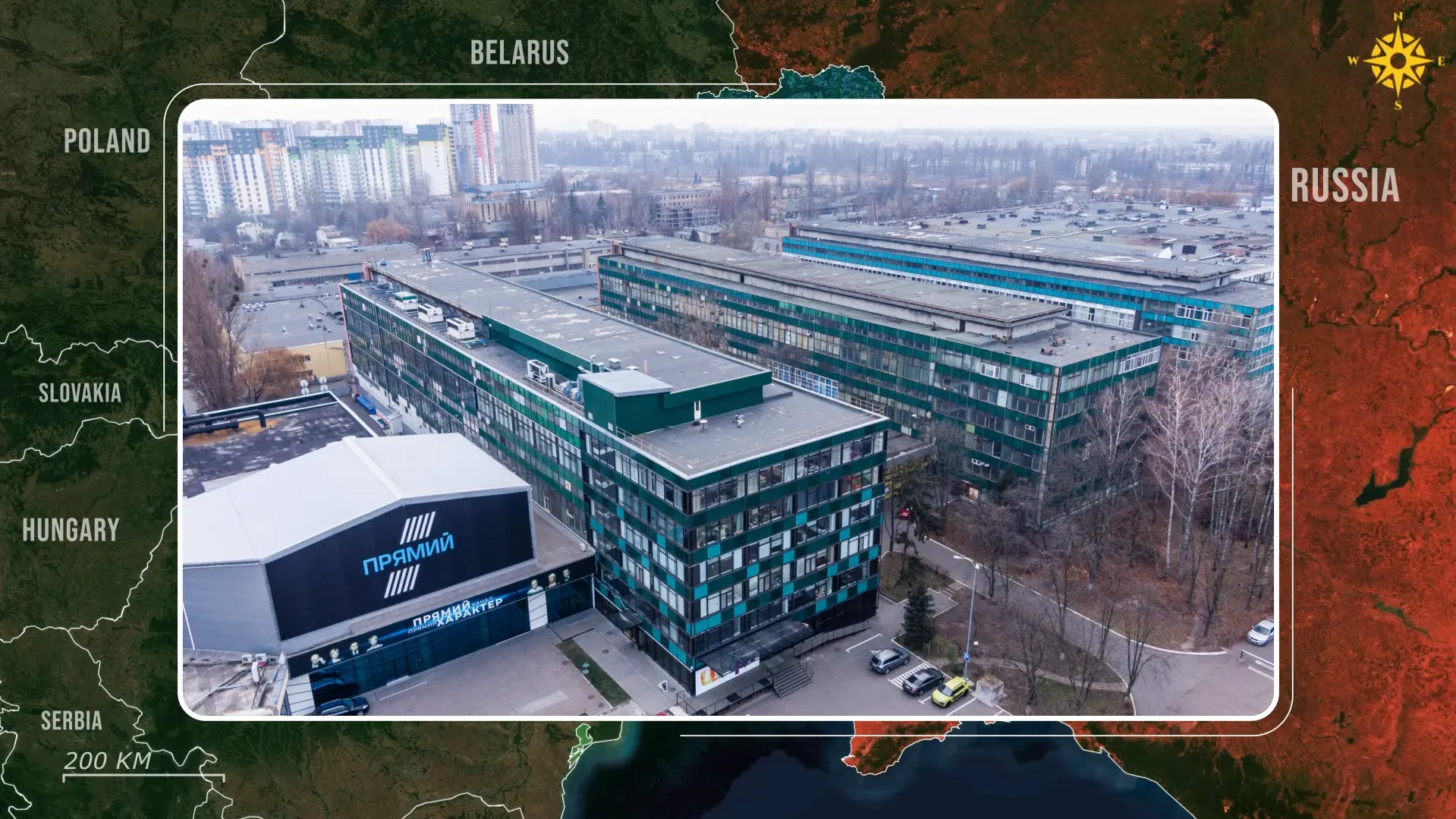
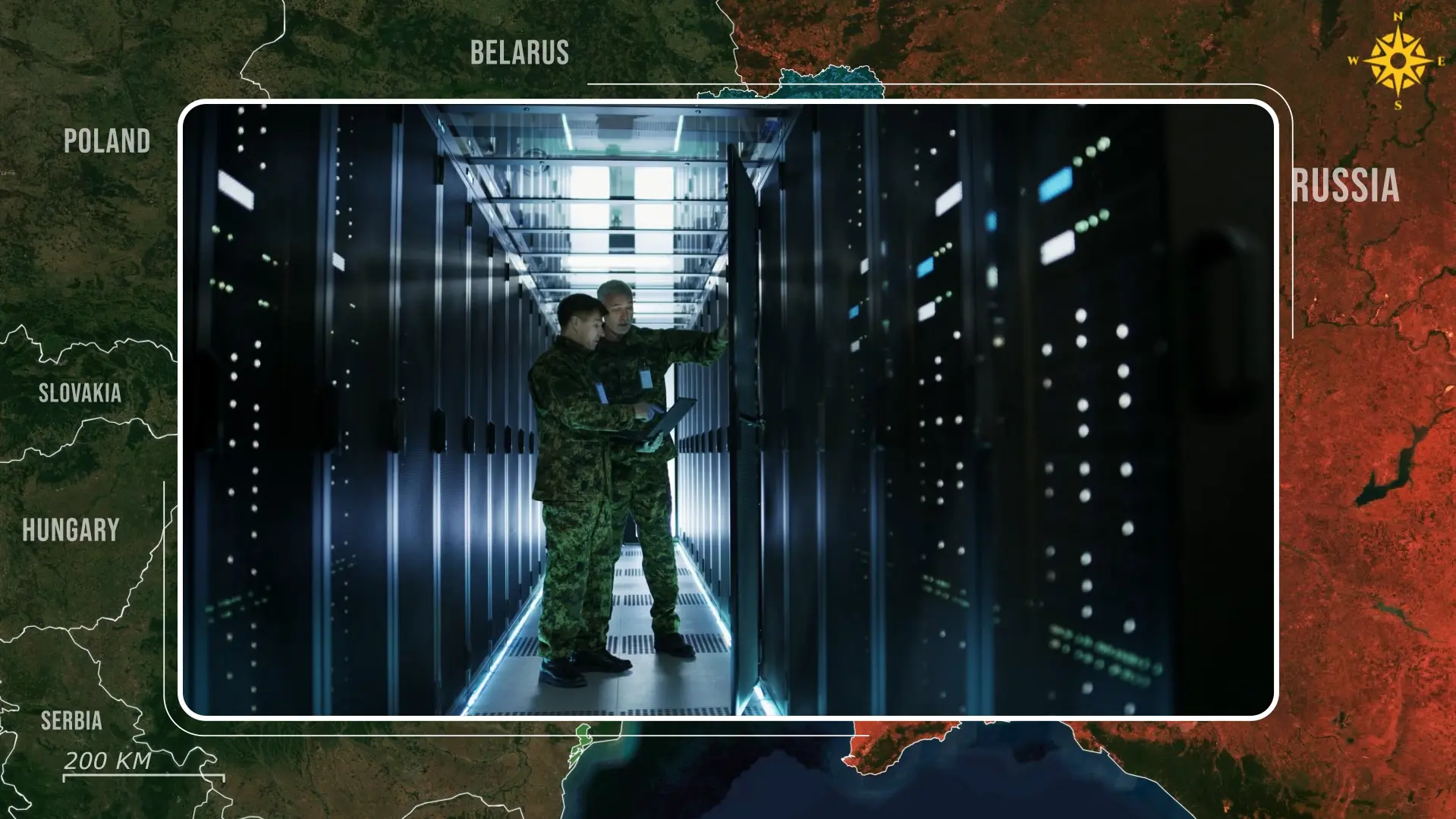
Without dedicated servers and data centers, AI systems cannot improve or deliver the rapid analysis that military planners expect. This creates a structural dependency, linking Ukraine's expansion of its AI capabilities to large data centers.
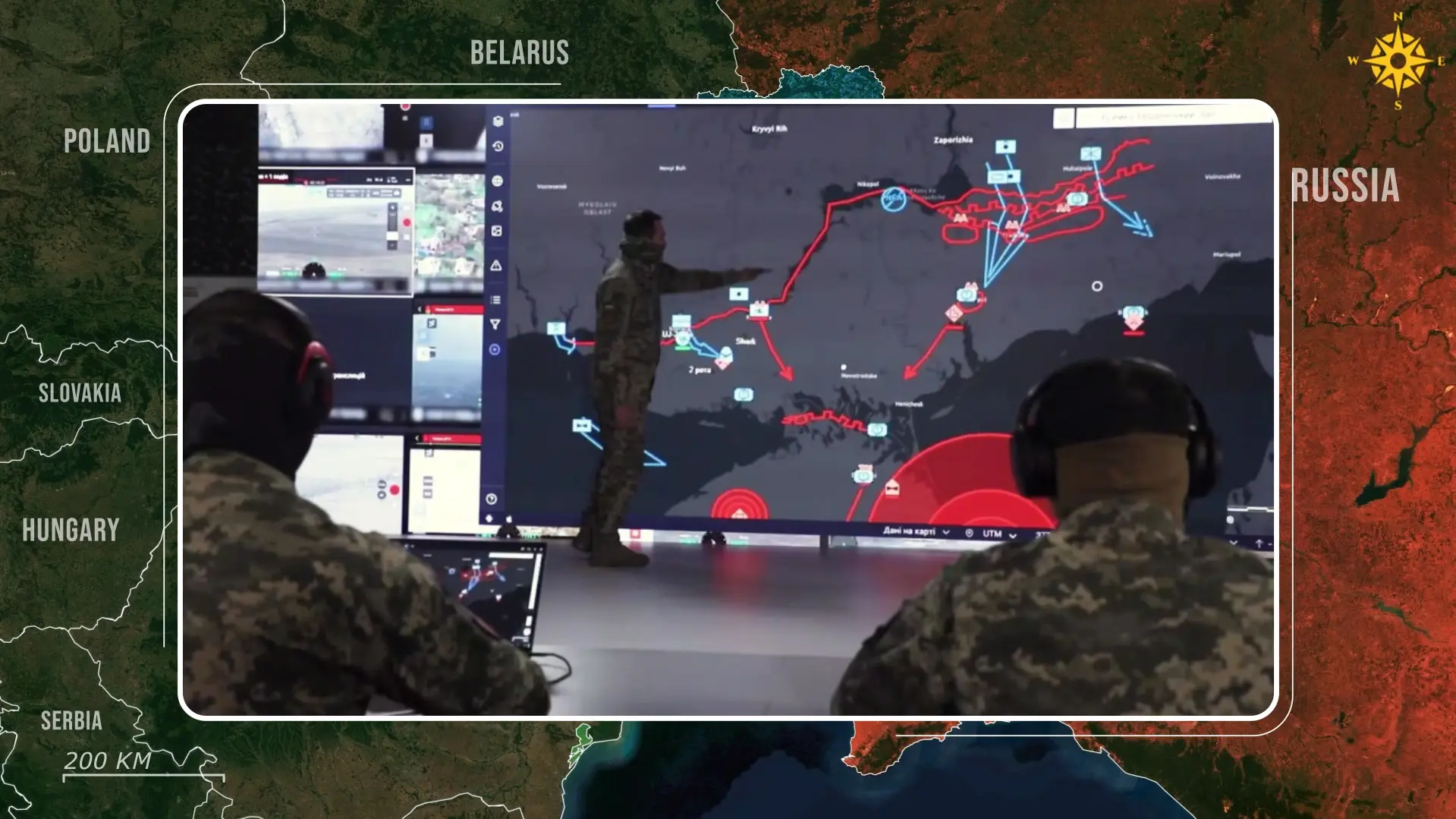
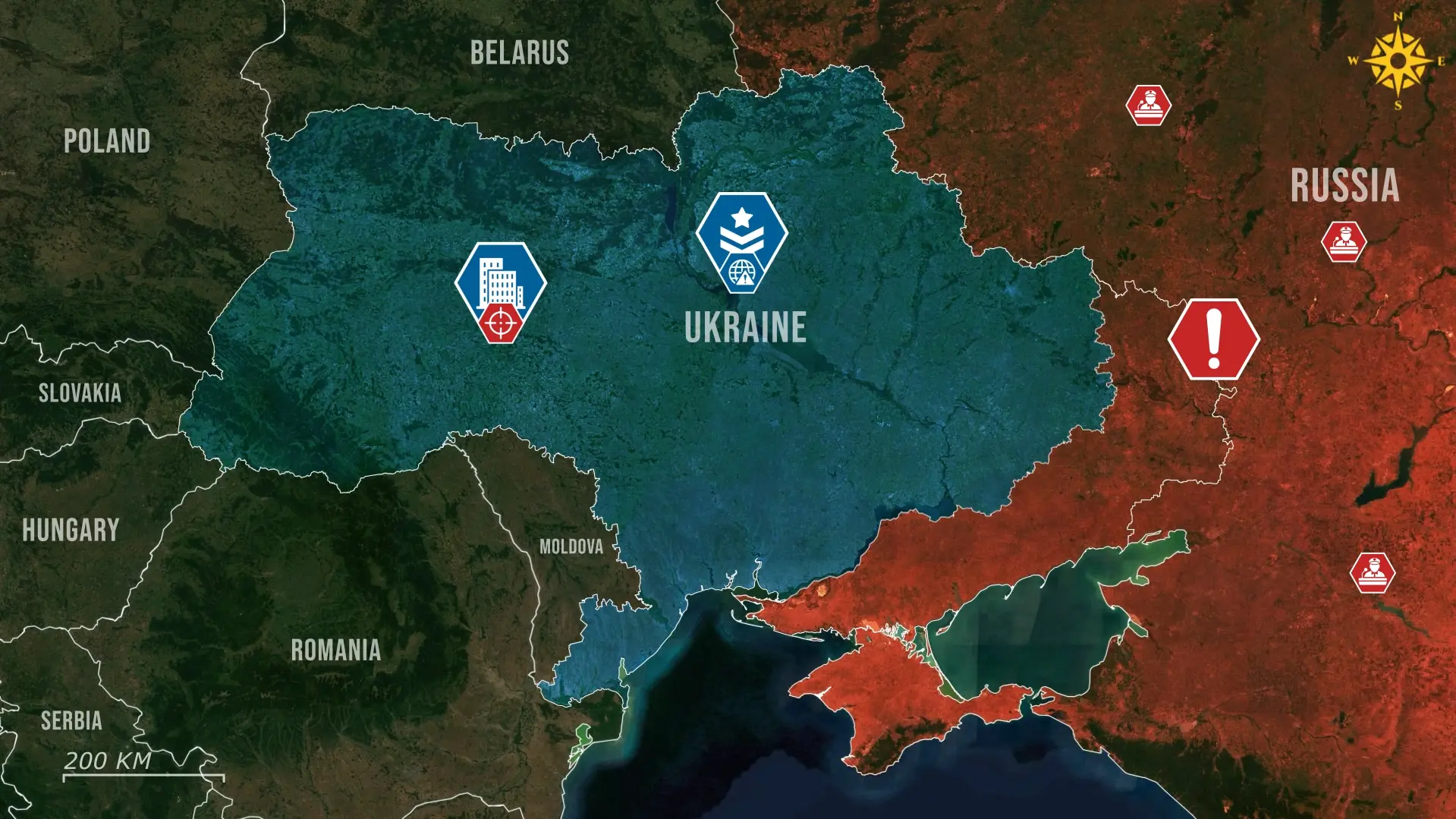
Russia understands this, and military commentators are pointing at Iranian attacks on Gulf states' data centers and claiming that similar strikes in Ukraine could degrade both civilian and military digital services. They realize that if Ukraine fully implements these AI systems into its military, it could spell disaster for Russia, eroding its remaining advantages in mass and initiative, and forcing its army to operate under constant algorithmic scrutiny.
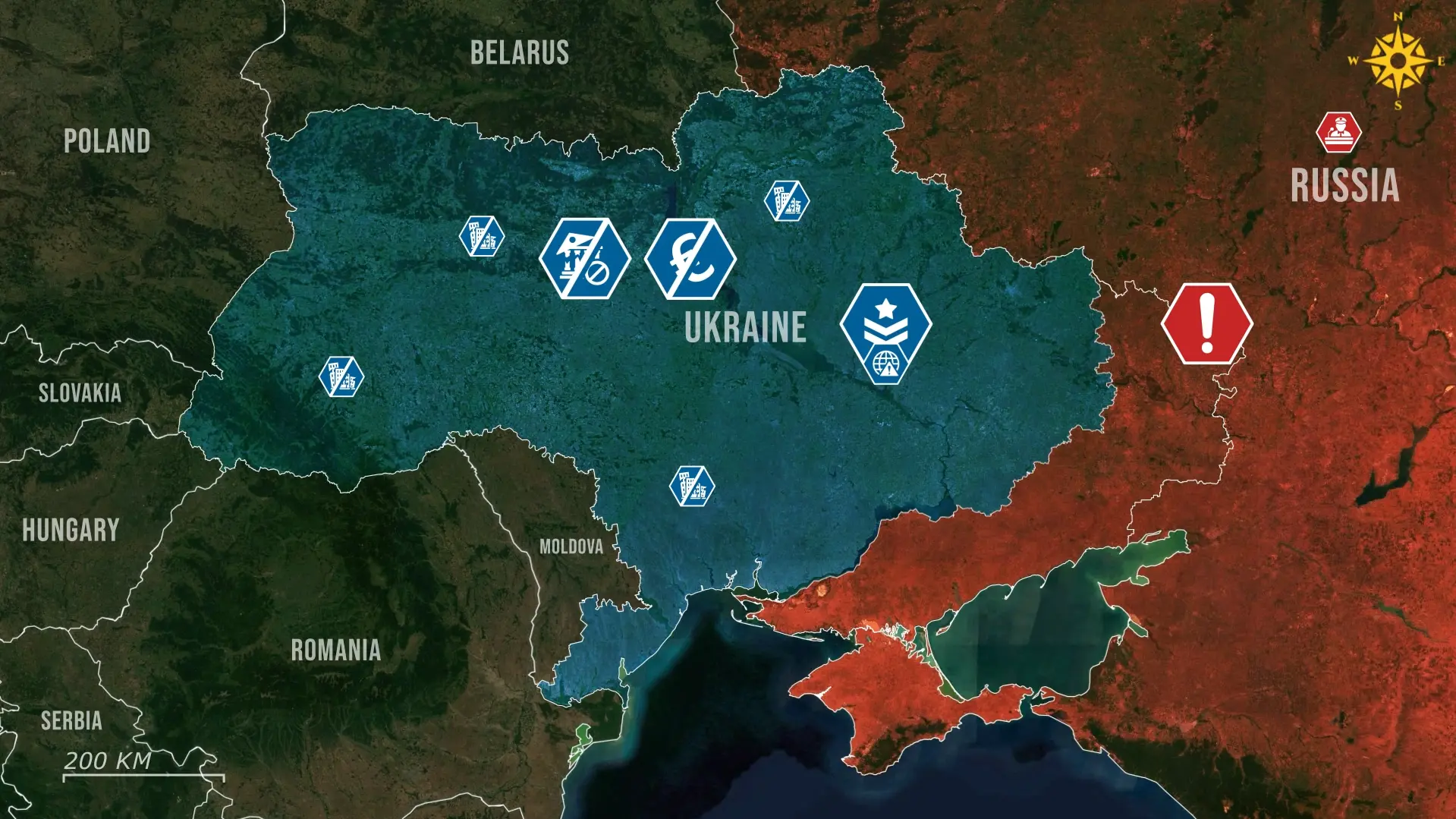
However, if Ukraine’s AI systems rely on uninterrupted data flows, then hitting the physical nodes that support those flows could slow or even disable them. Strikes on existing Ukrainian data centers could also disrupt banking systems and government portals, causing economic and administrative paralysis.
On the other hand, Ukraine had also anticipated the risk of strikes on its data centers since early 2022, as evidenced by the transfer of public and private data to cloud services abroad already shortly before the full scale Russian invasion. Amazon Web Services supported the effort, with part of government agencies, private companies, and at least one major bank migrating part of their infrastructure to the Amazon cloud. Some services moved entirely, others adopted hybrid models, and many created offshore backups, meaning that destroying a single data center in Ukraine no longer guarantees a full system collapse.
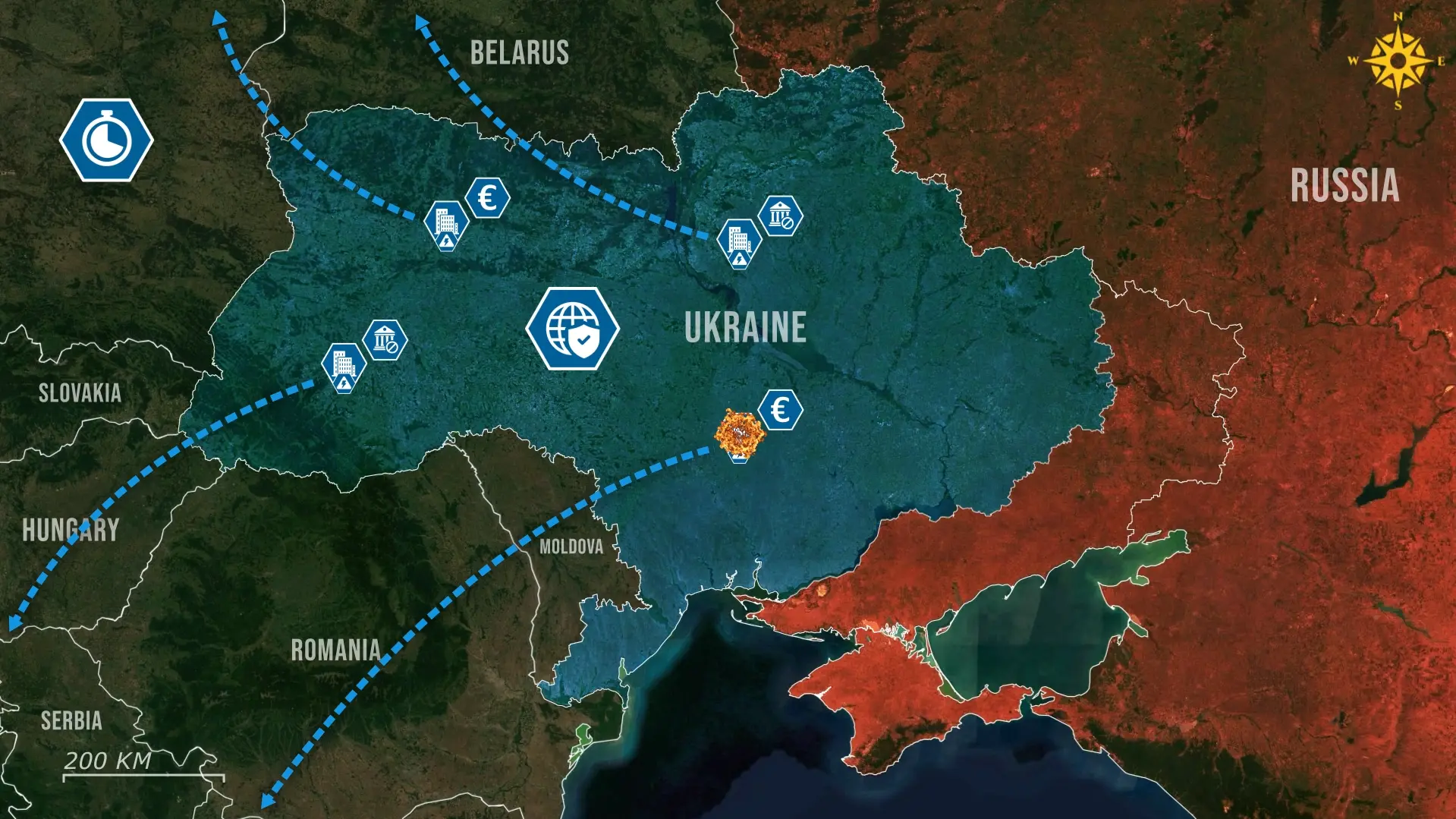
However, military systems require strict security controls, low latency connections, and sovereign oversight, and moving them abroad introduces political and operational risks, even if it increases physical safety. Ukraine may adopt a hybrid approach, such as keeping sensitive components on highly protected domestic servers, while distributing backups and non critical functions across foreign cloud networks.
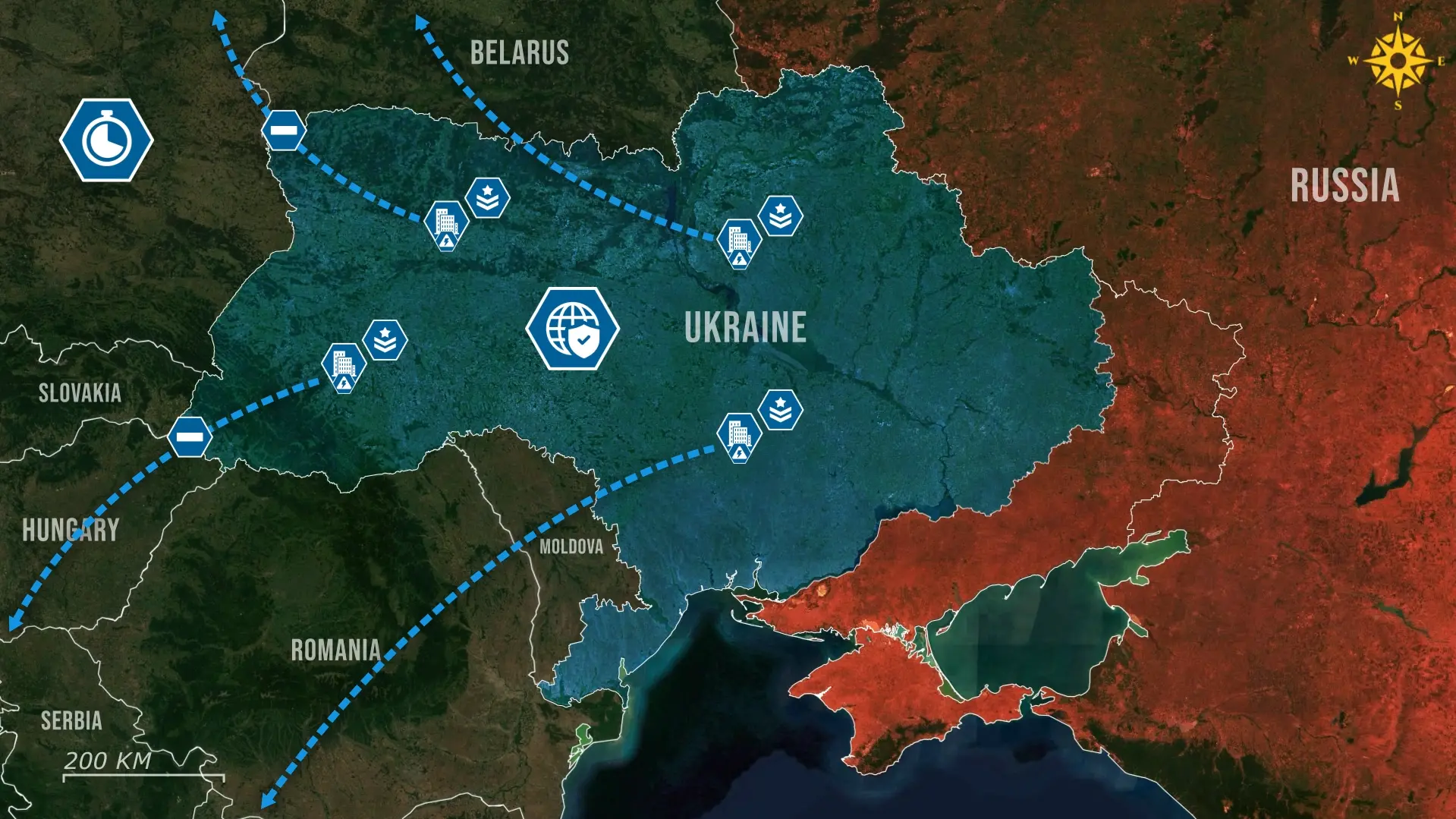
Overall, Ukraine’s push into AI enabled warfare is indicates the next logical frontier of a highly specialized army that wants to maintain and expand a technological edge. Ukraine’s challenge is to expand its AI capabilities and build a resilient data center infrastructure without creating single points of failure that Russia can exploit. Russia’s growing focus on these targets shows how seriously it views the threat of a continuous Ukrainian technological acceleration.

.jpg)


Comments