

.svg)
Today, the biggest news comes from the US.
The United States has taken a groundbreaking step in the evolution of military planning by introducing an artificial intelligence system designed to simulate conflict at unprecedented speed. However, the significance of this development lies less in the novelty of AI and more in how it redefines the logic of wargaming itself, not only in the US.
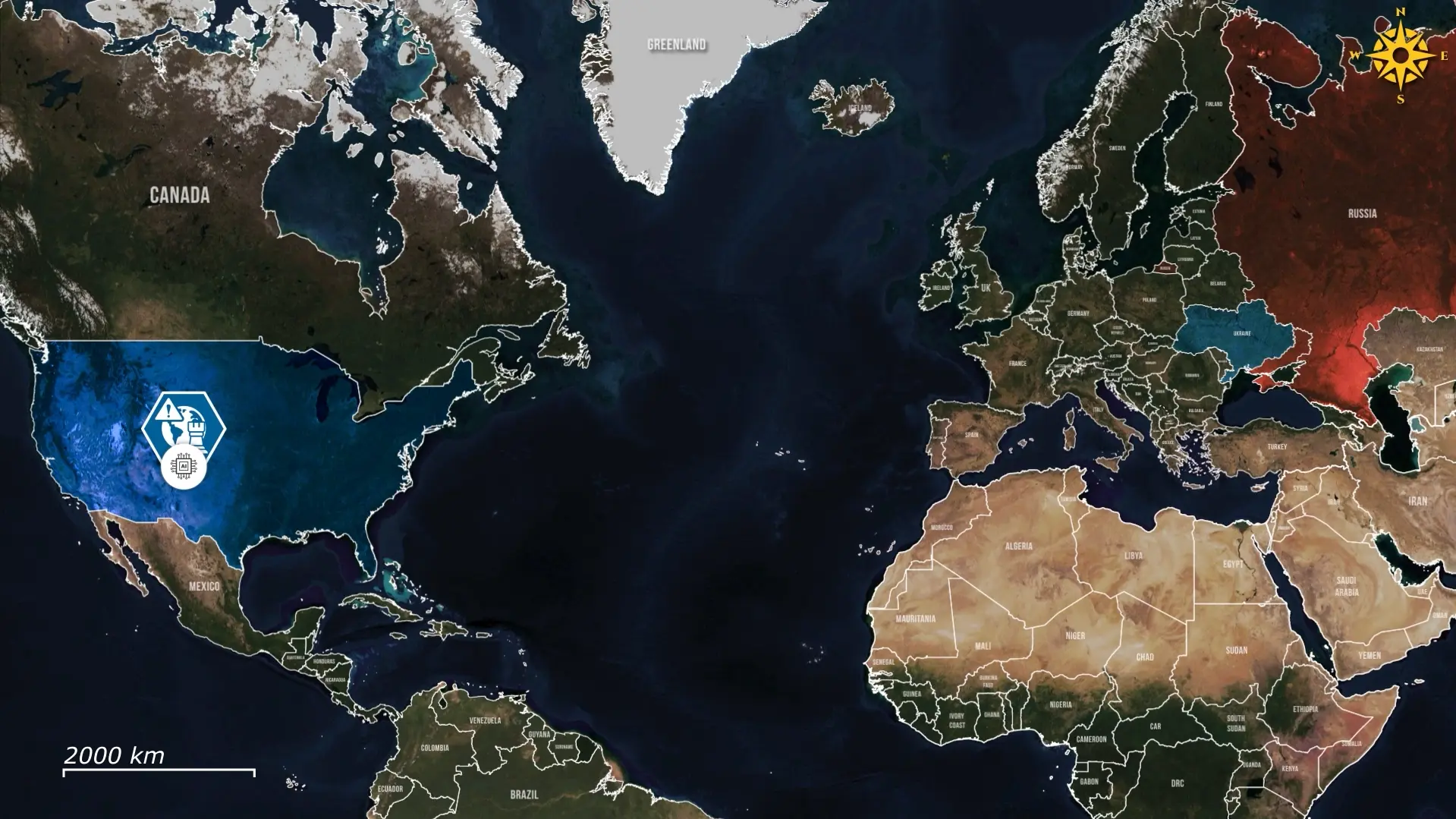
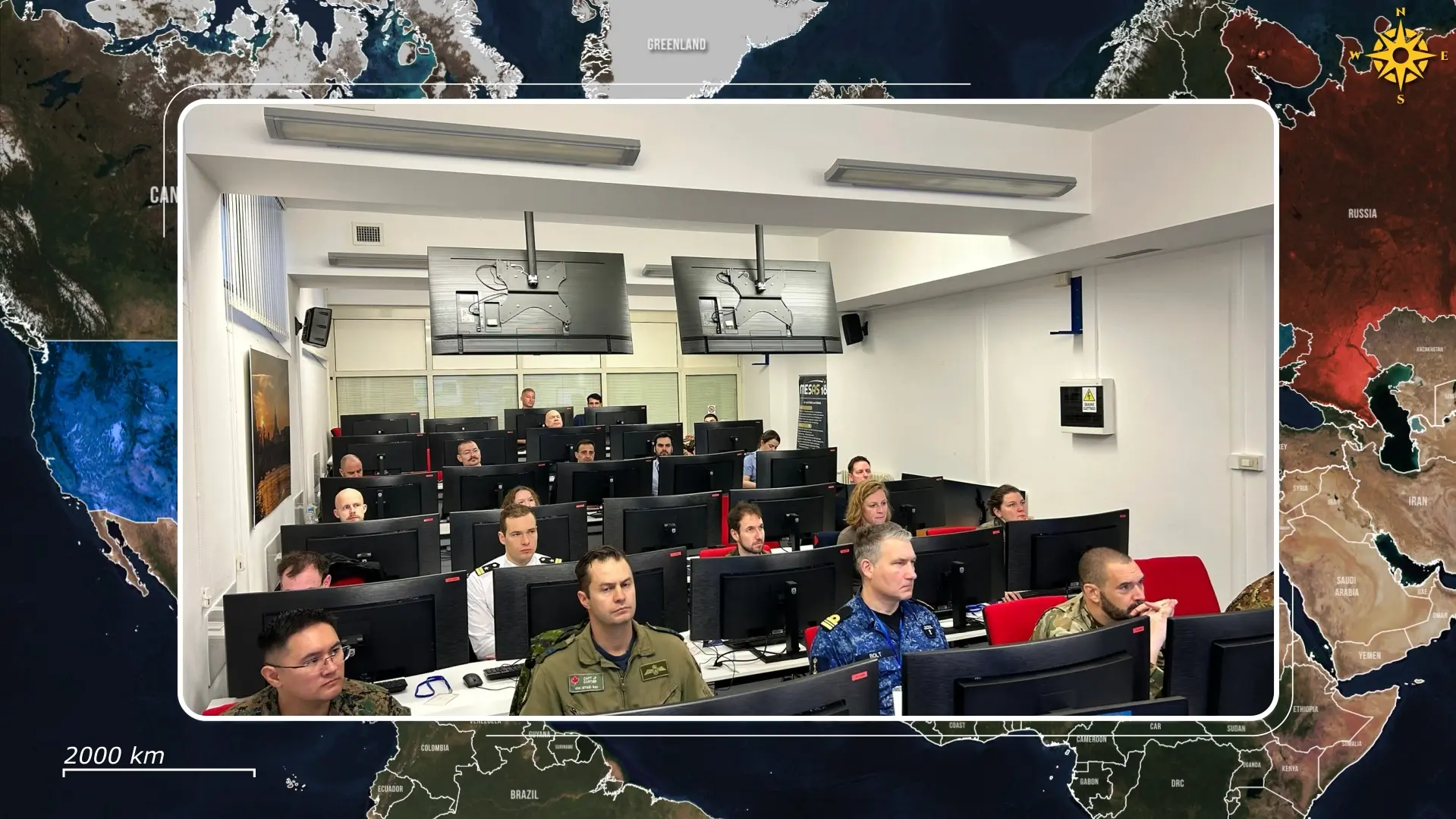
War Matrix has been introduced during a recent War game event where more than 150 participants from the US and allied militaries tested the system in a two‑week exercise. This new AI platform ran simulations much faster than real time and could compress an entire day of battlefield activity into a short cycle.
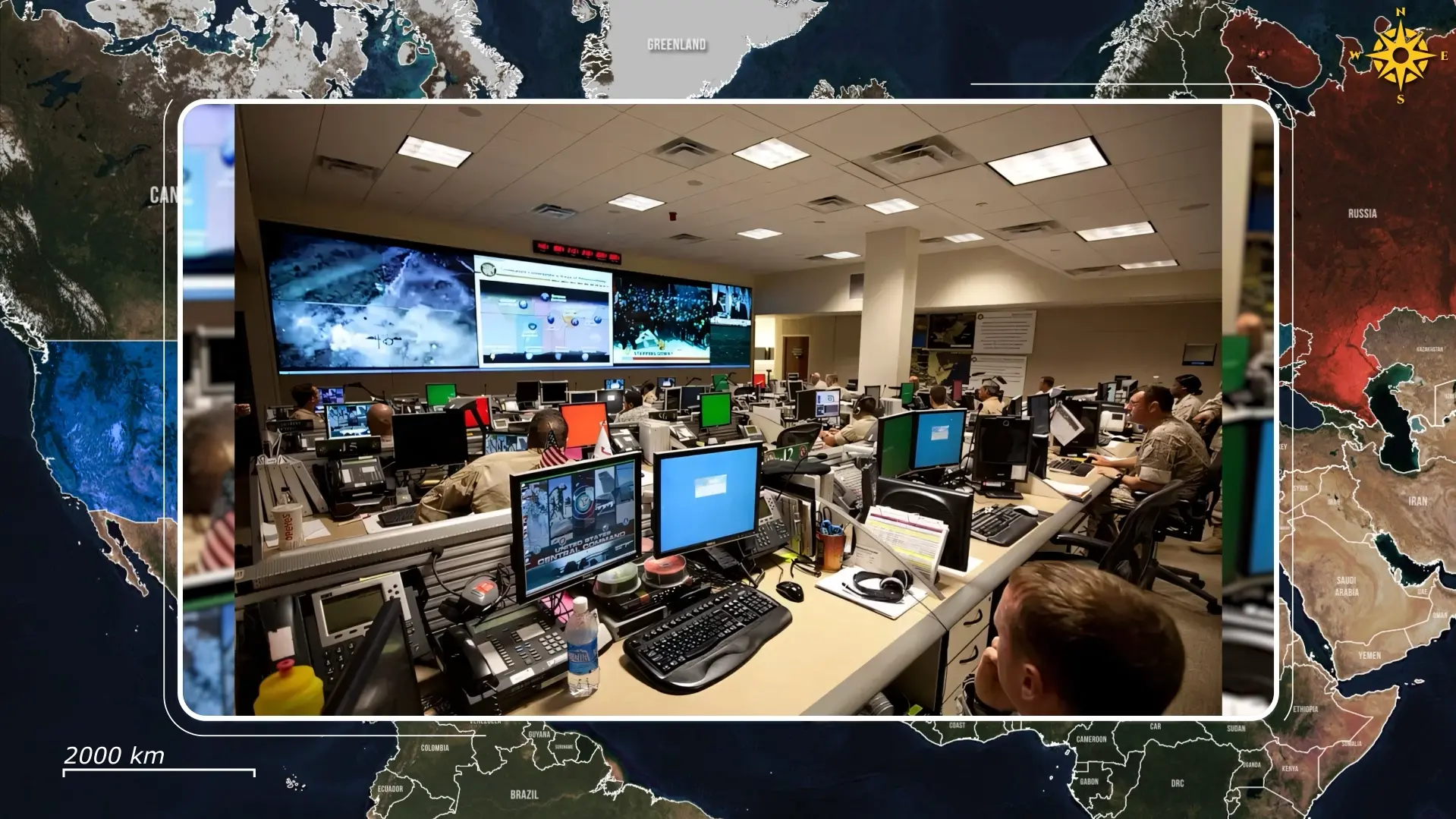
This allowed military planners to explore multiple complex war scenarios that previously required weeks of manual preparation. Officers involved in the exercise described the simulation environment as detailed and grounded in physics‑based modeling, which gave the outcomes a level of realism that previous methods could not match.
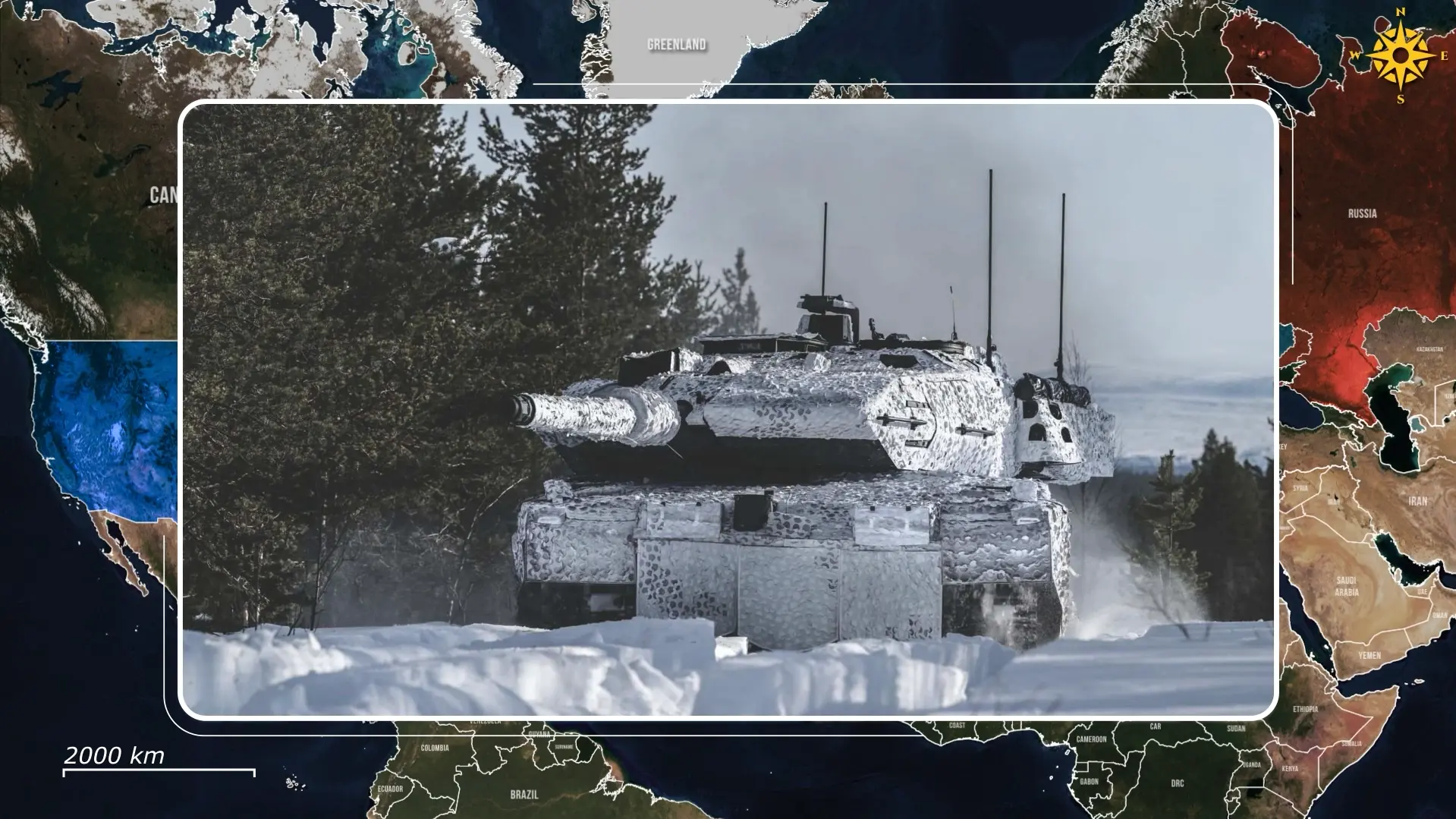
Every decision, assumption, and outcome is recorded, which allows analysts to revisit the scenario and understand why a particular course of action succeeded or failed.
Wargaming has always served as a rehearsal space for militaries, allowing planners to test ideas, identify vulnerabilities, and understand how adversaries might behave. As modern wars become ever more complex, the number of variables that matter in a scenario grows. Logistics, cyber operations, long‑range fires, space assets, and political constraints all interact in ways that are difficult to anticipate. Traditional wargames rely on human adjudication, which limits the number of scenarios that can be explored and slows down the pace of analysis.
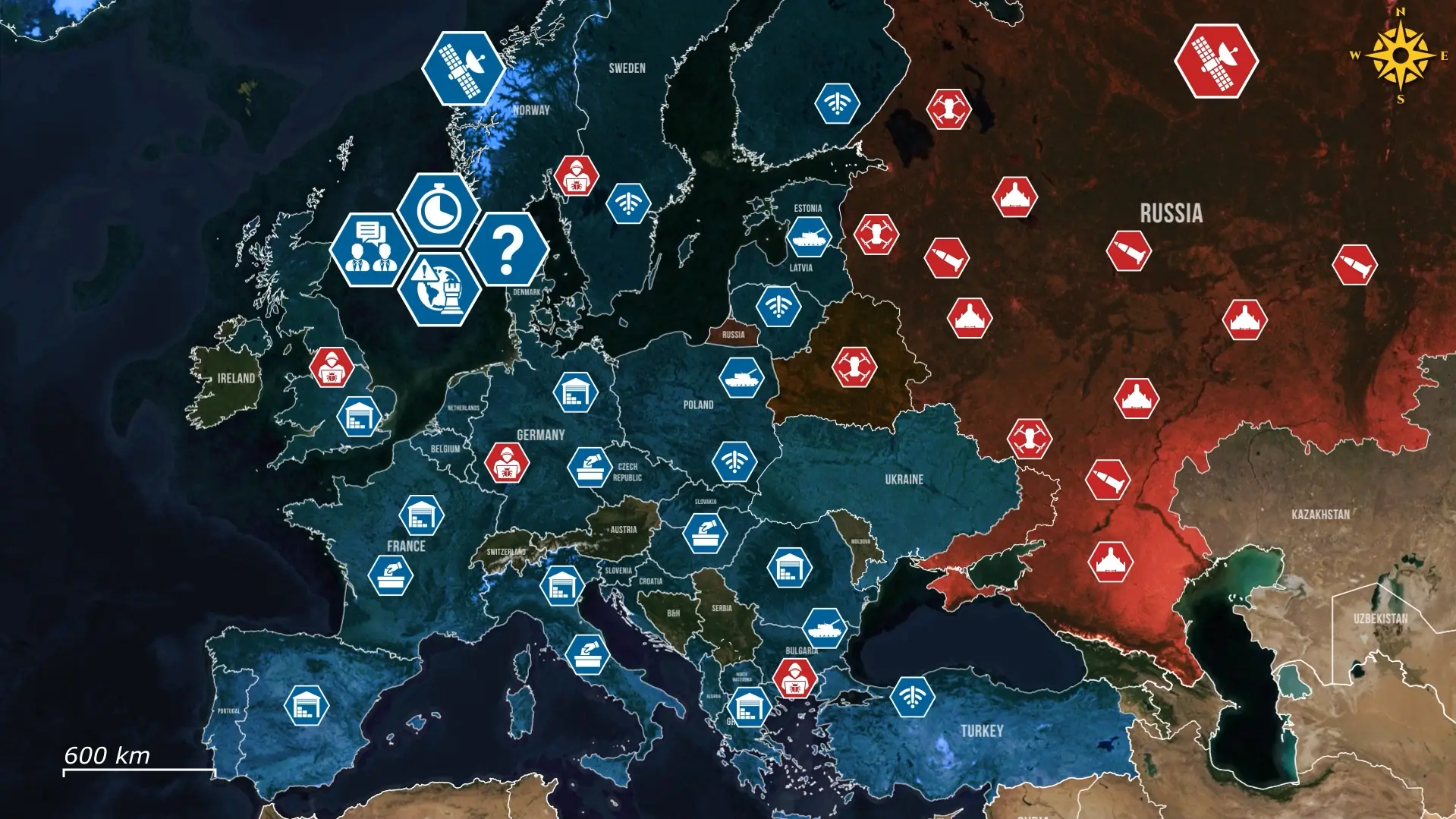
War Matrix changes the planning process by allowing analysts to generate and test scenarios almost instantly. Instead of spending months preparing a single wargame, planners can explore multiple variations during the exercise itself. The system evaluates outcomes using established models, which reduces inconsistencies and helps participants understand the logic behind each result.
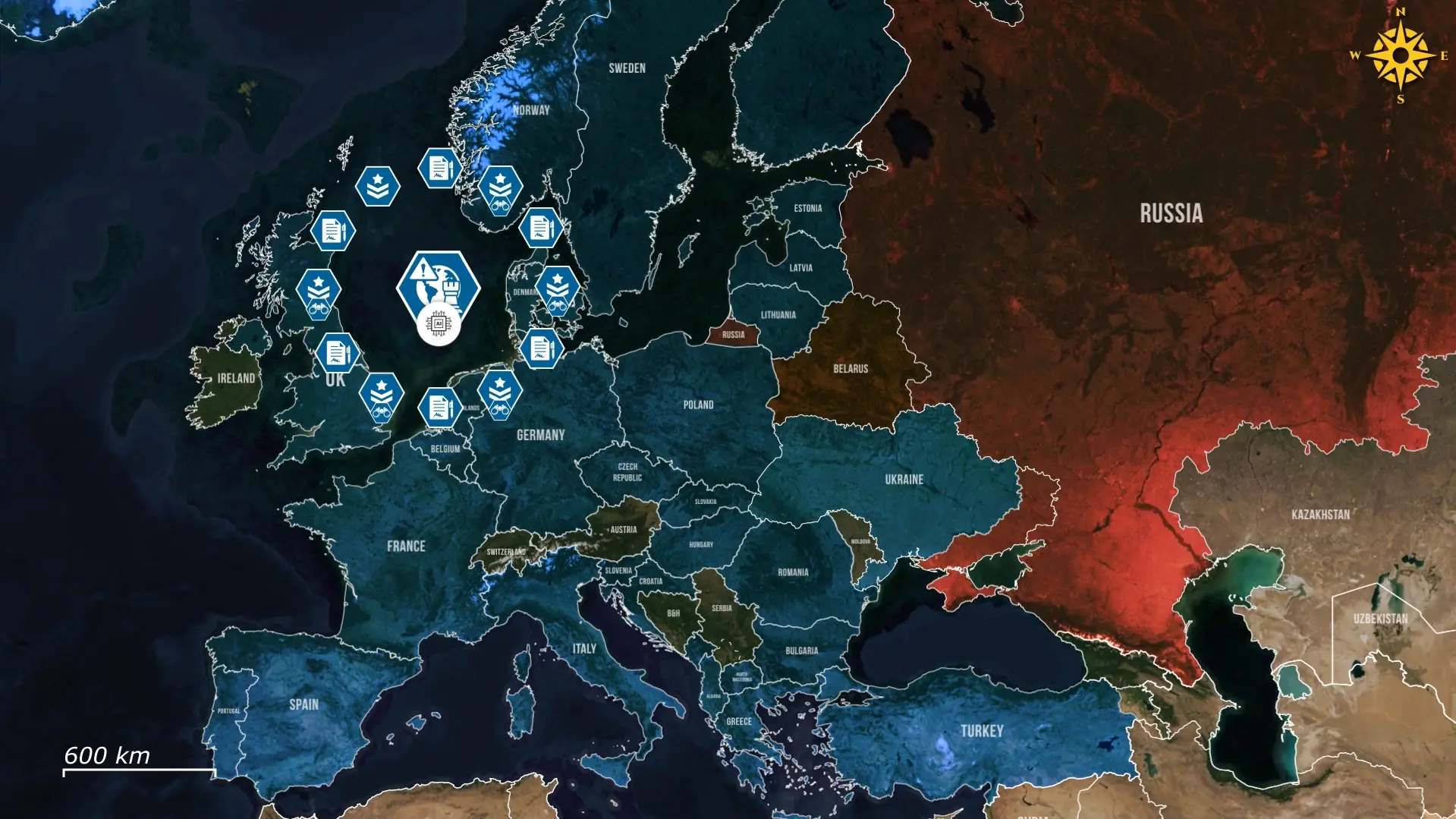
Its speed also allows analysts to examine rare or extreme events that would normally be ignored because of time constraints. While humans remain responsible for decisions, the machine expands the decision space and reveals patterns that are difficult to detect manually. This combination of speed, transparency, and repeatability is what makes the system a shift in the wargaming meta rather than just another software tool.
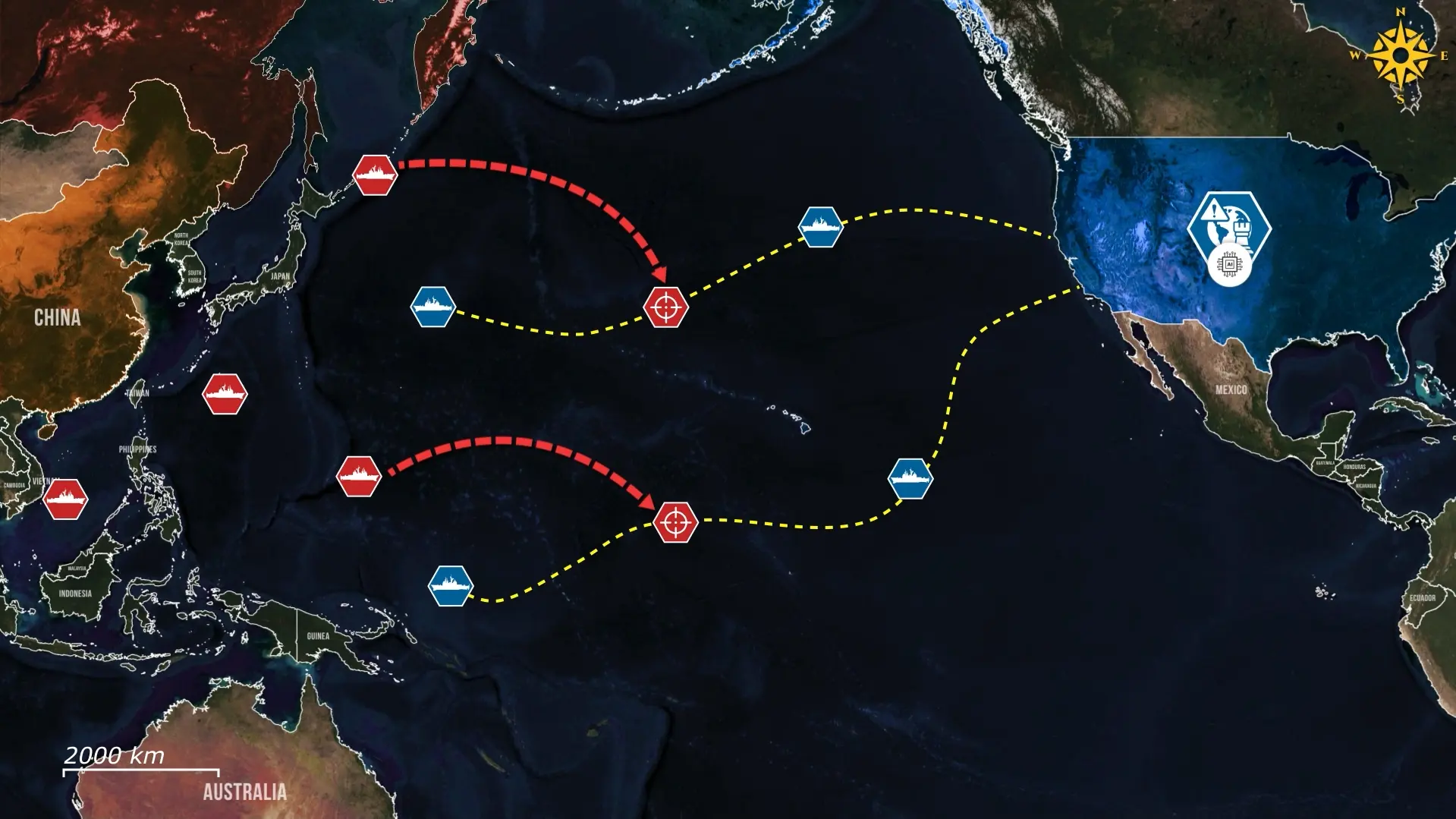
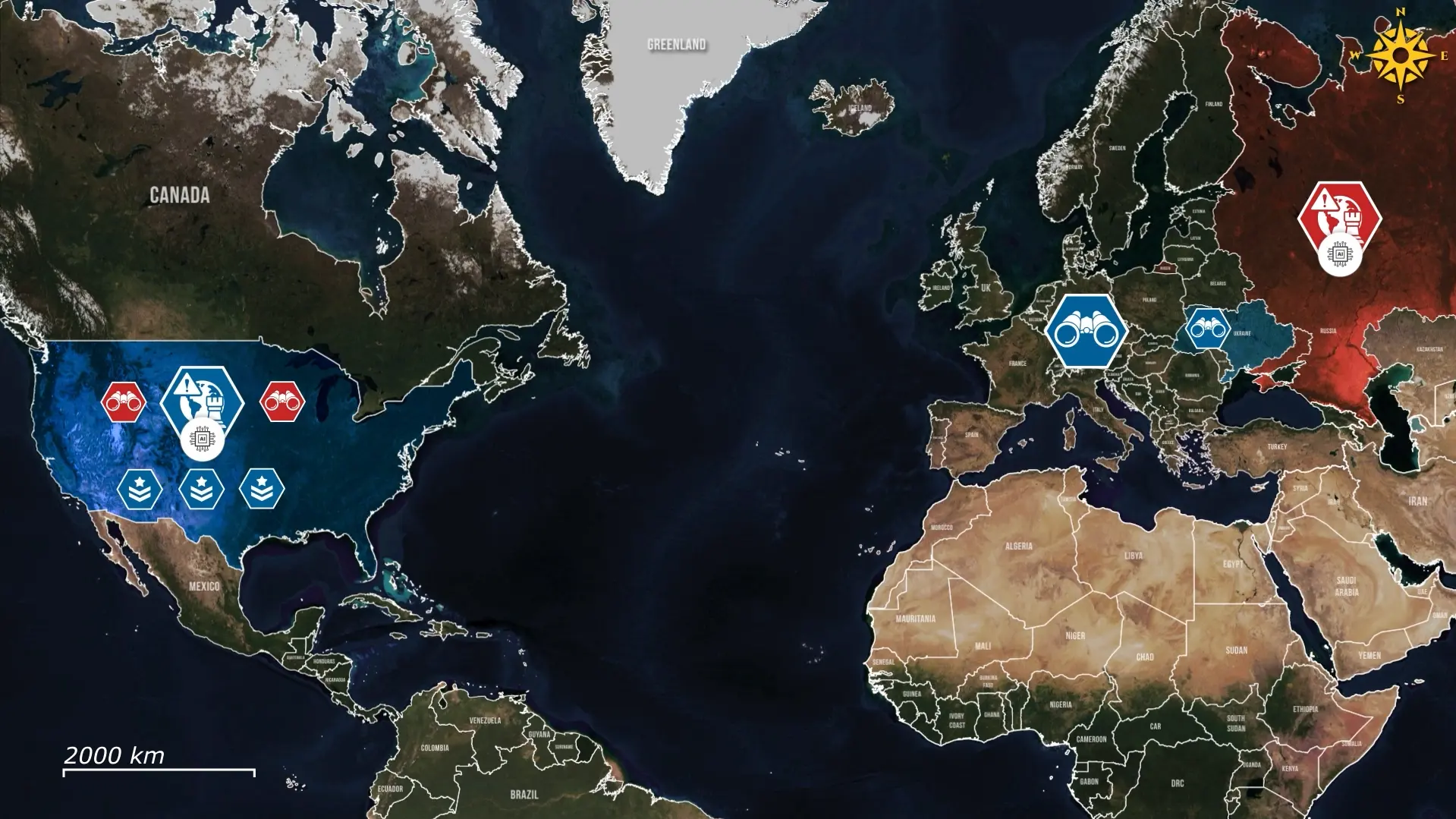
The involvement of Pacific Air Forces officers suggests that planners are already using the system to test scenarios involving East Asia to reduce the risk of strategic surprise. The need for faster and more comprehensive planning becomes particularly acute in scenarios where the US faces potential high‑intensity conflicts, for example involving naval combat, where long and complex logistic lines would open up vulnerability for attacks.
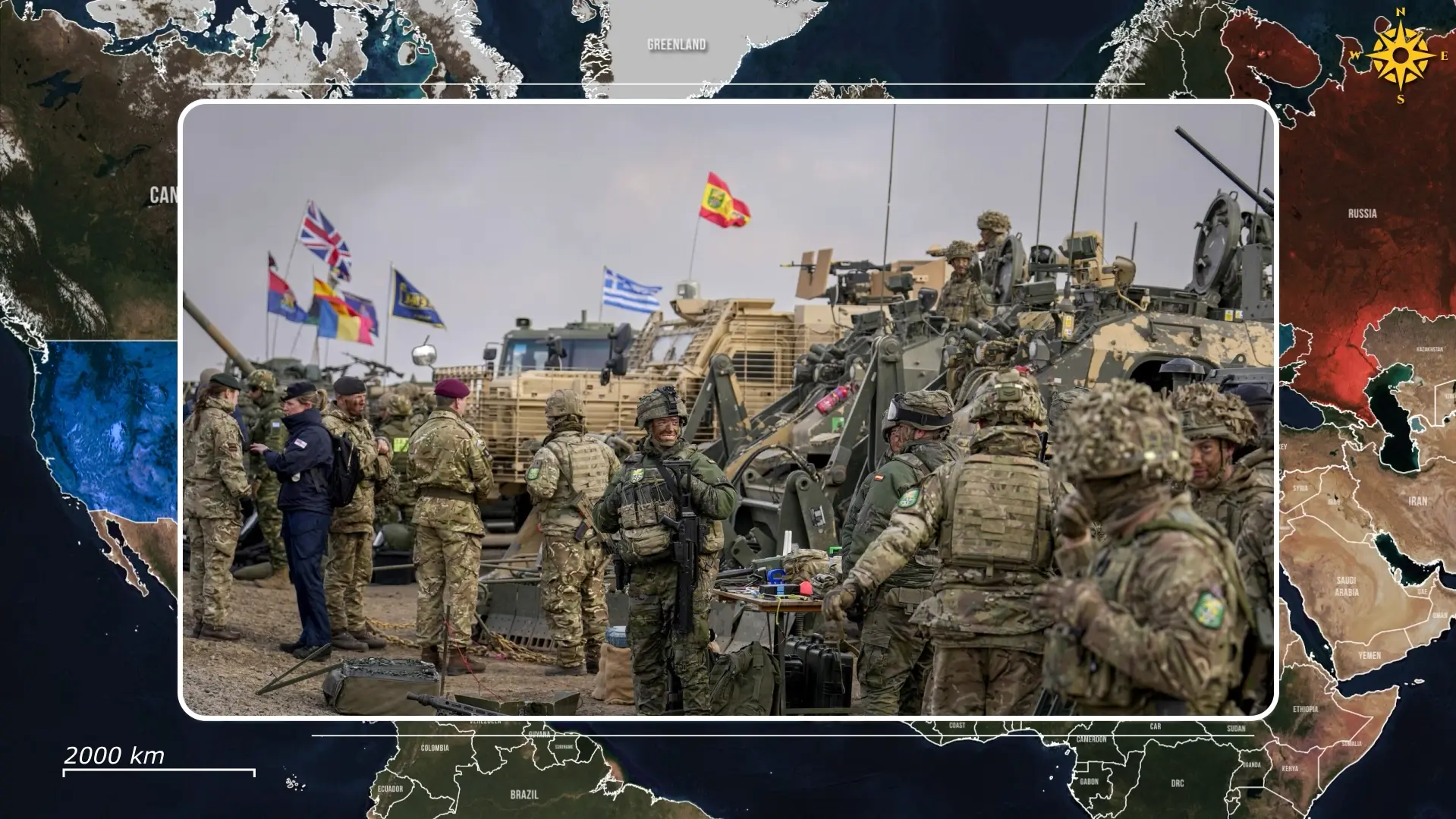
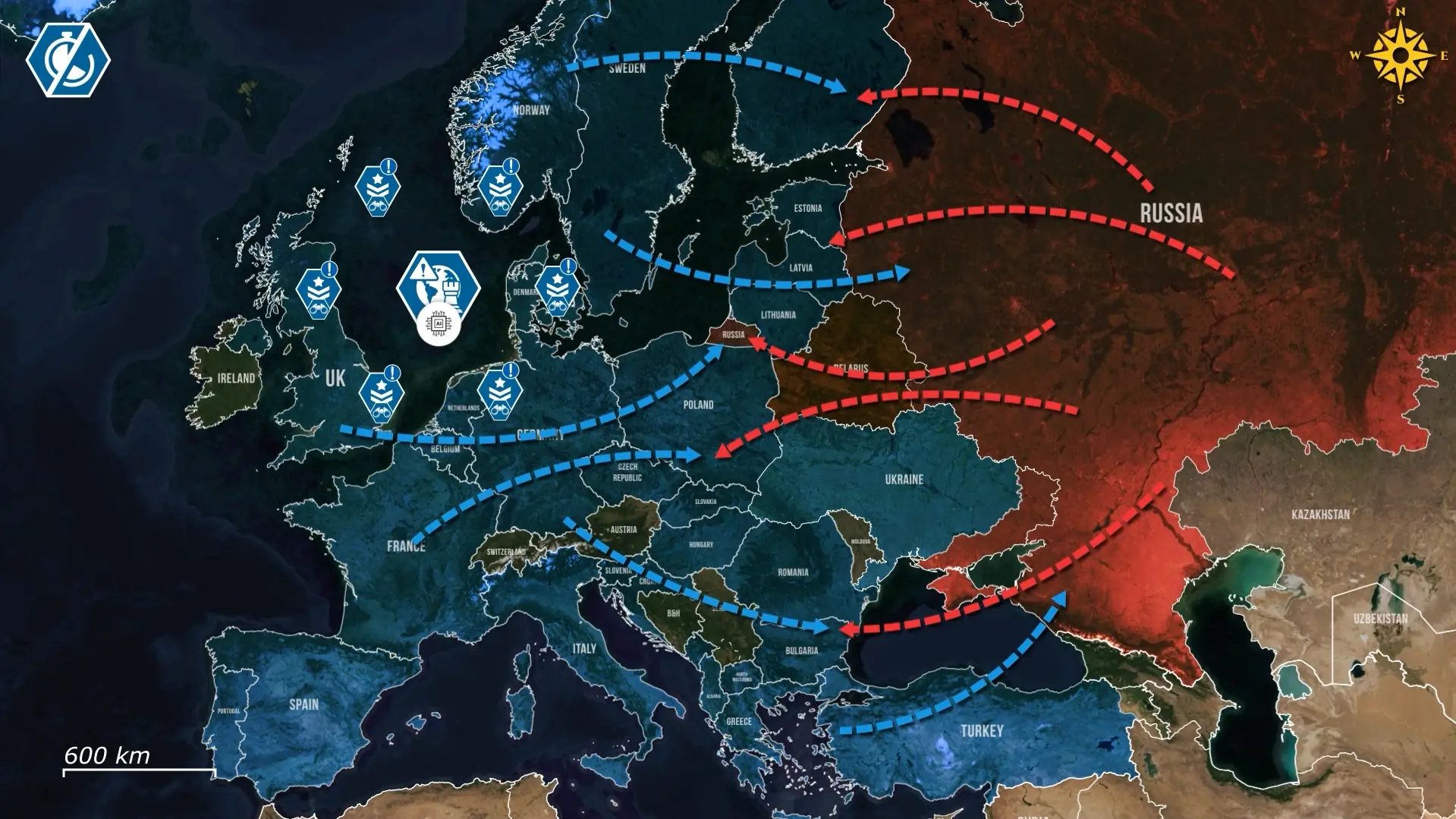
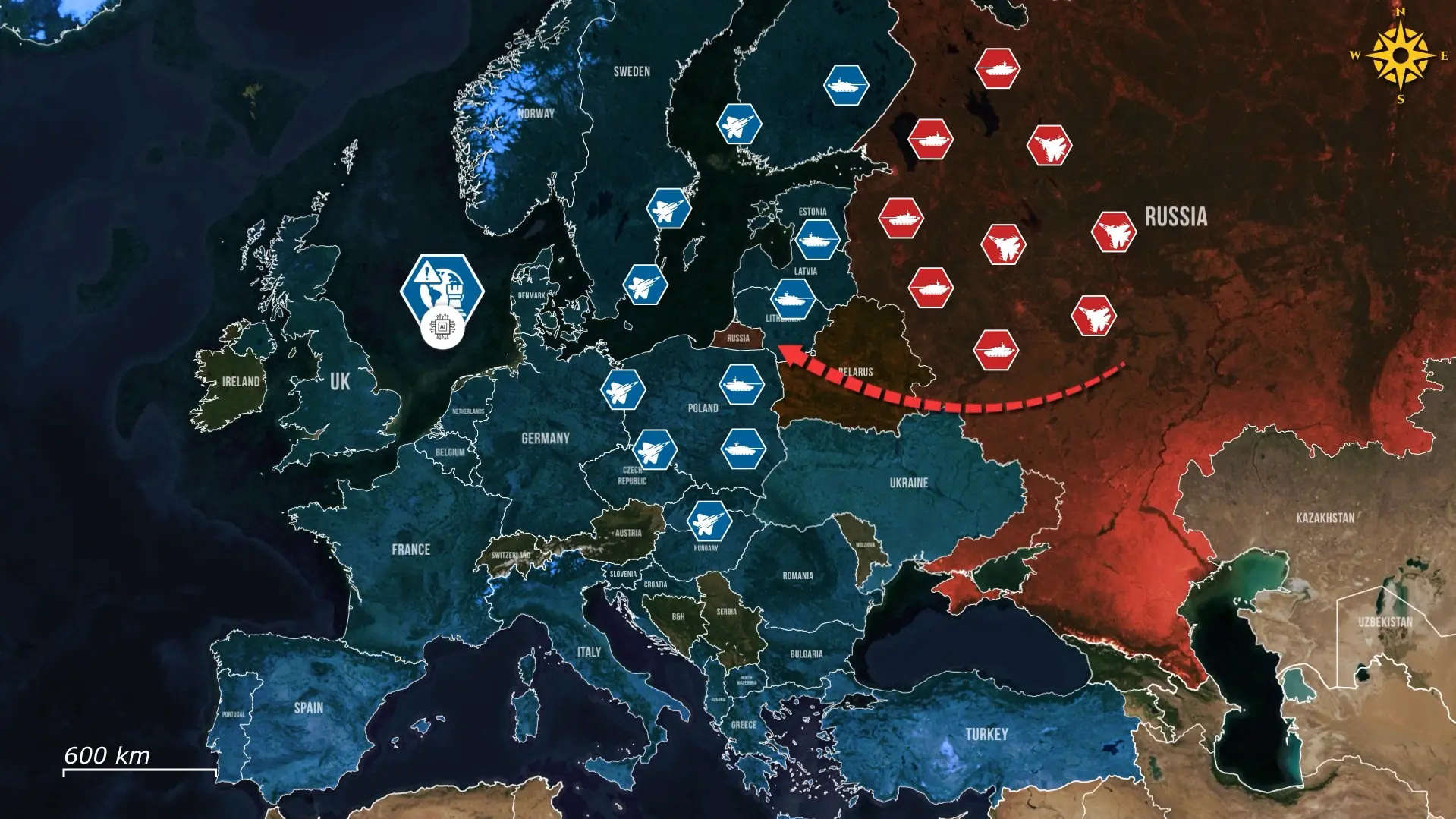
Nato partners can also draw lessons from the system’s collaborative and comprehensive design, reducing the organizational burden, limited scale, and inherent high cost of conducting large military exercises and scenarios in real life, improving crisis response particularly in preparation for possible Russian attacks on the eastern border.
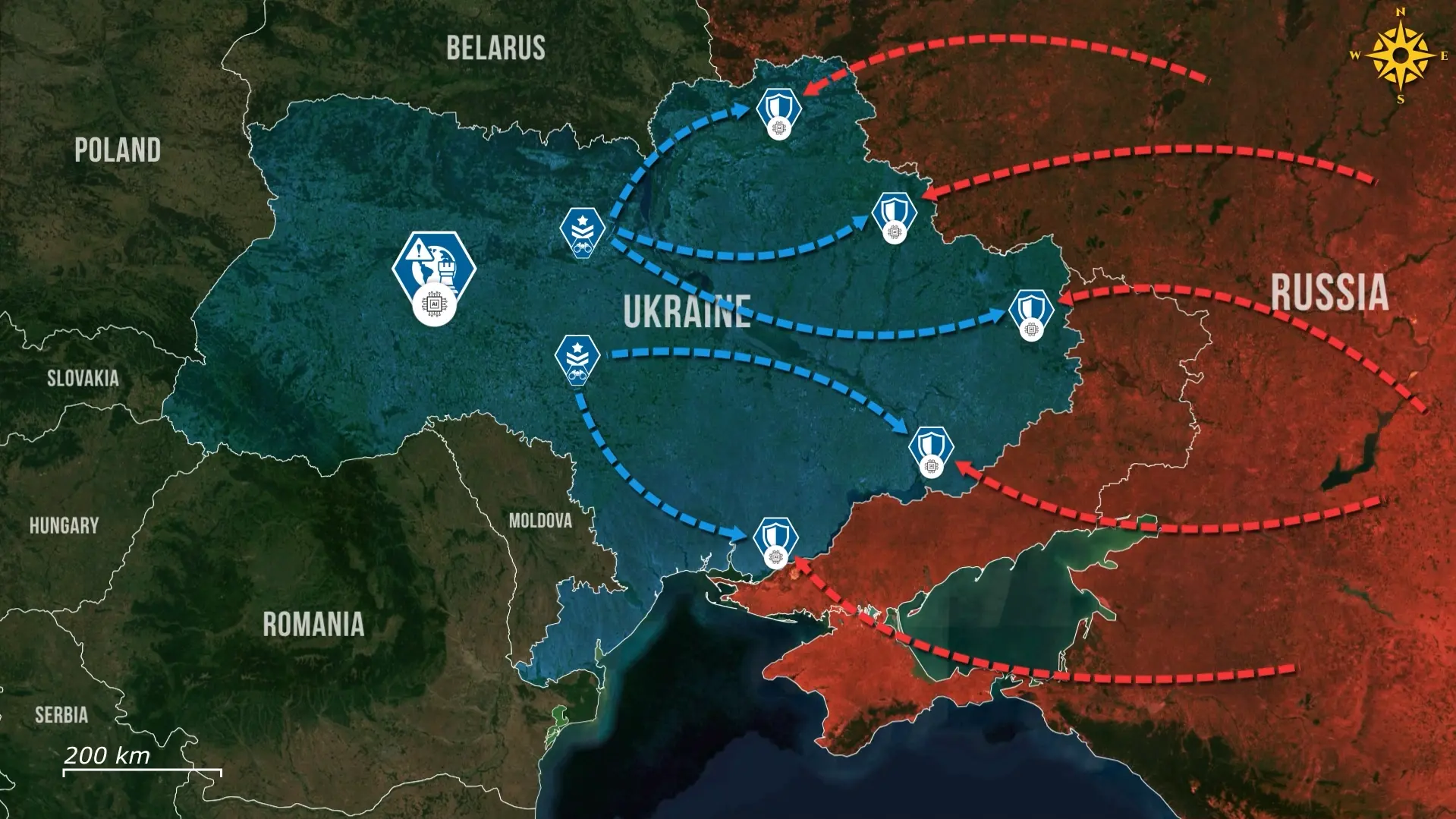
For Ukraine, fighting a full-scale ground war where Russia tries to overstretch its lines and punish any mistake, AI-driven wargaming may offer a way to test new tactics without losing real lives or territory to experimental tactics. It would allow commanders to rehearse responses to Russian pressure and identify weak points before Russia does. Even without large training areas or US-level infrastructure, the logic of human-machine teaming gives Ukraine a safer, faster way to adapt while its army is evolving under fire.
Despite its strengths, War Matrix remains a planning tool rather than a battlefield command system, and its accuracy depends on the quality of the data and models it integrates.
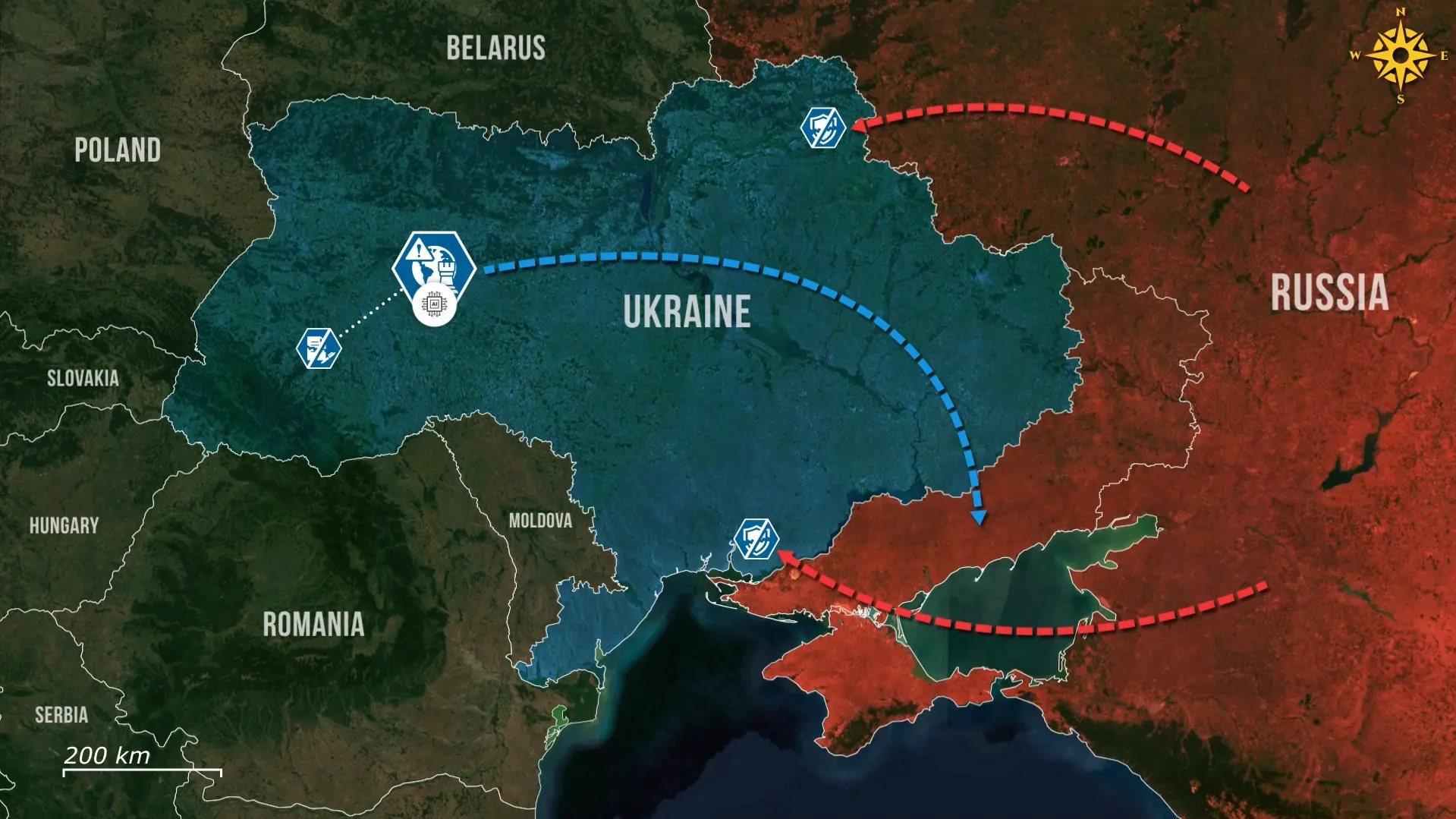
If assumptions are flawed or incomplete, the system may reinforce existing biases rather than reveal new insights. Furthermore, AI‑driven simulations can also create a false sense of security if users overestimate their predictive power. Meanwhile, interoperability across services and allies remains a challenge, and the system’s effectiveness will depend on how well it adapts to new domains such as cyber and space.
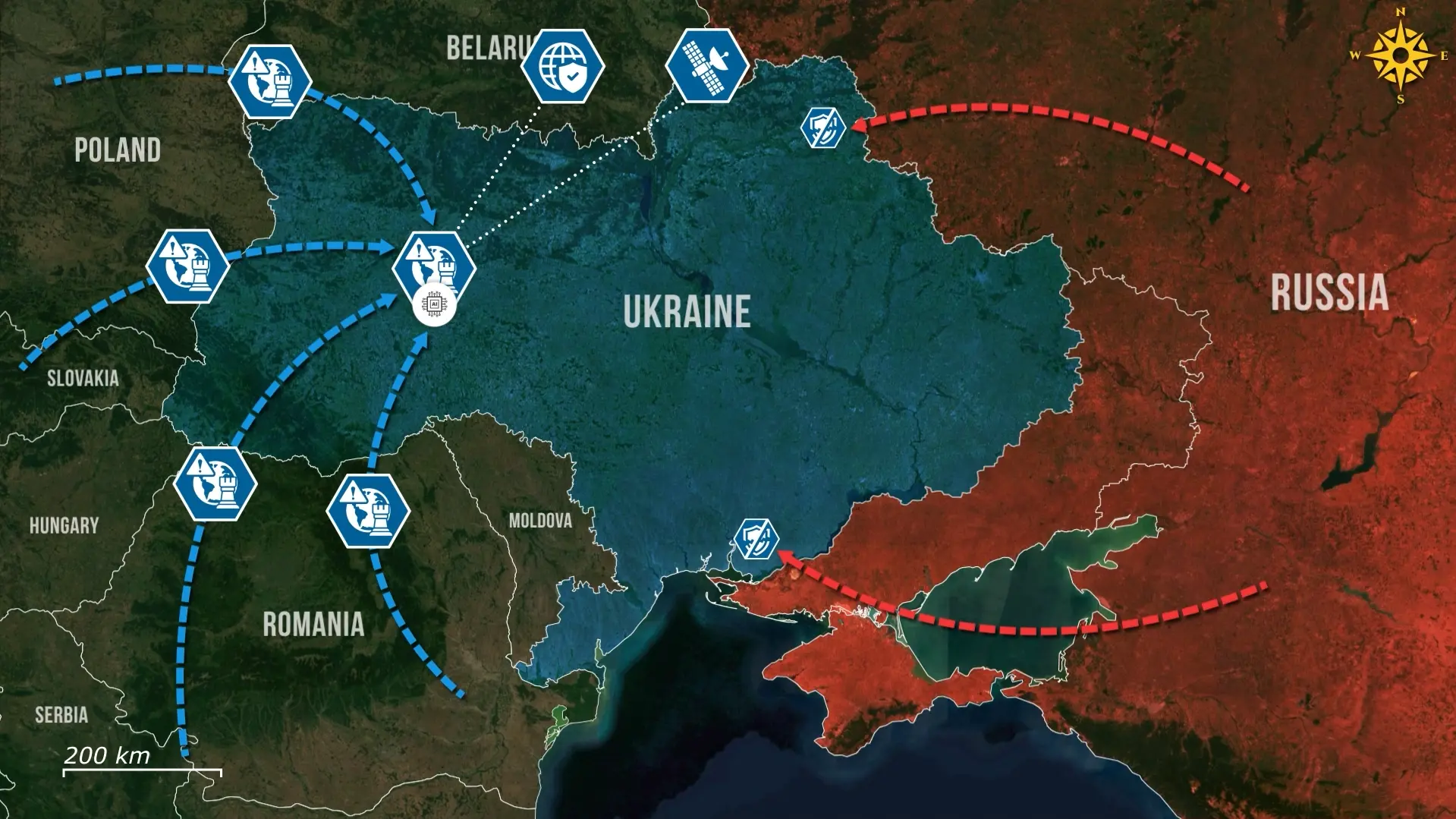
Overall, War Matrix introduces a planning environment that is faster, more realistic, and far more resistant to surprise than previous tools. The system expands the number of scenarios analysts can test and makes the reasoning behind each outcome easier to understand. It also shows how AI will influence military planning across the world as the technology matures. However, adversaries could also study these tools and attempt to exploit their blind spots. A new strategic competition could also arise, one where the quality of each side’s AI model becomes of central importance.

.jpg)

Comments