

.svg)
Today, the biggest updates come from Ukraine.
For months, Ukraine’s air defense has relied primarily on ground-based interceptor drones with limited range and positioning flexibility against incoming threats. Now, planes launching interceptor drones are beginning to reshape that fight, turning a long-standing imbalance into a rapidly shifting advantage in the skies.

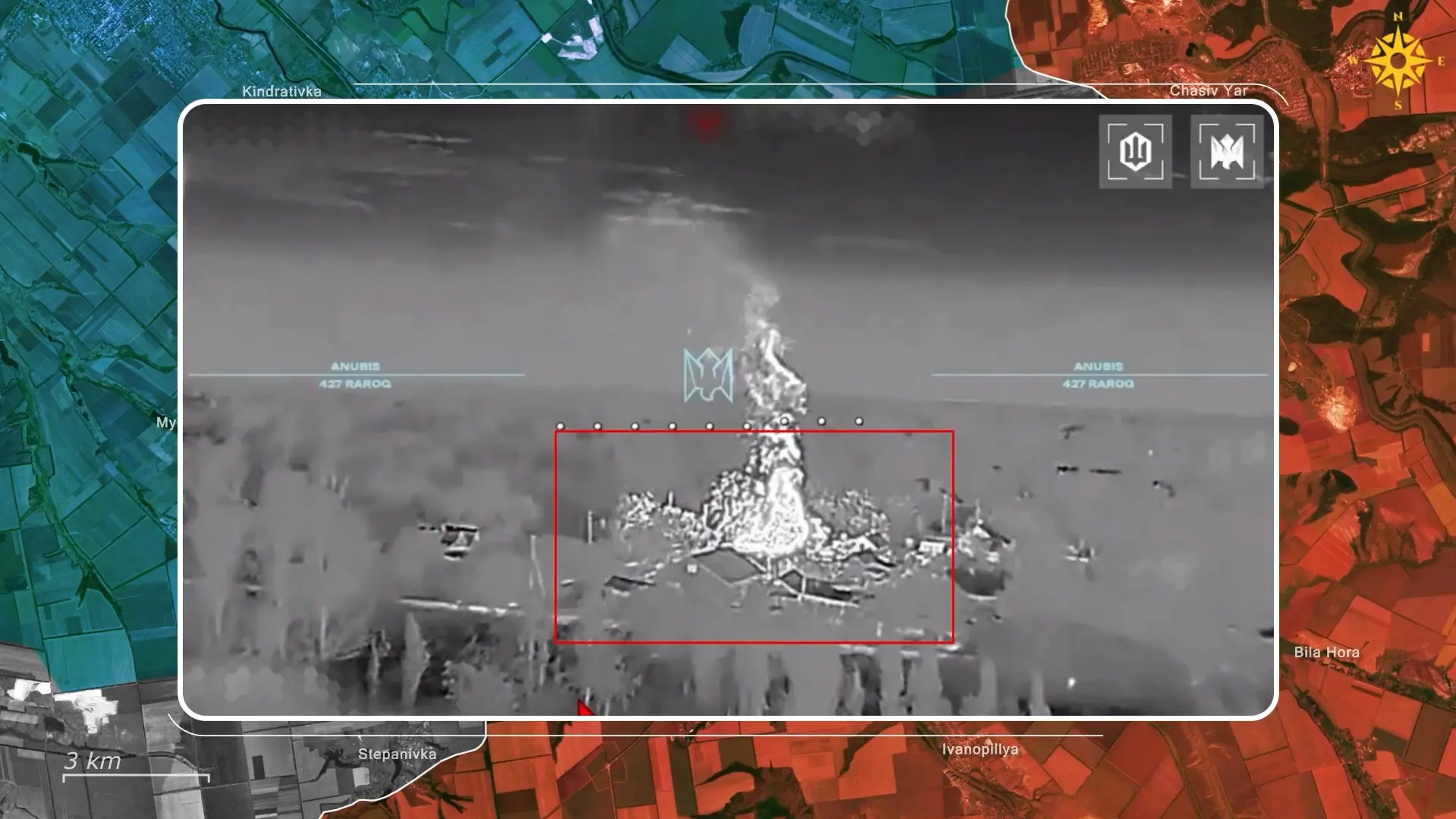
Recently released footage shows a modified Antonov transport aircraft in flight, releasing interceptor drones directly from its wings. The aircraft carries multiple drones to altitude before deploying them over a designated area of operations. Once released, the interceptors activate and move toward assigned targets.


This marks the first confirmed use of Ukrainian transport aircraft as airborne launch platforms for counter-drone missions. The system is already being used in real conditions, with recorded interceptions demonstrating that the concept has moved from development into active deployment


The modified Antonov serves as the launch platform, positioning interceptor drones on its wings for in-flight release once it reaches the operational zone. As the aircraft closes on a projected intercept corridor, pilots time the release so the drones enter the battlespace from above and ahead of the incoming Shahed drone. When launched, operators inside of the transport aircraft control the interceptor drones to their targets, with commonly used and basic control systems. The entire process shifts interception from a reactive ground launch to a proactive aerial deployment model.

The core advantage comes from launching the interceptor drones with increased energy, meaning they already possess speed and altitude at the moment they are released. Instead of starting from zero on the ground, they inherit the forward motion and altitude of the transport aircraft. In those cases, the weapon begins its path with the same amount of energy and momentum of the parent aircraft, rather than having to generate that energy on its own from standstill on the ground. This mirrors how fighter aircraft deploy air-to-air missiles or release guided bombs in flight. Interceptor drones launched this way follow the same principle, entering the engagement with momentum and position already established.

An energy advantage means each interceptor drone begins its mission with speed and altitude already available to use. Starting from height allows it to convert that altitude into speed without relying entirely on its own motor and battery. A ground-launched interceptor typically operates within a limited range of roughly twenty to forty kilometers. As a result, much of its energy is spent simply climbing and accelerating after launch, limiting its maximum range and speed. However, when released from a transport aircraft, that initial climb is removed, and part of the distance to the target is already covered. This allows the same drone to reach further, about sixty to one hundred kilometers out and intercept incoming threats earlier along their approach.

An energy advantage at the interceptor level scales into a positional advantage across the entire air defense network. A loitering transport aircraft operating at six thousand meters can project interceptor drones far beyond that radius, effectively covering multiple approach routes at once. Against incoming Shahed waves, drones can be launched in advance onto interception paths, reaching predicted crossing points before the target arrives.
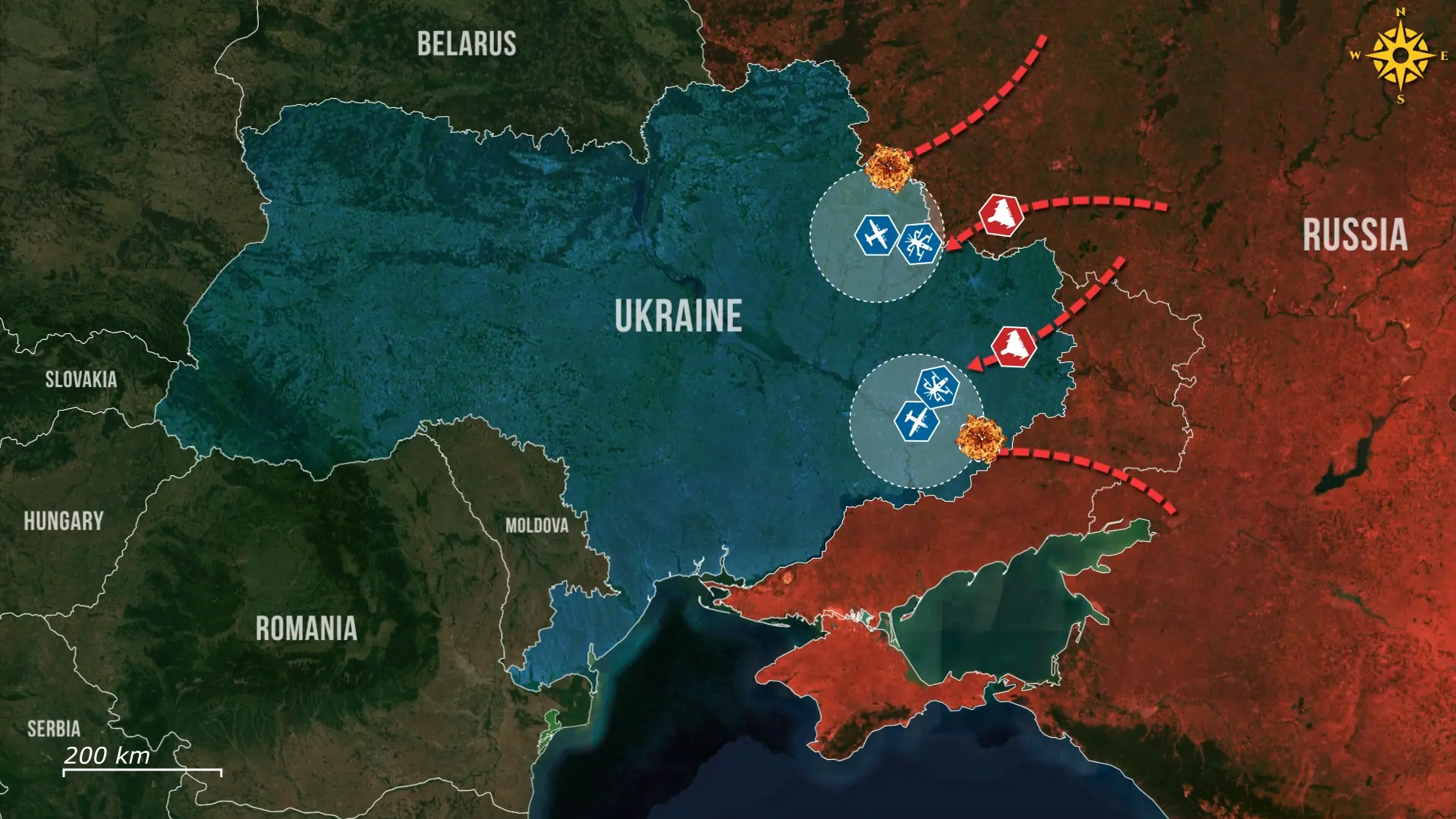
If some threats pass through, other aircraft can reposition and deploy additional interceptors, extending coverage dynamically. This combines range, mobility, and timing into a single system that can engage earlier and across a wider area.

Overall, launching interceptor drones from aircraft transforms Ukraine’s air defense from a reactive shield into a proactive, energy-efficient system that engages threats on its own terms. By shifting interceptions into the air, Ukraine reduces its dependence on scarce ground-based assets and directly addresses one of its most persistent vulnerabilities, being the limited range of interceptor drones. This approach steadily erodes Russia’s reliance on mass drone attacks, as each wave becomes easier to disrupt earlier and at lower cost. In effect, planes launching drones do not just improve defense performance, but they rebalance the contest in a way that makes the battlefield increasingly unfavorable for Russia.


.jpg)

Comments