

.svg)
Today, there are important updates from the Russian Federation.
Here, tension inside Moscow began to rise to levels not seen before, as all it took was one Ukrainian drone that made the Russian air defense obsolete. The Russians panicked and put Moscow under siege by deploying machine guns everywhere to prevent the Ukrainian hint of drones visiting the most important event of the year.

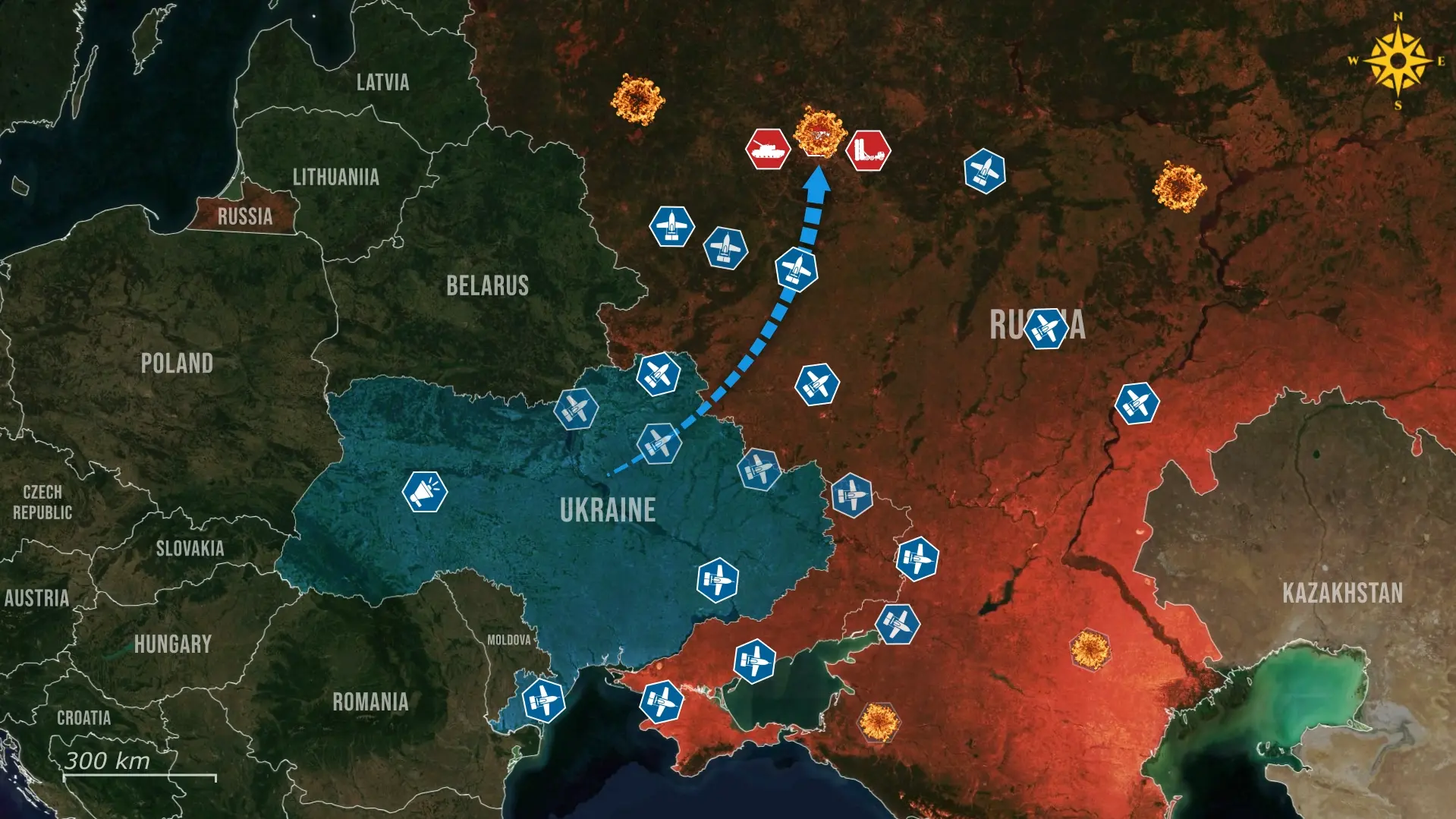
In the lead-up to Russia’s May ninth victory parade, President Volodymyr Zelensky openly warned that Ukrainian drones could reach the Russian Victory Day parade, signaling that even the heart of Russia is within reach. Coming after weeks of successful Ukrainian strikes on critical Russian targets, the furthest of which stretched one-thousand-seven-hundred kilometers from the Ukrainian border to hit an airfield, the statement triggered a wave of paranoia inside the Russian leadership. In response, Russians flooded the capital military and turned the city practically into a military base.

Moscow is currently protected by layered defensive rings, supported by additional positions within the city itself. Footage from Moscow shows columns of additional S-Four-hundred systems moving into the city, meant to intercept Ukrainian missiles, but also effective but expensive against drones in an emergency. Around one-hundred-thirty air defense sites have been deployed in and around the capital, including roughly one hundred Pantsir systems and dozens of Tor units designed to intercept drones, backed by around twenty S-Four-hundred batteries for higher-altitude threats. On paper, this is one of the most heavily defended urban areas in the world, but despite this overwhelming buildup, Ukrainian drones still got through.

In a move clearly designed to expose Russian vulnerabilities and possibly test for weaknesses, Ukraine launched multiple drone waves targeting Moscow and its surrounding regions. FP-One strike drones managed to pass through all layers of air defense, flying low to avoid detection, successfully bypassing over one hundred verified positions, as confirmed by Ukrainian officials.

The result was a direct hit deep inside the Russian capital, as one drone struck a luxury high-rise building less than seven kilometers from Red Square. The impact site, located in an elite district near embassies and key government buildings, sent shockwaves through the city.

Residents reported drones flying at extremely low altitudes, followed by explosions that shattered the night. Airports were preventatively shut down, and emergency crews flooded the area as debris scattered across nearby streets.
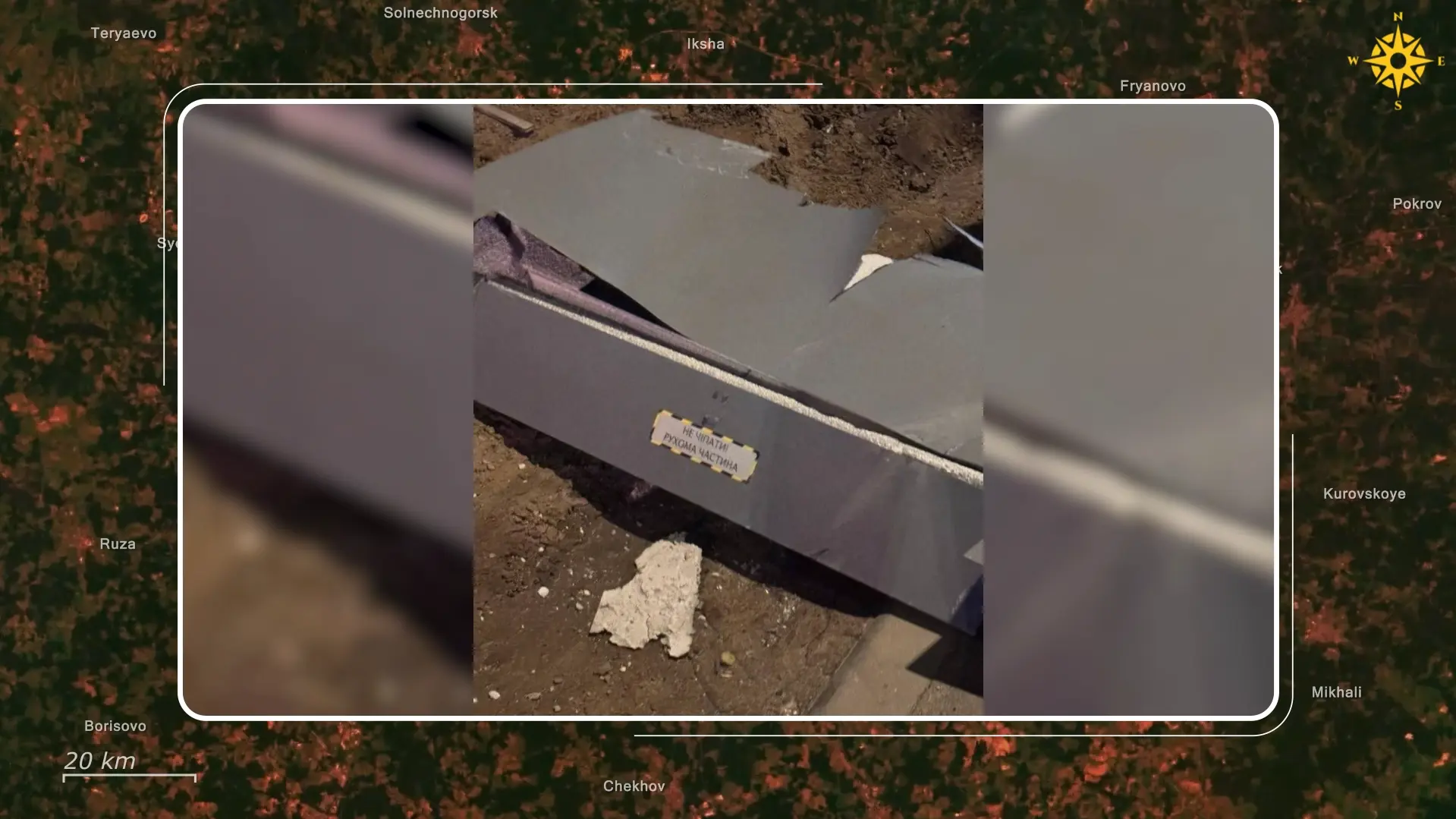
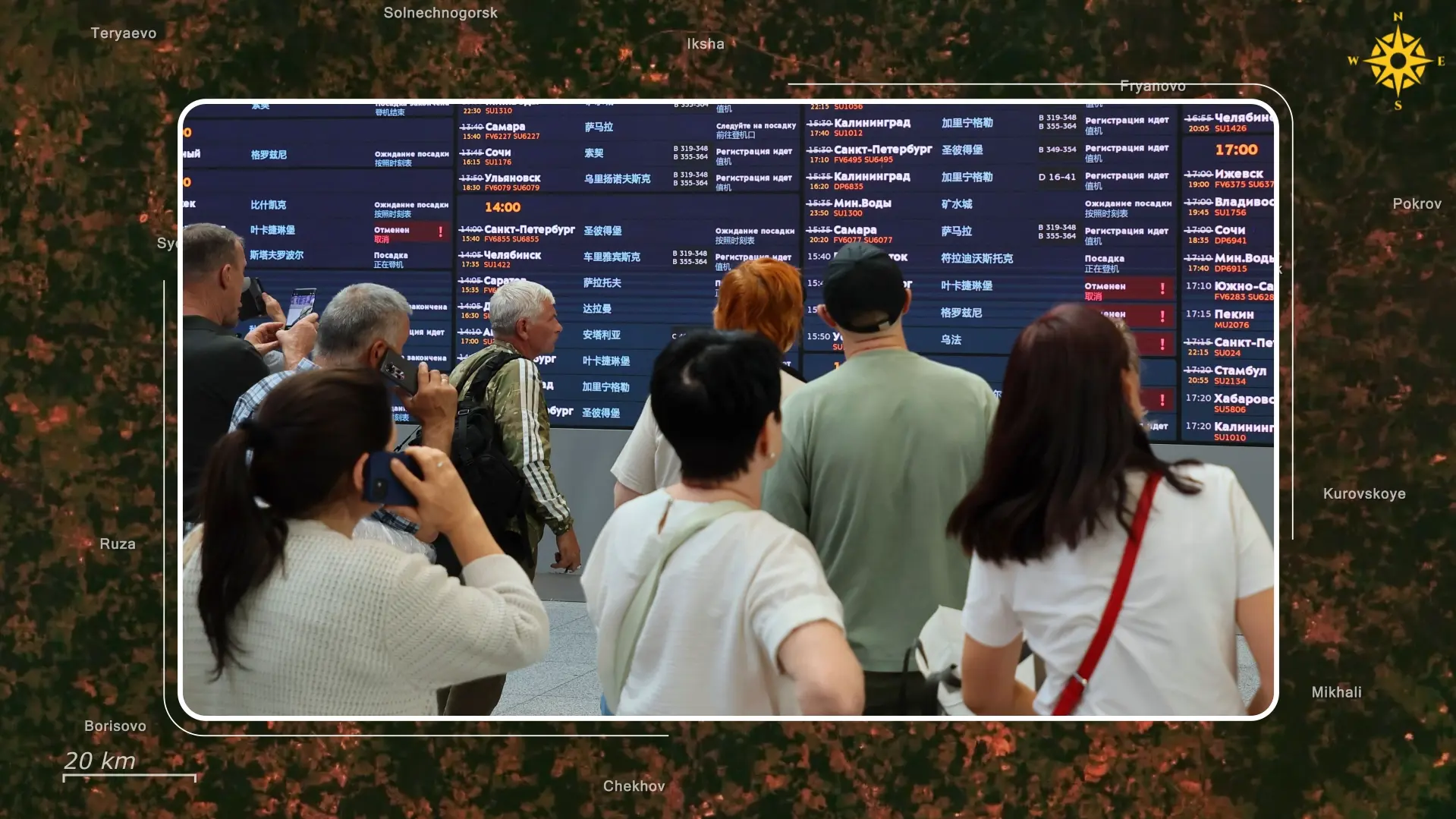
The psychological impact was even greater than the real damage, as this was one of the closest confirmed Ukrainian drone strike to the Kremlin since two-thousand-twenty-three Russian analysts quickly raised alarms, questioning how such a breach was possible given the massive concentration of air defenses around the capital, issuing concerns about what could happen during the parade.
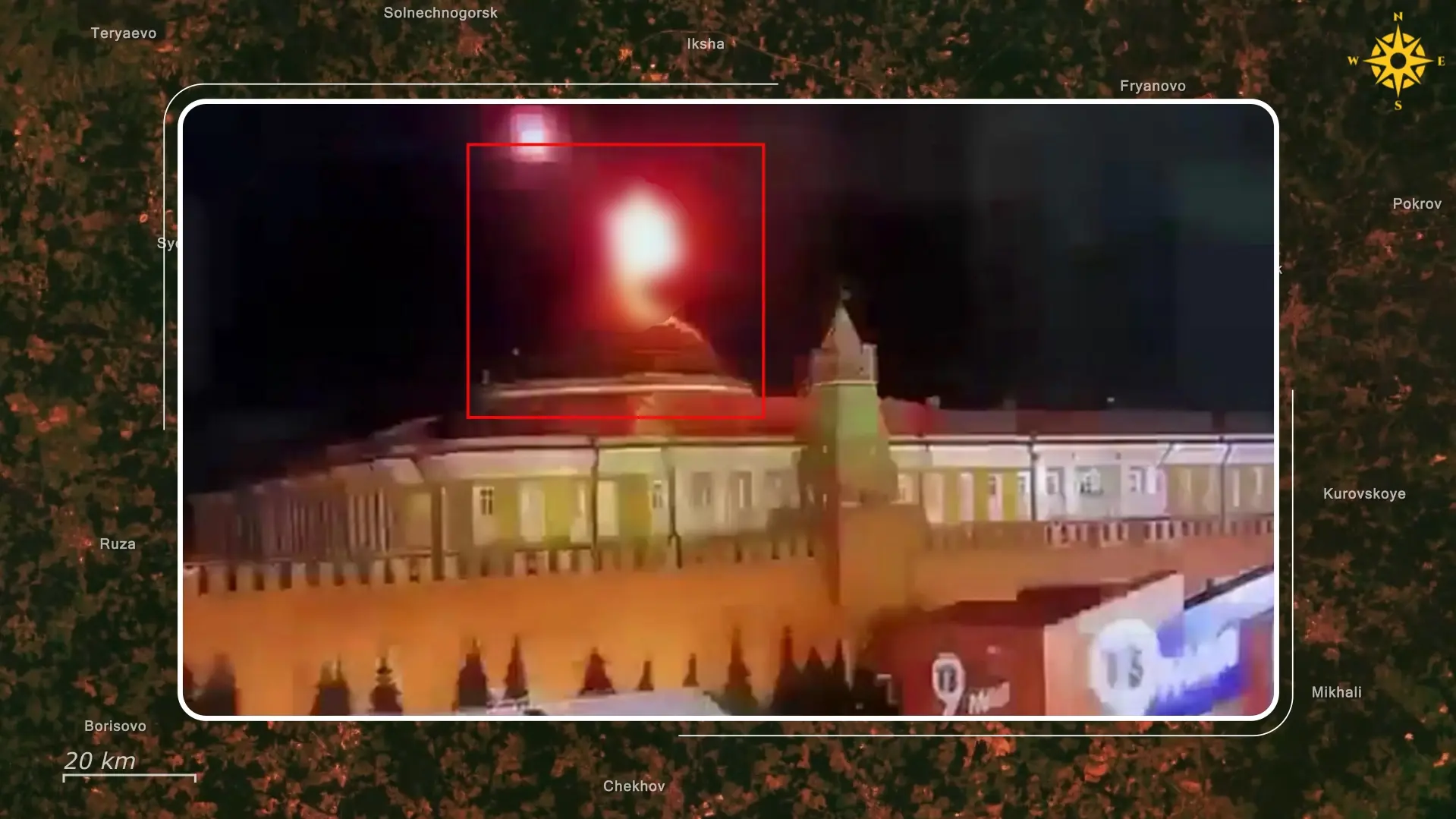

The following day, further footage emerged showing a Russian Ka fifty-two attack helicopter chasing a Ukrainian drone over Moscow’s suburbs, underscoring the scale of the threat. Instead of projecting control, that was the moment panic truly set in, as this revealed a system under stress, scrambling to respond to fast-moving, low-altitude targets that slipped through even dense defenses, with Ukrainians continuing to come close even while only probing for weaknesses.


As a result, Russian authorities escalated security measures across Moscow to unprecedented levels, effectively sealing off the city center. Checkpoints appeared at all entry points into the city to prevent Ukrainian infiltrators from setting up to launch FPV drones, while armored vehicles equipped with heavy machine guns began patrolling key areas, ready to engage any threat on the ground or in the air. Around the Kremlin itself, special forces took positions on towers, rooftops, and even historic walls, establishing machine gun nests on buildings that had not been used in such a role since the German advance on Moscow in World War two.

Through these measures, Red Square was transformed into a fortified military zone with heavily restricted access. Across the city, mobile internet is being intermittently cut, while all four major airports around Moscow suspended operations till the parade was over. These measures, officially described as merely security precautions, disrupted daily life and fueled public anxiety, making one thing clear: despite all efforts, Russian authorities feel way too vulnerable and not at all in control.
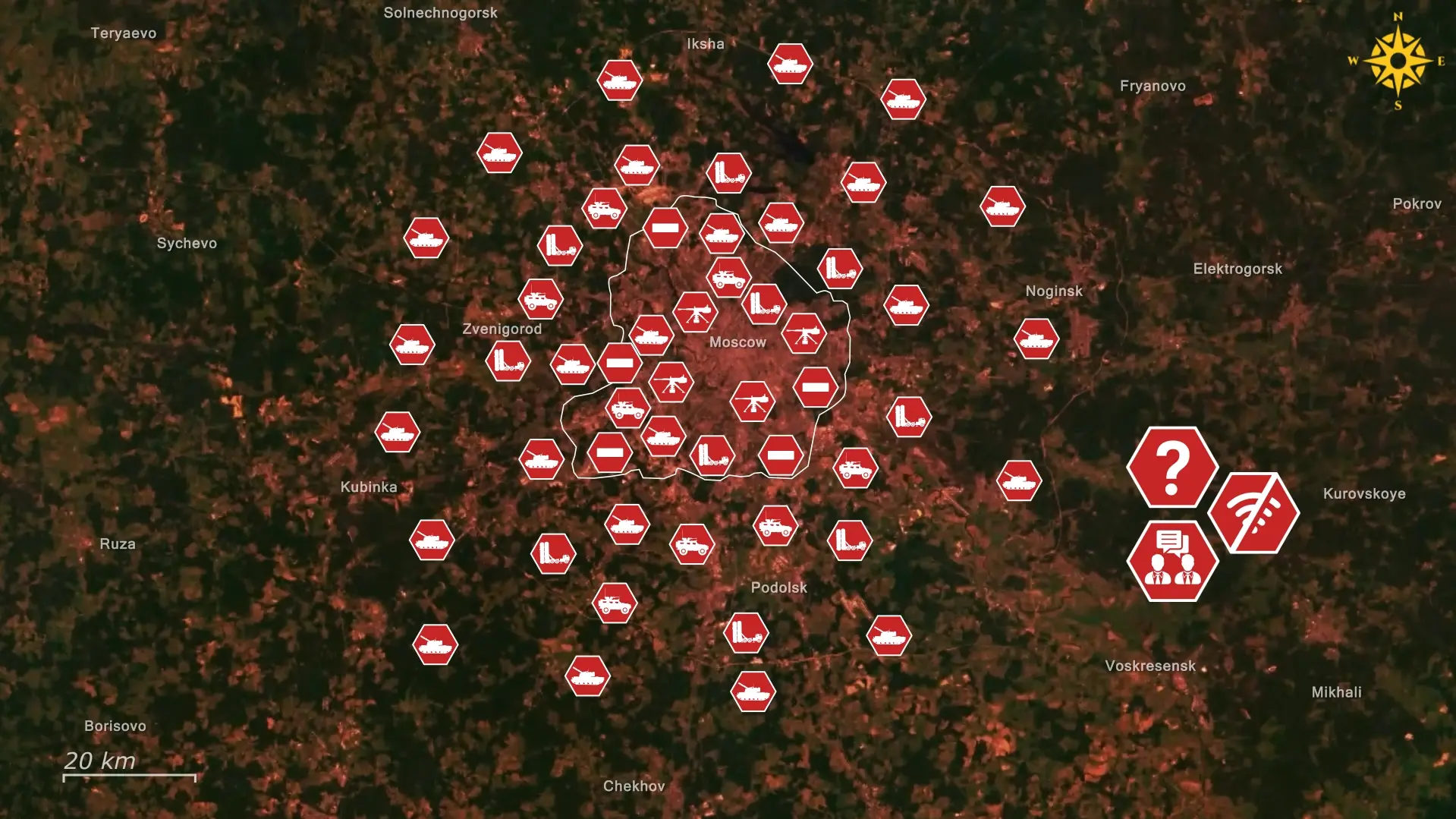
Overall, even after building a dense air defense shield with more than a hundred systems, Moscow was still penetrated by Ukrainian drones just days before its most important national event. This not only shocked the Kremlin but forced it into increasingly extreme measures, including deploying machine guns across rooftops, restricting communications, and locking down the capital.

Whether or not Ukraine ultimately targets the parade itself, the message has already been delivered. If Moscow, the most protected city in Russia, can be reached, then the rest of the country remains even more exposed to sustained Ukrainian drone strikes, and there is little the Russian government can do to stop them.

.jpg)

Comments