

.svg)
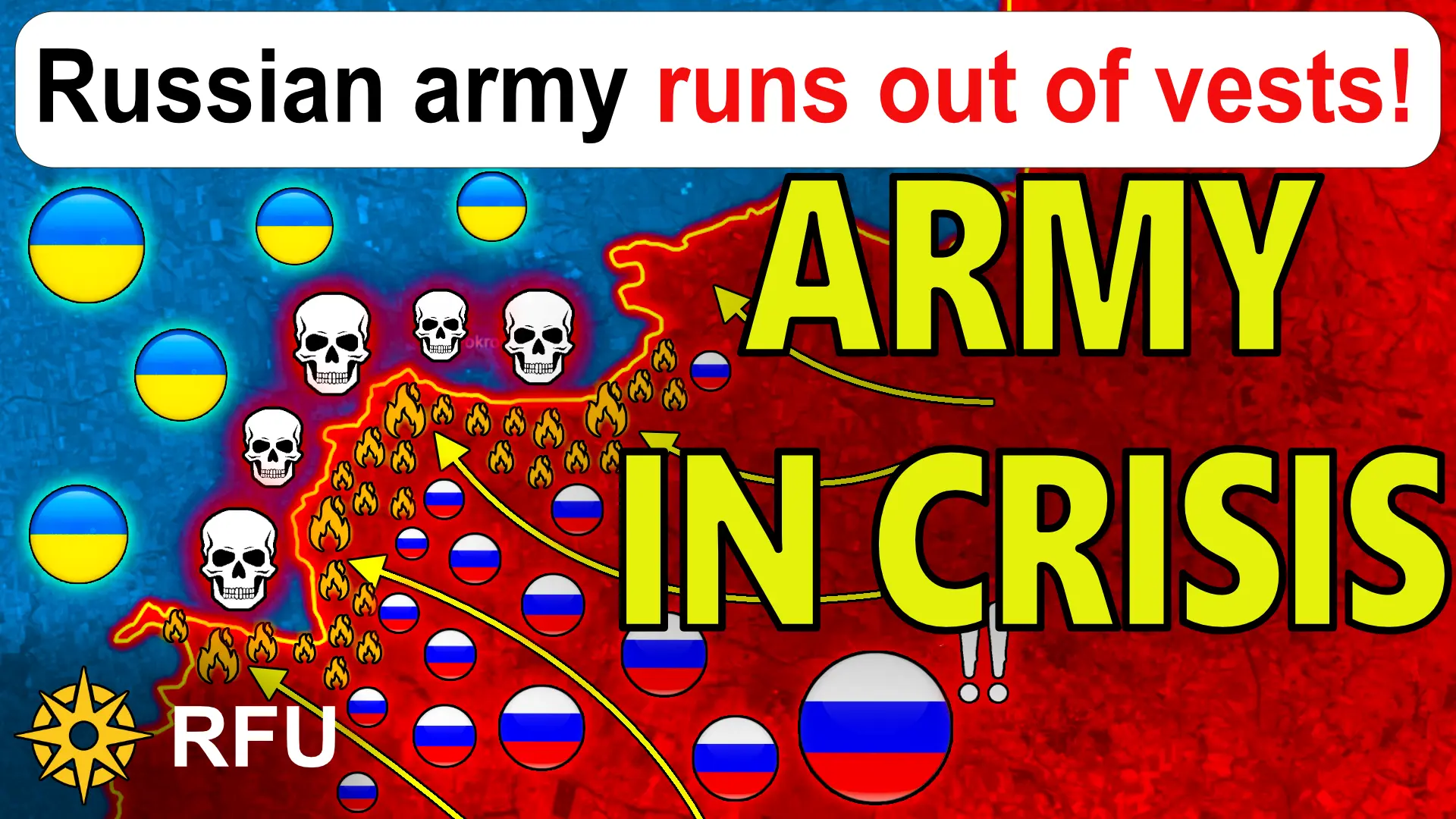
Today, the biggest news comes from the Russian army.
Here, the collapse in battlefield equipment has reached a new low as assault troops are increasingly entering combat without body armor. This is becoming even more serious because the same civilian fundraising networks that once helped cover these shortages are weakening, which means soldiers are forced to spend their own bonus money just to buy a chance to survive.
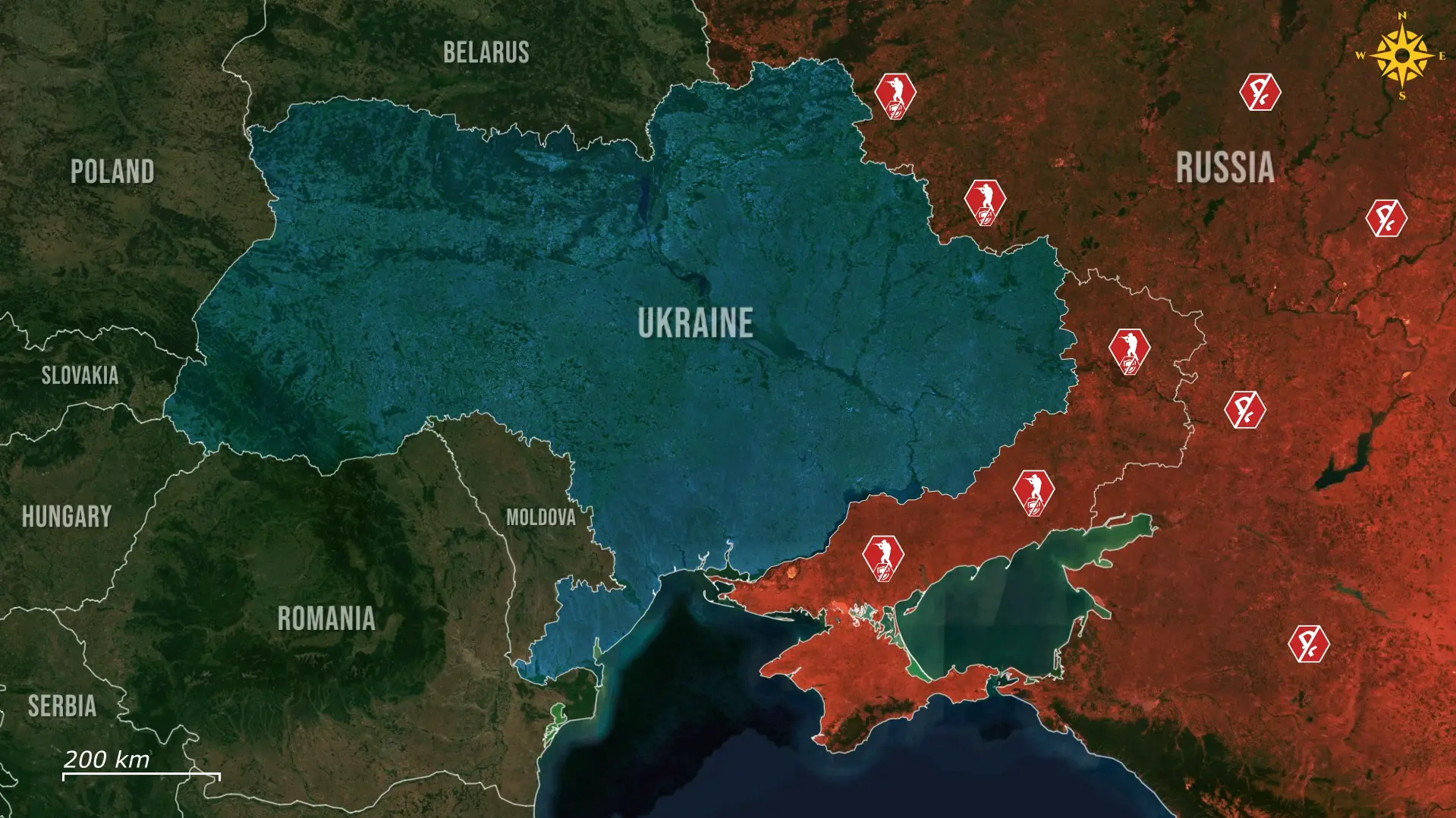
Body armor is the last basic layer of protection on a battlefield dominated by drones, artillery fragments, and sudden strikes, so once that layer disappears, every assault becomes more lethal from the first moment of contact. The vest shortage shows that Russia is no longer failing only at the level of vehicles and transport, but at the level of the individual soldier’s survival. Earlier in the war, Russian forces could still absorb losses through armored vehicles and aviation support, but as those systems became harder to replace, assaults increasingly shifted onto cheaper and less protected forms of movement.
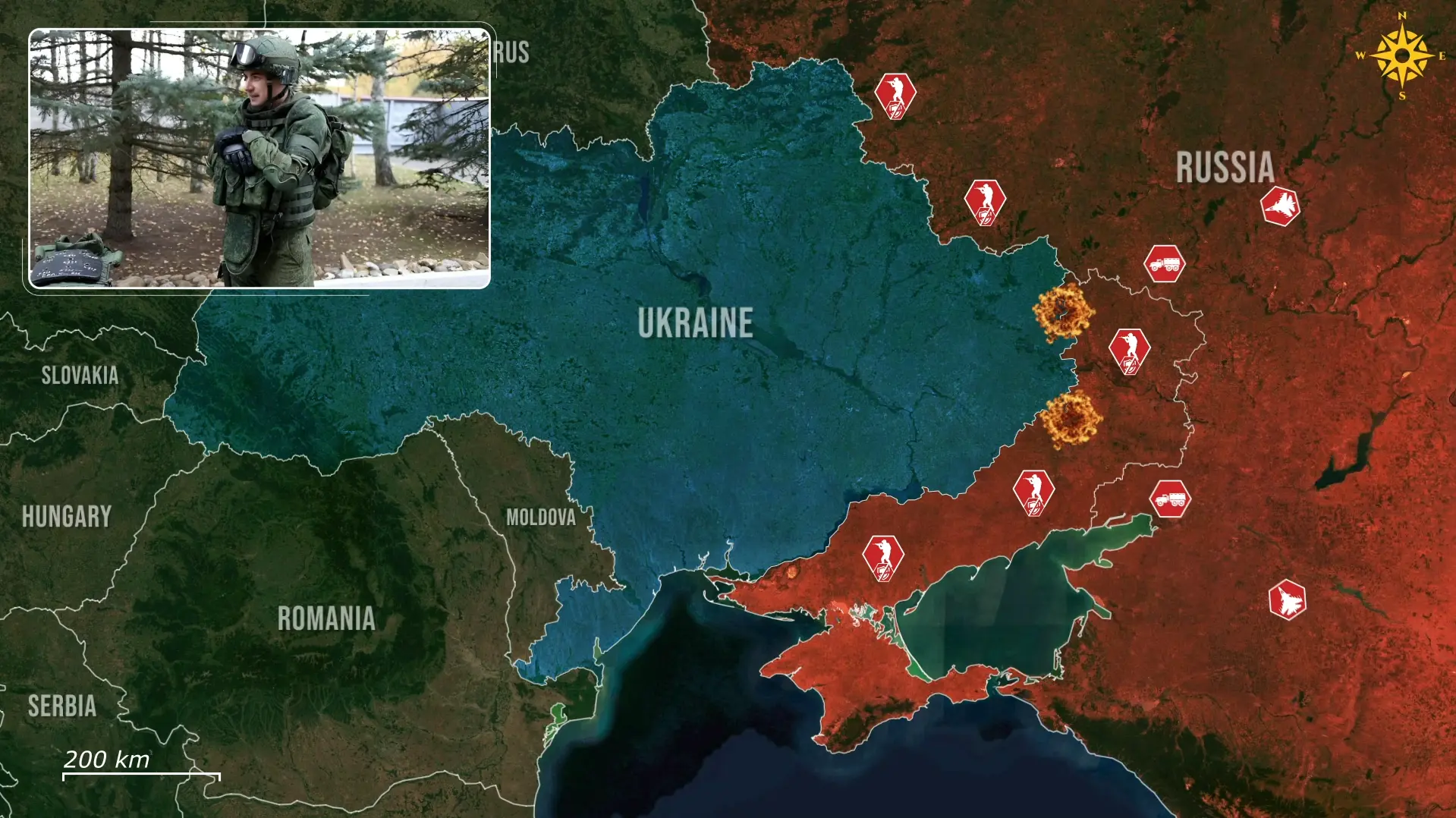
In two thousand twenty three, improvised civilian vehicles and golf carts appeared as a substitute for equipment that was no longer available in sufficient numbers.
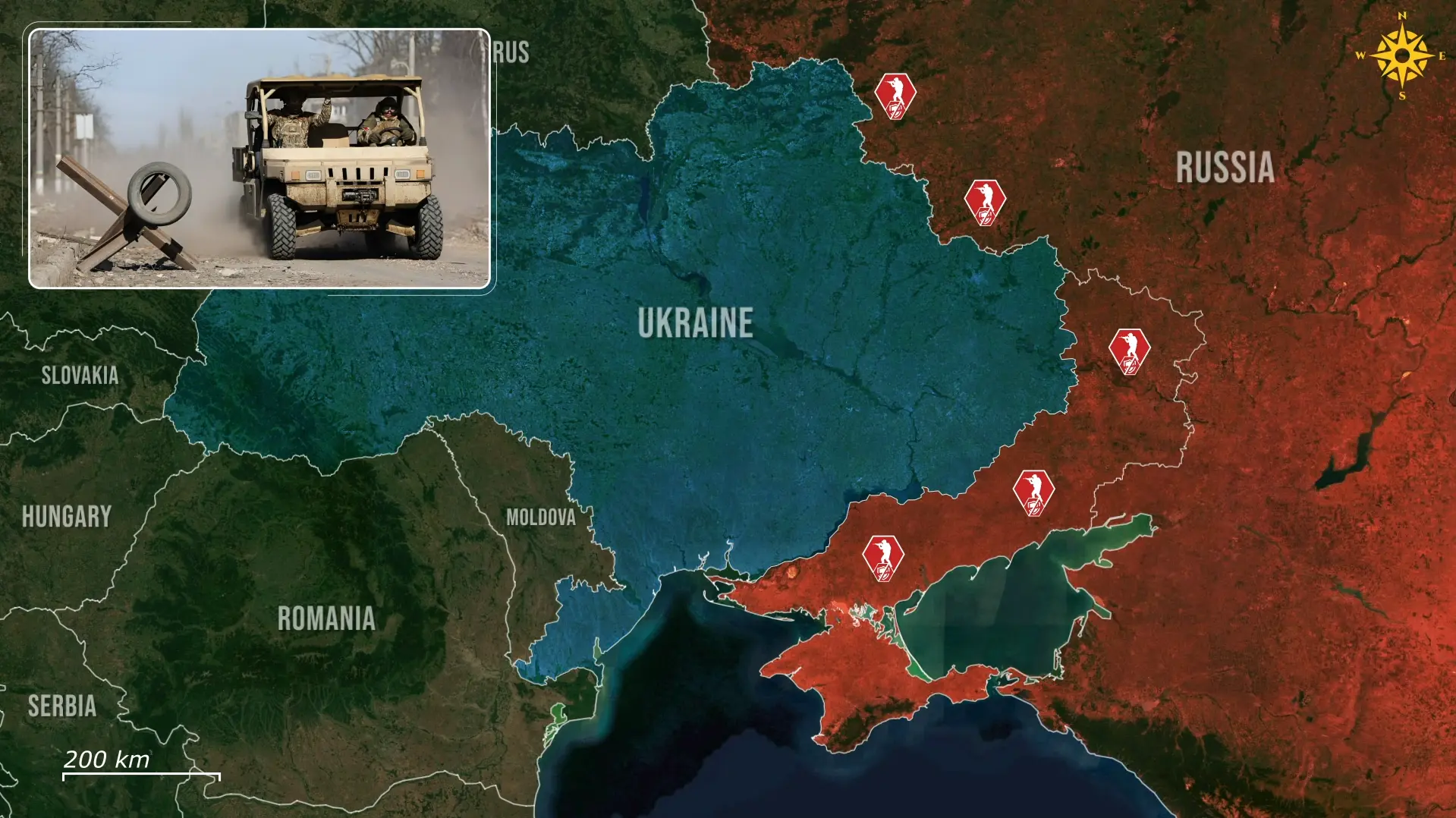
In two thousand twenty four, motorcycles and scooters pushed that logic even further, reducing the burden on strained logistics but exposing soldiers far more directly to Ukrainian fire.
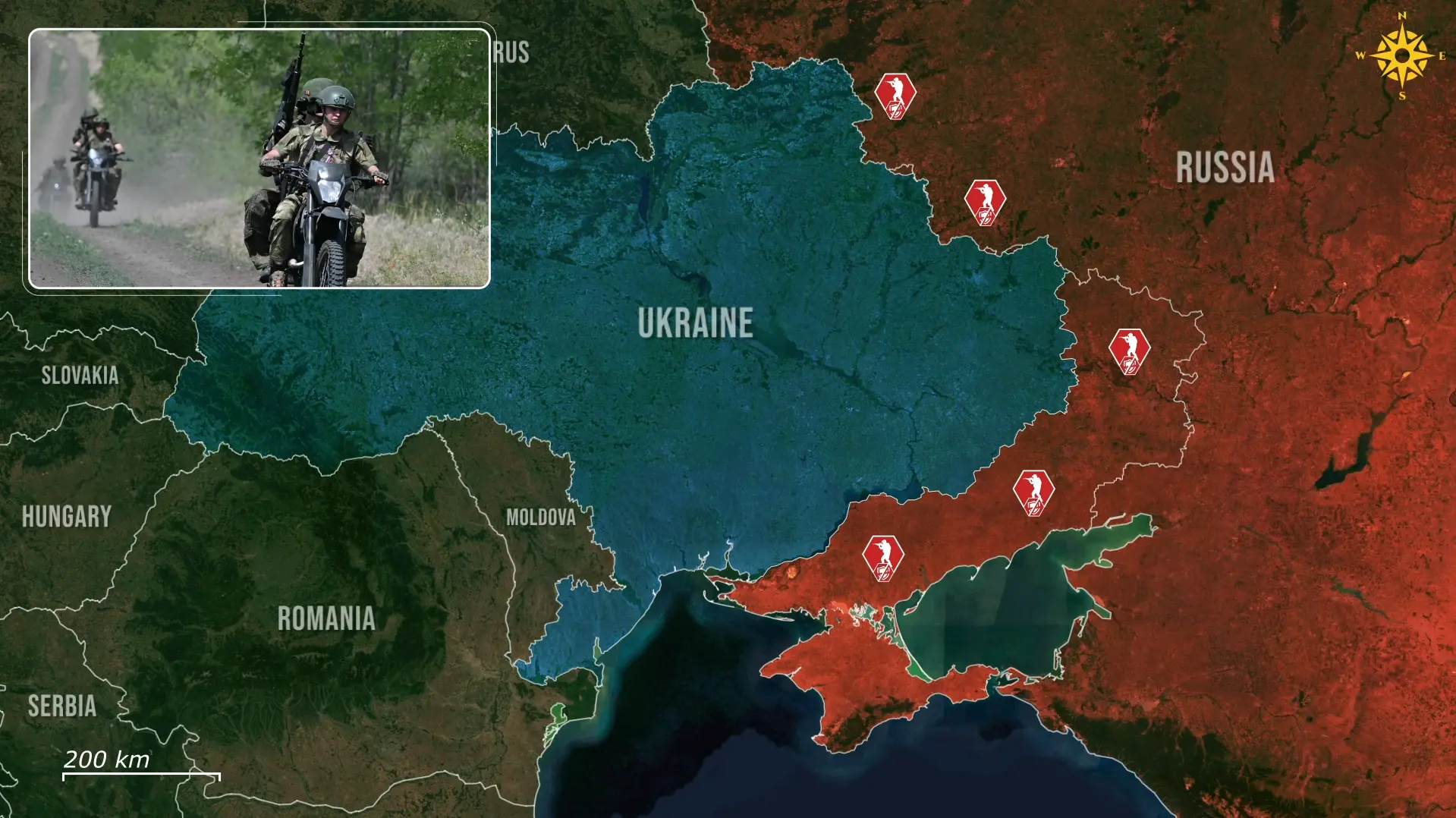
By two thousand twenty six, the pressure from attrition, shortages, and constant battlefield losses has reached the point where even basic personal protection is disappearing, leaving the assault soldier himself to absorb the full cost of that decline.
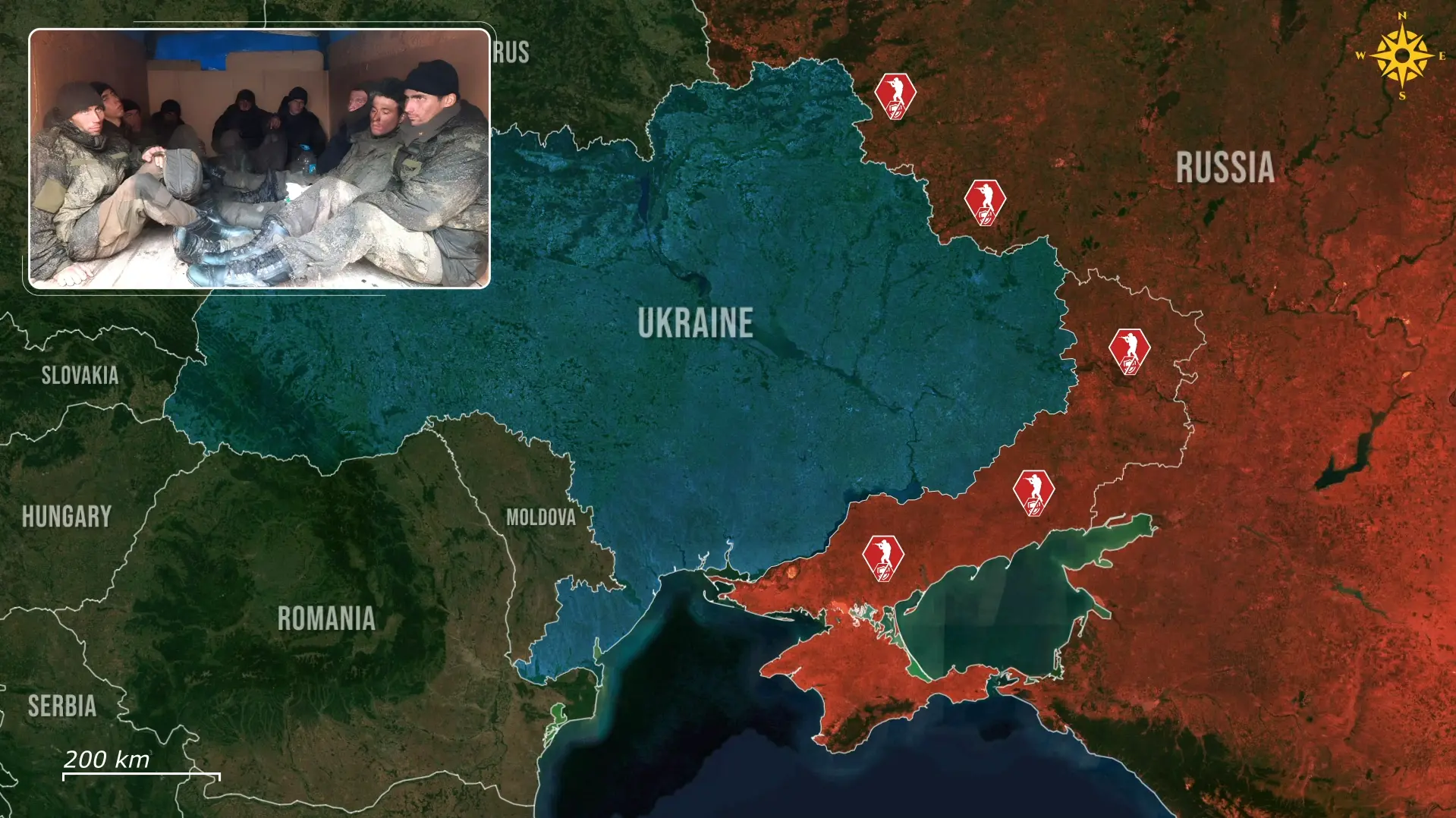
The shortage also does not appear to be one isolated failure, as Russian channels are showing the same pattern, including donation based deliveries of body armor even to special purpose formations that should receive better support and higher priority from the state than ordinary assault infantry.
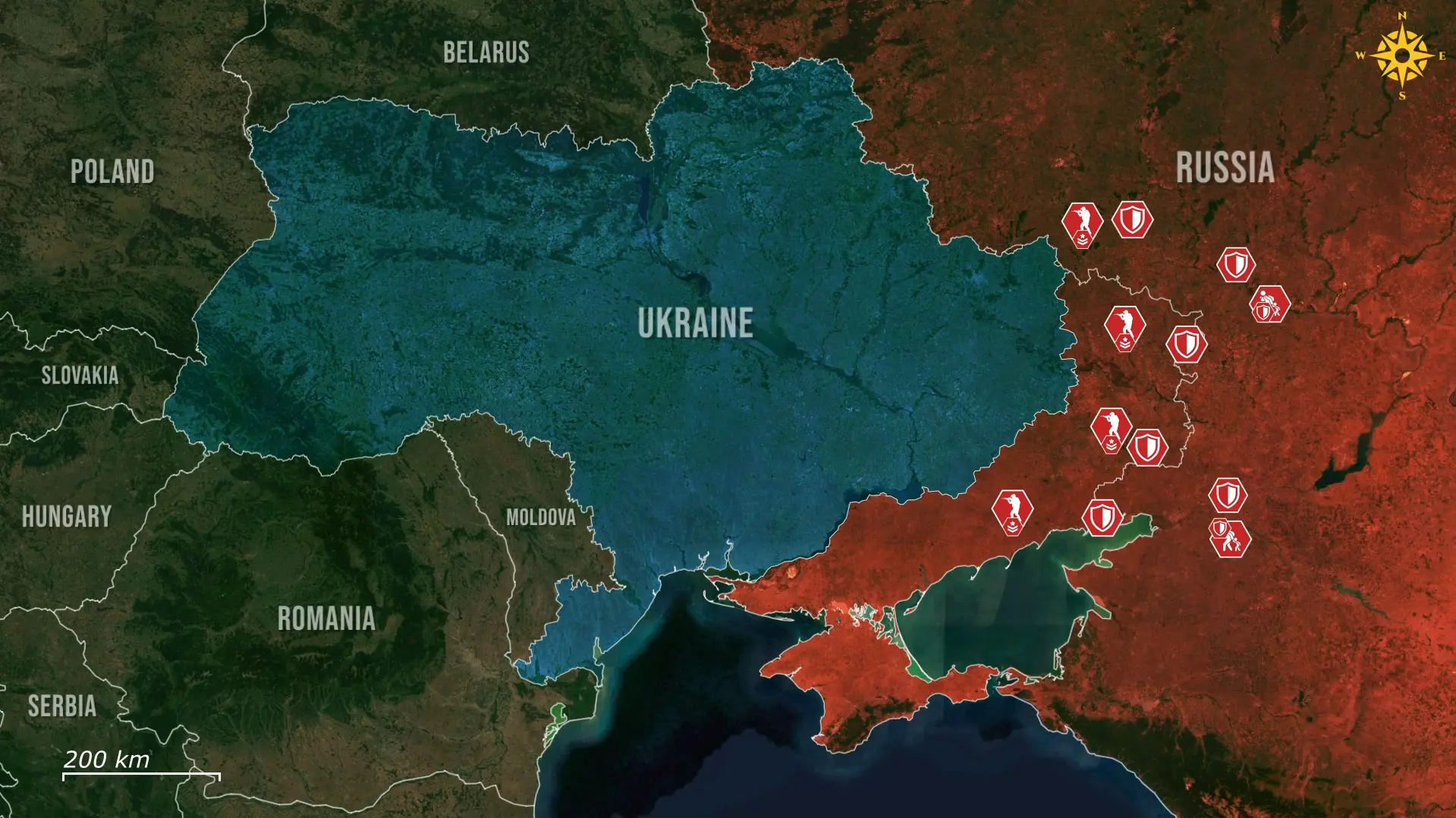
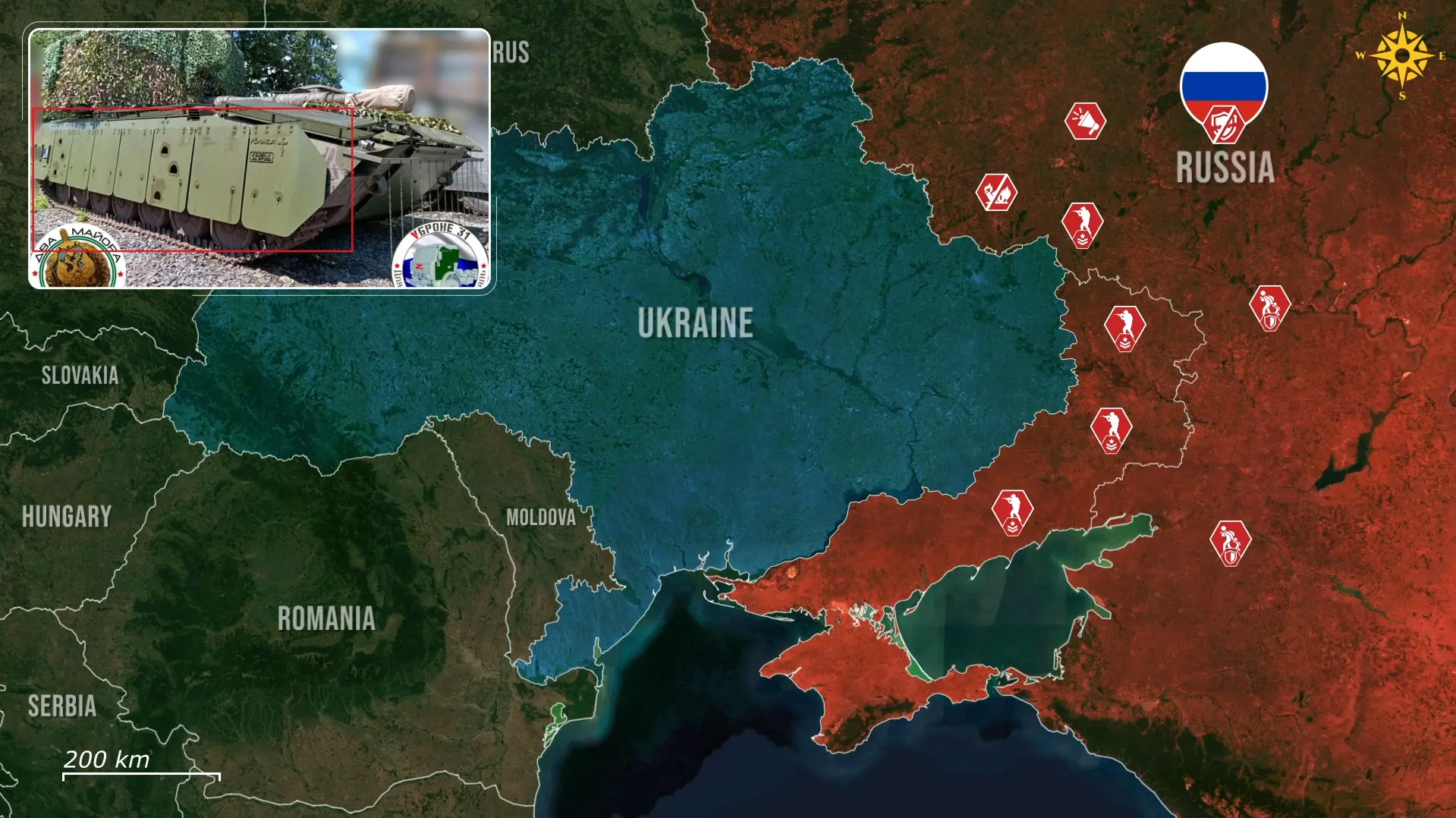
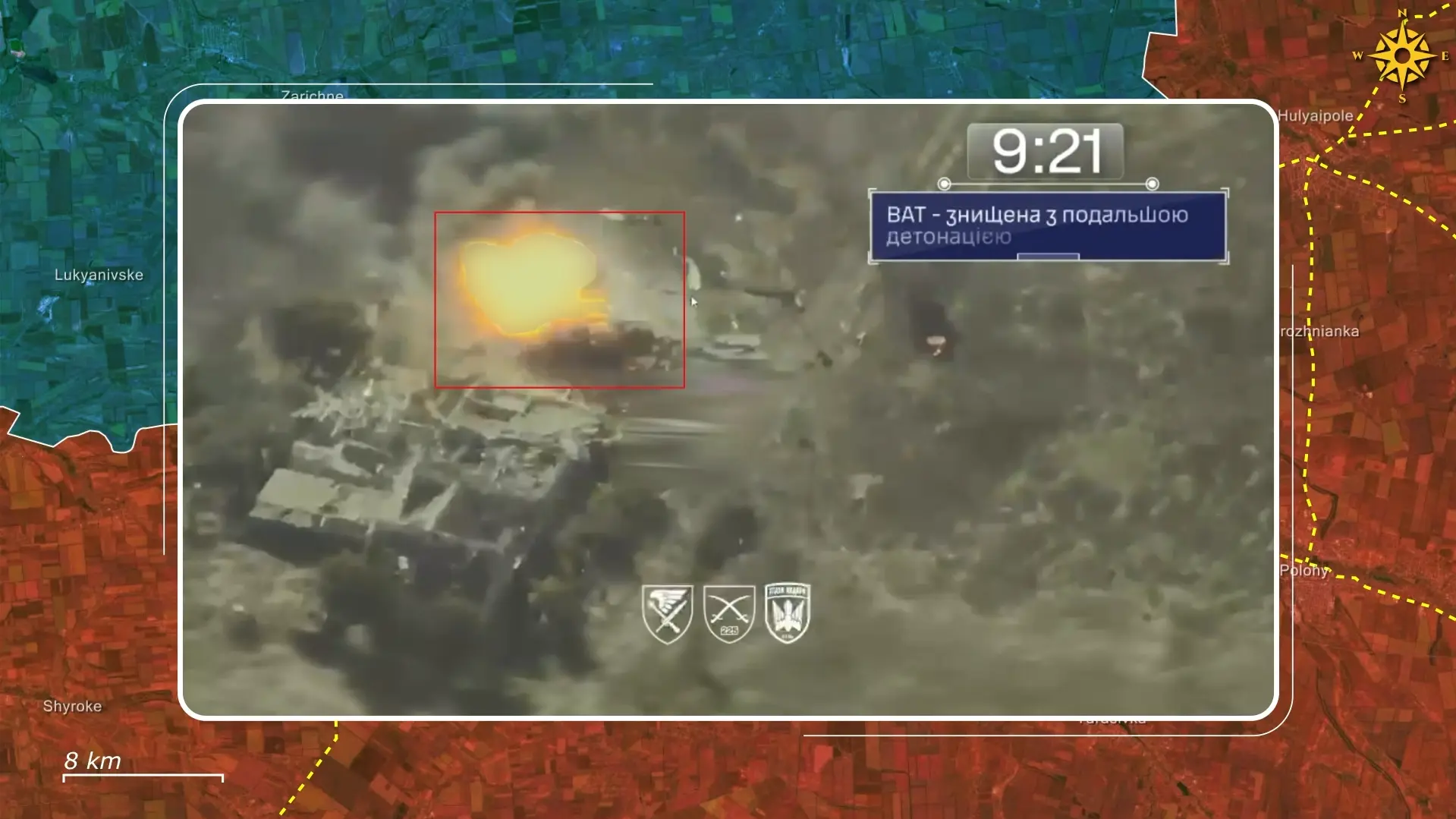
The same pattern appears in vehicle protection as well, where volunteer groups use public donations to assemble armor kits, protective screens, and drone cages for trucks and military vehicles near the front. That means volunteers are no longer just covering minor shortages, but are increasingly taking over one of the most basic wartime functions of the state, which is providing protection to men and vehicles before they enter combat. One case in Belgorod showed how far this decline had gone, as a workshop reportedly operated on donated money while officials failed to provide basic concealment or nearby air defense coverage. Russian accounts say that vulnerability was later exposed by a Ukrainian strike that caused casualties, after which the response from local authorities was pressure instead of support.
However, this substitute system is also beginning to fail, because pro war Russian voices are now openly complaining that volunteers are struggling to raise money even for socks and underwear, while mass business closures have also cut off support from local companies that had been helping them at the front. As both state supply and civilian fundraising weaken, the burden of survival shifts directly onto the soldiers themselves, with Russian accounts describing servicemen spending large parts of their monthly salary on fuel, spare parts, deliveries, drones, thermal devices, anti drone protection, and mobility tools that improve their chances of surviving. Money presented as military compensation is therefore increasingly spent not on families back home, but on replacing what Russia fails to provide at the front. For many recruits from poor regions, the signing bonus was meant to offer some future security, yet it is now increasingly consumed by survival itself, and in some cases even by payments to commanders to avoid a suicidal assault against Ukrainian lines.
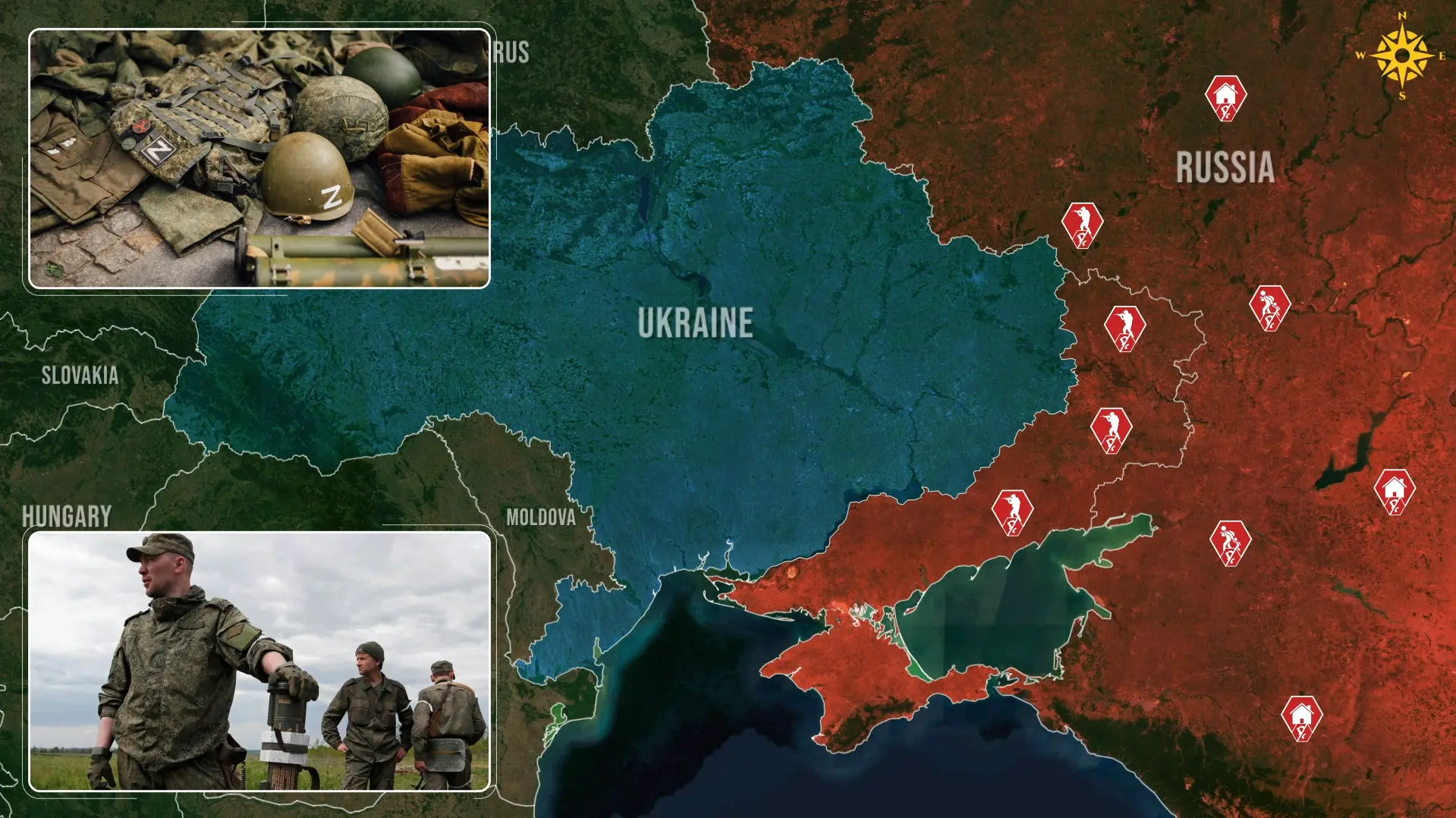
Overall, Russian commanders can still demand assaults at the same pace, but the units carrying them out have less and less protection and support behind them. That creates a growing mismatch between what is being ordered and what is actually available for the soldiers. As that gap widens, more attacks will begin with units already short of the gear, transport, and support needed to reach their objective.
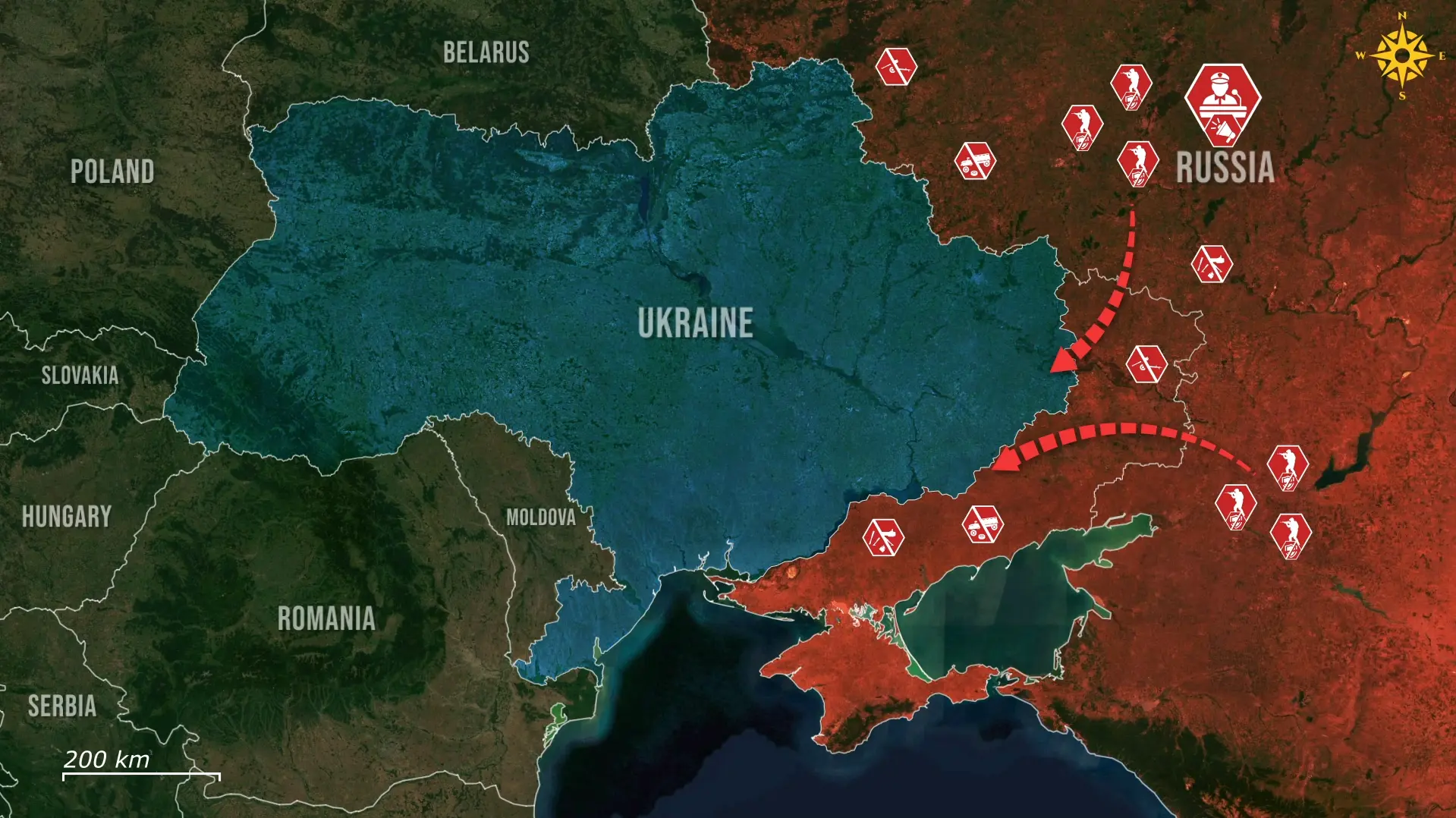
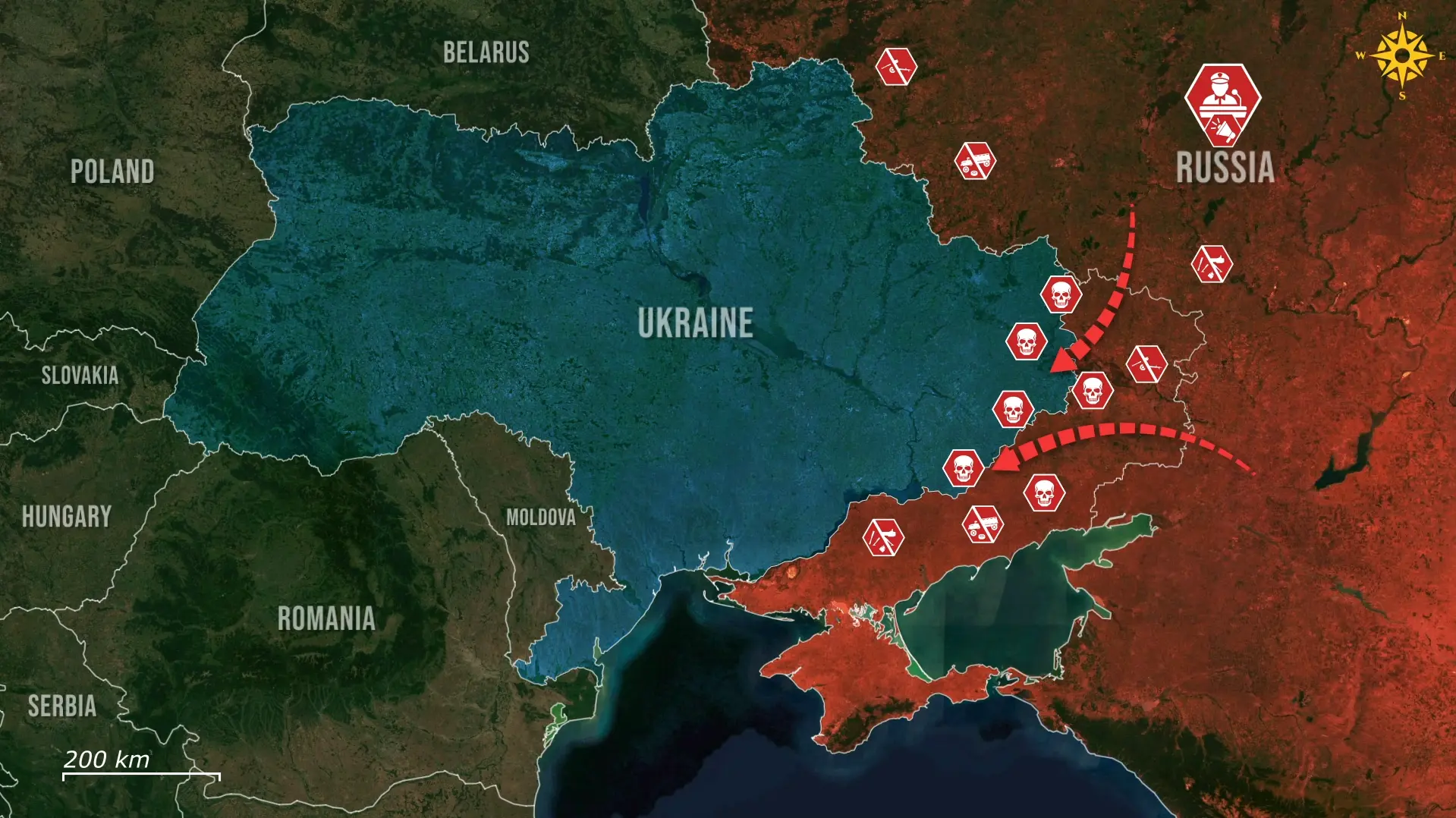
Russia may still launch attacks at the same pace, but more of them will end in heavy losses and negligible gains because the demands of command are now outrunning what the units on the ground can actually sustain.
.jpg)

Comments